Ever walked into a dim corner of your home and thought, “What could possibly thrive here without a sunbeam?” If you’ve ever faced that dilemma, you’re not alone—finding the best indoor plants for low light rooms is a common quest for apartment dwellers, office workers, and anyone whose interior lighting leans more toward cozy than solar.
In This Article
- 1. ZZ Plant (Zamioculcas zamiifolia)
- 2. Snake Plant (Sansevieria trifasciata ‘Laurentii’)
- 3. Cast Iron Plant (Aspidistra elatior)
- 4. Pothos (Epipremnum aureum ‘Golden’)
- 5. Chinese Evergreen (Aglaonema ‘Silver Bay’)
- 6. Philodendron ‘Heartleaf’ (Philodendron hederaceum)
- 7. Peace Lily (Spathiphyllum ‘Domino’)
- 8. Dracaena ‘Janet Craig’ (Dracaena deremensis)
- Comparison Table: Best Low‑Light Indoor Plants
- Practical Tips for Low‑Light Success
- When to Repot
- Final Verdict
Low‑light doesn’t mean “no light.” It means plants must tolerate 50‑100 foot‑candles, roughly the illumination you get from a north‑facing window or a ceiling fixture with a soft LED bulb. The right selections can boost air quality, soften hard edges, and add a splash of green without demanding a windowsill. Below is my seasoned, friend‑to‑friend rundown of the top low‑light champions, complete with price points, care quirks, and real‑world performance notes.
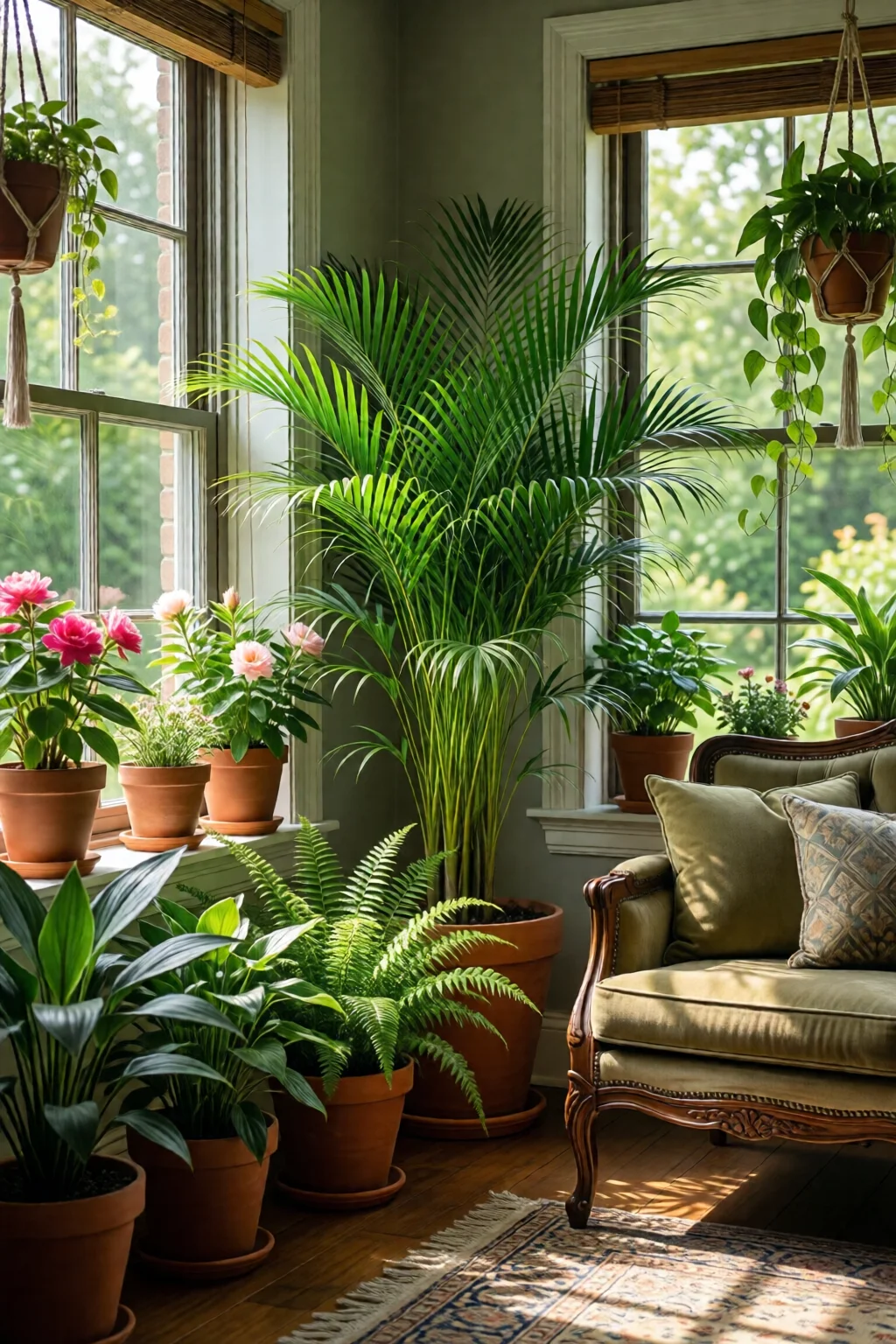
1. ZZ Plant (Zamioculcas zamiifolia)
The ZZ plant is practically the poster child for shade‑tolerant foliage. Its waxy, dark green leaves store water in thick rhizomes, making it virtually drought‑proof. I keep one on my home office desk, and after two years it still looks as glossy as day one.
- Light needs: 50‑100 foot‑candles; tolerates fluorescent office lighting.
- Water: Allow soil to dry 2‑3 inches deep; water every 3‑4 weeks.
- Size: 12‑24 inches tall, 12‑18 inches wide (mature).
- Price: $25–$45 from The Sill (6‑inch pot).
- Pros: Low maintenance, tolerates neglect, excellent air‑purifying (removes xylene).
- Cons: Toxic if ingested (keep away from pets).
Rating: ★★★★★ (5/5)
2. Snake Plant (Sansevieria trifasciata ‘Laurentii’)
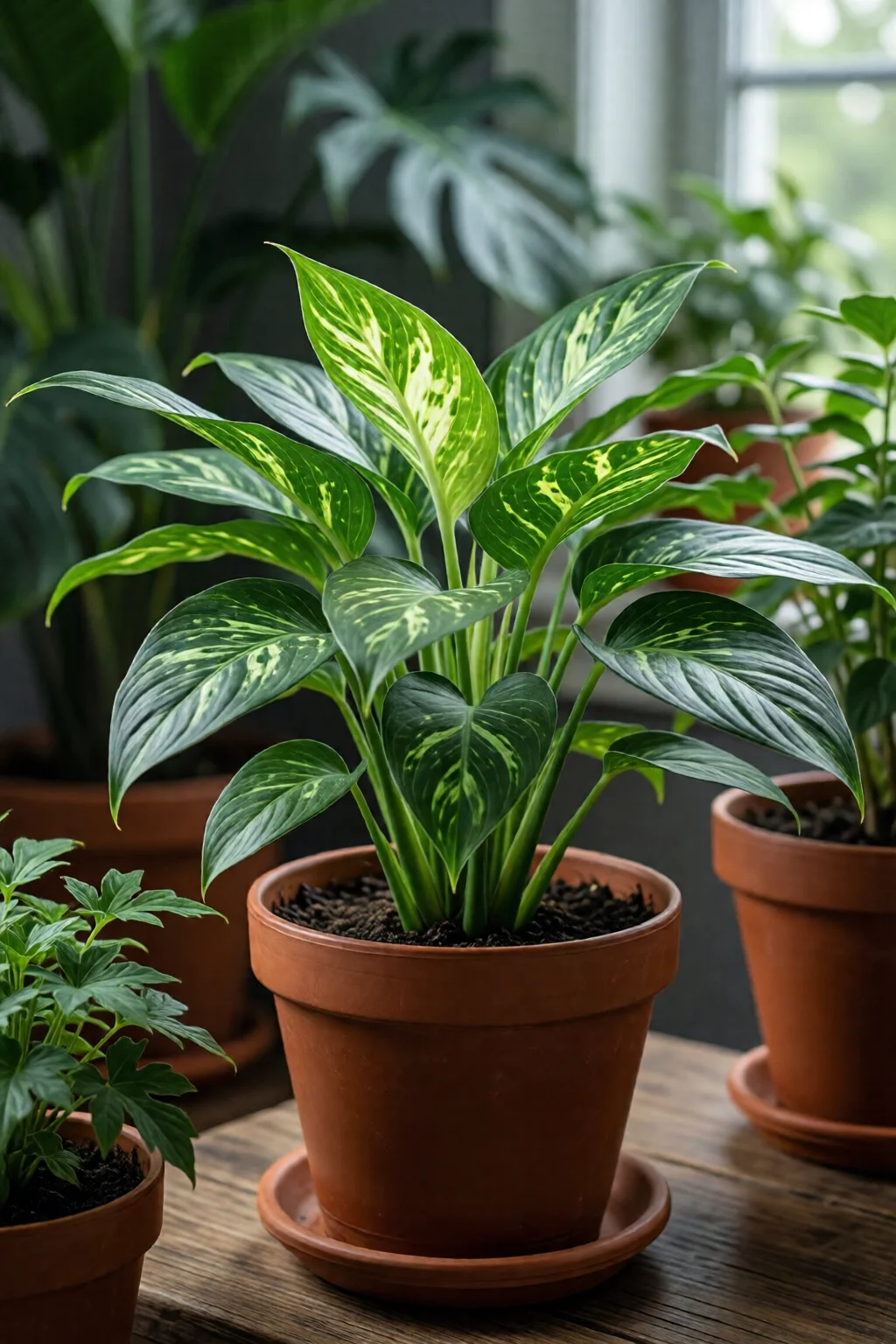
Often called “mother‑in‑law’s tongue,” the snake plant thrives on the edge of darkness. Its upright, sword‑like leaves are remarkably resilient, surviving weeks of missed watering. I’ve had one in a hallway for five years; it still pushes new shoots each spring.
- Light needs: 50‑150 foot‑candles; tolerates artificial light.
- Water: Water sparingly; once every 4‑6 weeks in winter, 2‑3 weeks in summer.
- Size: 24‑36 inches tall (varies by cultivar).
- Price: $20–$35 for a 10‑inch pot from Costa Farms.
- Pros: Extremely tolerant of low light, removes formaldehyde, architectural shape.
- Cons: Leaves can be sharp; toxic to cats and dogs.
Rating: ★★★★☆ (4.5/5)
3. Cast Iron Plant (Aspidistra elatior)
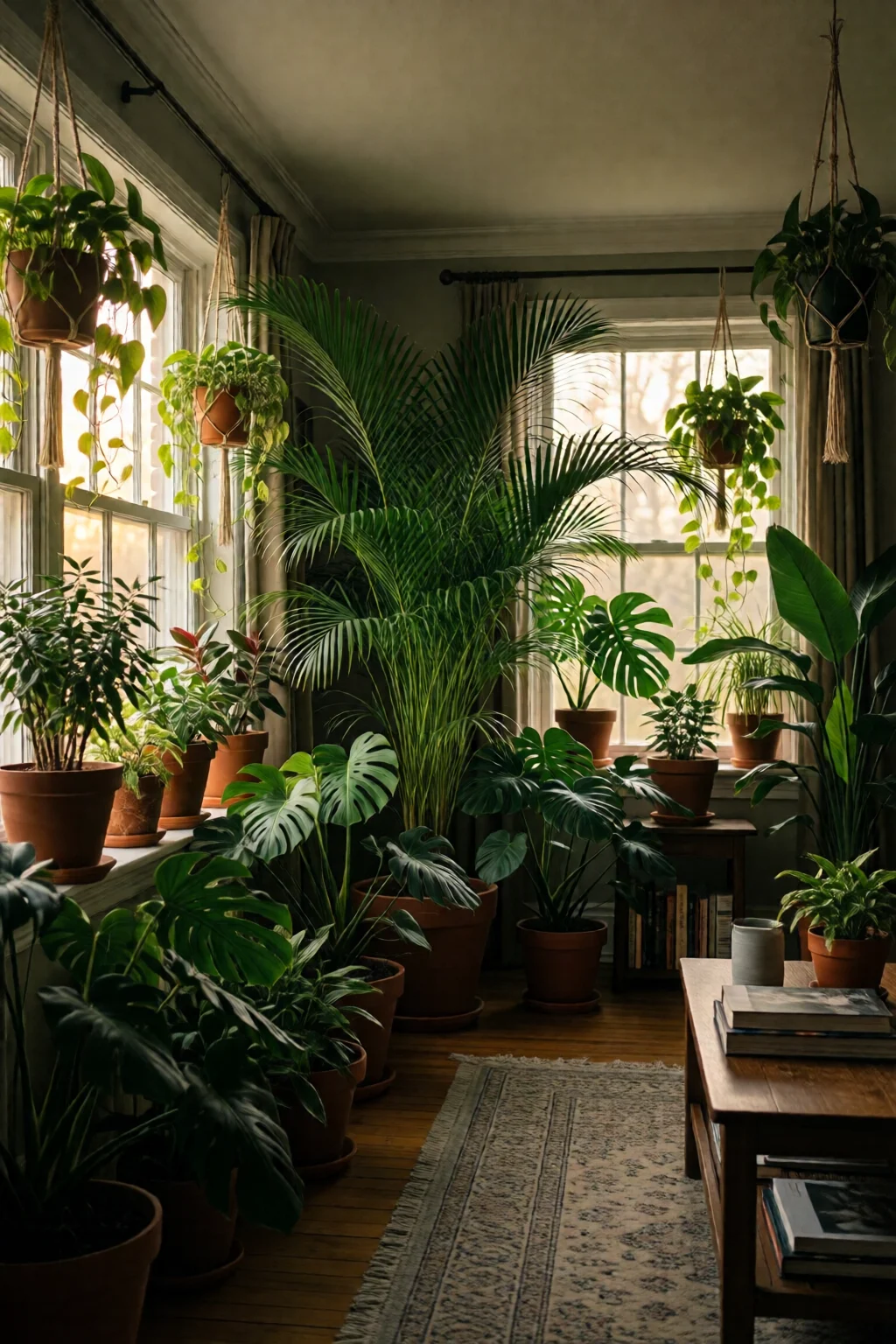
True to its name, the cast iron plant endures neglect, temperature swings, and low light like a champ. I placed one in my basement laundry room, where temperature dips to 55°F in winter, and it still flourishes.
- Light needs: 30‑100 foot‑candles; ideal for deep‑shade corners.
- Water: Keep soil evenly moist; water when top inch feels dry.
- Size: 18‑24 inches tall, 12‑18 inches wide.
- Price: $30 for a 8‑inch pot from Bloomscape.
- Pros: Tolerates low light, drafts, and irregular watering; pet‑safe.
- Cons: Slow growth; may take 2‑3 years to reach full size.
Rating: ★★★★☆ (4.2/5)
4. Pothos (Epipremnum aureum ‘Golden’)
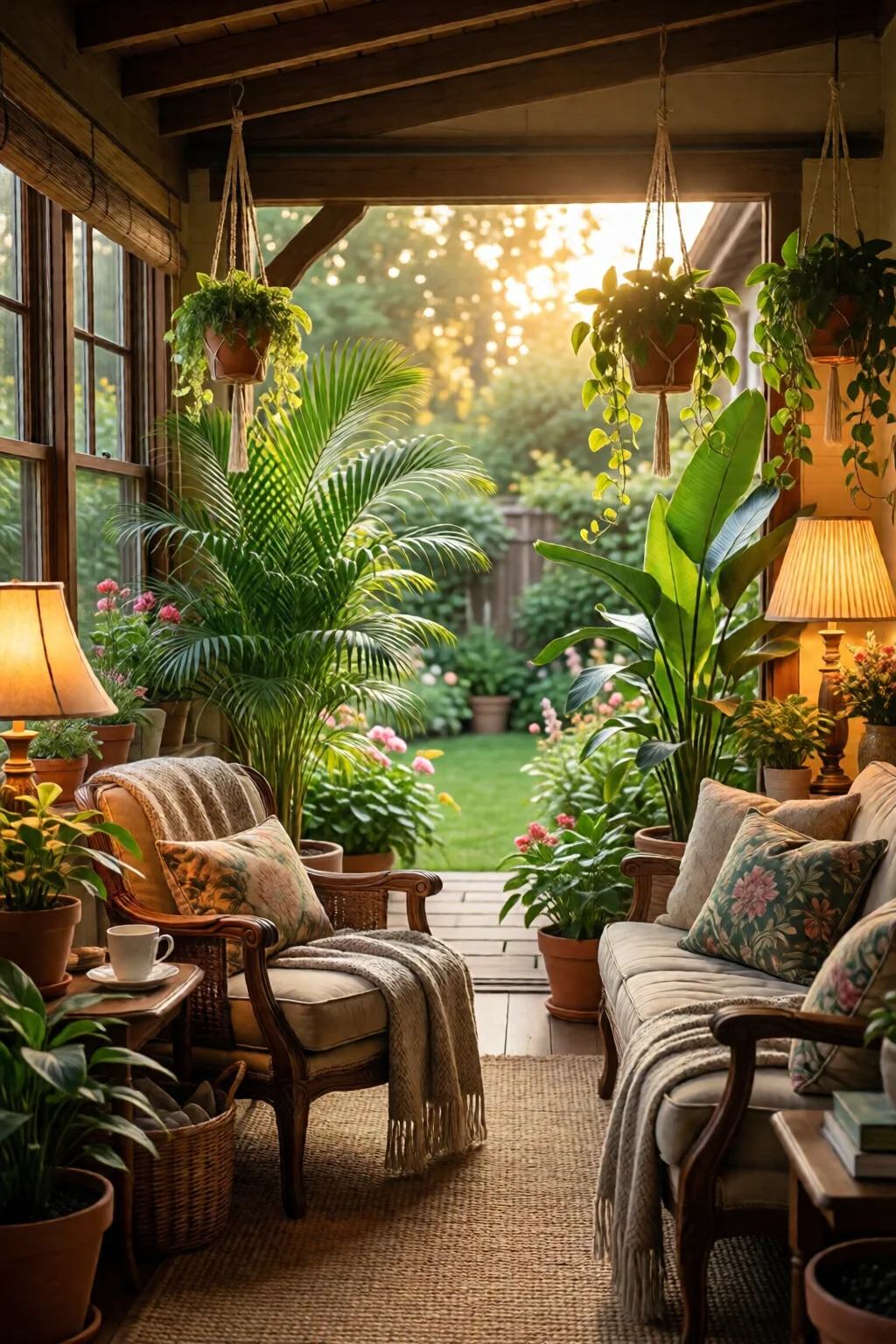
Pothos is the go‑to vine for beginners, and its variegated “golden” form adds a splash of sunshine to any dim space. I drape a trailing pot over a low bookshelf, and the vines cascade 3‑4 feet without any direct sunlight.
- Light needs: 50‑120 foot‑candles; tolerates fluorescent office light.
- Water: Water when soil surface dries out (about every 2 weeks).
- Size: Vines can reach 6‑10 feet with support.
- Price: $15–$25 for a 6‑inch pot from The Sill.
- Pros: Fast‑growing, excellent for hanging baskets, removes benzene.
- Cons: Toxic if chewed; leaves may lose variegation in very low light.
Rating: ★★★★★ (4.8/5)
5. Chinese Evergreen (Aglaonema ‘Silver Bay’)
Aglaonemas are prized for their striking silver‑green foliage and low‑light tolerance. I keep a ‘Silver Bay’ on my kitchen counter, where the only light is a recessed LED strip, and it thrives year‑round.
- Light needs: 40‑100 foot‑candles; prefers diffused light.
- Water: Water when top 2 inches dry; about every 10‑14 days.
- Size: 12‑18 inches tall, 12‑14 inches wide.
- Price: $28 for a 7‑inch pot from Costa Farms.
- Pros: Attractive variegation, tolerates low humidity, pet‑safe.
- Cons: Leaves can scorch if exposed to direct sun.
Rating: ★★★★☆ (4.5/5)
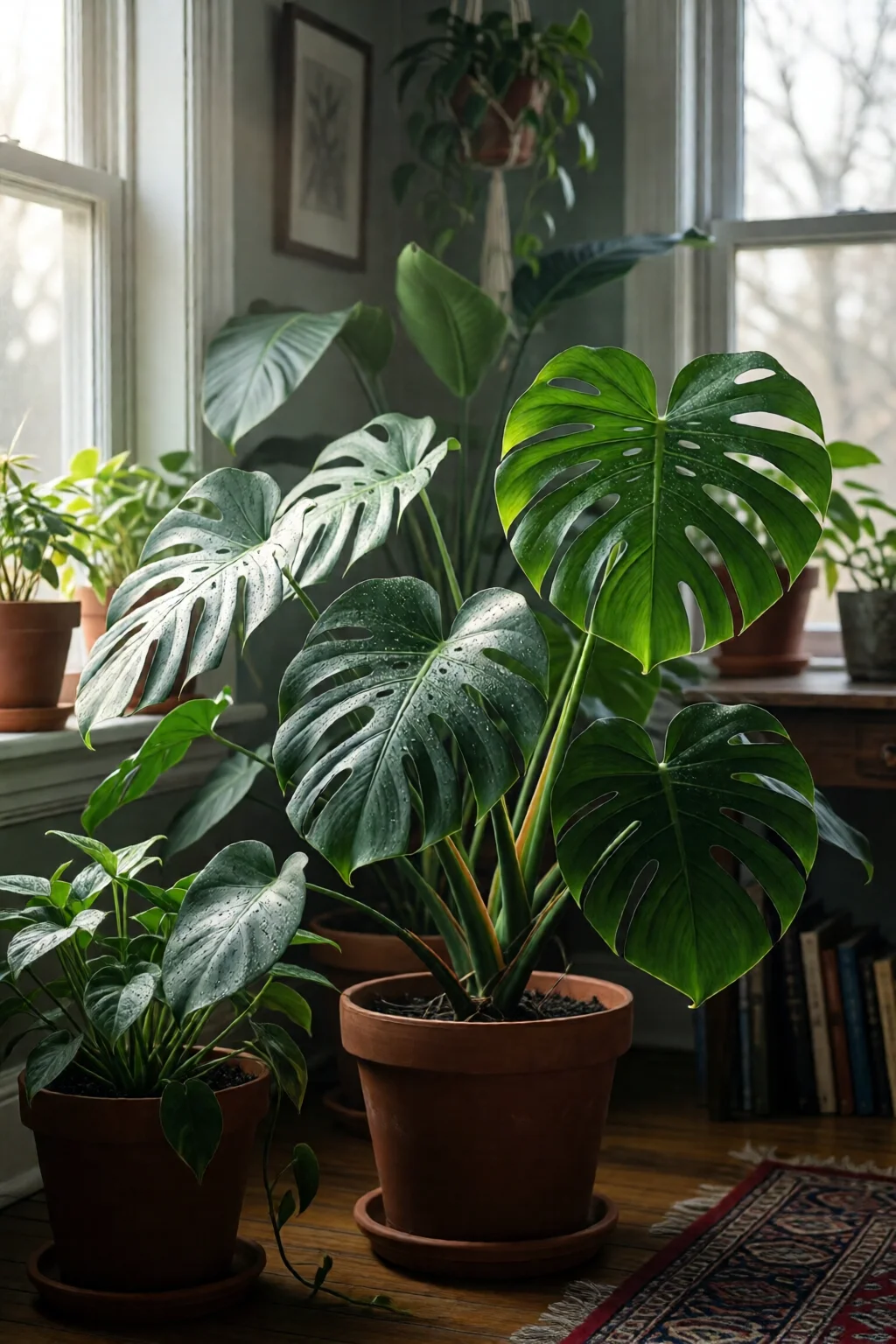
6. Philodendron ‘Heartleaf’ (Philodendron hederaceum)
Heartleaf philodendron is a classic trailing plant that loves to lounge in low‑light corners. I’ve trained one to climb a trellis in my living room, and it adds a lush, jungle‑like vibe without demanding a bright window.
- Light needs: 50‑150 foot‑candles; adaptable to fluorescent lighting.
- Water: Keep soil lightly moist; water when the top inch feels dry.
- Size: Vines up to 8‑10 feet with support.
- Price: $22 for a 6‑inch pot from Bloomscape.
- Pros: Rapid growth, easy pruning, air‑purifying (removes formaldehyde).
- Cons: Toxic to pets.
Rating: ★★★★★ (4.7/5)
7. Peace Lily (Spathiphyllum ‘Domino’)
Peace lilies deliver glossy leaves and elegant white spathes even in dim rooms. I keep a ‘Domino’ on my bedside table; the occasional bloom brightens the night without any sunlight.
- Light needs: 40‑100 foot‑candles; thrives under low‑light LED fixtures.
- Water: Keep soil consistently moist; mist weekly.
- Size: 12‑18 inches tall, 12‑14 inches wide.
- Price: $30 for a 9‑inch pot from The Sill.
- Pros: Excellent air purifier (removes ammonia), signals when thirsty by drooping.
- Cons: Toxic if ingested; may drop leaves if over‑watered.
Rating: ★★★★☆ (4.4/5)
8. Dracaena ‘Janet Craig’ (Dracaena deremensis)
Dracaenas are tall, architectural, and survive on a whisper of light. My ‘Janet Craig’ sits beside a hallway light and adds a vertical accent that complements the large indoor plants for living room aesthetic.
- Light needs: 50‑150 foot‑candles; tolerates fluorescent office lighting.
- Water: Allow top 2 inches to dry; water every 3‑4 weeks.
- Size: 3‑4 feet tall, 1‑2 feet wide.
- Price: $45 for a 12‑inch pot from Costa Farms.
- Pros: Striking foliage, low watering frequency, pet‑safe.
- Cons: Sensitive to chlorine; use filtered water.
Rating: ★★★★☆ (4.3/5)
Comparison Table: Best Low‑Light Indoor Plants
| Plant | Light Tolerance (ft‑candles) | Water Frequency | Typical Size | Price (USD) | Pet‑Safe? | Rating |
|---|---|---|---|---|---|---|
| ZZ Plant | 50‑100 | Every 3‑4 weeks | 12‑24″ tall | $25‑$45 | No | ★★★★★ |
| Snake Plant | 50‑150 | Every 4‑6 weeks (winter) | 24‑36″ tall | $20‑$35 | No | ★★★★½ |
| Cast Iron Plant | 30‑100 | When top inch dry | 18‑24″ tall | $30 | Yes | ★★★★½ |
| Pothos (Golden) | 50‑120 | Every 2 weeks | 6‑10′ vines | $15‑$25 | No | ★★★★★ |
| Chinese Evergreen | 40‑100 | Every 10‑14 days | 12‑18″ tall | $28 | Yes | ★★★★½ |
| Heartleaf Philodendron | 50‑150 | Every 1‑2 weeks | 8‑10′ vines | $22 | No | ★★★★★ |
| Peace Lily | 40‑100 | Consistently moist | 12‑18″ tall | $30 | No | ★★★★ |
| Dracaena ‘Janet Craig’ | 50‑150 | Every 3‑4 weeks | 3‑4′ tall | $45 | Yes | ★★★★½ |
Practical Tips for Low‑Light Success
1. Choose the right pot and soil. A well‑draining mix (e.g., 2 parts peat, 1 part perlite, 1 part coarse sand) prevents root rot, especially when light is scarce and evaporation slows.
2. Rotate your plants. Give each pot a 90‑degree turn every month so all sides receive equal exposure. I’ve noticed leaves stay uniformly green when I do this.
3. Mind the temperature. Most low‑light plants prefer 65‑80°F. Avoid drafts from air‑conditioners; a simple rooftop garden design idea is to place a small fan on low when humidity drops below 40%.
4. Dust the leaves. Dust blocks the little light they do receive. A quick wipe with a damp cloth once a month restores photosynthetic efficiency.
5. Fertilize sparingly. In low light, the plant’s growth rate slows, so a diluted balanced fertilizer (10‑10‑10) at ¼ strength once every 8‑10 weeks is sufficient.
When to Repot
Even shade‑tolerant plants need fresh soil every 2‑3 years. If you notice roots circling the pot or water pooling on the surface, it’s time. Follow my step‑by‑step guide on how to repot indoor plants step by step for a stress‑free transplant.
Final Verdict
If you’re hunting for the best indoor plants for low light rooms, start with the ZZ plant or snake plant for near‑zero upkeep, then layer in vines like pothos or heartleaf philodendron for visual interest. Mix in a flowering option such as peace lily if you crave occasional blooms. Remember, low light isn’t a death sentence; it’s a design challenge that, when met with the right species, turns a dim corner into a green sanctuary.
How often should I water low‑light plants?
Watering frequency depends on the species and pot size, but a good rule of thumb is to let the top 1‑2 inches of soil dry out before you water again. Succulent‑type low‑light plants like ZZ need water every 3‑4 weeks, while foliage vines such as pothos prefer a two‑week interval.
Can I use LED grow lights for low‑light rooms?
Yes. A 5‑watt, 6500K LED panel placed 12‑18 inches above the plant can boost light levels to 150 foot‑candles, which is ideal for most low‑light tolerant varieties. Keep the light on for 8‑10 hours a day to mimic natural daylight.
Are low‑light plants safe for pets?
Only a few are pet‑safe, such as the cast iron plant, Chinese evergreen, and Dracaena ‘Janet Craig’. Most popular low‑light options like ZZ, snake plant, pothos, and peace lily contain calcium oxalate crystals and can cause oral irritation if chewed.
Do low‑light plants need humidity?
Most low‑light foliage plants thrive at 40‑60% relative humidity. In dry winter homes, a simple pebble tray or a room humidifier can prevent brown leaf tips, especially for peace lilies and Chinese evergreens.