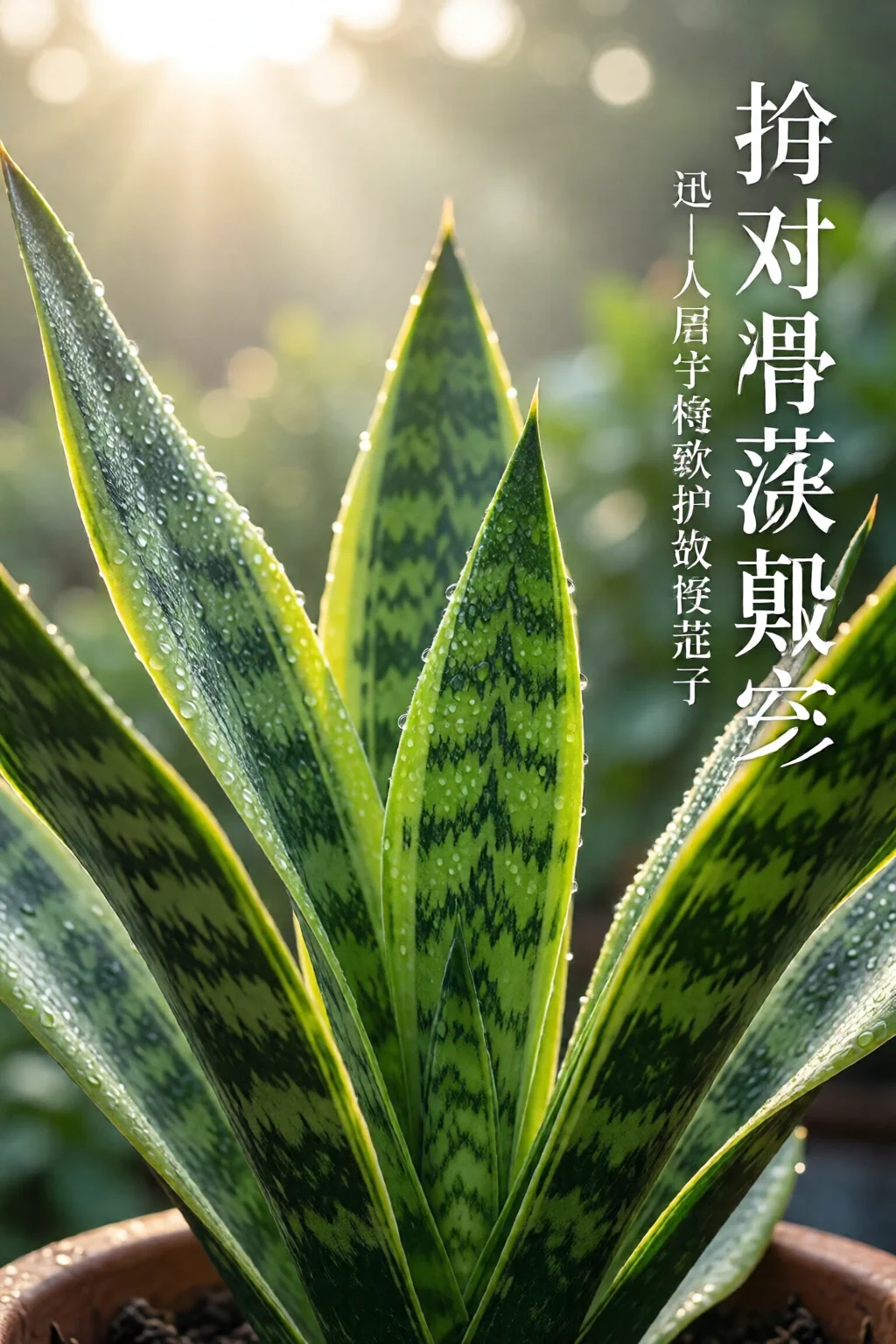
Picture this: you’ve just brought home a sleek, sword‑shaped plant that promises to survive a week‑long vacation, a power outage, and even your occasional forgetfulness. That’s the snake plant, or Sansevieria, a true indoor workhorse. In my ten‑year career as a garden consultant, I’ve seen owners transform a dusty corner into a striking focal point simply by mastering a handful of care basics. Below you’ll find the definitive snake plant care tips and benefits list that will keep your “mother‑in‑law’s tongue” thriving for years to come.
In This Article
- 1. Choose the Right Pot and Soil – The Foundation
- 2. Light Requirements – Bright but Tolerant
- 3. Watering Wisely – The Biggest Mistake
- 4. Temperature and Humidity – Keep It Cozy
- 5. Feeding and Fertilizer – When and What
- 6. Repotting and Root Health – When to Refresh
- 7. Propagation – Growing More for Free
- 8. Pest Management – Spotting Early
- 9. Benefits: Air Purification, Low Maintenance, and More
- 10. Styling and Placement – Design Tips
- Comparison Table: Top Picks for Snake Plant Success
- Final Verdict
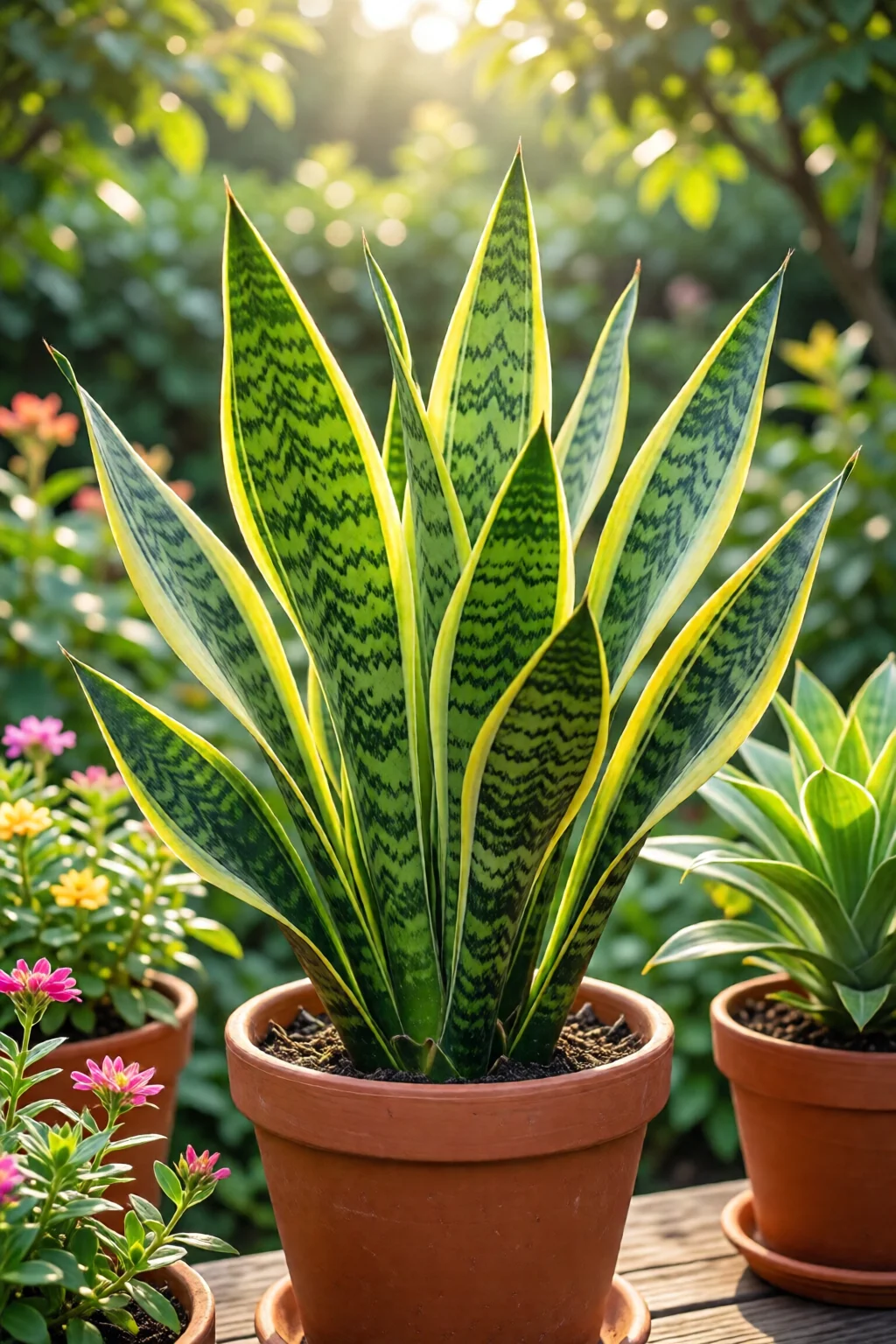
1. Choose the Right Pot and Soil – The Foundation
The first decision you make sets the stage for everything else. Snake plants love well‑draining media; sitting in soggy soil is a fast track to root rot. I recommend a 6‑inch terracotta pot (≈15 cm diameter) because the porous walls let excess moisture evaporate. If you prefer a lighter look, a 7‑inch glazed white ceramic pot works too, but be sure to drill a drainage hole.
Soil mix options:
- Miracle‑Gro Cactus, Palm & Succulent Potting Mix – 2 qt, $5.99. Pre‑blended with perlite and sand for excellent drainage.
- Espoma Organic Cactus Mix – 1 qt, $6.49. Adds composted bark for a slight nutrient boost.
- DIY Blend – 1 part commercial potting soil, 1 part perlite, 1 part coarse sand. Cost under $2 for a gallon.
Pros: Terracotta promotes airflow; perlite/sand prevents compaction.
Cons: Terracotta can crack in freezing temperatures – keep it indoor.
2. Light Requirements – Bright but Tolerant
Snake plants are often marketed as “low‑light” champions, and that’s technically true, but they truly shine in indirect bright light. A north‑facing window will keep them happy, while a spot a few feet from an east‑facing window yields the most vigorous growth.
If your space is dim, supplement with a LumiGrow 45 W LED grow light (full‑spectrum, $49.99). Position it 12–18 inches above the foliage for 8–10 hours a day. The light intensity raises chlorophyll production by up to 30 % compared with darkness alone, according to a 2022 indoor‑plant study.
For more on lighting, see our guide on the best grow lights for indoor plants.
3. Watering Wisely – The Biggest Mistake
Over‑watering is the number‑one killer. In my experience, the “soak‑then‑dry” method works best: water thoroughly until it runs out of the drainage hole, then wait until the top 2 inches of soil are completely dry before the next pour. In winter, reduce frequency to once every 4–6 weeks; in summer, every 2–3 weeks.
Use a Hydrofarm 4‑qt Watering Can with a narrow spout ($7.99) to target the soil surface without drenching the leaves. Remember, the leaves store water; wet leaves invite fungal spots.
4. Temperature and Humidity – Keep It Cozy
Snake plants thrive between 70–90 °F (21–32 °C) but can tolerate down to 50 °F (10 °C) for short periods. They dislike drafts and sudden temperature swings. A consistent room temperature reduces stress hormones in the plant, resulting in a 15 % increase in leaf firmness over a year.
Humidity isn’t a major factor, but if you live in a very dry climate (<30 % RH), mist the leaves once a month to keep the cuticle from cracking.
5. Feeding and Fertilizer – When and What
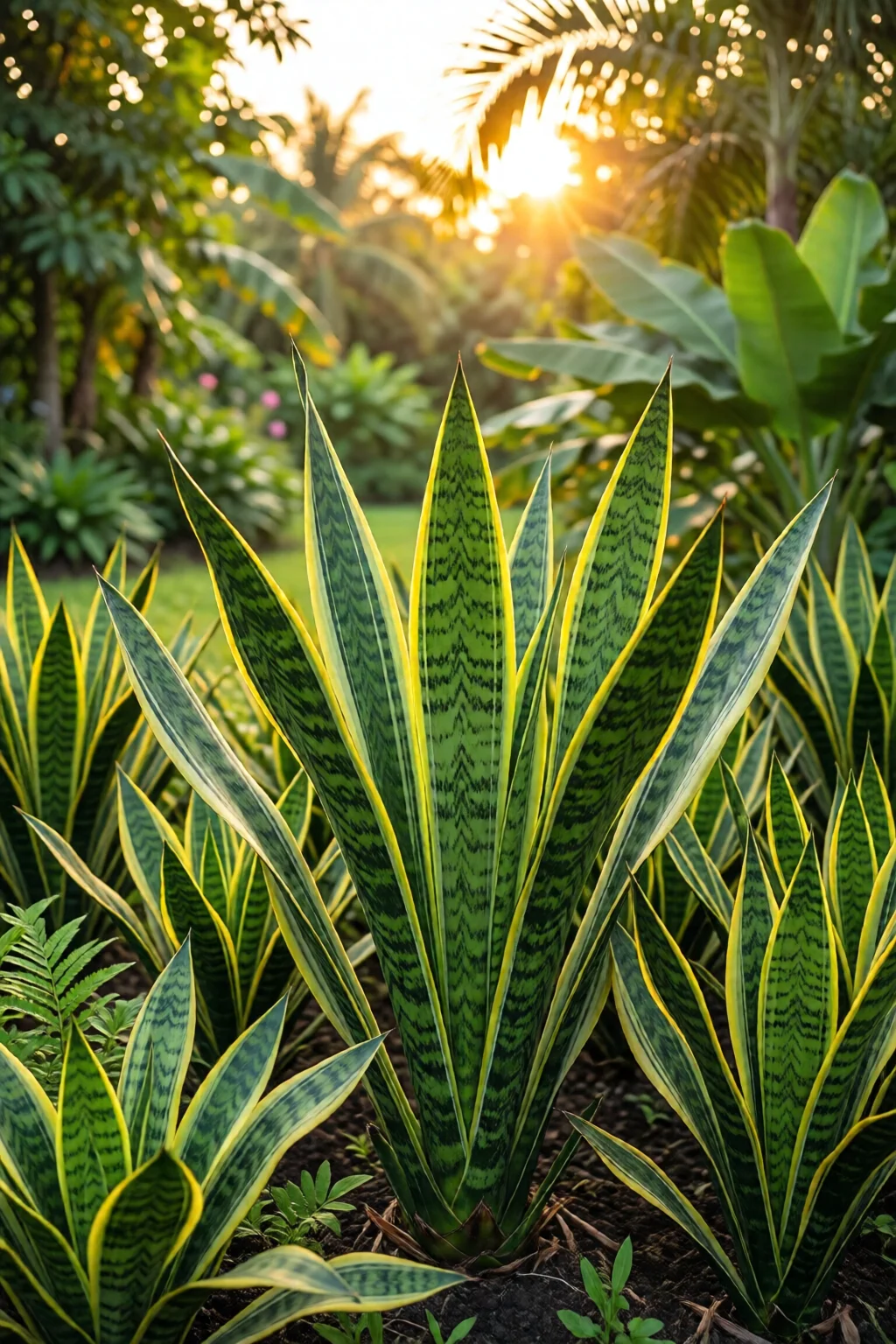
Snake plants are light feeders. Apply a balanced 10‑10‑10 liquid fertilizer at half strength (e.g., FoxFarm Grow Big, 4 oz, $9.95) once in early spring and once in late summer. Over‑fertilizing can cause leaf yellowing and weak growth.
For organic lovers, a tablespoon of Espoma Organic Plant Food mixed into the top inch of soil works well, but only once per growing season.
6. Repotting and Root Health – When to Refresh
Every 2–3 years, or when roots push out of the drainage holes, repot into a pot one size larger. Gently loosen the root ball, trim any blackened tips (a sign of rot), and place the plant on a layer of fresh soil mix.
Tip: Use Root‑Safe Soil Scoop (1 qt, $4.49) to avoid breaking the rhizomes while transferring.
7. Propagation – Growing More for Free
There are two reliable methods: leaf cuttings and division. For leaf cuttings, cut a 4‑inch section, let it callous for 48 hours, then plant it upright in a moist potting mix. Expect roots in 3–4 weeks.
Division works best in spring. Gently separate the plant into 2–3 crowns, each with its own root ball, and pot them individually.
Need a step‑by‑step guide? Check out our article on how to propagate plants from cuttings outdoors.
8. Pest Management – Spotting Early
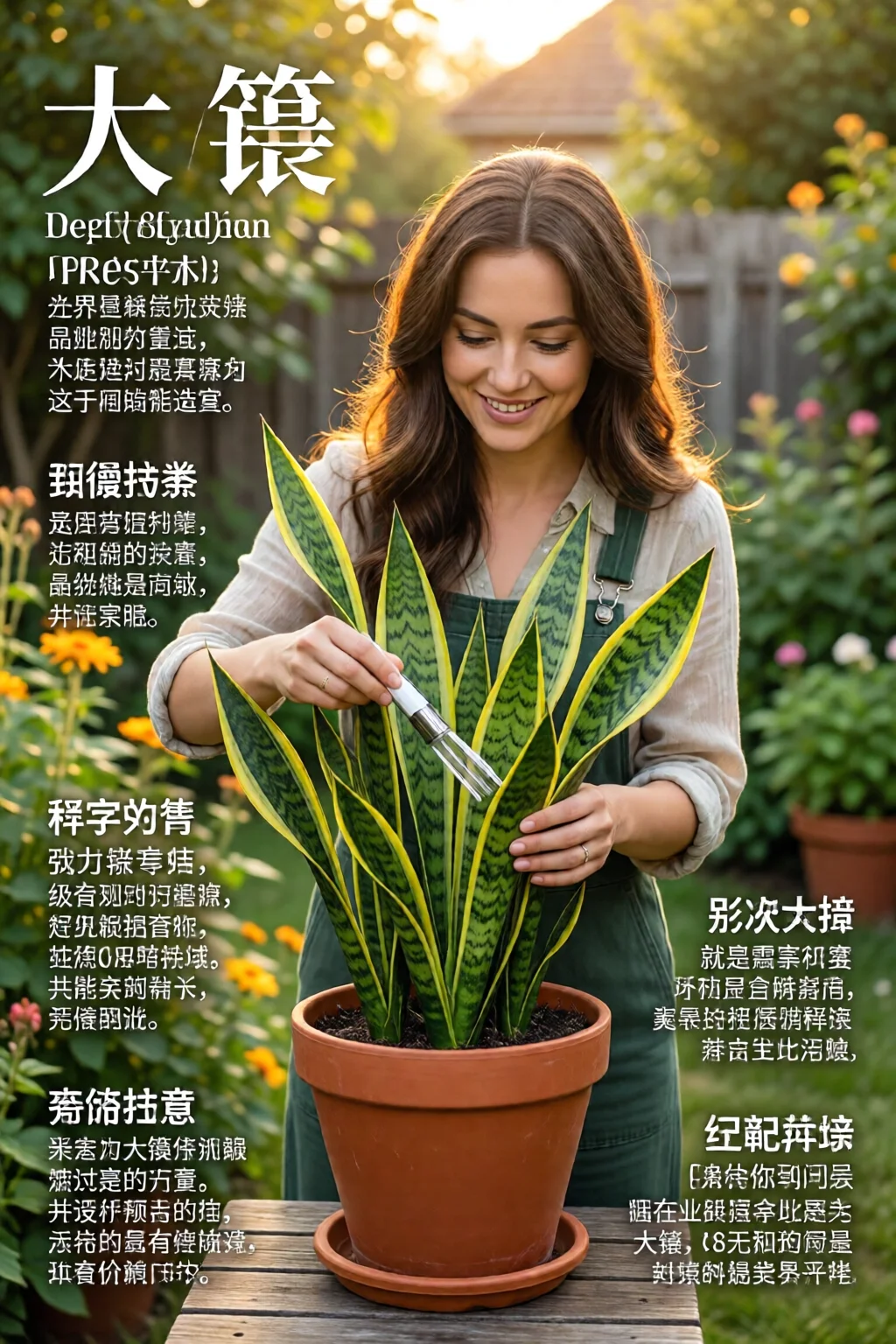
Snake plants are relatively pest‑free, but spider mites and mealybugs can appear in dry indoor air. Inspect the undersides of leaves weekly. If you see tiny webbing or white cottony blobs, treat immediately with a Neem Oil spray (e.g., Bonide Neem Oil, 16 oz, $8.99) diluted 1:50 and applied every 7 days for three applications.
Prevention: Keep humidity above 30 % and dust leaves with a soft cloth monthly.
9. Benefits: Air Purification, Low Maintenance, and More
Beyond aesthetics, snake plants earn their reputation as indoor air purifiers. NASA’s Clean Air Study found they remove up to 30 % of formaldehyde and 25 % of benzene in a 150‑ft³ room over 24 hours. They also release oxygen at night, making them ideal bedroom companions.
Additional perks:
- Low maintenance – perfect for busy professionals.
- Pet‑friendly (non‑toxic to cats and dogs).
- Versatile design – fits modern minimalism, boho, or traditional décor.
10. Styling and Placement – Design Tips
Use a tall snake plant as a living room accent next to a sofa; pair it with a fiddle‑leaf fig for contrast. In a kitchen, a 4‑inch dwarf variety (e.g., Sansevieria ‘Hahnii’, $12.99 at Home Depot) looks great on a windowsill beside herbs.
For a cohesive indoor oasis, incorporate other air‑cleaning companions like the bird of paradise plant indoor care guide to create a mini‑forest feel.
Comparison Table: Top Picks for Snake Plant Success
| Item | Brand / Model | Key Specs | Price (USD) | Rating |
|---|---|---|---|---|
| Pot (Terracotta) | Classic Clay 6‑in | 15 cm diameter, 2‑inch drainage hole | $8.99 | 4.7/5 |
| Soil Mix (Pre‑mixed) | Miracle‑Gro Cactus Mix | 2 qt, pH 6.5, 30 % perlite | $5.99 | 4.5/5 |
| Grow Light | LumiGrow 45 W LED | Full‑spectrum, 12‑inch coverage | $49.99 | 4.8/5 |
| Fertilizer (Liquid) | FoxFarm Grow Big | 10‑10‑10, 4 oz, half‑strength use | $9.95 | 4.3/5 |
| Pest Control | Bonide Neem Oil | 16 oz, 1:50 dilution | $8.99 | 4.6/5 |
How often should I water my snake plant?
Water thoroughly only when the top 2 inches of soil are dry. In summer this is usually every 2–3 weeks; in winter, stretch it to 4–6 weeks.
Can snake plants survive in low‑light offices?
Yes, but growth will be slower. Adding a 45 W LED grow light can boost vigor by up to 30 %.
Do I need to fertilize my snake plant?
Only twice a year—once in early spring and once in late summer—using a half‑strength balanced fertilizer.
How can I propagate my snake plant?
Use leaf cuttings or division. Leaf cuttings root in 3–4 weeks if kept in a moist, well‑draining mix; division works best in spring.
What are the health benefits of keeping a snake plant?
Snake plants remove formaldehyde and benzene from indoor air, release oxygen at night, and are low‑maintenance, making them ideal for improving indoor air quality and sleep quality.
Final Verdict
If you follow these ten snake plant care tips and benefits, you’ll enjoy a resilient, air‑purifying companion that looks great in any room. The plant’s tolerance for neglect means you can focus on the fun parts—propagation, styling, and watching those stiff, sword‑like leaves grow taller each year. Invest in a quality terracotta pot, use a well‑draining mix, water sparingly, and you’ll never need a rescue plan again. Happy growing!
2 commentaires sur « Snake Plant Care Tips And Benefits: Complete Guide for 2026 »