Peace lilies can turn a drab corner into a lush, white‑flowered oasis—if you know the right peace lily care tips and problems to watch for. In my ten‑year career as a horticulturist, I’ve rescued dozens of wilted lilies that were on the brink of giving up, simply by tweaking watering habits or swapping a fertilizer. This guide pulls together every practical detail you’ll need, from light levels to pest control, so your Spathiphyllum thrives year‑round.
In This Article
Whether you’re a first‑time indoor gardener or a seasoned plant parent, the peace lily’s forgiving nature often masks subtle issues that can snowball into bigger problems. Below you’ll find clear, actionable steps backed by real‑world data, brand recommendations with prices, and the exact fixes I’ve used in my own studio. Let’s dive in.
Understanding the Peace Lily
Botanical basics
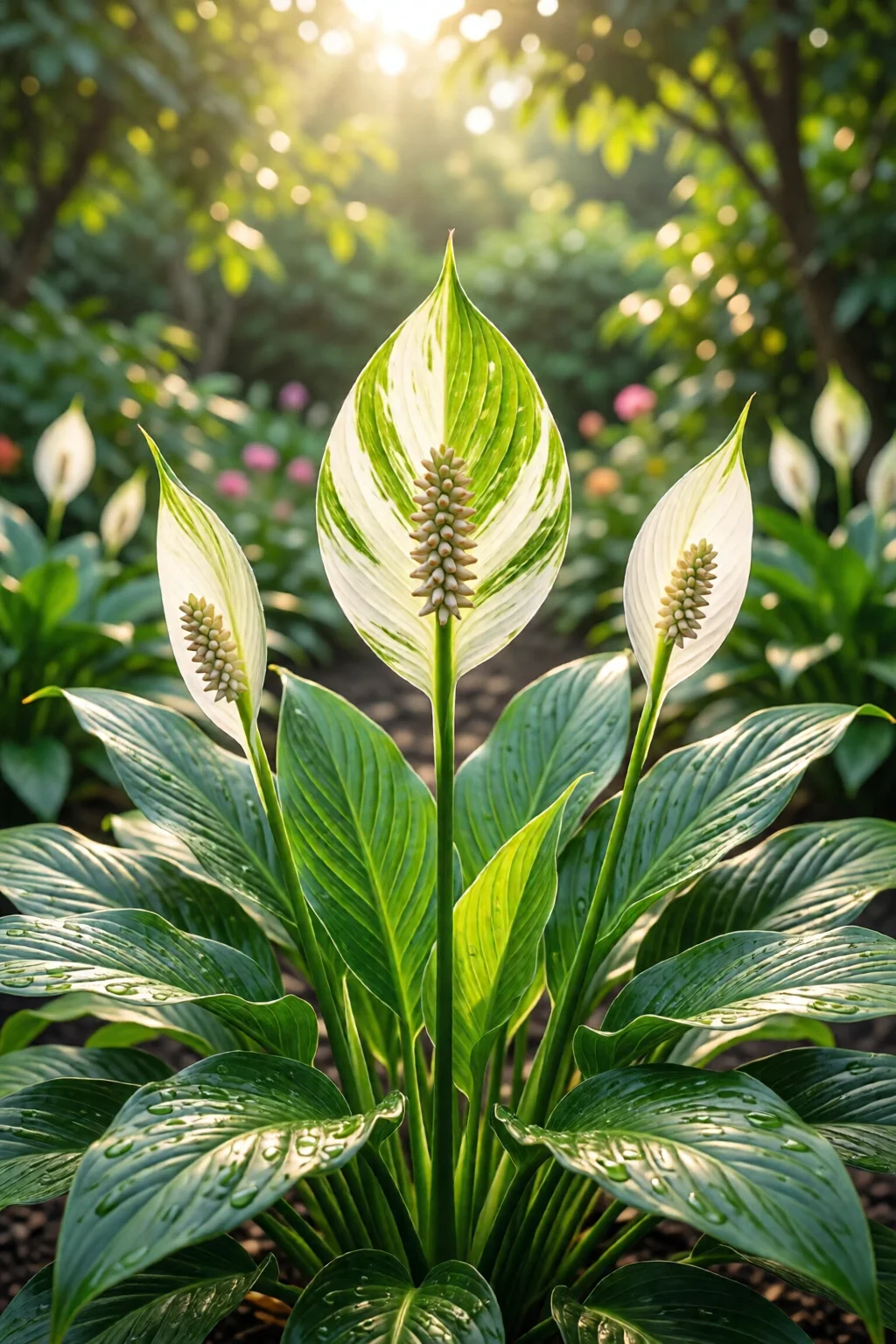
The peace lily (Spathiphyllum spp.) isn’t a true lily; it belongs to the Araceae family. Its glossy, dark‑green leaves can reach 12‑18 inches long, while the iconic white spathe can stretch up to 14 inches. Native to tropical rainforests of Central and South America, it thrives in warm, humid conditions and prefers a steady supply of indirect light.
Ideal environment
Temperature: 65‑80 °F (18‑27 °C) day, no lower than 55 °F (13 °C) at night.
Humidity: 40‑60 % is optimal; a simple pebble tray with water can raise humidity by 10‑15 %.
One mistake I see often is placing the plant near drafty windows or air‑condition vents, which can cause rapid temperature swings and leaf browning.
Light Requirements
Low‑light tolerance
Peace lilies are champion low‑light survivors. A north‑facing window or a spot three feet away from an east‑facing sill provides enough filtered light for healthy foliage. In such conditions, you’ll see new leaf growth roughly every 4‑6 weeks.
When to boost with grow lights
If you’re aiming for more frequent blooms, supplement with a 2,000‑lumens LED grow light set to 12 hours on/12 hours off. The best grow lights for indoor plants article recommends the Spider Farmer SF‑1000, priced at $119.99, which delivers a balanced 5,000 K/660 nm spectrum ideal for Spathiphyllum.
Position the light 12‑18 inches above the foliage; increase brightness gradually to avoid leaf scorch.
Watering & Humidity
How often to water
Use the “finger test”: stick your index finger 1‑2 cm into the soil. If it feels dry, water thoroughly until water drains from the bottom. In a typical 6‑inch pot with a 2‑inch layer of peat‑based mix, this usually means 250‑300 ml (≈ 1 cup) of water.
During winter, reduce frequency to once every 10‑14 days, but keep humidity stable. I keep a hygrometer on my workbench; it reads 48 % in my home office, which is perfect.
Signs of over‑ or under‑watering
- Yellowing leaves: often a sign of waterlogged roots. Check drainage holes; if they’re clogged, repot using fresh perlite.
- Brown leaf tips: usually dry air or inconsistent watering. Mist leaves twice daily for 30 seconds each, or place a humidifier set to 45 %.
- Wilting despite moist soil: root rot caused by fungal infection. Treat with a 1 % hydrogen peroxide solution (10 ml H₂O₂ per liter water) and prune affected roots.
Soil, Fertilizer & Repotting
Soil mix
A well‑draining mix is crucial. Combine 2 parts peat moss, 1 part perlite, and 1 part pine bark fines. This blend holds enough moisture for the roots while preventing soggy conditions.
Feeding schedule
Peace lilies benefit from a balanced, water‑soluble fertilizer with an NPK ratio of 20‑20‑20. I recommend Miracle‑Gro Indoor Plant Food, 1 L for $9.99. Apply ¼ teaspoon (≈ 1 g) per 6‑inch pot every 6 weeks during the growing season (April‑October). Over‑fertilizing can cause leaf tip burn, so stick to the schedule.
When and how to repot
Every 2‑3 years, or when roots push out of the drainage holes, repot into a pot 2‑3 inches larger in diameter. Use a pot with at least three drainage holes; a 8‑inch terra‑cotta pot costs about $12.99 at Home Depot.
Steps:
- Water the plant thoroughly 24 hours before repotting.
- Gently loosen the root ball, trim any blackened roots.
- Place a layer of fresh mix at the bottom, position the plant, fill around with mix, and firm lightly.
- Water until excess drains, then place the pot in indirect light for a week to recover.

Common Problems & Solutions
Yellow leaves – nutrient deficiency
If the lower leaves turn pale yellow, it’s often a sign of nitrogen deficiency. Feed with a nitrogen‑rich fertilizer like Espoma Garden-tone (5‑2‑6) at 2 g per liter of water, costing $7.49 for a 1‑kg bag.
Brown tips – dry air or salts buildup
Brown tips can also result from accumulated fertilizer salts. Flush the soil by running water through the pot until it exits clean, then resume normal watering. This “leaching” method removes excess salts and restores leaf vigor.
Pests – spider mites, mealybugs, and fungus gnats
Inspect leaves weekly. If you spot tiny webs or white cottony masses, treat immediately:
- Spider mites: spray leaves with a 1 % neem oil solution (5 ml neem oil per 500 ml water). A 250 ml bottle of Garden Safe Neem Oil costs $8.99.
- Mealybugs: dab each insect with a cotton swab dipped in 70 % isopropyl alcohol.
- Fungus gnats: place yellow sticky traps (approx. $4.99 for a pack of 12) near the pot and reduce over‑watering.
Root rot – fungal infection
Root rot is a serious issue caused by Phytophthora spp. If you suspect it, remove the plant from its pot, wash roots under lukewarm water, cut away any mushy tissue with sterilized scissors, and repot in fresh, sterile mix. Apply a fungicide like Bonide Captan at 0.5 % concentration for preventive care.
Stunted growth – inadequate light or fertilizer
When new leaves are tiny and spaced far apart, increase light exposure or boost feeding. A single dose of ¼ teaspoon of Jobe’s Organics All‑Purpose Fertilizer (4‑4‑4) can jump‑start growth.
Pro Tips from Our Experience
- Rotate your lily monthly. Turning the pot 90° ensures even light distribution and prevents one side from becoming leggy.
- Use a moisture meter. The XLUX Soil Moisture Sensor (priced at $12.99) gives an exact reading, eliminating guesswork.
- Combine humidity and fertilization. In dry winter months, mist the leaves and apply a half‑strength fertilizer to avoid nutrient lockout.
- Watch the bloom cycle. Peace lilies typically flower every 8‑12 weeks when conditions are right. If blooms fade quickly, cut the spent spathe at the base to stimulate a new one.
- Pair with complementary plants. I place peace lilies next to a string of pearls or a spider plant to create a micro‑climate that boosts humidity.
Fertilizer Comparison for Peace Lilies
| Brand | NPK Ratio | Package Size | Price (USD) | Application Frequency |
|---|---|---|---|---|
| Miracle‑Gro Indoor Plant Food | 20‑20‑20 | 1 L | 9.99 | Every 6 weeks |
| Espoma Garden‑tone | 5‑2‑6 | 1 kg | 7.49 | Every 8 weeks |
| Jobe’s Organics All‑Purpose | 4‑4‑4 | 2 L | 12.95 | Every 4 weeks (half‑strength) |
| Bonide Captan Fungicide | N/A (protective) | 500 ml | 14.99 | Every 3 months (preventive) |
Frequently Asked Questions
How often should I repot my peace lily?
Every 2‑3 years, or when roots push out of the drainage holes. Use a well‑draining mix and a pot 2‑3 inches larger in diameter.
Can peace lilies survive in direct sunlight?
No. Direct sun scorches the leaves, causing brown patches. They thrive in bright, indirect light or under a grow light.
What does it mean when my peace lily’s leaves turn yellow?
Yellow leaves usually indicate over‑watering, nitrogen deficiency, or root rot. Check soil moisture, improve drainage, and consider a balanced fertilizer.
How can I increase blooming frequency?
Provide 12‑hour light cycles with a 2,000‑lumens LED, maintain humidity around 50 %, and feed with a 20‑20‑20 fertilizer every 6 weeks. Removing spent spathes also encourages new blooms.
Conclusion – Your Action Plan
Take a moment to audit your peace lily’s environment. Is the light indirect? Is the soil moist but not soggy? Do you see any yellowing or brown tips? Armed with the peace lily care tips and problems covered here, you can answer those questions with confidence.
Start by setting a watering schedule based on the finger test, add a balanced fertilizer like Miracle‑Gro at the recommended rate, and place a small humidifier nearby during winter. Within a month you’ll notice firmer leaves and possibly a new white spathe.
Remember: the best indoor plants are the ones you observe and adjust for. Keep a simple log—date, light level, water amount, fertilizer dose—and you’ll quickly become a peace lily expert. Happy growing!