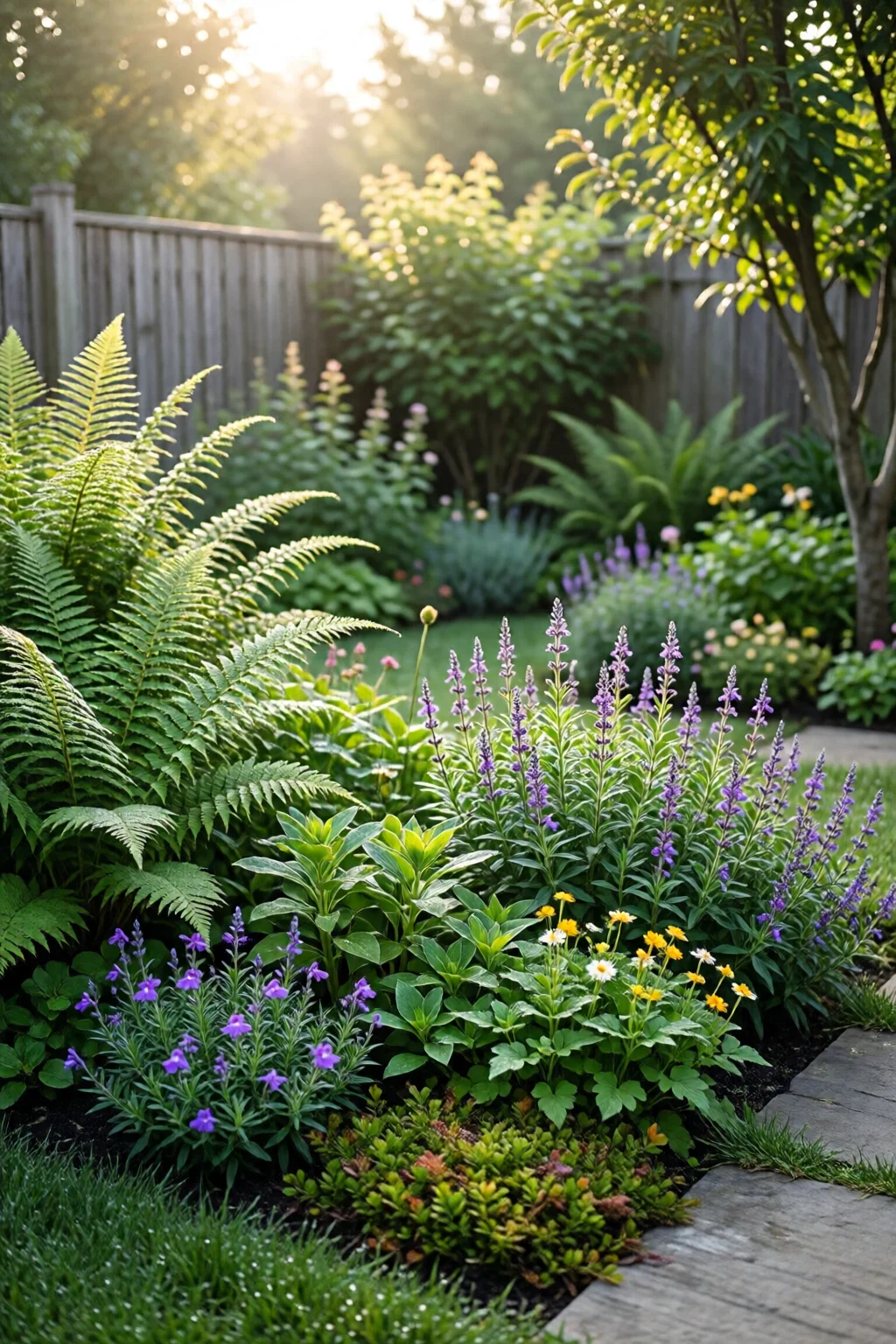
Transform that forgotten corner into a backyard masterpiece. Most homeowners overlook the potential of a tight angle, yet a well‑planned corner garden can become the visual anchor of your outdoor space. Whether you have a 6‑ft by 8‑ft nook or a sprawling 12‑ft triangle, the right combination of layout, plants, and hardscape can make the area feel both intimate and expansive. Below you’ll find the most practical corner garden ideas for backyard settings, backed by real‑world costs, dimensions, and the mistakes I see time and again.
In This Article
In my decade of designing residential gardens, I’ve learned that the success of a corner garden hinges on three things: understanding light, choosing the right scale, and creating a flow that connects the rest of the yard. Skip any of these, and you risk a wilted, underused space. Let’s break it down step by step, so you can walk away with a concrete plan you can implement this weekend.
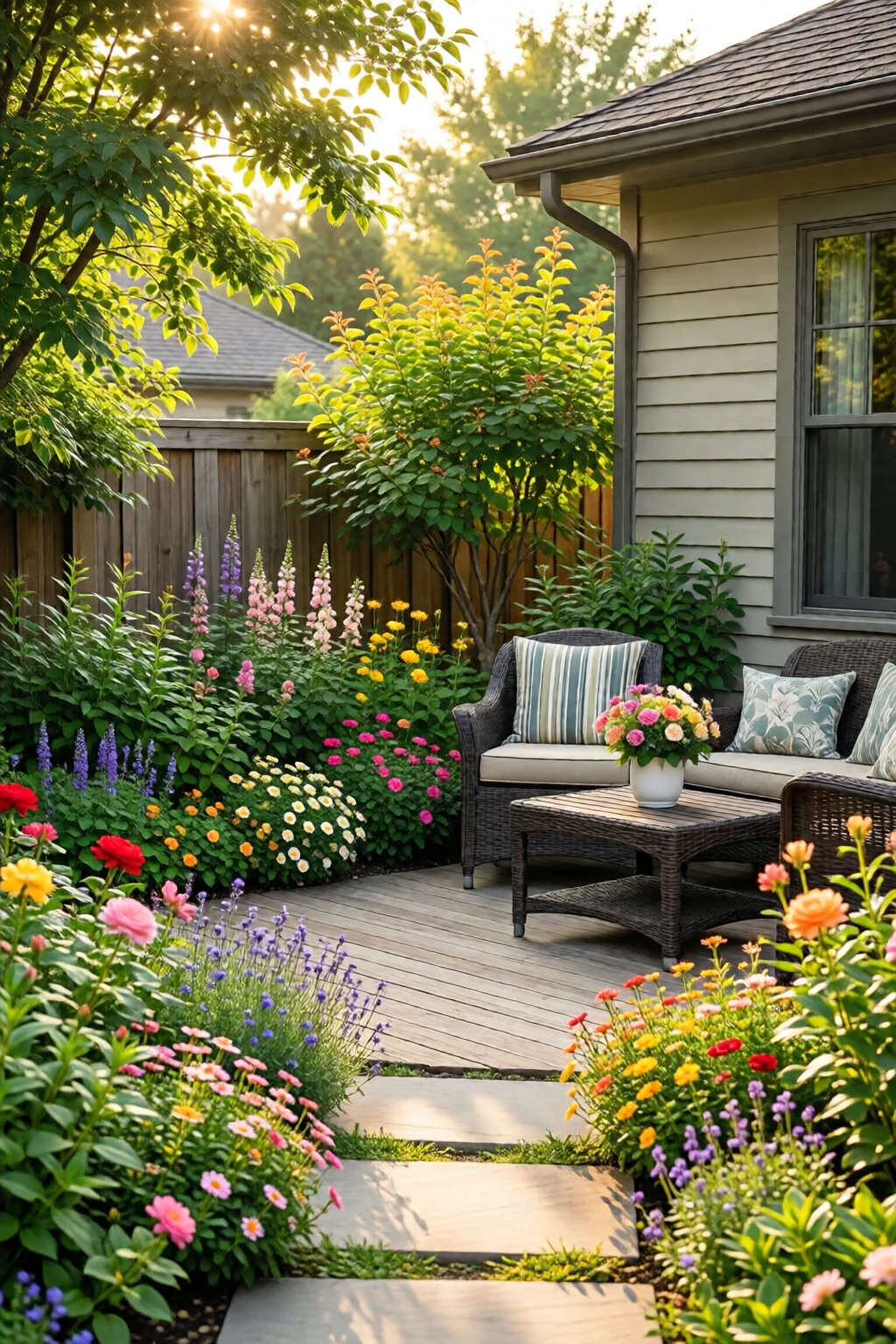
Assessing the Space and Sunlight
Measure twice, plant once
Start with a tape measure. Record the length of each wall, the distance from the house, and any overhead obstructions (e.g., eaves, pergolas). A typical corner garden for a suburban backyard measures 6 ft × 8 ft, but you might be working with a 3‑ft wide strip beside a fence. Write these numbers down; they’ll dictate plant spacing, pot sizes, and the amount of edging material you’ll need.
Sun exposure mapping
Use a simple sun‑tracking app like Sun Seeker (iOS $4.99, Android $3.99) to log how many hours of direct sun each side receives. Corner spots often get morning sun on one wall and afternoon shade on the other. If you see 4–5 hours of full sun on the east‑facing side, choose sun‑loving perennials such as Salvia ‘Hot Lips’ (≈ $12 per 1‑qt pot, 12‑in spread). For the shadier west side, consider Hosta ‘Patriot’ ($8 per 1‑qt) or the low‑maintenance Ferns from the ‘Polystichum’ series ($15 per 4‑qt).
Soil test and amendment
A quick DIY soil test kit (e.g., Luster Leaf 1601, $9) will tell you pH and nutrient levels. For most backyard corners, aim for a pH of 6.0–6.8. Amend with compost at a rate of 2 inches per square foot—roughly a 40‑lb bag for a 6 ft × 8 ft corner (≈ $6). If drainage is poor, add a 1‑inch layer of coarse sand or perlite.
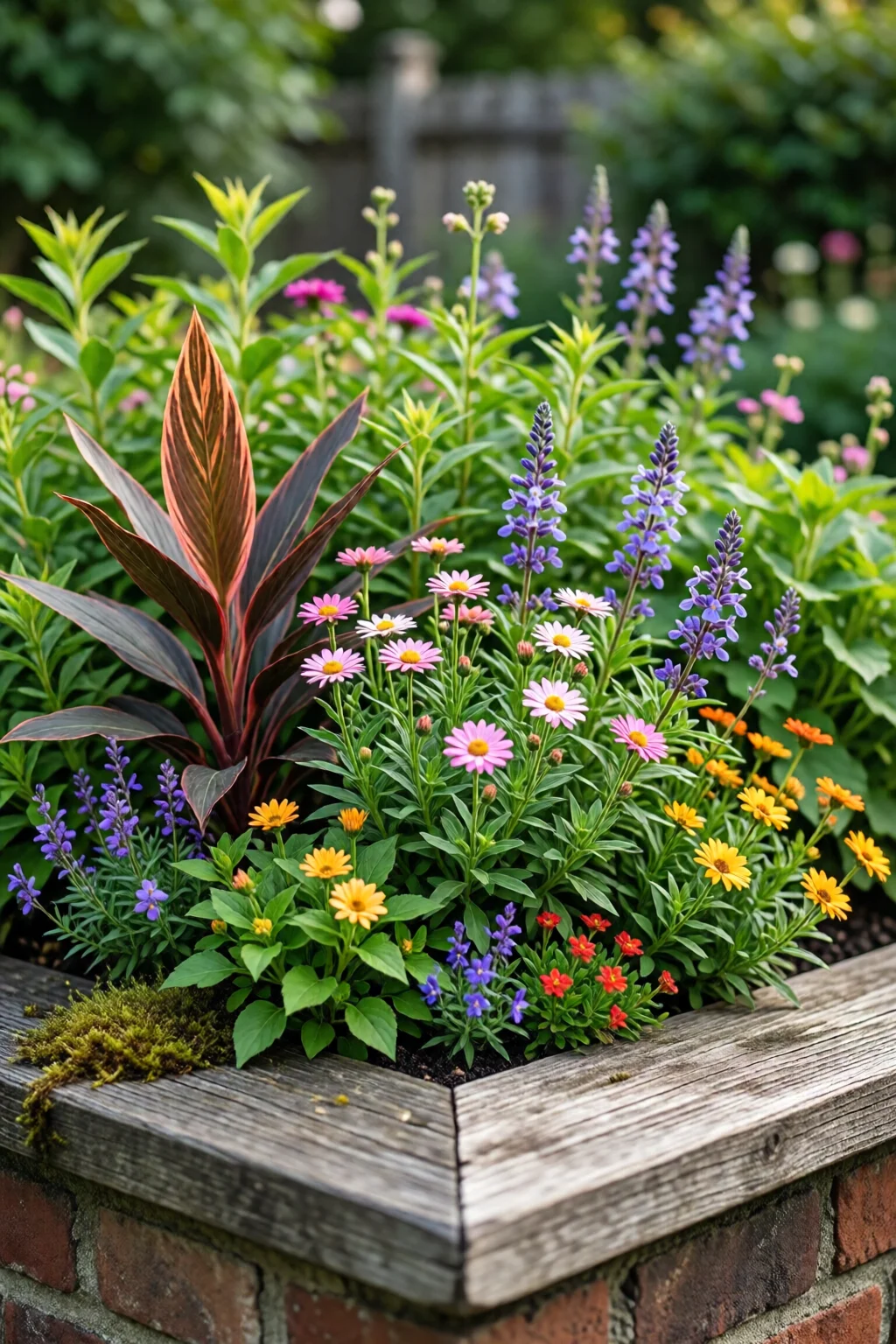
Design Layouts for Corner Gardens
Tri‑fold planting zones
Divide the corner into three zones: a vertical “backdrop” wall, a diagonal “transition” strip, and a front “showcase” area. This creates a natural flow and lets you place taller plants (e.g., Japanese maple ‘Bloodgood’, 24‑in spread, $45) against the house, mid‑height shrubs (e.g., Boxwood ‘Green Mountain’, 18‑in spread, $22) along the diagonal, and low‑growers (e.g., Thyme ‘Creeping’, 6‑in spread, $4) right at the edge.
Rounded “soft corner”
Instead of a hard 90‑degree angle, install a curved edging material—like a 6‑ft radius piece of Aluminum landscape curbing (approx. $2.50/ft). The curve softens the visual break and creates a micro‑bed that can host a compact container garden. I’ve used Westland 12‑in ceramic pots ($18 each) filled with a mix of dwarf lavender (Lavandula angustifolia ‘Hidcote’, $9) and dwarf rosemary (Rosmarinus officinalis ‘Blue Boy’, $7).
Vertical garden wall
If floor space is at a premium, go vertical. A Woolly Pocket 4‑ft trellis (≈ $45) mounted on the house side can host Succulents (Echeveria varieties, $5 each) and trailing herbs like Mint ‘Peppermint’ ($6). Add a drip‑irrigation line ($25 kit) to keep the vertical garden hydrated without daily hand‑watering.
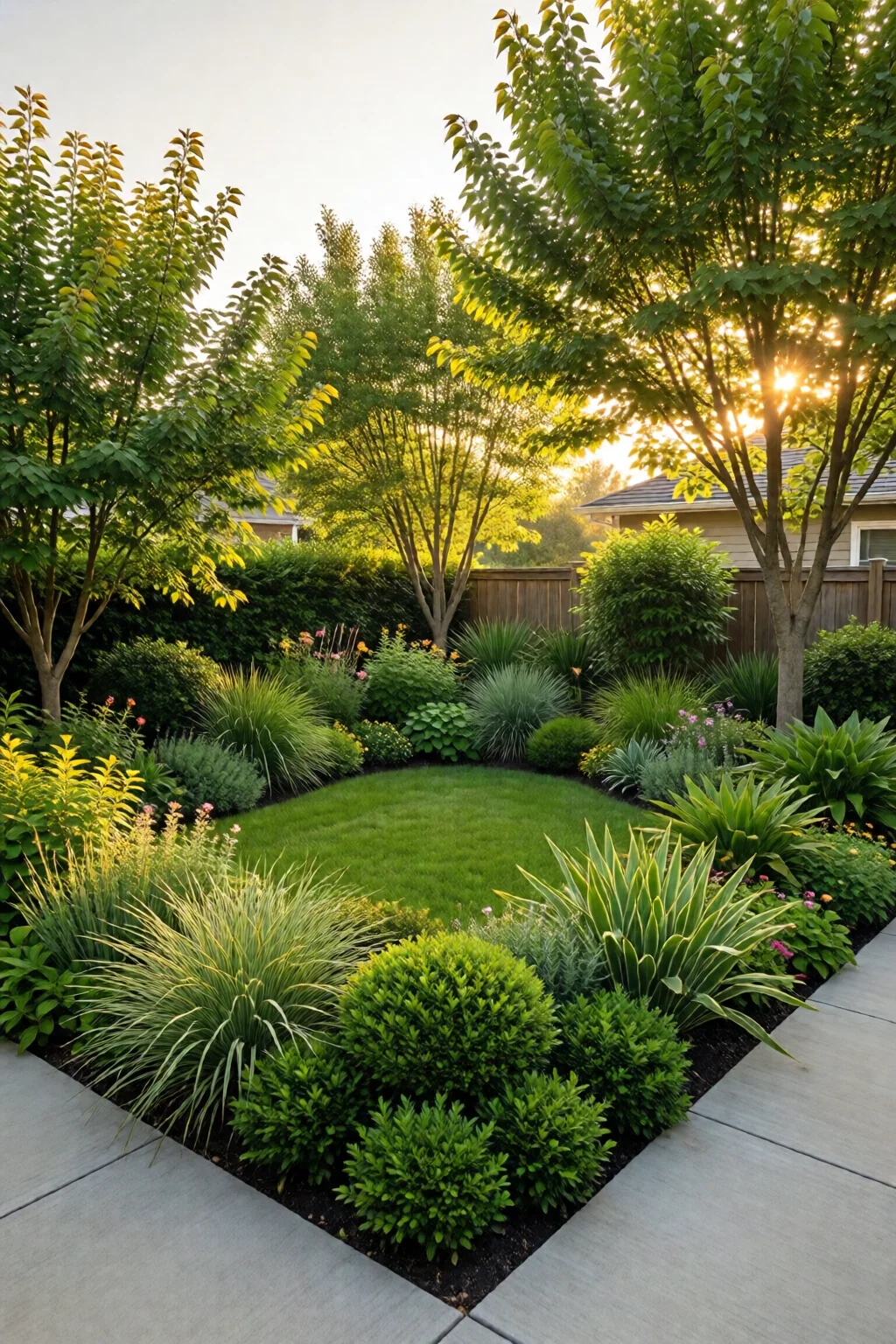
Plant Selections for Different Styles
Modern minimalism
Stick to a limited palette: 2‑3 plant types, clean lines, and monochrome containers. Choose Fiddle‑leaf fig (Ficus lyrata) ‘Compacta’ in a matte black Pottery Barn 10‑in pot ($30) for a sculptural focal point. Pair with Bird‑of‑paradise (Strelitzia reginae) in a white Le Creuset 8‑qt planter ($45) for a pop of tropical color. Keep foliage edges trimmed to maintain a crisp silhouette.
Cottage garden charm
Layer blooms for a continuous display. Plant Roses ‘Bonica’ (3‑ft tall, $15 per 1‑qt) along the back wall, interspersed with Delphinium ‘Pacific Sunset’ (5‑ft spikes, $12 per 2‑qt) and a carpet of Sweet Alyssum ‘Snow Princess’ ($4 per 1‑qt). Add a small Gardeners Supply Company 24‑in wooden bench ($120) for a place to sit and smell the flowers.
Low‑maintenance, drought‑tolerant
If you’re in the Southwest or just want a set‑and‑forget corner, pick succulents and xeriscape plants. A mix of Agave ‘Blue Glow’ (30‑in spread, $25), Yucca filamentosa ($20), and Lavender ‘Munstead’ ($10) will thrive with minimal water. Install a Rain Bird drip‑line timer (≈ $30) set to 2 hours per week.
Edible corner
Combine aesthetics with harvest. Plant Cherry tomatoes ‘Sweet 100’ in a 5‑gal Gardener’s Supply Co. fabric pot ($22) on a raised Rogue River 24‑in raised bed kit ($55). Add Bush beans ‘Provider’ ($8 per 1‑qt) and a fringe of Strawberries ‘Albion’ ($6 per 1‑qt). A trellis (≈ $15) lets beans climb, freeing ground space for tomatoes.
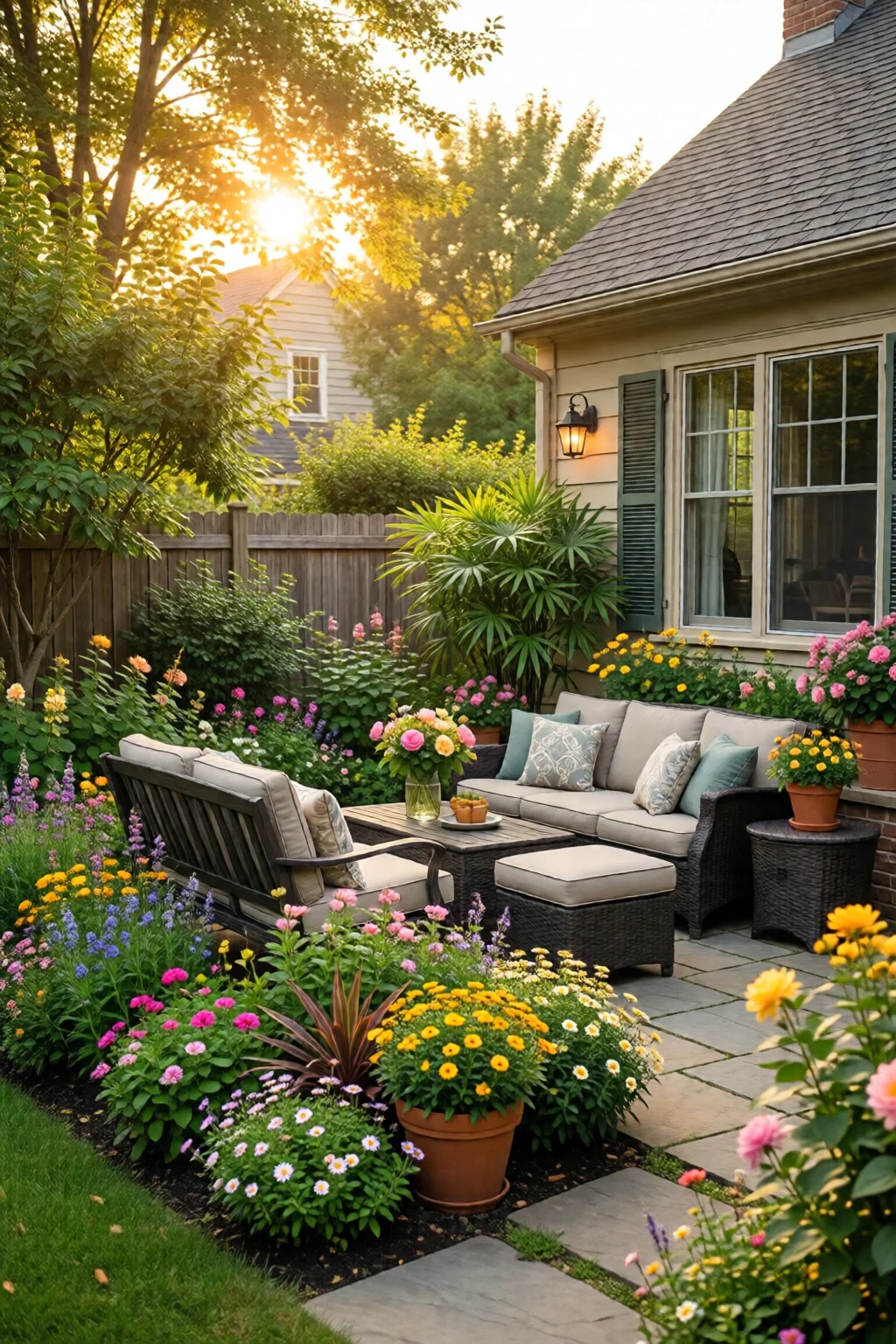
Hardscaping & Fixtures
Pathway and edging materials
Choose a material that complements your home’s style. Here’s a quick cost comparison:
| Material | Typical Cost (per ft) | Durability | Best For |
|---|---|---|---|
| Natural flagstone | $8–$12 | 20+ years | Rustic, high‑end |
| Concrete pavers (interlocking) | $3–$5 | 15 years | Modern, DIY |
| Rubber mulch | $1.20 | 5 years | Play areas, low‑maintenance |
| Aluminum curbing | $2.50 | 10 years | Soft‑corner designs |
For a 6‑ft × 8‑ft corner, a 2‑ft wide pathway with concrete pavers will cost roughly $96 (including sand base). Add a 10‑lb bag of polymeric sand ($6) for stability.
Lighting for ambience and safety
Solar LED stake lights (e.g., GIGALUMI 4‑pack, $25) placed at each corner of the bed provide a warm glow and reduce trip hazards. For a more dramatic effect, install a Hampton Bay low‑voltage uplight ($45) aimed at a focal plant, powered by a 12‑V transformer.
Water features and focal points
A small water feature can become the centerpiece of a corner garden. The Alpine 12‑in tabletop fountain ($80) recirculates water and fits on a patio table or stone slab. Pair it with a few Japanese Iris (Iris ensata) ($9) for a serene, Japanese‑garden vibe.
Pro Tips from Our Experience
Start with a mock‑up
Lay out all pots, containers, and edging on the ground before you dig. This lets you see scale and adjust spacing without committing. I always use painter’s tape to mark plant footprints; it saves me from costly re‑plantings.
Season‑proof your design
Choose at least one plant that offers winter interest—like Heuchera ‘Palace Purple’ (foliage stays colorful) or a small evergreen such as Dwarf spruce ‘Blue Star’ (5‑ft tall, $30). This ensures the corner looks intentional year‑round.
Integrate irrigation early
Running a ½‑inch drip‑tube beneath the planting bed before you add soil is far cheaper than retrofitting later. A basic 50‑ft drip line with emitters ($20) covers most corners, and a timer adds convenience.
Mind the house wall
Planting too close to the foundation can trap moisture and cause rot. Keep a 6‑inch gap between pots and the house; use a breathable barrier like a Landscape Fabric (≈ $0.25/ft²) to protect the siding.
Budget check
Here’s a quick breakdown for a mid‑range 6 ft × 8 ft corner garden:
- Soil amendment & compost: $15
- Plants (average $12 each, 10 plants): $120
- Hardscape (pavers, edging, sand): $150
- Containers & pots: $80
- Irrigation kit: $30
- Lighting: $30
- Miscellaneous (fertilizer, tools): $35
Total: ≈ $460 – a realistic weekend‑project budget.
Frequently Asked Questions
How much space do I need for a corner garden?
A functional corner garden can work in as little as 3 ft × 4 ft, but a 6 ft × 8 ft footprint gives you enough room for a mix of plants, a small pathway, and a focal point without feeling cramped.
Can I plant directly against my house?
Yes, but maintain at least a 6‑inch gap and use a breathable barrier to prevent moisture buildup. Choose shallow‑rooted shrubs or container plants for the house wall.
What’s the best way to water a small corner garden?
Install a drip‑irrigation line with a timer. For a 6 ft × 8 ft area, a 50‑ft ½‑inch drip line with emitters spaced 12 inches apart covers the zone efficiently and reduces water waste.
How can I add winter interest?
Include evergreen foliage (boxwood, dwarf spruce) and plants with colorful bark or berries (red twig dogwood, winterberry). Ornamental grasses that sway in the wind also add texture in the dormant months.
Do I need a professional designer?
Not necessarily. With clear measurements, a simple layout, and the right plant choices, most homeowners can create a beautiful corner garden. If you’re unsure about soil conditions or structural concerns, a quick consult with a local nursery can save you time and money.
Conclusion – Your Actionable Takeaway
Start by measuring, mapping sun, and testing soil. Choose a layout—tri‑fold zones, a soft curve, or a vertical wall—then pick plants that match your style and the light conditions you recorded. Add hardscape elements like pavers or aluminum curbing, install a basic drip‑irrigation system, and finish with low‑voltage lighting. With a budget of roughly $460, you can have a vibrant corner garden that thrives year‑round and becomes the focal point of your backyard. Grab your tape measure, sketch a quick mock‑up, and turn that neglected corner into a garden you’ll love to show off.
3 commentaires sur « Corner Garden Ideas For Backyard – Your Complete Resource »