When I first stepped onto my cramped 4‑ft by 6‑ft balcony in a downtown studio, I felt the space was a dead zone—just a slab of concrete with a rusted railing. Within a weekend, however, that same balcony became my favorite outdoor retreat, thanks to a handful of focused small balcony makeover ideas. The transformation wasn’t about buying every trendy item on the market; it was about understanding the limits of the space, prioritising function, and layering personality in a way that feels both curated and lived‑in.
In This Article
- 1. Planning & Layout: Measuring Before You Move Anything
- 2. Choosing the Right Furniture: Comfort Meets Compactness
- 3. Greenery & Plant Selections: Making the Most of Light and Space
- 4. Lighting & Ambiance: Extending the Usable Hours
- 5. Decorative Accessories: The Finishing Touches
- Pro Tips from Our Experience
- Frequently Asked Questions
- Conclusion: Your Balcony, Your Sanctuary
If you’re staring at a similar patch of air and wondering how to turn it into a green, functional oasis, you’re in the right place. Below you’ll find a step‑by‑step guide that blends design fundamentals with practical product picks, budget breakdowns, and the little tricks that have saved my clients time and money. Let’s dive in and start reimagining that balcony.
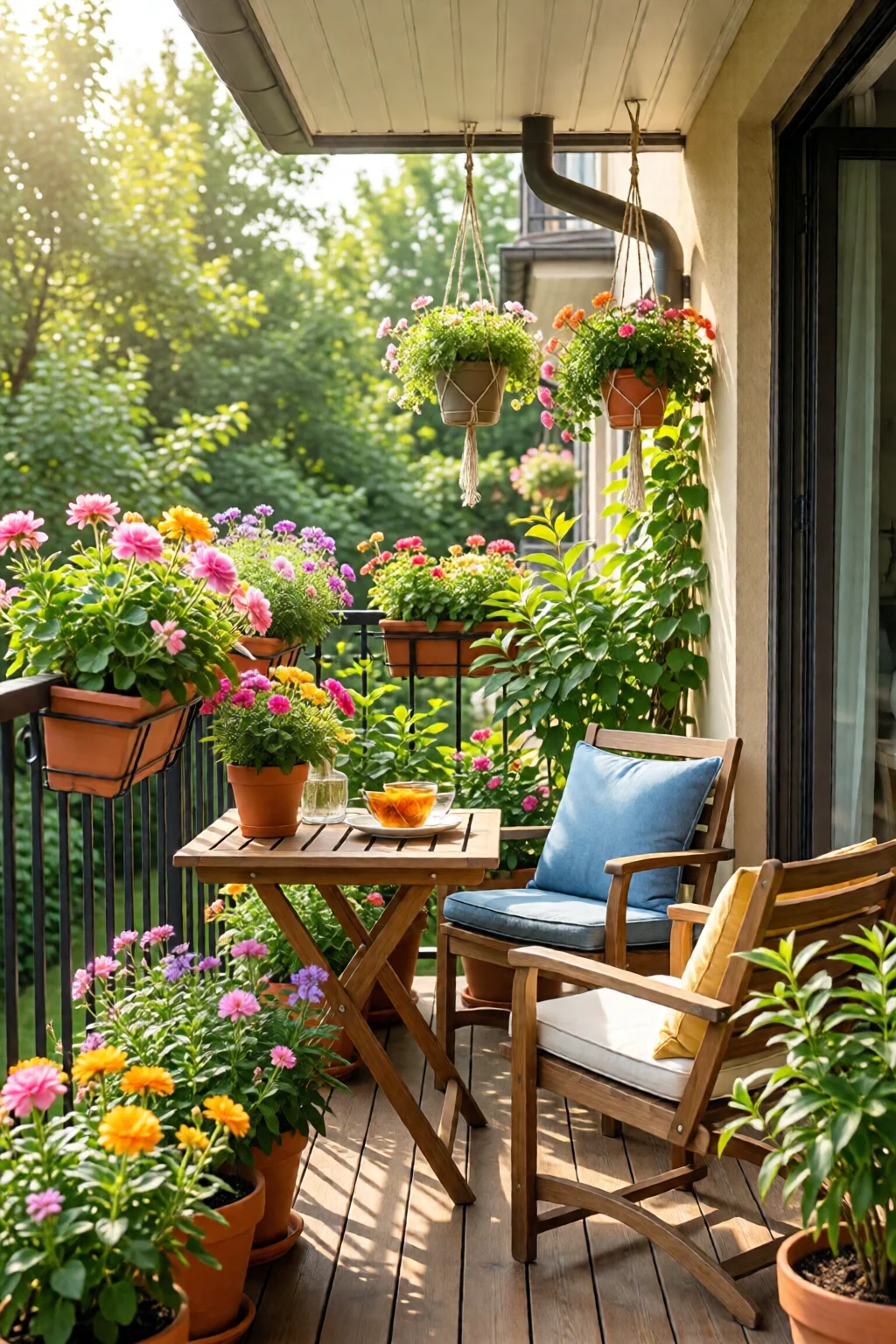
1. Planning & Layout: Measuring Before You Move Anything
Take Accurate Measurements
Grab a tape measure and note the width, depth, and height of the usable area. For a typical balcony, the usable floor is often 80 % of the total surface because of railing posts and built‑in planters. Record these numbers in a notebook or a phone app; I like using the free Roomstyler app to sketch a rough floor plan.
Define Primary Functions
Ask yourself: Do I need a spot for morning coffee, a place to grow herbs, or a reading nook? Prioritising one or two core uses prevents the space from feeling cluttered. In my experience, a “dual‑function” layout—like a fold‑out table that doubles as a herb garden—maximises every square foot.
Zoning with Vertical Space
Vertical real estate is a secret weapon. Install a 48‑in‑wide IKEA LOMMARP wall shelf (about $30) at a comfortable height (48‑in from the floor) to hold lightweight pots and décor. This frees up floor space while adding visual interest.
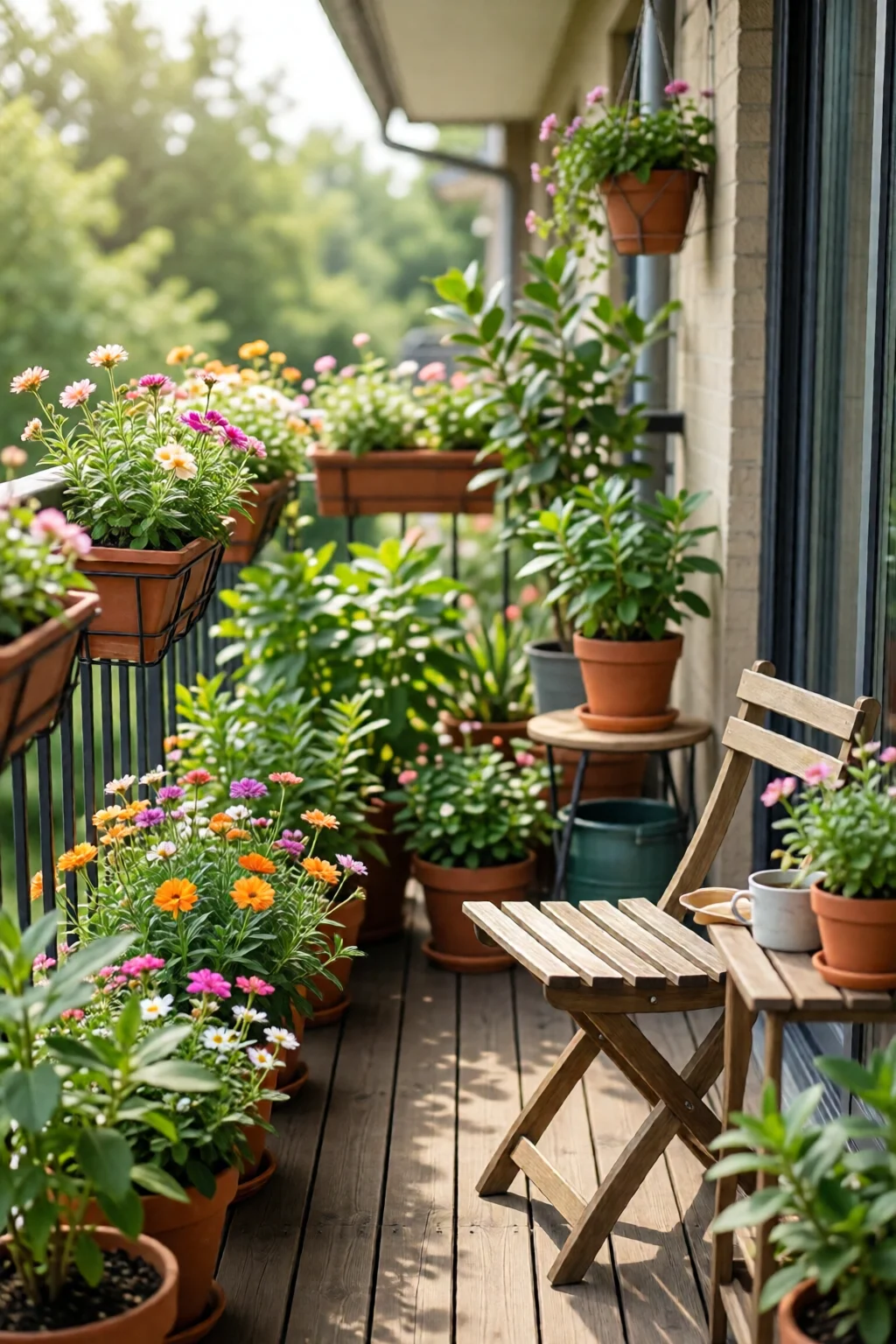
2. Choosing the Right Furniture: Comfort Meets Compactness
Compact Seating Options
The best balcony chairs are those that fold flat or nest. The West Elm Harbor Folding Chair costs $149 but folds to a 12‑in footprint, perfect for a 4‑ft balcony. Pair it with a Target outdoor throw pillow ($12) for an instant splash of colour.
Multi‑Purpose Tables
A 24‑in round bistro table from CB2 ($119) offers a sturdy surface for coffee or a seed‑starting station. Look for tables with built‑in storage underneath; the Pier 1 Outdoor Storage Bench (35‑in length, $179) doubles as seating and a hidden drawer for gardening tools.
Material Matters
Aluminium frames resist rust, while teak provides natural weather resistance but costs more ($250 for a 2‑seat set). If budget is tight, synthetic rattan from Wayfair offers the look of natural fibre for $90 per chair.
Cost Summary Table
| Item | Brand | Price (USD) | Dimensions (in) | Key Feature |
|---|---|---|---|---|
| Folding Chair | West Elm | 149 | 20 × 20 × 30 | Fold‑flat, powder‑coat finish |
| Bistro Table | CB2 | 119 | 24 diameter × 18 height | Compact round shape |
| Storage Bench | Pier 1 | 179 | 35 × 15 × 15 | Hidden drawer, dual seating |
| Rattan Chair | Wayfair | 90 | 22 × 22 × 32 | Synthetic fibre, weather‑proof |
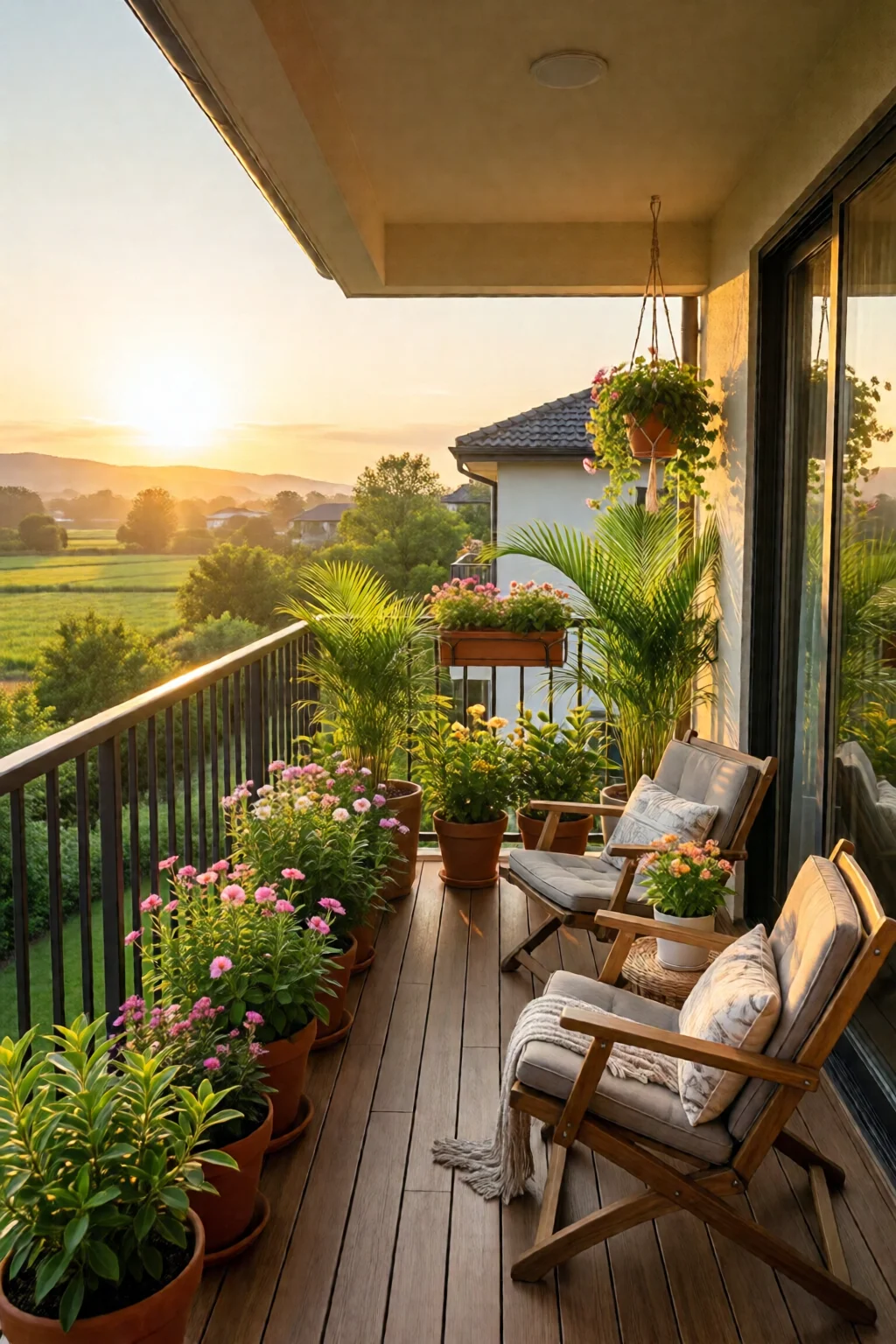
3. Greenery & Plant Selections: Making the Most of Light and Space
Assess Sun Exposure
Balconies face north, south, east, or west, and each orientation dictates plant choices. South‑facing balconies receive 6–8 hours of direct sun—ideal for sun‑loving perennials like lavender (Lavandula angustifolia) or dwarf roses. East‑facing spots get gentle morning light, perfect for herbs.
Container Choices & Sizes
For a 4‑ft balcony, I recommend a mix of 6‑in and 12‑in pots. A 12‑in Home Depot Classic Planter costs $22 and can host a small tomato (determinate) that yields 2–3 lb per plant. Stackable “nesting” pots from Lowes ($28) give you vertical layers without extra floor space.
Plant Pairings for Visual Impact
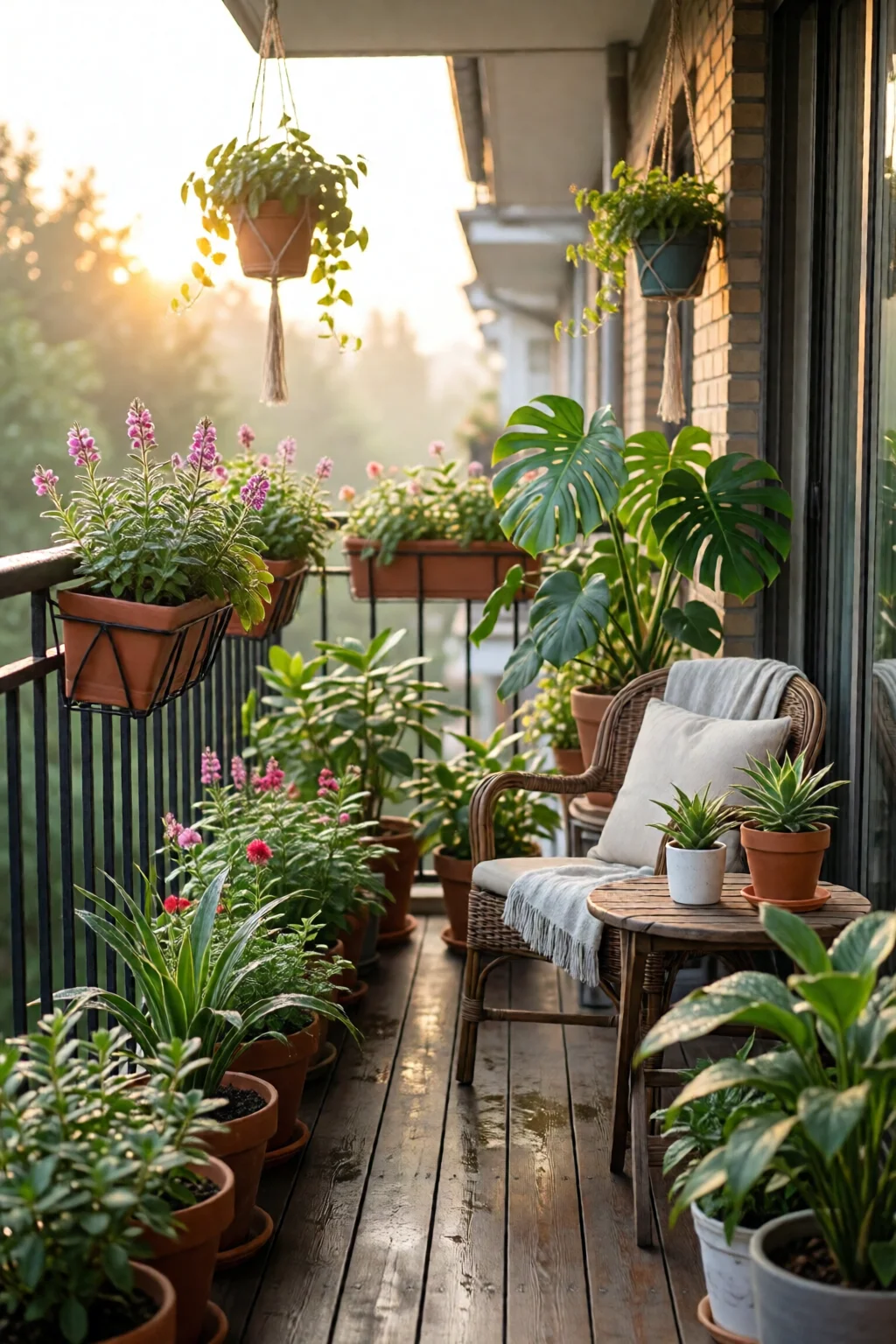
Combine a trailing vine (e.g., Pothos) in a hanging basket (12‑in, $15) with a compact succulent (e.g., Echeveria) on a shelf. The contrast of foliage textures creates depth. I often place a small herb garden—basil, thyme, and oregano—on a vertical hydroponic wall kit ($45) that hangs just below the railing.
Maintenance Schedule
Watering frequency depends on plant size and climate. A rule of thumb: 1 gal per 10 sq ft per week in summer, reduced by 30 % in fall. Set a reminder on your phone; I use the “Garden Manager” app to log each watering.
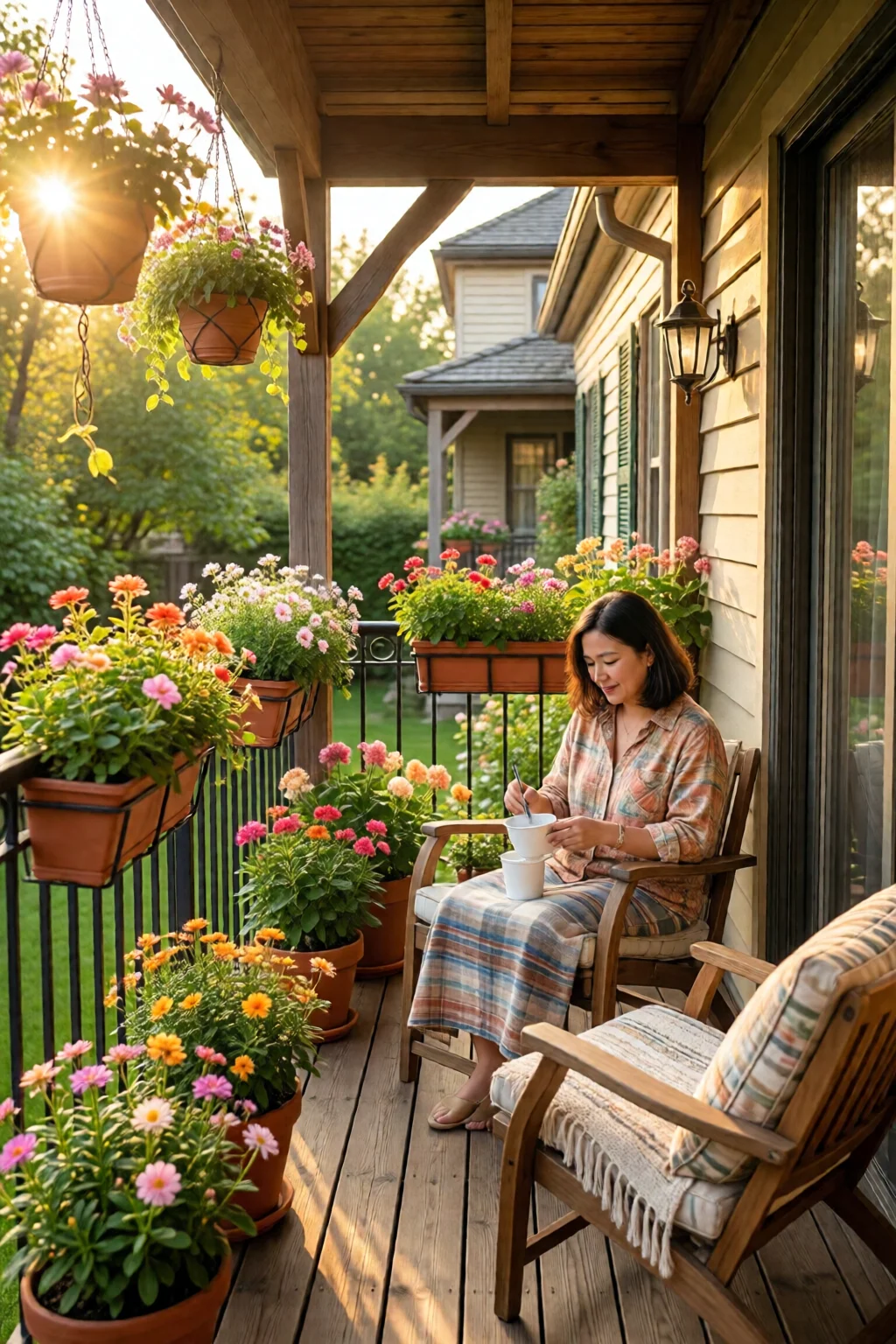
4. Lighting & Ambiance: Extending the Usable Hours
Solar String Lights
String lights add a warm glow without wiring. The Brightech Ambience Pro 2 set (12 ft, 30 bulbs) costs $45 and runs for up to 10 hours on a full charge. Hang them across the railing using zip ties.
LED Spotlights for Accent
For highlighting plants, install a 5‑Watt waterproof LED spotlight from Home Depot ($22). Aim it at a trailing vine to create a “green wall” effect after dark.
Candles & Lanterns
For a cozy vibe, place two 8‑inch citronella lanterns ($18 each) on the table. They repel insects and emit a soft amber light. Pair with a scented candle (e.g., lavender, $8) to enhance the sensory experience.
Power Considerations
If your balcony lacks an outdoor outlet, use a short (3‑ft) GFCI extension cord ($12) or consider battery‑operated lanterns. I always recommend checking local building codes before running any cords.
5. Decorative Accessories: The Finishing Touches
Outdoor Rugs
A 3‑ft × 5‑ft outdoor rug from Pier 1 ($68) adds colour and defines the seating area. Look for low‑pile polypropylene that dries quickly.
Privacy Solutions
If you need a visual screen, a 6‑ft bamboo privacy screen (outdoor curtain ideas for patio privacy) costs $45 and can be mounted with tension rods.
Art & Personal Items
Hang a small weather‑proof canvas (12 × 12 in, $30) or a metal wall sculpture. Personal photos in waterproof frames (2 × 3 in, $15 each) make the space feel lived‑in.
Seasonal Swaps
Rotate accessories every three months. In spring, add pastel cushions; in fall, swap for a plaid throw. This keeps the balcony fresh without major expenses.
Pro Tips from Our Experience
1. Start with a “Hardscape” Base
Lay down interlocking deck tiles (12 × 12 in, $2.50 each) to create a stable, level surface. It prevents water pooling and adds a polished look.
2. Use Modular Storage
Stackable plastic bins with lids (30 L, $14 each) can be tucked under a bench. Label each bin for tools, soil, and seed packets. I’ve seen clients cut their set‑up time by 40 % with proper storage.
3. Embrace the “Green Roof” Concept
If your building permits, install a shallow (< 4‑in) raised bed on the balcony floor. Fill with a lightweight soil mix (perlite + compost, 1:1). Plant dwarf varieties of lettuce, spinach, and strawberries for a harvest that can supplement your kitchen.
4. Choose Weather‑Resistant Fabrics
Look for UV‑inhibited polyester or solution‑dyed acrylic. The Sunbrella cushion covers (18 × 18 in, $38) resist fading for up to 5 years.
5. Keep a Mini Tool Kit
A 6‑in compact kit (pruners, mini trowel, hand rake, $22) stored in a corner drawer ensures you never have to run to the store for a missing tool.
Frequently Asked Questions
How much does a full balcony makeover typically cost?
A basic refresh (furniture, plants, lighting) can be done for $300–$500. Mid‑range upgrades with quality materials and a small herb garden run $600–$900. High‑end designs that include custom railings or built‑in planters can exceed $1,200.
What are the best plants for a balcony that gets only morning sun?
Morning‑sun balconies thrive with herbs (basil, parsley, chives), leafy greens (lettuce, arugula), and shade‑tolerant perennials like impatiens or fuchsia. These species need 3–4 hours of direct light and will flourish in 6‑in pots.
Can I install a small outdoor bar on a balcony?
Yes. A compact bar cart (24 in × 12 in, $85) with a fold‑down countertop works well. Pair it with outdoor bar ideas for entertaining that use stackable drinkware and a mini wine fridge (<$150) to keep the space functional without overcrowding.
How do I protect my balcony plants from wind?
Use windbreaks such as a bamboo screen or a row of tall ornamental grasses (e.g., feather reed grass). Position heavier pots on the wind‑facing side and lighter hanging baskets on the leeward side. A clear acrylic shield (4 × 6 ft, $32) can also be mounted behind the railing.
Is it possible to grow fruit trees on a balcony?
Dwarf varieties such as Meyer lemon, dwarf apple, or columnar peach can thrive in 15‑in containers if they receive at least 6 hours of sun. Use a high‑quality potting mix, ensure proper drainage, and fertilise every 6 weeks with a balanced citrus feed.
Conclusion: Your Balcony, Your Sanctuary
By measuring carefully, choosing multi‑purpose furniture, embracing vertical planting, and adding thoughtful lighting, you can transform any modest balcony into a personal retreat. The small balcony makeover ideas outlined here are backed by real‑world budgets, product recommendations, and seasonal maintenance tips. Start with one change—a new rug, a hanging herb garden, or a string‑light canopy—and watch the space evolve. Before you know it, you’ll have a balcony that feels larger, livelier, and uniquely yours.
2 commentaires sur « Small Balcony Makeover Ideas – Everything You Need to Know »