Starting a garden can feel like stepping into a world of endless possibilities, but the sheer variety of tools available can overwhelm even the most enthusiastic beginner. The key to a thriving garden isn’t just the seeds you plant or the soil you amend—it’s also the right set of tools that make every task easier, safer, and more enjoyable. In this guide, we’ll walk you through the best garden tools for beginners, offering practical tips, expert advice, and actionable steps to help you build a reliable toolkit without breaking the bank. Whether you have a spacious backyard or a modest balcony, the right tools will empower you to nurture plants, tackle chores efficiently, and watch your green space flourish.
Why Choosing the Right Tools Matters
Imagine trying to prune a delicate rose bush with a heavy, rusted pair of scissors or digging a planting hole with a dull shovel. Not only does this waste time, but it can also damage your plants and increase the risk of injury. High‑quality tools designed for specific tasks reduce strain on your hands and back, improve precision, and extend the lifespan of both your equipment and your garden. For beginners, starting with a focused, well‑chosen set of tools lays a solid foundation, making the learning curve smoother and the gardening experience far more rewarding.
Essential Hand Tools for the Beginner Gardener
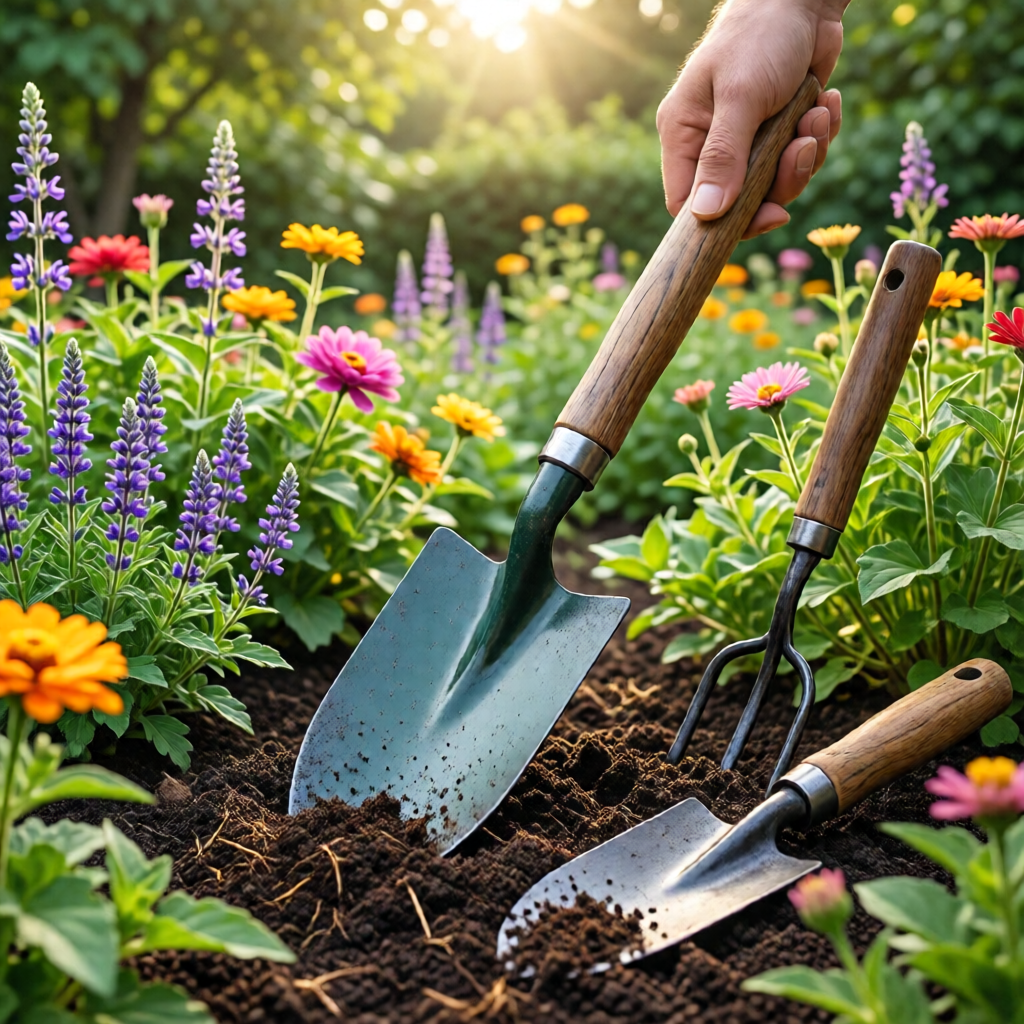
Hand tools are the workhorses of any garden. They’re lightweight, versatile, and relatively inexpensive, yet they can dramatically improve the efficiency of everyday tasks. Below is a curated list of the must‑have hand tools, each described with its primary use and what to look for when buying.
1. Trowel
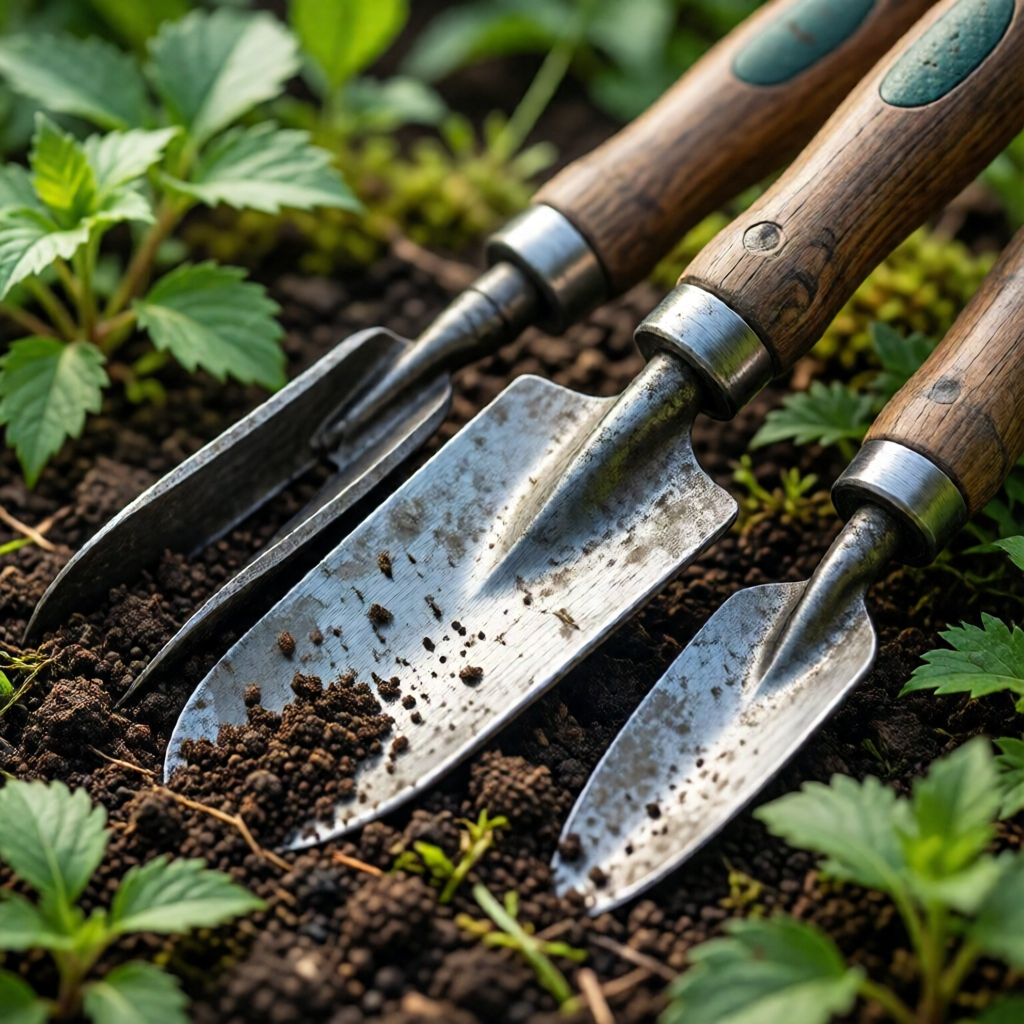
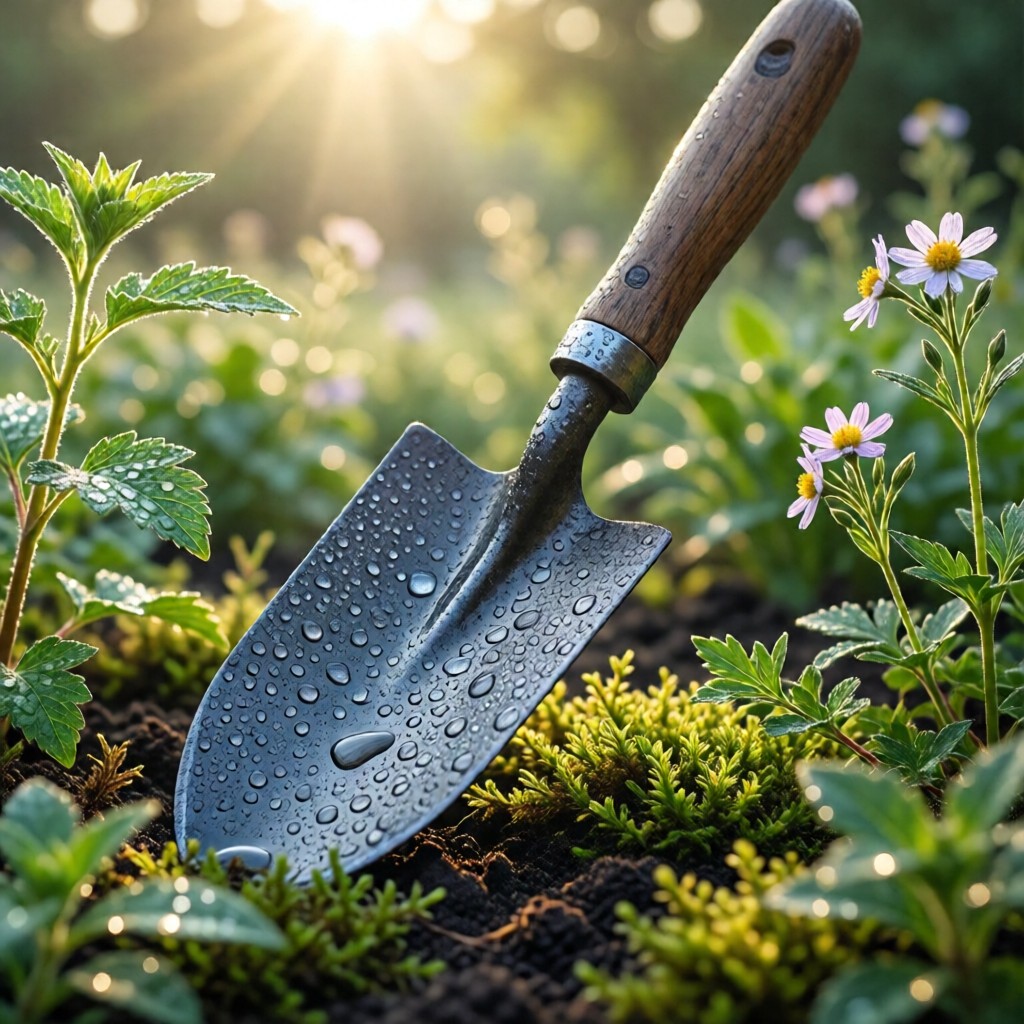
A sturdy trowel is indispensable for planting, transplanting seedlings, and digging small holes. Look for a stainless‑steel blade with a comfortable, non‑slip grip. A slightly curved blade helps scoop soil easily, while a sharp edge makes cutting through compacted earth a breeze. For beginners, a 6‑inch trowel offers the perfect balance of control and reach.
2. Hand Fork (Cultivator)
Ideal for loosening soil, removing weeds, and mixing in compost, a hand fork typically features three to four sturdy tines. Choose a fork with a short handle (around 8‑12 inches) for better maneuverability. Heat‑treated steel tines resist bending, ensuring the tool lasts season after season.
3. Pruning Shears (Secateurs)
When it comes to shaping shrubs, dead‑heading flowers, or harvesting herbs, precision is paramount. Bypass pruning shears, which have two sharp blades that cross, provide cleaner cuts for live plant material. Look for ergonomic handles and a spring‑loaded mechanism that reduces hand fatigue. A blade length of 6‑7 inches is versatile enough for most garden tasks.
4. Garden Gloves
Protecting your hands from thorns, soil‑borne pathogens, and blisters is essential. Opt for gloves made from breathable, water‑resistant material with reinforced fingertips. For those who work with prickly plants like roses or raspberries, a pair with extra padding on the palms offers added comfort.
5. Hand Saw
While not every beginner will need a full‑size saw, a compact hand saw (or a folding pruning saw) is perfect for cutting small branches, dead wood, or bamboo. Look for a saw with a fine‑toothed blade and a comfortable grip that fits comfortably in your palm.
Digging Tools: From Shovels to Spades
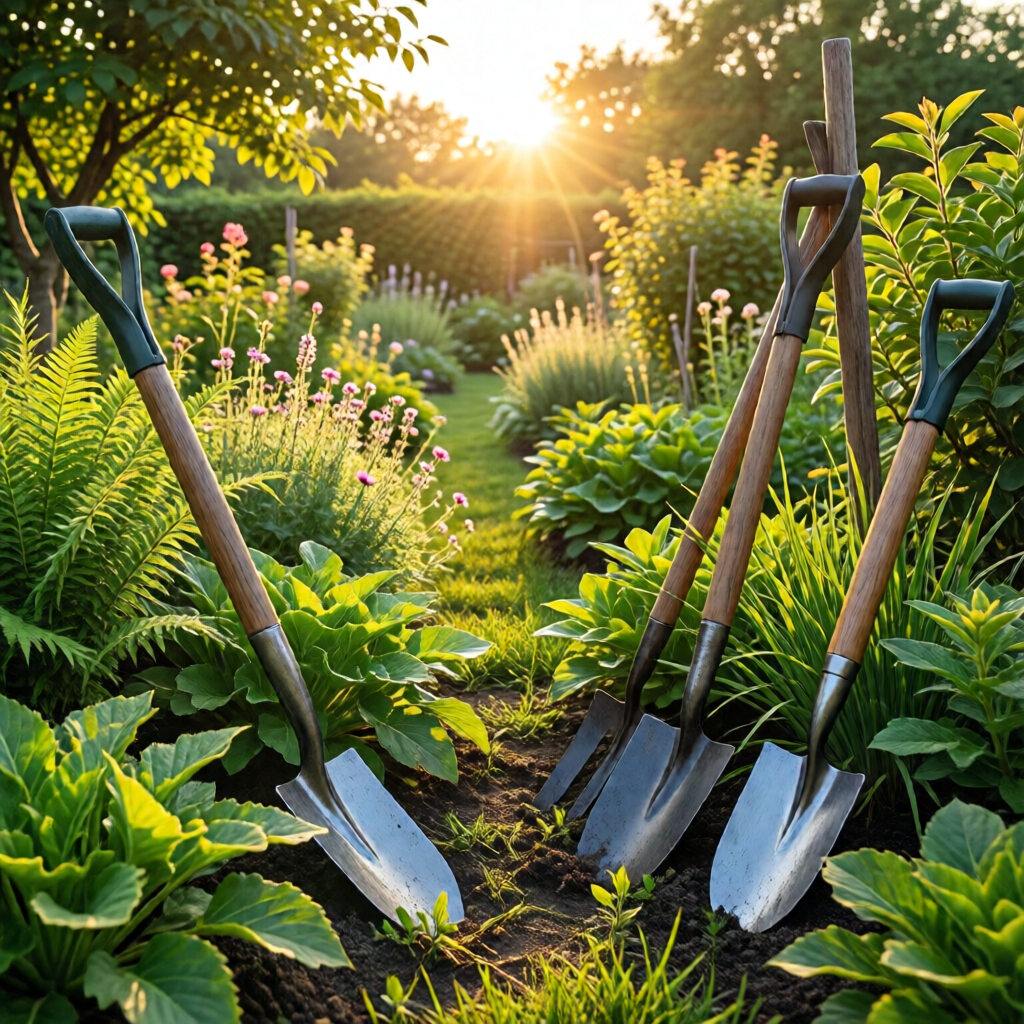
When you move beyond container gardening to in‑ground beds, digging tools become essential. They help you turn soil, create planting holes, and move compost or mulch efficiently. While you don’t need a massive arsenal, a few well‑chosen tools will serve you for years.
1. Round‑Point Shovel
A round‑point shovel, also known as a digging shovel, is perfect for breaking up compacted soil and digging deep holes for larger plants such as tomatoes or fruit trees. Look for a blade made of forged steel with a reinforced rim, and a handle that’s either wood or fiberglass for added durability and shock absorption.
2. Flat‑Head Spade
Use a flat‑head spade for edging, slicing through sod, and lifting soil. The flat, rectangular blade provides a clean cut, making it easier to define garden beds and remove weeds by the root. A spade with a slightly angled blade reduces the effort needed to lift soil, especially in heavy clay.
3. Garden Hoe
While a hoe might seem like a tool for larger farms, a lightweight, hand‑held hoe is excellent for weeding and creating shallow furrows for seed planting. Look for a hoe with a sturdy, rust‑resistant steel blade and a comfortable grip that keeps your wrist in a neutral position.
Cutting Tools: Trimming, Pruning, and Harvesting
Cutting tools go beyond pruning shears; they include loppers, hedge shears, and specialized harvest knives. These tools help you maintain plant health, shape growth, and collect produce efficiently.
Loppers
Loppers are essentially oversized pruning shears, designed for cutting thicker branches (up to 1‑inch diameter). Choose bypass loppers with long handles (24‑30 inches) to give you extra leverage while keeping your back straight. A cushioned grip reduces hand strain during extended use.
Hedge Shears
If you plan to maintain hedges, shrubs, or ornamental grasses, a pair of quality hedge shears will make the job quicker and cleaner. Look for shears with a double‑action blade (cuts on both forward and backward strokes) and an adjustable tension knob for precise control.
Harvest Knife
A small, sharp harvest knife is ideal for cutting herbs, harvesting lettuce, or trimming excess foliage. Opt for a knife with a stainless‑steel blade and a comfortable, non‑slip handle. A blade length of 3‑4 inches provides enough control for delicate tasks.
Watering Tools: Efficient Irrigation for Beginners
Proper watering is the lifeblood of any garden, and the right tools ensure you deliver the right amount of moisture without waste. Below are the essential watering tools that make hydration simple and effective.
1. Watering Can
A classic watering can with a long, narrow spout allows you to direct water precisely at the base of plants, minimizing leaf wetness and reducing the risk of fungal diseases. Choose a can made of sturdy metal or high‑density plastic, with a capacity of 2‑3 gallons for small to medium beds.
2. Garden Hose with Adjustable Nozzle
For larger gardens, a hose equipped with an adjustable nozzle offers flexibility. Look for a nozzle that provides multiple spray patterns—from a gentle mist for seedlings to a powerful jet for cleaning tools. A hose made of reinforced rubber resists kinking and lasts longer.
3. Soaker Hose or Drip Irrigation Kit
These low‑pressure systems deliver water directly to the root zone, conserving water and reducing evaporation. Beginners can start with a simple soaker hose that lays on the ground and connects to a standard hose faucet. A basic drip irrigation kit often includes tubing, emitters, and a timer for automated watering.
Safety Gear and Accessories
Gardening can be physically demanding, so a few safety accessories are crucial to protect yourself and keep your tools in top shape.
Kneeling Pad
A padded kneeling mat cushions your knees while you work close to the ground, reducing strain on joints. Look for a waterproof, foldable pad with a non‑slip surface.
Tool Belt or Tote
Keeping your tools within arm’s reach saves time and prevents misplaced items. A lightweight canvas tote or a sturdy tool belt with multiple pockets helps you stay organized. Choose a design with reinforced handles for easy transport.
Sun Protection
Never underestimate the power of the sun. A wide‑brimmed hat, UV‑blocking sunglasses, and sunscreen are essential for long gardening sessions, especially during peak summer months.
Tips for Selecting the Right Tools on a Budget
Building a beginner’s toolkit doesn’t have to drain your wallet. Here are actionable strategies to help you get high‑quality tools without overspending.
1. Start with the Essentials
Focus on the core tools listed above—trowel, hand fork, pruning shears, and a shovel. These items cover most tasks you’ll encounter in the first year. As you gain experience, you can add specialty tools based on specific needs, such as a lopper for larger shrubs or a drip irrigation system for water conservation.
2. Shop Seasonal Sales
Major retailers often discount gardening tools in spring and fall. Keep an eye on sales events, and consider purchasing a bundled set that includes a trowel, fork, and pruning shears at a reduced price.
3. Consider Quality Over Quantity
Investing in a well‑made tool may cost more initially but saves money in the long run due to durability. A stainless‑steel trowel with a reinforced handle will outlast a cheap plastic one that bends or rusts after a few uses.
4. Check Out Local Cooperative Stores
Community garden centers and co‑ops often stock tools sourced from reputable manufacturers and may offer member discounts. They can also provide personalized advice on which tools suit your region’s climate and soil type.
5. Read Reviews and Seek Recommendations
Before purchasing, read user reviews on gardening forums or websites. Look for feedback on ergonomics, durability, and warranty. You can also ask experienced neighbors or join local gardening clubs for firsthand recommendations.
Tool Maintenance: Extending the Life of Your Garden Gear
Proper maintenance keeps your tools performing at their best and prevents rust, dullness, and breakage. Follow these simple yet effective maintenance practices.
Cleaning After Each Use
Remove soil and plant residue with a stiff brush or a damp cloth. For metal tools, dry them thoroughly to avoid moisture‑induced rust. A quick wipe‑down after each session can prevent buildup that weakens blades and joints.
Sharpening Blades
Sharp blades make clean cuts, reducing damage to plant tissue. Use a sharpening stone or a dedicated blade sharpener for pruning shears, loppers, and knives. A quick test—snip a piece of paper. If the cut is ragged, it’s time to sharpen.
Oil Moving Parts
Apply a light coat of oil (such as 3‑in‑one oil) to the pivot points on pruning shears and loppers. This lubricates the moving parts, ensuring smooth operation and preventing rust.
Storing Properly
Store tools in a dry, sheltered area—preferably hanging on a wall rack or in a toolbox. Avoid leaving them in direct sunlight or damp basements. For wooden handles, periodically rub them with linseed oil to prevent cracking.
Where to Buy Garden Tools: Online vs. In‑Store
Choosing the right purchasing channel depends on your preferences for convenience, price, and hands‑on inspection.
Online Retailers
Websites like Amazon, Home Depot, and specialized garden stores offer a wide selection, customer reviews, and often free shipping. Buying online allows you to compare prices quickly and read detailed product specifications. However, you can’t physically test the grip or weight before purchase.
Local Garden Centers
Visiting a brick‑and‑mortar garden center lets you handle tools, assess ergonomics, and receive personalized advice from staff. Many stores also host workshops on topics like how to care for azalea bushes or organic pest control methods for garden, providing added value.
Big‑Box Stores
Retail giants such as Lowe’s and Walmart often carry budget-friendly tool sets. While selection may be limited, these stores frequently run promotions that make it easy to acquire a starter kit without a hefty investment.
Expert Advice: Common Mistakes Beginners Make with Tools
Even seasoned gardeners can slip up if they’re not mindful of tool usage. Here are some pitfalls to avoid, along with expert tips for getting the most out of your equipment.
Mistake 1: Using the Wrong Tool for the Job
Attempting to dig a planting hole with a hand fork instead of a shovel can lead to frustration and uneven holes. Match the tool to the task: a trowel for small pots, a shovel for deeper holes, and a hoe for surface work.
Mistake 2: Ignoring Ergonomics
Tools with poorly designed handles can cause blisters, wrist strain, or back pain. Choose tools with ergonomic grips, padded handles, and balanced weight distribution. If a tool feels uncomfortable after a few minutes, it’s likely not the right fit.
Mistake 3: Skipping Maintenance
Neglecting to clean, sharpen, and oil tools accelerates wear. Set aside a few minutes after each gardening session to care for your tools—this simple habit will extend their life and keep them performing at peak efficiency.
Mistake 4: Over‑Investing Too Early
While high‑quality tools are desirable, beginners often buy an extensive array of specialized equipment they’ll never use. Start with the basics, and expand your collection as your garden grows and your needs become clearer.
Pro Tip: Keep a Tool Log
Maintain a short log noting when you clean, sharpen, or replace each tool. This helps you track maintenance schedules and identify which tools may need replacement sooner than expected.
Integrating Garden Tools with Sustainable Practices
Modern gardeners are increasingly focused on sustainability. Choosing tools that support eco‑friendly practices can reduce waste and promote a healthier garden ecosystem.
Reusable Hand Tools
Opt for tools made from durable steel and sustainably sourced wood or recycled plastic handles. These materials are built to last, reducing the need for frequent replacements.
Water‑Saving Irrigation
Combine your watering can with a drip irrigation system to conserve water. Drip emitters deliver moisture directly to the root zone, minimizing evaporation and runoff—especially useful in regions with water restrictions.
Organic Pest Management
When you need to trim or prune plants that are afflicted with pests, consider using tools that are easy to clean and sterilize. This prevents the spread of disease. For more information on pest‑free gardening, explore our guide on organic pest control methods for garden.
Creative Uses for Garden Tools Beyond the Basics
Once you’re comfortable with the fundamentals, you can explore innovative ways to use your tools, enhancing both functionality and garden aesthetics.
DIY Plant Markers with a Hand Fork
Clean the tines of an old hand fork, then attach small tags or painted stones to label your herbs and vegetables. This repurposes a tool you already own while adding charm to your beds.
Creating Pathways with a Hoe
Use a hoe to lightly disturb the soil along a planned garden path, making it easier to lay stepping stones or mulch. The shallow furrows help water infiltrate, preventing puddles.
Harvesting Garlic with a Small Knife
If you’ve started a garlic patch, a sharp harvest knife makes it simple to cut the stalks cleanly without damaging the bulbs. Learn more about growing garlic at home in our how to grow garlic at home article.
Putting It All Together: Building Your Beginner Toolkit
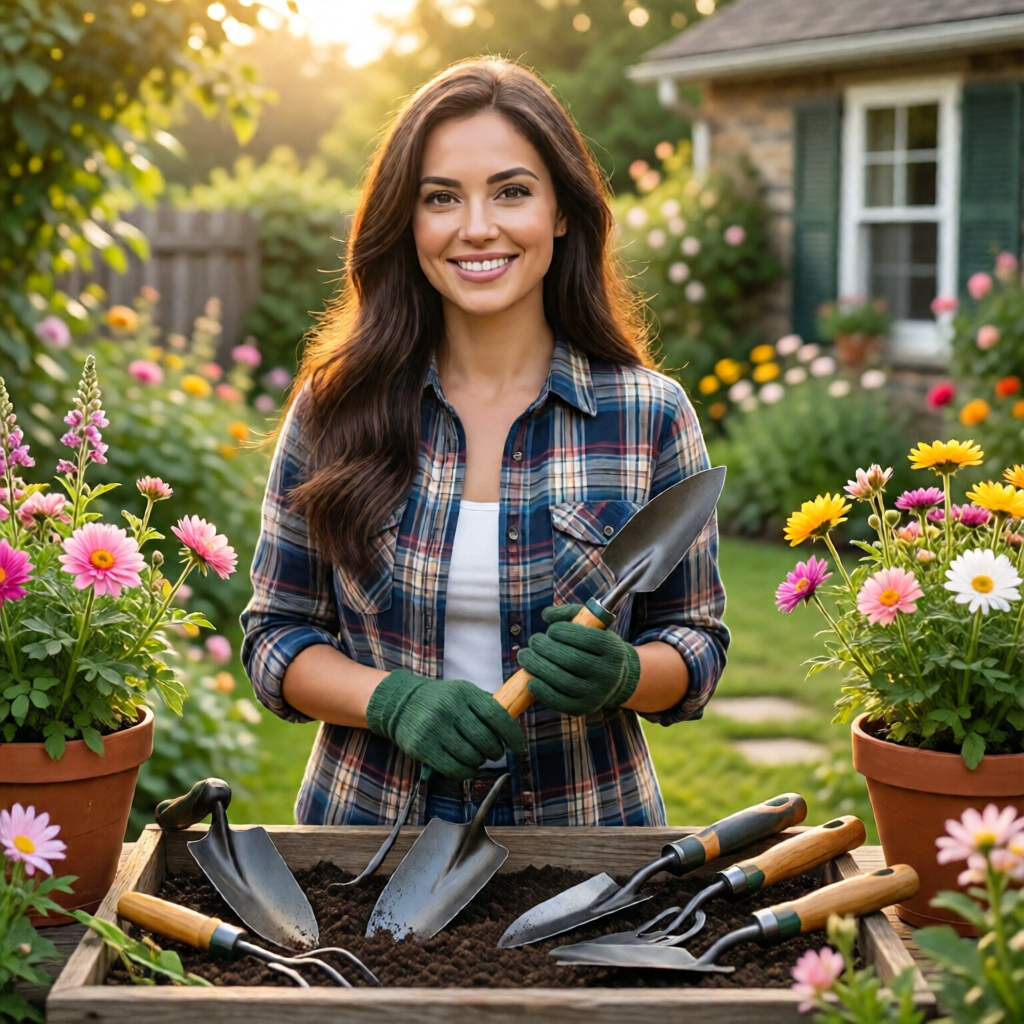
Now that you’ve explored each category of tools, here’s a concise checklist to help you assemble a balanced starter kit. Use this as a shopping guide, and tick off each item as you acquire it.
- Trowel (6‑inch stainless steel)
- Hand fork/cultivator (3‑tine, short handle)
- Bypass pruning shears (6‑inch)
- Garden gloves (breathable, reinforced fingertips)
- Round‑point shovel (12‑inch blade)
- Flat‑head spade (14‑inch blade)
- Hoe (hand‑held, lightweight)
- Loppers (24‑inch, bypass)
- Hedge shears (double‑action)
- Harvest knife (3‑inch stainless steel)
- Watering can (2‑gallon, narrow spout)
- Garden hose with adjustable nozzle
- Soaker hose or basic drip kit
- Kneeling pad
- Tool belt or canvas tote
- Sun hat, sunscreen, and sunglasses
With these tools, you’ll be equipped to handle planting, weeding, pruning, watering, and harvesting with confidence. Remember, the goal isn’t to own every possible gadget, but to have reliable, well‑maintained tools that make gardening enjoyable and efficient.
Conclusion: Your Journey Starts with the Right Tools
Embarking on a gardening adventure is immensely rewarding, and the foundation of that success lies in the tools you choose. By selecting high‑quality, ergonomic hand tools, digging implements, cutting instruments, and watering equipment, you set yourself up for a season of growth, discovery, and satisfaction. Pair your new toolkit with regular maintenance, smart purchasing habits, and a willingness to learn—from books, online resources, and fellow gardeners—and you’ll watch your garden—and your confidence—flourish.
What are the must‑have garden tools for a beginner?
The essential tools include a sturdy trowel, hand fork, bypass pruning shears, garden gloves, a round‑point shovel, flat‑head spade, hoe, watering can, and a hose with an adjustable nozzle. These cover planting, weeding, pruning, and watering tasks.
How can I keep my garden tools from rusting?
After each use, clean tools with a brush, dry them thoroughly, apply a light coat of oil to metal parts, and store them in a dry, sheltered area. Sharpen blades regularly and keep wooden handles oiled with linseed oil.
Is it better to buy garden tools online or in a local store?
Both have advantages: online shopping offers convenience and price comparison, while local stores let you test ergonomics and receive personalized advice. Consider a mix—buy basics online and try specialty tools in‑store.
How often should I sharpen my pruning shears?
Sharpen them whenever cuts become ragged—typically a few times each growing season. A quick test is to snip a piece of paper; if the cut is uneven, it’s time to sharpen.
Can I use a drip irrigation system with a watering can?
Yes, you can attach a drip emitter to a standard watering can, allowing you to deliver water directly to the root zone while conserving water. It’s a great hybrid approach for small to medium gardens.
1 réflexion au sujet de « Best Garden Tools For Beginners – Expert Guide and Ideas »