Choosing the right mulch for your vegetable garden can feel like a secret weapon for both novice and seasoned growers. The right layer of mulch not only conserves moisture and suppresss weeds, but it also improves soil structure, adds essential nutrients, and creates a healthier environment for your crops. In this guide we’ll explore the best mulch options for a thriving vegetable garden, walk through step‑by‑step application techniques, and share expert tips that you can start using today. Whether you’re planting tomatoes in a sunny backyard bed or growing radishes in a compact raised container, the right mulch can make a dramatic difference in yield, flavor, and the amount of time you spend weeding.
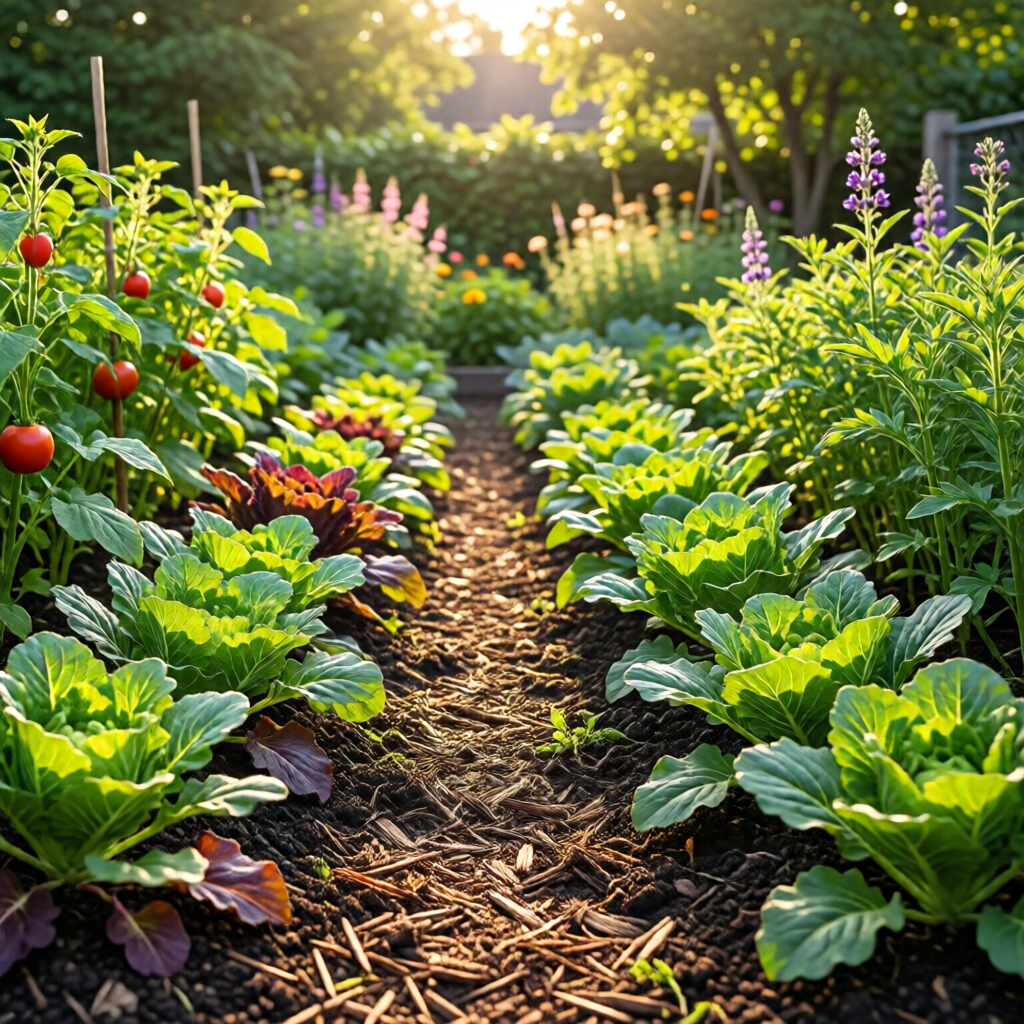
Why Mulch Matters in a Vegetable Garden
Mulch is more than just a decorative topping; it’s a multifunctional tool that supports plant health in several key ways:
- Moisture retention: A 2‑3‑inch blanket of mulch reduces evaporation, meaning you water less often and your plants stay hydrated longer.
- Weed suppression: By blocking sunlight, mulch limits weed seed germination, giving your vegetables a competitive edge.
- Temperature regulation: Mulch insulates the soil, keeping it cooler in summer heat and warmer during chilly spring nights.
- Soil enrichment: Organic mulches decompose over time, releasing nutrients that feed root systems.
- Erosion control: Mulch protects the soil surface from rain impact, preventing nutrient loss and compaction.
Because vegetable crops are heavy feeders, the choice of mulch can directly affect the amount of nutrients available throughout the growing season. Selecting a mulch that aligns with your soil type, climate, and the specific vegetables you’re cultivating will set the stage for a bountiful harvest.
Organic vs. Inorganic Mulch: What’s the Difference?
Mulches fall into two broad categories: organic (derived from plant or animal material) and inorganic (synthetic or mineral‑based). Each has distinct advantages and potential drawbacks.
Organic Mulch Benefits
- Improves soil structure as it breaks down.
- Provides a slow‑release source of nutrients.
- Generally inexpensive and readily available.
- Enhances beneficial microbial activity.
Inorganic Mulch Benefits
- Does not decompose, so it lasts longer without needing replacement.
- Effective for controlling weeds in high‑traffic areas.
- Can be used to create a warm soil environment for early planting.
For most vegetable gardeners, organic mulches are the top choice because they contribute to soil fertility while delivering the moisture‑retention and weed‑control benefits you need. However, certain situations—like a sunny, sandy garden that heats up quickly—might call for a strategic blend of organic and inorganic options.
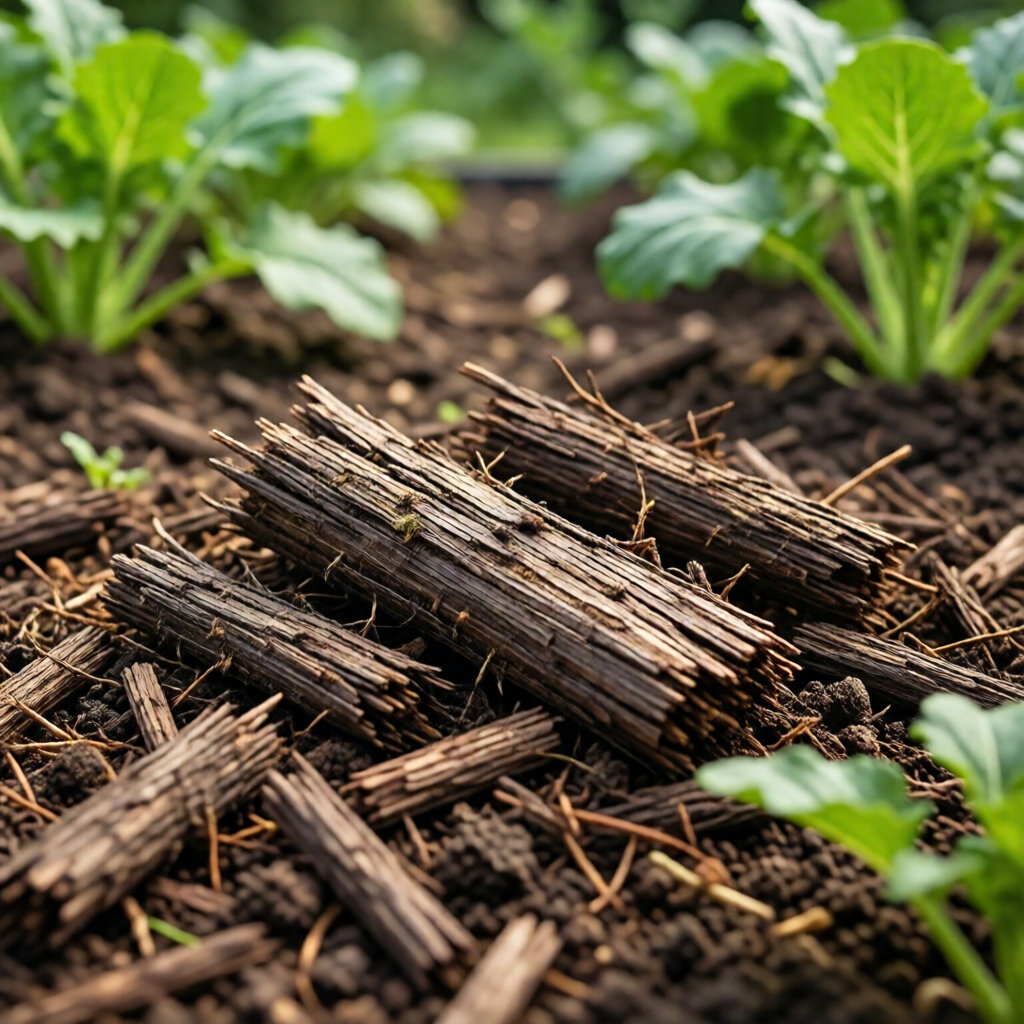
Top Organic Mulches for Vegetable Gardens
Below are the most popular organic mulches, ranked by effectiveness, ease of use, and overall benefit to vegetable crops.
1. Straw (Wheat or Oat)
Straw is a classic favorite for vegetable beds. It’s light, easy to spread, and breaks down gradually, adding organic matter to the soil. When using straw, look for clean, seed‑free varieties to avoid introducing unwanted weeds. Apply a 2‑3‑inch layer around plants, keeping the mulch a few inches away from stems to prevent rot.
2. Shredded Leaves
In autumn, you can collect fallen leaves, shred them with a leaf mulcher, and use them as a nutrient‑rich mulch. Leaves decompose relatively quickly, delivering nitrogen, potassium, and calcium. To prevent matting, mix shredded leaves with a small amount of coarse material like straw or wood chips.
3. Compost
Compost serves the dual purpose of mulch and soil amendment. A thin (1‑inch) layer of mature compost on top of your beds retains moisture and supplies a steady stream of nutrients. Because compost is already partially decomposed, it won’t tie up nitrogen like fresh manure would.
4. Grass Clippings
If you have a well‑maintained lawn, grass clippings are an abundant and free mulch source. Use only clippings that haven’t been treated with herbicides or synthetic fertilizers. Apply a thin, dry layer and allow the clippings to dry before spreading to avoid creating a slimy mat that could smother seedlings.
5. Wood Chips or Bark
Wood chips are long‑lasting and excellent for perennial vegetable beds, such as perennial onions or rhubarb. They break down slowly, providing a steady nutrient release. However, they can temporarily immobilize nitrogen, so consider adding a nitrogen source (like blood meal) when first applying wood chips.
6. Newspaper and Cardboard
Layers of newspaper (10–12 sheets) or flattened cardboard act as an effective weed barrier while adding organic matter as they decompose. Cover the paper with a thin layer of straw or leaf mulch to improve aesthetics and prevent the paper from blowing away.
Inorganic Mulch Options for Specific Needs
While organic mulches dominate vegetable gardening, certain scenarios benefit from inorganic solutions.
Black Plastic Sheeting
Black plastic retains heat and moisture, making it ideal for heat‑loving crops like tomatoes, peppers, and eggplant. It also suppresses weeds effectively. However, plastic can raise soil temperatures too high in very hot climates, so monitor soil temperature with a probe and remove the plastic during extreme heat.
Landscape Fabric
Landscape fabric is a woven polypropylene material that allows water and air to pass while blocking weeds. It’s useful for long‑term beds but can hinder soil aeration if left in place for many years. A thin layer of organic mulch on top of fabric improves aesthetics and adds organic matter.
Gravel or Small Rocks
Gravel is rarely used in vegetable gardens because it doesn’t contribute nutrients, but it can be practical for pathways or around perennial herbs that prefer excellent drainage, such as rosemary. If you opt for gravel, consider mixing it with organic mulches to avoid a “hardpan” effect.
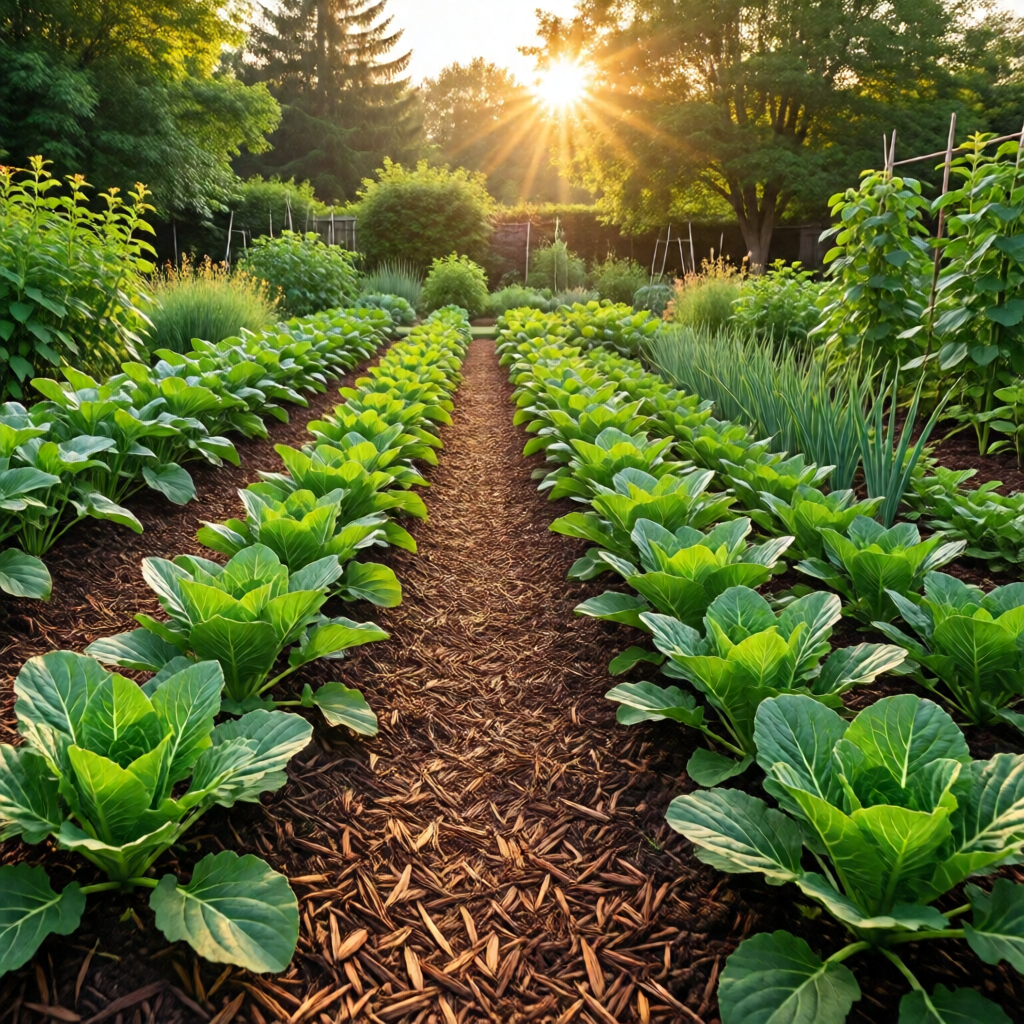
How to Apply Mulch Correctly
Applying mulch is simple, but a few best‑practice steps ensure you reap maximum benefits.
1. Prepare the Soil First
Before mulching, clear existing weeds, loosen the soil to a depth of 6‑8 inches, and incorporate any needed amendments (compost, lime, or fertilizer). This creates a clean, nutrient‑rich base for your vegetables.
2. Choose the Right Depth
- Straw, shredded leaves, and grass clippings: 2‑3 inches.
- Compost or fine organic mulch: 1‑2 inches (to avoid smothering seedlings).
- Black plastic or landscape fabric: lay flat, then add a 1‑inch organic layer on top.
Too thin a layer won’t suppress weeds; too thick can keep soil too cool and restrict air flow.
3. Keep Mulch Away From Stems
Leave a 1‑2‑inch gap around the base of each plant to prevent stem rot and pest habitats. This is especially important for tomatoes, peppers, and beans.
4. Water After Mulching
Give the bed a thorough watering after laying mulch. This settles the material, eliminates air pockets, and ensures the soil underneath receives moisture.
5. Replenish As Needed
Organic mulches decompose over the season. Check the mulch depth every 4‑6 weeks and add more material to maintain the recommended thickness.
Mulching Specific Vegetables
Different vegetables have unique mulching needs. Below are targeted recommendations for popular garden crops.
Tomatoes
Tomatoes benefit from a 2‑inch layer of straw or shredded leaves. This mulch conserves water during fruit set and helps keep soil temperatures stable. For early season planting, consider a black plastic sheet beneath the straw to warm the soil and promote earlier fruiting.
Carrots and Root Crops
Root vegetables thrive with a light mulch that doesn’t impede soil penetration. A thin (½‑inch) layer of fine compost or a mix of shredded leaves works well. Avoid thick mulches that may cause the roots to grow around the barrier rather than straight down.
Beans (Bush and Pole)
Beans fix nitrogen, so they appreciate a mulch that retains moisture without overly cooling the soil. Use a 2‑inch straw layer, and keep it a few inches away from the vines to prevent fungal buildup. For those growing beans in raised beds, see our growing beans in raised beds guide for additional tips.
Squash and Cucumbers
These sprawling vines love warm, moist soil. Apply a 3‑inch layer of straw or black plastic (covered with a thin straw layer) to keep the soil warm and reduce weed competition. Ensure good airflow around the vines to prevent powdery mildew.
Leafy Greens (Lettuce, Spinach, Kale)
Leafy greens prefer cooler soil. A light mulch of shredded leaves (½‑inch) protects roots from temperature fluctuations while allowing quick cooling. Mulch also helps keep the leaves clean from soil splash during rain.
Mulching in Raised Garden Beds
Raised beds often dry out faster than in‑ground gardens, making mulching especially important. A 2‑inch layer of straw or shredded leaves can dramatically reduce watering frequency. Pair this with our raised garden bed ideas for beginners guide for layout ideas that maximize mulch efficiency.
Moisture Management and Water Conservation
Mulch can cut water usage by up to 50% in many climates. To make the most of this benefit:
- Water deeply and less often, allowing the mulch to maintain even moisture.
- Use a soaker hose or drip irrigation beneath the mulch to deliver water directly to the root zone.
- Monitor soil moisture with a probe—if the top inch of soil feels dry, it’s time to water.
Troubleshooting Common Mulch Problems
Even the best mulches can present challenges. Here’s how to address the most frequent issues.
Fungal Growth
Excessively wet mulch can create a breeding ground for fungi. To prevent this, avoid piling mulch too thickly and ensure proper airflow. If you notice moldy patches, gently rake them out and let the area dry before re‑applying a thinner layer.
Rodent or Insect Habitat
Mulch can provide shelter for slugs, snails, and rodents. Use coarse mulches like straw instead of fine, damp materials that attract pests. Adding a perimeter of copper tape or diatomaceous earth can deter slugs, while raised beds with hardware cloth at the base reduce rodent entry.
Mulch Theft or Wind Displacement
In windy regions, lightweight mulches may blow away. Anchor the mulch with a light spray of watered soil or a thin layer of mulch underneath the main layer. For high‑traffic gardens, consider heavier options like wood chips or a combination of newspaper and straw.
Odor from Decomposing Mulch
Fresh organic mulches (especially grass clippings) can emit a strong smell as they break down. Allow clippings to dry before spreading, and mix them with other dry mulches like straw to balance moisture.

Expert Tips for Maximizing Mulch Benefits
- Rotate mulch types yearly: Switching between straw, leaf mold, and compost prevents disease buildup and balances nutrient inputs.
- Combine mulches: Use a base layer of black plastic for heat, topped with straw for moisture retention and aesthetic appeal.
- Seasonal adjustments: In early spring, a thin layer of compost helps warm the soil; in summer, add extra straw to protect against heat stress.
- Mulch and companion planting: Pair nitrogen‑fixing beans with heavy‑feeders like corn, and mulch both with a shared layer of straw to keep the soil uniformly moist.
- Test soil pH after mulching: Some mulches (pine bark, pine needles) can acidify soil over time—monitor pH and amend as needed.
By following these strategies, you’ll create a resilient, nutrient‑rich environment that supports robust vegetable growth from seedling to harvest.
Conclusion: The Best Mulch for Your Vegetable Garden
While there is no one‑size‑fits‑all answer, the “best” mulch for most U.S. vegetable gardeners is a well‑managed, organic option such as straw, shredded leaves, or a light compost layer. These mulches provide moisture retention, weed suppression, and soil enrichment—all critical for high yields. In hotter zones, consider pairing organic mulch with a thin sheet of black plastic to boost soil temperature for heat‑loving crops.
Remember to tailor mulch depth, material, and timing to the specific vegetables you grow, and keep an eye on moisture levels and potential pest habitats. With the right mulch strategy, you’ll spend less time weeding, water less frequently, and enjoy healthier, more productive vegetable beds.
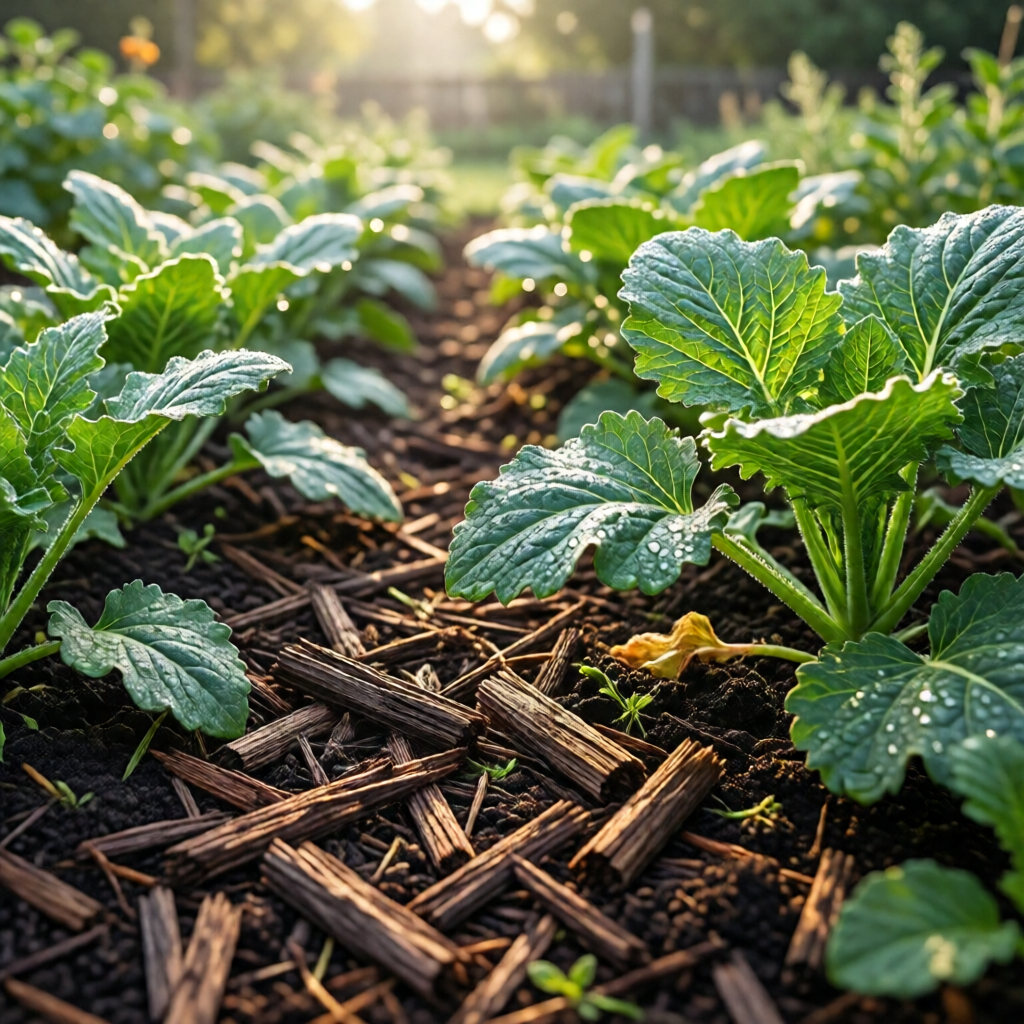
Frequently Asked Questions
What is the single best mulch for a vegetable garden?
Straw is often considered the best all‑purpose mulch for vegetable gardens because it’s lightweight, provides excellent moisture retention, breaks down slowly to add organic matter, and is easy to apply and remove.
How often should I replace or replenish my mulch?
Check the mulch depth every 4‑6 weeks. Add more material to maintain a 2‑3‑inch layer for straw or shredded leaves, and a 1‑inch layer for compost. Inorganic mulches like black plastic only need occasional cleaning.
Can I use newspaper as mulch for my vegetable garden?
Yes. Lay 10‑12 sheets of newspaper, overlapping edges, then cover with a thin layer of straw or shredded leaves. This creates an effective weed barrier while adding organic material as the paper decomposes.
Is it okay to mulch around newly planted seedlings?
Apply a very light mulch (½‑inch) or wait until seedlings have developed several true leaves. Keep mulch a few inches away from stems to prevent rot and allow air circulation.
How does mulching affect soil pH?
Most organic mulches have a neutral effect, but pine needles or pine bark can slowly acidify soil. If you use these regularly, test soil pH annually and add lime if the pH drops below the optimal range for vegetables (6.0‑7.0).