When you have a garden drenched in sunshine for most of the day, you have a golden opportunity to showcase the brightest, most resilient perennials that thrive under full sun. Full‑sun perennials not only bring a riot of color to your landscape but also provide structure, attract pollinators, and often require less water once established. In this guide, we’ll explore the best perennial flowers for full sun across the United States, share expert planting and care tips, and give you actionable steps to create a sun‑loving garden that dazzles season after season.
Understanding Full Sun and Its Impact on Perennials
Full sun is defined as a location that receives at least six to eight hours of direct sunlight each day. This intense exposure influences soil temperature, moisture retention, and the types of plants that can survive and flourish. Perennials adapted to full sun typically possess deep root systems, waxy or hairy leaves, and a natural ability to tolerate heat stress. Recognizing the micro‑climates within your garden—such as south‑facing walls that reflect extra heat or shaded corners under tall trees—helps you place the right plants in the right spots for optimal performance.
Before you select your flower lineup, consider these key factors:
- Soil type: Sandy soils warm quickly and drain well, while clay soils retain moisture but can become compacted under intense heat.
- Water availability: Even sun‑loving perennials need consistent moisture during establishment; afterward, many become relatively drought‑tolerant.
- Climate zone: USDA hardiness zones range from 2 (cold) to 10 (warm). Choose varieties proven to thrive in your zone for the best results.
Top Ten Perennial Flowers for Full Sun
Below is a curated list of ten perennials that consistently perform well in full sun across the U.S. Each entry includes a brief description, ideal growing conditions, and design tips to help you integrate them into your garden.
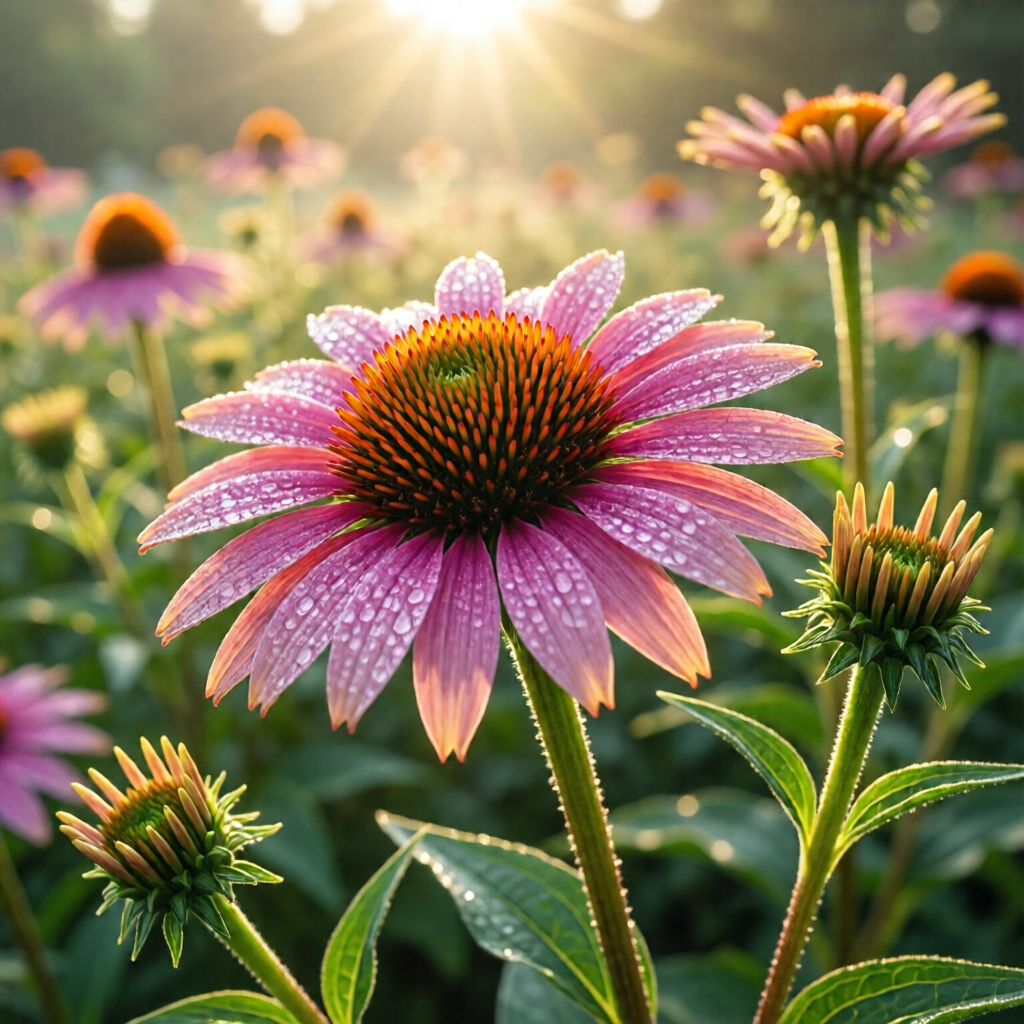
1. Coneflower (Echinacea purpurea)
Known for its daisy‑like purple petals and prominent cone center, coneflower is a pollinator magnet. It tolerates heat, drought, and a wide range of soil types. Plant in groups of three or more for a striking impact, and deadhead spent blooms to encourage a second flush.
2. Black-eyed Susan (Rudbeckia hirta)
With bright yellow petals surrounding a dark brown center, Black-eyed Susan provides a cheerful, long‑lasting bloom from early summer to fall. It thrives in well‑drained soil and can handle occasional neglect, making it perfect for low‑maintenance gardens.
3. Lavender (Lavandula angustifolia)
Lavender’s fragrant, silvery foliage and spikes of purple flowers are both decorative and functional—its scent repels many pests. It prefers alkaline, well‑drained soil and benefits from pruning after flowering to maintain shape.
4. Russian Sage (Perovskia atriplicifolia)
Russian Sage produces airy, lavender‑blue flower clusters atop tall, woody stems. Its foliage is aromatic and gray‑green, providing texture even when not in bloom. This plant is exceptionally drought‑tolerant once established.
5. Daylilies (Hemerocallis spp.)
Daylilies are hardy, low‑maintenance perennials with a wide palette of colors. Each bloom lasts only one day, but each stem produces multiple buds, ensuring continuous color throughout the summer. They adapt well to various soil conditions.
6. Coreopsis (Coreopsis verticillata)
Coreopsis, or tickseed, offers bright yellow, daisy‑like flowers that attract butterflies. It spreads moderately, making it a great groundcover in sunny borders. Cut back after the first flush to encourage a second wave of blooms.
7. Salvia (Salvia nemorosa)
Salvia’s spikes of violet, blue, or pink flowers are a favorite of hummingbirds. It thrives in full sun and well‑drained soil, and it benefits from a light pruning in early spring to promote vigorous growth.
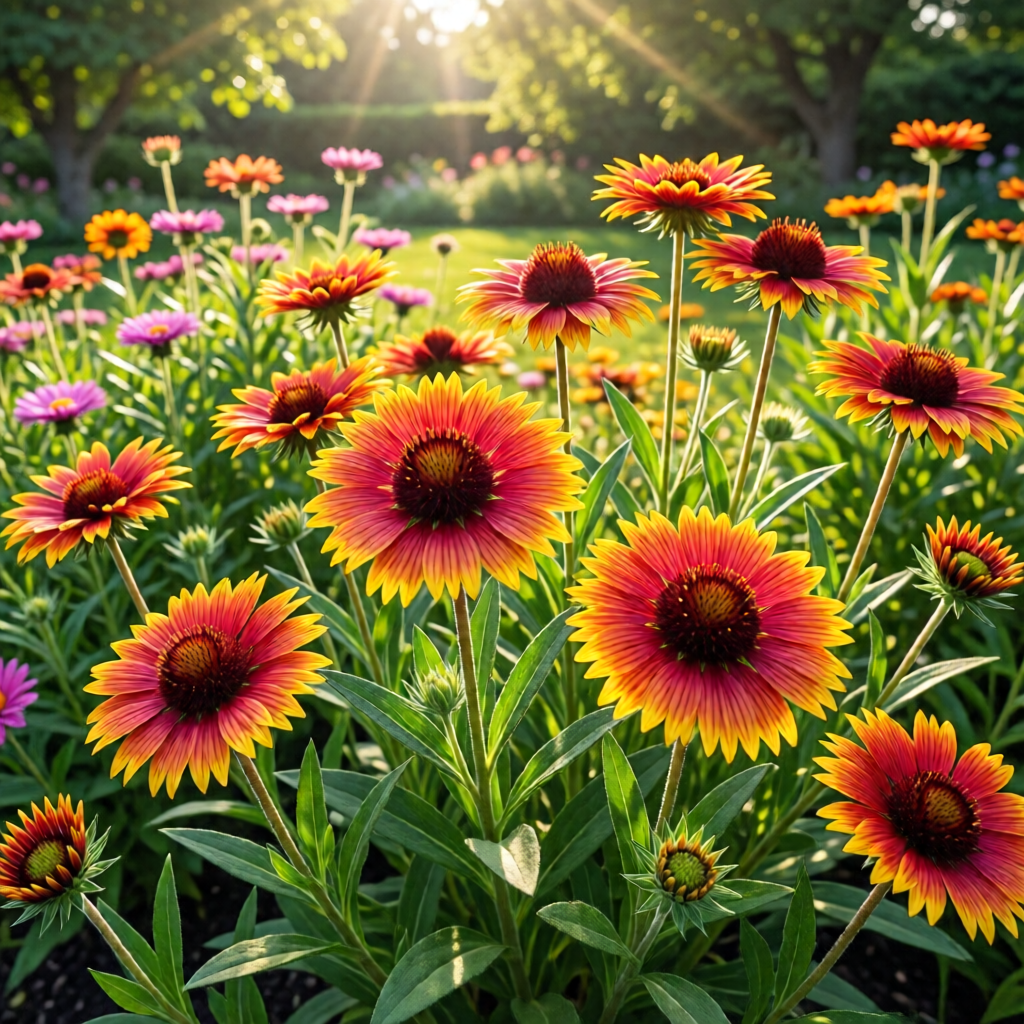
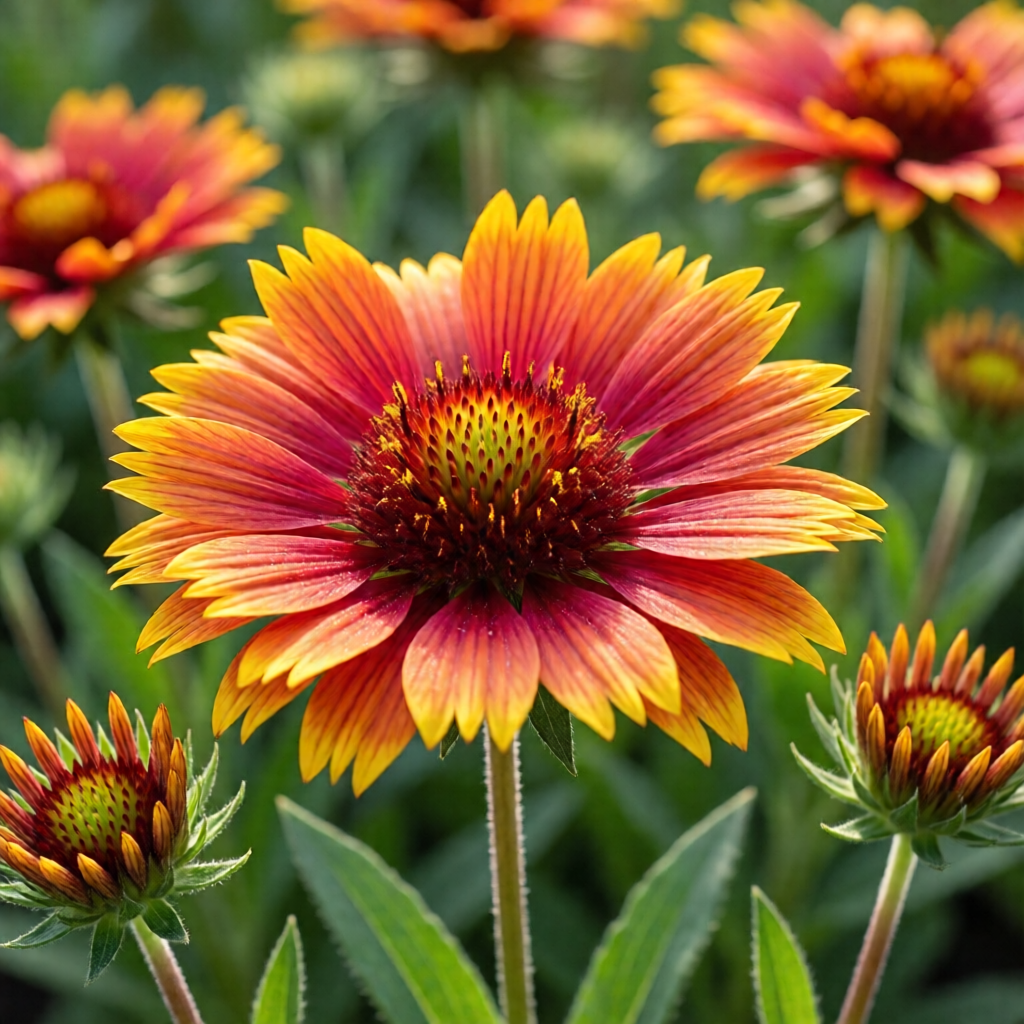
8. Blanket Flower (Gaillardia × grandiflora)
With fiery red and orange petals, blanket flower adds dramatic color to sunny beds. It prefers sandy or loamy soils and tolerates heat and drought, making it ideal for xeriscape designs.
9. Yarrow (Achillea millefolium)
Yarrow’s flat-topped clusters of white, yellow, or pink flowers provide a texture contrast in mixed borders. Its fern‑like foliage remains attractive even after flowering, and it’s highly tolerant of poor soils.
10. Agastache (Agastache foeniculum)
Also known as hyssop, agastache produces spikes of purple or blue flowers and emits a licorice‑like fragrance. It attracts bees and butterflies and prefers well‑drained soil with moderate moisture.
These ten perennials create a vibrant, continuous display from late spring through early fall. By combining varying heights, bloom times, and foliage textures, you can achieve a dynamic garden that remains interesting throughout the growing season.
Preparing Your Site: Soil, Sun, and Layout
Successful planting begins with proper site preparation. Follow these steps to give your sun‑loving perennials the best start:
Soil Testing and Amendment
Start by testing your soil’s pH and nutrient levels using a home kit or a local extension service. Most full‑sun perennials prefer a slightly acidic to neutral pH (6.0–7.0). Amend heavy clay soils with coarse sand and organic matter (compost or well‑rotted manure) to improve drainage. For overly acidic soils, add garden lime; for alkaline soils, incorporate elemental sulfur.
Creating a Sun‑Friendly Layout
Map out your garden space on graph paper or using a free online garden planner. Place taller plants like Russian Sage and Agastache toward the back or center of a border, and position shorter species such as Coreopsis and Yarrow toward the front. This tiered arrangement ensures every plant receives adequate sunlight and prevents shading of lower‑growth perennials.
Mulching for Moisture Retention
Apply a 2–3 inch layer of organic mulch (shredded bark, pine needles, or straw) after planting. Mulch conserves soil moisture, suppresses weeds, and gradually enriches the soil as it decomposes. Keep mulch a few inches away from plant stems to avoid rot.
Once your site is prepared, you’re ready to move to planting.

Planting Techniques and Timing
Proper planting technique is essential for establishing strong, healthy perennials. Below are expert guidelines to follow:
When to Plant
In most USDA zones, early spring (after the last frost) or early fall (when soil is still warm) are optimal planting times. Fall planting allows roots to establish before winter, leading to vigorous spring growth.
Spacing and Depth
Follow the spacing recommendations on plant tags—generally 12–24 inches apart for most sun perennials. Plant each specimen at the same depth it was growing in its nursery container; planting too deep can cause stem rot, while planting too shallow can expose roots to drying winds.
Watering In
Water thoroughly after planting to settle the soil around the roots. Continue to keep the soil consistently moist (but not soggy) for the first 3–4 weeks, then gradually reduce frequency as plants become established.
Companion Planting for Health and Beauty
Mixing perennials with complementary species can enhance visual appeal and improve garden health. For example, interplant lavender with rosemary or sage to create a fragrant herb corner that also deters pests. Pairing yarrow with ornamental grasses adds texture, while planting coneflowers alongside bee‑attracting herbs boosts pollinator activity.
For a deeper dive into dividing and rejuvenating perennials, see our how to divide perennials guide.
Watering, Fertilizing, and Ongoing Maintenance
Even drought‑tolerant perennials benefit from attentive care during the first growing season. Here’s how to keep them thriving year after year:
Watering Schedule
During hot, dry periods, aim to provide 1 inch of water per week—either via deep soaking or a slow‑drip irrigation system. Early morning watering reduces evaporation and minimizes fungal disease risk.
Fertilization
Apply a balanced, slow‑release fertilizer (10‑10‑10) in early spring as new growth begins. Avoid high‑nitrogen fertilizers, which can promote lush foliage at the expense of blooms. For organic options, use compost tea or well‑aged compost as a top‑dressing.
Pruning and Deadheading
Regular deadheading (removing spent flowers) encourages repeat blooming in many species, especially coneflowers, black‑eyed Susans, and daylilies. Prune back woody stems of lavender and Russian sage after flowering to maintain shape and promote fresh growth.
Dividing Overgrown Clumps
Every 3–4 years, divide perennials that have become crowded—especially daylilies, hostas, and agastache. Dig up the plant in early spring, separate the root clumps, and replant them at the recommended spacing. This practice revitalizes growth and prevents disease buildup.
Pest and Disease Management
Full‑sun gardens are generally less prone to fungal issues due to better air circulation, but watch for common pests such as aphids, spider mites, and whiteflies. For indoor plant pest reference, see our common indoor plant pests and treatment article, which also offers useful organic control methods applicable outdoors.
Design Ideas: Creating a Sun‑Shining Showpiece
Beyond individual plant care, thoughtful design elevates the overall impact of your full‑sun garden. Consider these ideas to craft a cohesive, eye‑catching landscape:
Seasonal Color Flow
Arrange plants so that bloom times overlap, ensuring continuous color. Start with early spring bloomers like creeping phlox, transition to mid‑summer stars such as coneflowers, and finish with late‑fall favorites like ornamental grasses and sedums.
Texture and Form
Mix foliage textures—silvery lavender, feathery yarrow, and the bold, upright stems of Russian sage—to add visual interest when flowers fade. Incorporate low‑lying groundcovers like creeping thyme for a fragrant, aromatic path.
Wildlife‑Friendly Plantings
Design portions of your garden to attract pollinators and beneficial insects. Plant lavender, salvia, and agastache near a water source to create a hummingbird and butterfly haven. Adding a few native grasses provides shelter for beneficial beetles.
Low‑Maintenance Zones
For busy homeowners, designate a “no‑maintenance” zone using drought‑tolerant perennials like blanket flower and coreopsis. Pair these with ornamental rocks, a gravel pathway, or a no grass backyard idea to reduce mowing and watering.
Container Displays
Use large, weather‑resistant containers to showcase a curated mix of sun‑loving perennials on patios or decks. Combine compact varieties like dwarf lavender with taller stems of salvia for a tiered effect.
Extending the Bloom Season
While most full‑sun perennials peak in summer, you can extend their visual presence into fall and early winter with a few tactics:
- Late‑Season Fertilizer: Apply a low‑nitrogen, high‑potash fertilizer in late summer to encourage seed head formation.
- Deadheading: Continue removing spent blooms to coax a second flush, especially in cooler regions.
- Mulching: A thin layer of straw or shredded leaves protects roots from early frosts, allowing some perennials to linger longer.
- Interplanting Annuals: Add annuals like marigolds or zinnias in the fall to fill gaps after perennials start to fade.
Buying Tips and Sustainable Practices
When selecting perennials, keep these purchasing guidelines in mind:
Choose Certified Nursery Stock
Buy from reputable nurseries that guarantee disease‑free plants. Look for labels indicating the plant’s hardiness zone, sun requirements, and mature size.
Opt for Native Varieties
Native perennials are already adapted to local climate, soil, and pest pressures. They often require less water and maintenance, supporting biodiversity.
Consider Propagation Methods
Many perennials are available as bare‑root plants, which are cost‑effective and establish quickly. If you prefer container plants, ensure they have a healthy root ball and no signs of root rot.
Eco‑Friendly Planting
Reuse garden waste as compost, practice rainwater harvesting for irrigation, and avoid synthetic chemicals. These practices not only protect the environment but also promote healthier, more resilient garden ecosystems.
Conclusion: Your Sun‑Filled Perennial Paradise Awaits
Choosing the right perennials for full sun can transform a bright, sometimes harsh space into a vibrant, thriving garden oasis. By selecting hardy, colorful species like coneflower, lavender, and Russian sage, preparing the soil properly, and following a consistent care routine, you’ll enjoy a garden that dazzles from early spring through fall. Remember to incorporate design principles, support pollinators, and practice sustainable gardening for lasting success. With the expert tips and actionable steps outlined in this guide, you’re well on your way to creating a sun‑loving perennial paradise that will be the envy of neighbors and a haven for hummingbirds, butterflies, and you.
Which full‑sun perennials are best for attracting pollinators?
Plants such as coneflower, lavender, salvia, and agastache produce abundant nectar and pollen, making them top choices for bees, butterflies, and hummingbirds.
How often should I water newly planted perennials in full sun?
Water deeply two to three times per week during the first month, ensuring the soil stays consistently moist but not waterlogged. Gradually reduce frequency as the plants establish.
Can I grow these perennials in containers?
Yes, many sun‑loving perennials such as lavender, salvia, and dwarf coneflower thrive in large, well‑draining containers, allowing you to enjoy them on patios or decks.
What is the best time of year to divide and transplant perennials?
Early spring or early fall, when the soil is still warm and plants are not actively blooming, is ideal for dividing and transplanting perennials.
How can I make my full‑sun garden more drought‑resistant?
Choose drought‑tolerant species, improve soil drainage with organic matter, apply a thick mulch layer, and use efficient irrigation methods such as drip lines.