Composting at home is one of the simplest, most rewarding ways to reduce waste, enrich your garden soil, and support a healthier planet. Whether you’re a seasoned gardener or just starting out, this guide walks beginners through every step of the process—from selecting the right system to troubleshooting common problems—so you can turn kitchen scraps and yard debris into black gold for your garden.
What Is Composting?
Composting is a natural, aerobic (oxygen‑loving) decomposition process where organic materials—like fruit peels, coffee grounds, leaves, and grass clippings—are broken down by microbes, fungi, and beneficial insects into a dark, crumbly material known as compost. This nutrient‑rich humus improves soil structure, water retention, and provides essential nutrients for plants, making it a cornerstone of sustainable gardening.
Benefits of Home Composting
Beyond the obvious environmental advantage of diverting food waste from landfills, home composting offers tangible benefits for your garden and household:
- Soil fertility: Compost adds nitrogen, phosphorus, potassium, and micronutrients directly to the soil.
- Improved soil texture: It helps sandy soils retain moisture and loosens compacted clay.
- Reduced need for chemical fertilizers: Healthy soil reduces reliance on synthetic inputs.
- Water conservation: Compost‑amended soil holds water longer, cutting irrigation needs.
- Cost savings: Less waste hauling and fewer store‑bought soil amendments.
Getting Started: Choosing a Composting Method
There’s no one‑size‑fits‑all compost system; the best choice depends on your space, budget, and how much effort you want to invest. Below are three popular methods for beginners.
Backyard Bin
A classic three‑bin or rectangular bin made from wood pallets, wire mesh, or a simple DIY container is perfect for those with a backyard. It offers easy access for turning and allows you to stack layers of greens and browns.
Compost Tumblers
Rotating tumblers are sealed containers that you spin to aerate the pile. They’re ideal for smaller yards or for gardeners who want a neater, faster‑decomposing system. The enclosed design also deters pests.
Worm Composting (Vermicomposting)
If you live in an apartment or have limited outdoor space, a worm bin can turn kitchen scraps into high‑quality compost within weeks. Red wigglers thrive in a dark, moist environment and produce nutrient‑rich castings that are perfect for indoor plants.
What to Compost: The Browns and Greens
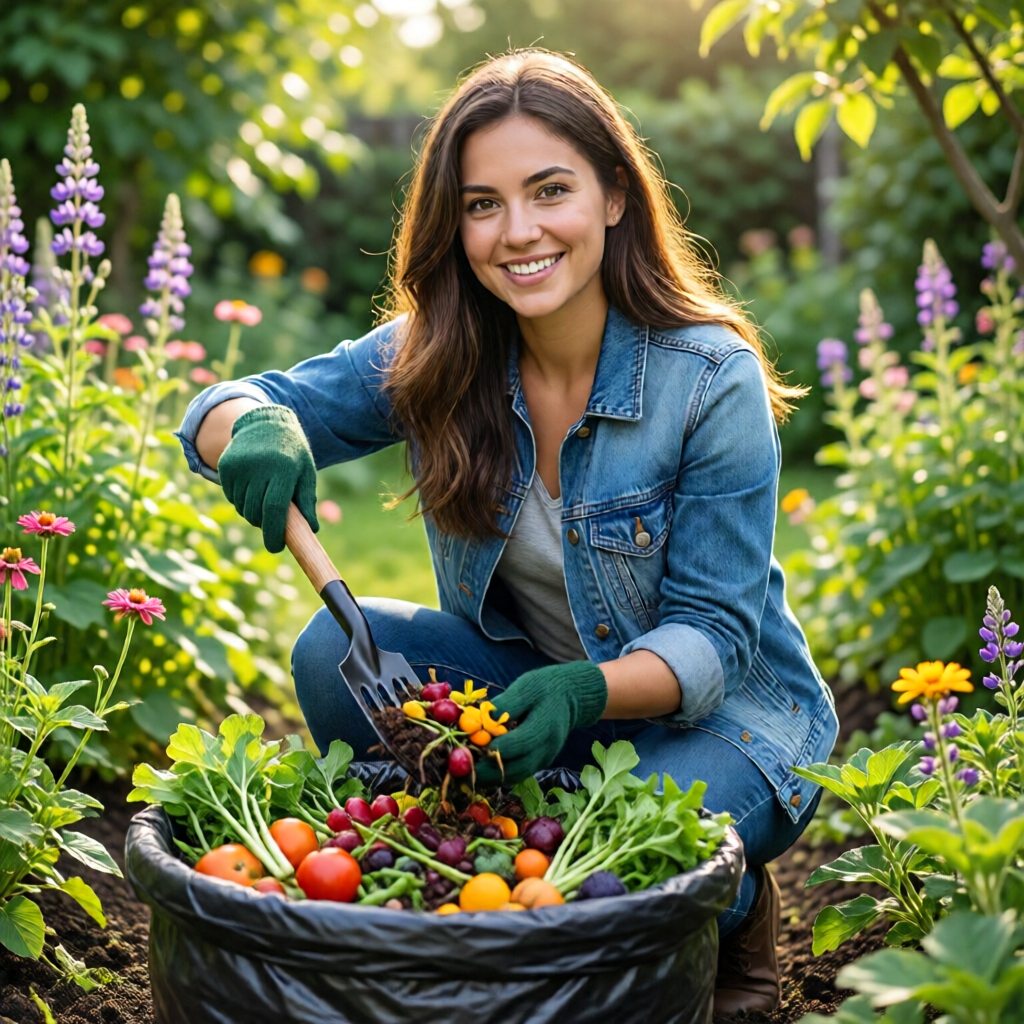
Successful composting hinges on balancing “greens” (nitrogen‑rich materials) with “browns” (carbon‑rich materials). This 2:1 ratio (by volume) supplies microbes with the nutrients they need while maintaining airflow.
Greens
Greens are fresh, moist, and high in nitrogen. Common kitchen and garden greens include:
- Fruit and vegetable scraps (excluding citrus in large amounts)
- Coffee grounds and tea bags
- Eggshells (crushed)
- Fresh grass clippings
- Plant trimmings
Browns
Browns are dry, fibrous, and high in carbon. They help aerate the pile and absorb excess moisture. Typical browns are:
- Shredded newspaper (black ink is fine)
- Cardboard (ripped into strips)
- Dry leaves and pine needles
- Sawdust (from untreated wood)
- Straw or hay
What to Avoid
Some items can attract pests, create odors, or slow decomposition. Avoid adding:
- Meat, dairy, and oily foods
- Pet waste (contains pathogens)
- Diseased plants (may spread disease)
- Large woody branches (decompose very slowly)
- Invasive weeds with mature seeds
Building Your First Compost Pile
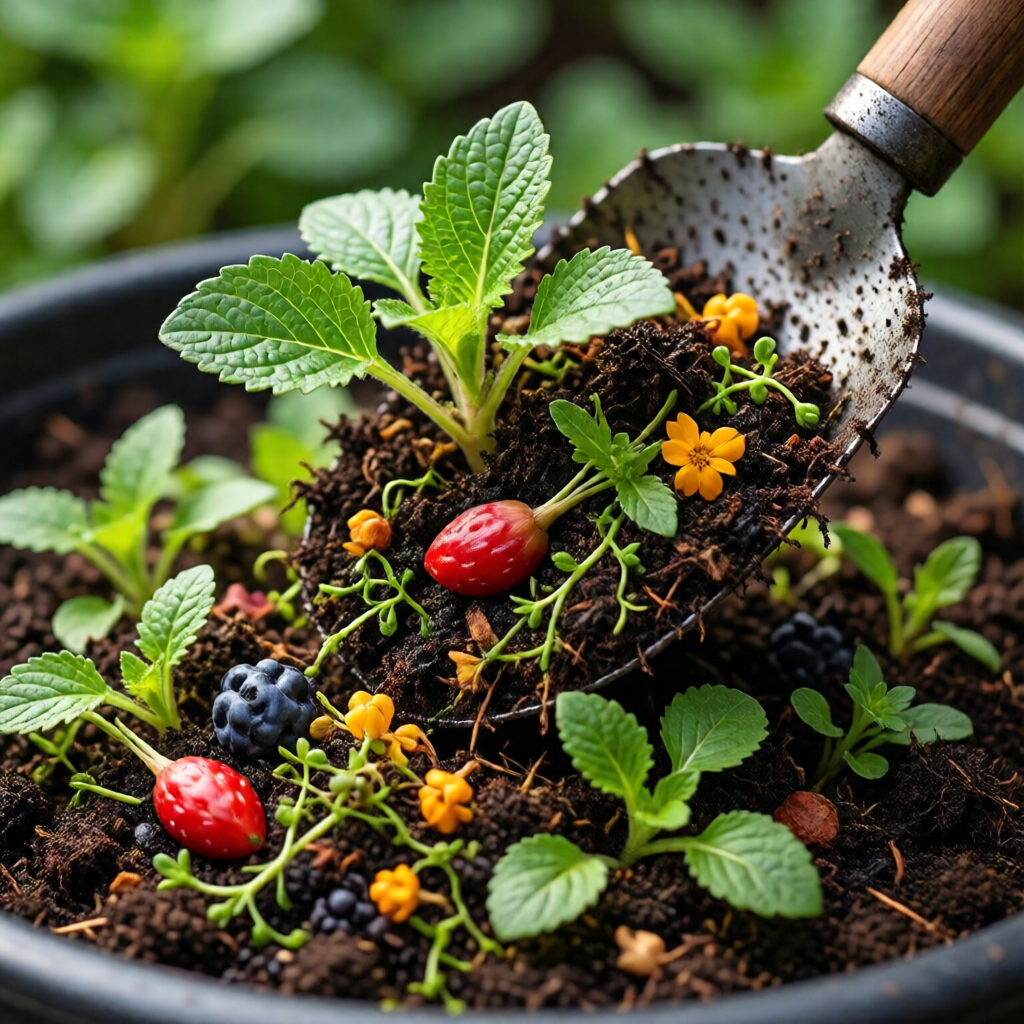
Now that you know what to add, it’s time to construct your first compost pile. Follow these step‑by‑step instructions for a thriving system.
Step 1: Choose a Location
Select a well‑drained spot with partial shade. Direct sunlight can dry out the pile, while too much shade may keep it damp. Ideally, place the bin near a water source for easy moisture adjustments.
Step 2: Start with a Base Layer
Begin with a 3–4 inch layer of coarse browns (small twigs, straw) to promote airflow at the bottom. This layer also prevents the pile from becoming waterlogged.
Step 3: Alternate Greens and Browns
Add a 2–3 inch layer of greens, then a similar thickness of browns. Keep the layers moist but not soggy—think of a wrung‑out sponge. Continue alternating until the bin is about three‑quarters full.
Step 4: Keep It Moist
Lightly spray water over each new layer. The ideal moisture level is about 50–60%, where the material feels damp to the touch but doesn’t drip.
Step 5: Cover the Pile
Covering helps retain heat and moisture while keeping pests out. Use a tarp, the bin lid, or a fresh layer of browns as a natural cover.
Maintaining the Compost: Aeration, Moisture, Temperature
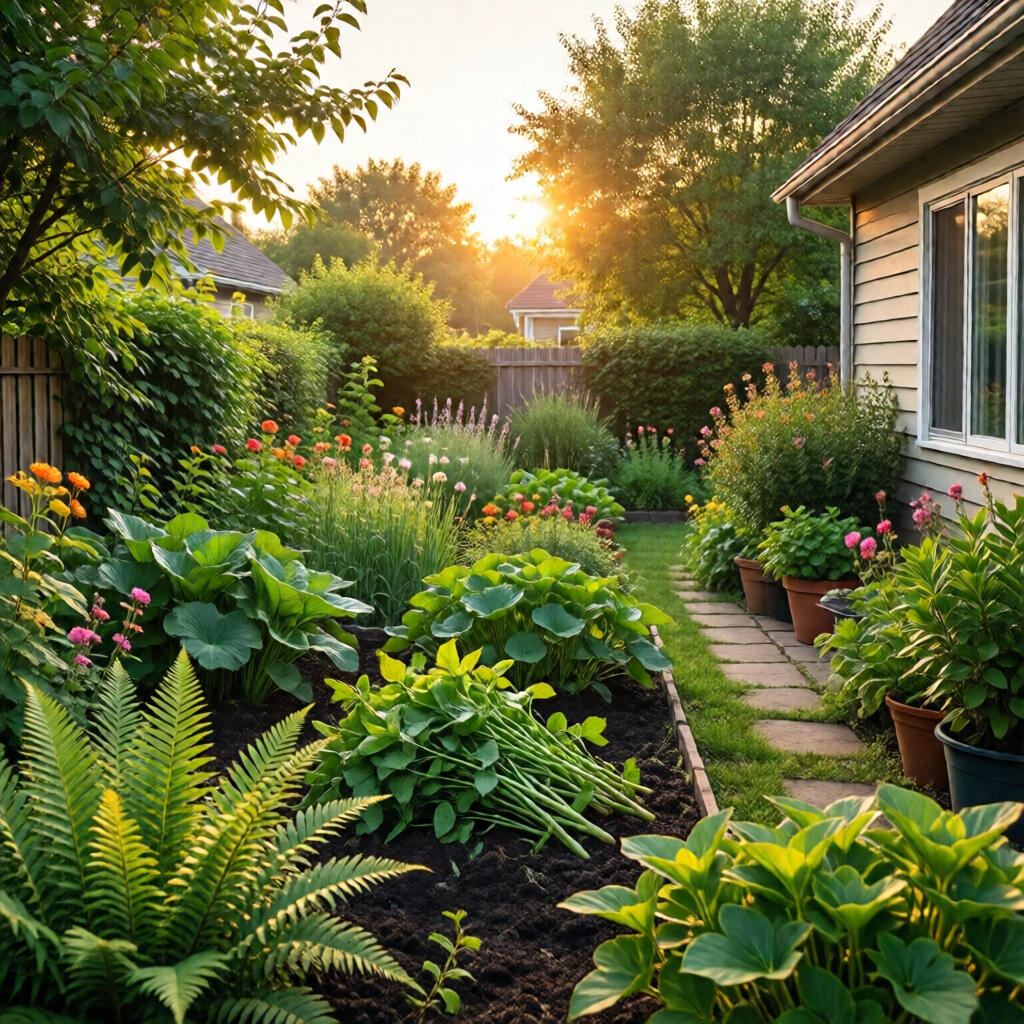
Once your pile is set up, regular maintenance ensures fast, odorless decomposition.
Turning
Turning introduces oxygen, which aerobic microbes love. Use a pitchfork or compost aerator to mix the pile every 1–2 weeks. In tumblers, simply rotate the drum for 10–15 seconds each week.
Moisture Management
Check moisture by squeezing a handful of material. If a few drops drip, it’s too wet; if it falls apart, add water. Adding dry browns can absorb excess moisture, while a spray bottle can rehydrate a dry pile.
Temperature Monitoring
A hot compost pile (130–150°F) breaks down material quickly and kills most weed seeds and pathogens. Use a compost thermometer to track temperature. If the pile cools below 110°F, turn it to re‑aerate and boost heat production.
Troubleshooting Common Issues
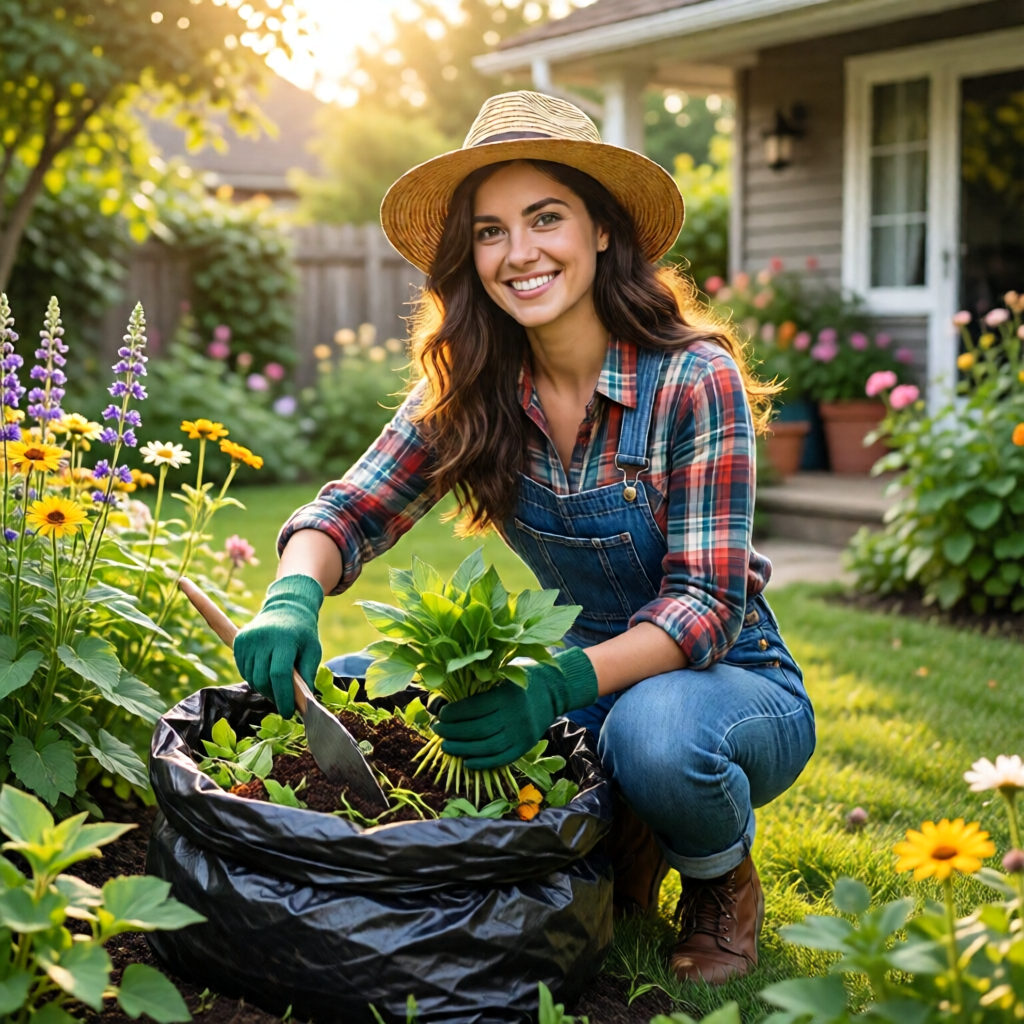
Even the best‑planned piles can encounter hiccups. Below are solutions to the most frequent problems beginners face.
Odor Problems
Foul smells usually indicate anaerobic conditions. Remedy by adding more browns, turning the pile to increase airflow, and ensuring the moisture level isn’t too high.
Pest Intrusion
Flies, rodents, or raccoons are attracted to food scraps. Bury greens under a thick layer of browns, use a secure bin lid, and avoid adding meat or dairy. A well‑maintained, hot pile is less appealing to pests.
Slow Decomposition
If the pile seems stagnant, it may lack nitrogen, oxygen, or heat. Add fresh greens, turn more frequently, and consider shredding larger materials to increase surface area.
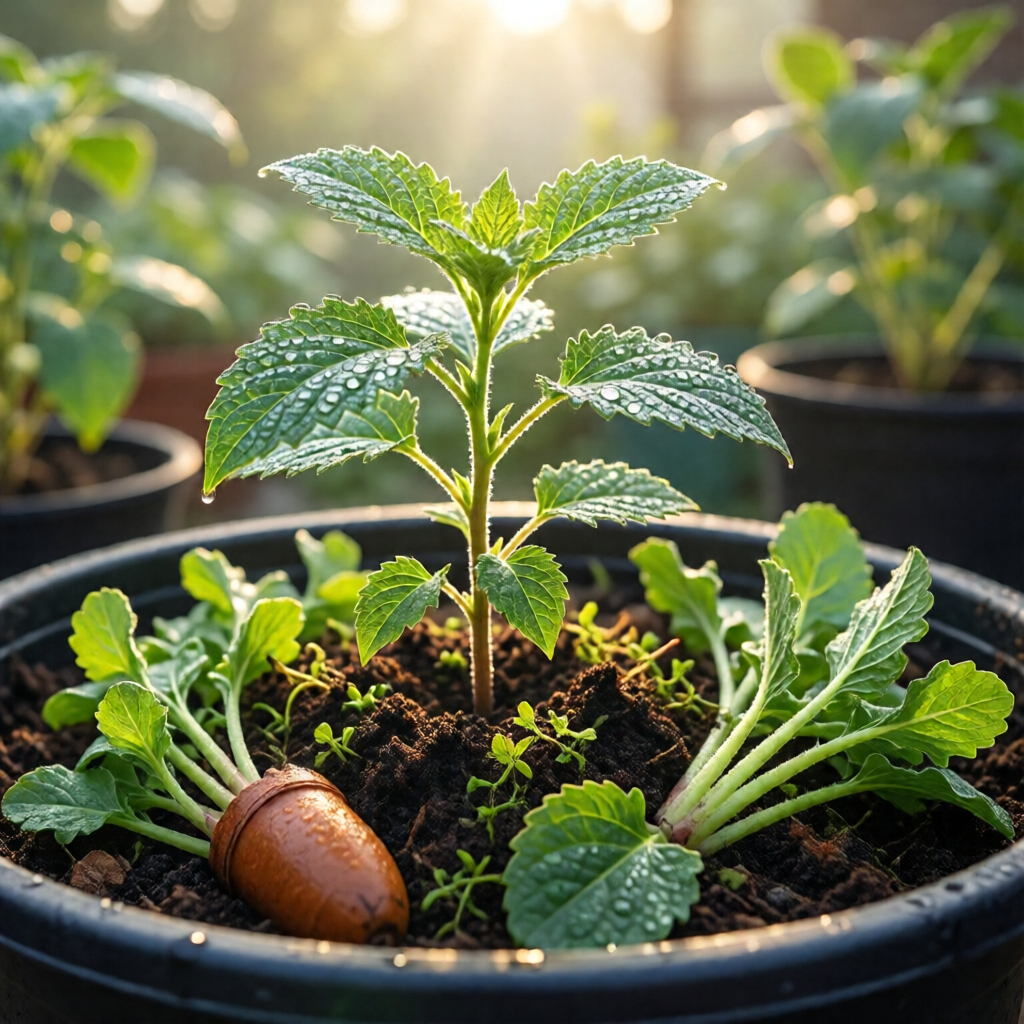
Using Finished Compost in Your Garden
After 2–4 months (or up to a year for slower systems), the material will turn dark, crumbly, and earthy—signs that it’s ready to use.
Soil Amendment
Work 1–3 inches of finished compost into the top 6–8 inches of garden beds. This improves soil structure, adds nutrients, and boosts microbial activity.
Mulch
Spread a thin layer (½–1 inch) of compost around plants as a mulch. It suppresses weeds, conserves moisture, and slowly releases nutrients.
Feeding Container Plants
For container vegetable gardening for beginners, mix a handful of compost into potting mix or sprinkle it on the soil surface monthly. The slow release of nutrients supports continuous growth.
Expert Tips for Faster Compost
- Shred or chop materials: Smaller pieces decompose 2–3 times faster.
- Use a compost activator: Adding a scoop of finished compost or garden soil introduces a ready‑made microbial community.
- Balance moisture and aeration: A damp, fluffy texture is ideal—think of a well‑wrung sponge.
- Maintain consistent temperature: Insulating the bin with straw or a tarp in colder months keeps microbes active.
- Rotate materials: Alternate layers of different colors and textures to prevent compaction.
Safety and Hygiene
While compost is generally safe, follow these guidelines to protect yourself and your family:
- Wear gloves when handling raw materials or finished compost.
- Wash hands thoroughly after working with the pile.
- Avoid inhaling dust from dry browns; a dust mask can help.
- Do not use compost that contains pet waste or diseased plants on edible crops.
With these practices, you’ll enjoy a clean, efficient compost system that feeds your garden and reduces waste.
Integrating Compost with Other Garden Practices
Compost works hand‑in‑hand with other sustainable gardening techniques. For example, raised garden bed ideas for beginners often pair perfectly with a regular supply of compost, improving drainage and nutrient availability. Likewise, after harvesting, you can deadhead flowers properly and add the trim to your compost bin, closing the nutrient loop.
When growing vegetables in raised beds, check out the best vegetables to grow in raised beds guide and enrich the soil with compost before planting. And if you’re propagating new plants, using a light compost mix can give cuttings a nutrient boost—see how to propagate plants from cuttings outdoors for detailed steps.
How long does it take for compost to be ready?
Most backyard compost systems produce ready‑to‑use compost in 2–4 months if maintained properly (regular turning, balanced greens and browns, and adequate moisture). Larger or slower piles may take up to a year.
Can I compost meat or dairy at home?
It’s best to avoid meat, dairy, and oily foods in home compost because they attract pests and can create foul odors. Stick to fruit and vegetable scraps, coffee grounds, and other plant‑based materials.
What’s the difference between a compost bin and a tumbler?
A compost bin is a stationary container where you manually turn the pile with a pitchfork. A tumbler is a sealed, rotating drum that aerates the compost as you spin it, often speeding up decomposition and reducing odor.
How do I know if my compost is too wet or too dry?
Squeeze a handful of material. If a few drops of water come out, it’s too wet—add more browns and turn. If it falls apart easily, it’s too dry—spritz with water and mix in some greens.
Can I use finished compost on indoor houseplants?
Yes! Mix a small amount (about 10–20% of the potting mix) of finished compost into the soil for houseplants. It improves drainage and provides a slow release of nutrients without risking over‑fertilization.