Garlic is one of the most rewarding herbs you can grow at home, offering bold flavor, health benefits, and a satisfying harvest that lasts for months. Whether you have a spacious backyard, a modest raised‑bed garden, or even a sunny balcony, growing garlic is surprisingly straightforward once you understand the fundamentals. In this guide, we’ll walk you through every step—from selecting the perfect variety to planting, caring, harvesting, and storing your bulbs—so you can enjoy fresh, home‑grown garlic all season long.
Why Grow Garlic at Home?
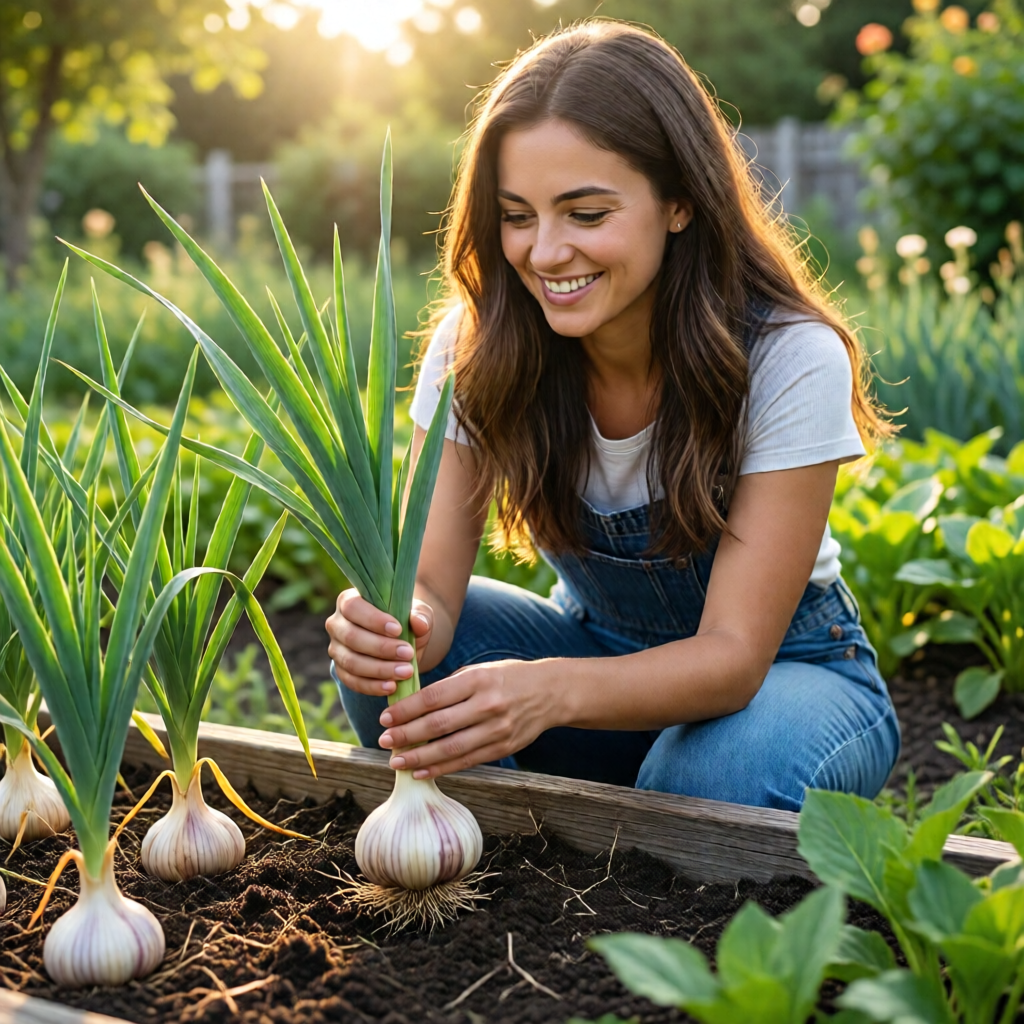
Garlic not only enriches countless dishes with its distinctive aroma, but it also boasts impressive nutritional properties, including allicin, antioxidants, and compounds that support heart health and immune function. Growing your own garlic gives you control over the soil conditions, eliminates the need for chemical pesticides, and ensures you harvest bulbs that are free from the preservatives often found in store‑bought varieties. Moreover, garlic plants are low‑maintenance, making them an ideal choice for both seasoned gardeners and beginners who are looking to expand their edible‑garden repertoire.
Another compelling reason to cultivate garlic is its versatility in the garden. Garlic can be interplanted with a range of vegetables—think tomatoes, peppers, and leafy greens—where it acts as a natural pest deterrent, reducing the incidence of aphids, spider mites, and other common garden nuisances. If you’re interested in companion planting, you might also explore the best vegetables to grow in shade and discover how garlic can complement those selections.
Choosing the Right Garlic Variety
Hardneck vs. Softneck
Garlic is broadly categorized into two genetic groups: hardneck and softneck. Hardneck garlic (Allium sativum var. ophioscorodon) produces a central flowering stalk called a “scape,” which must be removed in the spring to direct energy toward bulb development. Hardneck varieties are celebrated for their complex, nuanced flavors and tend to produce larger, single‑clove bulbs that are perfect for gourmet cooking. They also produce beautiful purple or white flower heads that add ornamental value to the garden.
Softneck garlic (Allium sativum var. sativum) lacks a scape and is typically more pliable, making it easier to braid—a tradition cherished by many home gardeners. Softneck varieties generally produce multiple, smaller cloves per bulb and store better in humid climates, which can be advantageous for gardeners living in the southeastern United States where high humidity can cause hardneck bulbs to sprout prematurely.
Best Varieties for US Gardens
When selecting a cultivar, consider your regional climate and the length of your growing season. Here are a few top performers:
- ‘Music’ (hardneck): Known for its mild, sweet flavor and large cloves, this variety thrives in cooler northern climates.
- ‘Elephant Garlic’ (softneck): Despite its name, it belongs to the leek family and yields massive bulbs—great for roasting.
- ‘German Extra Hardy’ (softneck): A reliable performer in the Midwest, offering robust storage life.
- ‘Silverskin’ (softneck): Ideal for hot, humid regions; its thin skins make it easy to peel and its cloves store well.
Choosing a variety suited to your local conditions can dramatically improve your success rate. If you’re unsure which variety to pick, visiting a local nursery or contacting your county extension office can provide region‑specific recommendations.
Preparing Your Garden or Container
Soil Requirements
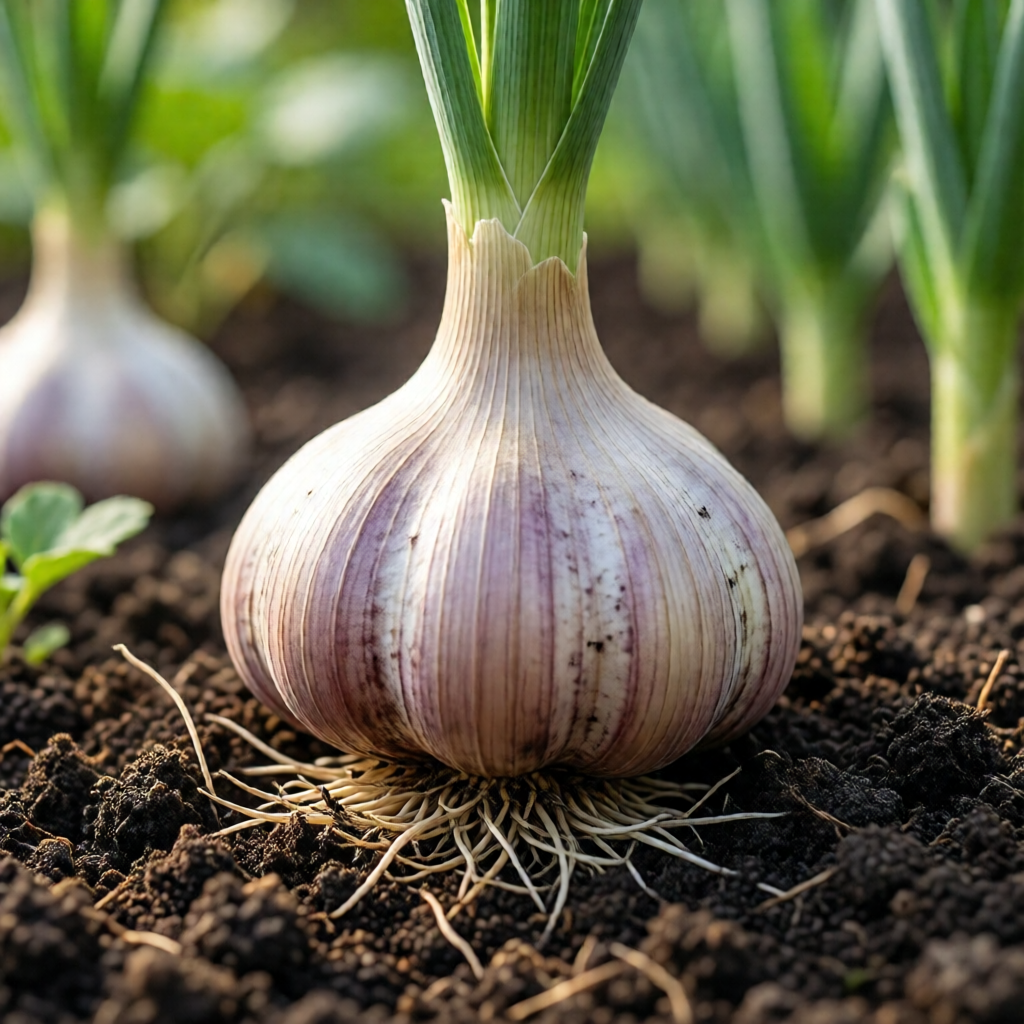
Garlic thrives in well‑drained, loamy soil with a pH between 6.0 and 7.0. Conduct a simple soil test using a home kit or send a sample to a local lab to verify pH and nutrient levels. Amend heavy clay soils with compost, aged manure, or coarse sand to improve drainage and aeration. Conversely, if your soil is sandy, incorporate organic matter to boost water‑holding capacity.
Garlic is a heavy feeder, particularly of nitrogen. Prior to planting, work in a balanced fertilizer—such as a 10‑10‑10 formula—or apply well‑rotted compost at a rate of 2–3 inches across the planting area. This initial nutrient boost supports vigorous root development and sets the stage for robust bulb formation.
Location and Sunlight
Garlic requires full sun, meaning at least six to eight hours of direct sunlight daily. If you have a shaded garden, consider planting in a sunnier corner or using raised beds to elevate the soil and increase exposure. For those with limited ground space, a large container (minimum 12‑inch depth) placed on a sunny patio works just as well. When using containers, ensure they have ample drainage holes to prevent waterlogging—a common cause of rot.
Planting Time
The traditional planting window for garlic in most of the United States spans from mid‑October to early December, allowing the cloves to undergo a chilling period (vernalization) that triggers bulb development. In milder climates, such as the Pacific Northwest or the Deep South, you can also plant in late winter (January–February) for a spring harvest, though the bulbs may be smaller.
Mark your calendar early, as garlic is a “set‑and‑forget” crop once planted. Proper timing ensures the cloves receive the necessary cold exposure without risking premature sprouting or frost damage.
Planting Garlic
Selecting and Preparing Cloves
Start with high‑quality seed garlic from a reputable supplier or saved bulbs from a previous harvest. Avoid using grocery store garlic, as it’s often treated with growth inhibitors. Separate the bulbs into individual cloves, keeping the papery skins intact. Choose the largest, healthiest‑looking cloves for planting, as they will produce the biggest bulbs.
Before planting, you can boost germination by soaking the cloves for 30 minutes in a solution of one tablespoon of liquid seaweed extract per gallon of water. This step is optional but can lead to more vigorous shoots, especially in cooler soils.
Spacing, Depth, and Orientation
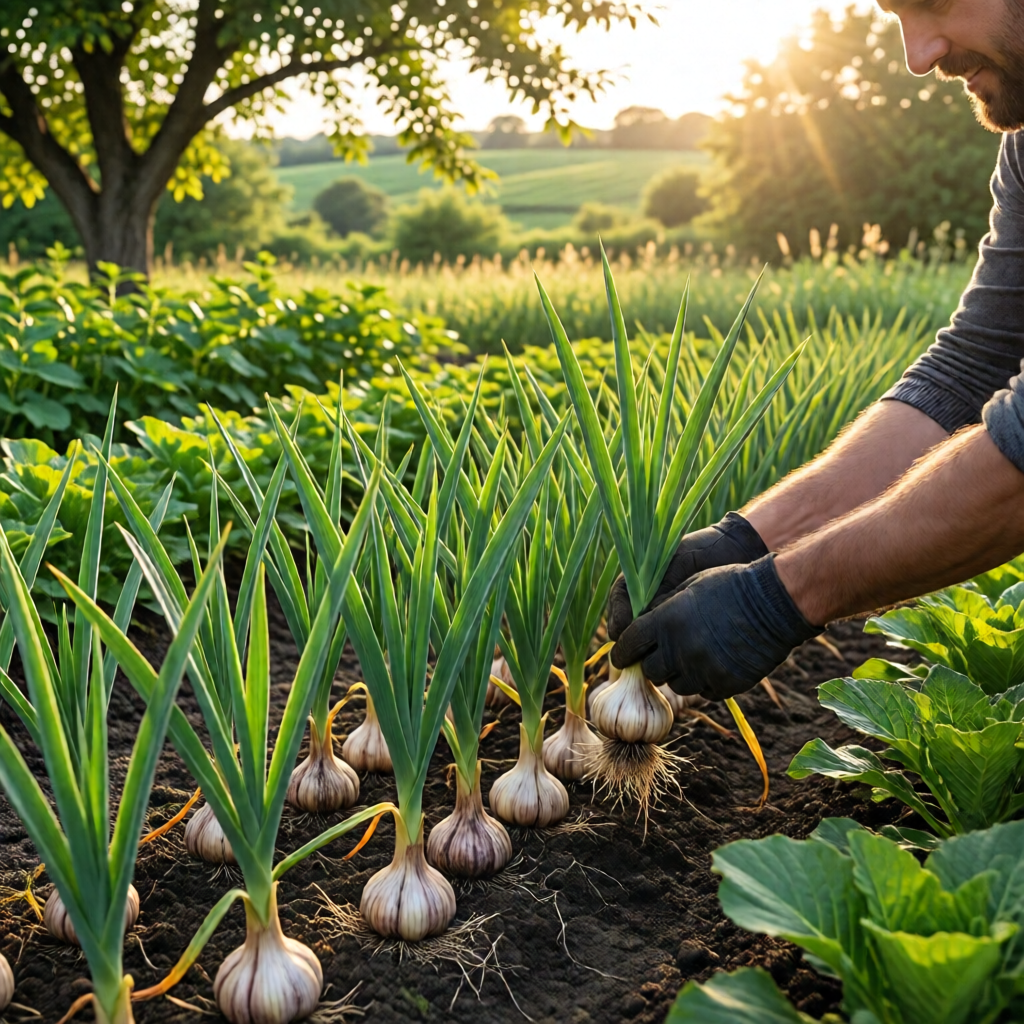
Plant each clove upright—pointed end up, root end down—at a depth of about 2 inches (5 cm). In loose, well‑drained soil, you can plant slightly deeper, up to 3 inches, to protect against early frosts. Space the cloves 4–6 inches apart in rows that are 12–18 inches apart. Proper spacing promotes airflow, reduces disease pressure, and allows each bulb ample room to expand.
After planting, gently firm the soil around each clove and water thoroughly to settle the soil. Mulching with straw, shredded leaves, or shredded bark helps retain moisture, suppress weeds, and insulate the cloves during the winter months.
Watering Schedule
Garlic needs consistent moisture, especially during the active growth phase in spring. Aim for about 1 inch of water per week, either from rainfall or supplemental irrigation. However, avoid over‑watering, as soggy conditions can lead to bulb rot and fungal diseases. A drip‑irrigation system or soaker hose provides steady moisture without wetting the foliage excessively.
Caring for Garlic Through the Seasons
Spring Growth and Scape Management
As temperatures rise, garlic shoots will push through the soil. For hardneck varieties, a tall, curly scape will emerge in early summer. Cutting the scape when it curls (usually 12–18 inches tall) redirects the plant’s energy back into bulb development, resulting in larger, more flavorful bulbs. Scapes are themselves a culinary delicacy—think pesto, stir‑fries, or grilled as a side dish.
Softneck varieties do not produce scapes, so you can simply let the foliage continue to grow until it begins to yellow, indicating the bulbs are nearing maturity.
Fertilizing and Feeding
Mid‑season, when the foliage is about 6 inches tall, apply a side‑dressing of nitrogen‑rich fertilizer (such as blood meal or a high‑nitrogen organic blend). This second feeding supports leaf growth, which in turn fuels bulb enlargement. Avoid excessive phosphorus, as it can encourage leaf growth at the expense of bulb size.
Pest and Disease Management
Garlic is relatively pest‑resistant, yet a few challenges can arise:
- Onion thrips: Small insects that cause silvery streaks on leaves. Use row covers or insecticidal soap.
- White rot (Sclerotium cepivorum): A soil‑borne fungus that causes bulbs to rot. Rotate garlic with non‑Allium crops and avoid planting in the same spot more than once every four years.
- Downy mildew: Yellowish patches on leaves. Ensure good airflow, avoid overhead watering, and apply a copper‑based fungicide if needed.
For organic gardeners, planting garlic alongside herbs like rosemary, sage, or thyme can help deter pests naturally. If you’re interested in broader garden ideas, consider adding a backyard pond to attract beneficial amphibians that feed on insects.
Weed Control
Weeds compete for nutrients and water, so keep the garlic bed weed‑free throughout the growing season. Mulch, as mentioned earlier, is an effective weed suppressant. If weeds do appear, hand‑pull them carefully to avoid disturbing the shallow roots of the garlic.
Harvesting and Curing Garlic
When to Harvest
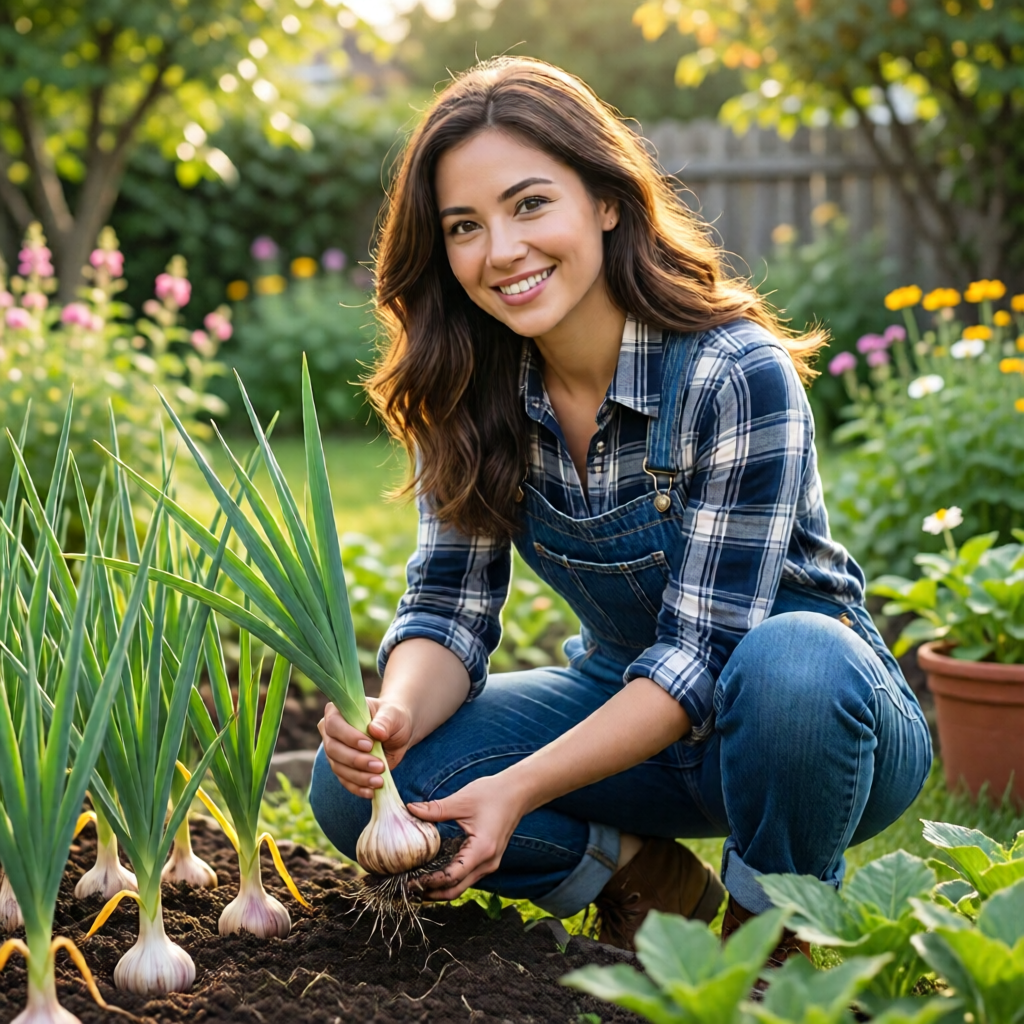
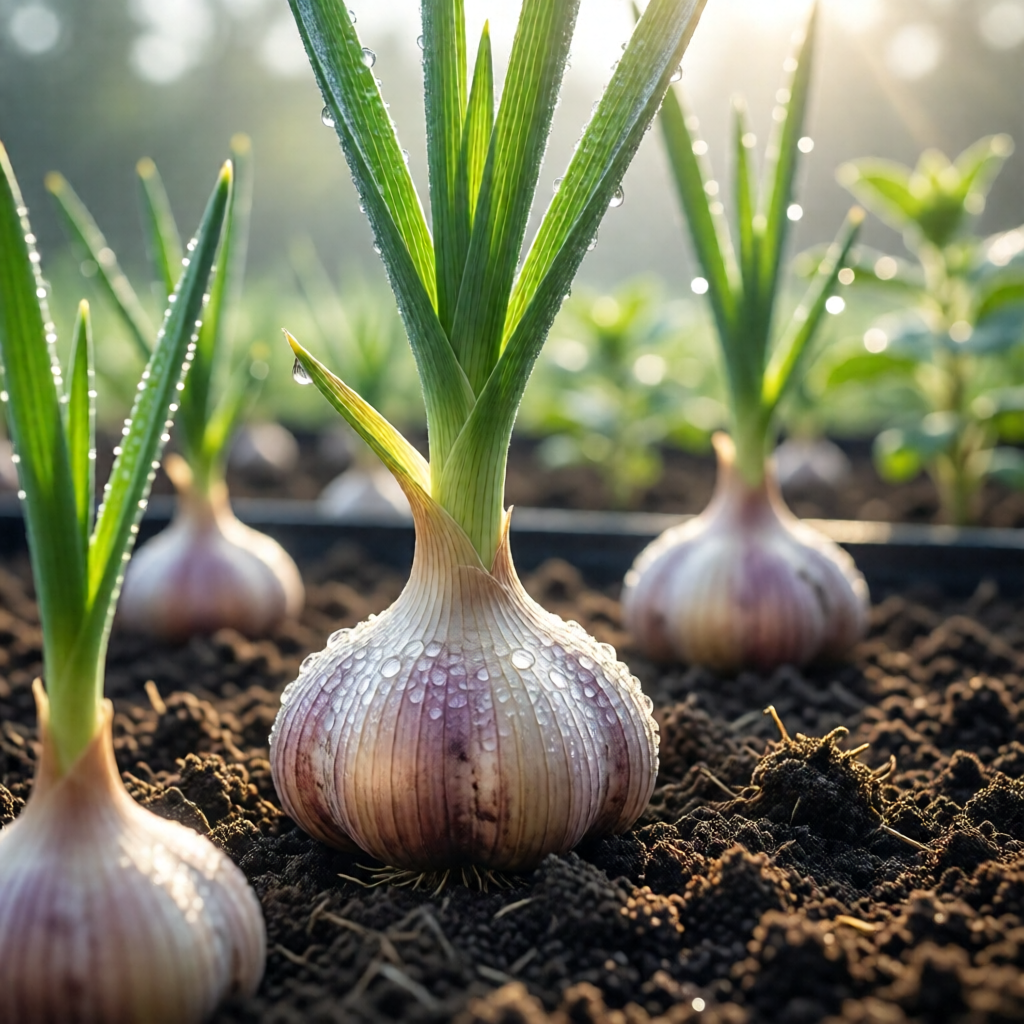
Garlic is ready to harvest when the lower leaves begin to turn brown and dry, typically 7–9 months after planting. For hardneck varieties, the scapes will have died back, and the plant will appear yellowed. Gently loosen the soil around the bulbs with a garden fork—being careful not to damage the bulbs—and lift the entire plant out.
It’s crucial to harvest before the first hard frost, as prolonged exposure to freezing temperatures can cause the bulbs to split or become waterlogged.
Curing Process
After harvesting, remove excess soil by shaking the roots gently. Then, cure the bulbs in a well‑ventilated, shaded area with low humidity (40–60%). Hang the garlic in bunches or spread the bulbs on a screen for 2–4 weeks. Proper curing allows the skins to dry and harden, extending storage life.
During curing, monitor for signs of mold or rot. If a bulb shows any soft spots, discard it to prevent contamination of the remaining batch.
Storage Tips
Once cured, trim the roots to about an inch and cut the tops to a few inches above the bulb. Store the garlic in a cool (32–40°F), dry place with good airflow—think a pantry, cellar, or a mesh bag hung in a garage. Softneck varieties generally store longer (up to 8 months) than hardneck types (4–6 months). For extended storage, you can also refrigerate peeled cloves in airtight containers, though they may lose some flavor over time.
Using Your Homegrown Garlic
Culinary Applications
Freshly harvested garlic offers a sweeter, milder flavor compared to store‑bought bulbs. Use it in classic dishes like roasted chicken, garlic‑infused butter, or homemade aioli. Experiment with roasting whole bulbs—wrap them in foil with a drizzle of olive oil and bake at 400°F for 30–40 minutes for a caramelized, spreadable treat.
Medicinal and Health Benefits
Garlic has been celebrated for its antimicrobial properties and its ability to support cardiovascular health. Incorporating raw or lightly cooked garlic into your diet can help lower cholesterol, reduce blood pressure, and boost the immune system. While homegrown garlic is not a substitute for medical advice, many families keep a small stash for natural remedies such as garlic tea or honey‑garlic syrups.
Saving Garlic for Next Season
If you’ve harvested a particularly robust crop, you can save a few bulbs as seed for the following year. Choose disease‑free, large bulbs, and store them in a cool, dry place. In the fall, select the largest cloves from these saved bulbs for planting, ensuring a continuous cycle of fresh garlic year after year.
Common Problems and Solutions
Bulb Splitting and Sprouting
Splitting often occurs when bulbs receive too much moisture during the curing stage or are stored in humid conditions. Keep curing areas well‑ventilated and avoid high humidity. Premature sprouting during storage indicates that the bulbs were exposed to temperatures above 50°F; move them to a cooler spot or use them promptly.
Yellowing Leaves
Yellowing can be a sign of nitrogen deficiency, over‑watering, or disease. Conduct a soil test to confirm nutrient levels and amend with a nitrogen‑rich fertilizer if needed. Reduce watering frequency if the soil feels soggy, and remove any diseased foliage to prevent spread.
Pests: Nematodes and Bulb Mites
These tiny pests can damage roots and reduce bulb size. Rotate crops, practice good sanitation, and consider a nematode‑suppressing cover crop such as marigold. For severe infestations, a soil drench with neem oil can help control populations.
Fungal Issues: White Rot and Fusarium
Both are soil‑borne diseases that cause bulbs to rot from the inside out. Preventative measures include planting in well‑drained soil, avoiding over‑watering, and rotating garlic with non‑Allium crops. If infection occurs, remove and destroy affected plants, and consider solarizing the soil for a few weeks to reduce pathogen load.
Integrating Garlic with Other Garden Projects
Garlic can complement many other garden endeavors. For families looking to create a kid‑friendly space, planting garlic alongside a backyard playground can add an educational component about where food comes from. If you’re considering a small water feature, a backyard pond can attract beneficial insects that help keep garlic pests at bay.
When is the best time to plant garlic in different US regions?
In northern states, plant garlic in mid‑October to early December for a spring harvest. In milder southern regions, you can plant in late winter (January–February) or still in the fall, but ensure the cloves receive enough chilling hours.
How do I know if my garlic is ready to harvest?
Harvest when the lower third of the leaves have turned brown and dry. For hardneck varieties, the scapes will have died back. Gently loosen the soil and lift the plant to avoid damaging the bulbs.
Can I grow garlic in containers?
Yes! Use a container at least 12 inches deep with good drainage. Fill it with a mix of potting soil, compost, and sand, and follow the same spacing and depth guidelines as you would for a garden bed.
What are the main differences between hardneck and softneck garlic?
Hardneck garlic produces a central scape, has larger single cloves, and offers more complex flavors but stores shorter. Softneck garlic lacks a scape, produces multiple smaller cloves, braids easily, and stores longer, especially in humid climates.
How can I prevent garlic rot and other diseases?
Plant in well‑drained soil, avoid over‑watering, use mulch for airflow, rotate crops every few years, and remove any diseased plants promptly. Applying a copper‑based fungicide can help control fungal issues like white rot.