When you picture a backyard, the first image that often comes to mind is a lush green carpet of grass. Yet many homeowners are discovering the freedom, beauty, and sustainability that a no‑grass backyard can provide. Whether you’re battling drought, seeking low‑maintenance options, or simply craving a fresh aesthetic, ditching the traditional lawn opens up a world of creative possibilities. In this guide, we’ll explore everything from foundational design principles to specific plant selections, hardscape ideas, and practical maintenance tips—so you can transform your yard into a vibrant, functional oasis without a single blade of grass.
Why Choose a No‑Grass Backyard?
Before diving into the design details, it’s helpful to understand the many benefits that come with eliminating grass from your landscape. These advantages resonate strongly with U.S. homeowners who value both aesthetics and practicality.
- Water Conservation: Traditional lawns can consume up to 55 gallons of water per square foot each summer. Replacing grass with drought‑tolerant groundcovers or hardscapes can slash water usage dramatically, aligning with xeriscaping ideas for front yard projects.
- Reduced Maintenance: Mowing, fertilizing, and weed‑pulling become relics of the past. A no‑grass yard frees up weekends for relaxation rather than chores.
- Cost Savings: Lower water bills, fewer lawn care services, and reduced need for chemicals translate to long‑term financial benefits.
- Ecological Impact: Native plants and diverse habitats attract pollinators, birds, and beneficial insects, fostering a healthier ecosystem.
- Design Flexibility: Without the constraint of a uniform green carpet, you can introduce varied textures, colors, and functions that reflect your personal style.
Now that the “why” is clear, let’s explore the step‑by‑step process for creating a stunning, grass‑free backyard.
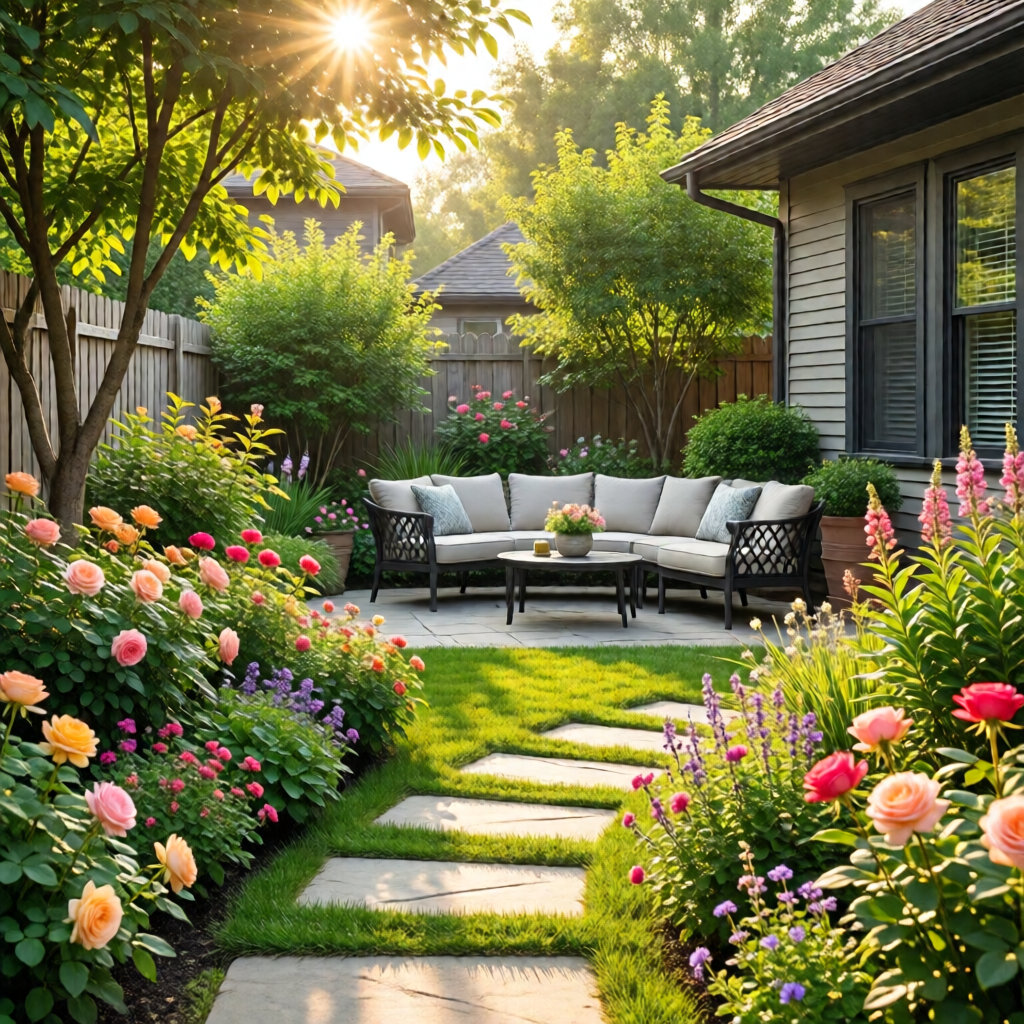
Design Foundations: Planning Your No‑Grass Landscape
Successful backyard transformations begin with thoughtful planning. Consider the following foundational steps to set the stage for a cohesive, functional space.
Assess Your Site Conditions
Take note of sunlight exposure, soil type, slope, and existing structures. Sun‑loving areas are perfect for Mediterranean garden design elements, while shaded corners can host shade‑tolerant groundcovers like moss or hostas. Conduct a simple soil test to determine pH and nutrient levels; this will guide your plant selections and any necessary amendments.
Define Your Goals
Ask yourself what you want the space to achieve:
- Entertaining guests with a patio and outdoor kitchen?
- Creating a child‑friendly play zone?
- Growing herbs, vegetables, or fruit?
- Establishing a tranquil retreat with water features?
Clear goals help prioritize elements and allocate budget wisely.
Create a Functional Layout
Sketch a rough floor plan, marking zones such as seating, pathways, planting beds, and utility areas. Use a scale drawing or free online garden planner to experiment with different configurations. Remember to leave ample space for movement—wide pathways (at least 3 feet) ensure accessibility and flow.
Choose a Cohesive Style
Whether you gravitate toward modern minimalism, rustic charm, or a Mediterranean vibe, picking a unifying style will guide material choices, plant palettes, and decorative accents. For example, a Mediterranean garden design often incorporates terracotta tiles, drought‑tolerant shrubs, and ornamental grasses.
Low‑Maintenance Groundcovers: Replacing the Lawn
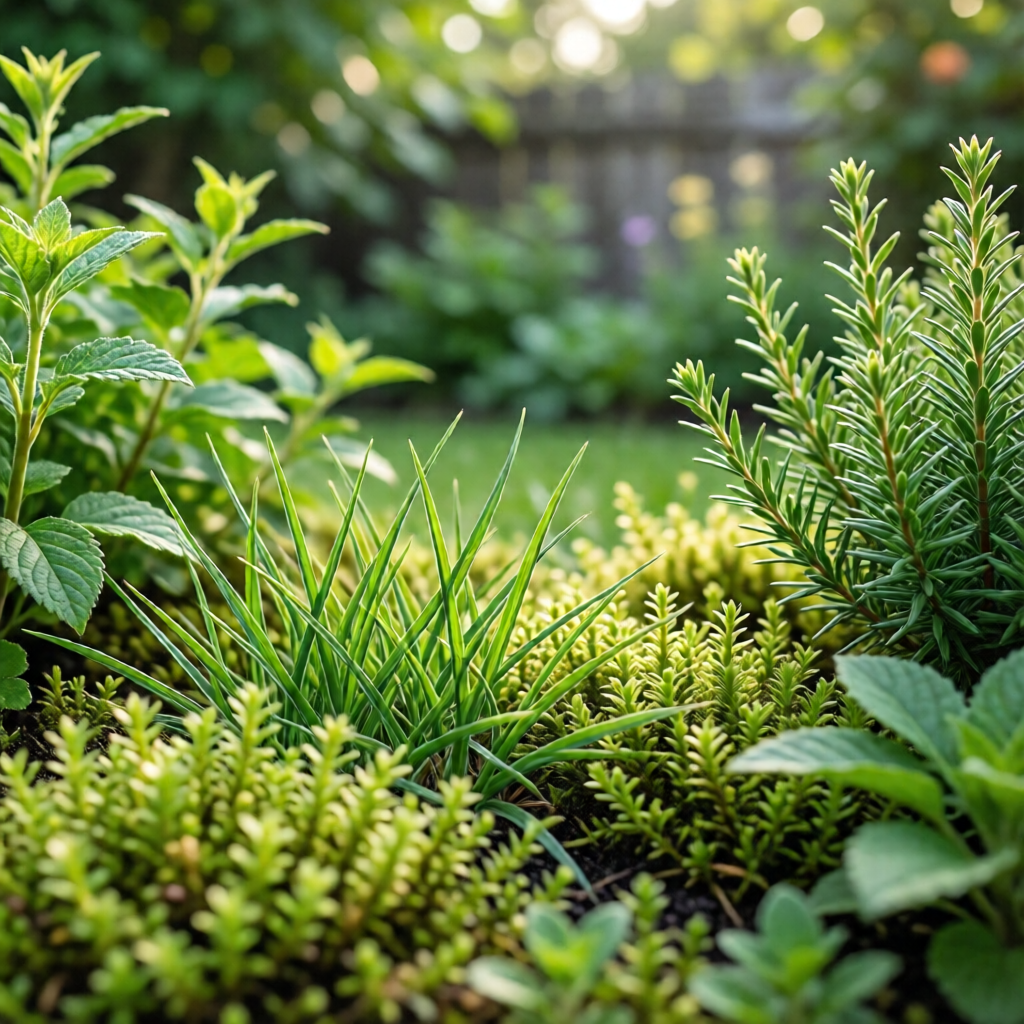
Groundcovers are the heart of a no‑grass backyard. They provide texture, suppress weeds, and can be far more water‑efficient than traditional turf. Below are top choices for various conditions.
Drought‑Tolerant Options
- Creeping Thyme (Thymus serpyllum): Forms a fragrant, low‑mat that tolerates foot traffic and blooms tiny purple flowers.
- Blue Star Creeper (Isotoma fluviatilis): Offers a dense, bright green carpet with delicate star‑shaped blue flowers.
- Lamb’s Ear (Stachys byzantina): Its silvery, velvety leaves add a soft texture and thrive in full sun.
Shade‑Loving Groundcovers
- Japanese Spurge (Pachysandra terminalis): Evergreen foliage that spreads quickly under trees or along walls.
- Sweet Woodruff (Galium odoratum): Fragrant, delicate white flowers that bloom in spring, perfect for shaded borders.
- Ground Ivy (Glechoma hederacea): A hardy, low‑maintenance choice, though it can become invasive if not managed.
Edible Groundcovers
If you love fresh herbs, consider planting succulent care guide for indoors varieties that double as culinary delights, such as creeping oregano or mint. These not only suppress weeds but also provide a convenient kitchen herb source.
Installation Tips
Prepare the soil by removing existing grass and weeds, then loosen the top 2–3 inches. Incorporate compost to improve drainage and fertility. Lay the groundcover plugs or seeds according to package instructions, water lightly, and mulch with a thin layer of bark to retain moisture during establishment.
Hardscapes: Patios, Pathways, and Outdoor Structures
Hardscape elements provide structure, define zones, and reduce the overall planting area, making maintenance easier. Here’s how to incorporate them effectively.
Patios and Decks
A well‑designed patio becomes the centerpiece for outdoor living. Choose materials that complement your chosen style—natural stone for a Mediterranean feel, or interlocking concrete pavers for a modern look. Incorporate a fire pit or built‑in grill for year‑round entertaining.
Pathways and Walkways
Curved pathways invite exploration and soften the transition between zones. Use stepping stones, flagstone, or reclaimed brick to create visual interest. Ensure pathways are wide enough for wheelchairs or strollers if accessibility is a concern.
Retaining Walls and Raised Beds
Terraced backyards make the most of sloped sites. Retaining walls built from poured concrete, natural stone, or timber can double as raised planting beds for vegetables, herbs, or ornamental perennials. Incorporate built‑in seating along the top of a wall for a cozy nook.
Water Features
A small pond, fountain, or recirculating waterfall adds a soothing auditory element. To stay eco‑friendly, opt for solar‑powered pumps. Position water features near seating areas to maximize relaxation.
Outdoor Structures
Consider adding pergolas, gazebos, or trellised arches. These structures provide shade, define space, and support climbing vines such as wisteria or clematis, enhancing privacy and visual appeal.
When selecting hardscape materials, think about durability, slip resistance, and local climate. For example, in areas with freeze‑thaw cycles, choose frost‑resistant pavers to prevent cracking.
Planting Strategies: Color, Texture, and Seasonal Interest
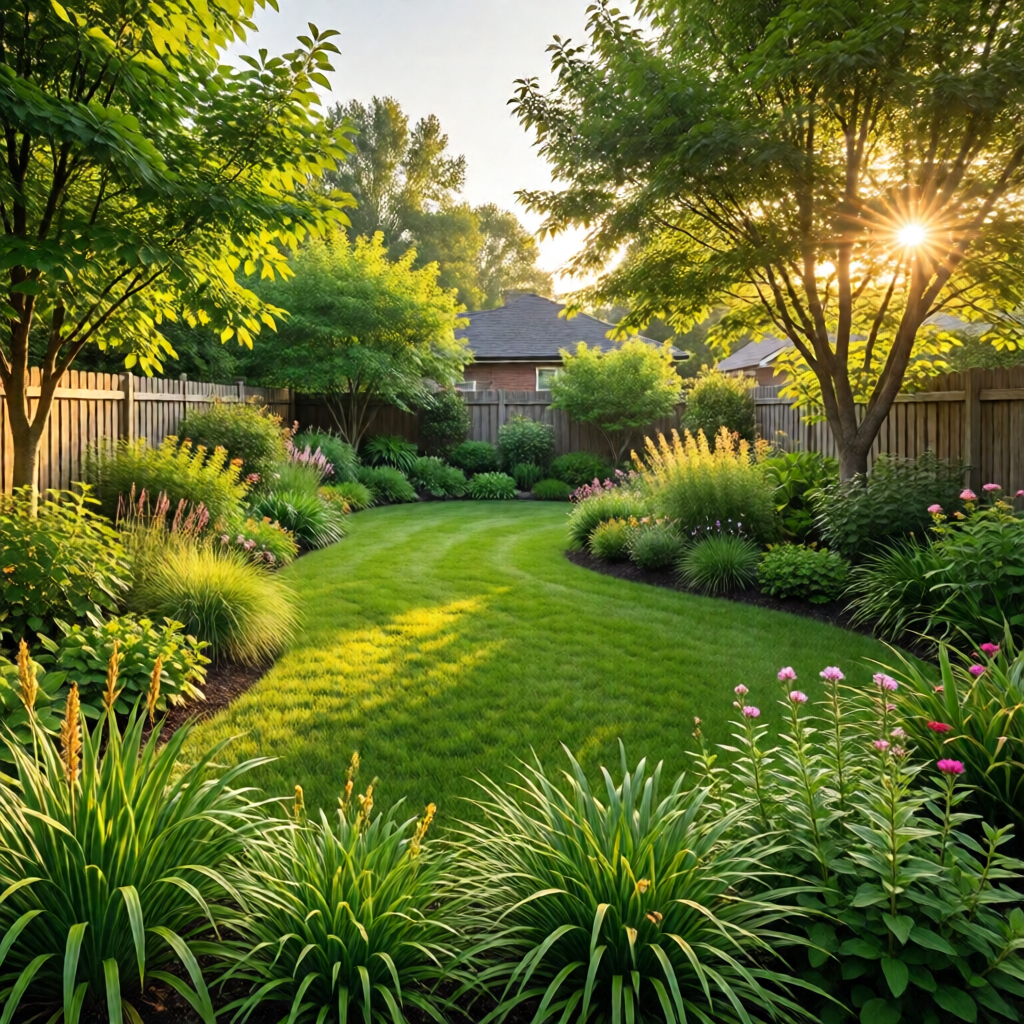
Even without grass, a backyard can burst with color and texture year‑round. Below are strategies to keep your landscape dynamic.
Layered Planting
Arrange plants in vertical layers: low groundcovers, mid‑height shrubs, and taller focal points. This creates depth and ensures that each plant receives adequate sunlight.
Color Schemes
Choose a palette that reflects your personal taste. For a Mediterranean garden design, opt for silvery foliage (lavender, sage) paired with deep purple or magenta blooms. For a more vibrant look, mix orange daylilies, red yucca, and yellow coreopsis.
Seasonal Blooms
Plan for sequential flowering to avoid long gaps. Spring: tulips, crocuses, and early‑blooming irises. Summer: coneflowers, black-eyed Susans, and ornamental grasses. Fall: asters, sedum, and ornamental cabbage. Winter: evergreen shrubs like boxwood and ornamental bark for texture.
Attracting Wildlife
Incorporate nectar‑rich plants such as bee balm, butterfly bush, and salvias to invite pollinators. Add bird feeders, nesting boxes, and water sources to create a lively backyard ecosystem.
Specialty Plant Collections
Consider a dedicated succulent garden, using the succulent care guide for indoors as a reference for species that thrive outdoors. Group varieties by color or form—rosette‑shaped echeverias, trailing sedums, and columnar agaves—to create visual intrigue.
Don’t forget to include a few shade‑tolerant perennials in darker corners. The peace lily (peace lily care tips and problems) can thrive in partial shade and offers glossy foliage plus occasional white blooms.
Lighting and Outdoor Furniture: Extending Usability
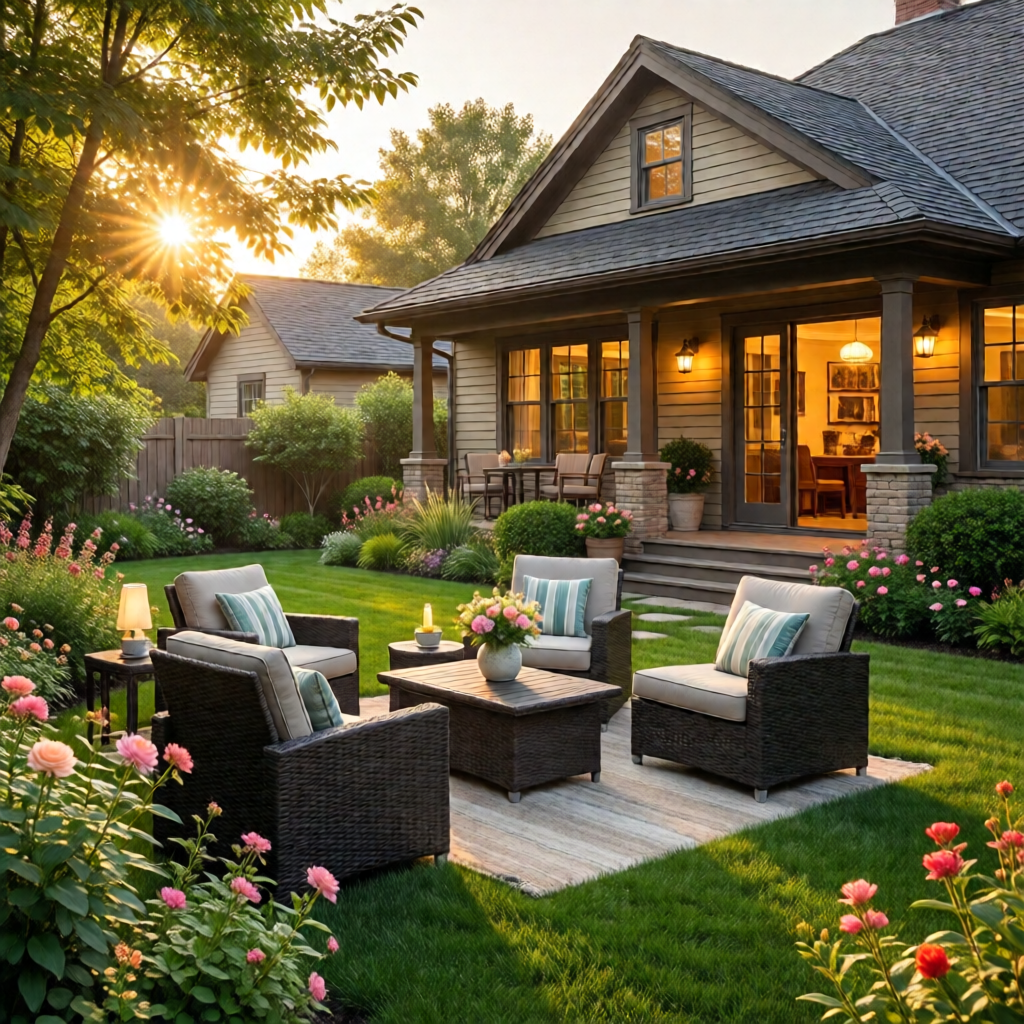
Good lighting transforms a backyard from a daytime retreat to an enchanting evening space. Pair illumination with comfortable furniture to maximize enjoyment.
Ambient Lighting
Install low‑voltage LED string lights across pergolas or under patio overhangs. Solar pathway lights along walkways provide safety without added electricity costs.
Task Lighting
For cooking or reading areas, consider focused spotlights or adjustable wall sconces. Dimmer switches allow you to set the perfect mood.
Accent Lighting
Highlight architectural features, water elements, or specimen plants with uplights or well lights. This adds depth and draws the eye to focal points after dark.
Furniture Selection
Choose durable, weather‑resistant pieces—teak, powder‑coated aluminum, or synthetic wicker. Add plush cushions with outdoor‑grade fabrics for comfort. Incorporate multifunctional furniture like storage benches or a fire table to keep the space tidy.
Shade Structures
Combine shade with style by using retractable awnings, shade sails, or a pergola with climbing vines. This provides protection from the sun while adding a vertical element to the design.
Maintenance Made Easy: Keeping Your No‑Grass Backyard Healthy
One of the biggest draws of a grass‑free yard is reduced upkeep, but a little routine care ensures longevity and beauty.
Watering Strategies
Install a drip irrigation system with moisture sensors to deliver water directly to plant roots only when needed. Group plants with similar water requirements together to avoid over‑ or under‑watering.
Weed Management
Mulch newly planted beds with a 2‑inch layer of shredded bark or wood chips. This suppresses weeds, retains moisture, and adds a finished look. Hand‑pull any invasive species before they set seed.
Pruning and Trimming
Regularly prune shrubs and ornamental grasses to maintain shape and promote healthy growth. Remove dead foliage to improve airflow and reduce disease risk.
Fertilizing
Apply a slow‑release, balanced fertilizer in early spring to support new growth. For organic options, use compost or well‑rotted manure.
Seasonal Tasks
- Spring: Clean pathways, inspect irrigation, and add fresh mulch.
- Summer: Monitor moisture levels, deadhead spent blooms, and protect tender plants from heat stress.
- Fall: Plant spring‑blooming bulbs, prune back perennials, and prepare irrigation for winter.
- Winter: Clear snow from hardscapes, protect delicate plants with burlap, and check for ice damage.
Budget‑Friendly Ideas: Creating Impact Without Breaking the Bank
Transforming your backyard doesn’t have to be costly. Here are some wallet‑friendly strategies.
Use Recycled Materials
Incorporate reclaimed bricks, salvaged wood, or repurposed pallets for pathways and garden edging. These materials add character and reduce waste.
DIY Hardscape Features
Build a simple stone patio using interlocking concrete pavers you can lay yourself. A DIY fire pit made from a steel drum or a stack of fire bricks offers a focal point for gatherings.
Plant Propagation
Take cuttings from existing perennials, succulents, or herbs to expand your garden at no extra cost. Root them in a potting mix and transplant once established.
Community Plant Swaps
Join local garden clubs or online groups to exchange plants, seeds, and cuttings. This not only saves money but also introduces new varieties to your garden.
Strategic Mulching
Collect leaves in the fall, shred them, and use as mulch. This reduces the need for purchased bark and improves soil health.
Bringing It All Together: A Sample No‑Grass Backyard Blueprint
To illustrate how these elements can harmonize, imagine a 2,500‑square‑foot backyard designed for a family of four in a temperate U.S. climate.
- Entrance Zone: A curved flagstone pathway leads from the backdoor to a welcoming patio. Low‑profile LED lights line the path.
- Patio Area: A 12×14‑foot stone patio features a built‑in fire pit, a small outdoor kitchen, and a comfortable sectional set. A pergola with climbing lavender provides shade and fragrance.
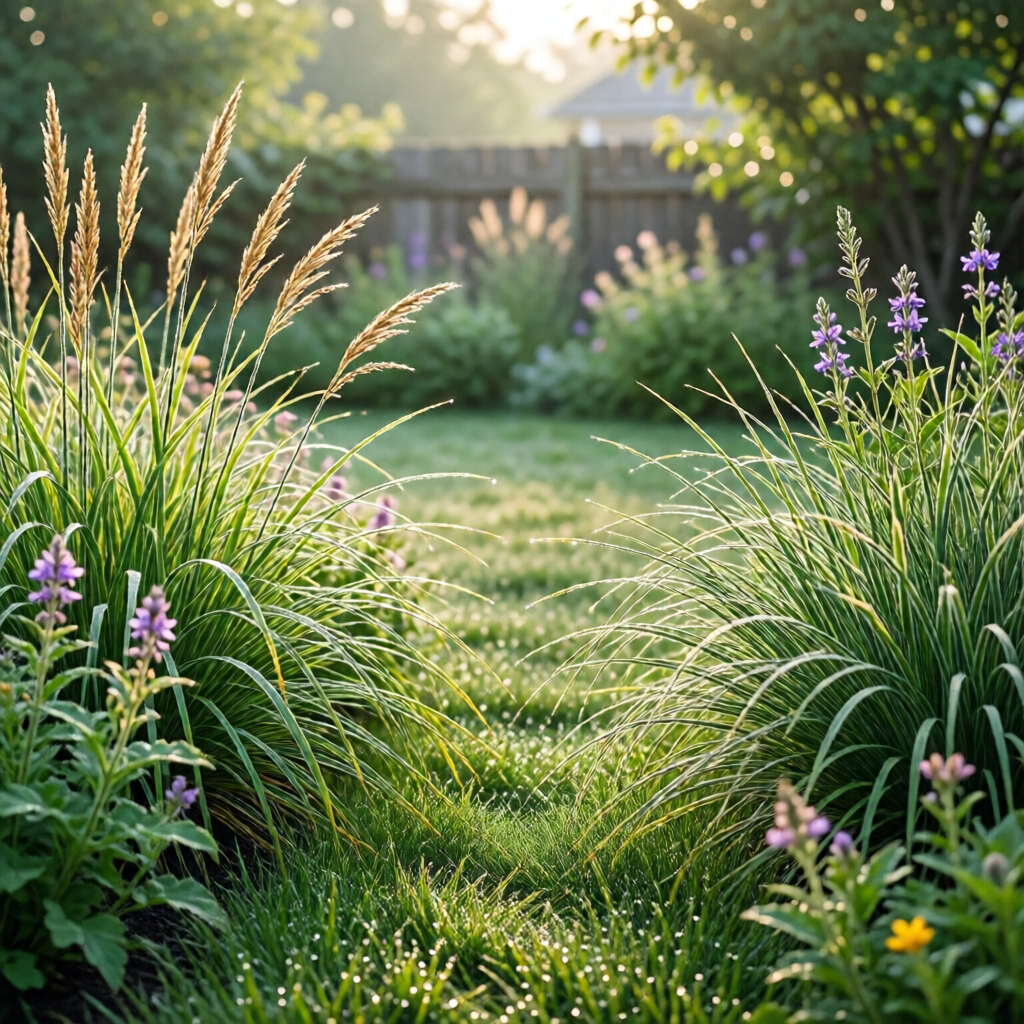
- Groundcover Beds: Along the perimeter, creeping thyme and blue star creeper create a soft carpet, interspersed with ornamental grasses for movement.
- Planting Beds: Mid‑height shrubs (lavender, rosemary) and taller focal plants (Italian cypress, dwarf olive trees) establish a Mediterranean garden design feel.
- Edible Corner: A raised bed of herbs—basil, oregano, mint—adjacent to the kitchen area offers fresh flavors and doubles as a groundcover.
- Water Feature: A modest recirculating fountain sits at the far end, surrounded by a ring of dwarf Japanese maples for seasonal color.
- Lighting: Solar uplights highlight the fountain, while string lights drape the pergola, creating a cozy evening ambiance.
This cohesive design maximizes usable space, provides year‑round visual interest, and reduces maintenance—all without a single blade of grass.
Final Thoughts: Embrace the Freedom of a Grass‑Free Backyard
Choosing to forgo a traditional lawn opens doors to creativity, sustainability, and personalized design. By carefully planning your layout, selecting appropriate groundcovers, integrating functional hardscapes, and employing smart maintenance practices, you can craft a backyard that reflects your lifestyle and values. Whether you’re drawn to the sleek lines of a modern patio, the fragrant allure of a Mediterranean garden design, or the low‑maintenance charm of a succulent garden, the possibilities are endless. Take the first step today—reimagine your outdoor space and enjoy the lasting benefits of a beautiful, grass‑free backyard.
What are the best groundcovers to replace grass in a sunny backyard?
Creeping thyme, blue star creeper, and lamb’s ear are excellent drought‑tolerant options that thrive in full sun, provide a soft texture, and can handle light foot traffic.
How can I keep a no‑grass backyard low‑maintenance?
Use drought‑tolerant groundcovers, install drip irrigation with moisture sensors, apply mulch to suppress weeds, and choose hardscape elements that reduce planting area.
Can I incorporate a vegetable garden into a grass‑free design?
Absolutely. Raised beds or in‑ground beds can be placed among groundcovers, and herbs can double as low‑maintenance groundcover with edible benefits.
What lighting options work best for a no‑grass backyard?
Solar pathway lights, LED string lights, and low‑voltage uplights are energy‑efficient choices that enhance safety and ambience without adding significant cost.
How do I stay within budget while redesigning my backyard without grass?
Use reclaimed materials for pathways, DIY hardscape features, propagate plants from cuttings, participate in plant swaps, and mulch with shredded leaves to reduce expenses.
1 réflexion au sujet de « No Grass Backyard Ideas – Expert Guide and Ideas »