When the evenings grow cooler and the stars begin to twinkle, an outdoor fireplace becomes the heart of any patio, turning a simple gathering spot into a cozy retreat. For homeowners across the United States, from the desert patios of Arizona to the breezy decks of the Pacific Northwest, a well‑designed fire feature adds warmth, ambiance, and a timeless visual anchor. In this comprehensive guide, we’ll explore the most inspiring outdoor fireplace ideas for patios, dive deep into practical tips, and share expert advice that empowers you to create a functional, beautiful, and safe fire haven that reflects your personal style.
Choosing the Right Outdoor Fireplace Style
Before you start measuring, budgeting, or ordering materials, decide which aesthetic best fits your patio’s existing design language. The right style not only enhances visual appeal but also influences maintenance, fuel choice, and overall durability.
Traditional Stone and Brick
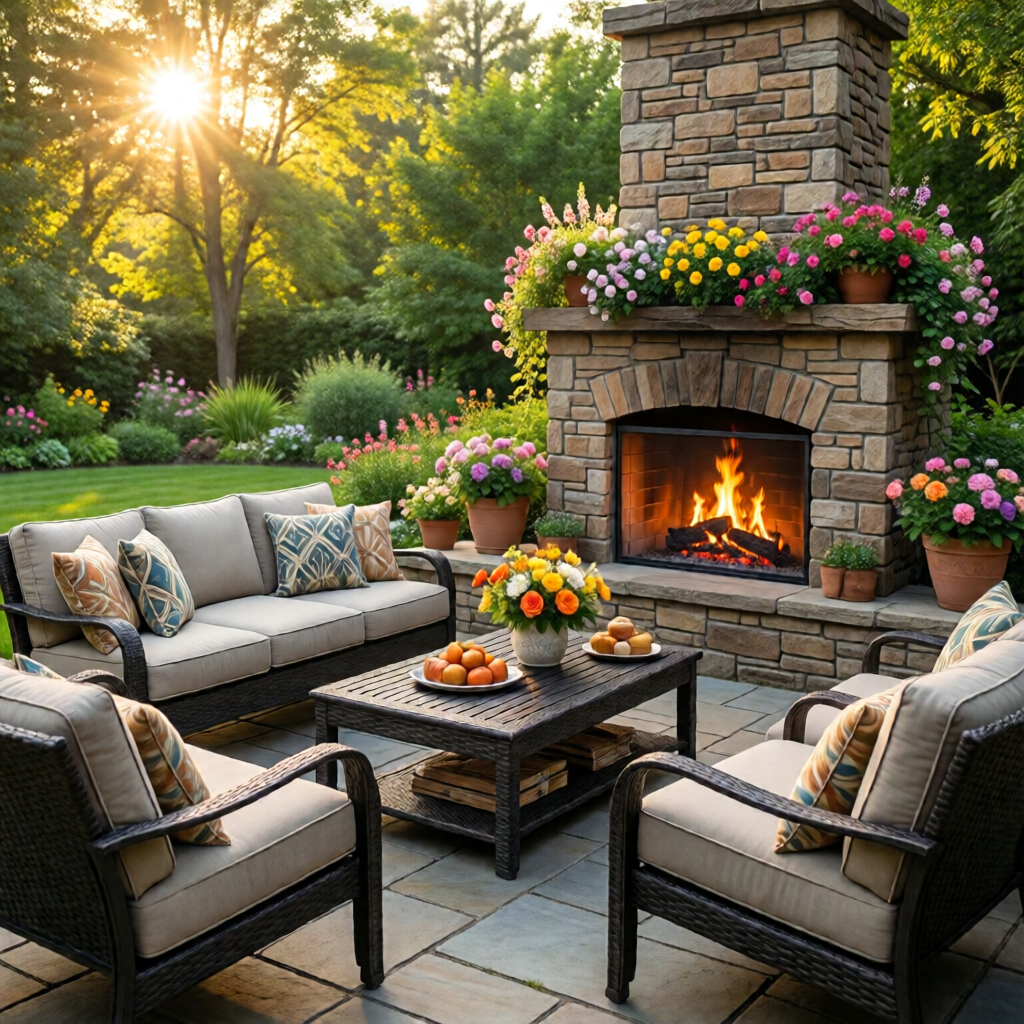
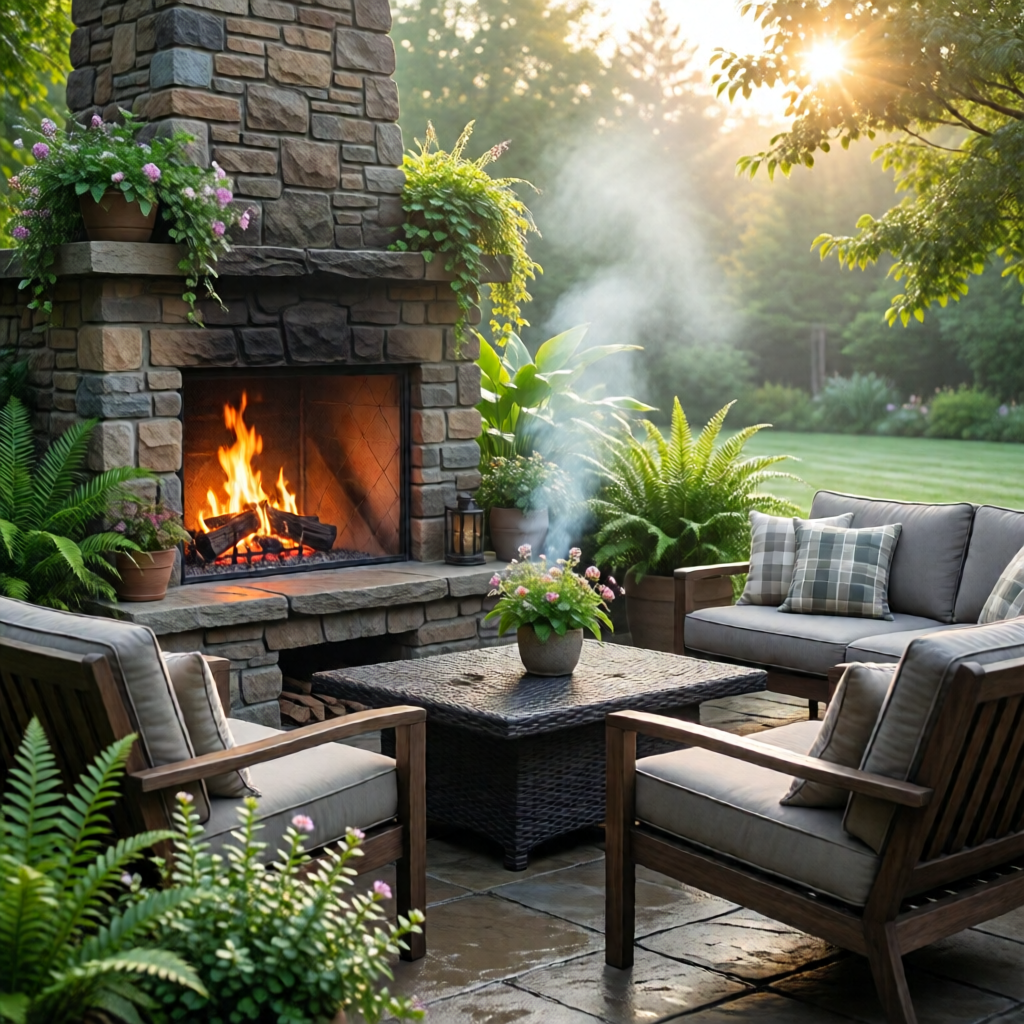
Stone and brick fire pits evoke the classic charm of a countryside hearth. Their natural textures blend seamlessly with garden foliage, while the thermal mass of masonry retains heat longer, extending the cozy period after the flames die down. Popular options include stacked fieldstone walls, reclaimed brick arches, and cut‑lava stone bowls. When paired with wooden benches or wrought‑iron chairs, the result feels both rugged and refined.
Modern Metal and Concrete
For a sleek, contemporary patio, consider minimalist metal fire bowls or poured‑concrete fire pits. Powder‑coated steel or stainless steel frames paired with smooth concrete bases create a clean line that complements modern decking, glass railings, and geometric planters. These designs often incorporate built‑in seating ledges or integrated LED lighting, adding a high‑tech edge without sacrificing warmth.
Portable and Modular Options
If flexibility is a priority—perhaps you rent your home or enjoy re‑configuring your outdoor layout—portable fire pits are ideal. Modular units stack or snap together, allowing you to adjust size and shape as needed. Look for models with collapsible legs, lightweight cast‑iron shells, or even fire‑glass cylinders that can be moved with a few people.
Placement and Layout Planning
Strategic placement ensures safety, maximizes enjoyment, and integrates the fireplace into the flow of your patio space.
Safety Clearances and Building Codes
Most U.S. municipalities require a minimum clearance of 10 feet from combustible structures, such as house walls, fences, or wooden decks. Check local building codes for specific regulations regarding fuel type, venting, and fire pit dimensions. Installing a heat‑resistant mat underneath a stone or metal fire pit can protect underlying pavers and extend the lifespan of your patio surface.
Creating a Focal Point
A fireplace naturally draws the eye, so arrange surrounding elements to accentuate its presence. Position a low‑profile coffee table, decorative rug, or a cluster of lanterns to frame the fire. By aligning the fireplace with a line of sight from the house’s main entry or a large sliding door, you invite guests to gravitate toward the warmth as soon as they step outside.
Integrating Seating and Circulation
Comfortable seating is essential. Curved sectional sofas, upholstered outdoor chairs, or built‑in bench walls create a semi‑enclosed conversation zone. Ensure there’s at least 3–4 feet of walking space between the fire pit and seating to allow easy movement and to meet safety guidelines. For larger patios, consider a secondary “fire side” area that can be used for dining, while the primary fireplace remains a lounge hub.
Fuel Choices and Efficiency
The type of fuel you select influences the look, scent, maintenance, and overall cost of operating your outdoor fireplace. Below, we break down the most popular options.
Wood‑Burning Fireplaces
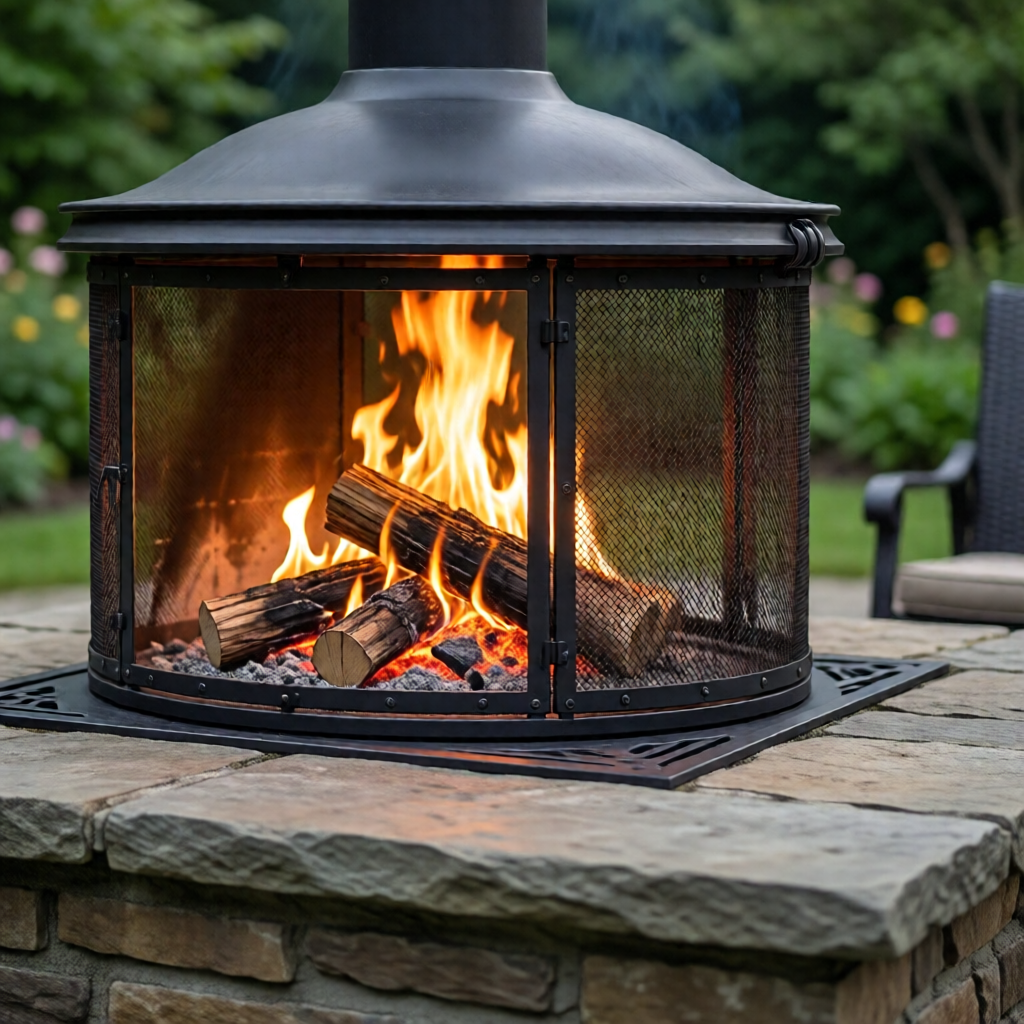
Nothing beats the crackle and aroma of real wood. Hardwood logs such as oak, hickory, or maple provide a steady, long‑lasting burn. Wood‑burning pits often feature a fire‑brick interior that reflects heat upward, creating a dramatic flame display. However, they require regular cleaning of ash, a steady supply of seasoned wood, and adherence to local smoke ordinances.
Gas‑Powered Models
Propane or natural gas fire pits offer instant heat with the flick of a switch. They’re cleaner, produce less smoke, and can be equipped with remote controls or smartphone apps for precise temperature management. Many gas models incorporate a decorative mantel, glass tiles, or a stainless‑steel fire bowl that mimics the look of a wood fire without the mess.
Bio‑ethanol and Electric Options
For ultra‑modern patios or spaces where open flames are restricted, bio‑ethanol burners and electric fire pits provide a flame‑like experience with zero smoke. Bio‑ethanol is a renewable fuel that burns cleanly, while electric units often feature realistic LED flames and adjustable heat settings. These choices are perfect for decks with strict HOA rules or for homeowners who prioritize low‑maintenance solutions.
Design Enhancements and Accessories
Elevate your fire feature from functional to spectacular by adding thoughtful accessories that enhance both aesthetics and usability.
Mantels, Screens, and Decorative Tiles
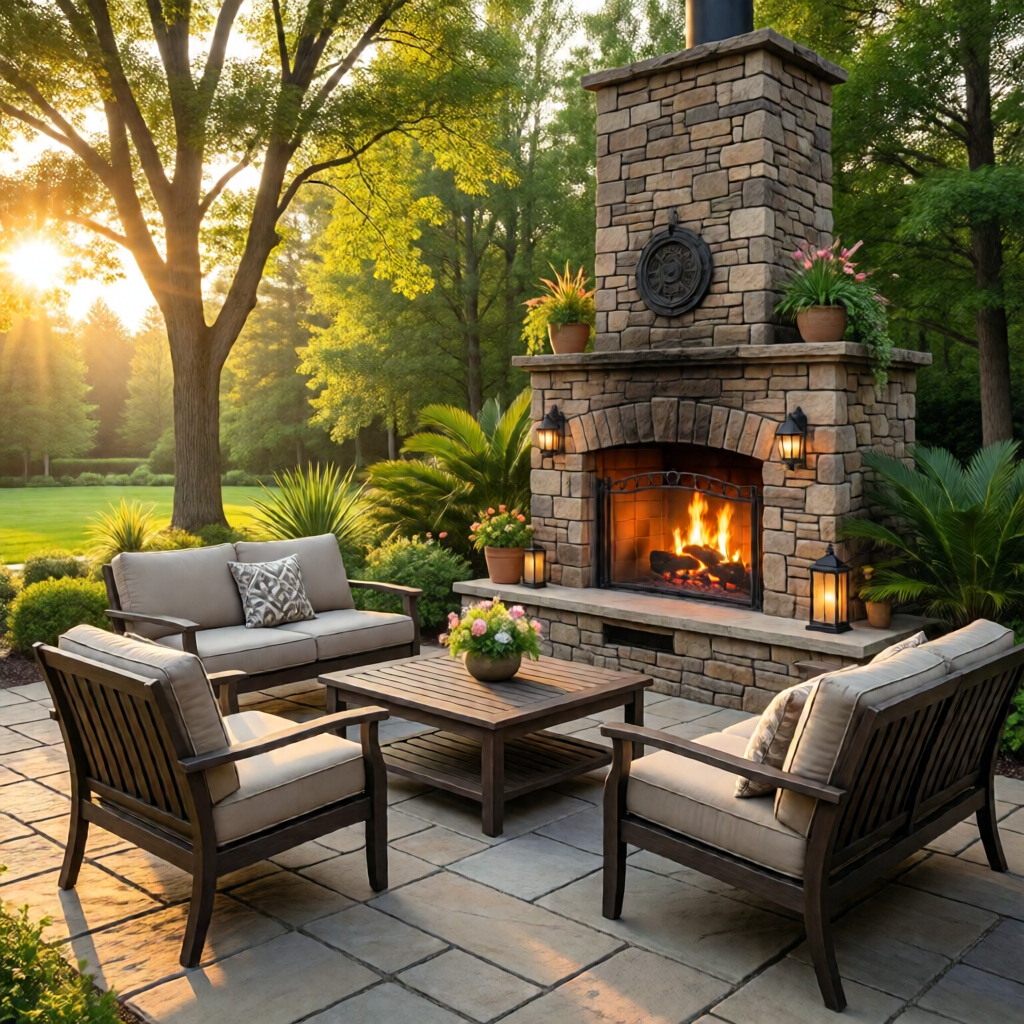
A stone or metal mantel adds height and a sense of grandeur, allowing you to showcase seasonal décor, hanging lanterns, or family photos. Heat‑resistant metal screens not only protect nearby furniture from stray sparks but also create a visual pattern that can be customized with laser‑cut designs. Decorative fire‑glass tiles, available in a rainbow of colors, reflect the flames and add a sparkling, low‑maintenance surface to the fire bowl.
Lighting and Mood Setting
Integrate ambient lighting to extend your patio’s usability after sunset. String lights draped over a nearby pergola (pergola ideas for small backyard) or low‑voltage LED uplights aimed at the fire pit’s base create dramatic shadows and highlight the flickering flames. For a softer glow, consider placing solar‑powered lanterns on the surrounding tables or within surrounding planters.
Landscaping Around the Fire Pit
Use low‑maintenance plants such as ornamental grasses, dwarf lavender, or succulents to frame the fireplace without obstructing airflow. A small raised bed of herbs—think rosemary, thyme, and sage—can be positioned near the fire pit, offering fresh aromatics for cooking or cocktails. For those with a more Zen‑inspired aesthetic, incorporate a narrow rock garden or sand pathway (zen garden design for backyard) that leads directly to the fire feature.
Seasonal Maintenance and Longevity
Regular upkeep ensures your outdoor fireplace remains safe, efficient, and visually appealing year after year.
Cleaning and Ash Removal
For wood‑burning pits, remove ash after each use to prevent buildup that can block airflow and cause excess smoke. A metal ash bucket with a tight‑fitting lid makes disposal easy and reduces the risk of stray embers. Gas and bio‑ethanol units require less frequent cleaning—simply wipe the burner and surrounding glass with a non‑abrasive cleaner to maintain optimal flame clarity.
Protecting Against Weather
Rain, snow, and UV exposure can degrade materials over time. Install a weather‑proof cover when the fireplace is not in use, especially for metal or concrete models that can rust or crack. For stone fire pits, apply a breathable sealant once a year to protect against moisture infiltration while allowing the stone to “breathe.”
Off‑Season Storage Tips
If you reside in a region with harsh winters, consider storing portable fire bowls indoors to prevent freeze‑thaw damage. Disassemble modular units and keep hardware in a sealed bag. For permanent installations, cover the fire pit with a durable, insulated blanket that resists wind and moisture.
Budgeting and DIY vs. Professional Installation
Understanding costs and the scope of work helps you decide whether to embark on a DIY project or hire a professional.
Cost Breakdown
Materials alone can range widely: a basic cast‑iron wood fire pit may start at $200, while a custom stone fireplace with a marble mantel can exceed $5,000. Labor costs for a professional installation typically add 30‑50% of material expenses, especially if foundation work, gas line installation, or electrical wiring is required. Don’t forget accessories—mantels, screens, and lighting can collectively add another $500‑$1,500.
When to Hire a Pro
If you plan a gas‑powered fireplace, a licensed plumber must install the gas line to meet code. Similarly, any electrical components, such as LED lighting or an electric fire pit, require a certified electrician. For large masonry projects, professional masons ensure proper footing, adequate drainage, and structural integrity, preventing costly cracks down the line.
DIY Tips and Common Pitfalls
DIY enthusiasts can tackle simple metal or portable fire bowls with minimal tools. Key tips include: level the base using a carpenter’s level, secure the fire pit with anchoring bolts if required, and test the fuel system before the first use. Common mistakes to avoid are: neglecting proper clearance, using non‑heat‑resistant pavers that may melt, and failing to incorporate a drainage slope that can cause water pooling around the fire pit.
Real‑World Inspiration and Complementary Patio Ideas
Seeing how others have integrated fire features can spark fresh ideas for your own space. Many homeowners pair their outdoor fireplaces with outdoor string light ideas for patio to create a layered lighting scheme that transitions from twilight to night. Others incorporate a screened porch adjacent to the fire pit, providing protection from insects while still allowing the heat to permeate the space. If you have a vegetable garden, place the fire pit near a raised‑bed vegetable area (best vegetables to grow in raised beds) to enjoy fresh produce alongside a warm fire, perfect for autumn evenings.
Whether you favor a rustic stone hearth, a sleek metal bowl, or a portable bio‑ethanol unit, the right outdoor fireplace can transform your patio into an inviting sanctuary that beckons family and friends throughout the year. By thoughtfully selecting style, fuel, placement, and accessories—while respecting safety codes and maintenance needs—you’ll create a fire feature that not only looks stunning but also stands the test of time.
What are the safest clearances for an outdoor fireplace?
Most local codes require a minimum of 10 feet from any combustible structure, such as a house wall, fence, or wooden deck. Always check your municipality’s regulations for specific distance and material requirements.
Can I convert a wood‑burning fire pit to a gas model?
Yes, many manufacturers offer conversion kits that replace the burner and add a gas line. However, a licensed plumber must install the gas line, and you should verify that the fire pit’s enclosure is rated for gas use.
How do I protect my patio surface from heat damage?
Place a heat‑resistant mat or a layer of fire‑brick beneath the fire pit. For stone or concrete bases, apply a breathable sealant annually to guard against moisture and thermal stress.
Which fuel type is most eco‑friendly for outdoor fireplaces?
Bio‑ethanol is a renewable fuel that burns cleanly with zero smoke, making it the most environmentally friendly option. Propane and natural gas also produce fewer emissions than wood, but they are fossil fuels.
Do I need a professional to install a gas fireplace?
Yes, a licensed plumber must install the gas line, and an electrician may be required for any lighting or electric components. This ensures compliance with safety codes and prevents hazards.