Creating an outdoor yoga space garden is more than just laying down a mat on the lawn; it’s about designing a tranquil sanctuary that nurtures the body, mind, and spirit while blending seamlessly with your existing landscape. Whether you have a spacious backyard, a modest side yard, or a sunny patio, this guide walks you through every step—from site selection and plant choices to sustainable practices and personalized touches—so you can practice sun salutations, meditations, and restorative poses surrounded by nature’s calm. Let’s explore how to transform an ordinary outdoor area into a vibrant yoga haven that invites daily practice, supports wellness, and enhances the beauty of your home.
Planning Your Outdoor Yoga Garden
Choosing the Right Location
Location is the foundation of a successful yoga garden. Look for a flat, open area that can accommodate a standard yoga mat (68 × 24 inches) plus a little breathing room for movement. A level surface reduces the risk of tripping and ensures stability during balance poses like Tree or Warrior III. If your yard slopes, consider building a raised deck or platform using sustainable lumber; this also helps with drainage and keeps the space usable after rain.
Proximity to the house matters, too. A spot within a short walk encourages consistent practice, especially on cool mornings or evenings when you may not want to trek far. If privacy is a concern, think about natural screens—tall hedges, bamboo, or trellised vines—that create a secluded enclave without blocking sunlight.
Assessing Sun, Shade, and Wind
Yoga thrives on a balance of light and comfort. Observe the area at different times of day to pinpoint where the sun shines brightest and where shade naturally falls. Morning sunlight is ideal for energizing practices, while late‑afternoon shade offers a cooler environment for restorative sessions.
Wind can be both a blessing and a nuisance. A gentle breeze enhances airflow, but strong gusts can disrupt balance poses and make the space feel chilly. Planting windbreaks—such as evergreen shrubs or ornamental grasses—helps moderate airflow while adding visual interest. For those living in windy regions, a pergola with retractable curtains provides adjustable protection.
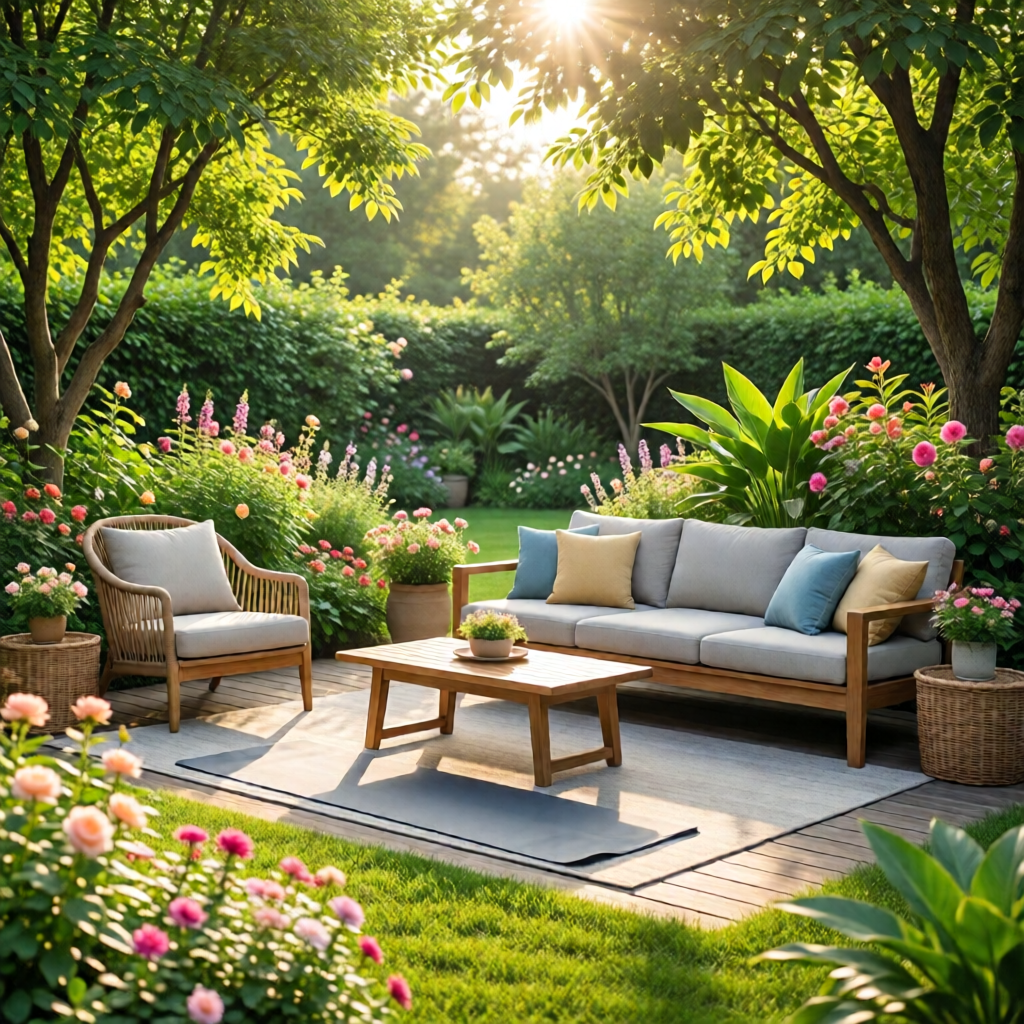
Designing the Space
Layout and Flow
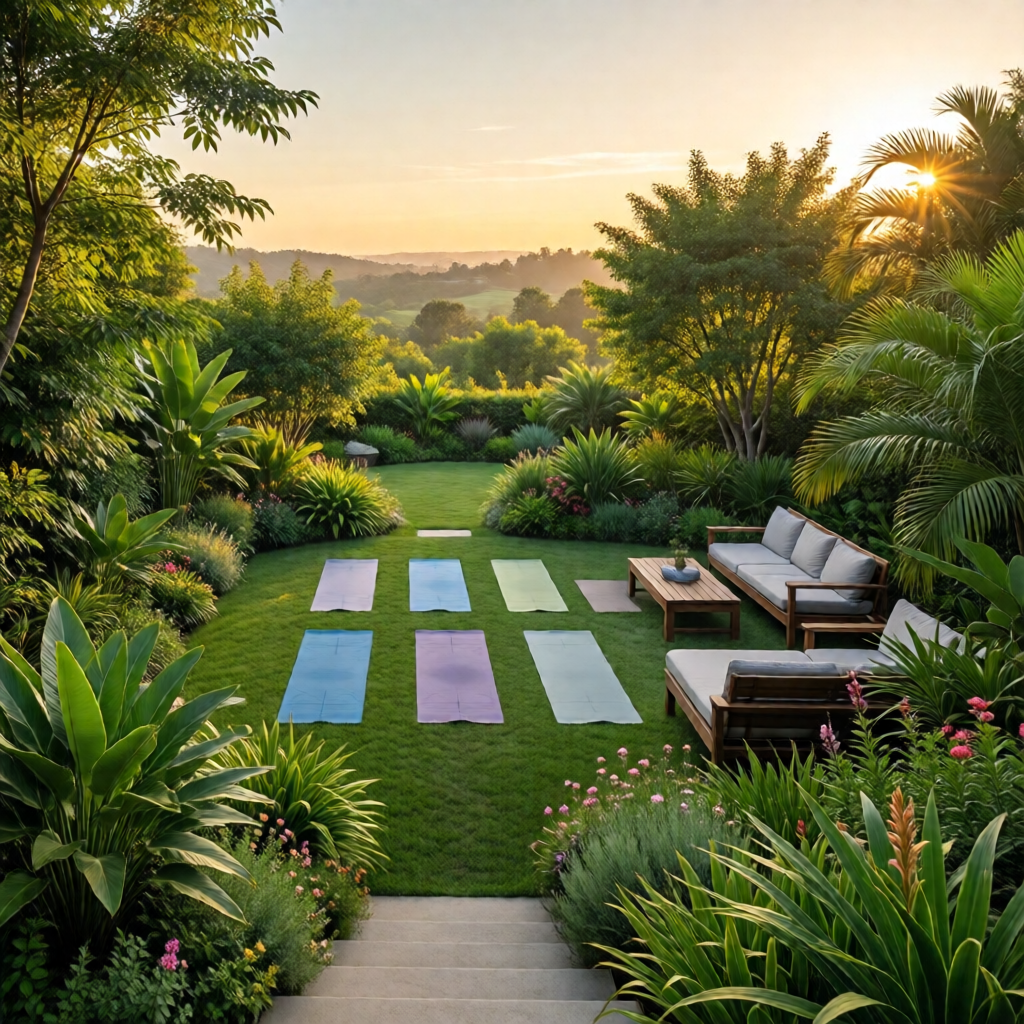
Think of your yoga garden as a series of zones that guide movement and intention. Start with the central mat area, then arrange ancillary spaces for warm‑up, cool‑down, and meditation. A simple layout might include:
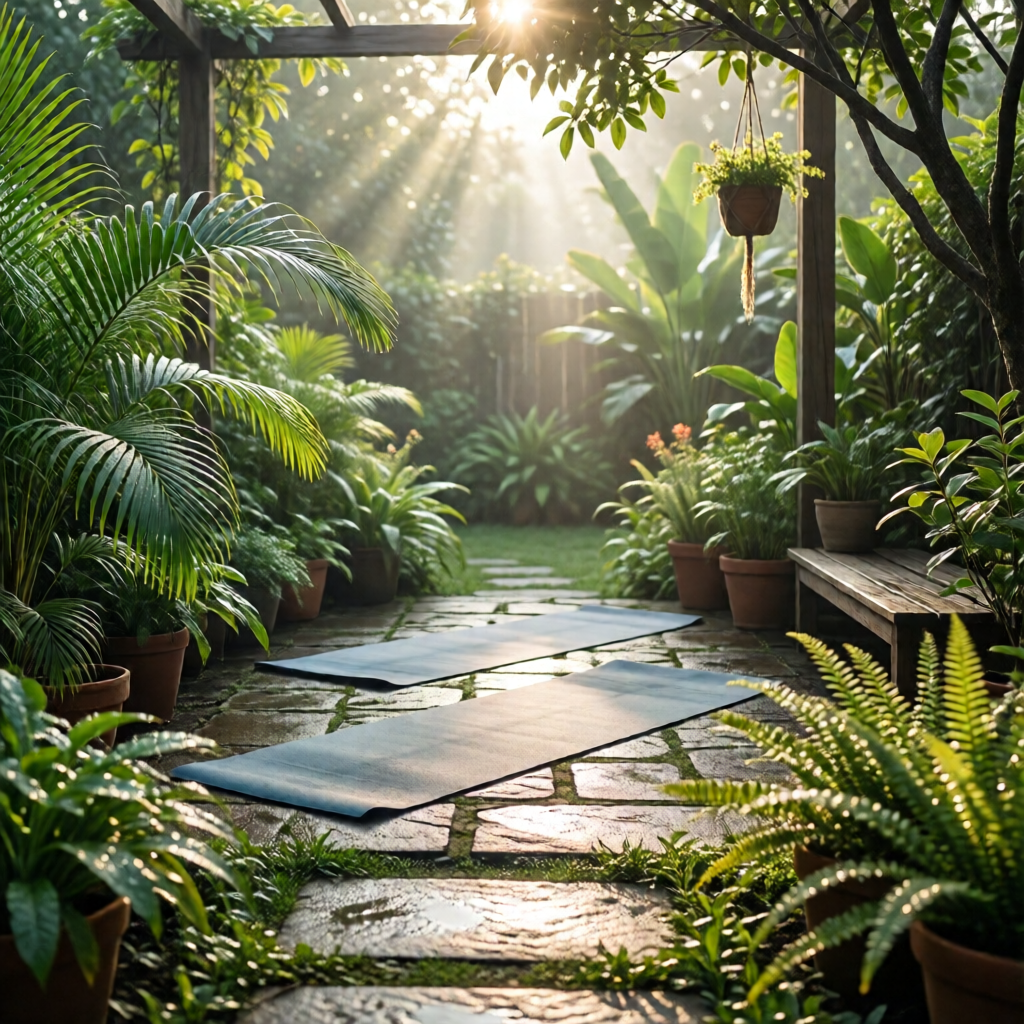
- Mat Zone: The core practice area—ideally a natural surface like smooth stone, reclaimed wood, or a high‑quality outdoor rug (see our outdoor rug ideas for patio and deck for inspiration).
- Transition Path: A stepping‑stone or gravel pathway that leads from the house to the mat, encouraging a mindful transition.
- Shade Nook: A pergola, canopy, or large umbrella providing shelter for hot days.
- Storage Corner: A weather‑proof bench or chest to keep blocks, straps, and blankets organized.
Maintain clear sightlines across the garden to avoid visual clutter that can distract during practice. Use low‑profile planters and subtle edging to delineate zones without breaking the flow.
Selecting Materials for Decking or Ground Cover
Choosing the right surface is crucial for comfort and safety. Consider these options:
- Recycled Composite Decking: Durable, resistant to rot, and often slip‑resistant—perfect for year‑round use.
- Natural Stone Pavers: Provide a grounding feel; select textured stones to prevent slipping when wet.
- Outdoor Rugs: Add color and softness; choose UV‑stable, quick‑dry fabrics that can be rolled up for cleaning.
- Gravel or Pebble Beds: Excellent drainage and a gentle massaging sensation underfoot, especially when paired with a yoga mat.
Whichever material you select, ensure it’s level, stable, and capable of handling outdoor conditions without warping or cracking.
Selecting Plants for a Serene Atmosphere
Low‑Maintenance Greens
Foliage sets the backdrop for calm. Opt for grasses and foliage plants that stay green year‑round and require minimal upkeep. Consider:
- Japanese Forest Grass (Hakonechloa macra): Soft, flowing blades that sway gently in the breeze.
- Hostas: Shade‑loving leaves that add texture and come in a variety of sizes.
- Ferns (e.g., Autumn Fern): Lush, feathery foliage that thrives in moist, shaded spots.
These plants create a verdant carpet that complements the mat area while requiring only occasional watering and pruning.
Fragrant Blooms
Scents can deepen the meditative experience. Plant aromatic species near the mat zone so their fragrance drifts during practice. Favorites include:
- Lavender (Lavandula angustifolia): Soothing scent known for stress relief; attracts pollinators.
- Jasmine (Trachelospermum jasminoides): Sweet, evening‑blooming fragrance that enhances calm.
- Rosemary: Herbal aroma that doubles as a culinary herb for kitchen use.
Combine these with low‑maintenance companions to keep the garden looking tidy year‑round.
Seasonal Interest
To keep your yoga garden inviting throughout the year, select plants that offer seasonal color or texture changes. For spring, plant blooming bulbs like tulips or daffodils. Summer brings full‑leafed hostas and vibrant lavender spikes. Autumn can be highlighted with ornamental grasses that turn golden, while winter interest may come from ever‑green shrubs such as boxwood or dwarf conifers.
Adding Functional Elements
Shade Structures and Canopies
A well‑placed shade structure extends the usability of your yoga garden. Options range from permanent pergolas with climbing vines to adjustable shade sails that can be re‑tensioned as the sun moves. When designing, consider the direction of the sun and the height needed for overhead clearance during standing poses. Adding retractable curtains (similar to those in outdoor ceiling fan ideas for patio) can provide additional protection on hot days while allowing airflow.
Outdoor Sound and Lighting
Soundscapes enhance focus. Install a discreet waterproof speaker system to play gentle ambient music, nature sounds, or guided meditations. Position speakers near the mat zone for even distribution, and ensure they’re protected from rain.
Lighting is essential for early morning or evening sessions. Soft, warm LED lanterns, solar path lights, or string lights draped along the pergola create a calming glow without harsh glare. Consider motion‑sensor lights that illuminate the space only when you approach, conserving energy and preserving the tranquil atmosphere.
Storage for Props
Yoga props—blocks, straps, bolsters, blankets—need a dry, organized home. A weather‑proof storage bench doubles as extra seating and hides clutter. Alternatively, install a small garden shed or a decorative wooden chest with a hinged lid. Keep moisture‑absorbing silica packets inside to prevent mildew on fabrics.
Sustainability and Eco‑Friendly Practices
Water Conservation
Implement rainwater harvesting with a barrel placed near the garden. Connect a simple drip‑irrigation system to supply consistent moisture to your plants, especially during dry summer months. Mulching around plant bases with shredded bark or straw reduces evaporation and suppresses weeds, cutting down on maintenance time.
Native Plants and Soil Health
Choosing native species supports local wildlife and requires less water and fertilizer. Research regional natives—like coneflowers, black-eyed Susans, or butterfly weed—to create a resilient garden. If your soil is heavy clay, follow our guide on how to improve clay soil for gardening to amend it with organic matter, sand, and gypsum, ensuring good drainage for your yoga space.
Maintenance Tips for Year‑Round Use
Seasonal Cleaning
At the start of each season, sweep the mat area to remove leaves, twigs, and debris. Clean the yoga mat according to manufacturer instructions—often a gentle wipe with diluted vinegar works well outdoors. Check the integrity of decking or stone pavers; replace any cracked pieces to maintain a safe surface.
Plant Care Calendar
Develop a simple calendar:
- Spring: Prune dead foliage, fertilize with a balanced organic fertilizer, and plant new perennials.
- Summer: Mulch heavily, water early morning, and deadhead blooming plants.
- Fall: Cut back ornamental grasses, add compost, and plant cover crops for winter.
- Winter: Protect tender perennials with burlap, keep pathways clear of snow, and inspect structures for ice damage.
Regularly check for pests; organic neem oil sprays or companion planting can keep insects at bay without harsh chemicals.
Personalizing Your Yoga Oasis
Color Palette and Décor
Colors influence mood. Soft earth tones—sage green, warm taupe, muted terracotta—create grounding energy. Add pops of calming blues or gentle purples through cushions, lanterns, or painted planters. For a cohesive look, match the color of your outdoor rug or deck stains with the surrounding foliage.
Incorporating Art and Meditation Aids
Statues, wind chimes, or a small water feature (like a tabletop fountain) introduce gentle auditory and visual focal points. A bamboo water garden not only provides soothing sounds but also attracts beneficial insects. Hang a small mandala tapestry on the pergola for visual meditation, or place a stone Buddha near the mat to inspire mindfulness.
Don’t forget to personalize the space with items that reflect your practice—perhaps a favorite mantra inscribed on a wooden sign, or a collection of smooth river stones for grounding exercises. These touches make the garden uniquely yours and deepen the connection between your indoor intention and outdoor environment.
Bringing It All Together
Designing an outdoor yoga space garden blends practical planning with creative expression. By thoughtfully selecting the site, materials, plants, and functional elements, you craft a sanctuary that supports daily practice, nurtures well‑being, and harmonizes with the natural world. Remember to keep sustainability at the forefront—use native plants, conserve water, and choose eco‑friendly materials—to ensure your oasis thrives for years to come. With each sunrise or sunset session, you’ll discover how the rhythm of nature enhances your breath, balance, and inner peace.
What type of surface is best for an outdoor yoga mat?
A stable, level surface such as reclaimed wood decking, natural stone pavers, or a high‑quality outdoor rug provides the best grip and comfort while allowing the mat to breathe and dry quickly.
How can I create shade without blocking sunlight completely?
Install a pergola with climbing vines or use a retractable shade sail. Both options let you adjust the amount of shade and still let diffused light filter through for a gentle, balanced ambiance.
Which plants are low‑maintenance yet provide a calming atmosphere?
Japanese forest grass, hostas, ferns, and evergreen shrubs like boxwood are excellent low‑maintenance choices that stay green year‑round and create a soothing backdrop for yoga practice.
Can I use rainwater for watering my yoga garden?
Yes—install a rain barrel and connect a drip‑irrigation system. This eco‑friendly method supplies consistent moisture to your plants while reducing water waste.
How do I protect my yoga props from outdoor elements?
Store blocks, straps, and blankets in a weather‑proof bench, garden chest, or small shed. Use silica packets inside to absorb humidity and keep fabrics fresh.