Square foot gardening (SFG) has become a favorite method for urban growers, suburban hobbyists, and anyone who wants to maximize harvests in a limited space. By dividing a raised bed into a grid of one‑square‑foot sections, you can plant a variety of crops with precision, reduce waste, and keep weeds at bay. In this comprehensive guide we’ll walk you through every step of creating effective square foot gardening layout plans—from selecting the right location and materials to designing a functional grid, choosing crops, and managing water and soil for peak productivity. Whether you’re a seasoned gardener looking to refine your technique or a beginner eager to start a small but bountiful garden, the actionable tips and expert advice below will help you build a thriving SFG system that fits your lifestyle and your yard.
What Is Square Foot Gardening and Why It Works
Square foot gardening is a method pioneered by Mel Bartholomew in the 1980s. It condenses the traditional row‑based garden into a compact, organized layout where each square foot is treated as an individual planting zone. This approach offers several advantages:
- Space efficiency: By planting crops closer together, you can produce up to 10 times more food per square foot than conventional rows.
- Reduced labor: The grid makes planting, weeding, and harvesting predictable and fast.
- Better soil health: Mixing compost into each square ensures nutrients are evenly distributed.
- Flexibility: You can swap crops each season without re‑digging the entire bed.
Because of these benefits, square foot gardening is especially popular in suburban backyards where space is at a premium, but it also scales well to larger raised‑bed or community‑garden projects.
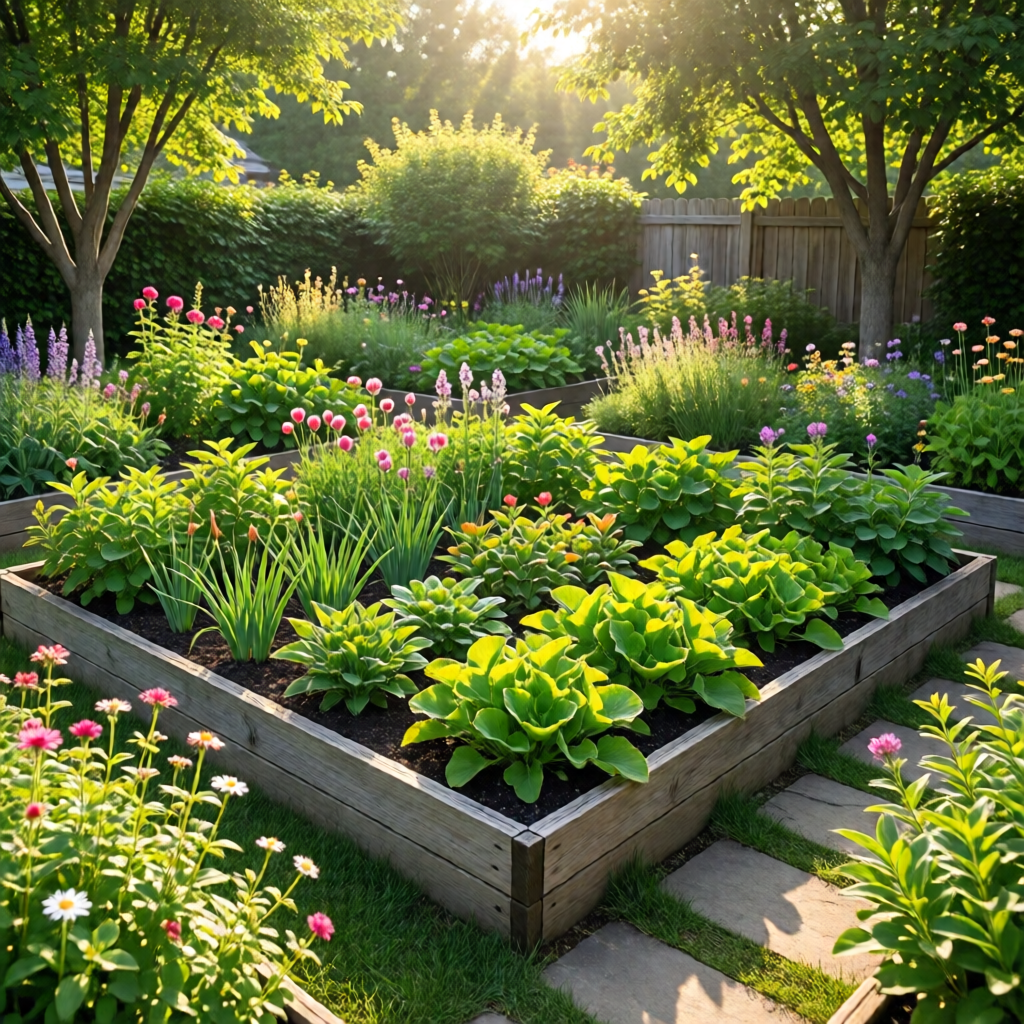
Planning Your Square Foot Garden Layout
Before you break ground, spend time on thoughtful planning. A well‑designed layout can be the difference between a bumper harvest and a disappointing season. Here are the key considerations:
1. Choose the Right Location
Sunlight is the most critical factor. Aim for a spot that receives at least 6–8 hours of direct sun daily. Avoid areas with heavy foot traffic, as compacted soil can hinder root growth. If your garden is near a pool or deck, consider integrating it with poolside landscaping ideas for a cohesive look.
2. Determine Bed Size
Standard SFG beds are 4 × 4 feet (16 squares) or 4 × 8 feet (32 squares). Larger beds are fine, but keep the width under 4 feet so you can reach the center without stepping on the soil. This width also aligns with ergonomic guidelines, reducing strain during planting and harvesting.
3. Select Materials
Common choices include untreated cedar, redwood, or recycled composite boards. Cedar naturally resists rot and insects, making it a durable, eco‑friendly option. Ensure the boards are at least 6‑8 inches tall to accommodate root depth for most vegetables.
4. Sketch a Rough Draft
Draw a simple diagram on graph paper or use a free online garden planner. Mark each square, noting where you’ll place high‑yield crops (like tomatoes) versus low‑growth herbs (like basil). This visual aid helps you balance plant spacing and plan for companion planting.
When you’re ready to move from paper to soil, start building the raised bed and laying out the grid.

Creating the Grid: From Boards to Squares
The grid is the heart of the square foot garden. Follow these steps to construct a clean, functional layout:
Materials Needed
- Raised‑bed frame (e.g., 4 × 4 feet)
- 1‑inch thick wooden or composite boards for the grid
- Galvanized nails or screws
- Measuring tape, carpenter’s square, and pencil
- Landscape fabric (optional, for weed control)
Step‑by‑Step Construction
- Mark the perimeter: Measure and mark each foot along the inside edges of the bed.
- Lay the grid lines: Starting at one corner, snap a chalk line every 12 inches using a carpenter’s square for accuracy.
- Install the grid boards: Cut 1‑inch boards to the length of each side of a square. Nail or screw them together to form a “plus” shape, then repeat for each row and column. For a 4 × 4 bed you’ll need 7 horizontal and 7 vertical pieces.
- Secure the grid: Reinforce intersections with small metal brackets or extra screws to prevent wobbling.
- Add a weed barrier (optional): Lay landscape fabric beneath the soil before filling the bed. This reduces weed pressure while still allowing water to drain.
With the grid in place, each square becomes a distinct planting zone where you can tailor soil mixes, watering, and crop choices.
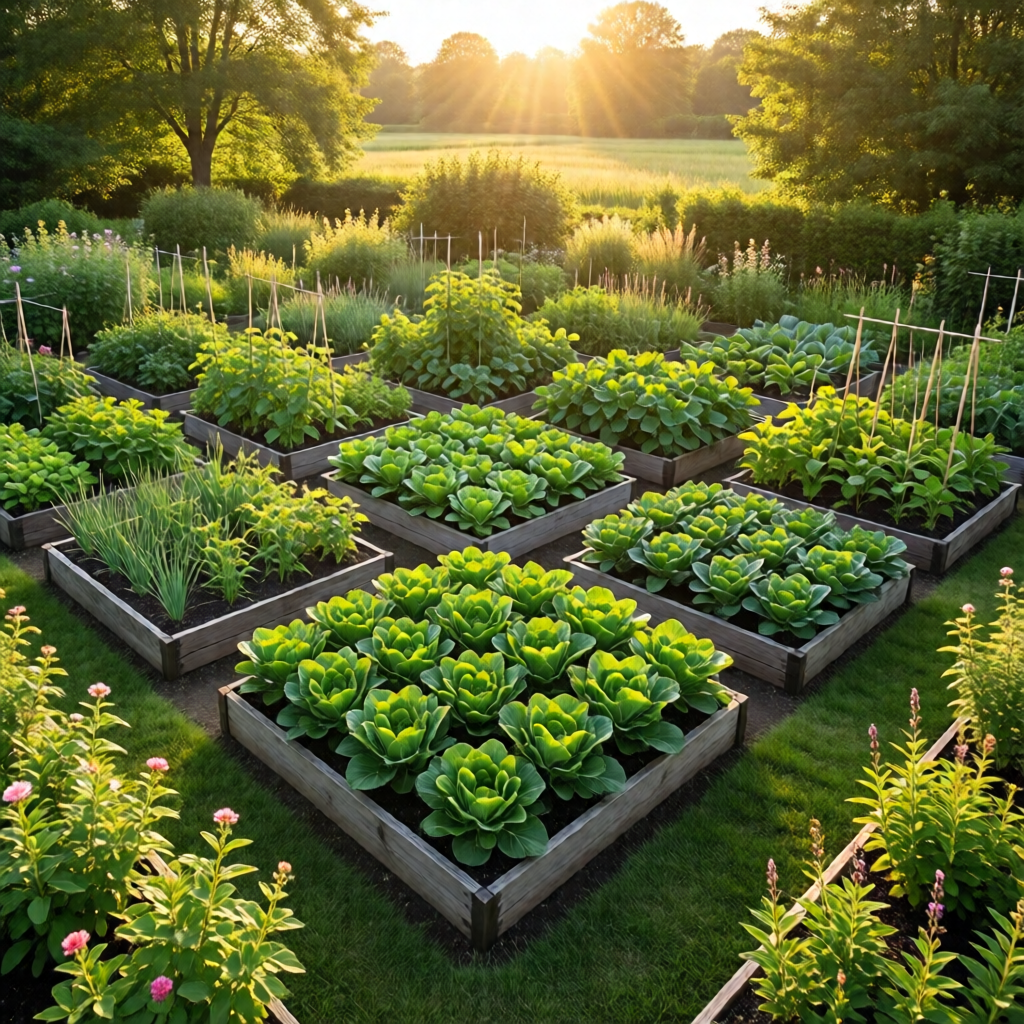
Choosing Crops for Each Square
One of the joys of SFG is the ability to mix and match vegetables, herbs, and even flowers. Here’s a quick reference for how many plants fit into a single square foot:
| Crop | Plants per Square Foot |
|---|---|
| Lettuce (leaf) | 4–6 |
| Spinach | 4–6 |
| Carrots | 16 |
| Radishes | 16 |
| Swiss Chard | 1 |
| Tomatoes (determinate) | 1 |
| Peppers | 1 |
| Herbs (basil, cilantro) | 1–2 |
Companion Planting Tips
Pairing compatible plants can improve flavor, deter pests, and enhance soil health. For example, plant marigolds beside tomatoes to repel nematodes, or grow basil with peppers for a flavor boost. Use the grid to create “mini‑patches” of complementary crops within the same bed.
Seasonal Rotation
Rotate families of vegetables each season to prevent disease buildup. A simple rotation plan might look like this:
- Spring: Leafy greens (lettuce, spinach) and root crops (radish, carrot)
- Summer: Warm‑season veg (tomatoes, peppers, beans)
- Fall: Brassicas (broccoli, kale) and quick‑growers (radish, arugula)
By moving each family to a different section each year, you maintain soil vigor and reduce the need for chemical controls.

Soil Mix and Fertilization
The soil mix is crucial for the success of any square foot garden. Bartholomew recommended a 1:1:1 blend of compost, peat moss (or coconut coir for an eco‑friendly alternative), and vermiculite. This mix provides:
- Excellent drainage
- Moisture retention
- Rich organic matter for nutrients
Preparing the Mix
Combine equal parts by volume in a wheelbarrow or large container. For a 4 × 4 foot bed (16 cubic feet), you’ll need roughly 5.5 cubic yards of material—a manageable amount for most homeowners. If you prefer a lighter mix for high‑water‑needs crops, adjust the ratio to 1:1:2 (compost:coir:vermiculite).
Fertilizer Application
Because the soil is already rich, you’ll only need a light feeding schedule. Apply a balanced organic fertilizer (e.g., 10‑10‑10) once at planting and again halfway through the growing season. For heavy feeders like tomatoes, supplement with a calcium‑rich amendment (such as gypsum) to prevent blossom‑end rot.
Watering Strategies for Square Foot Gardens
Consistent moisture is vital, but over‑watering can lead to root rot and fungal diseases. Here are proven watering techniques:
1. Hand Watering with a Sprinkler or Soaker Hose
Place a soaker hose along the perimeter of the bed and let it seep into each square. This method delivers water directly to the root zone, reducing evaporation.
2. Drip Irrigation
Install a drip line with emitters set to deliver 0.5 gallon per hour to each square. This provides precise control and can be automated with a timer. Drip systems are especially useful in hot, dry climates.
3. Mulching
Apply a 2‑inch layer of straw, shredded leaves, or black plastic mulch on top of the soil. Mulch conserves moisture, suppresses weeds, and keeps the soil temperature stable.
Watering Schedule
Check soil moisture daily during hot spells. Aim for a deep, thorough watering 2–3 times per week, adjusting based on rainfall. A simple finger test—insert a finger 2 inches into the soil; if it feels dry, water.
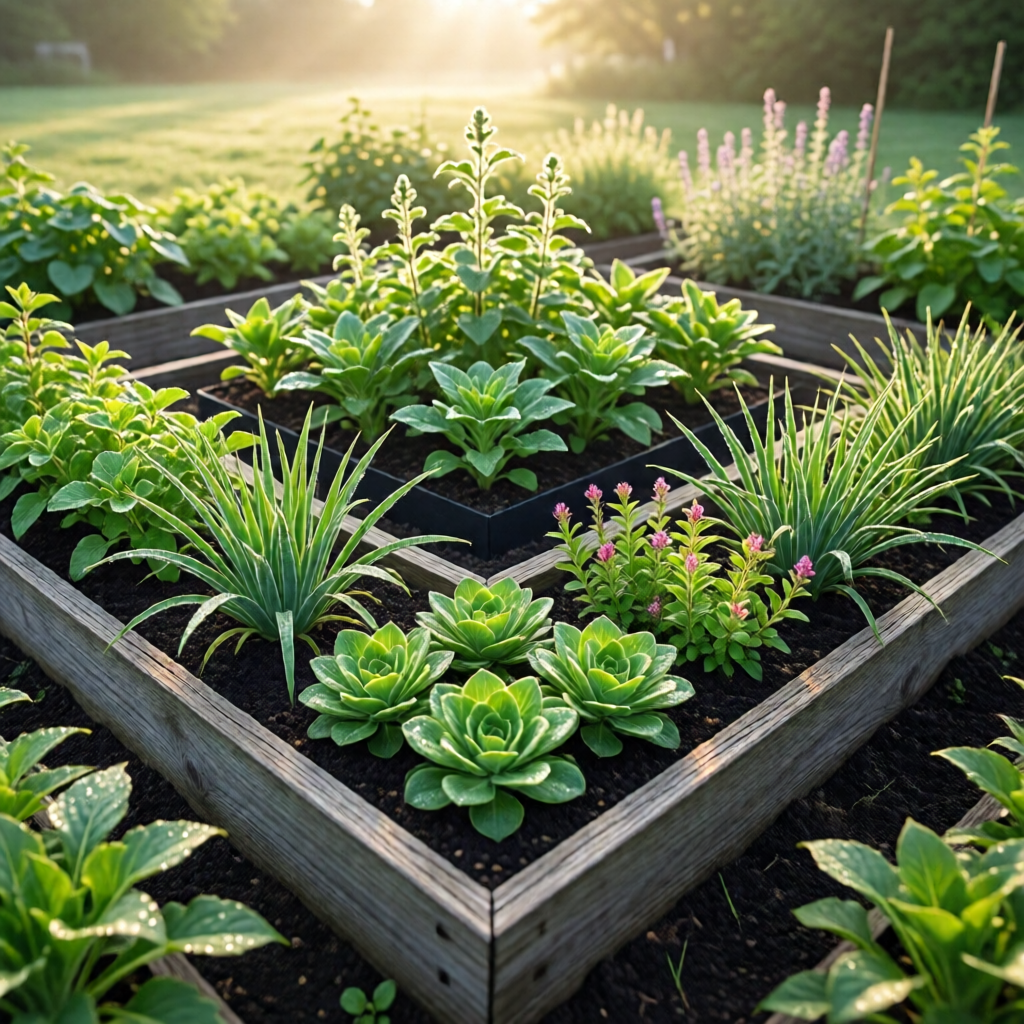
Integrating Square Foot Gardens with Other Landscape Features
Square foot gardens can be a standout element in a broader backyard design. Consider these ideas to blend your garden seamlessly with other spaces:
- Poolside Gardens: Use low‑profile raised beds along the pool deck for easy access and a splash of color. Pair with poolside landscaping ideas for cohesive aesthetics.
- Deck Extensions: Build a shallow SFG bed on the edge of a deck for a “kitchen garden” that’s just steps away from your cooking area. Combine with deck decorating ideas on a budget for style.
- Raised Bed Paths: Create stepping stones or a gravel pathway around the garden to improve access and reduce soil compaction.
Common Mistakes and How to Avoid Them
Even experienced gardeners encounter pitfalls. Below are frequent errors and practical solutions:
Overcrowding
Planting too many seeds per square can stunt growth and invite disease. Follow the recommended plant density chart and thin seedlings as needed.
Neglecting Soil Refresh
After a few harvests, the soil can become depleted. Every 2–3 years, remove the old mix, add fresh compost, and incorporate a balanced organic amendment.
Improper Sun Exposure
Shade‑loving crops like lettuce can tolerate partial shade, but most vegetables need full sun. If your garden receives less than 6 hours of light, focus on shade‑tolerant greens and herbs.
Watering Inconsistently
Irregular watering leads to “splitting” in root vegetables and blossom‑end rot in tomatoes. Use a timer or moisture sensor to keep watering consistent.
Enhancing Productivity with Advanced Techniques
Once you’ve mastered the basics, try these advanced methods to push yields even higher:
Vertical Stacking
Install trellises within the bed for vining crops like pole beans, cucumbers, and compact varieties of tomatoes. This frees up floor space for additional rows of lettuce or herbs.
Intercropping
Plant fast‑growing crops (e.g., radishes) alongside slower growers (e.g., carrots). Harvest the radishes early, allowing the carrots more room to expand.
Season Extension
Use row covers, cold frames, or hoop houses to start seedlings earlier in spring and keep warm‑season crops productive later into fall. A simple plastic tunnel can add 4–6 weeks of growing time.
Companion Animal Helpers
Introduce beneficial insects like ladybugs or lacewings to control aphids naturally. Plant nectar‑rich flowers such as alyssum in a corner of the bed to attract them.
Harvesting and Maintaining Your Square Foot Garden
Harvest timing varies by crop, but a few general rules apply:
- Leafy greens: Cut outer leaves when they reach 4–6 inches tall, allowing the inner leaves to continue growing.
- Root vegetables: Gently loosen soil around the base and pull when the roots are the desired size.
- Fruit‑bearing plants: Pick fruits as soon as they ripen to encourage continuous production.
After each harvest, remove any spent plants, replenish the soil with a thin layer of compost, and re‑plant the vacant squares. This continual cycle keeps the garden productive and reduces the need for large, disruptive soil turnovers.
Putting It All Together: A Sample 4 × 8 Square Foot Garden Plan
Below is a ready‑to‑use layout for a 4 × 8 foot bed (32 squares). Adjust based on your climate and preferences.
| Square | Crop | Plants per Square |
|---|---|---|
| 1‑4 (row 1) | Lettuce (leaf) | 4 each |
| 5‑8 (row 2) | Spinach | 4 each |
| 9‑12 (row 3) | Carrots | 16 each |
| 13‑16 (row 4) | Radishes | 16 each |
| 17‑20 (row 5) | Tomatoes (determinate) | 1 each + trellis |
| 21‑24 (row 6) | Peppers | 1 each |
| 25‑28 (row 7) | Basil & cilantro | 1 each |
| 29‑32 (row 8) | Marigolds (pest deterrent) | 1 each |
This mix provides a steady supply of greens, root crops, and warm‑season vegetables, while the marigolds help keep pests at bay. Feel free to swap out any squares for your favorite varieties, such as adding a square of strawberries using the growing strawberries in raised beds guide.
Final Thoughts
Square foot gardening transforms a modest patch of soil into a high‑yield, low‑maintenance food source. By following the layout plans, soil recipes, watering strategies, and companion‑planting tips outlined in this guide, you’ll enjoy fresh, home‑grown produce all season long. Remember, the key to success is observation—watch how plants respond, adjust spacing or water as needed, and keep the soil rich with organic matter. Happy gardening, and may your squares be abundant!
How many plants can I grow in a single square foot?
The number varies by crop: leafy greens like lettuce can fit 4–6 plants, carrots or radishes can accommodate up to 16, and larger plants like tomatoes or peppers require one plant per square.
Do I need special soil for square foot gardening?
A balanced mix of compost, coconut coir (or peat moss), and vermiculite in equal parts provides excellent drainage, moisture retention, and nutrients for most vegetables.
Can I grow fruit trees in a square foot garden?
Fruit trees need deep, expansive root zones, so they aren’t suited for traditional square foot beds. However, dwarf varieties can be grown in larger raised beds with proper support.
What’s the best way to water a square foot garden?
Drip irrigation or a soaker hose along the bed’s perimeter delivers consistent moisture directly to the root zone, reducing waste and keeping leaves dry.
How often should I rotate crops in my square foot garden?
Rotate each plant family to a different section each season—typically every 3‑4 months—to prevent disease buildup and maintain soil health.