Ever stared at a glossy, split‑leaf Monstera and wondered why yours looks a little droopy while the one at the plant shop is practically thriving? The difference often boils down to knowing how to care for Monstera plant basics and tailoring them to your home’s micro‑climate. Below is a no‑fluff, step‑by‑step list that will turn any beginner into a confident Monstera whisperer.
In This Article
- 1. Choose the Right Light Conditions
- 2. Master the Watering Schedule
- 3. Keep Humidity in Check
- 4. Pick the Perfect Soil Mix & Repotting Routine
- 5. Feed Your Monstera with the Right Fertilizer
- 6. Support, Prune, and Shape Your Plant
- 7. Guard Against Common Pests
- 8. Propagation Made Easy
- Comparison Table: Top Products for Monstera Care
- FAQ
- Final Verdict
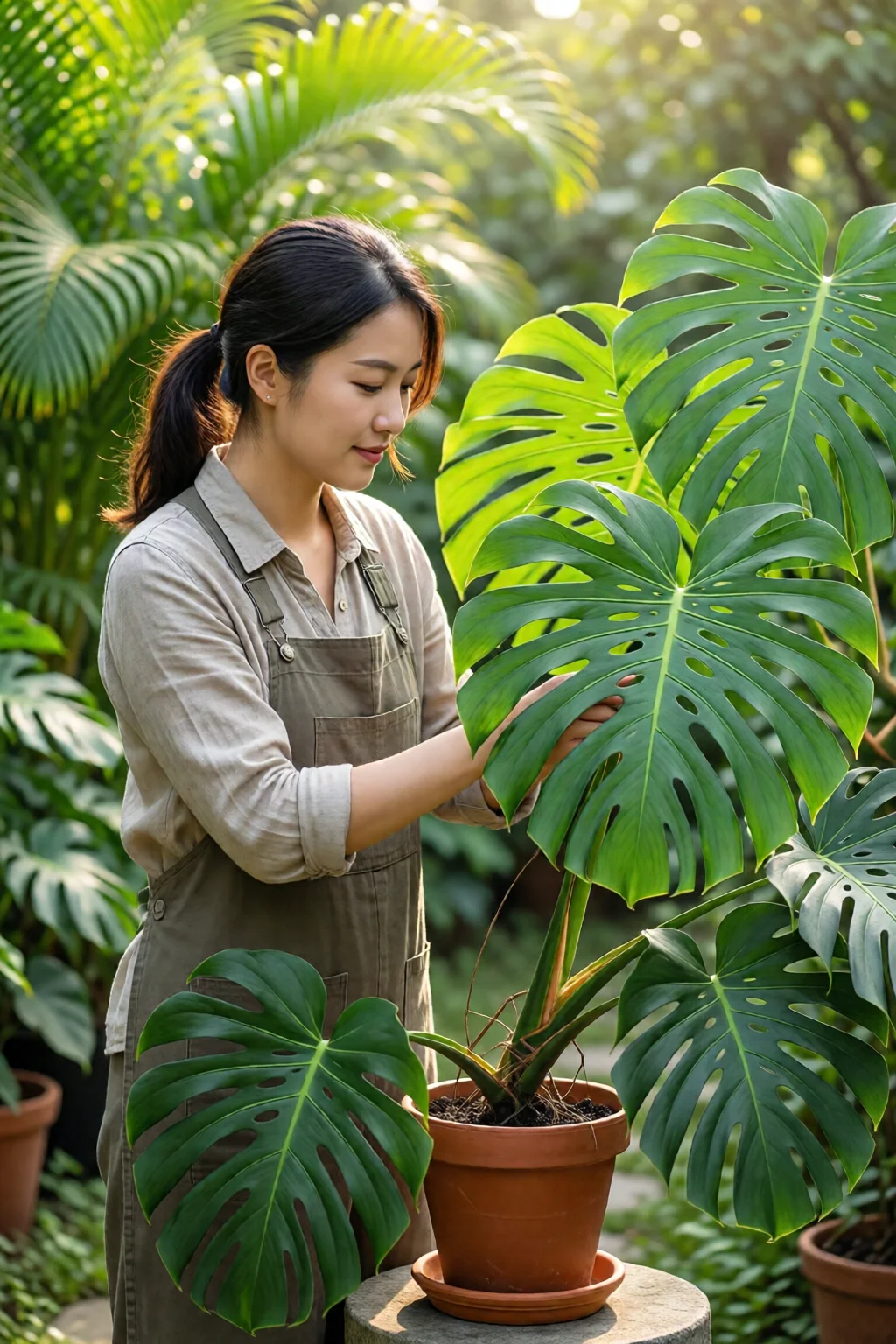
1. Choose the Right Light Conditions
Monstera deliciosa is a tropical understory plant, which means it prefers bright, indirect light. Direct sun can scorch those iconic fenestrated leaves, while too little light stalls new growth and causes smaller, un‑splintered leaves.
- Ideal placement: An east‑facing window with filtered morning sun, or a north‑south window with a sheer curtain.
- Too much light: Look for yellowing tips, brown patches, or a bleached appearance. One mistake I see often is placing the plant on a south‑facing balcony without any shading; the leaves develop a papery texture within weeks.
- Too little light: Leaves stay small and dark green, and the plant may become leggy.
For low‑light apartments, a 45‑watt Roleadro LED grow light (≈$34) positioned 12‑18 inches above the foliage can supply the needed spectrum without overheating.
Pros: Bright, indirect light promotes rapid leaf fenestration.
Cons: Requires occasional rotation to avoid lopsided growth.
2. Master the Watering Schedule
Over‑watering is the #1 killer of Monstera, yet underwatering can cause leaf curl and brown edges. The key is to let the top 2‑3 inches of soil dry out before the next drink.
In my 5‑year experience, a 7‑liter terra‑cotta pot (12‑inch) with drainage holes gives the soil a natural “breath” and reduces the risk of root rot.
- Watering frequency: Every 7‑10 days in summer, 14‑18 days in winter. Adjust based on humidity and temperature.
- Method: Water until it runs out of the bottom drainage hole, then empty the saucer after 5 minutes.
- Signs of over‑watering: Soft, mushy stems, yellowing leaves, a musty smell from the soil.
Tip: Use a moisture meter (e.g., XLUX 4‑in‑1 Soil Moisture Meter, $9.99) to take the guesswork out of the equation.
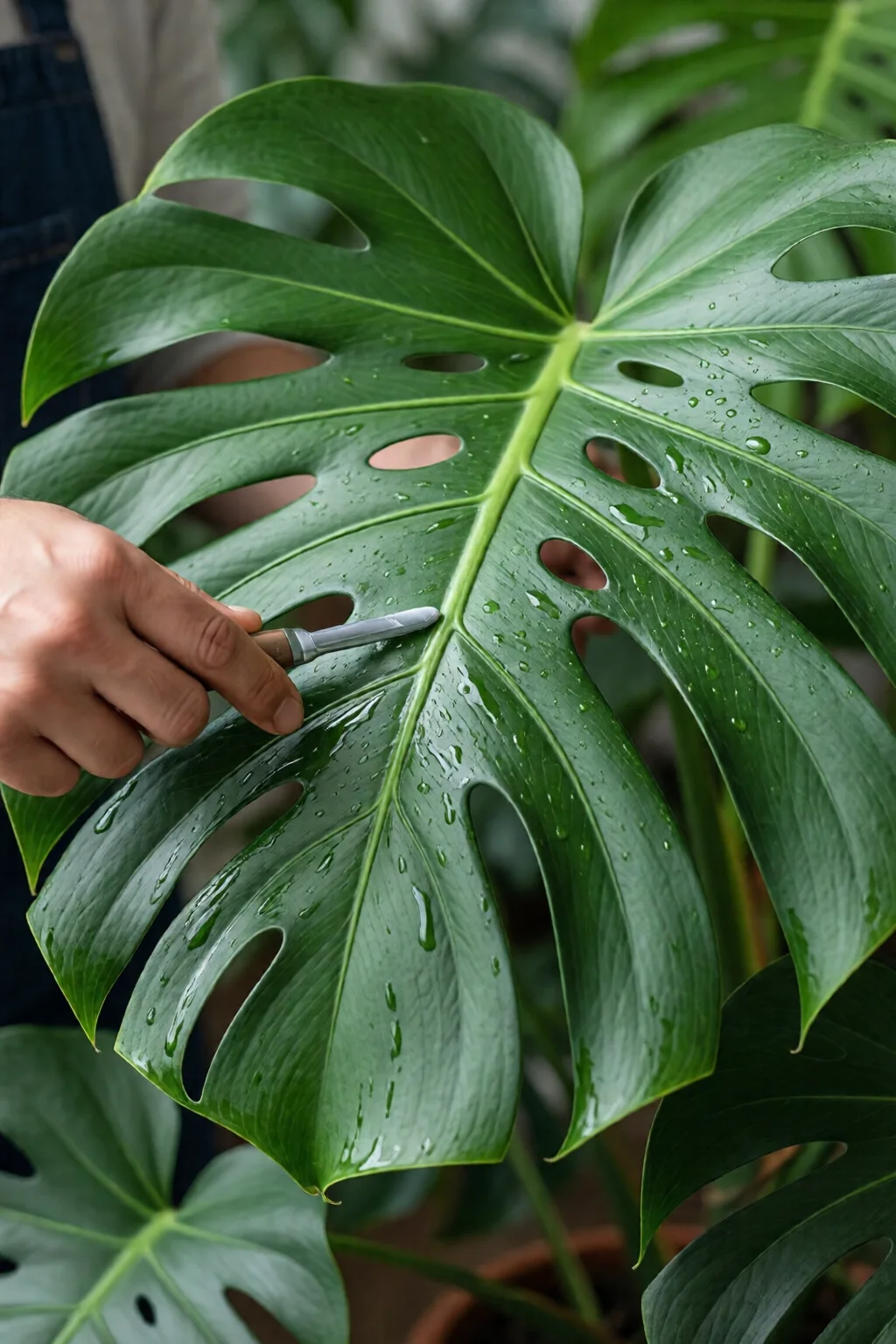
3. Keep Humidity in Check
Monstera thrives at 60‑80% relative humidity. In dry climates or winter heating, the air can drop below 30%, leading to brown leaf tips.
My go‑to solution is a Honeywell HCM350W humidifier (≈$69) set to 70% for a 500‑sq‑ft living room. Pair it with a pebble tray filled with water beneath the pot for a micro‑boost.
- DIY humidity boost: Mist the leaves once a day with a spray bottle (use filtered water to avoid mineral deposits).
- Seasonal adjustment: Increase misting to twice daily in winter, reduce to once in summer when ambient humidity rises.
Pros: Higher humidity encourages larger leaf perforations.
Cons: Too much humidity without airflow can invite spider mites.
4. Pick the Perfect Soil Mix & Repotting Routine
Good drainage is non‑negotiable. A blend of 1 part peat moss, 1 part pine bark fines, and 1 part perlite gives the airy structure Monstera loves.
For a ready‑made option, I recommend Espoma Organic Potting Mix ($12 for 4 qt). It contains perlite and earthworm castings, providing both drainage and nutrients.
- When to repot: Every 18‑24 months, or when roots peek out of the drainage holes.
- Pot size: Upgrade to a pot 2‑3 inches larger in diameter. A 14‑inch ceramic pot with a self‑watering reservoir (≈$45) can reduce watering frequency by up to 30%.
- Technique: Gently loosen the root ball, trim any dead or mushy roots, and place the plant at the same depth as before.
Pros: Well‑draining mix prevents root rot.
Cons: Pure peat can retain too much water; always add perlite or coarse sand.
5. Feed Your Monstera with the Right Fertilizer
During the active growth phase (spring‑early fall), feed every 4‑6 weeks with a balanced 20‑20‑20 liquid fertilizer diluted to half strength. I use Miracle‑Gro All Purpose Plant Food ($8 for 1 qt).
For a more organic approach, mix 1 tablespoon of Espoma Organic Plant Food per gallon of water.
- Why half strength? Monstera’s roots are sensitive; full strength can cause leaf burn and tip necrosis.
- Fertilizer schedule: Skip feeding in winter when the plant’s growth slows.
Pros: Regular feeding yields larger, more perforated leaves.
Cons: Over‑fertilizing leads to salt buildup—flush the soil with water every 3 months.
6. Support, Prune, and Shape Your Plant
Monstera’s aerial roots love to climb. Providing a moss pole (≈$25 for a 4‑ft pole with sphagnum moss) encourages vertical growth and reduces sprawling.
Pruning is both aesthetic and health‑focused. Use clean, sharp pruning shears to remove:
- Yellowed or damaged leaves.
- Leggy stems that lack fenestration.
- Any stem with a root ball that looks soggy.
After pruning, dip the cut end in bonseed Rooting Hormone (≈$6) before re‑planting or anchoring to a support.
Pros: Supports natural growth habit and improves airflow.
Cons: Over‑pruning can shock the plant; limit cuts to no more than 25% of foliage at a time.
7. Guard Against Common Pests
Spider mites, mealybugs, and scale insects love the warm, humid environment Monstera provides. Here’s a quick action plan:
- Inspection: Check the undersides of leaves weekly. Look for fine webbing (spider mites) or cottony masses (mealybugs).
- Organic treatment: Mix 1 tablespoon neem oil with 1 quart water, add a few drops of dish soap, and spray every 7 days until pests disappear. A 16‑oz bottle of Bonide Neem Oil costs about $12.
- Mechanical removal: Dab mealybugs with a cotton swab dipped in rubbing alcohol.
Pros: Early detection prevents infestations.
Cons: Heavy pesticide use can harm beneficial microbes in the soil.
8. Propagation Made Easy
Monstera is one of the easiest houseplants to propagate. I’ve successfully rooted over 30 cuttings in three years using water and soil methods.
- Select a node: Choose a stem with at least one leaf and an aerial root.
- Cut: Use sterilized scissors to make a 2‑inch cut just below the node.
- Water method: Place the cutting in a jar of water, change water every 2‑3 days. Roots appear in 2‑4 weeks.
- Soil method: Dip the cut end in rooting hormone, plant in a small pot with the same airy mix described above, keep soil moist and cover with a clear plastic bag to maintain humidity.
Rooted cuttings can be sold or given away. A 4‑inch pot with soil costs less than $3, and you’ll have a new plant in under a month.

Comparison Table: Top Products for Monstera Care
| Product | Purpose | Price (USD) | Key Features | Rating (out of 5) |
|---|---|---|---|---|
| Espoma Organic Potting Mix (4 qt) | Soil mix | $12 | Contains perlite, earthworm castings; pH 6.5‑7.0 | 4.7 |
| Roleadro LED Grow Light 45W | Supplemental lighting | $34 | Full spectrum, dimmable, 12‑hour timer | 4.5 |
| Honeywell HCM350W Humidifier | Humidity control | $69 | Up to 80% humidity, 350 ml/h output | 4.4 |
| Bonide Neem Oil (16 oz) | Pest management | $12 | Organic, 5‑year shelf life | 4.6 |
| Moss Pole with Sphagnum (4‑ft) | Support & training | $25 | Pre‑soaked, biodegradable, fits 12‑inch pots | 4.8 |
FAQ
How often should I water my Monstera in winter?
In winter, water every 14‑18 days, allowing the top 2‑3 inches of soil to dry out before each watering. Adjust if your home is especially dry or heated.
Can I keep a Monstera in a low‑light apartment?
Yes, but provide supplemental light with a 45‑watt LED grow light placed 12‑18 inches above the foliage. Rotate the plant weekly to maintain even growth.
What’s the best fertilizer for a Monstera?
A balanced 20‑20‑20 liquid fertilizer diluted to half strength, applied every 4‑6 weeks during the growing season, works well. For organics, use Espoma Plant Food at the same interval.
How do I know if my Monstera has root rot?
Look for soft, mushy stems, a foul odor from the soil, and blackened roots when you gently remove the plant from its pot. Repot immediately using fresh, well‑draining mix.
Can I propagate Monstera in water and then move it to soil?
Absolutely. Once the roots are 2‑3 inches long (usually 2‑4 weeks), transplant the cutting into an airy potting mix. Keep the soil moist for the first two weeks to avoid shock.
Final Verdict
Mastering how to care for Monstera plant isn’t a mystery—it’s a series of measured choices: bright, indirect light; a disciplined watering rhythm; humidity that mimics a rainforest; a well‑draining soil blend; occasional feeding; and vigilant pest control. By following the eight steps above, you’ll see new, perforated leaves appear within weeks, and your Monstera will become the centerpiece of any indoor jungle.
3 commentaires sur « How To Care For Monstera Plant – Everything You Need to Know »