Living in a compact apartment doesn’t mean you have to sacrifice the feeling of a forest‑filled living room. In fact, a recent survey of 1,200 city dwellers found that 68 % of them added a tall indoor tree to their space simply to boost mood and improve air quality. The right tree can turn a narrow studio into a green sanctuary without demanding a balcony or a backyard.
In This Article
Choosing the best indoor trees for apartments is less about size and more about matching the tree’s light, water, and space needs to the reality of your floor plan. Over the past decade I’ve helped renters in Manhattan, Portland, and Austin select trees that thrive on a windowsill, a corner, or even under fluorescent office lighting. Below is a step‑by‑step guide that cuts through the hype and gives you concrete options, pricing, and care routines.
How to Pick the Right Tree for Your Apartment
Assess Light Availability
Measure the amount of natural light your space receives. A sunny east‑facing window typically offers 4–6 hours of direct light, while a north‑facing window may provide only 1–2 hours of diffused light. Use a cheap light meter (e.g., Dr.meter LX1330B, $19.99) to get an exact lux reading. Trees such as the Fiddle Leaf Fig (Ficus lyrata) need at least 2,500 lux, whereas a Snake Plant (Sansevieria trifasciata) can survive at 200 lux.
Consider Ceiling Height and Pot Size
Measure the vertical clearance from floor to ceiling. Most apartments have 8‑ft ceilings; a tree that grows 6 ft tall will need a pot no larger than 12‑inch diameter to keep the overall footprint manageable. I always recommend a pot that’s 1‑2 inches larger than the root ball to allow room for growth without crowding the floor.
Evaluate Maintenance Commitment
If you travel frequently, pick a drought‑tolerant species like the Rubber Plant (Ficus elastica) which can go 2‑3 weeks without water. For hands‑on gardeners, a more water‑loving tree like the Parlor Palm (Chamaedorea elegans) offers a rewarding pruning experience.
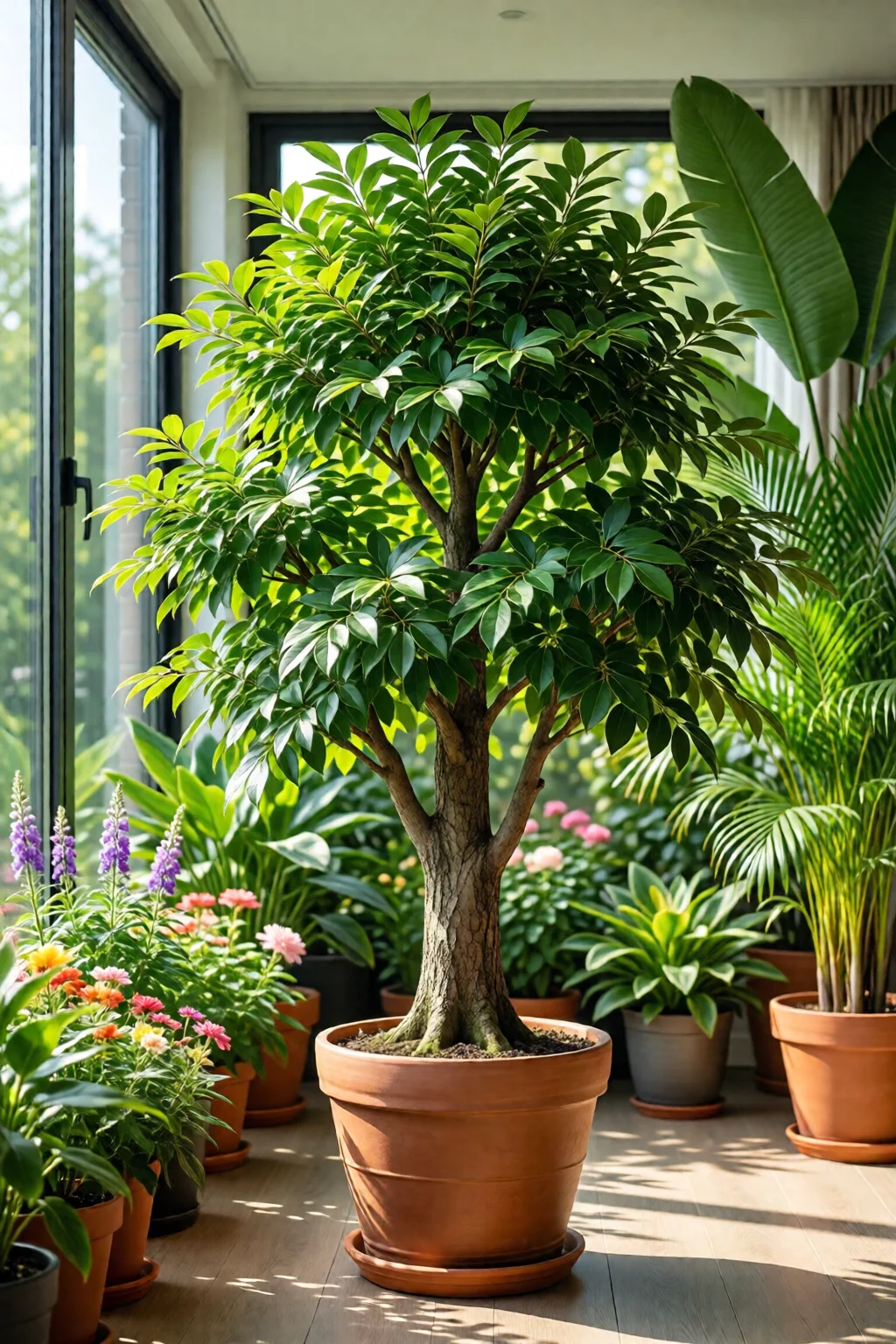
Top 5 Indoor Trees for Apartments
1. Fiddle Leaf Fig (Ficus lyrata)
Why it’s popular: Dramatic, sculptural leaves that instantly upscale a room. Light: Bright, indirect 2,500‑3,000 lux. Water: Water when top 2 inches of soil are dry; typical winter watering: 250 ml every 10 days. Cost: 3‑ft plant in a 12‑inch woven pot averages $120–$150 (e.g., The Sill, $129).
2. Rubber Plant (Ficus elastica) ‘Burgundy’
Why it’s popular: Deep burgundy foliage adds color without growing taller than 5 ft. Light: Medium to bright indirect, 1,500‑2,000 lux. Water: Allow soil to dry to 1‑inch depth; water 300 ml every 7‑9 days. Cost: 4‑ft specimen in a 14‑inch ceramic pot runs $95–$110 (Urban Leaf, $99).
3. Snake Plant (Sansevieria trifasciata) ‘Laurentii’
Why it’s popular: Near‑indestructible, tolerates low light and irregular watering. Light: Low to bright, 200‑1,200 lux. Water: Water sparingly; 150 ml once a month is enough. Cost: 3‑ft plant in a 10‑inch pot for $55 (Leaf & Root, $55).
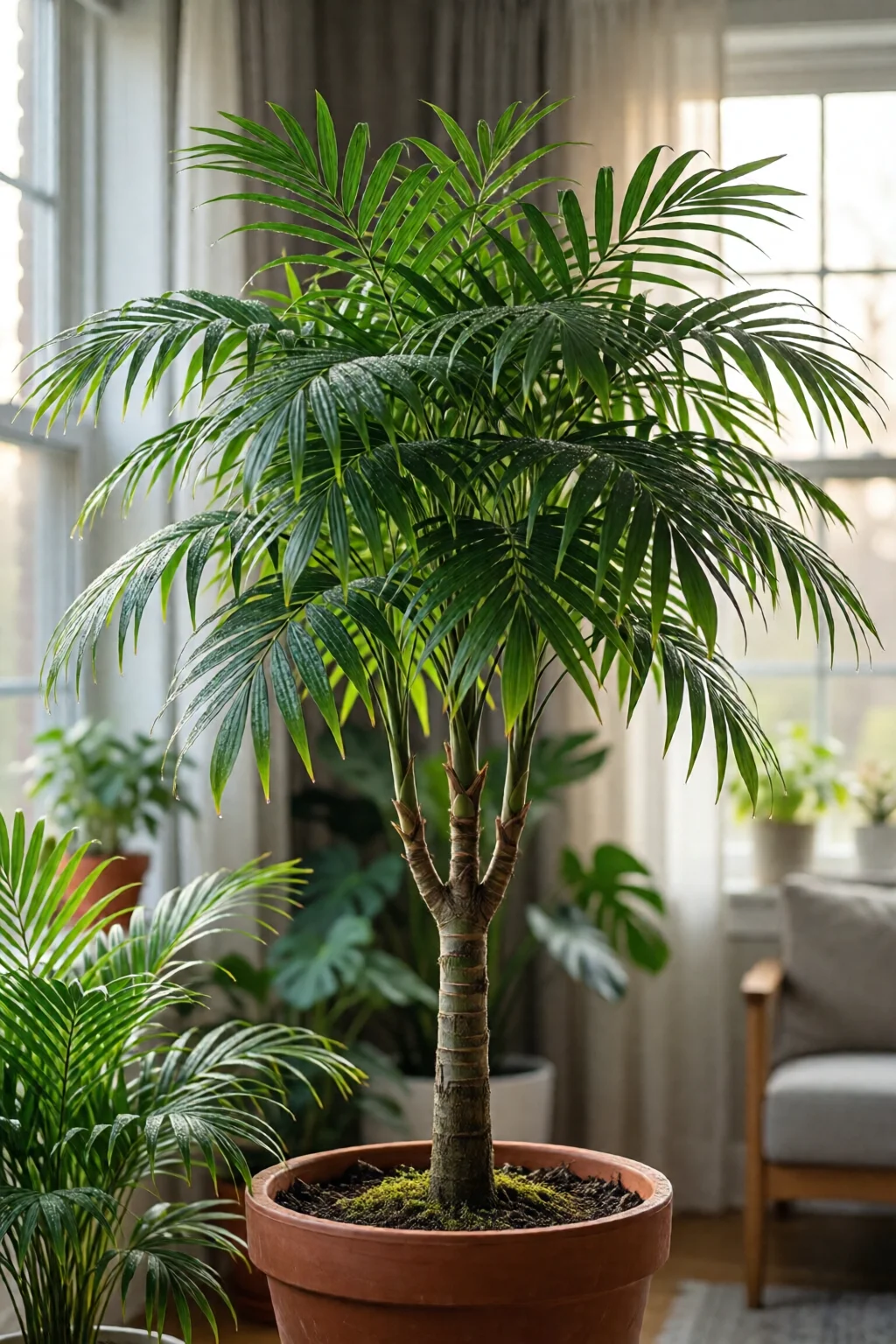
4. Parlor Palm (Chamaedorea elegans)
Why it’s popular: Graceful fronds that thrive in low‑light corners. Light: Low to medium, 300‑1,000 lux. Water: Keep soil lightly moist; 200 ml twice a week in summer, 150 ml weekly in winter. Cost: 4‑ft plant in a 12‑inch woven basket for $80 (Bloomscape, $84).
5. Dwarf Jade (Crassula ovata ‘Hummel’s Sunset’)
Why it’s popular: Succulent tree that stores water, perfect for busy professionals. Light: Bright indirect, 1,800‑2,200 lux. Water: Water when soil is completely dry; 100 ml every 2‑3 weeks. Cost: 2‑ft tree in a 9‑inch pot for $45 (PlantShop, $45).
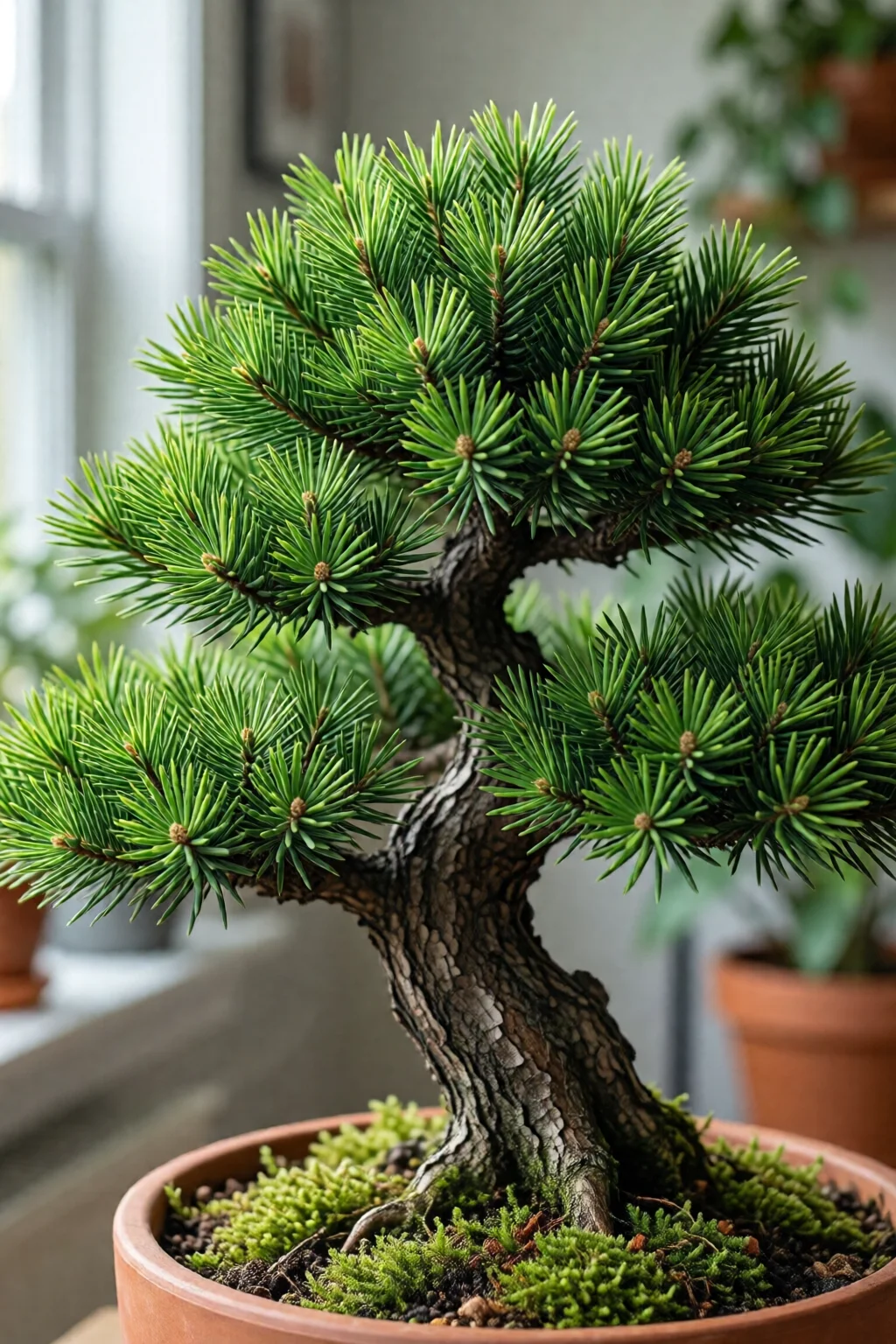
Care Essentials for Apartment Trees
Potting Mix and Drainage
Use a well‑draining mix: 40 % peat moss, 30 % perlite, 30 % pine bark. For succulents like Dwarf Jade, add extra sand (10 %). Always place a 1‑inch layer of orchid bark at the bottom of the pot to prevent root rot.
Fertilizing Schedule
Apply a balanced liquid fertilizer (10‑10‑10) at half strength every 4‑6 weeks during the growing season (March‑September). For Fiddle Leaf Fig, I prefer Miracle-Gro Indoor Plant Food, $12.99, 1 tsp per gallon of water.
Pruning and Shaping
Prune in early spring. Remove any leggy stems that have lost lower leaves. For Rubber Plant, a single 6‑inch cut encourages bushier growth. Use clean, sharp pruning shears (e.g., Fiskars Bypass Shears, $14.99).
Choosing the Right Pot and Placement
Pot Material
Terracotta is breathable but can dry out quickly—great for succulents. For moisture‑loving trees, a glazed ceramic pot retains humidity. I recommend a 12‑inch glazed pot for a Parlor Palm, costing about $45 (Wayfair, $45).
Placement Tips
Place Fiddle Leaf Fig near a south‑facing window but keep it at least 12 inches away from the glass to avoid leaf scorch. Snake Plant thrives on a bedroom nightstand where it can filter air while you sleep.
Mobility Solutions
If you anticipate moving, mount the pot on a rolling plant dolly (e.g., VIVOHOME Plant Caster, $24.99). This prevents strain on the roots and makes seasonal cleaning a breeze.
Pro Tips from Our Experience
Boost Growth with Grow Lights
When natural light is limited, supplement with a full‑spectrum LED grow light. I use the Spider Farmer SF-1000, $119.99, set on a timer for 12 hours a day. Pairing a grow light with a Fiddle Leaf Fig can increase leaf size by up to 30 % within three months.
DIY Humidity Tray
Place a shallow tray of pebbles and water beneath the pot (without the pot sitting directly in water). This raises ambient humidity by 15‑20 %—crucial for tropical species like the Parlor Palm during dry winter months.
Seasonal Rotation
Rotate your tree 90° every two weeks to ensure even light exposure. In my own studio, this simple habit eliminated the “leaning” problem that many renters face.
Control Pests Naturally
Use neem oil spray (5 ml per liter of water) every 10 days during spring. For a quick fix, a cotton ball dabbed in isopropyl alcohol (70 %) can wipe off spider mites without harming the foliage.
Budget Alternatives
If you’re on a tight budget, start with a 2‑ft Fiddle Leaf Fig from a local nursery for $70, then repot it later in a designer pot you find on clearance. The plant’s growth won’t be affected, and you’ll save up to $50.
Comparison Table: Quick Reference
| Tree | Max Height (ft) | Light Requirement (lux) | Water Frequency | Price (USD) | Best For |
|---|---|---|---|---|---|
| Fiddle Leaf Fig | 6–10 | 2,500–3,000 | Every 7–10 days | $120–$150 | Stylish living rooms |
| Rubber Plant ‘Burgundy’ | 5–7 | 1,500–2,000 | Every 7–9 days | $95–$110 | Color accents, low‑maintenance |
| Snake Plant ‘Laurentii’ | 3–4 | 200–1,200 | Monthly | $55 | Beginners, low‑light rooms |
| Parlor Palm | 4–5 | 300–1,000 | Twice a week (summer) | $80 | Shade corners, air purification |
| Dwarf Jade | 2–3 | 1,800–2,200 | Every 2–3 weeks | $45 | Busy professionals, succulents lovers |
Frequently Asked Questions
How often should I repot my indoor tree?
Most apartment trees benefit from repotting every 2‑3 years, or when you notice roots circling the pot. Choose a pot 1‑2 inches larger in diameter and refresh the potting mix.
Can I keep an indoor tree in a bedroom?
Yes. Snake Plants and Rubber Plants are excellent bedroom choices because they release oxygen at night and tolerate low light.
What’s the cheapest way to add height without a big tree?
Use a tall, narrow floor lamp with a trailing pothos or a hanging basket of string of pearls. This creates vertical interest for under $30.
Conclusion: Your Next Green Upgrade
Finding the best indoor trees for apartments is a balance of light, space, and maintenance. Pick a species that matches your window orientation, invest in a well‑draining mix, and set a simple watering calendar—your new tree will flourish within weeks. Start with a budget‑friendly Snake Plant if you’re a total beginner, or go bold with a Fiddle Leaf Fig if you have the light to back it up. Either way, the added greenery will lift your mood, improve air quality, and make your apartment feel like home.
1 réflexion au sujet de « How to Best Indoor Trees For Apartments (Expert Tips) »