Imagine stepping into your living room and being greeted by a splash of color every single day of the year. That’s the magic of indoor plants that bloom all year – they turn any space into a living gallery without the seasonal wait. In this guide I’ll walk you through the top performers, how to keep them thriving, and the little tricks that make continuous flowering possible.
In This Article
- 1. Anthurium ‘Red’ (Flamingo Flower)
- 2. Kalanchoe ‘Flaming Sword’ (Kalanchoe blossfeldiana)
- 3. Phalaenopsis ‘Moth Orchid’
- 4. Bromeliad ‘Aechmea fasciata’ (Urn Plant)
- 5. Peace Lily ‘Spathiphyllum ‘Mauna Loa’
- 6. African Violet ‘Saintpaulia ‘Raven’
- 7. Clivia ‘Clivia miniata’ (Kaffir Lily)
- Comparison Table of Top Year‑Round Bloomers
- Final Verdict
Whether you’re a seasoned plant parent or just starting out, knowing which species truly flower year‑round and how to meet their needs can save you time, money, and a lot of frustration. Below you’ll find my curated list, complete with pros, cons, price points, and care tips that I’ve refined over a decade of gardening and interior landscaping.
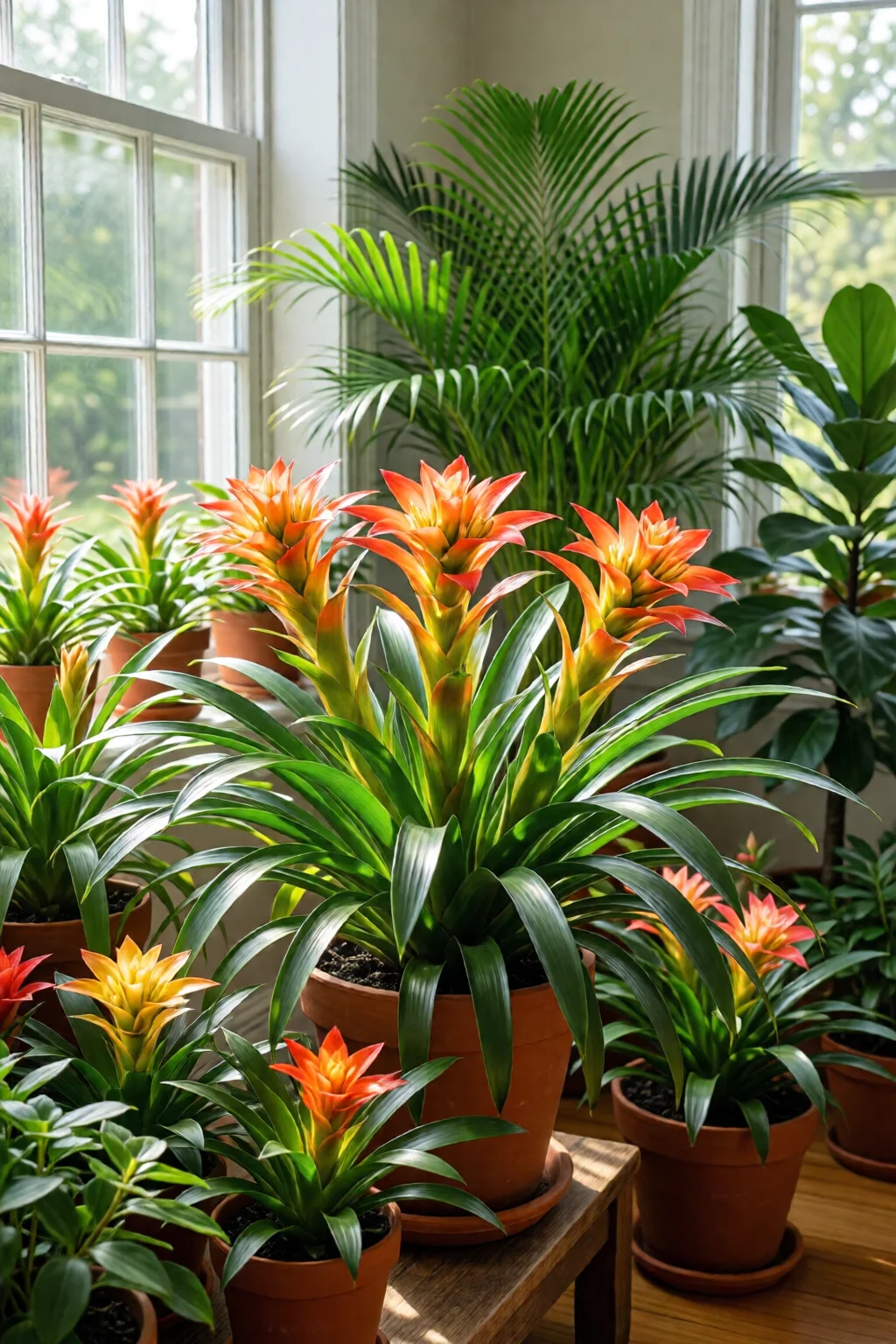
1. Anthurium ‘Red’ (Flamingo Flower)
Anthuriums are the go‑to for bold, heart‑shaped blooms that last weeks on end. The ‘Red’ cultivar is especially reliable, producing glossy scarlet flowers from late winter through late fall, and with the right conditions, they will keep pushing new spathes into spring.
Care Essentials
- Light: Bright, indirect light (≈ 200‑500 lux). A north‑facing window with sheer curtains works well.
- Water: Keep the soil evenly moist but never soggy; water when the top 2 cm feel dry. Over‑watering leads to root rot.
- Humidity: 60‑80 % – I use a tabletop humidifier set to 70 % in my apartment.
- Temperature: 18‑27 °C (65‑80 °F). Avoid drafts.
- Fertilizer: ¼ strength balanced liquid fertilizer (NPK 20‑20‑20) every 4 weeks during the growing season.
Pros / Cons
| Pros | Cons |
|---|---|
| Long‑lasting, vibrant blooms | Requires high humidity |
| Attractive glossy foliage | Sensitive to chlorine in tap water |
Rating: 4.7/5
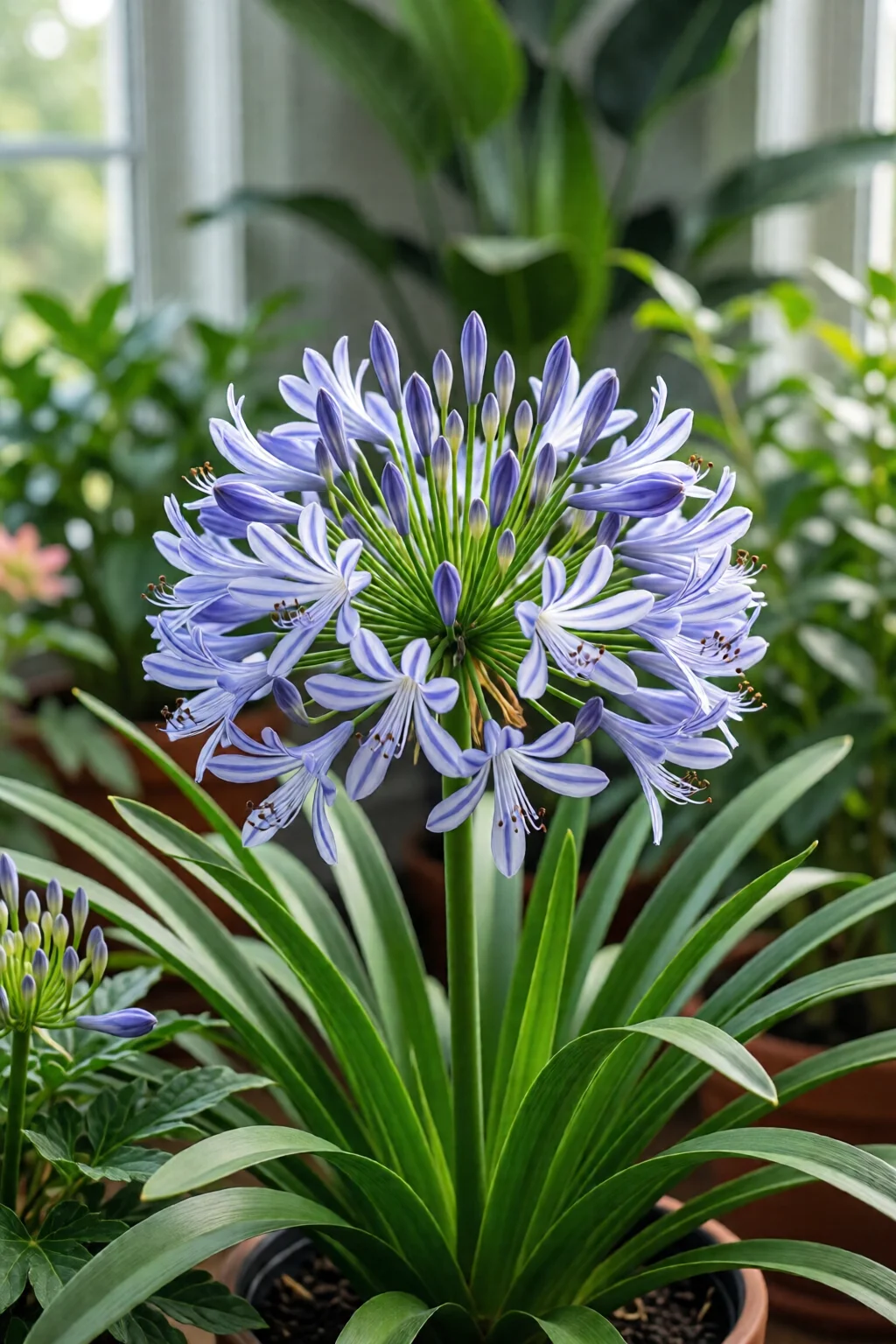
2. Kalanchoe ‘Flaming Sword’ (Kalanchoe blossfeldiana)
Kalanchoe is a succulent that throws out clusters of tiny, tubular flowers nearly all year if you give it a regular “day‑light” schedule. The ‘Flaming Sword’ variety offers red‑orange spikes that can brighten a kitchen windowsill.
Care Essentials
- Light: 6‑8 hours of bright, direct light. A south‑facing windowsill is ideal.
- Water: Allow soil to dry completely between waterings; typically every 10‑14 days.
- Humidity: 40‑50 % (average indoor humidity is fine).
- Temperature: 15‑24 °C (60‑75 °F).
- Fertilizer: Feed with a low‑nitrogen fertilizer (NPK 10‑30‑20) once a month.
- Trigger Blooming: A 12‑hour light/12‑hour dark cycle encourages continuous flowering.
Pros / Cons
| Pros | Cons |
|---|---|
| Very low water needs | Needs consistent light schedule |
| Compact – fits in small pots (4‑6 in) | Leaves can drop if over‑watered |
Rating: 4.5/5 – Average price $12‑$18 for a 6‑inch pot
3. Phalaenopsis ‘Moth Orchid’
Orchids get a bad rap for being finicky, but the Phalaenopsis, especially the ‘Moth’ hybrid, can bloom repeatedly with proper feeding. Each spike can produce flowers for up to 8 weeks, and new spikes emerge about every 2‑3 months.
Care Essentials
- Light: Moderate, indirect light – an east‑facing window works best.
- Water: Water once a week, letting water run through the pot and drain fully.
- Humidity: 50‑70 % – I hang a pebble tray filled with distilled water.
- Temperature: 18‑29 °C (65‑85 °F).
- Fertilizer: Orchid-specific 30‑20‑20 fertilizer, ¼ strength, every 2 weeks.
- Repotting: Every 18‑24 months in a bark mix (2‑inch chunky bark).
Pros / Cons
| Pros | Cons |
|---|---|
| Elegant, long‑lasting flowers | Requires bark medium, not soil |
| Adaptable to low‑light homes | Higher upfront cost ($30‑$55 for a 7‑inch pot) |
Rating: 4.6/5 – see my detailed rubber plant care guide indoors for humidity tricks that also help orchids.
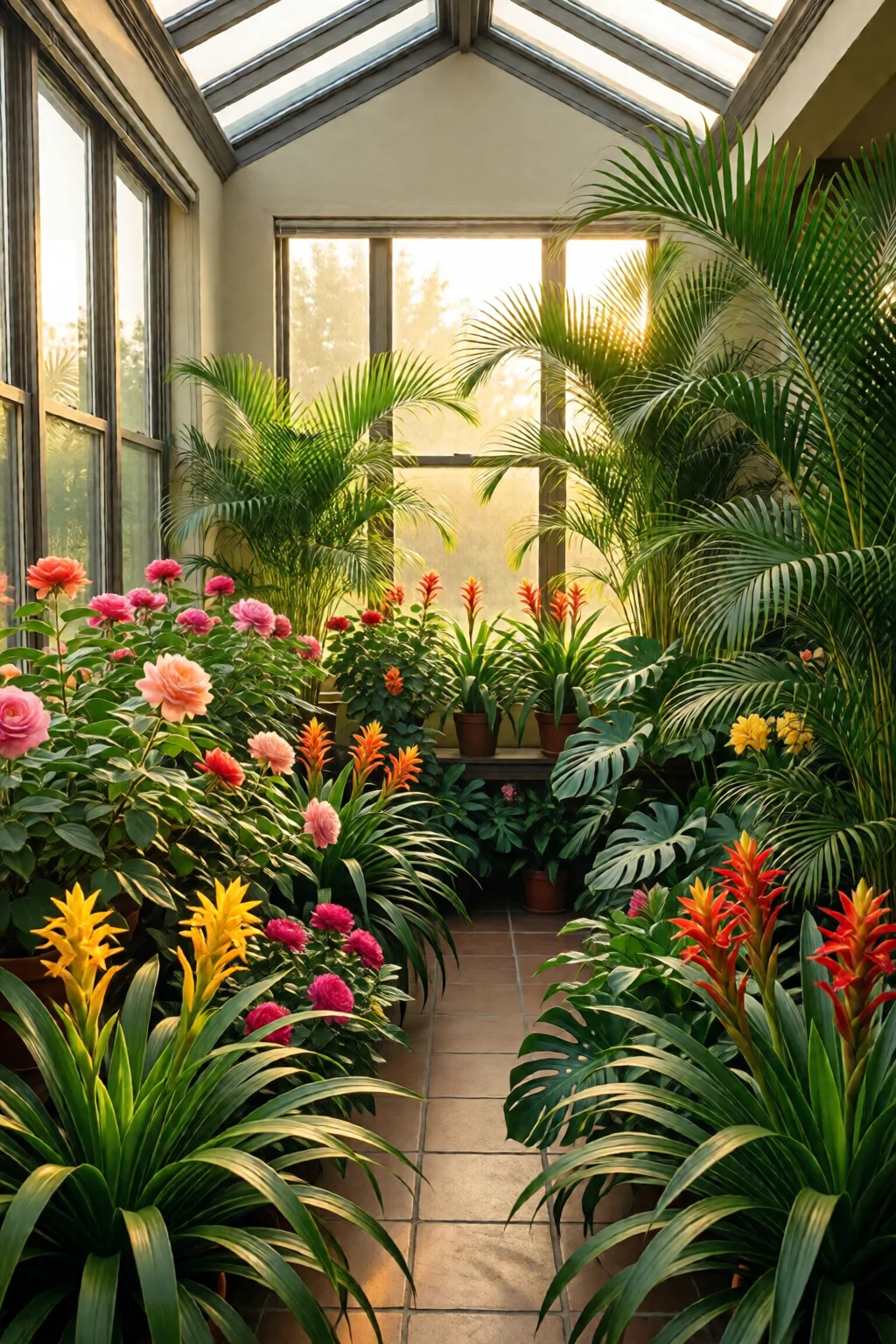
4. Bromeliad ‘Aechmea fasciata’ (Urn Plant)
Bromeliads are known for their striking central “urn” that holds water, and the ‘Aechmea fasciata’ produces a pink‑red inflorescence that can persist for months. With proper care, the plant will re‑bloom after the first flower fades.
Care Essentials
- Light: Bright, filtered light – a spot near a west‑facing window.
- Water: Keep the central cup filled with distilled water; replace weekly.
- Soil: Fast‑draining mix (equal parts peat, perlite, and pine bark).
- Humidity: 55‑65 %.
- Temperature: 20‑28 °C (68‑82 °F).
- Fertilizer: Add a few drops of liquid fertilizer to the cup water once a month.
Pros / Cons
| Pros | Cons |
|---|---|
| Unique water‑holding rosette | Needs regular water change |
| Low‑maintenance foliage | Inflorescence can be pricey ($25‑$35) |
Rating: 4.4/5
5. Peace Lily ‘Spathiphyllum ‘Mauna Loa’
Peace lilies are a classic for indoor spaces, and the ‘Mauna Loa’ cultivar is a heavy bloomer. Expect white spathes almost every month, especially when you keep the plant in a bright, indirect spot.
Care Essentials
- Light: Low to medium light; bright indirect light boosts bloom frequency.
- Water: Keep soil consistently moist; the top inch should never dry out.
- Humidity: 50‑70 % – misting helps.
- Temperature: 18‑26 °C (65‑80 °F).
- Fertilizer: Monthly dose of ½ strength houseplant fertilizer (NPK 10‑10‑10).
Pros / Cons
| Pros | Cons |
|---|---|
| Air‑purifying qualities (NASA study) | Leaves are sensitive to fluoride in tap water |
| Thrives in low‑light corners | Can develop brown leaf tips if humidity is low |
Rating: 4.3/5 – Typical price $20‑$30 for a 10‑inch pot
6. African Violet ‘Saintpaulia ‘Raven’
These compact perennials love the glow of a sunny windowsill and can produce violet‑blue flowers almost continuously if you keep the soil moist and provide a 12‑hour light cycle. They’re perfect for small apartments.
Care Essentials
- Light: 10‑12 hours of bright, indirect light; a fluorescent grow light works for winter months.
- Water: Bottom‑water to avoid leaf spots – soak the saucer for 5 minutes, then let excess drain.
- Humidity: 60‑70 % – a humidity dome is useful.
- Temperature: 18‑24 °C (65‑75 °F).
- Fertilizer: Weekly feed with African violet fertilizer (NPK 10‑30‑20).
Pros / Cons
| Pros | Cons |
|---|---|
| Compact – fits on a desk | Leaves can brown if water splashes on them |
| Very affordable ($5‑$12 per plant) | Needs consistent humidity |
Rating: 4.2/5
7. Clivia ‘Clivia miniata’ (Kaffir Lily)
Clivias are often overlooked but they produce clusters of orange‑red trumpets that can appear year‑round in a warm indoor environment. They thrive in low‑light corners, making them perfect for office desks.
Care Essentials
- Light: Low to medium indirect light.
- Water: Allow the soil to dry 2‑3 cm deep between watering; over‑watering leads to rot.
- Humidity: 40‑60 % – average indoor humidity works.
- Temperature: 15‑24 °C (60‑75 °F).
- Fertilizer: Monthly application of a balanced liquid fertilizer (NPK 20‑20‑20) during the growing season.
Pros / Cons
| Pros | Cons |
|---|---|
| Very tolerant of low light | Slow growth – may take a season to bloom |
| Long‑lasting, fragrant flowers | Bulb needs occasional repotting (every 3‑5 years) |
Rating: 4.1/5 – Price $25‑$40 for a 7‑inch pot
Comparison Table of Top Year‑Round Bloomers
| Plant | Light Requirements | Bloom Period | Typical Price (US$) | Maintenance Rating (1‑5) |
|---|---|---|---|---|
| Anthurium ‘Red’ | Bright indirect (200‑500 lux) | Late Winter – Fall | 30‑45 (12‑in pot) | 4 |
| Kalanchoe ‘Flaming Sword’ | Direct south‑facing | Year‑round (12‑hr light cycle) | 12‑18 (6‑in pot) | 5 |
| Phalaenopsis ‘Moth Orchid’ | Moderate indirect | Every 2‑3 months, 8 weeks per spike | 30‑55 (7‑in pot) | 3 |
| Bromeliad ‘Aechmea fasciata’ | Bright filtered | 6‑12 months, then re‑bloom | 25‑35 (8‑in pot) | 4 |
| Peace Lily ‘Mauna Loa’ | Low‑to‑medium indirect | Monthly, especially with bright light | 20‑30 (10‑in pot) | 4 |
| African Violet ‘Raven’ | Bright indirect or grow light | Continuous with proper light | 5‑12 (4‑in pot) | 5 |
| Clivia ‘Miniata’ | Low‑to‑medium indirect | Year‑round in warm home | 25‑40 (7‑in pot) | 3 |
Final Verdict
If you want a splash of color without waiting for spring, focus on plants that match your light situation, budget, and willingness to maintain humidity. For bright apartments, Kalanchoe ‘Flaming Sword’ and Anthurium ‘Red’ deliver the most dramatic, continuous blooms. In lower‑light homes, Peace Lily and Clivia provide reliable, year‑round flowers with minimal fuss. And for those who love a touch of elegance, the Phalaenopsis ‘Moth Orchid’ is worth the extra investment.
Remember, continuous blooming isn’t magic—it’s about mimicking the plant’s natural cues: consistent light, proper watering, occasional feeding, and the right temperature envelope. Follow the care guidelines above, and you’ll have a living, breathing celebration of colour all year long.
How often should I fertilize indoor plants that bloom all year?
For most of the species listed, a balanced liquid fertilizer at ¼‑½ strength every 4‑6 weeks during the active growing season (spring through early fall) is ideal. Over‑fertilizing can cause soft growth and fewer blooms.
Can I grow these plants in a low‑light office?
Yes. Peace Lily, Clivia, and African Violet tolerate lower light levels. Pair them with a compact LED grow light (≈ 3000 lumens) on a 12‑hour timer to boost flowering.
What’s the cheapest option for continuous indoor blooms?
African Violet ‘Raven’ is the most budget‑friendly, often under $10 for a 4‑inch pot, and it will flower month after month with proper watering and humidity.
Do I need special soil for these plants?
Most thrive in a well‑draining potting mix. Orchid bark for Phalaenopsis, a cactus/succulent mix for Kalanchoe, and a peat‑perlite‑bark blend for Anthurium work best. Avoid heavy garden soil.
Can I combine these bloomers with the best indoor trees for apartments?
Absolutely. Pair a mid‑size Fiddle Leaf Fig (best indoor trees for apartments) with a low‑light Peace Lily or Clivia to create layered height and constant colour.
4 commentaires sur « Indoor Plants That Bloom All Year: Complete Guide for 2026 »