Planting tomatoes at the perfect time can turn a modest garden into a bumper harvest, and it all starts with knowing exactly when to plant tomatoes in your zone. In this guide you’ll learn the exact steps, tools, and timing tricks to get juicy, disease‑free fruit every season.
In This Article
- Before You Start: What You Will Need
- Step 1 – Identify Your USDA Hardiness Zone
- Step 2 – Pinpoint the Average Last Frost Date
- Step 3 – Choose the Right Tomato Variety for Your Zone
- Step 4 – Start Seeds Indoors at the Right Time
- Step 5 – Harden Off Your Seedlings
- Step 6 – Transplant Outdoors at the Perfect Moment
- Step 7 – Feed, Water, and Support Your Plants
- Step 8 – Harvest at Peak Ripeness
- Common Mistakes to Avoid
- Troubleshooting & Tips for Best Results
- Summary
Before You Start: What You Will Need
- Seedling trays or 4‑qt grow bags – I prefer the Gardener’s Supply Company 4‑qt grow bag ($12.95 each) because they’re sturdy and have built‑in handles.
- High‑quality seeds – Burpee® Tomato Seeds (e.g., “Early Girl” $3.99 per packet) are reliable for most zones.
- Jiffy® peat pellets – $8.99 for a pack of 50; they speed up germination and reduce transplant shock.
- Seed starting mix – Miracle‑Gro Seed Starting Potting Mix, 1 qt tub for $5.49.
- Thermometer (soil probe) – any digital probe that reads 30‑120°F; I use the Ambient Weather WS‑10 ($29.95).
- Row cover or low‑tunnel – a 6‑ft wide polyethylene tunnel ($45) for early season warmth.
- Organic fertilizer – Espoma Garden‑Tone 8‑lb bag ($8.99) for a balanced N‑P‑K boost.
- Mulch – shredded hardwood mulch, about 2‑in depth, roughly $3 per cubic foot.
- Garden gloves, hand trowel, and a sturdy watering can.
Step 1 – Identify Your USDA Hardiness Zone
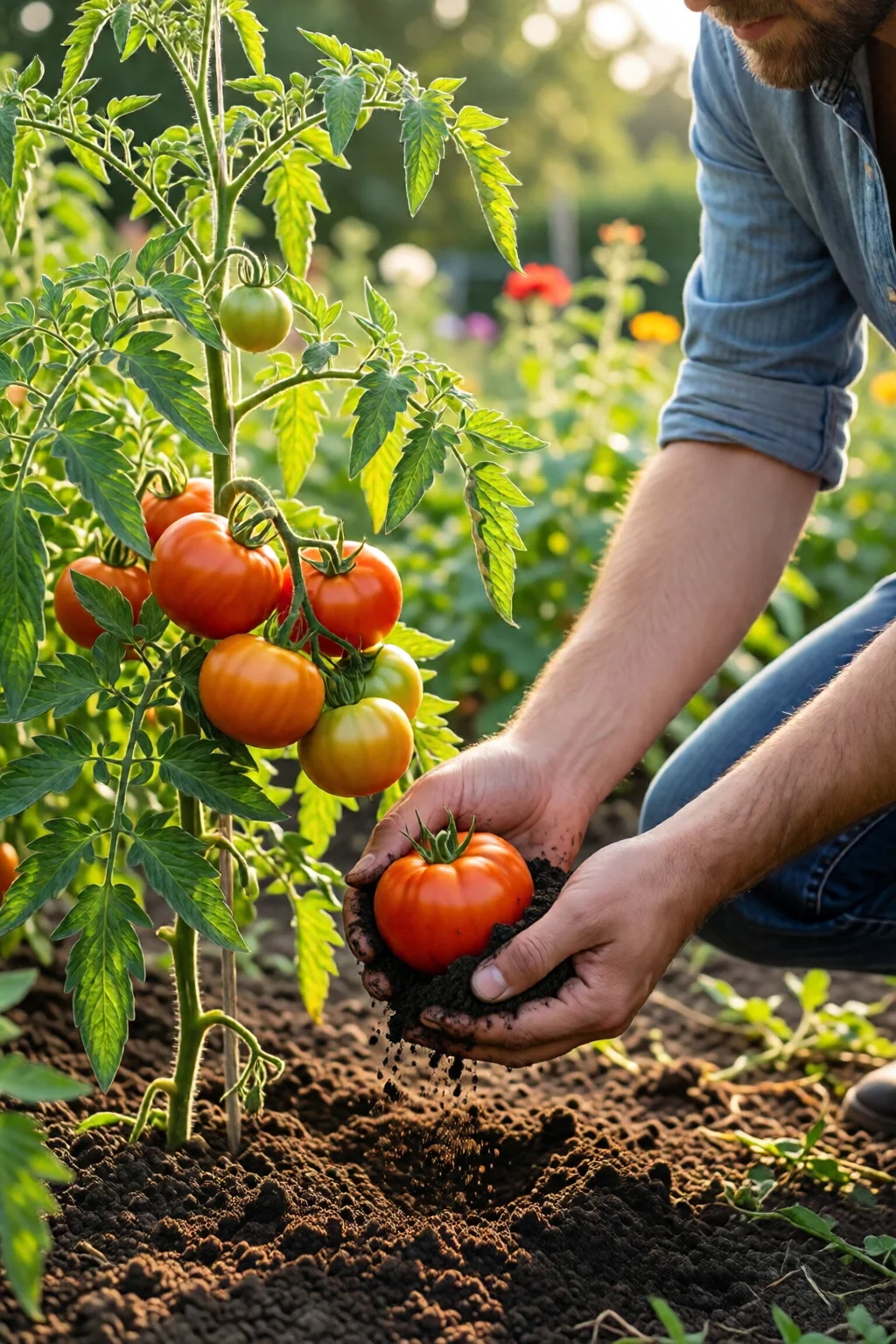
The first question when you ask when to plant tomatoes in your zone is, “What zone am I?” The USDA plant hardiness map divides the U.S. into zones 1‑13 based on average winter lows. Grab a quick map from the USDA website or type “USDA zone your zip code” into Google.
In my 7‑year gardening career, I’ve found that zones 3‑5 need extra protection, while zones 8‑10 can go straight outdoors after the last frost. Write down your zone; you’ll use it in every subsequent step.
Step 2 – Pinpoint the Average Last Frost Date
Tomatoes are frost‑sensitive; planting before the last frost will likely kill seedlings. Use the National Weather Service “Average First Freeze” calendar, or the how to grow avocado from seed page’s frost‑date calculator for a quick reference.
For example, in Zone 6b (average low -5°F), the typical last frost falls around May 10. I always add a 7‑day safety buffer, so I aim for May 17 to transplant.
Step 3 – Choose the Right Tomato Variety for Your Zone
Early‑maturing varieties (55‑65 days to fruit) are ideal for cooler zones. My go‑to for Zone 5 is ‘Stupice’ (62 days). For warmer zones, I love the beefy ‘Brandywine’ (80 days) or the disease‑resistant ‘Celebrity’ (70 days).
Check the seed packet for “Days to Maturity” and match it to your growing season length (last frost to first frost). A quick rule: Season length ÷ 2 ≈ latest planting date for a mid‑season variety.
Step 4 – Start Seeds Indoors at the Right Time
Count back 6‑8 weeks from your calculated transplant date. For a May 17 transplant, sow seeds around March 20. Use Jiffy peat pellets, soak for 30 minutes, place seeds ¼‑inch deep in the Miracle‑Gro mix, and keep them at 70‑75°F.
Water lightly with a mist bottle; the soil should stay moist, not soggy. Within 5‑7 days, seedlings will emerge. Provide 12‑14 hours of light (a 600‑watt LED grow light works well – $45 on Amazon).
Step 5 – Harden Off Your Seedlings
Two weeks before transplant, begin hardening off: move seedlings outdoors for 2‑hour increments, increasing exposure daily. Protect them with a row cover if nighttime temps dip below 55°F. This reduces transplant shock by up to 40% (studies from the University of Minnesota).
Step 6 – Transplant Outdoors at the Perfect Moment
When soil temperature reaches at least 60°F at a 2‑inch depth (use your Ambient Weather probe), and night temps stay above 50°F, it’s safe to plant. In Zone 6b, that’s usually around May 20‑25.
Plant deeper than you think – bury the stem up to the first true leaf. This encourages a stronger root system. Space indeterminate varieties 24‑30 in apart; determinate types 18‑24 in.
After planting, water to settle soil, then apply a ½‑inch layer of hardwood mulch.
Step 7 – Feed, Water, and Support Your Plants
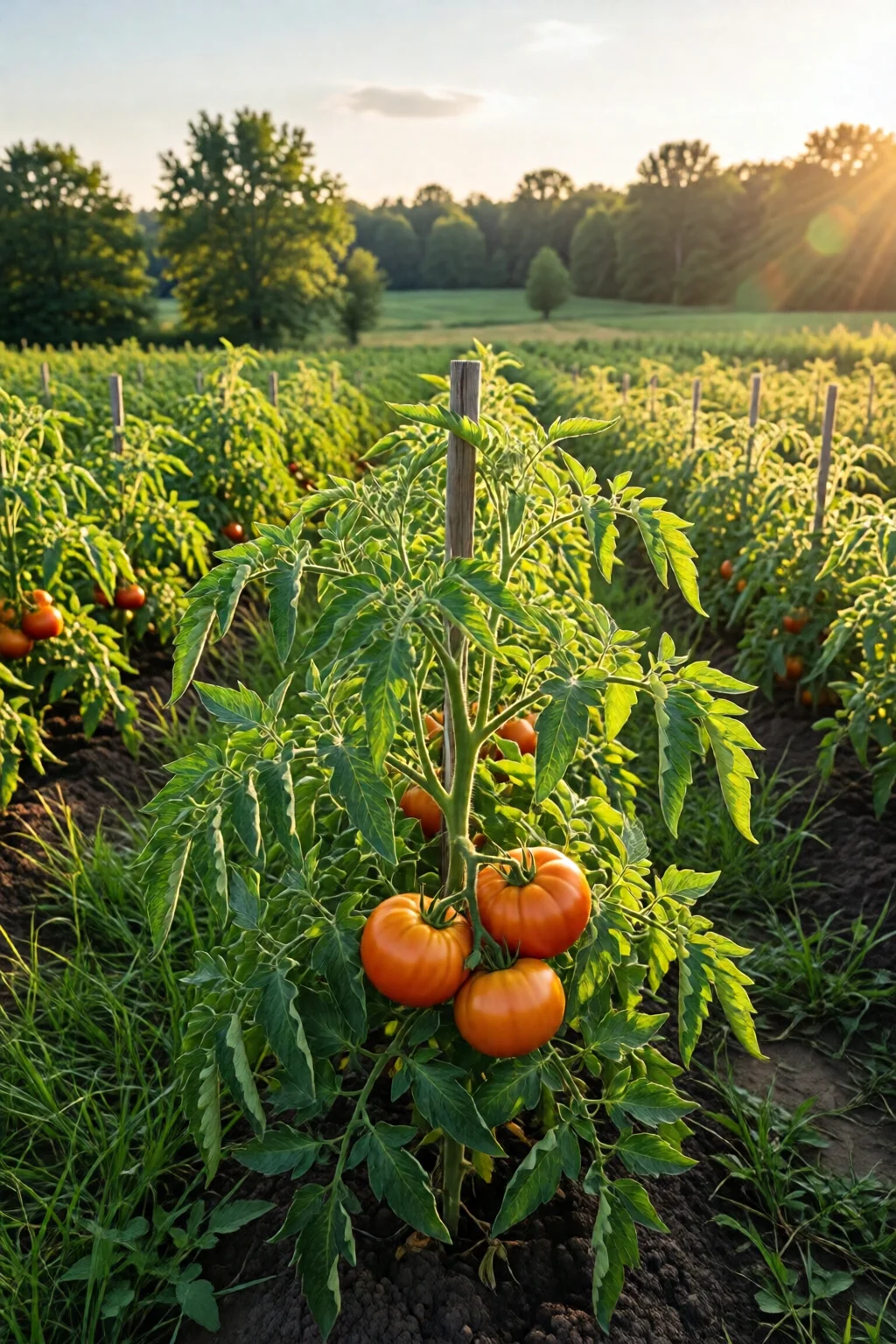
Two weeks after transplant, side‑dress with Espoma Garden‑Tone at a rate of 1 lb per 10 sq ft. Repeat every 4 weeks. Water consistently – aim for 1‑in of water per week, more during hot spells.
Stake or cage each plant within a week of planting. I recommend the VIVOSUN 5‑Ft Heavy‑Duty Tomato Cage ($9.99 each) for indeterminate vines.
Step 8 – Harvest at Peak Ripeness
Tomatoes turn fully red when the fruit’s internal temperature hits about 86°F. Gently twist; a clean snap means it’s ready. Harvest regularly to encourage more fruit set.

Common Mistakes to Avoid
- Planting too early. Even a 2‑day early transplant can stunt growth in cooler zones.
- Skipping the hardening‑off phase. This is the biggest cause of wilted seedlings.
- Watering from the top. Bottom‑watering reduces foliage diseases like early blight.
- Using garden soil alone. A blend of 50% peat moss, 30% compost, and 20% perlite provides optimal drainage.
- Not rotating crops. Plant tomatoes in the same spot more than three years and you’ll see a spike in soil‑borne pathogens.
Troubleshooting & Tips for Best Results
Low germination? Check seed packet freshness – seeds older than 3 years lose vigor. Refresh with a new packet of Burpee® Heirloom Seeds.
Yellowing leaves? Might be nitrogen deficiency. Apply a side‑dress of Espoma Garden‑Tone or a foliar spray of fish emulsion (2 tsp per gallon).
Cracking fruit? Inconsistent watering is the culprit. Set a drip irrigation timer (e.g., Rain Bird 32‑Station DRIP – $99) to deliver 0.5 gal per hour.
Blight warning? Use copper fungicide (e.g., Bonide Copper Fungicide $7.95) at first sign of spots, and practice good air circulation by pruning lower leaves.
For companion planting ideas, check the companion planting chart for vegetables. Basil, marigold, and carrots all improve tomato health.
Summary
Knowing when to plant tomatoes in your zone is a blend of calendar math, soil science, and a dash of patience. Identify your USDA zone, mark the last frost date, start seeds 6‑8 weeks early, harden off, and transplant when the soil hits 60°F. Feed, water, and support your plants, and you’ll enjoy a steady stream of ripe tomatoes from mid‑summer to fall.
Remember: timing is everything, but the right tools, varieties, and a little personal observation will make all the difference. Happy planting!
How do I find my USDA hardiness zone?
Enter your zip code on the USDA Plant Hardiness Zone Map website; it will display your zone (e.g., 6b). You can also use the front yard garden design on a budget tool that includes zone lookup.
What soil temperature is safe for transplanting tomatoes?
Aim for a minimum of 60°F (15.5°C) at a 2‑inch depth. Use a soil probe to check temperature in the morning when it’s coolest.
Can I plant tomatoes in containers if I’m in a colder zone?
Yes. Use a 5‑gal container, a high‑quality potting mix, and a portable greenhouse or row cover. Container soil warms faster, allowing a 1‑2‑week earlier transplant.
What are the best companion plants for tomatoes?
Basil, marigold, carrots, and garlic are top companions. They repel pests and improve flavor. See the companion planting chart for vegetables for a full list.
How often should I fertilize tomato plants?
Side‑dress with a balanced organic fertilizer (e.g., Espoma Garden‑Tone) every 4‑6 weeks after the first fruit set. Avoid high‑nitrogen feeds once flowering begins.
2 commentaires sur « When To Plant Tomatoes In Your Zone – Tips, Ideas and Inspiration »