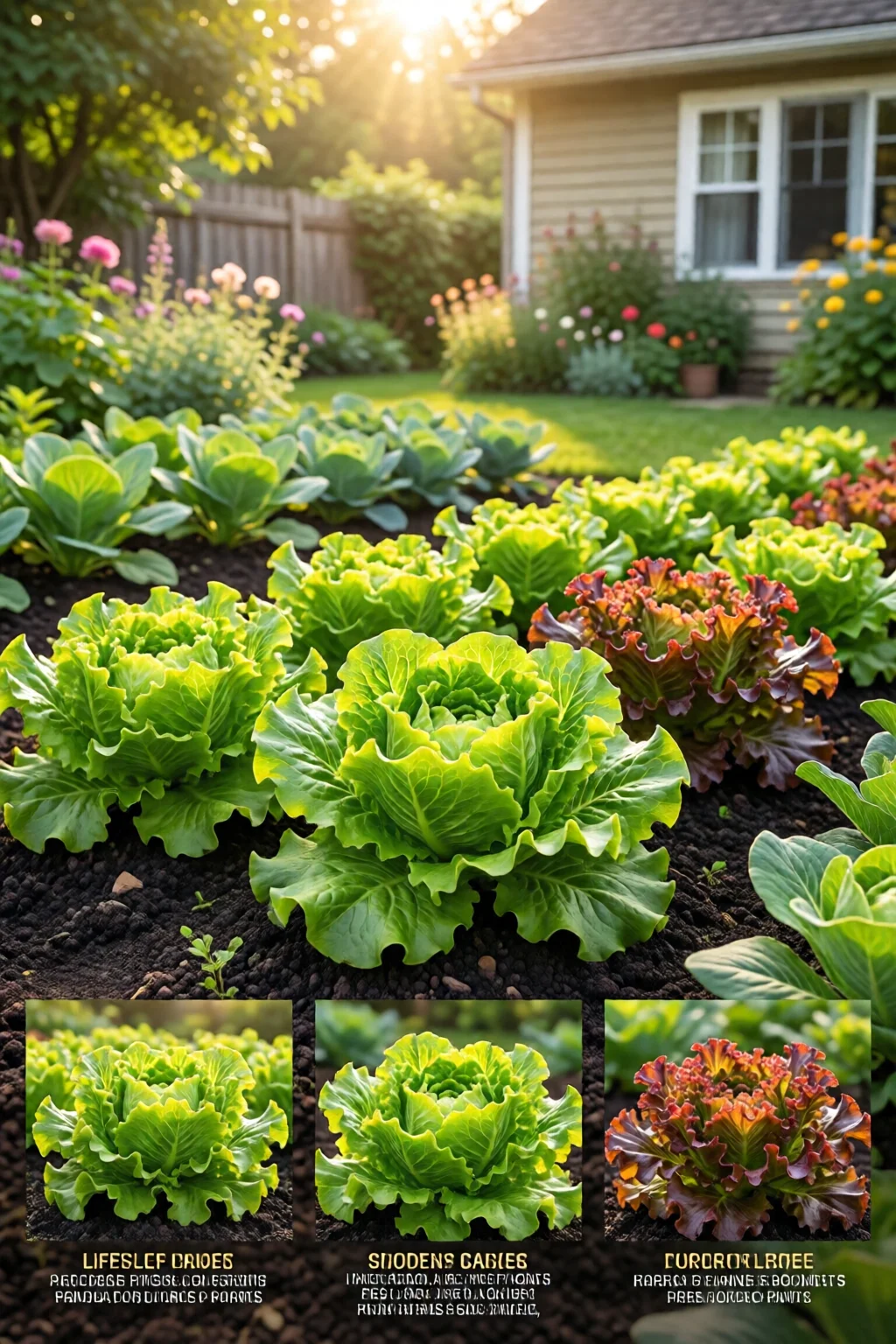
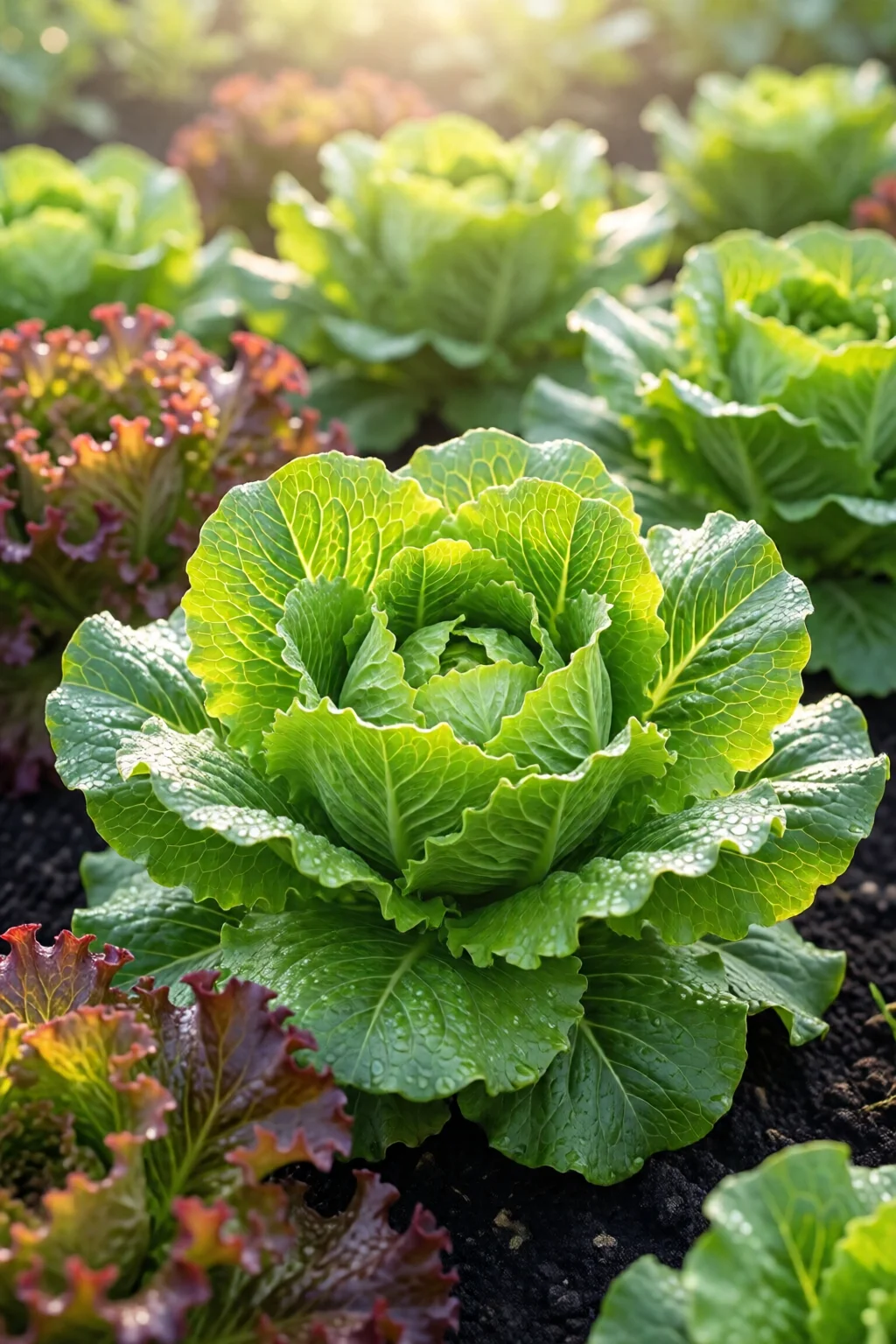
Did you know that a single lettuce head can harvest up to 12 crisp leaves, providing nearly 30% of your daily vitamin A intake? In this lettuce growing guide varieties and tips, you’ll learn exactly how to turn that statistic into a thriving, year‑round salad bar right in your own garden.
In This Article
- What You Will Need (Before You Start)
- Step 1: Choose the Right Varieties
- Step 2: Prepare the Soil
- Step 3: Start Seeds Indoors (Optional)
- Step 4: Direct‑Sow Outdoors
- Step 5: Thin and Transplant
- Step 6: Succession Planting
- Step 7: Harvest Properly
- Common Mistakes to Avoid
- Troubleshooting or Tips for Best Results
- FAQ
- Summary Conclusion
What You Will Need (Before You Start)
- High‑quality seeds – I recommend Burpee’s “Buttercrisp” (approx. $3.99 for a ½ oz packet, 200 seeds) or Johnny’s Selected Seeds “Black‑Seeded Simpson” ($4.50 for ½ oz).
- Seed‑starting mix – Jiffy’s peat‑lite starter cubes ($6.99 for a 100‑cube tray) work wonders for quick germination.
- Containers or seed trays – a 10‑inch by 20‑inch shallow tray costs around $12 on Amazon.
- Organic fertilizer – Espoma Garden-tone (5‑lb bag, $8.79) for a balanced N‑P‑K boost.
- pH test kit – a simple 0‑14 meter (about $9.95) to keep soil between 6.0‑6.8.
- Row cover or cold frame – a 4 × 6‑ft pop‑up greenhouse (≈ $45) extends the season.
- Watering can or hose with a fine‑mist nozzle.
Having these items on hand means you can jump straight into planting without hunting for missing pieces mid‑season.
Step 1: Choose the Right Varieties
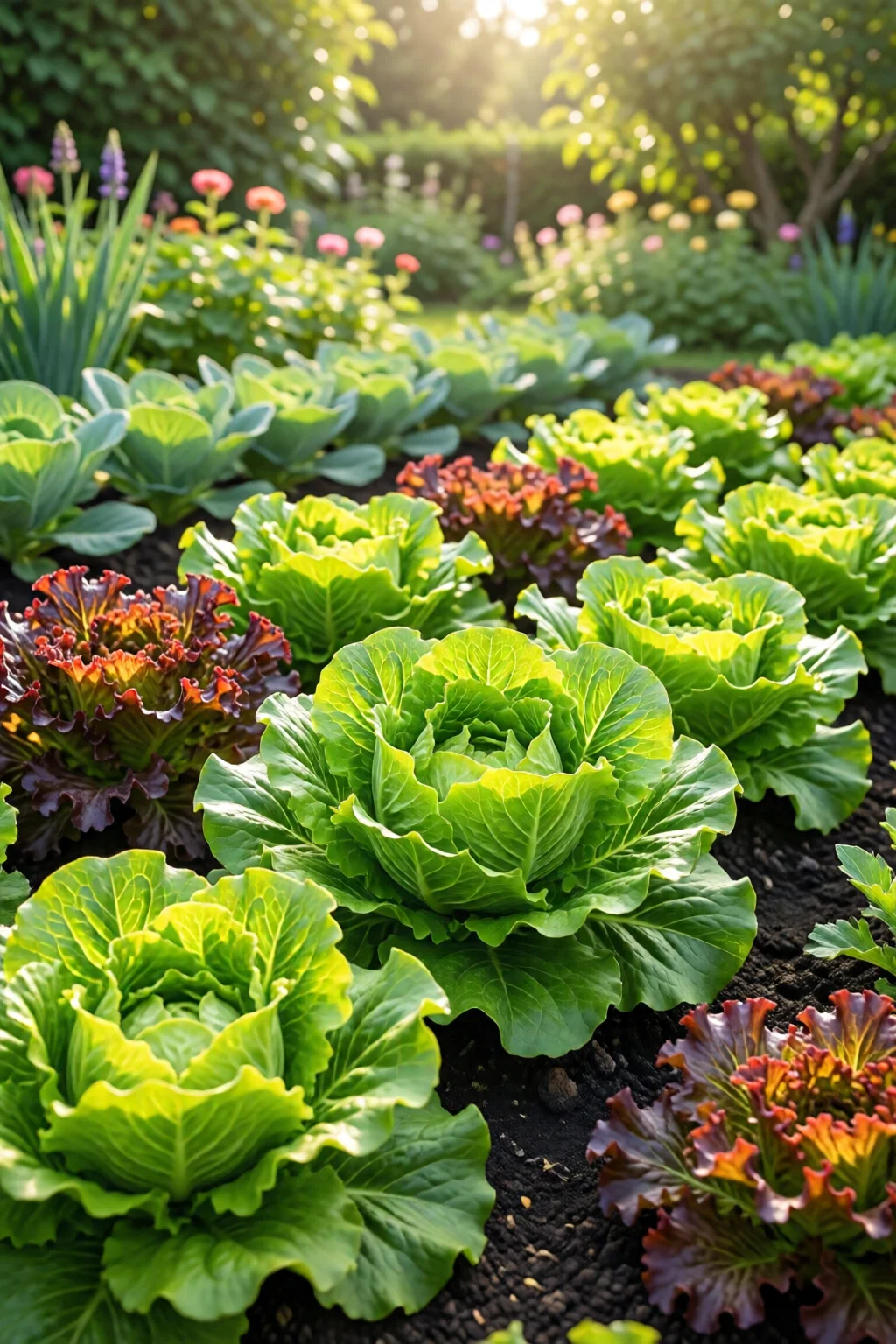
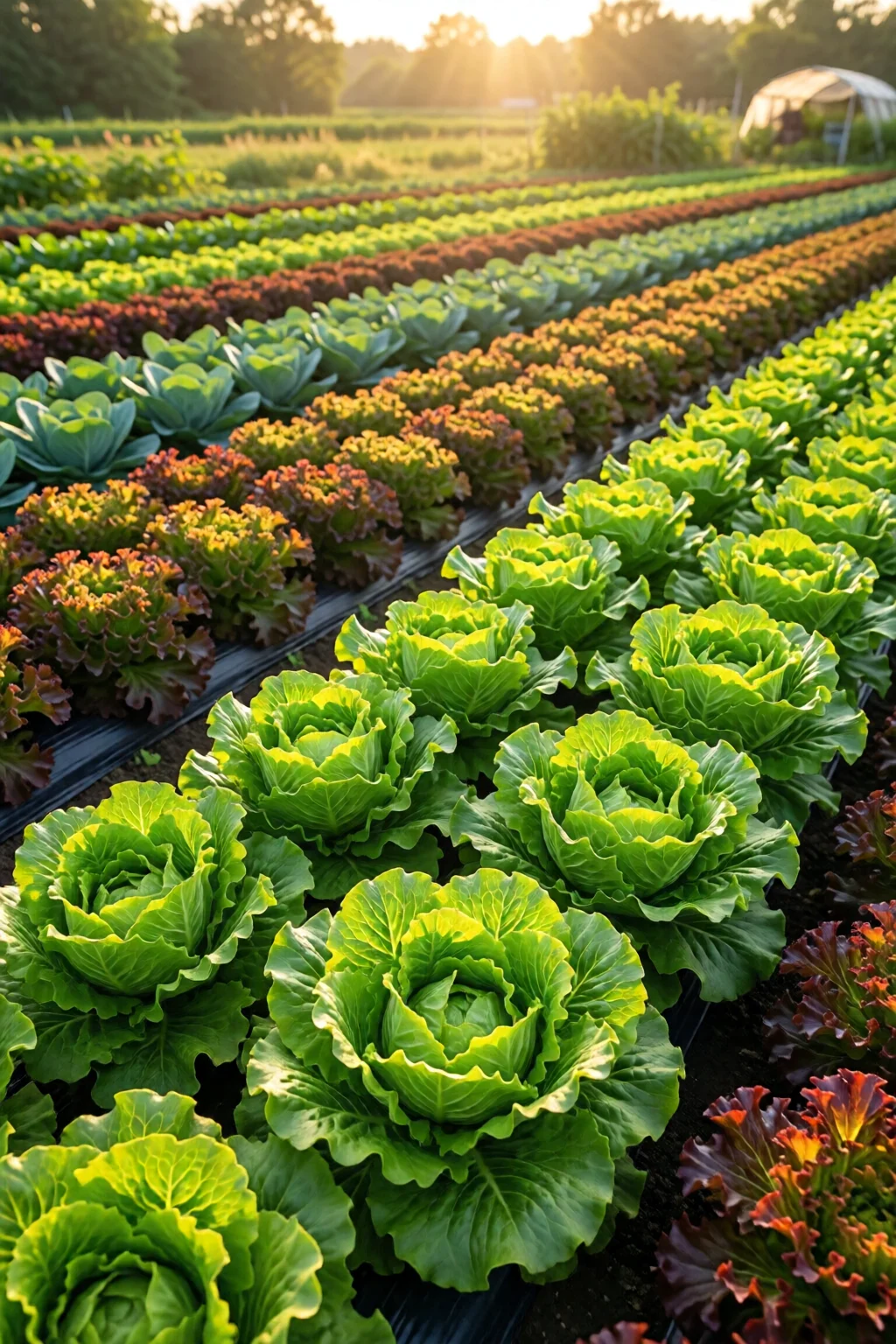
Not all lettuce is created equal. For a well‑rounded lettuce growing guide varieties and tips, select at least three types:
- Butterhead – “Buttercrisp” or “Tom Thumb” offer buttery leaves and low bitterness. Ideal for cooler months.
- Romaine – “Parris Island Cos” (≈ $4.20 per packet) stands up to heat and provides crunchy stalks for Caesar salads.
- Loose‑leaf – “Red Leaf” or “Oakleaf” are fast growers; you can start harvesting in 30 days.
Mixing varieties ensures continuous harvests and visual interest. In my experience, planting a 2‑by‑2 ft block of mixed types yields about 1 lb of lettuce per 2 weeks.
Step 2: Prepare the Soil
Loosen the top 4‑6 inches of soil and incorporate 1 cup of Espoma Garden‑tone per 10 sq ft. Aim for a loamy texture – gritty enough to drain but capable of holding moisture. Use the pH test kit; if the reading is above 6.8, add a handful of elemental sulfur (≈ $2 per 5‑lb bag) to bring it down.
Step 3: Start Seeds Indoors (Optional)
If you want an early start, sow seeds 4 weeks before the last frost in Jiffy seed cubes. Keep them at 65‑70 °F and mist daily. After the seedlings develop two true leaves, transplant them into 4‑in‑deep cells, spacing 8 inches apart. For a detailed walkthrough, see our how to start seeds indoors step by step guide.
Step 4: Direct‑Sow Outdoors
When soil temperature reaches 45 °F (usually mid‑March in temperate zones), sow seeds directly:
- Space loose‑leaf seeds 6 inches apart, rows 12 inches apart.
- Space butterhead and romaine seeds 10‑12 inches apart.
- Cover lightly with ¼‑inch of fine compost.
Water gently using a fine‑mist nozzle; keep the soil consistently moist for the first 10 days.
Step 5: Thin and Transplant
When seedlings are 2 inches tall, thin to the recommended spacing. The thinned seedlings can be used in salads or transplanted to a second bed, preventing waste. I often repurpose them into micro‑greens, which fetch $30 per pound at local farmers’ markets.
Step 6: Succession Planting
To enjoy a continuous supply, sow a new batch every 2 weeks. This “staggered” method ensures that as one crop matures, the next is already underway. Over a 6‑month period, a 4‑by‑8 ft bed can produce up to 12 harvests, translating to roughly 30 lb of lettuce.
Step 7: Harvest Properly
Harvest leaf lettuce by cutting the outer leaves about 1 inch above the soil line. For head lettuce, wait until the head feels firm, then cut the whole head at the base. A well‑timed harvest not only improves flavor but also encourages a second, smaller “cut‑and‑come‑again” flush.
Common Mistakes to Avoid
- Planting Too Deep – Lettuce seeds need light; burying them deeper than ¼ inch reduces germination to under 30%.
- Ignoring Soil pH – High pH (> 7.0) results in bitter leaves. Adjust with sulfur or elemental lime as needed.
- Over‑watering – Lettuce loves moisture but hates soggy roots. Water early in the morning and use a raised bed if drainage is poor.
- Skipping Row Covers – In cool climates, a simple row cover can boost germination rates from 45% to 85%.
- Planting Late in Summer – Heat stress leads to bolting. Choose heat‑tolerant romaine or plant in partial shade when temperatures exceed 80 °F.
Troubleshooting or Tips for Best Results
Bolting – If you see a flower stalk, cut it immediately. Apply a light dose of nitrogen (½ cup of Espoma Garden‑tone per 10 sq ft) to delay further bolting.
Pest Management – Slugs love lettuce. Scatter diatomaceous earth (≈ $5 per 1‑lb bag) around the base, or set up beer traps. For aphids, a spray of neem oil (≈ $8 per 16‑oz bottle) works well.
Improving Flavor – A weekly side‑dressing of diluted fish emulsion (1 tbsp per gallon water) adds micronutrients that enhance sweetness.
Companion Planting – Plant basil, chives, or marigolds nearby to repel pests and attract beneficial insects. Check out our companion planting chart for vegetables for more ideas.
FAQ
How long does it take for lettuce to mature?
Loose‑leaf varieties are ready in 30‑45 days, butterhead in 45‑55 days, and romaine in 55‑70 days from sowing.
Can I grow lettuce in containers?
Absolutely. A 12‑inch deep pot (≈ $10) filled with a 1:1 mix of potting soil and compost supports a full head of lettuce.
What’s the best way to prevent bolting?
Keep temperatures below 75 °F, provide consistent moisture, and harvest early. Adding a shade cloth (≈ $20 for a 4 × 8‑ft piece) during hot spells helps.
Do I need to fertilize lettuce?
A light application of balanced organic fertilizer (1 cup per 10 sq ft) at planting and again halfway through the growth cycle is sufficient.
Can I grow lettuce year‑round?
Yes, by using a cold frame or a high‑tunnel in winter and a shade cloth in summer, you can extend the harvest for up to 10 months.
Summary Conclusion
This lettuce growing guide varieties and tips equips you with everything from seed selection to harvest timing. By preparing the soil, choosing a mix of butterhead, romaine, and loose‑leaf types, and employing succession planting, you’ll enjoy fresh, crisp salads almost every week. Avoid common pitfalls like deep sowing and neglecting pH, and troubleshoot quickly with the pest and bolting tips above. With a modest investment—under $100 for seeds, soil amendments, and basic tools—you can produce 30 lb of nutrient‑dense lettuce annually, saving money and boosting your garden’s biodiversity. Happy planting, and may your lettuce never wilt!