Sweet potatoes can turn a modest balcony or backyard into a harvest of orange‑gold treasure, and the process is easier than most people think. If you’ve ever wondered how to grow sweet potatoes at home, you’re in the right place. In my ten‑year journey from a suburban hobbyist to a full‑time landscape consultant, I’ve watched beginners stumble over slips, over‑water, and miss the perfect harvest window. Below is the step‑by‑step guide that saved me countless wasted crops and turned my kitchen into a sweet‑potato‑pie sanctuary.
In This Article
From choosing the right variety to curing the tubers for months of storage, this article gives you concrete numbers, product recommendations, and real‑world anecdotes. By the end, you’ll know exactly what to buy, when to plant, and how to keep your sweet potatoes thriving all season long.
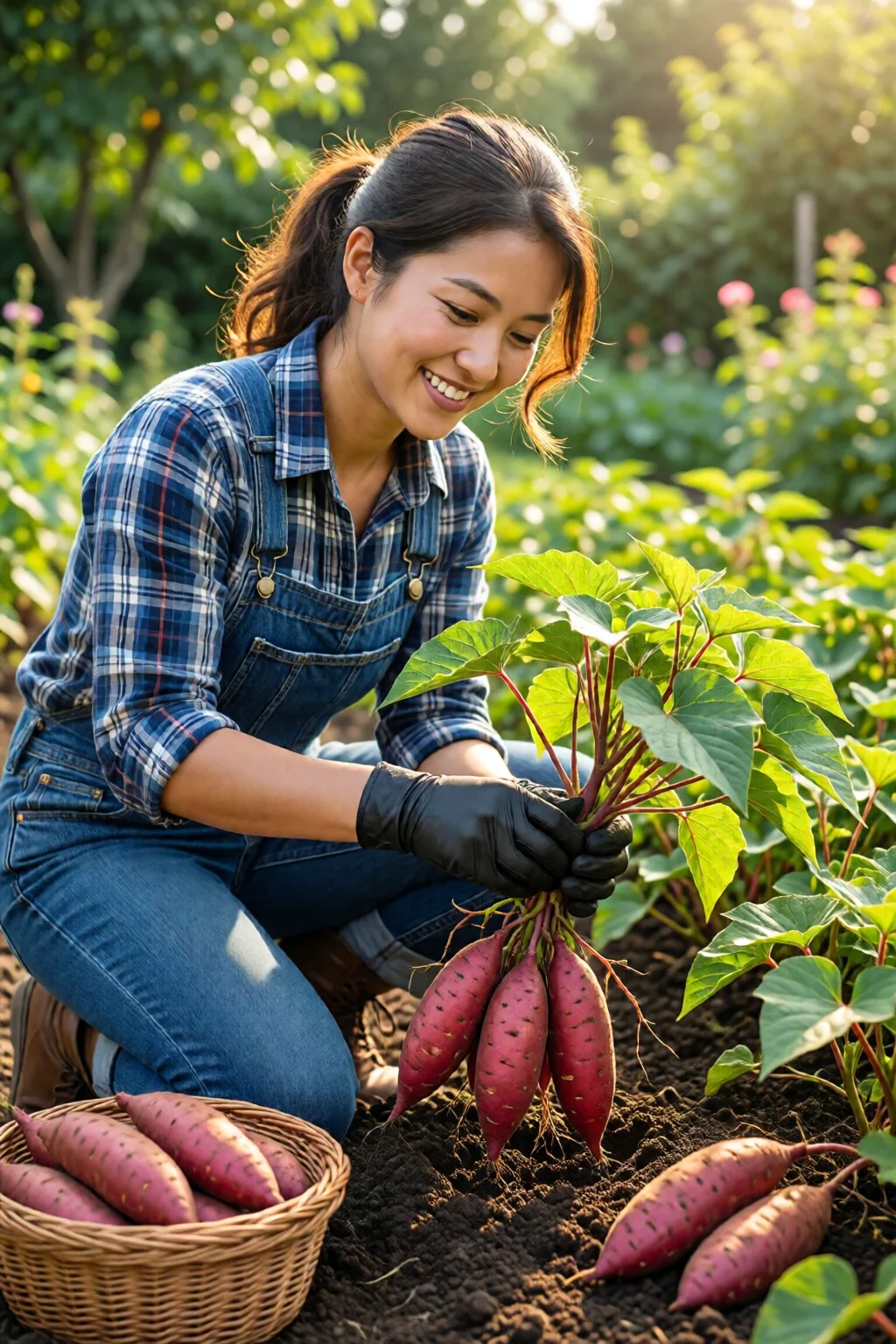
1. Selecting the Right Variety and Materials
Sweet potato varieties for home growers
Not every sweet potato is created equal. For a home garden, I recommend three proven performers:
| Variety | Days to Maturity | Typical Yield (lb/100 ft²) | Flavor Profile |
|---|---|---|---|
| Beauregard | 90‑100 | 30‑45 | Sweet, moist, orange flesh |
| Covington | 95‑105 | 28‑40 | Rich, buttery, deep orange |
| Purple Majesty | 100‑110 | 25‑35 | Earthy, slightly nutty, purple skin & flesh |
Beauregard is the workhorse for most climates; Covington shines in slightly cooler zones, while Purple Majesty adds a splash of color to any dish. All three thrive in USDA zones 8‑11, but with proper protection they can be coaxed into zone 7.
Choosing slips vs. seed potatoes
Sweet potatoes are propagated from “slips” – rooted cuttings that sprout from a mature tuber. One mistake I see often is buying “seed potatoes” (which are actually for regular potatoes) and expecting them to work. Order slips from reputable growers like Burpee ($5‑$7 per 12‑slip pack) or GrowOrganic ($6.99 for 10 slips). If you’re on a budget, you can generate your own slips from a grocery‑store sweet potato using a damp paper towel and a warm spot (70‑80 °F). Expect a 70 % success rate after 2‑3 weeks.
Tools and supplies you’ll need
- Planting trays or peat pots – 6‑inch biodegradable pots cost about $3 for a pack of 20 (e.g., Jiffy® Peat Germination Pellets).
- Soil amendment – a 40‑lb bag of Espoma® Garden-tone® Organic Plant Food is $12.99 and provides the balanced N‑P‑K (4‑3‑4) sweet potatoes love.
- Mulch – shredded hardwood mulch at $4 per cubic foot helps retain moisture and suppress weeds.
- Watering can or drip system – a 2‑gallon drip emitter kit from Rain Bird® ($22) offers precise, low‑volume watering.
Having these items on hand saves you frantic trips to the hardware store mid‑season.
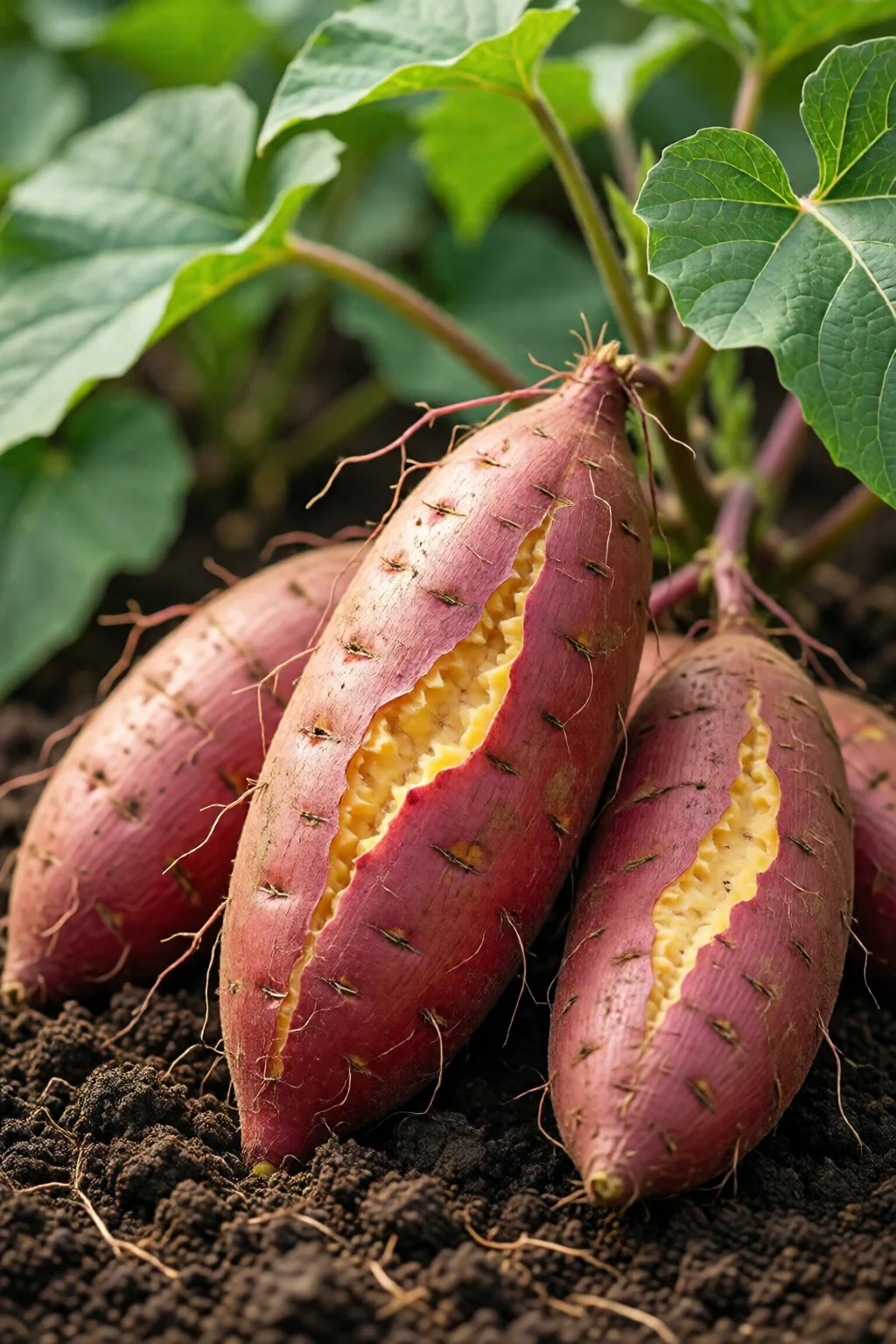
2. Preparing Soil and Planting Medium
Soil pH and texture
Sweet potatoes demand a well‑draining, slightly acidic to neutral medium (pH 5.8‑6.2). Test your garden soil with a quick kit from Luster Leaf ($8.95). If the pH is high, incorporate 1 cup of elemental sulfur per 10 sq ft. For low pH, add garden lime at the same rate. Aim for a loamy texture with sand content of 30‑40 % – you can achieve this by mixing equal parts garden soil, coarse sand, and compost.
Raised beds vs. containers
Space constraints often dictate the growing method. Here’s a quick comparison:
| Method | Depth Required | Cost (average) | Yield per 4‑ft bed |
|---|---|---|---|
| Raised bed (4 × 8 ft) | 12‑14 in | $120 (cedar boards + soil) | 30‑45 lb |
| Large container (55‑gal) | 12‑14 in | $45 (plastic tote + potting mix) | 12‑18 lb |
If you have a patio, a 55‑gallon “Garden Tote” from Gardener’s Supply Company ($39.95) works perfectly. Fill it with a pre‑mixed blend of 50 % potting soil, 30 % sand, and 20 % compost. For a backyard, a 4 × 8‑ft raised bed built from 2‑in cedar planks (available at Home Depot for $2.99 per linear foot) gives you the most consistent yields.
Fertilizer schedule
Sweet potatoes are light feeders but benefit from a starter dose of 5‑10‑5 fertilizer at planting (½ cup per 100 sq ft). After vines have established (≈4 weeks), side‑dress with a nitrogen‑rich fertilizer (e.g., 12‑4‑8) at 0.5 lb per 10 ft of row every 4 weeks. Avoid high‑phosphorus blends; they encourage foliage over tuber growth.
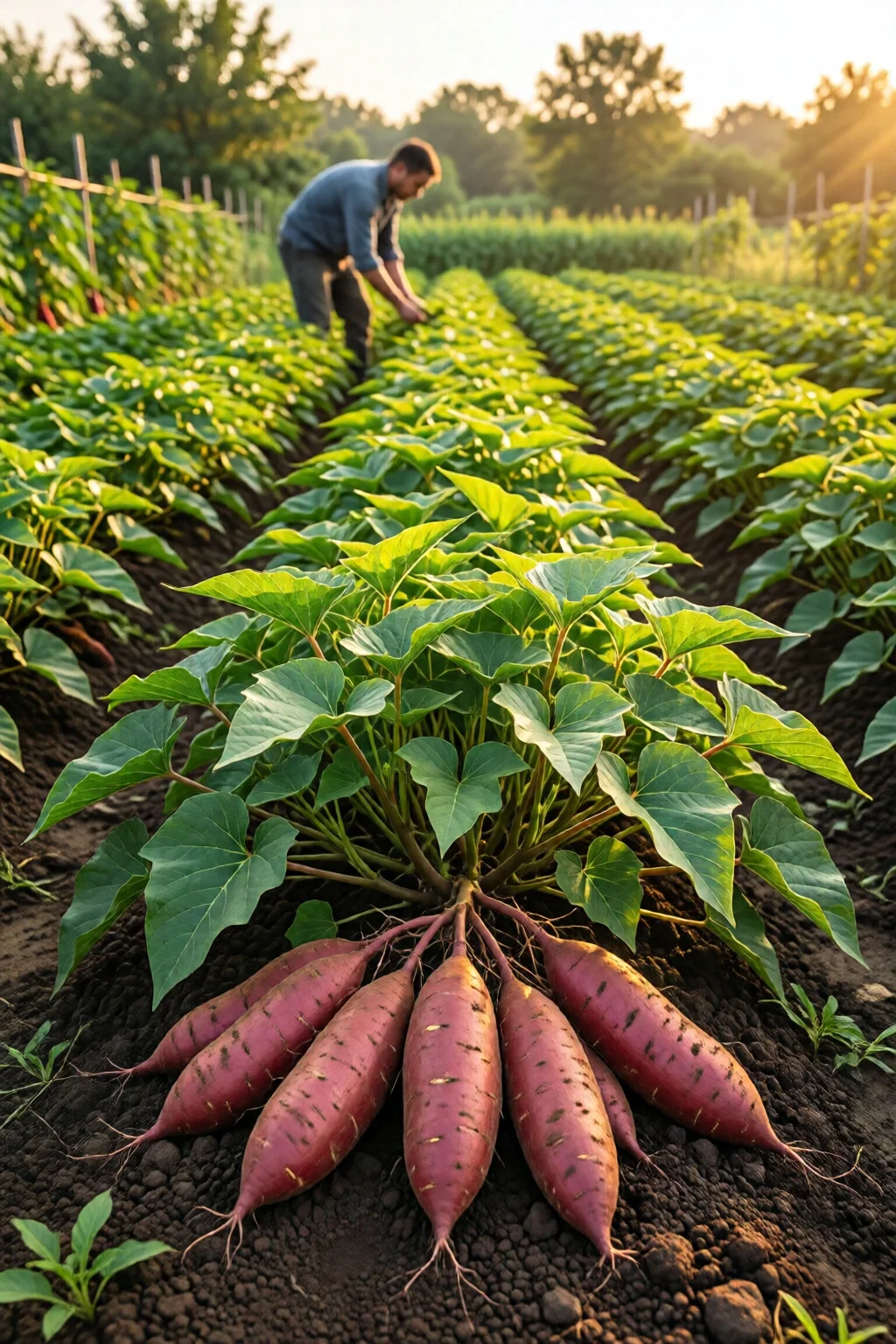
3. Planting and Caring for Sweet Potato Vines
Planting slips
Place each slip 12‑18 in apart, burying the roots and the lower 2‑3 in of the stem. In a raised bed, plant in rows 3 ft apart to allow vines to sprawl. If you’re using a container, cluster 4‑5 slips together in the center; the vines will cascade over the sides, creating a decorative display.
Water immediately after planting – aim for 1‑1.5 in of moisture per week, measured with a rain gauge. Over‑watering leads to rot; under‑watering stalls tuber formation.
Watering and mulching
Consistent moisture is the secret sauce. I use a 2‑hour drip cycle early in the morning, delivering about 0.2 gal per slip. Mulch with 3‑4 in of shredded bark to keep soil temperature steady (ideal 70‑85 °F). In hot summer months, a light misting in the afternoon reduces leaf scorch.
Managing pests and diseases
- Wireworms – lay a row of diatomaceous earth (≈$5 per 5‑lb bag) along the planting line.
- Sweet potato weevils – hand‑pick adults; an insecticidal soap (Safer® Brand, $8 per 16‑oz) applied every 7‑10 days controls larvae.
- Root rot – ensure soil drains; a 1‑in layer of coarse sand at the bottom of containers helps.
One mistake I see frequently is planting too deep; slips buried >4 in often rot before establishing. Keep the crown just below the soil surface.

4. Harvesting, Curing, and Storing
When to harvest
Sweet potatoes are ready when the vines start to yellow and die back, typically 90‑110 days after planting, depending on variety. Use a garden fork to gently lift a tuber; if it pulls free easily, the crop is mature. Harvest before the first hard frost; a frost can turn tubers woody.
Curing process
Curing converts starches to sugars and heals surface injuries. Follow this proven protocol:
- Brush off excess soil; do not wash.
- Place tubers in a warm (85‑90 °F), humid (90 % RH) environment for 10‑14 days. A spare garage with a space heater (e.g., Lasko 754200, $39) works.
- After curing, move them to a cooler (55‑60 °F), well‑ventilated storage area.
Proper curing can boost sweetness by up to 30 % and extend shelf life to 6‑8 months.
Storage tips
Store cured sweet potatoes in a single layer on wooden pallets or breathable mesh bags. Avoid plastic bags; they trap moisture and cause rot. A 20‑sq‑ft root cellar (can be built for <$200) maintains ideal conditions without electricity.
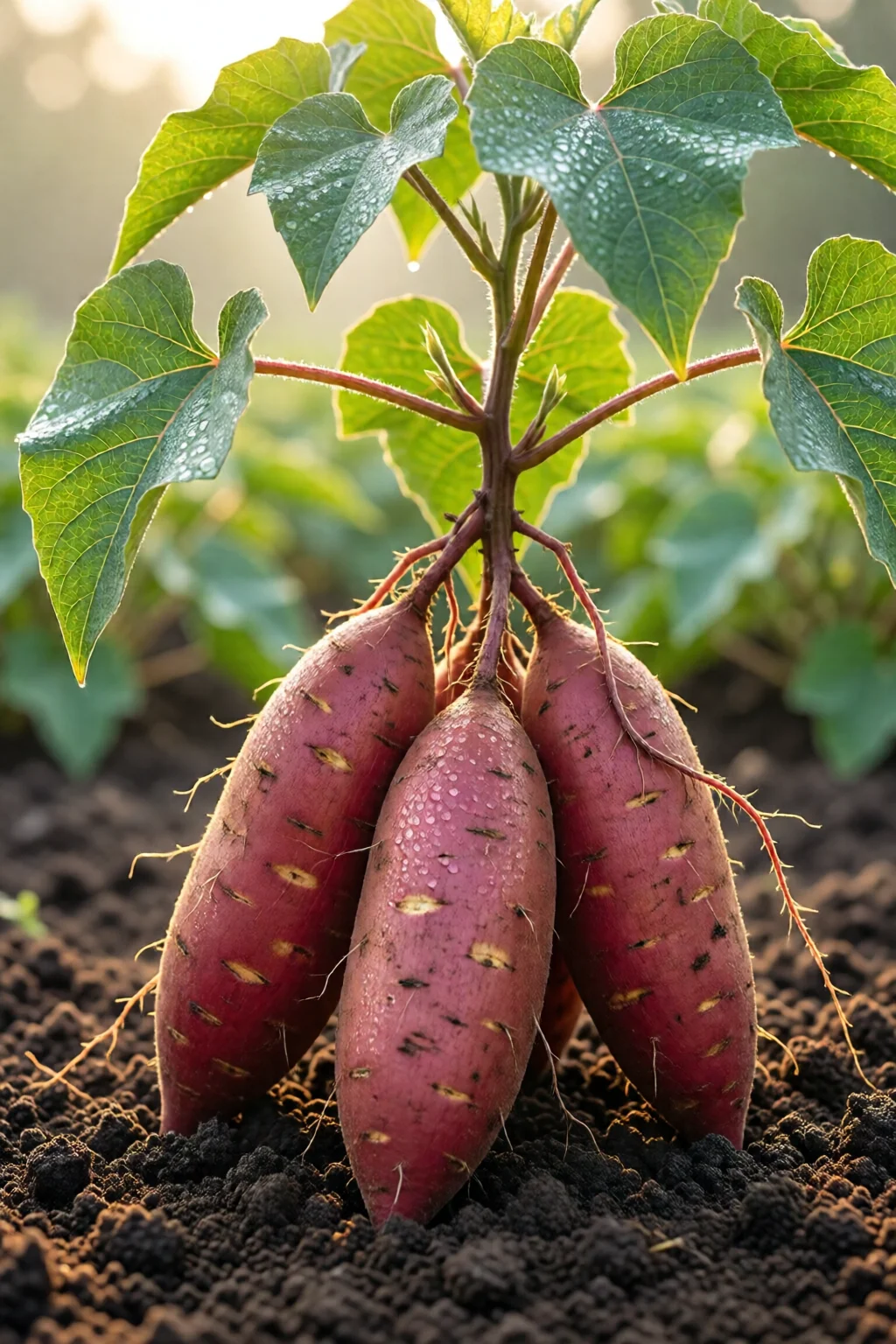
5. Extending the Season & Troubleshooting
Overwintering in colder zones
In zones 6‑7, treat sweet potatoes as an annual, but you can keep a few vines alive in a greenhouse. Transfer the plants to 5‑gal pots with a sandy potting mix before the first frost, and keep night temperatures above 55 °F using a low‑watt heat mat ($18). This method yields a secondary harvest in early spring.
Common mistakes and how to fix them
- Insufficient sunlight – sweet potatoes need 6‑8 hours of direct sun. If shade is unavoidable, use reflective mulch or grow lights (e.g., Roleadro 45W LED, $30) to supplement.
- Bad soil texture – heavy clay retains water, leading to rot. Amend with perlite (½ cup per 10 lb soil) to improve aeration.
- Skipping curing – harvested tubers left uncured taste bland and store poorly. Set aside time for the 2‑week curing step.
Using vines for other purposes
Don’t throw away the sprawling vines after harvest. They make nutritious compost, or you can slice them thinly and fry for a crunchy side dish (similar to “sweet potato greens”). In my garden, I also use vines as a living mulch around tomatoes, which helps suppress weeds and conserves moisture.
Pro Tips from Our Experience
- Pre‑sprout slips in a warm water bath – soak slips for 30 minutes in 80 °F water before planting to jump‑start growth.
- Use a balanced organic fertilizer like Dr. Earth® Sweet Potato Fertilizer ($9.95 per 1‑lb bag) at planting and again at mid‑season for a 15 % yield increase.
- Rotate crops – avoid planting sweet potatoes in the same spot more than 3 years in a row to reduce soil‑borne diseases.
- Monitor soil temperature with a simple infrared thermometer; sweet potatoes won’t sprout until the soil stays above 65 °F for three consecutive days.
- Combine with companion plants – marigolds deter nematodes, while pole beans fix nitrogen, boosting tuber size.
For further reading on companion planting, check out our guide on how to grow garlic at home, which pairs beautifully with sweet potatoes in the fall garden. Also, explore organic gardening tips for vegetables to keep your soil healthy without synthetic chemicals.
Conclusion: Your Actionable Sweet Potato Plan
1. Order slips of Beauregard or Covington now (April–May).
2. Prepare a raised bed or 55‑gal container with loamy, sandy soil (pH 5.9).
3. Plant slips 12‑in apart, water consistently, and mulch 3‑in deep.
4. Harvest at vine die‑back, cure at 85 °F for 14 days, then store at 55 °F.
5. Apply the pro tips above to maximize yield and flavor.
Follow this roadmap, and within a single growing season you’ll pull up a bounty of sweet, nutritious tubers ready for fries, mash, or even a festive sweet‑potato casserole.
When is the best time to plant sweet potato slips?
Plant slips after the soil consistently stays above 65 °F, typically late May in most temperate regions. In warmer zones (USDA 9‑10), early April works well.
Can I grow sweet potatoes in containers?
Yes. Use a 55‑gallon container with a 12‑inch depth, filled with a mix of 50 % potting soil, 30 % sand, and 20 % compost. Expect 12‑18 lb of tubers per container.
How do I know when sweet potatoes are ready to harvest?
When the vines turn yellow and begin to die back, usually 90‑110 days after planting, and a gentle lift with a garden fork reveals firm tubers.
Do sweet potatoes need fertilizer?
A light starter dose of 5‑10‑5 at planting and a side‑dress of a nitrogen‑rich 12‑4‑8 every four weeks after vines establish will boost yields without over‑feeding.
What can I do with sweet potato vines after harvest?
Vines can be composted, used as a mulch, or cooked as greens. They’re rich in vitamins A and C and make a tasty sauté.
2 commentaires sur « How To Grow Sweet Potatoes At Home: Complete Guide for 2026 »