Choosing the right soil mix for indoor plants can feel like a secret recipe—one that balances aeration, moisture retention, and nutrients to keep your green companions thriving year‑round. While the convenience of store‑bought potting mixes is undeniable, understanding the science behind each component empowers you to customize a blend that matches the specific needs of foliage plants, flowering varieties, succulents, and even delicate orchids. In this comprehensive guide, we’ll explore the essential ingredients, walk through step‑by‑step recipes, and share expert maintenance tips that turn any indoor garden into a resilient, low‑maintenance oasis.
Why Soil Mix Matters More Than You Think
Indoor environments differ dramatically from outdoor gardens. Without natural rainfall, wind, and the complex soil ecosystem found outdoors, the potting medium becomes the sole provider of water, oxygen, and nutrients. A poorly aerated mix can suffocate roots, leading to root rot, while a blend that drains too quickly may leave plants thirsty and nutrient‑deficient. The right soil mix also influences pH balance, which affects nutrient availability and can either encourage vibrant blooms or cause yellowing leaves. By mastering soil composition, you control the micro‑environment that directly impacts plant vigor, growth rate, and overall health.

Core Components of a High‑Performance Indoor Soil Mix
At its simplest, a premium indoor mix consists of three functional layers: a base material for structure, an aeration component for drainage, and an organic amendment for nutrition. Each element can be adjusted according to the plant type, light levels, and watering schedule.
Base Materials: The Structural Backbone
Base materials provide the bulk of the mix’s volume and determine its overall density. Common choices include:
- Peat moss or coconut coir: Retains moisture while remaining lightweight. Coir is a sustainable alternative to peat, offering a neutral pH and excellent water-holding capacity.
- Composted bark or pine bark fines: Adds structure and slowly releases nutrients as it breaks down.
- Well‑aged compost: Supplies a broad spectrum of micronutrients and improves microbial activity.
For most foliage plants, a 50‑60% proportion of peat or coir combined with 20‑30% compost creates a fertile, balanced foundation.
Aeration and Drainage: The Lifeline for Roots
Roots need oxygen to absorb nutrients and to prevent the buildup of harmful anaerobic bacteria. Aeration agents such as perlite, vermiculite, and expanded clay pellets create tiny air pockets throughout the mix.
- Perlite: A volcanic glass that expands when heated, offering excellent drainage without adding weight.
- Vermiculite: Holds water and nutrients, making it ideal for plants that prefer consistent moisture.
- Expanded clay (LECA): Provides both drainage and structural stability, especially useful for hydroponic‑style setups.
A typical recommendation is 20‑30% perlite for most indoor foliage, while succulent mixes may use up to 40% to ensure rapid drainage.
Nutrient Content: Feeding the Green Engine
Even the best‑draining mix needs a steady supply of macro‑ and micronutrients. Organic options include worm castings, blood meal, bone meal, and fish emulsion. For a more controlled approach, slow‑release granular fertilizers can be mixed directly into the potting medium.
For example, adding 1‑2% worm castings to a base of peat and perlite provides a gentle, ongoing nutrient release that aligns with the low‑maintenance expectations of indoor gardening.
pH Considerations: Matching Plant Preferences
Most indoor houseplants thrive in a slightly acidic to neutral range (pH 5.5‑7.0). Peat moss naturally leans acidic, while coconut coir is near neutral. If you’re growing calcareous plants like African violets or certain succulents, incorporate lime or dolomitic limestone to raise the pH. Conversely, adding a touch of elemental sulfur can lower the pH for acid‑loving plants such as philodendrons.
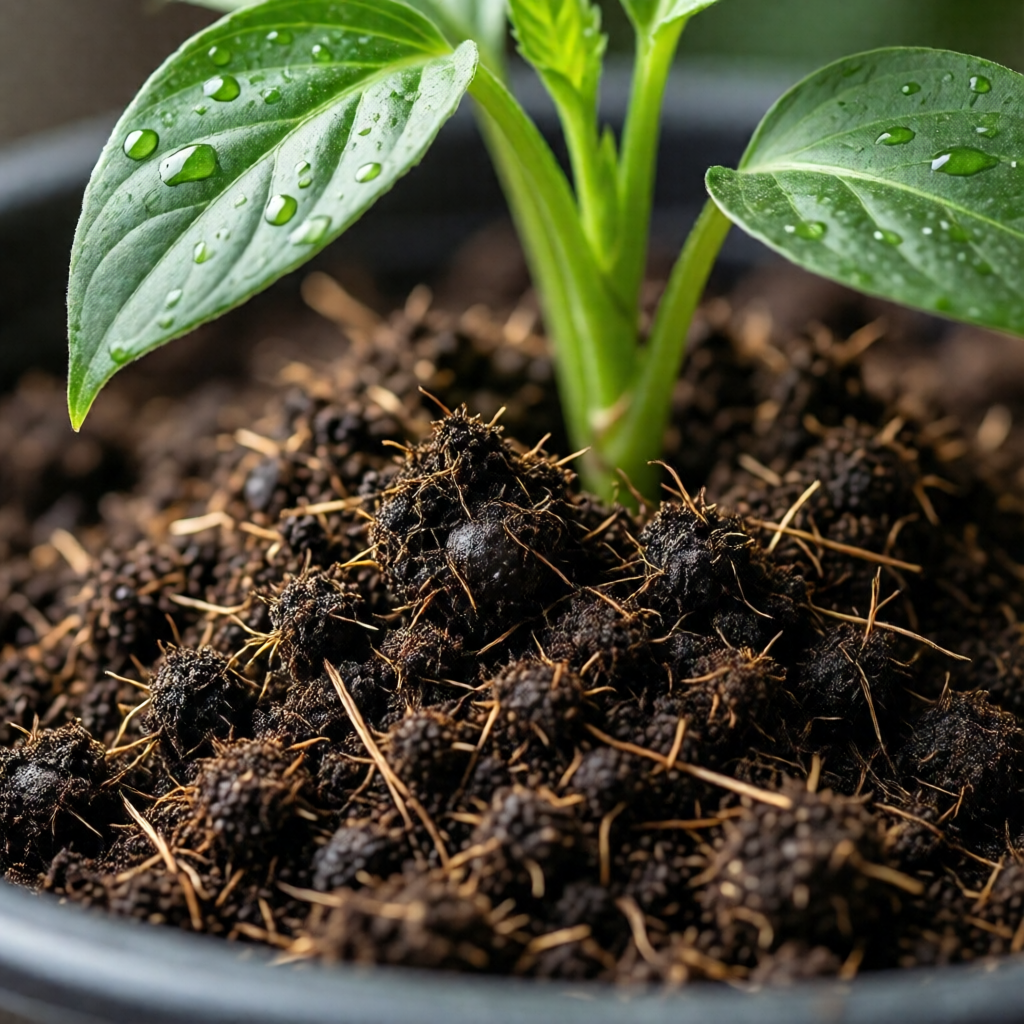
Custom Soil Recipes for Popular Indoor Plant Types
Below are tried‑and‑tested recipes tailored to the unique needs of various indoor plant families. Feel free to adjust percentages based on your local climate and watering habits.
Foliage Plants (Spider Plant, ZZ Plant, Philodendron)
Recipe:
- 40% coconut coir or peat moss
- 30% perlite
- 20% composted bark
- 5% worm castings
- 5% slow‑release balanced fertilizer
This blend offers moisture retention for lush foliage while ensuring ample airflow to prevent root rot. Pair it with a regular feeding schedule of a diluted liquid fertilizer every 4‑6 weeks during the growing season.
Flowering Indoor Plants (African Violet, Peace Lily, Anthurium)
Recipe:
- 35% peat moss
- 25% perlite
- 20% well‑aged compost
- 10% vermiculite
- 10% orchid bark fines
The addition of orchid bark promotes aeration around delicate root systems, while vermiculite helps retain the consistent moisture that flowering plants often require to produce vibrant blooms. For extra color, consider a light weekly dose of a bloom‑boosting fertilizer high in phosphorus.
Succulents and Cacti
Recipe:
- 30% coarse sand or grit
- 30% perlite or pumice
- 20% coconut coir
- 10% compost (light)
- 10% crushed granite or volcanic rock
This gritty, fast‑draining mix mimics the arid conditions succulents love. Water sparingly—allow the soil to dry completely between waterings—to avoid the common pitfall of over‑watering. For a visual guide, check out our article on indoor plants that bloom all year for complementary decorative ideas.
Orchids and Other Epiphytes
Recipe:
- 40% bark nuggets (medium size)
- 30% perlite
- 20% sphagnum moss
- 5% charcoal
- 5% orchid fertilizer (mixed into the bark)
Epiphytic orchids thrive in very airy mixes that simulate tree‑branch habitats. The charcoal helps absorb excess salts and odors, while sphagnum moss provides just enough moisture retention to keep the roots hydrated without becoming soggy.
Herb Gardens for the Kitchen Window
Herbs like basil, parsley, and mint enjoy a slightly richer medium that encourages rapid leaf production.
- 45% peat moss
- 25% perlite
- 20% compost
- 5% worm castings
- 5% balanced fertilizer
Because herbs are often harvested frequently, keep the soil slightly on the moist side and feed with a liquid fertilizer every two weeks. For creative placement ideas, explore our indoor herb garden ideas kitchen guide.
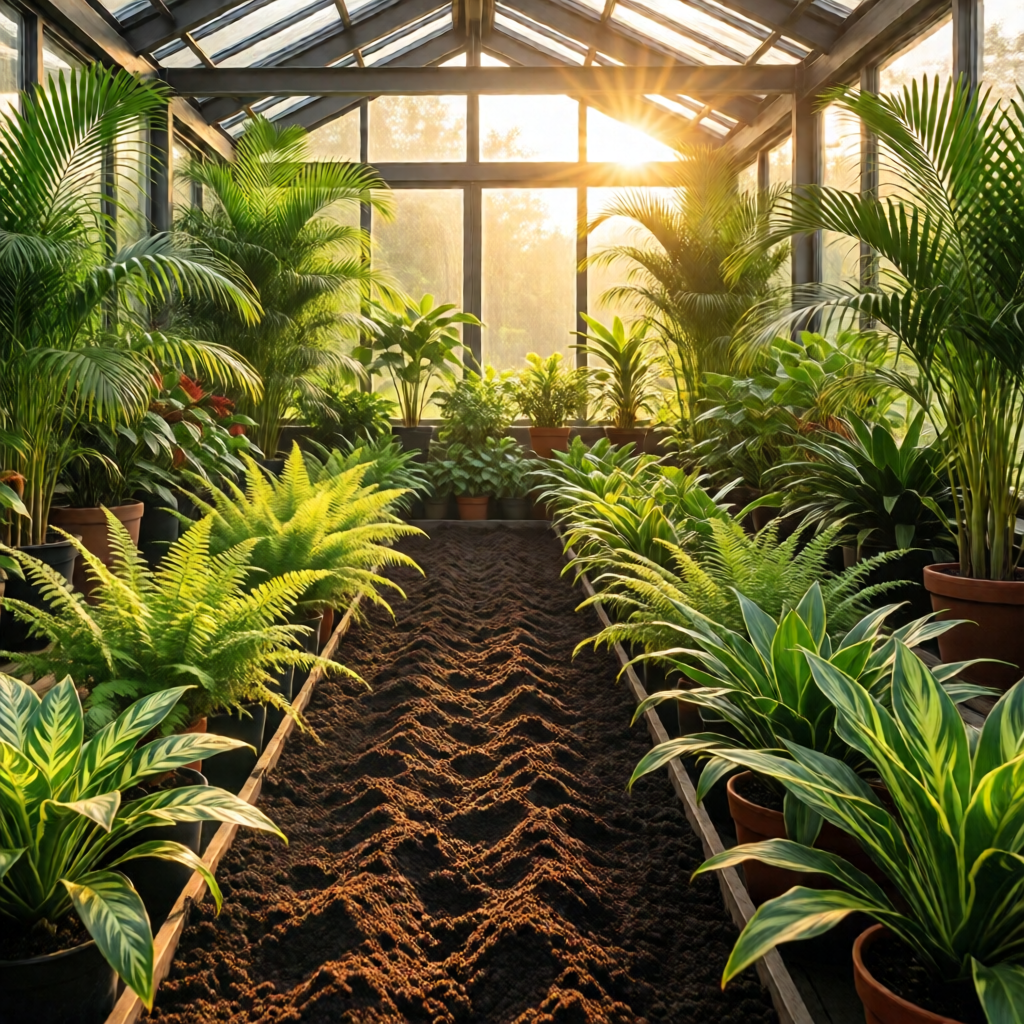
Step‑by‑Step Guide to Mixing Your Own Soil
Creating a custom blend is straightforward, but following a systematic process ensures consistency and eliminates contamination.
Gather Materials and Tools
- Container: Use a clean, food‑grade bucket or large tub with a lid.
- Measuring tools: A set of graduated cups or a kitchen scale for accurate ratios.
- Mixing tool: A sturdy trowel or garden fork.
- Protective gear: Gloves and a dust mask, especially when handling peat or perlite.
Mixing Procedure
- Measure each component according to the desired recipe. For example, for a 10‑liter batch of foliage mix, you would need 4 L coconut coir, 3 L perlite, 2 L composted bark, 0.5 L worm castings, and 0.5 L fertilizer.
- Pour the dry components (perlite, compost, bark) into the bucket first. This helps distribute the heavier particles evenly.
- Add the moisture‑retaining medium (coir or peat) slowly while stirring to avoid clumping.
- Incorporate the nutrient amendments (worm castings, fertilizer) last, ensuring they are evenly dispersed.
- Once mixed, perform a “hand test”: squeeze a handful; the mix should feel moist but crumble easily without turning into a mud ball.
- Label the container with the blend name, date, and any pH adjustments made. Store in a cool, dry place for up to six months.
Safety and Clean‑Up
Always wash your tools after use to prevent cross‑contamination between mixes. If you notice dust from perlite or peat, wear a mask to avoid inhalation. Dispose of any leftover material in a compost bin if it’s organic, or recycle perlite for future mixes.

Maintaining Soil Health Over Time
Even the best‑crafted mix degrades as roots grow, microbes proliferate, and salts accumulate. Regular maintenance prolongs the life of your potting medium and keeps plants thriving.
Fertilizing Schedule
During the active growing months (spring through early fall), feed most indoor plants with a balanced 20‑20‑20 liquid fertilizer at half strength every four weeks. For flowering species, switch to a bloom‑boosting formula with a higher phosphorus ratio (10‑30‑20) after the first set of buds appear. Reduce feeding in winter when growth naturally slows.
When to Repot
Signs that a plant needs a new home include:
- Roots emerging from drainage holes or circling the pot interior.
- Soil that stays soggy for extended periods or dries out too quickly.
- Stunted growth despite adequate light and water.
Follow our how to repot indoor plants step by step guide for a seamless transition. As a rule of thumb, repot every 12‑18 months for fast‑growing foliage, and every 2‑3 years for slower growers like succulents.
Dealing with Pests and Disease
Healthy soil is the first line of defense, but infestations can still occur. Common indoor pests include spider mites, mealybugs, and fungus gnats. To deter fungus gnats, allow the top inch of soil to dry between waterings and consider adding a thin layer of sand or decorative stones. For mite control, a gentle mist of neem oil applied to foliage and soil surface can keep populations in check.
Common Mistakes and How to Avoid Them
Even seasoned gardeners stumble over a few pitfalls when it comes to indoor soil. Here are the most frequent errors and practical fixes:
- Over‑reliance on a single store‑bought mix: Most commercial potting soils are formulated for a broad range of plants and may lack the specific aeration or nutrient balance your species needs. Customize by adding perlite, compost, or sand as required.
- Using garden soil straight from the yard: Outdoor soil contains pests, weeds, and harmful microbes that can wreak havoc in a confined pot environment.
- Neglecting pH adjustments: A mismatch between soil pH and plant preference can lock out essential nutrients, resulting in yellowing leaves or poor bloom production.
- Watering without checking moisture levels: Rely on a moisture meter or the finger test—insert your finger 1‑2 inches deep; the soil should feel moist but not soggy.
- Forgetting to refresh the mix: Over time, organic components decompose, reducing aeration and nutrient availability. Refresh the top half of the potting medium annually to maintain optimal conditions.
Putting It All Together: A Sample Weekly Care Routine
To help you internalize the concepts, here’s a simple checklist you can follow for most indoor plants:
- Monday: Inspect leaves for pests; wipe with a damp cloth if needed.
- Tuesday: Water thoroughly until excess drains from the bottom.
- Wednesday: Rotate the pot 90° to ensure even light exposure.
- Thursday: Apply a diluted liquid fertilizer (half strength).
- Friday: Check soil moisture with a meter; adjust watering schedule if needed.
- Saturday: Prune dead or yellowing foliage; repot if roots are crowding.
- Sunday: Relax and enjoy your thriving indoor garden!
Consistency is key, but remember that each plant may have unique quirks—use this routine as a baseline and adapt as you observe your garden’s responses.
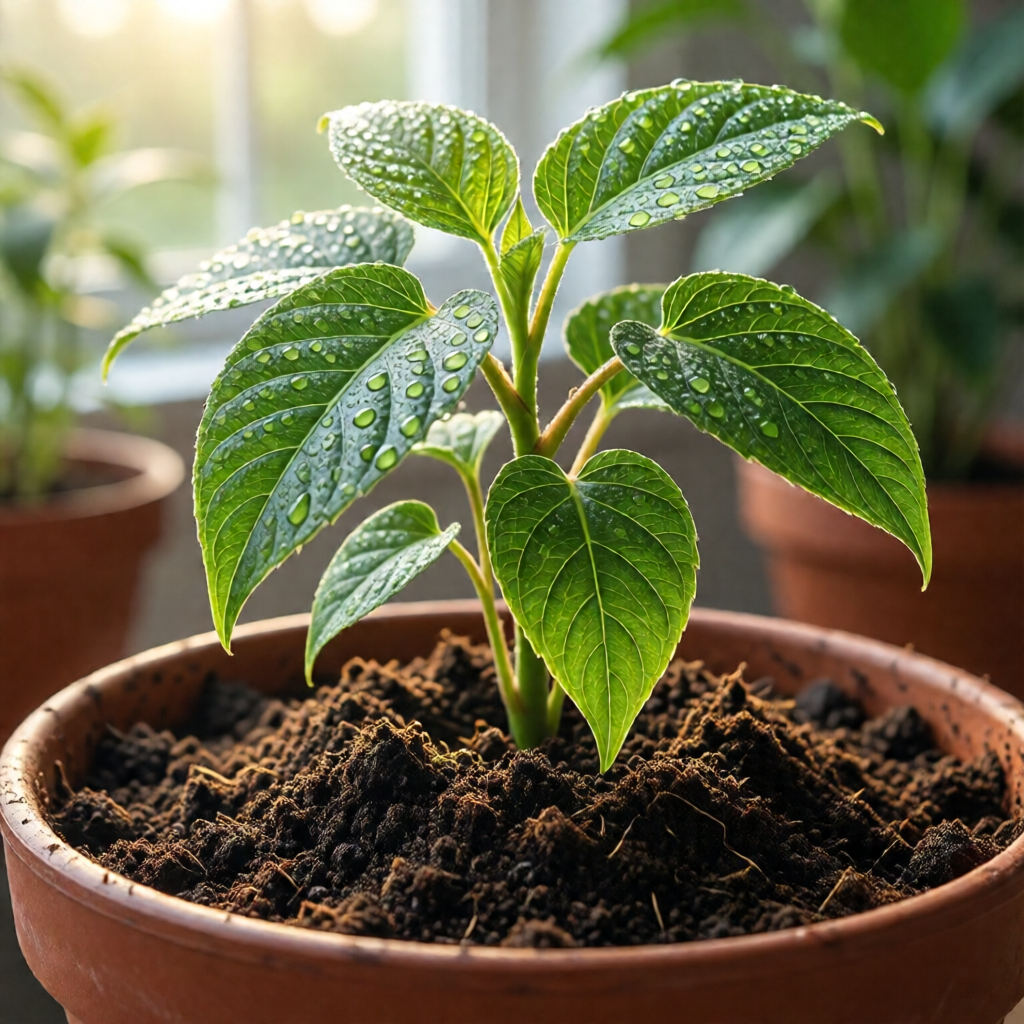
Final Thoughts
The “best” soil mix isn’t a one‑size‑fits‑all formula; it’s a thoughtful blend that mirrors the natural habitat of each plant while accommodating the constraints of indoor life. By mastering the core components—base, aeration, nutrients, and pH—you can craft mixes that boost growth, enhance bloom quality, and reduce the frequency of common problems. Whether you’re a seasoned indoor gardener or just starting a kitchen herb corner, the knowledge and recipes shared here empower you to make informed decisions, experiment confidently, and enjoy the satisfying reward of healthy, vibrant plants all year long.
What is the ideal pH range for most indoor houseplants?
Most indoor houseplants thrive in a slightly acidic to neutral range, typically between pH 5.5 and 7.0. Adjustments can be made with lime to raise pH or sulfur to lower it, depending on the specific plant’s preferences.
Can I use garden soil for indoor pots?
It’s not recommended. Garden soil often contains pests, weeds, and compaction‑inducing particles that can suffocate roots. A dedicated indoor potting mix or a custom blend ensures proper drainage and aeration.
How often should I repot my indoor succulents?
Succulents generally need repotting every 2‑3 years, or when you notice the roots crowded the pot or the soil no longer drains quickly. Refreshing the gritty mix helps maintain their drought‑tolerant environment.
What’s the best way to prevent fungus gnats in houseplant soil?
Allow the top inch of soil to dry between waterings, add a thin layer of sand or decorative stones, and consider using sticky traps. If infestations persist, a mild neem oil drench can help control larvae.
How can I make my own soil mix for orchids?
A good orchid mix consists of 40% bark nuggets, 30% perlite, 20% sphagnum moss, 5% charcoal, and 5% orchid fertilizer. This airy blend mimics the tree‑branch environment orchids naturally grow on.
2 réflexions au sujet de “Best Soil Mix For Indoor Plants – Expert Guide and Ideas”