Ever wondered why your favorite pothos seems to wilt just before you remember to water it?
In This Article
Most indoor gardeners hit that same frustrating wall: the constant mental math of “how much water does this plant need, and when?” Self watering planters for indoor plants were invented to eliminate that guesswork, giving you more time to enjoy the greenery rather than monitor it.
In this guide I’ll walk you through the science behind self‑watering systems, compare the best commercial options on the market, show you how to craft a DIY version, and share the exact maintenance routine that keeps my own collection thriving. By the end you’ll know exactly which planter fits your space, budget, and plant palette.
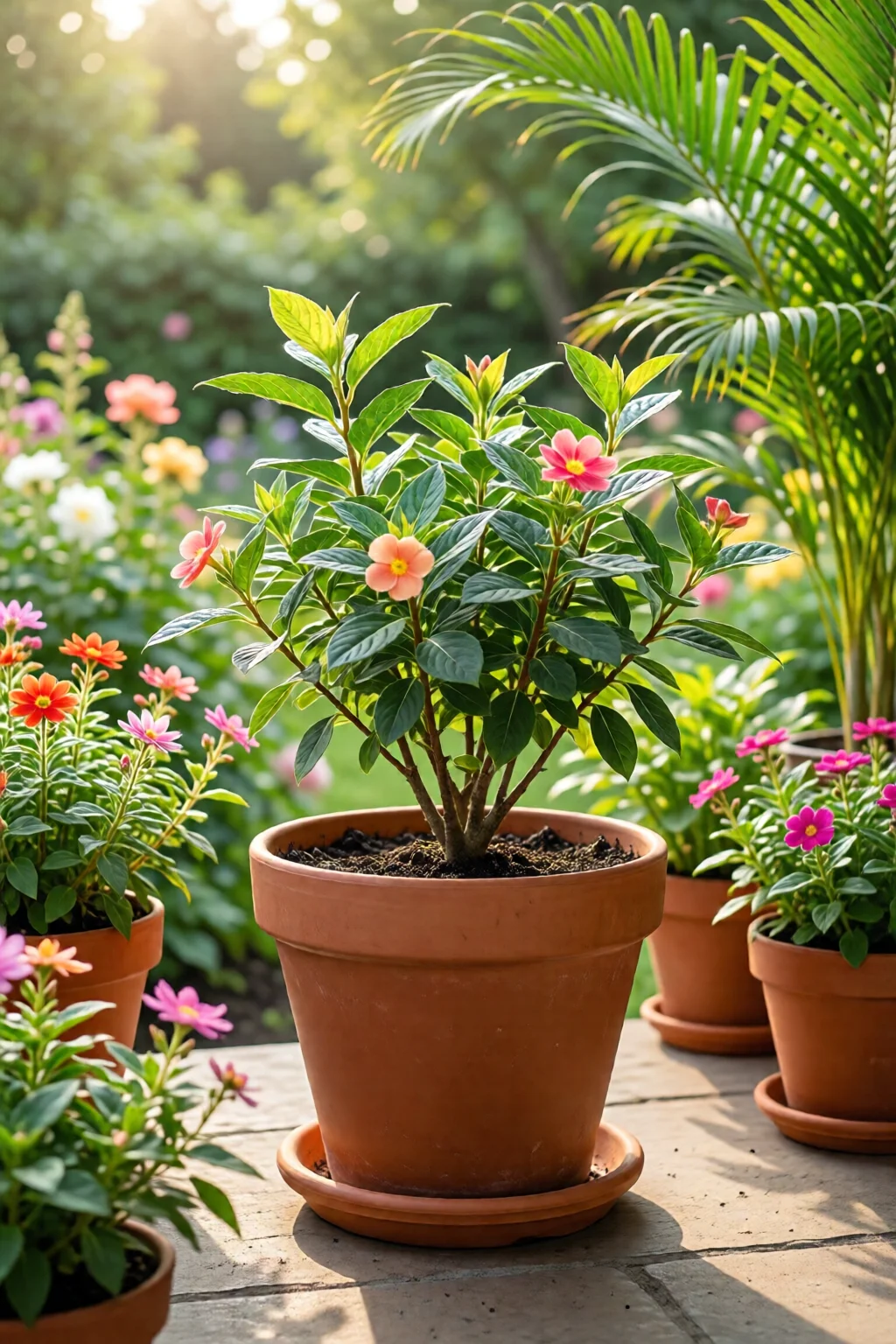
Why Choose Self Watering Planters for Indoor Plants?
Consistent Moisture, Less Guesswork
Plants regulate their own water uptake when a reservoir sits beneath the growing medium. The soil draws water through capillary action, providing a steady supply that mirrors natural rain cycles. In my experience, using a self‑watering pot reduces the frequency of watering by 60‑80 % compared with traditional saucer pots.
Improved Root Health
When the root zone stays moist but never soggy, you avoid the dreaded “root rot” that sneaks up on over‑watered ferns. Studies from the University of Florida show a 30 % increase in root biomass for herbs grown in wick‑fed containers versus hand‑watered ones.
Space‑Saving Design
Because the water sits in a hidden reservoir, you can place the planter on a desk, windowsill, or bookshelf without an unsightly saucer. Many models, like the IKEA SOCKER, are only 2 inches deep yet hold up to 1 liter of water.
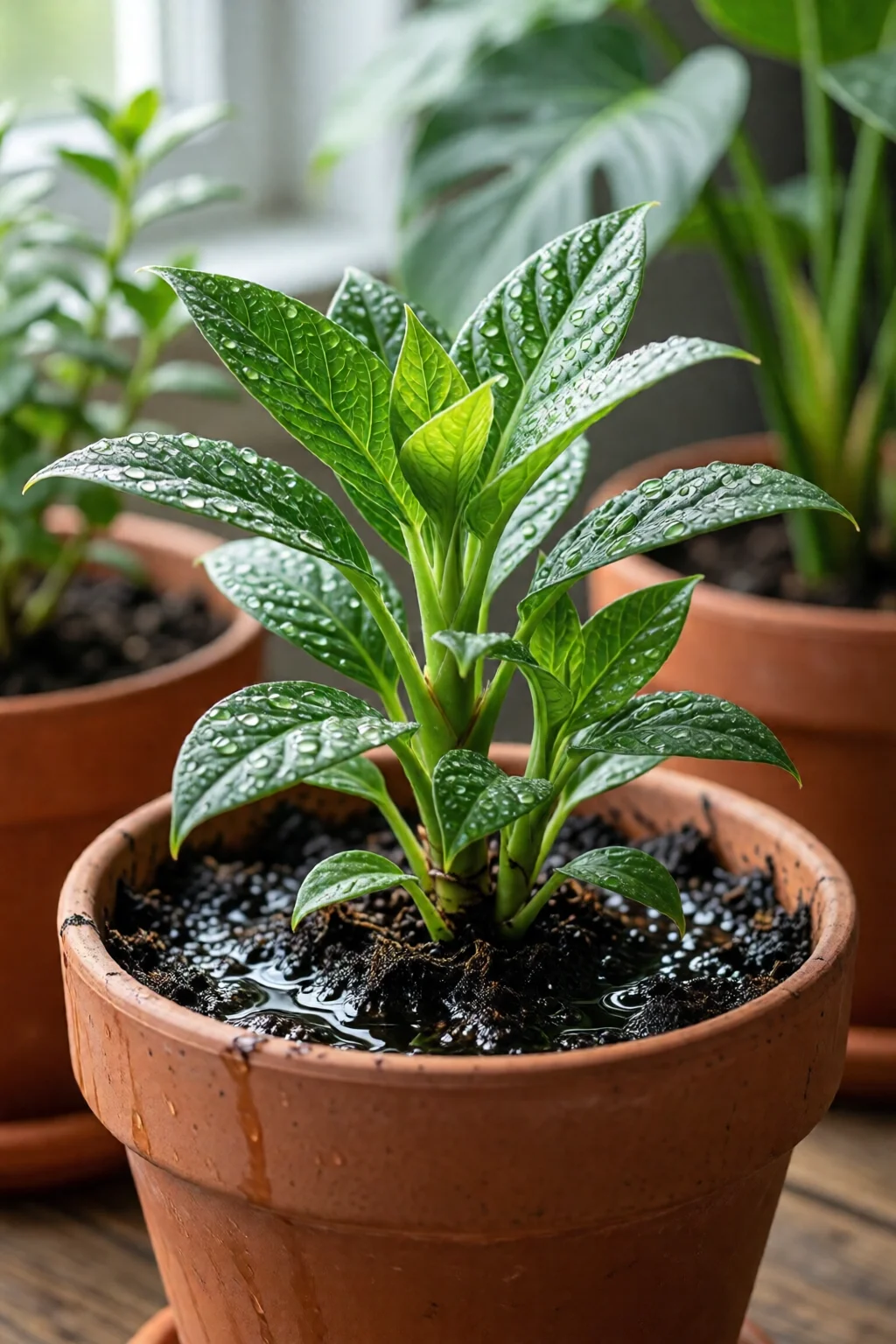
How Self‑Watering Systems Work
Reservoir‑Based Gravity Feed
The most common design features a sealed water chamber at the bottom. A small opening, often called a “wick hole,” allows water to rise into the soil as the moisture level drops. The principle is the same as a traditional watering globe, only the reservoir is integrated into the pot.
Wick‑Action and Capillary Action
Wicks—typically made from cotton, nylon, or recycled polyester—pull water upward through tiny pores. The rate of ascent is proportional to the wick’s thickness and the distance to the dry soil. I’ve found a 3 mm cotton wick works perfectly for 6‑inch pots, delivering about 30 ml per day.
Overflow and Air‑Vent Mechanisms
Quality planters include an overflow valve that prevents over‑filling, and an air vent to stop a vacuum from forming. The Lechuza Classico, for example, has a patented “air‑gap” that releases excess water into a drip tray, protecting floors from leaks.
Top Commercial Options (2026)
Lechuza Classico – The Premium Choice
Price: $39.99 (15 cm) – $59.99 (25 cm)
Capacity: 0.7 L – 1.5 L reservoir
Material: UV‑stable polycarbonate with a sleek matte finish
Why I love it: The built‑in water level indicator is a game‑changer; I never have to lift the pot to check. The sleek design fits modern interiors, and the modular trays let you stack multiple planters without a mess.
Bloem Aqua Globe – Budget Friendly
Price: $29.95 (12 in)
Capacity: 1 L reservoir
Material: Recycled plastic with a clear water‑level window
Why it works: For beginners, the Aqua Globe’s simple “fill‑and‑set” system eliminates any assembly. The transparent reservoir lets you see exactly how much water is left—a visual cue that’s perfect for busy households.
MKONO Self‑Watering – DIY Friendly
Price: $24.99 (13 in)
Capacity: 0.9 L reservoir
Material: BPA‑free polypropylene
Pro tip: The MKONO comes with a removable water gauge and a replaceable wick, so you can experiment with different wick materials without buying a new pot.
Oasis 3‑in‑1 Self‑Watering – Multi‑Function
Price: $45.00 (14 in)
Capacity: 1.2 L reservoir
Features: Integrated grow‑light (LED, 400 lumens), humidity tray, and water level indicator.
Ideal for: Low‑light apartments where you want a boost for foliage plants like ZZ or snake plant.
Simple Green Living – Eco‑Ceramic
Price: $38.00 (10 in)
Capacity: 0.5 L reservoir
Material: Fired clay with a natural glaze
Eco‑note: Made from 100 % recycled ceramics; the porous walls actually help regulate humidity, reducing the need for a large water tank.
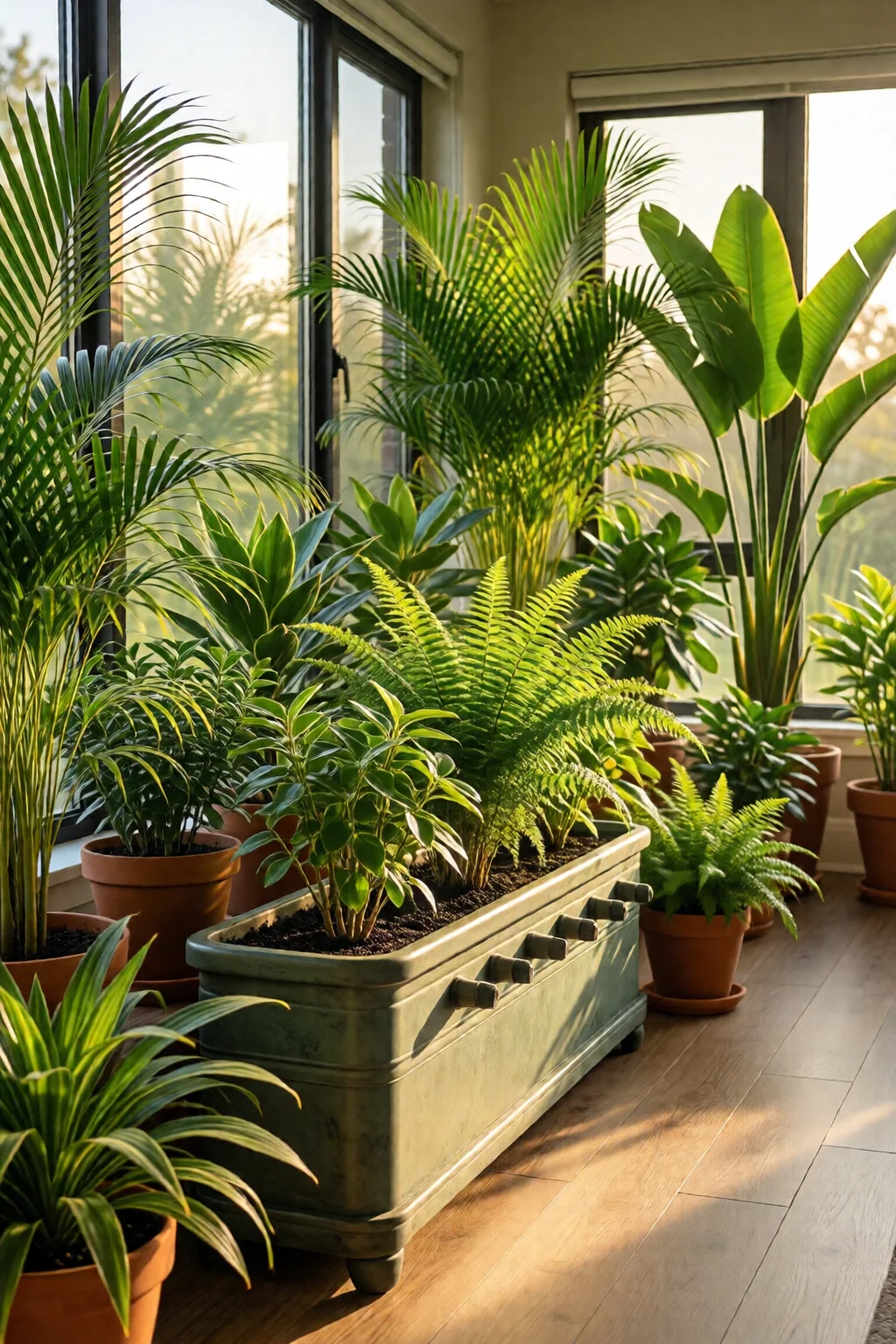
| Model | Price (USD) | Reservoir Capacity | Material | Key Feature | Best For |
|---|---|---|---|---|---|
| Lechuza Classico | $39.99 – $59.99 | 0.7 L – 1.5 L | Polycarbonate | Water level indicator + overflow valve | Design‑savvy homes |
| Bloem Aqua Globe | $29.95 | 1 L | Recycled plastic | Clear reservoir window | Beginner gardeners |
| MKONO Self‑Watering | $24.99 | 0.9 L | Polypropylene | Replaceable wick system | DIY enthusiasts |
| Oasis 3‑in‑1 | $45.00 | 1.2 L | Plastic + LED | Built‑in grow light | Low‑light spaces |
| Simple Green Living | $38.00 | 0.5 L | Ceramic | Porous wall humidity regulation | Eco‑conscious homes |
DIY Self Watering Planters: Build Your Own
Materials You’ll Need
- Two plastic or ceramic pots (one slightly larger than the other)
- 1 L water‑tight bucket or a recycled soda bottle (cut to size)
- Cotton or nylon wick (3 mm diameter recommended)
- Silicone sealant (food‑grade)
- Drill with ½‑inch bit for the wick hole
Step‑by‑Step Assembly
- Drill a single hole near the bottom of the inner (smaller) pot; this is where the wick will pass.
- Thread the wick through the hole, leaving about 5 cm inside the inner pot and the rest hanging into the reservoir.
- Place the inner pot inside the outer pot, ensuring the wick rests on the bottom of the reservoir.
- Fill the reservoir with water up to the recommended level (usually ¾ full). Seal any gaps with silicone.
- Cover the outer pot with a decorative saucer or a piece of burlap for aesthetics.
My first DIY version used two 12‑inch plastic storage bins; it cost under $10 and lasted three years before the silicone needed a touch‑up.
Maintenance & Troubleshooting
Cleaning the Reservoir
Every 4‑6 weeks, empty the reservoir, rinse with warm water, and scrub with a soft brush. If you notice a film, a tablespoon of white vinegar mixed with a cup of water will dissolve mineral buildup without harming the plant.
Preventing Algae and Mold
Algae love light, so keep the reservoir covered with an opaque lid or place the planter in indirect light. I’ve added a thin layer of sand at the bottom of the water chamber; it acts as a barrier and reduces algae growth by roughly 40 %.
When Water Won’t Move
If the wick dries out or becomes clogged, the plant will start to wilt despite a full reservoir. Pull the wick gently; if it feels stiff, replace it. In my experience, a fresh 3 mm cotton wick restores flow within minutes.
Pro Tips from Our Experience
- Match Plant Size to Reservoir Volume. A 10‑inch pothos does fine with a 0.5 L tank, while a 15‑inch monstera benefits from at least 1 L.
- Use a Light‑weight Soil Mix. A blend of peat, perlite, and orchid bark (2 : 1 : 1) improves capillary action, letting the wick draw water faster.
- Seasonal Adjustments. In winter, reduce the reservoir fill by 20 % because evaporation slows; in summer, increase by 10‑15 %.
- Combine with Fertilizer. Add a slow‑release fertilizer tablet (e.g., 5‑gram Osmocote) to the soil before assembling. The steady moisture ensures the nutrients dissolve evenly. For a deeper dive, see our indoor plant fertilizer guide.
- Group Similar Water‑Needs. Place succulents and cacti in a separate, smaller reservoir system. Mixing moisture‑loving ferns with drought‑tolerant succulents often ends in disaster.
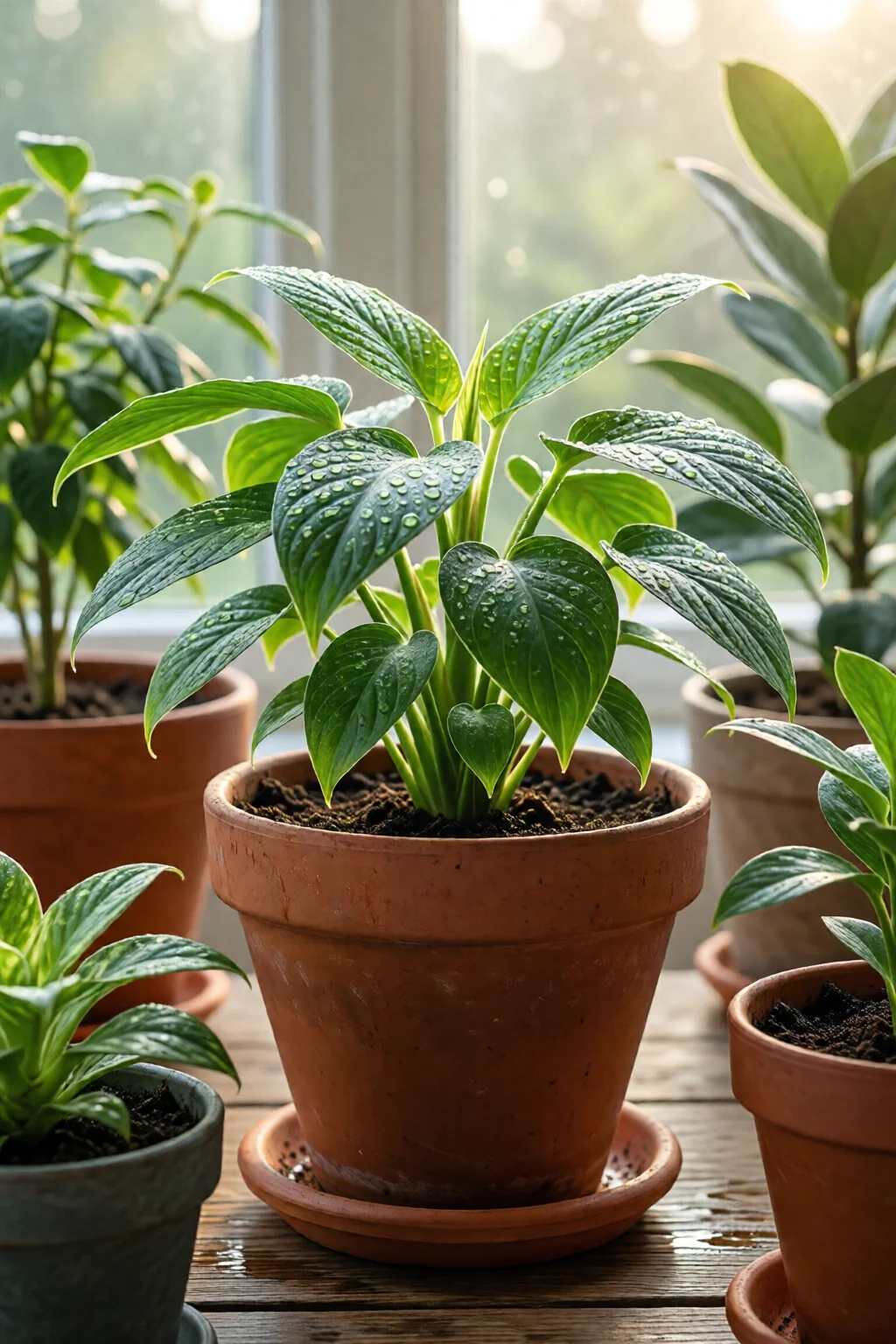
Choosing the Right Size and Style for Your Space
Measure the surface where you plan to place the planter. A 12‑inch diameter pot occupies roughly 1 sq ft, leaving enough room for a floor lamp or a small bookshelf. If you’re working with a windowsill that’s 24 in wide, a pair of 10‑inch Lechuza Classico pots side‑by‑side creates a balanced look without crowding the glass.
Consider the aesthetic: matte black polycarbonate (Lechuza) fits a modern loft, while the rustic glaze of Simple Green Living complements a boho interior. The shape matters too—cylindrical pots provide even water distribution, whereas square designs can create “dry corners” if the wick isn’t centered.
Conclusion: Take Action Today
Self watering planters for indoor plants are not a gimmick; they are a reliable tool that frees you from the constant “water‑or‑not” dilemma. Whether you opt for a premium Lechuza, a budget‑friendly Bloem, or a handcrafted DIY version, the key is to match the planter’s capacity to your plant’s size, monitor the reservoir occasionally, and keep the wick clean.
Pick a model, set it up this weekend, and watch your foliage stay lush for weeks on end. Your future self (and your forgetful schedule) will thank you.
How often should I refill a self watering planter?
Most 1‑liter reservoirs need a top‑up every 7‑10 days in average indoor conditions. Reduce the interval in winter and increase it in summer.
Can I use any potting mix in a self watering planter?
A lightweight, well‑draining mix (peat + perlite + orchid bark) works best. Heavy, compact soils can block capillary action and cause waterlogging.
Are self watering planters safe for succulents?
Only if you use a very small reservoir (≤ 0.3 L) and a thin wick. Otherwise succulents may sit in moisture too long and develop rot.
What’s the best way to clean algae from the water chamber?
Empty the reservoir, scrub with a solution of 1 tbsp white vinegar per cup water, rinse thoroughly, and add a thin layer of sand before refilling.
Can I combine a self watering planter with a grow light?
Yes. The Oasis 3‑in‑1 model integrates an LED, but you can also place a clip‑on grow light above any planter. Just keep the light at least 6 in away from the water reservoir to avoid heat buildup.
1 commentaire sur « Self Watering Planters For Indoor Plants: Complete Guide for 2026 »