When you think of a vegetable garden, sunshine usually tops the mental checklist. Yet many gardeners across the United States face the reality of limited direct sunlight—whether it’s a north‑facing backyard, a patio shaded by mature trees, or a balcony that never catches more than a few hours of light. The good news is that you don’t have to surrender your vegetable ambitions to the shade. With the right selection of shade‑tolerant crops, smart soil preparation, and a few strategic growing techniques, you can harvest a bounty of fresh, nutritious produce even in low‑light conditions. This guide walks you through the best vegetables to grow in shade, practical tips for success, expert advice on soil and companion planting, and actionable steps you can start implementing today.
Shade gardening isn’t about settling for mediocre yields; it’s about understanding plant physiology, matching crops to the specific light levels in your garden, and creating micro‑environments that maximize flavor and nutrition. From leafy greens that thrive on filtered light to root vegetables that appreciate cooler soil temperatures, the options are surprisingly diverse. Whether you’re a seasoned horticulturist or a beginner looking to make the most of a dim corner, the strategies below will empower you to turn shade into a productive, rewarding part of your garden.
Understanding Shade Levels and How They Affect Vegetables
Before you pick your seeds, it’s essential to assess how much light your garden actually receives. Gardeners typically categorize shade into three levels:
- Light shade (4–6 hours of direct sun): This is often the sweet spot for many cool‑season crops. The morning sun warms the soil without overheating, and the afternoon shade prevents bolting.
- Partial shade (2–4 hours of direct sun): Plants receive enough light to photosynthesize but remain cooler, which is ideal for many leafy greens and herbs.
- Full shade (less than 2 hours of direct sun): These areas rely mainly on reflected or filtered light. Success here depends on selecting truly shade‑tolerant varieties and focusing on cooler‑season planting.
Use a simple smartphone app or a handheld light meter to track sunlight patterns over a typical week. Note the direction of the sun, any seasonal changes, and how shadows shift throughout the day. Understanding these nuances will guide you toward the most appropriate vegetable choices and planting schedules.
In addition to sunlight, shade influences soil temperature and moisture. Shaded spots tend to stay cooler and retain moisture longer, reducing the need for frequent watering but also slowing down seed germination. To compensate, you can use a seed‑starting heat mat, choose faster‑germinating varieties, or pre‑soak seeds for a few hours before planting.
Top Shade‑Loving Vegetables for a Productive Garden
The following vegetables have proven track records in low‑light environments across the United States. For each, we’ll cover ideal planting times, soil preferences, and key tips for maximizing flavor.
Leafy Greens: Spinach, Lettuce, and Arugula
Leafy greens are the crown jewels of shade gardening. Spinach (Spinacia oleracea) thrives in cool, partially shaded conditions and can be harvested continuously by “cut‑and‑come‑again” methods. Butterhead and loose‑leaf lettuce varieties are similarly tolerant, especially when planted in early spring or late summer. Arugula (Eruca vesicaria) adds a peppery bite and can tolerate as little as 2–3 hours of direct sun.
Practical tips: Sow seeds ¼ inch deep in loose, well‑draining soil enriched with compost. Keep the soil consistently moist but not soggy. For continuous harvest, sow a new batch every two weeks. If you’re using a raised bed, consider adding a thin layer of straw mulch to retain moisture and keep soil temperatures stable.
Kale and Swiss Chard
Kale (Brassica oleracea var. acephala) and Swiss chard (Beta vulgaris subsp. cicla) are robust, nutrient‑dense greens that tolerate partial shade exceptionally well. Kale’s curly or ruffled leaves develop sweeter flavors when exposed to cooler, shaded conditions, while Swiss chard’s colorful stems add visual interest to any garden bed.
Practical tips: Plant seedlings 12–18 inches apart to allow airflow. Space rows 18–24 inches apart in raised beds for easy access. Both vegetables benefit from a side dressing of balanced fertilizer (10‑10‑10) once the plants are 6 inches tall, encouraging vigorous leaf growth.
Mustard Greens and Collard Greens
Mustard greens (Brassica juncea) and collards (Brassica oleracea var. viridis) are members of the brassica family that love the cooler microclimate of shaded gardens. Their slightly spicy flavor intensifies in low‑light conditions, and they tolerate frost, making them ideal for early spring or late fall planting.
Practical tips: Direct‑seed or transplant seedlings after the last frost. Maintain a soil pH of 6.0–6.8 for optimal nutrient uptake. A light weekly application of fish emulsion can boost leaf development without encouraging excessive bolting.
Peas and Bush Beans
While most beans crave full sun, certain varieties of snap peas (Pisum sativum var. macrocarpon) and bush beans (Phaseolus vulgaris) can perform well in partial shade, especially when temperatures are high. Peas benefit from the cooler soil that shade provides, and they fix nitrogen, enriching the soil for subsequent crops.
Practical tips: Plant peas 1–2 inches deep, spacing rows 18 inches apart. Provide a trellis or netting for support. For bush beans, sow seeds ½ inch deep, spacing 4–6 inches apart. Water at the base of the plants to keep foliage dry and reduce disease pressure.
Root Vegetables: Carrots, Radishes, and Beets
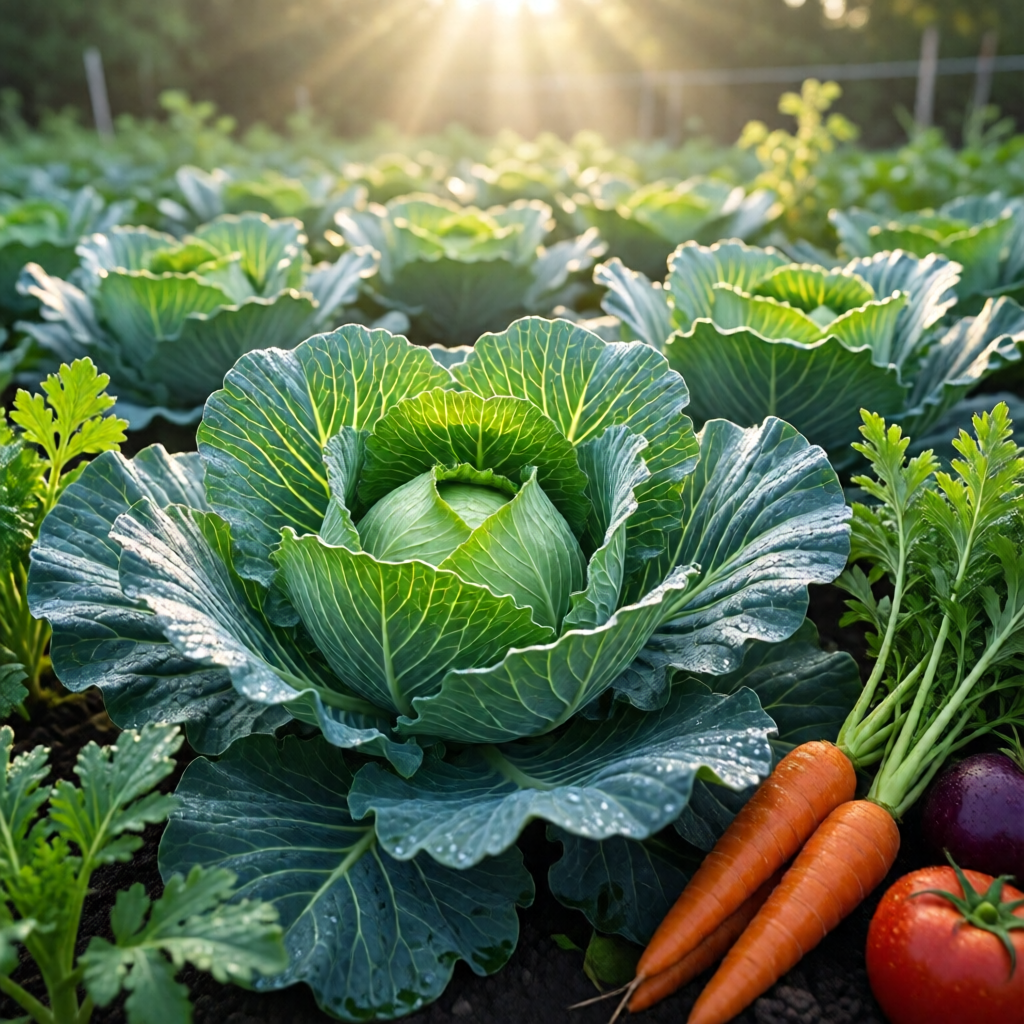
Carrots (Daucus carota subsp. sativus), radishes (Raphanus sativus), and beets (Beta vulgaris) are surprisingly tolerant of shade, particularly when the soil remains loose and well‑drained. Shade can actually improve the sweetness of carrots and beets by reducing the conversion of sugars to starch in high heat.
Practical tips: Loosen soil to a depth of at least 12 inches before planting. Sow seeds thinly and thin seedlings to the recommended spacing (2 inches for carrots, 1 inch for radishes, 4 inches for beets). Mulch lightly to keep the soil cool and moist, which encourages uniform root development.
Herbs: Mint, Parsley, and Cilantro
Many culinary herbs flourish in partial shade. Mint (Mentha spp.) is vigorous and can become invasive, so consider planting it in a container. Parsley (Petroselinum crispum) and cilantro (Coriandrum sativum) prefer cooler conditions and tend to bolt quickly in full sun, making shaded spots perfect for prolonged harvests.
Practical tips: Harvest mint regularly to prevent overgrowth. For parsley and cilantro, sow seeds every 2–3 weeks for a continuous supply. Ensure good airflow to minimize fungal issues, especially in humid regions.
By focusing on these shade‑tolerant vegetables, you can build a diverse, year‑round garden that supplies fresh greens, roots, and herbs even in the dimmest corners of your property.
Soil Preparation and Fertilization for Shaded Gardens
Shade affects soil temperature and moisture, which in turn influences nutrient availability. To create an optimal growing medium, follow these steps:
- Amend with organic matter: Incorporate 2–3 inches of compost or well‑rotted manure into the top 12 inches of soil. This improves structure, drainage, and moisture retention—critical for shaded beds that stay cool and damp.
- Adjust pH: Most shade‑loving vegetables prefer a slightly acidic to neutral pH (6.0–7.0). Use a soil test kit and amend with lime to raise pH or elemental sulfur to lower it, as needed.
- Use a balanced fertilizer: Apply a slow‑release granular fertilizer with an N‑P‑K ratio of 10‑10‑10 or 14‑14‑14 at planting time. For leaf‑heavy crops like kale and lettuce, a slightly higher nitrogen formulation (e.g., 20‑10‑10) encourages lush foliage.
- Mulch wisely: A 2‑inch layer of shredded leaves, straw, or pine bark helps regulate temperature, suppress weeds, and retain moisture without smothering seedlings.
- Consider raised beds: If your soil is heavy clay or compacted, raised garden beds improve drainage and warm up faster in spring, extending the growing window for shade‑tolerant crops. Check out our raised garden bed ideas for beginners for design inspiration.
When planting, avoid compacting the soil around seedling roots. Gently firm the soil with your hands or a small trowel, then water thoroughly to settle the medium.
Companion Planting and Crop Rotation in Shade
Companion planting isn’t just for pest control; it can also enhance light distribution and improve soil health in shaded areas. Here are some proven pairings:
- Leaves with legumes: Plant peas or beans alongside leafy greens. Legumes fix nitrogen, providing a natural fertilizer boost for nitrogen‑hungry greens.
- Herbs as pest deterrents: Interplant mint, sage, or rosemary near carrots and beets to repel carrot flies and beetles.
- Groundcovers for moisture: Low‑growing thyme or creeping thyme can act as living mulch, conserving moisture while allowing enough airflow for healthy foliage.
Crop rotation remains vital, even in shade. Rotate root crops (carrots, beets, radishes) with leaf crops (lettuce, kale) each season to prevent soil‑borne diseases and balance nutrient depletion. A simple three‑year rotation—leaf, root, legume—works well for most small gardens.
Growing in Containers and Raised Beds for Shade
When ground space is limited or the soil is persistently damp, containers and raised beds offer controlled environments that can dramatically improve shade gardening success. Here’s how to make the most of them:
Containers
Select containers at least 12 inches deep for root vegetables and 8 inches for leafy greens. Use a high‑quality potting mix blended with perlite or vermiculite to ensure excellent drainage. Because containers can heat up quickly in sunny spots, placing them in partial shade protects roots from scorching.
For herbs like mint, use a separate pot to prevent aggressive spreading. Add a slow‑release fertilizer pellet at planting time, and top‑up with a liquid fertilizer every two weeks during active growth.
Raised Beds
Raised beds allow you to customize soil composition, improve drainage, and create a flatter surface for easier maintenance. Fill them with a blend of 50% garden soil, 30% compost, and 20% coarse sand or perlite. This mix stays loose enough for carrots and beets to develop straight roots.
When designing your raised bed, consider a “staggered” layout: place taller plants like kale on the north side (if your bed receives any direct sun) and shorter, shade‑tolerant crops like lettuce and herbs toward the south side, where they’ll catch reflected light. For more ideas, explore our guide on container vegetable gardening for beginners.
Both containers and raised beds benefit from regular watering—especially in shaded areas where moisture can linger, encouraging root rot if not managed. Water at the base, and use a drip irrigation system or soaker hose to deliver consistent moisture without over‑wetting foliage.
Managing Pests and Diseases in Shady Gardens
Shade can create a humid microclimate that favors fungal diseases like powdery mildew, downy mildew, and leaf spot. To keep your garden healthy:
- Space plants properly: Ensure adequate airflow by following recommended spacing guidelines. Crowded foliage traps moisture and invites disease.
- Water wisely: Water early in the morning at the soil level, avoiding wetting leaves. This reduces the duration of leaf wetness, a key factor in fungal infection.
- Use organic sprays: A neem oil or copper‑based fungicide applied weekly during humid periods can prevent mildew without harming beneficial insects.
- Rotate crops: As mentioned earlier, rotating families each season breaks disease cycles.
- Encourage beneficial insects: Lady beetles, lacewings, and parasitic wasps prey on aphids, spider mites, and leaf miners—common pests in cooler, shaded environments.
If you notice signs of disease, remove affected leaves promptly and dispose of them (don’t compost). For severe infestations, consider a targeted organic pesticide and re‑evaluate spacing and watering practices.
Harvesting, Storing, and Extending the Season
Harvesting at the right time maximizes flavor and nutritional value. Here are quick guidelines for the shade‑loving crops covered:
- Leafy greens: Cut outer leaves once they reach 4–6 inches, allowing the plant to continue producing new growth.
- Kale and collards: Harvest leaves from the bottom up when they are 6–8 inches long. Younger leaves are milder; older leaves are more robust.
- Root vegetables: Gently loosen soil with a fork and pull when roots reach mature size—usually 60–70 days for carrots and beets.
- Peas: Pick pods when they are plump but before seeds fully mature for the sweetest flavor.
To extend the harvest season, consider using cold frames or row covers. A simple hoop house covered with clear plastic can add 4–6 weeks of productive growth in early spring or late fall, especially valuable for cool‑season crops that thrive in shade.
For storage, keep leafy greens in a perforated bag in the refrigerator crisper drawer, and store root vegetables in a cool, dark, and slightly humid area (like a basement or root cellar) to maintain crispness for months.
Conclusion: Turning Shade into a Garden Asset
Shade doesn’t have to be a limiting factor—it can be an asset that yields tender greens, sweet roots, and aromatic herbs. By selecting the right vegetables, preparing soil with organic matter, employing strategic companion planting, and leveraging containers or raised beds, you can transform a dim corner into a thriving harvest zone. Remember to monitor light levels, maintain proper moisture, and rotate crops to keep soil health in balance. With these actionable steps, your shaded garden will reward you with fresh, flavorful produce throughout the growing season.
Which vegetables can tolerate full shade?
In areas receiving less than two hours of direct sun, focus on leafy greens like spinach, arugula, and certain lettuce varieties, as well as herbs such as mint, parsley, and cilantro. Root crops like radishes and baby carrots can also perform reasonably well, especially if the soil stays loose and well‑drained.
How do I improve soil drainage in a shaded garden?
Incorporate coarse sand, perlite, or fine gravel into the top 12 inches of soil, and add plenty of compost to improve structure. Raised beds are an excellent solution because they allow you to control the soil mix and promote better drainage, even in low‑light conditions.
Can I grow beans in partial shade?
Yes, snap peas and certain bush bean varieties can thrive in partial shade, especially when temperatures are high. Provide a trellis for peas and ensure the soil stays consistently moist. Beans also help fix nitrogen, benefiting nearby leafy crops.
What are the best watering practices for shaded containers?
Water at the base of the plant early in the morning, using a drip system or a watering can to keep foliage dry. Check soil moisture daily—shaded containers retain water longer, so allow the top inch of soil to dry before rewatering to prevent root rot.
How can I extend the harvest of shade‑loving vegetables into winter?
Use row covers, cold frames, or a simple hoop house to protect crops from frost. These structures trap solar heat, allowing cool‑season greens, kale, and Swiss chard to keep producing well into the colder months.