Designing a butterfly garden is more than just planting pretty flowers; it’s about creating a living tapestry where every element works together to attract, support, and delight these delicate pollinators. Whether you have a sprawling backyard or a modest balcony, a well‑thought‑out layout can turn any space into a vibrant sanctuary that not only draws butterflies but also becomes a focal point for family gatherings, quiet contemplation, and educational moments for kids. In this guide we’ll walk you through every step of planning, designing, and maintaining a butterfly garden layout that thrives in the varied climates of the United States, with practical tips, expert advice, and actionable strategies you can start implementing today.
Planning Your Butterfly Garden Layout
Choosing the Right Site
The first decision in any garden design is location. Butterflies need plenty of sunshine—ideally 6 to 8 hours of direct light each day—to warm their bodies and to keep nectar‑rich flowers blooming. Look for a spot that receives morning sun and afternoon shade, especially in hotter regions like the Southwest. If full sun isn’t possible, consider using reflective surfaces such as white walls or light‑colored mulch to bounce extra light onto your plants. Avoid areas that are heavily wind‑tunneled; butterflies are weak fliers and can be deterred by strong breezes.
Understanding Butterfly Behavior
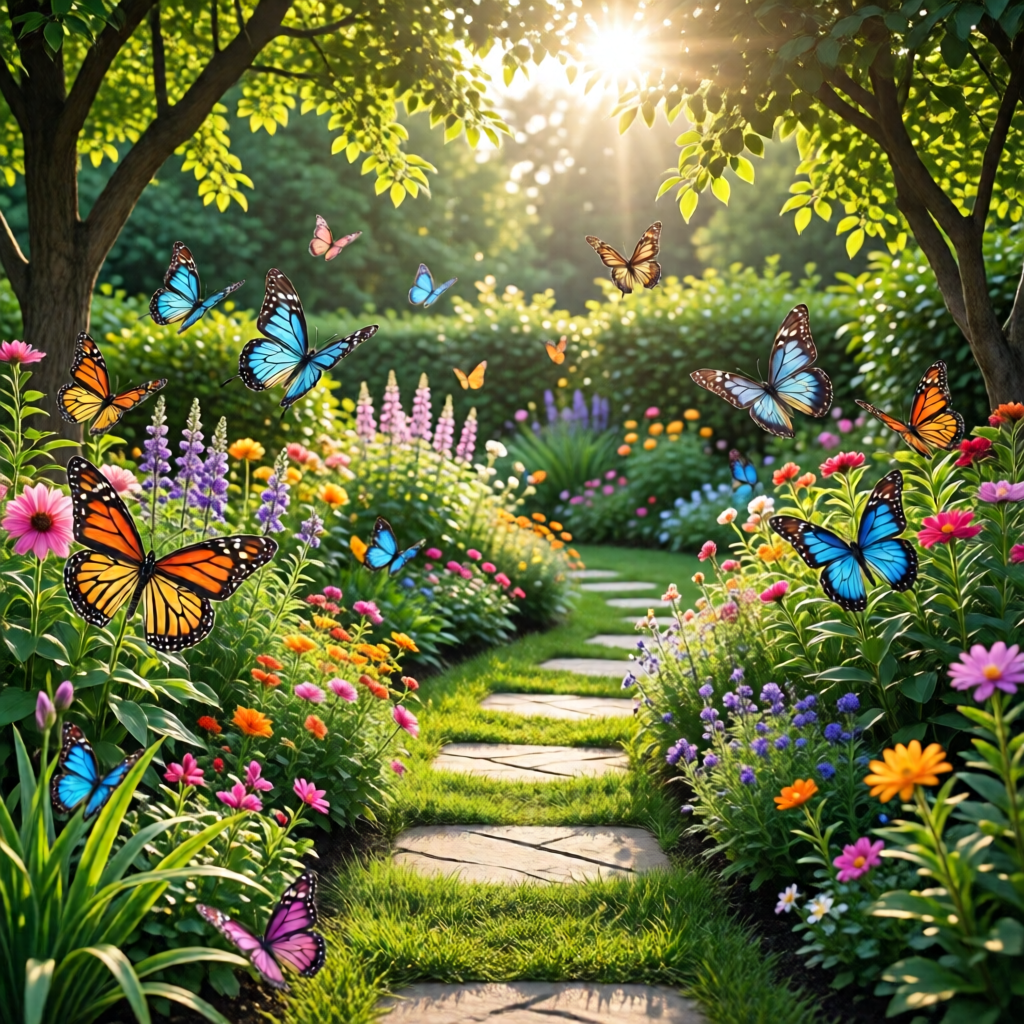
Butterflies are attracted to certain visual cues and scents. Bright colors—especially reds, oranges, yellows, and purples—act like neon signs for them. Scented blooms release volatile compounds that guide butterflies from a distance. Knowing the flight patterns of local species can help you place nectar sources along their natural routes. For example, monarchs in the Midwest tend to follow river corridors, while painted ladies in the Southeast favor open fields dotted with low shrubs. Mapping these patterns on a simple sketch of your yard will inform where to position key plantings and pathways.
Designing the Layout
Creating Zones and Paths
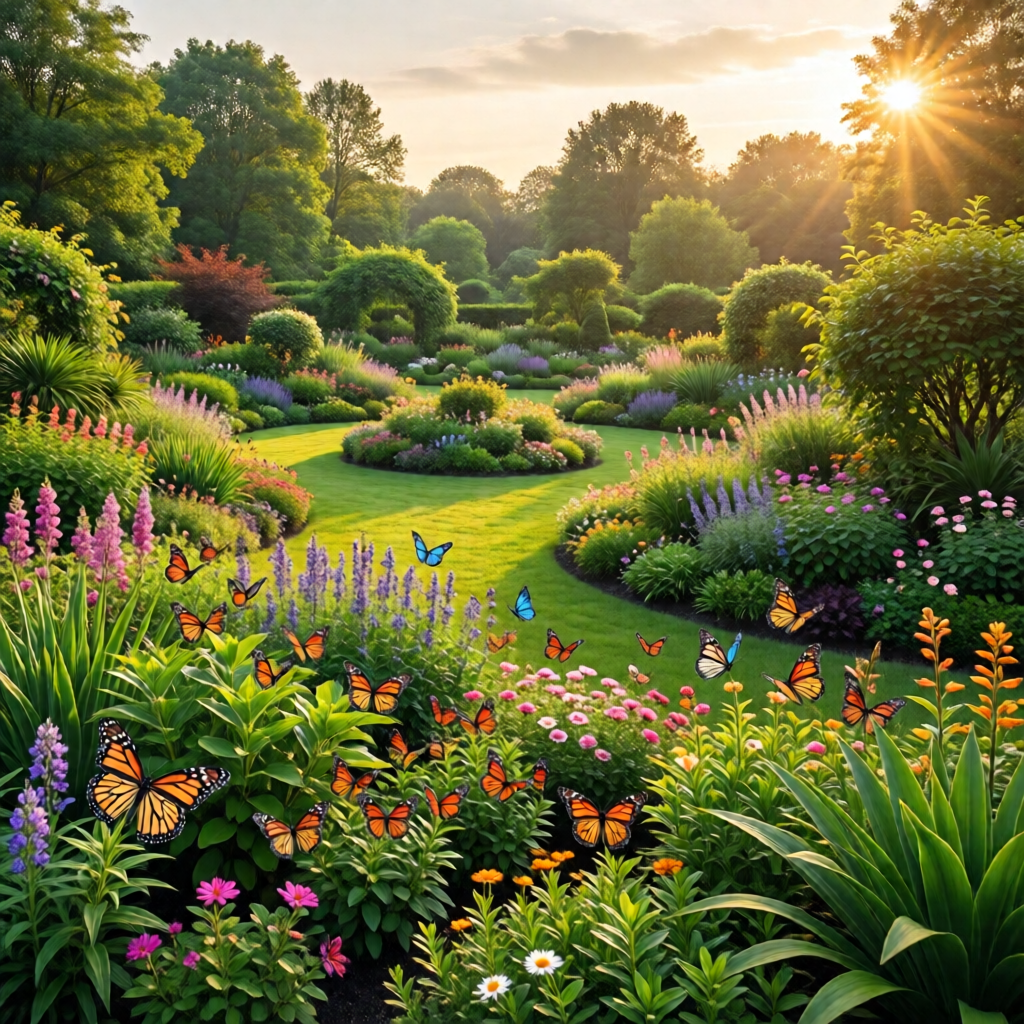
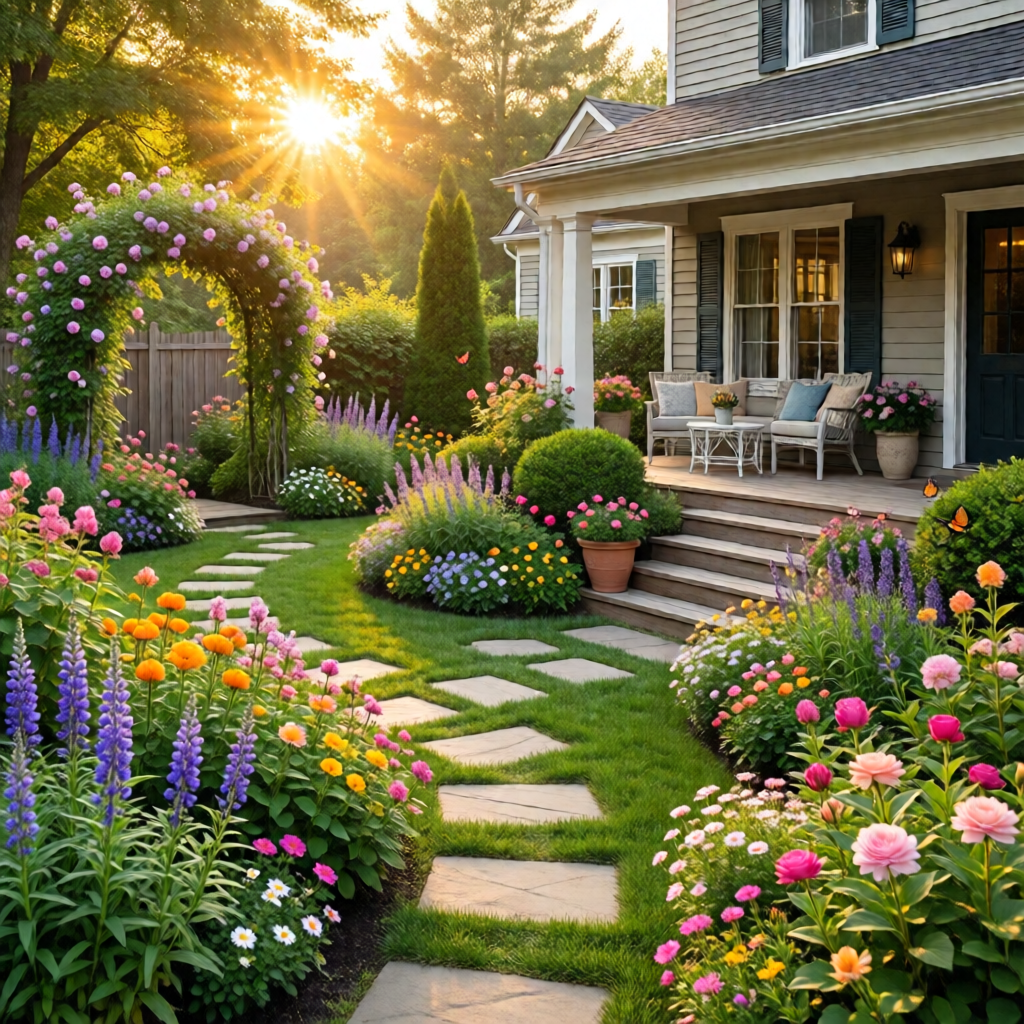
A successful butterfly garden is organized into distinct zones that serve different functions: a nectar zone for feeding, a host‑plant zone for laying eggs, and a resting zone with perches and shelter. Use gently curving pathways—no sharper than a gentle “S” shape—to guide visitors through each zone while providing butterflies with easy flight routes. Wide, flat stepping stones or mulched walkways keep foot traffic low impact and prevent soil compaction, which can damage delicate root systems.
Plant Selection for Continuous Bloom
Butterflies need a steady supply of nectar from early spring through late fall. Choose a mix of early‑blooming, mid‑season, and late‑blooming species to ensure food is always available. Some reliable choices include:
- Early spring: Bloodroot (Sanguinaria canadensis), Virginia bluebells, and columbine.
- Mid‑season: Coneflower (Echinacea purpurea), butterfly bush (Buddleja davidii), and lantana.
- Late fall: Asters, goldenrod, and sedum.
Mixing native wildflowers with select exotics creates a dynamic palette that supports both local and migratory species. For inspiration, check out our wildflower garden ideas page, which offers plant combos that bloom in succession.
Host Plants vs. Nectar Plants
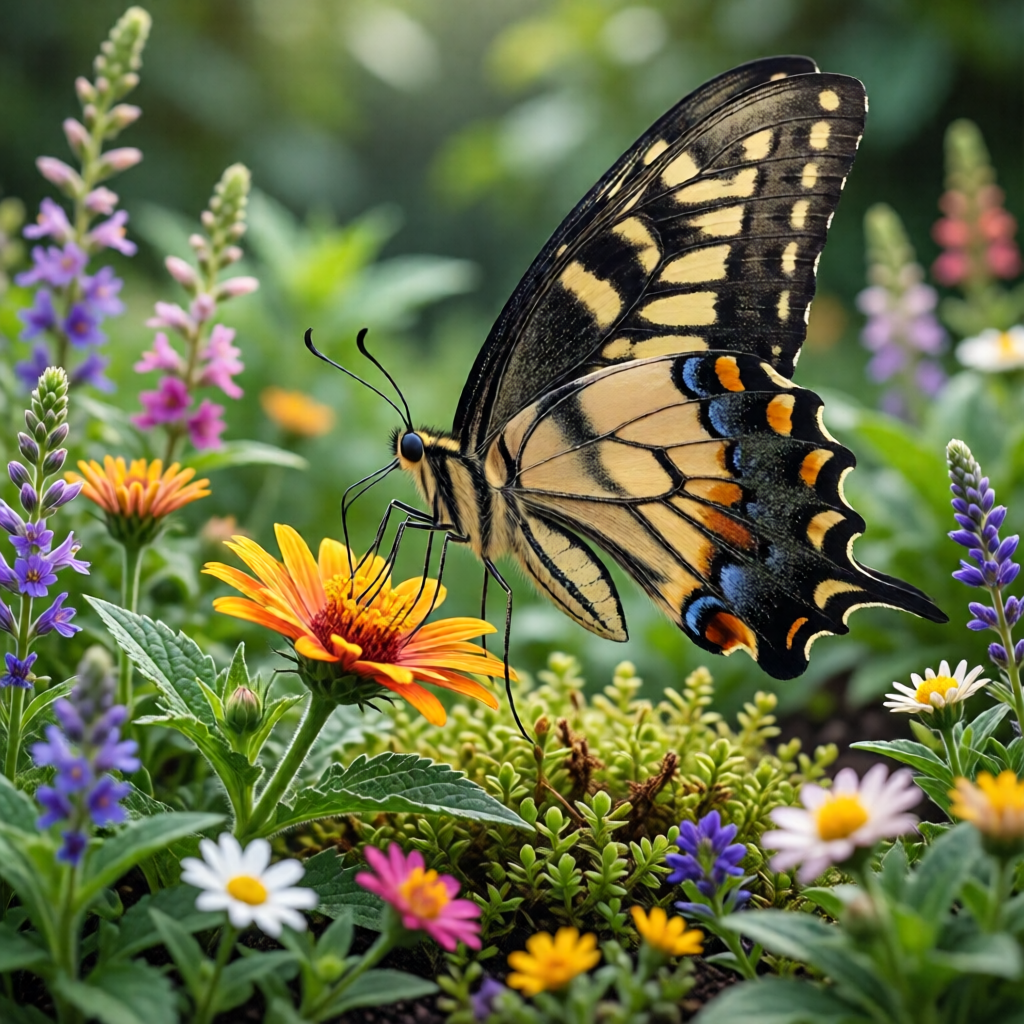
While nectar plants feed adult butterflies, host plants are essential for laying eggs and supporting caterpillars. Different butterfly species have specific host preferences. Monarchs, for instance, rely exclusively on milkweed (Asclepias spp.) for their larvae, whereas swallowtails prefer plants in the carrot family like fennel and dill. Plant host species near the nectar zone but not so close that caterpillars get eaten by birds that are attracted to the same flowers. This strategic placement creates a safe nursery while keeping the overall garden cohesive.
Structural Elements
Sun and Shade Considerations
Even in a sunny garden, butterflies need occasional shade to regulate their body temperature. Incorporate low‑lying shrubs, ornamental grasses, or even a small pergola with climbing vines such as clematis. These structures create micro‑habitats where butterflies can rest on warm days without overheating. Remember that too much shade can reduce flower production, so balance is key.
Water Features and Mud Puddles
Butterflies require minerals and water, often obtained from damp soil or “puddling” spots. A shallow dish filled with sand and a few drops of mineral solution (or simply a shallow basin with a sloping edge) mimics natural puddles. Position these near sunny areas where butterflies often bask. A modest birdbath with a rock ledge also serves double duty, offering both water and a perching spot.
Shelters and Perches
Flat rocks, dead logs, and even a decorative garden sculpture can act as perches. Butterflies love to settle on warm surfaces before taking off again. Place these items at varying heights to accommodate different species. For a tropical feel, consider adding a small bamboo screen or a set of tropical garden ideas from our tropical garden ideas collection, which includes lush foliage that doubles as shelter.
Soil Preparation and Maintenance
Soil Testing and Amendments
Healthy soil is the foundation of any garden. Conduct a simple soil test (available at most garden centers) to determine pH and nutrient levels. Butterflies thrive in slightly acidic to neutral soils (pH 6.0‑7.0). Amend heavy clay soils with compost and coarse sand to improve drainage, while adding peat moss or leaf mold to overly sandy soils to retain moisture. A well‑balanced soil encourages robust plant growth, which translates to more nectar and host foliage.
Mulching and Weed Management
Mulch serves multiple purposes: it conserves moisture, suppresses weeds, and adds organic matter as it breaks down. Use a 2‑3 inch layer of shredded bark, pine needles, or leaf mulch around your plants. For weed control without chemicals, refer to our guide on how to prevent garden weeds naturally. Hand‑pulling early‑season weeds before they set seed is especially effective, and it also reduces competition for water and nutrients.
Seasonal Care Calendar
Spring Kick‑Start
As the frost thaws, prepare your garden by planting early‑blooming nectar sources and host plants. Apply a balanced, slow‑release fertilizer to give new growth a boost. Start a compost tea spray once a month to enhance soil microbial life, which benefits both plants and the insects that feed on them.
Summer Maintenance
During the heat of summer, keep the garden well‑watered, especially in the Southwest where evaporation rates are high. Water early in the morning to minimize fungal diseases. Deadhead spent blooms regularly to encourage continuous flowering. Monitor for pests such as aphids, which can be managed with neem oil or a gentle soap spray, but avoid broad‑spectrum insecticides that can harm butterflies.
Fall Transition
In early fall, replace summer‑blooming annuals with late‑season perennials like asters and goldenrod. This ensures a food source for migrating species preparing for winter. Reduce watering as temperatures drop, but maintain enough moisture to keep the soil from drying out completely.
Winter Protection
In colder regions, protect tender perennials with a layer of straw or burlap. Mulch heavily around host plants to insulate roots. Some butterfly species, like the monarch, overwinter in clusters of trees; consider planting a small grove of native trees such as oak or hickory nearby to provide a safe haven.
DIY Projects and Budget Tips
Creating a butterfly garden doesn’t have to break the bank. Repurpose old wooden pallets into vertical planting walls for nectar plants, or use reclaimed bricks to build low garden borders. Craft a simple butterfly house from untreated cedar, drilling small ventilation holes to protect larvae from predators. For a touch of whimsy, paint rocks with bright colors to attract butterflies while adding visual interest.
When selecting plants, look for local nursery sales or community plant swaps. Many native plants are available as cuttings, which can be rooted at home for a fraction of the cost. Pairing succulents with nectar plants can also reduce water usage and maintenance—check out our succulent garden design ideas for inspiration on blending drought‑tolerant species into your layout.
Common Mistakes to Avoid
Planting too many exotic species. While exotic plants can be beautiful, they often require more water and may not provide the right nectar composition for native butterflies. Prioritize native species to create a resilient ecosystem.
Neglecting host plants. A garden full of nectar but lacking host plants will attract butterflies only temporarily; without places to lay eggs, populations will not sustain.
Over‑watering or poor drainage. Standing water can lead to root rot and fungal diseases that diminish flower production. Ensure your garden beds have good drainage and water only when the top inch of soil feels dry.
Using pesticides. Even “organic” pesticides can be harmful to butterflies. Opt for integrated pest management (IPM) techniques, such as encouraging beneficial insects like ladybugs and lacewings.
Bringing It All Together
Designing a butterfly garden layout is a rewarding blend of art, science, and a love for nature. By thoughtfully selecting a sunny site, arranging zones that cater to feeding, breeding, and resting, and maintaining soil health with organic practices, you create a thriving haven that supports a full life cycle of butterflies. Remember to provide continuous bloom, water sources, and shelter, and you’ll watch your garden transform into a living canvas of fluttering color throughout the seasons. Whether you’re a seasoned horticulturist or a beginner eager to attract these graceful pollinators, the steps outlined here will guide you toward a garden that not only looks spectacular but also contributes to the health of local ecosystems.
What are the best native plants for a butterfly garden in the United States?
Native plants such as coneflower (Echinacea), milkweed (Asclepias), butterfly weed (Asclepias tuberosa), black-eyed Susan (Rudbeckia hirta), and asters provide both nectar and host options for many U.S. butterfly species.
How much sunlight does a butterfly garden need?
Butterflies thrive in areas that receive at least 6‑8 hours of direct sunlight daily. Morning sun followed by light afternoon shade is ideal for most regions.
Can I attract monarch butterflies without planting milkweed?
Milkweed is essential for monarch caterpillars. While nectar plants will attract adult monarchs, without milkweed the butterflies cannot complete their life cycle in your garden.
How do I create a butterfly puddling station?
Fill a shallow dish with sand, add a few drops of mineral solution or crushed rock, and place it in a sunny spot. Butterflies will land and sip the moisture for essential salts.
What maintenance tasks are essential for a healthy butterfly garden?
Key tasks include regular deadheading to promote new blooms, mulching to retain moisture and suppress weeds, monitoring for pests and using IPM methods, and providing water and shelter throughout the seasons.