Companion planting is one of the most rewarding strategies for home gardeners who want to boost yields, deter pests, and improve soil health—all without relying on synthetic chemicals. By pairing vegetables that support each other’s growth, you create a resilient, self‑balancing garden ecosystem. This comprehensive companion planting chart for vegetables walks you through the science behind the practice, offers expert‑level pairings, and gives you actionable steps to design and maintain a thriving garden in any U.S. climate.
Why Companion Planting Matters
Understanding the “why” behind companion planting helps you apply it more effectively. Plants interact through root exudates, volatile compounds, and physical structures. Some release chemicals that attract beneficial insects like ladybugs and hoverflies, while others emit substances that repel common pests such as aphids, cucumber beetles, and nematodes. Additionally, complementary root depths reduce competition for water and nutrients, and dense foliage can shade soil to retain moisture.
Research from universities such as Cornell and the University of California, Davis shows that strategic plant pairings can increase overall garden productivity by 10‑30 % and reduce the need for external inputs. For the environmentally conscious gardener, companion planting also supports biodiversity, encourages pollinator activity, and fosters a healthier soil microbiome.
How to Read a Companion Planting Chart
A companion planting chart typically presents vegetables in a grid format, indicating which plants are “good,” “neutral,” or “bad” neighbors. Green cells denote beneficial relationships, yellow cells indicate no significant interaction, and red cells flag incompatibilities. When you consult a chart, follow these steps:
- Identify your primary crops. List the vegetables you plan to grow this season.
- Cross‑reference each crop. Look at the intersecting row and column to see which companions are recommended.
- Consider timing. Some companions are most effective when planted simultaneously, while others work best as a “trap crop” early in the season.
- Factor in garden layout. Use the chart to arrange rows, beds, or containers so that beneficial pairings are adjacent, but avoid placing antagonistic plants too close.
Most charts also include notes on soil pH preferences, water needs, and sunlight requirements—critical details for the diverse climates across the United States, from the hot, dry Southwest to the humid Southeast.
Top Companion Pairings for Common Vegetables
Below, we dive into the most effective vegetable pairings, grouped by primary crop. Each subsection includes a brief explanation, planting tips, and any special considerations.
Tomatoes
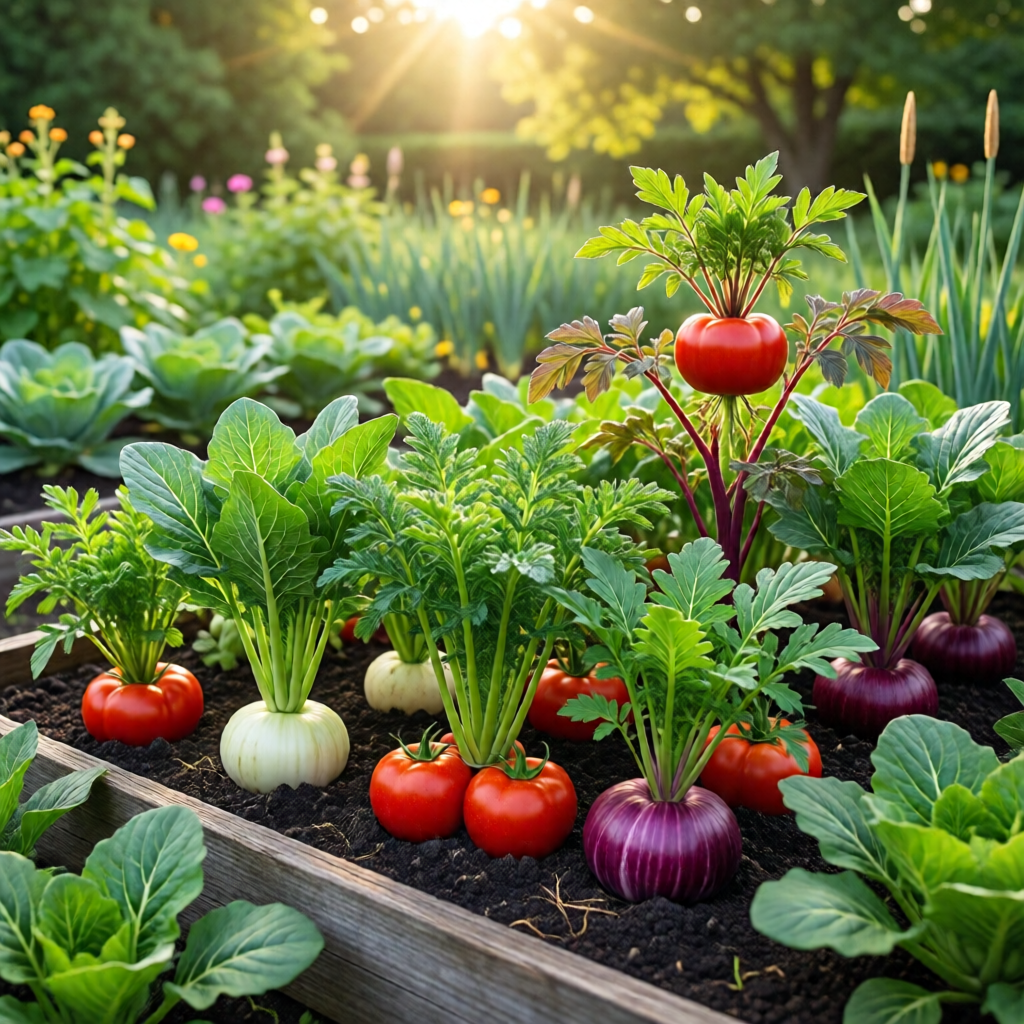
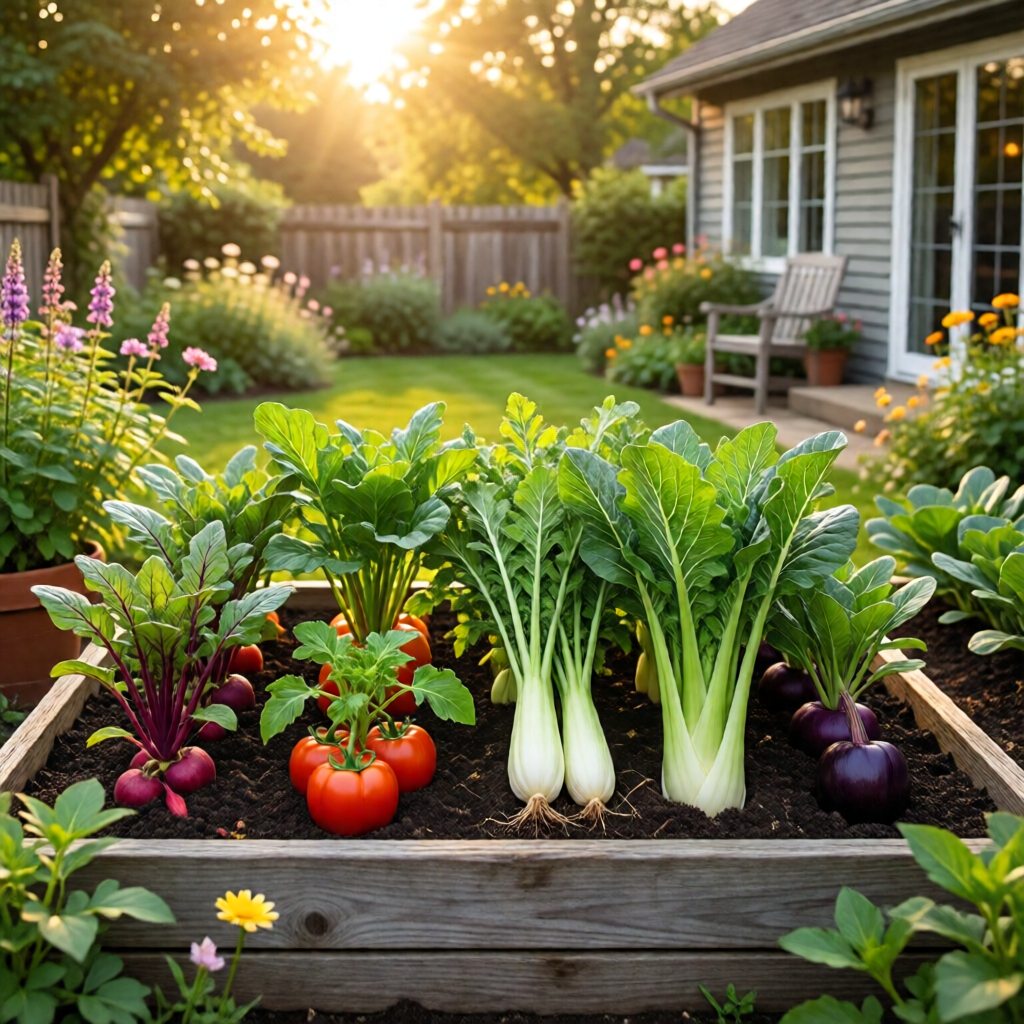
Tomatoes thrive when paired with basil, marigold, and carrots. Basil releases essential oils that repel tomato hornworms and improve flavor, while marigolds emit thiophenes that deter nematodes and whiteflies. Carrots loosen soil around tomato roots, enhancing water infiltration.
Plant basil 12‑18 inches from tomatoes, and sow marigold seeds along the border of your tomato row. Interplant carrots in the same bed, thinning them to 2‑3 inches apart. For a U.S. gardener in the Pacific Northwest, where cool, damp conditions can encourage fungal diseases, consider adding garlic as a companion to boost disease resistance.
Cucumbers
Cucumbers benefit from proximity to beans, radishes, and dill. Beans fix nitrogen, enriching the soil for the heavy‑feeding cucumber vines, while radishes act as a “trap crop” for cucumber beetles. Dill attracts predatory insects that feed on aphids and spider mites.
When planting cucumbers, set up a trellis and sow bush beans at the base. Sprinkle radish seeds along the cucumber row, and intermix dill seedlings every few feet. For more in‑depth guidance, see our cucumber growing tips and problems article.
Carrots
Carrots grow well alongside onions, leeks, and rosemary. The strong scent of alliums masks carrot scent, confusing carrot flies. Rosemary’s woody roots improve soil aeration and deter pests.
Plant onion sets or leek seedlings 6‑8 inches apart from carrot rows, and add a rosemary hedge at the garden’s edge. In regions with heavy clay soil, incorporate compost and coarse sand to ensure carrots develop straight, sweet roots.
Leafy Greens (Lettuce, Spinach, Kale)
Leafy greens love the shade and nitrogen boost provided by beans and peas. These legumes fix atmospheric nitrogen, enriching the soil for fast‑growing greens. Additionally, planting nasturtiums nearby attracts aphid‑eating insects and serves as a “living mulch” that reduces soil temperature.
Interplant bush beans or snap peas between rows of lettuce, maintaining a 12‑inch spacing. Scatter nasturtium seeds along the perimeter. In hot Southern states, use taller beans as a living shade screen to keep lettuce from bolting.
Peppers
Peppers benefit from companionship with basil, carrots, and onions. Basil enhances pepper flavor and deters spider mites, while carrots improve soil structure. Onions help repel pepper maggots.
Plant basil at the base of pepper plants and intersperse carrot seedlings throughout the bed. Add onion sets around the perimeter to create a pest‑deterrent barrier. For gardeners interested in expanding their culinary garden, consider learning how to grow avocado from seed for a complementary fruit tree.
Squash and Zucchini
Companion plants for squash include nasturtiums, radishes, and marigolds. Nasturtiums act as a trap crop for squash vine borers, while radishes deter cucumber beetles that also affect squash. Marigolds provide nematode control.
Plant nasturtium seeds along the edge of your squash patch, and sow radish seeds in alternating rows. Use marigold as a border plant to create a pest‑resistant barrier. In cooler climates, such as New England, start squash indoors and transplant after the last frost to maximize the growing season.
Beans (Bush and Pole)
Beans form a symbiotic relationship with corn and cucumbers. Corn provides a natural trellis for pole beans, while beans fix nitrogen, benefiting corn’s heavy nutrient demand. Cucumbers benefit from the shade and nitrogen supplied by beans.
When planning a classic “Three Sisters” garden, plant corn in a block, then sow beans at the base once the corn reaches 6‑8 inches tall. Interplant cucumbers around the perimeter, training them to climb the corn stalks. For a small‑space solution, use a trellis to support pole beans in a backyard corner garden—see our corner garden ideas for backyard guide.
Onions and Garlic
Alliums are excellent companions for nearly every vegetable because of their strong odor, which deters many pests. They pair especially well with carrots, lettuce, and brassicas (cabbage, broccoli).
Plant onion sets or garlic cloves 4‑6 inches apart from carrot rows, and scatter them throughout lettuce beds. For brassicas, place a row of garlic at the front of the bed to ward off cabbage loopers and aphids. If you’re interested in starting onions from seed, our how to grow onions from seed article offers step‑by‑step guidance.

Creating Your Own Companion Planting Chart
While pre‑made charts are useful, customizing a chart for your garden’s microclimate, soil type, and personal preferences yields the best results. Follow these steps to build a tailored companion planting chart:
- Survey your garden space. Measure bed dimensions, note sunlight patterns, and assess soil texture.
- List your target crops. Include any seasonal vegetables, herbs, or fruiting plants you plan to grow.
- Research pairings. Use reputable sources such as university extension services, the USDA Plant Hardiness Zone map, and proven companion planting books.
- Map relationships. Create a spreadsheet with rows for each crop and columns for potential companions. Color‑code cells (green for beneficial, yellow for neutral, red for antagonistic).
- Test and refine. Implement the chart in a small test plot first, observe outcomes, and adjust as needed for the next season.
Digital tools like the Smart Gardener Planner can help you visualize layouts, while free templates are available from the National Gardening Association.
Seasonal Considerations for Companion Planting
Companion relationships can shift with the seasons. In early spring, cool‑weather crops like peas, lettuce, and radishes thrive together, while late summer heat favors heat‑tolerant pairings such as tomatoes with basil and peppers with marigolds.
Pay attention to the following seasonal tips:
- Spring: Use fast‑growing “cover crops” like clover or winter rye alongside early vegetables to protect soil and add nitrogen.
- Summer: Provide shade for heat‑sensitive greens by planting taller companions like sunflowers or corn.
- Fall: Plant root crops (carrots, beets) with alliums to deter overwintering pests.
- Winter: In milder zones (e.g., USDA zones 8‑10), grow garlic and onions as “living mulch” beneath perennial herbs.
Practical Tips for Implementation
Turning your companion planting chart into a living garden requires careful execution. Here are actionable tips to ensure success:
- Start with healthy transplants. Use disease‑free seedlings to prevent introducing pathogens that could undermine companion benefits.
- Space appropriately. Overcrowding reduces airflow, encouraging fungal diseases. Follow recommended spacing for each species, adjusting for vertical growth on trellises.
- Rotate crops annually. Even with companion planting, rotating families (solanaceous, brassicaceous, allium) helps break pest cycles and restores soil nutrients.
- Mulch wisely. Organic mulches like straw or shredded leaves retain moisture and suppress weeds, but keep mulch a few inches away from plant stems to avoid rot.
- Monitor pest activity. Use sticky traps, visual inspections, and beneficial insect releases (e.g., ladybugs) to gauge the effectiveness of your companion pairs.
Common Mistakes to Avoid
Even seasoned gardeners can stumble when applying companion planting principles. Avoid these pitfalls:
- Assuming “one size fits all.” A companion that works in a humid Southern garden may not thrive in a dry Colorado climate. Adjust pairings based on local conditions.
- Planting incompatible species too close. For example, planting fennel near beans can inhibit bean growth due to allelopathic chemicals released by fennel.
- Neglecting soil testing. Companion plants can’t compensate for severe pH imbalances or nutrient deficiencies.
- Overreliance on a single companion. Diversify your garden with multiple beneficial partners to create redundancy against pest pressure.
- Ignoring growth habits. Tall plants can shade low‑light crops, reducing yields. Plan vertical space carefully.
Resources and Tools
To deepen your companion planting expertise, explore the following resources:
- Extension Services: County Cooperative Extension offices provide region‑specific planting calendars and pest management guides.
- Books: “Carrots Love Tomatoes” by Louise Riotte remains a classic reference for companion planting.
- Online Databases: The USDA PLANTS database offers detailed plant profiles, including native ranges and soil preferences.
- Mobile Apps: Apps like “Garden Planner” and “Plantix” help you identify pests and recommend companion pairings on the go.
- Community Forums: Engage with fellow gardeners on platforms such as Reddit’s r/gardening or the Garden.org forums for real‑world anecdotes.
Integrating these tools with your custom companion planting chart will empower you to create a dynamic, high‑producing vegetable garden that’s both beautiful and sustainable.
Conclusion
A well‑designed companion planting chart is more than a visual aid—it’s a roadmap to a healthier, more productive garden. By understanding the ecological interactions between vegetables, leveraging seasonal timing, and customizing your plan to local conditions, you’ll enjoy bountiful harvests with fewer pest problems and reduced reliance on chemical inputs. Start small, observe closely, and let the garden’s natural partnerships guide you toward a thriving vegetable oasis.
What is the best way to start a companion planting chart for beginners?
Begin by listing the vegetables you plan to grow, then research common beneficial pairings for each. Use a simple spreadsheet to mark “good,” “neutral,” or “bad” relationships, and start with a small test plot to observe results before scaling up.
Can companion planting reduce the need for pesticides?
Yes. By pairing plants that attract beneficial insects and repel pests, you can naturally control many common garden insects, reducing or even eliminating the need for synthetic pesticides.
Which vegetables should I avoid planting together?
Avoid planting members of the same family together, such as tomatoes with potatoes or cabbage with broccoli, as they often share pests and diseases. Also, keep fennel away from beans and dill away from carrots, as they can inhibit growth.
How does soil type affect companion planting choices?
Soil texture and pH influence nutrient availability. Pair deep‑rooted plants like carrots with shallow‑rooted herbs to improve soil structure, and use nitrogen‑fixing legumes alongside heavy feeders such as corn or tomatoes to balance nutrient demands.
Where can I find more detailed companion planting charts?
Many university extension websites publish region‑specific charts. Additionally, reputable gardening books and online resources like the USDA PLANTS database provide comprehensive pairing tables you can adapt to your garden.