Master the art of growing onions from seed and enjoy fresh, flavorful bulbs straight from your garden all season long.
In This Article
- 1. Pick the Right Onion Variety for Your Climate and Kitchen
- 2. Time Your Sowing: When to Plant Onion Seeds Indoors
- 3. Prepare Your Seed Trays and Soil Mix
- 4. Sow the Seeds: Technique and Spacing
- 5. Light, Temperature, and Early Care
- 6. Harden Off and Transplant Seedlings
- 7. Soil Preparation in the Garden Bed
- 8. Watering, Feeding, and Pest Management
- 9. Harvest, Cure, and Store Your Onions
- 10. Bonus Tips: Extending the Season and Using Containers
- Final Verdict
Onions are the backbone of countless recipes, yet many gardeners skip the seed route because it seems daunting. Trust me, once you break down the process into bite‑size steps, you’ll see why starting from seed is the most rewarding way to grow these versatile veg. Below is a practical, no‑fluff list that walks you through every decision, from picking the right variety to harvesting and storing your harvest.
1. Pick the Right Onion Variety for Your Climate and Kitchen
Not all onions are created equal. The first mistake I see often is planting a long‑day variety in a southern garden where short‑day onions thrive. Here’s a quick cheat sheet:
| Variety (Seed Brand) | Price (≈ per 1‑oz packet) | Days to Maturity | Day Length Preference | Best Use |
|---|---|---|---|---|
| Yellow Granex (Johnny’s Selected Seeds) | $4.99 | 110 | Long‑day (14‑16 h) | Classic storage onion |
| Red Walla Walla (Burpee) | $5.49 | 120 | Long‑day | Sweet salads, grilling |
| White White Lisbon (Baker Creek) | $3.95 | 105 | Short‑day (10‑12 h) | Mexican & Caribbean dishes |
| Sweet Vidalia (Seed Savers Exchange) | $6.20 | 115 | Short‑day | Caramelized onions |
| Green Onions (Scallions) – Evergreen (Territorial Seed) | $2.79 | 55 | Day‑neutral | Garnish, Asian stir‑fries |
Choose a variety that matches your latitude: if you live above 40° N, stick with long‑day seeds; below 35° N, short‑day or day‑neutral works best. In my backyard in central Ohio, Yellow Granex gives me a reliable 12‑lb bag of storage onions each year.
2. Time Your Sowing: When to Plant Onion Seeds Indoors
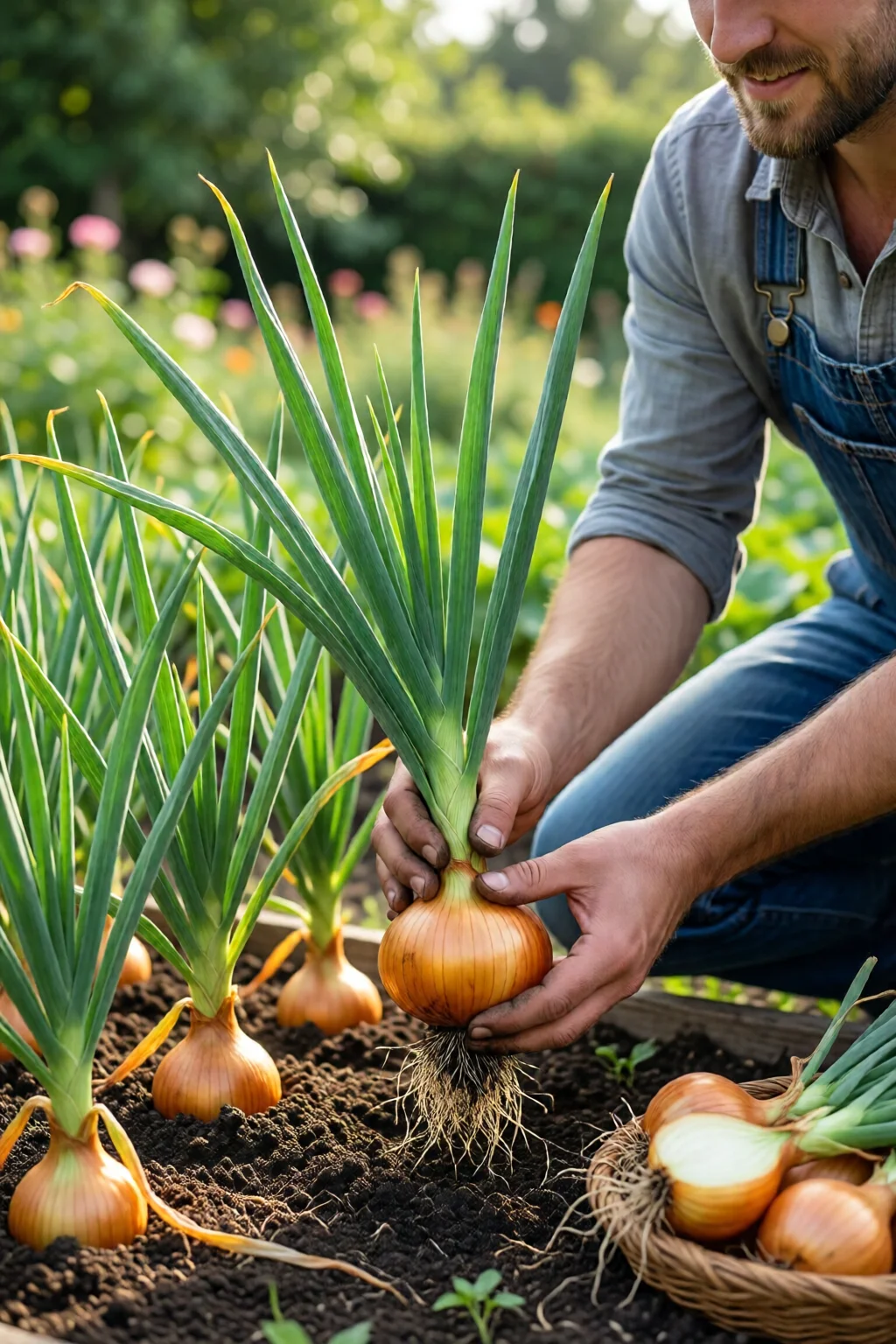
For optimal size, start seeds 8–10 weeks before your last expected frost. In USDA zone 5, that means sowing around mid‑February. Use a seed‑starting calendar or a simple rule of thumb: count backwards from the average last frost date for your region and add two weeks for transplant shock.
Pro tip: If you have a heated greenhouse, you can push sowing earlier. I keep my greenhouse at a steady 68 °F (20 °C) and have successfully started seeds in early January, giving me a head start on the market.
3. Prepare Your Seed Trays and Soil Mix
Good drainage and a light texture are crucial. I recommend a 1:1:1 mix of peat moss, vermiculite, and coarse perlite. Fill each cell to ¾ full, then water thoroughly to settle the medium.
Equipment checklist (prices are approximate):
- Seed tray (8 × 12 in, 72 cells) – $12.99 from Gardener’s Supply
- Fine‑mesh greenhouse cover – $9.50
- Digital soil thermometer – $14.75
These tools keep temperature stable and prevent the dreaded “damping‑off” disease that kills seedlings in the first week.
4. Sow the Seeds: Technique and Spacing
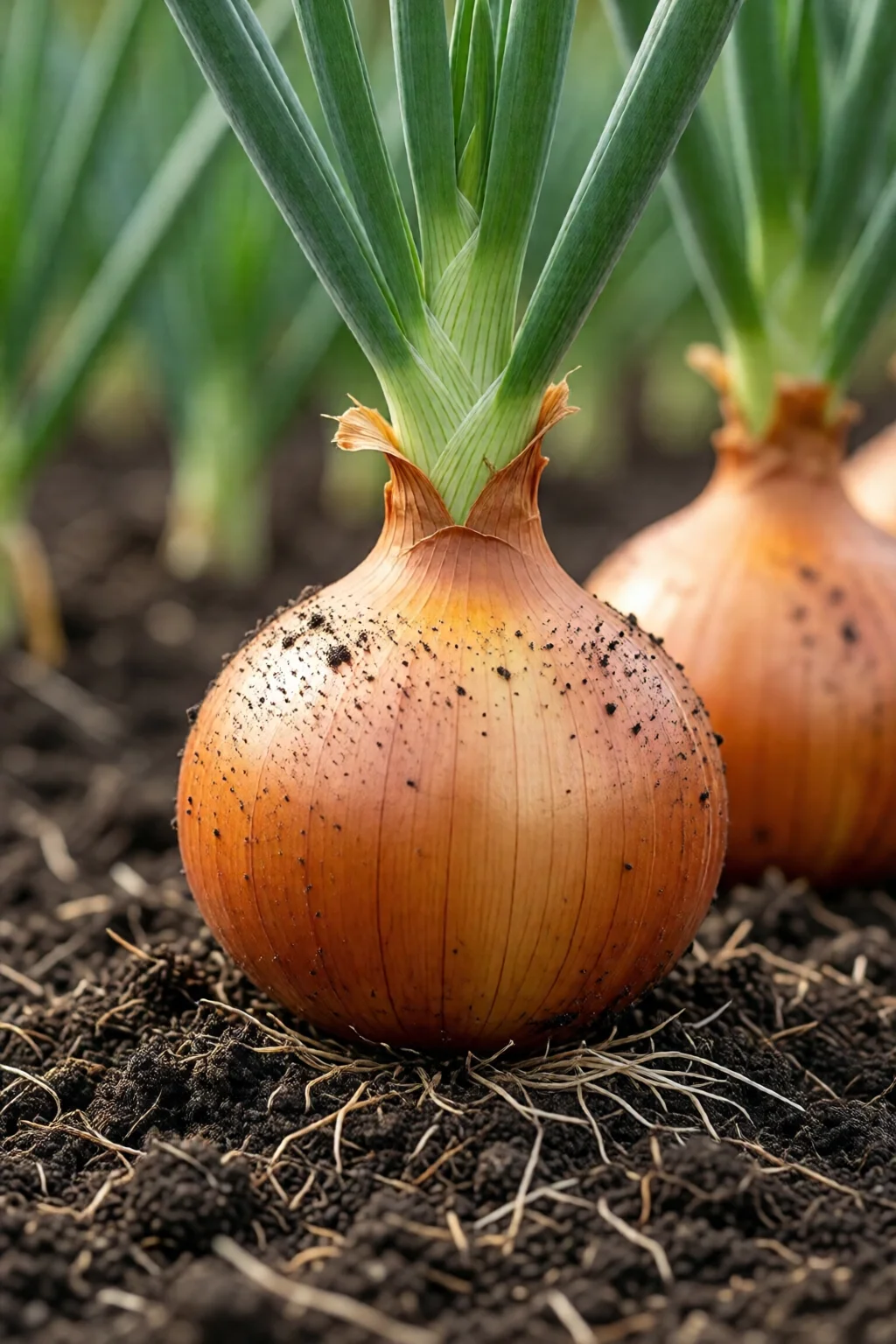
Scatter the seeds thinly—about 10 seeds per cell—and cover with a ¼‑inch layer of the seed‑starting mix. Lightly press the soil, then mist with a spray bottle. Onions are tiny; a seed is roughly the size of a grain of rice.
After sowing, place the tray under grow lights set at 12‑14 hours per day. I use a 600 W LED panel (Neewer, $39.99) positioned 12 in above the seedlings. This intensity mimics a sunny windowsill and encourages sturdy stems.
5. Light, Temperature, and Early Care
Maintain a day temperature of 65‑70 °F (18‑21 °C) and a night temperature of 55‑60 °F (13‑16 °C). If the temperature drops below 50 °F, seedlings will become leggy and weak.
Watering tip: Use a bottom‑water method—fill the tray’s reservoir with ½ in of water and let capillary action draw moisture up. This prevents over‑watering, a common cause of fungal issues.
6. Harden Off and Transplant Seedlings
When seedlings reach 4‑6 in tall and have 3–4 true leaves (usually 6‑8 weeks after sowing), they’re ready for the garden. Harden them off by moving them outdoors for 2 hours each day, extending the time by 30 minutes daily.
Transplant spacing depends on the final bulb size you desire:
- Bulb onions: 4–6 in apart in rows 12 in apart.
- Scallions: 2 in apart, rows 8 in apart.
Plant each seedling ½ in deep, covering the roots but leaving the top few leaves exposed. This encourages a strong root system.
7. Soil Preparation in the Garden Bed
Onions love well‑drained, fertile soil with a pH of 6.0–6.8. Amend a raised bed (or traditional row) with 2 in of compost and 1 in of aged manure. In my raised‑bed garden, I use a blend of Black Kow compost ($3.99 per 25‑lb bag) and Espoma Organic Plant Food (8‑5‑3, $5.49 per 8‑lb bag).
Before planting, work in a slow‑release fertilizer such as Jobe’s Organics 10‑10‑10 (½ cup per 10 sq ft). This gives a steady nitrogen supply, which is vital for leaf growth—the part we harvest.
8. Watering, Feeding, and Pest Management
Consistent moisture is key. Aim for 1 in of water per week, either from rainfall or drip irrigation. Over‑watering leads to rot; under‑watering causes small, bitter bulbs.
Feed every 3 weeks with a nitrogen‑rich liquid fertilizer (e.g., 20‑10‑20, $7.99 per gallon). In my experience, a ¼ cup per 10 gal of water keeps the foliage vigorous without encouraging bolting.
Pest watchlist:
- Onion maggots – use row covers or Neem oil spray.
- Thrips – release beneficial insects like lacewings.
- Leaf spot – rotate crops and avoid overhead watering.
9. Harvest, Cure, and Store Your Onions
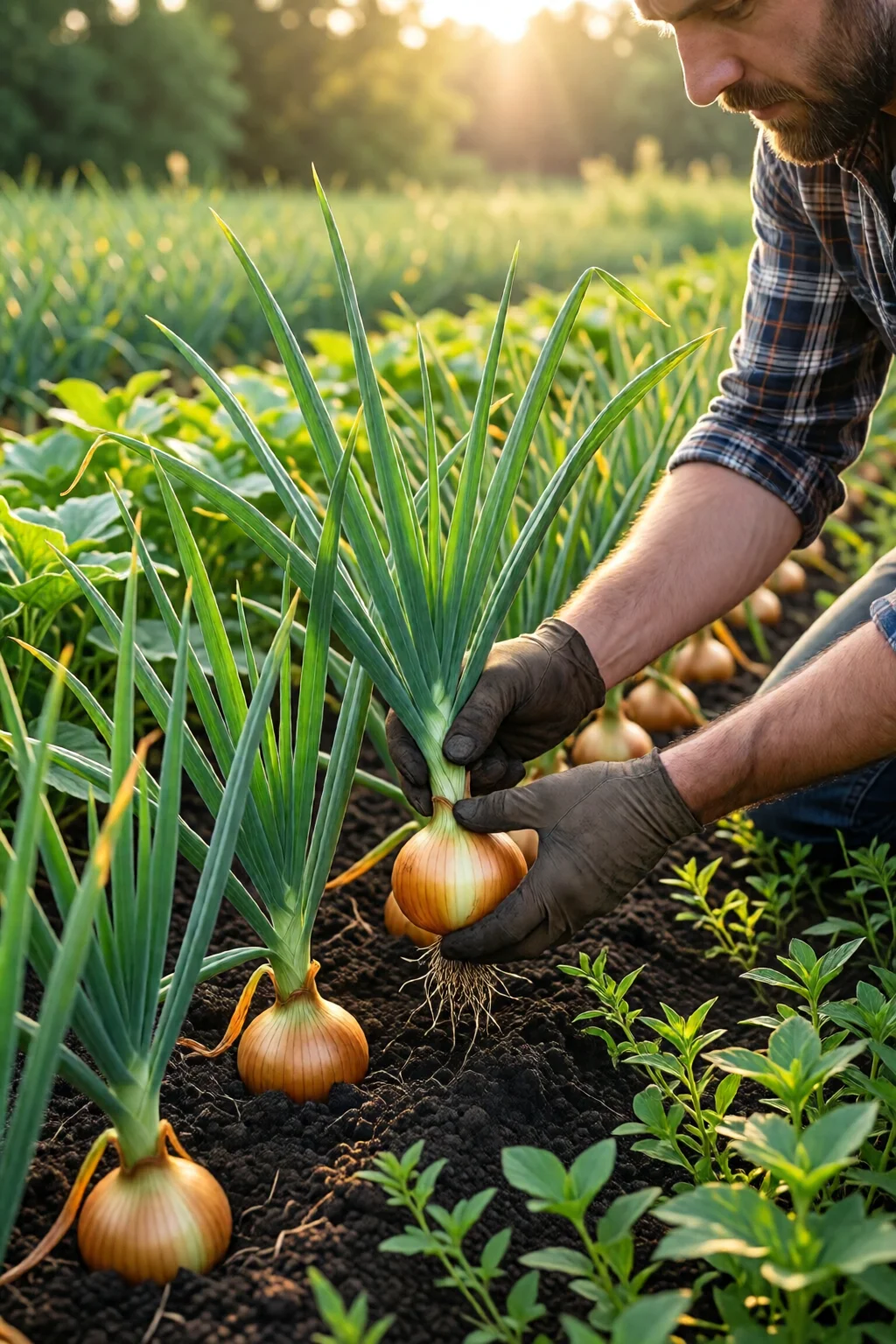
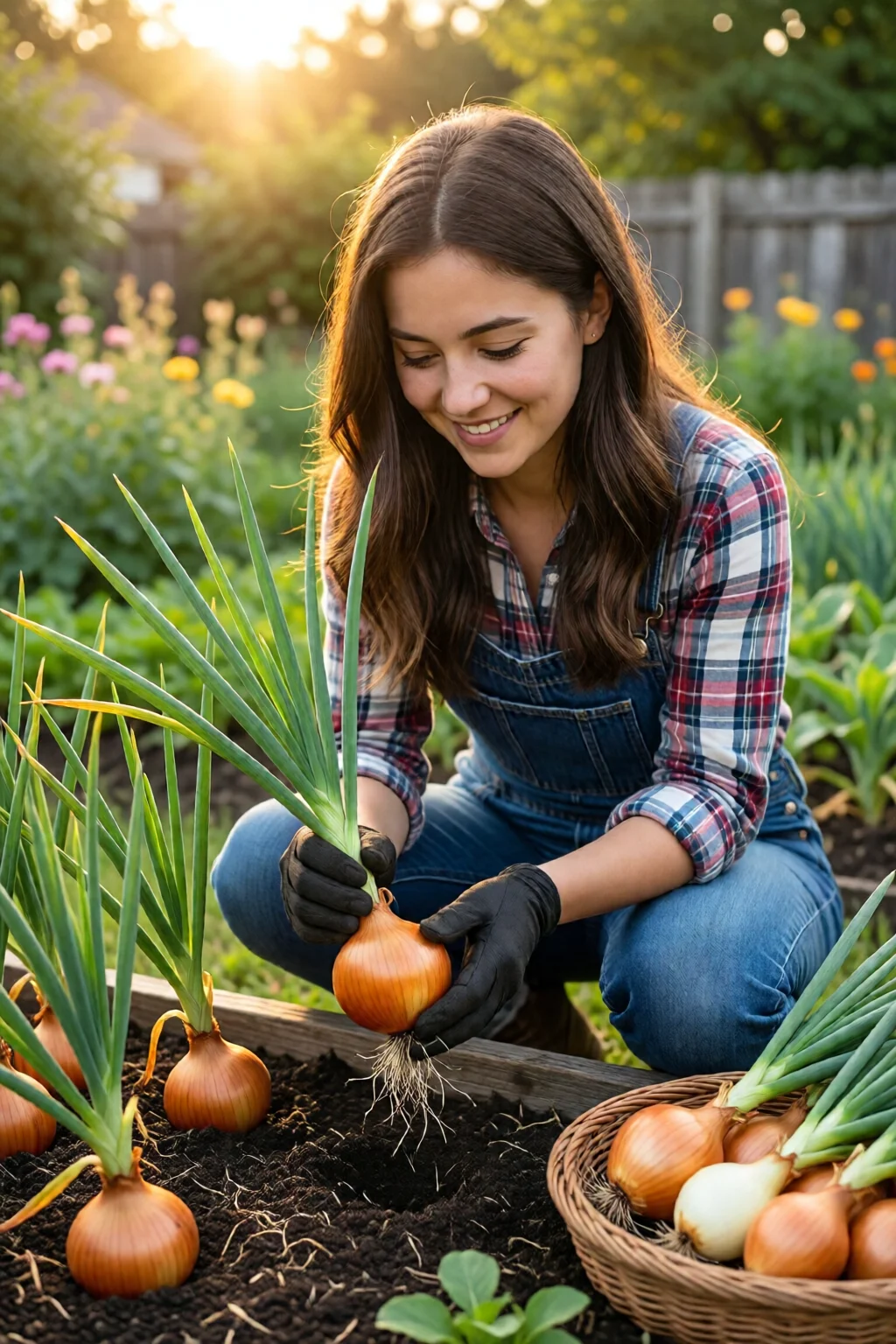
Bulb onions are ready when the tops yellow and fall over (usually 100–120 days after sowing). Pull the bulbs, brush off excess soil, and let them cure in a warm, ventilated space (70‑75 °F, 65 % humidity) for 2–3 weeks.
Scallions can be harvested as soon as they reach 6 in tall. Cut at ground level and store in the refrigerator wrapped in a damp paper towel; they stay fresh for up to 2 weeks.
Properly cured bulbs can be stored for 6–9 months in a cool (32‑35 °F), dark pantry. Stack them in mesh bags to allow airflow.
10. Bonus Tips: Extending the Season and Using Containers
If you lack garden space, try growing onions in 5‑gal fabric pots. Fill with the same compost‑manure mix, and follow the same spacing rules. The containers retain heat, letting you start a second crop in late summer for a fall harvest.
For a continuous supply, stagger sowing every 2–3 weeks. This “relay planting” ensures that at any given time you have seedlings ready to transplant, a technique I use for my kitchen herb garden alongside cucumber growing tips and problems.
Final Verdict
Growing onions from seed isn’t a mystery; it’s a series of manageable steps that, when followed, reward you with high‑quality, home‑grown bulbs year after year. Choose the right variety for your latitude, start seeds early, give seedlings plenty of light, and keep the soil fertile and well‑drained. With the right care, you’ll harvest onions that taste better than anything the grocery store can offer.
When should I sow onion seeds indoors?
Start onion seeds 8–10 weeks before your last expected frost date. In USDA zone 5 this means mid‑February; adjust earlier or later based on local climate.
What is the best soil mix for onion seedlings?
A 1:1:1 blend of peat moss, vermiculite, and coarse perlite provides excellent drainage and aeration for onion seeds.
How far apart should I plant onion bulbs?
Space bulb onions 4–6 in apart in rows 12 in apart. For scallions, use 2 in spacing with rows 8 in apart.
Can I grow onions in containers?
Yes. Use a 5‑gal fabric pot filled with a compost‑manure mix. Containers retain heat, allowing a second late‑summer crop.
What are common pests and how do I control them?
Watch for onion maggots, thrips, and leaf spot. Use row covers, Neem oil, and beneficial insects; rotate crops to minimize disease pressure.
1 commentaire sur « Best How To Grow Onions From Seed Ideas That Actually Work »