Imagine stepping into a miniature wonderland where tiny homes perch on mossy stones, delicate blossoms sway in a gentle breeze, and the soft glow of lanterns invites you to linger. A fairy garden transforms ordinary outdoor space into a magical retreat that delights both children and adults. Whether you have a sprawling backyard, a cozy patio, or a narrow side yard, these fairy garden ideas for outdoors blend creativity, practicality, and a love of nature to create enchanting scenes that thrive year‑round.
Planning Your Outdoor Fairy Garden
Choosing the Perfect Site and Sunlight
The first step in crafting a fairy garden is selecting a location that balances visibility with the right light conditions for your chosen plants. Most fairy‑friendly perennials love partial shade to protect their delicate foliage from scorching midday sun, yet a few sun‑loving species will flourish in full sun. Observe the area at different times of day to note patterns of light and shade. If you’re working with a narrow side yard, consider the side yard garden ideas narrow spaces guide for clever placement that maximizes visual impact without crowding the pathway.
Preparing Soil and Ensuring Proper Drainage
Fairy gardens often feature compact containers, raised beds, or directly in‑ground beds that mimic a forest floor. Good drainage is essential; soggy soil can lead to root rot, especially for tender seedlings. Amend heavy clay with coarse sand, perlite, or a blend of compost to create a light, airy medium. For container setups, use a high‑quality potting mix that retains moisture yet drains freely. Adding a thin layer of decorative stones or crushed shells at the bottom of containers not only improves drainage but also provides a whimsical base for tiny pathways.
Essential Plants and Miniature Flora
Low‑Maintenance Groundcovers
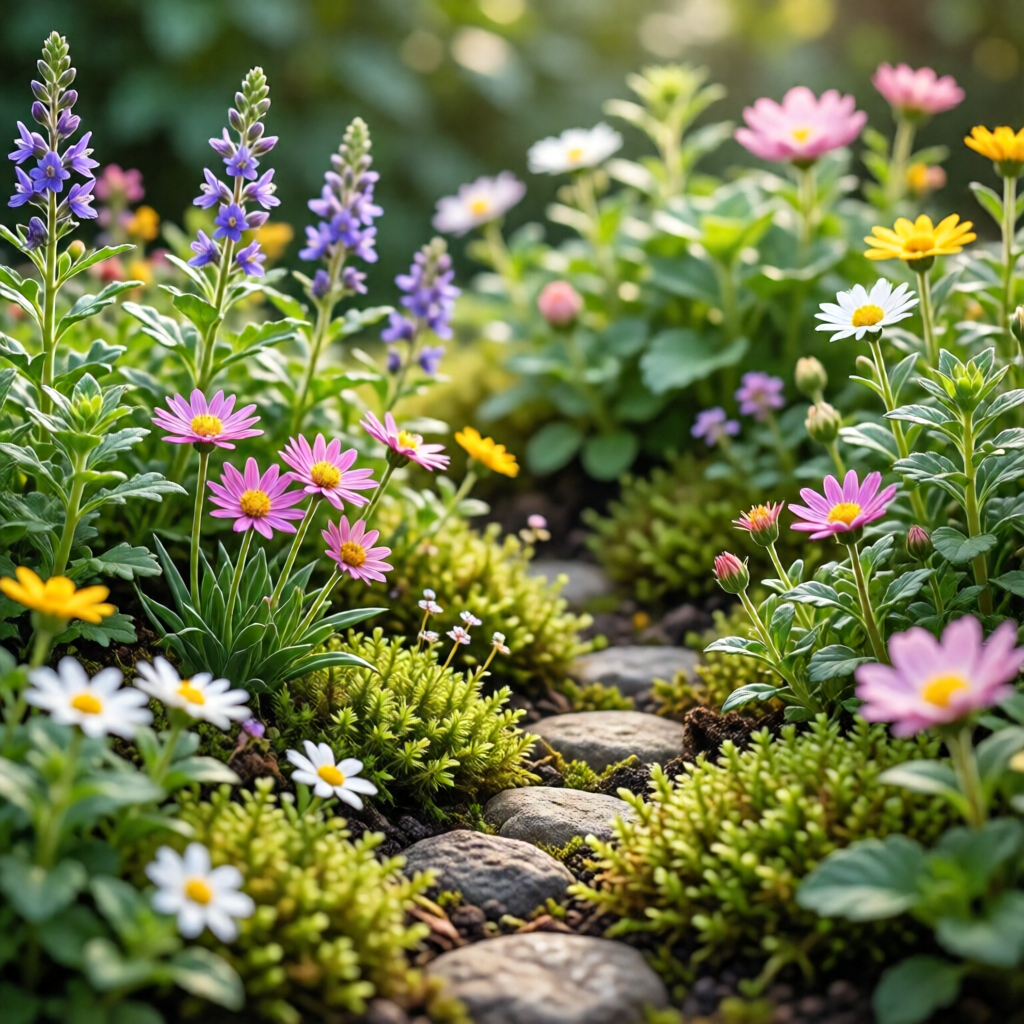
Groundcovers form the lush carpet on which your fairy world will sit. Choose low‑maintenance varieties that stay compact and spread slowly. Creeping thyme (Thymus serpyllum) releases a subtle fragrance when stepped on, while dwarf mondo grass (Ophiopogon japonicus ‘Nanus’) offers deep green foliage that tolerates shade. For a splash of color, consider Ajuga (bugleweed) with its purple‑blue flower spikes, or Heuchera (coral bells) with variegated leaves that add texture without overwhelming the tiny scale of the garden.
Tiny Flowering Perennials for Year‑Round Interest
When selecting blossoms, think of plants that stay small and produce abundant flowers. Campanula portenschlagiana (wall bellflower) forms a low mound of bell‑shaped blooms in shades of blue and violet, perfect for a fairy’s secret glade. Phlox subulata (creeping phlox) creates a dense mat of pink, white, or purple flowers that carpet the ground in spring. For a pop of orange, try dwarf varieties of Coreopsis or Echinacea purpurea ‘Little Ballerina’—both stay under 12 inches tall and attract pollinators, adding life to your miniature realm.
Adding Fairy‑Friendly Shrubs and Structural Plants
While most fairy garden plants stay low, a few miniature shrubs provide height and structure, creating whimsical “tree houses” for your tiny residents. Dwarf cultivars of Japanese maple (Acer palmatum ‘Shaina’) stay under three feet and display stunning red foliage in fall. For evergreen interest, consider dwarf boxwood (Buxus sempervirens ‘Green Velvet’) trimmed into tiny hedges. These choices complement the best flowering shrubs for full sun list, ensuring your fairy garden has both seasonal flair and year‑round greenery.
Creative Hardscape Elements
Miniature Pathways and Stepping Stones
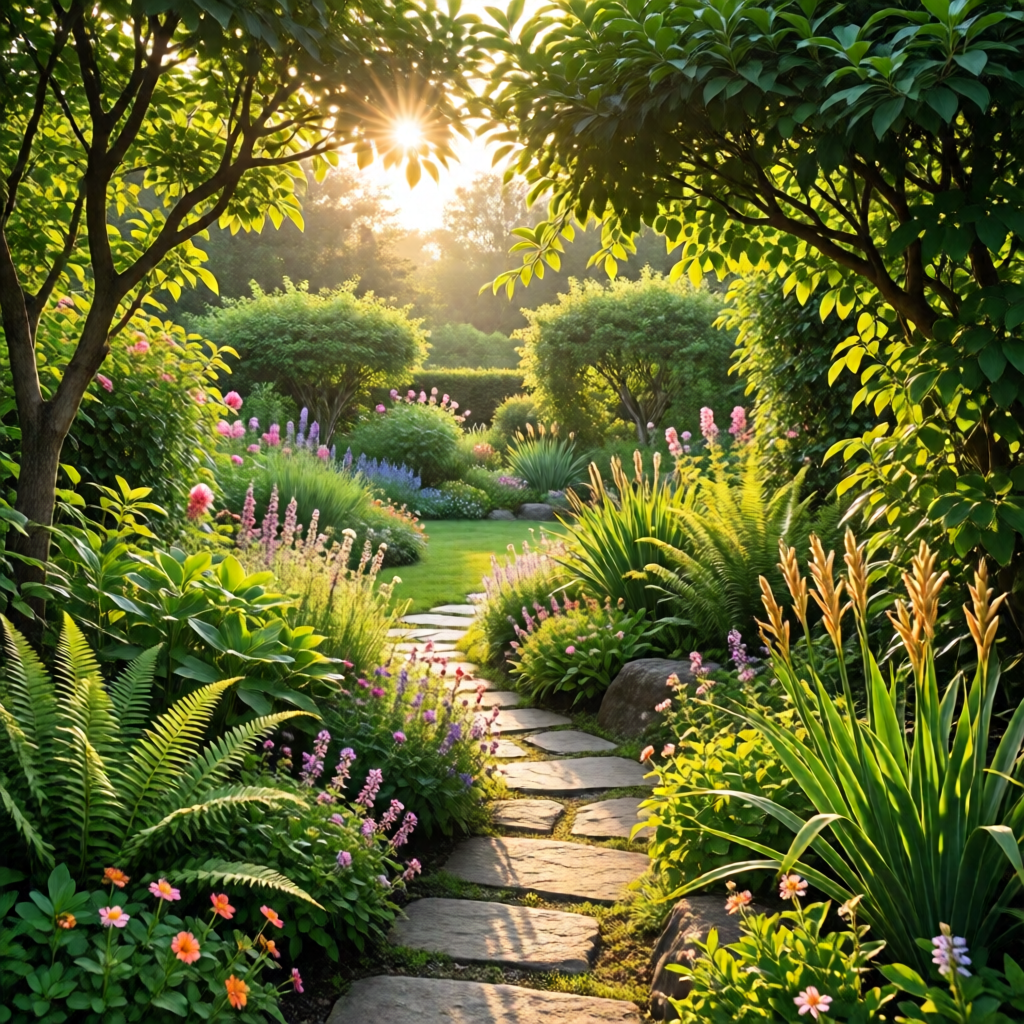
Paths guide visitors through the fairy realm and invite exploration. Use flat river rocks, slate tiles, or even reclaimed wooden bark to create a winding trail. Arrange stones with irregular spacing for a natural look, and add a thin line of sand or fine gravel between them to suggest a well‑trodden footpath. For a touch of sparkle, sprinkle a few tiny glass beads or crushed mica along the edges—these glimmer like dew at sunrise.
Fairy Houses, Mushroom Stools, and Tiny Furniture
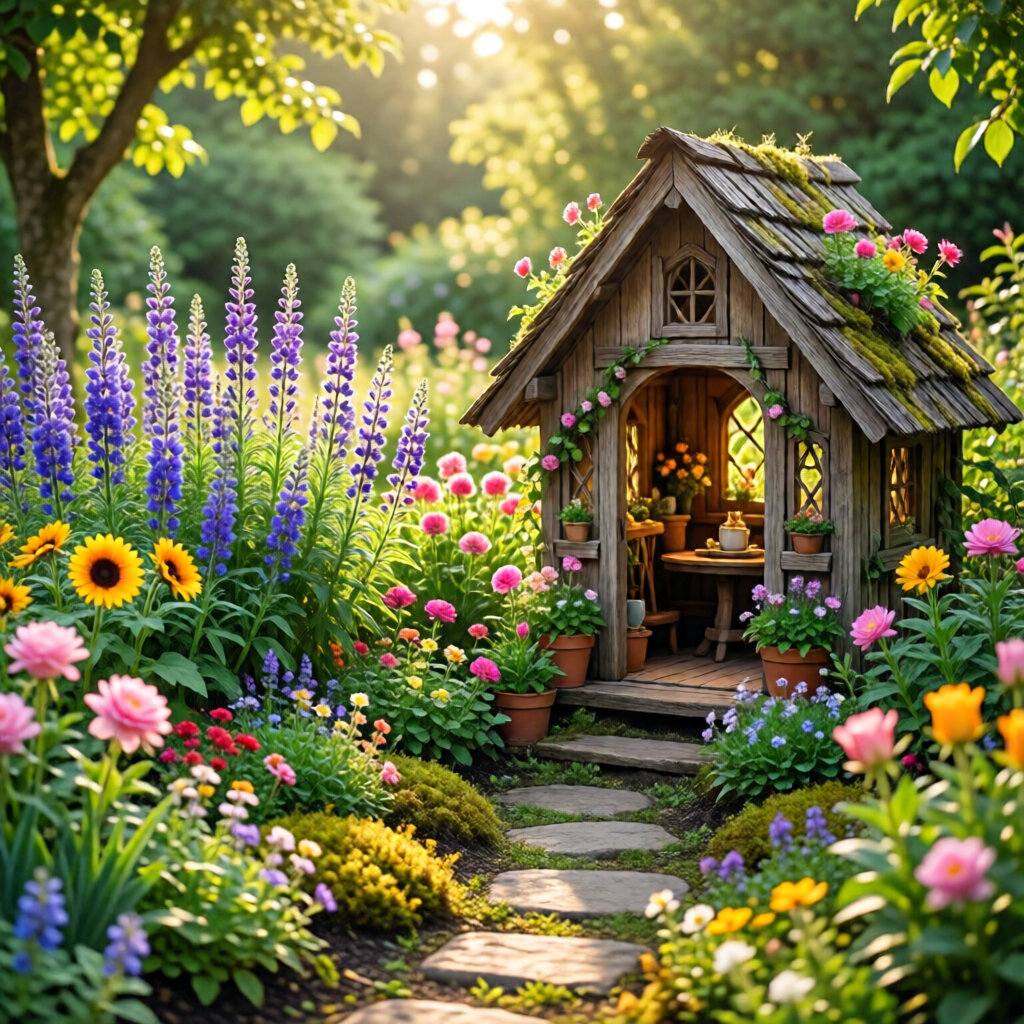
Miniature structures are the heart of any fairy garden. Purchase ready‑made fairy houses or craft your own from pine cones, bark, and reclaimed wood. Place mushroom stools (often made of resin or ceramic) near the houses to suggest a welcoming gathering spot. Tiny wooden benches, wrought‑iron chairs, or even a miniature swing add personality and encourage imagination. When arranging these items, think in layers: foreground pieces should be smaller, while background elements can be slightly larger to create depth.
Water Features and Soft Lighting
A gentle trickle of water adds soothing sound and attracts beneficial insects. Small solar‑powered fountains, pebble‑filled basins, or a simple dish of water with floating lily pads work beautifully in limited space. For illumination, opt for low‑voltage LED fairy lights, solar lanterns, or glow‑in‑the‑dark pebbles hidden among the moss. Position lights along pathways and near focal points to highlight the garden’s magical details after dusk.
Thematic Ideas and Seasonal Updates
Enchanted Forest Theme
Transform your garden into a lush forest glade by incorporating natural elements such as fallen logs, bark pieces, and fern fronds. Use a mix of mosses—both sheet moss (Hypnum) and cushion moss (Leucobryum glaucum)—to create a velvety carpet. Scatter tiny animal figurines like hedgehogs or owls for added storytelling. Add a miniature “tree stump” table topped with a tiny teacup for a whimsical tea party scene.
Springtime Fairy Garden
Celebrate the arrival of spring with early‑blooming bulbs like dwarf crocuses (Crocus tommasinianus ‘Lilac Beauty’) and snowdrops (Galanthus nivalis). Plant how to care for peony plants in miniature form—choose dwarf peonies that stay under 12 inches for a burst of fragrant pink blossoms. Pair these with pastel-colored pansies and sweet alyssum to create a soft, pastel palette that feels like a fairy’s first sigh of the season.
Autumn and Winter Magic
When the leaves turn, introduce plants with rich, warm foliage. Dwarf Japanese maples display fiery reds, while Heuchera varieties turn burgundy. Add miniature pumpkins, acorn caps, and tiny gourds for a harvest feel. In winter, replace delicate flowers with evergreen sprigs, pine cones, and frosted glass beads. A small battery‑operated lantern with a warm glow mimics fireflies, keeping the garden enchanting even when the nights are long and cold.
Maintenance Tips and Expert Advice
Watering, Feeding, and Soil Care
Because fairy gardens are compact, they can dry out quickly on hot days. Water early in the morning using a gentle mist to avoid displacing soil. A light, balanced liquid fertilizer applied once a month supports healthy growth without overwhelming delicate roots. Incorporate a thin layer of organic mulch—such as shredded bark or coconut coir—to retain moisture and suppress weeds while adding a natural aesthetic.
Pruning, Pinching, and Plant Health
Regular pruning keeps plants miniature and encourages bushier growth. Pinch back the tips of thyme, dwarf rosemary, and other aromatic herbs to maintain a low, compact form. Remove spent blooms promptly to promote continuous flowering and prevent seed formation, which can cause unwanted spreading. Inspect foliage weekly for signs of pests like aphids or spider mites; a gentle spray of neem oil or insecticidal soap resolves most issues without harming beneficial insects.
Protecting Against Pests and Weather
While fairy gardens attract pollinators, they can also draw pests. Encourage natural predators—ladybugs, lacewings, and ground beetles—by providing habitat such as small piles of leaf litter or a shallow dish of water. In extreme weather, protect delicate plants with a lightweight row cover or move portable containers to a sheltered spot. For windy locations, anchor larger stones and use stakes to keep tiny structures from toppling.
Bringing It All Together: Design Inspiration and Final Touches
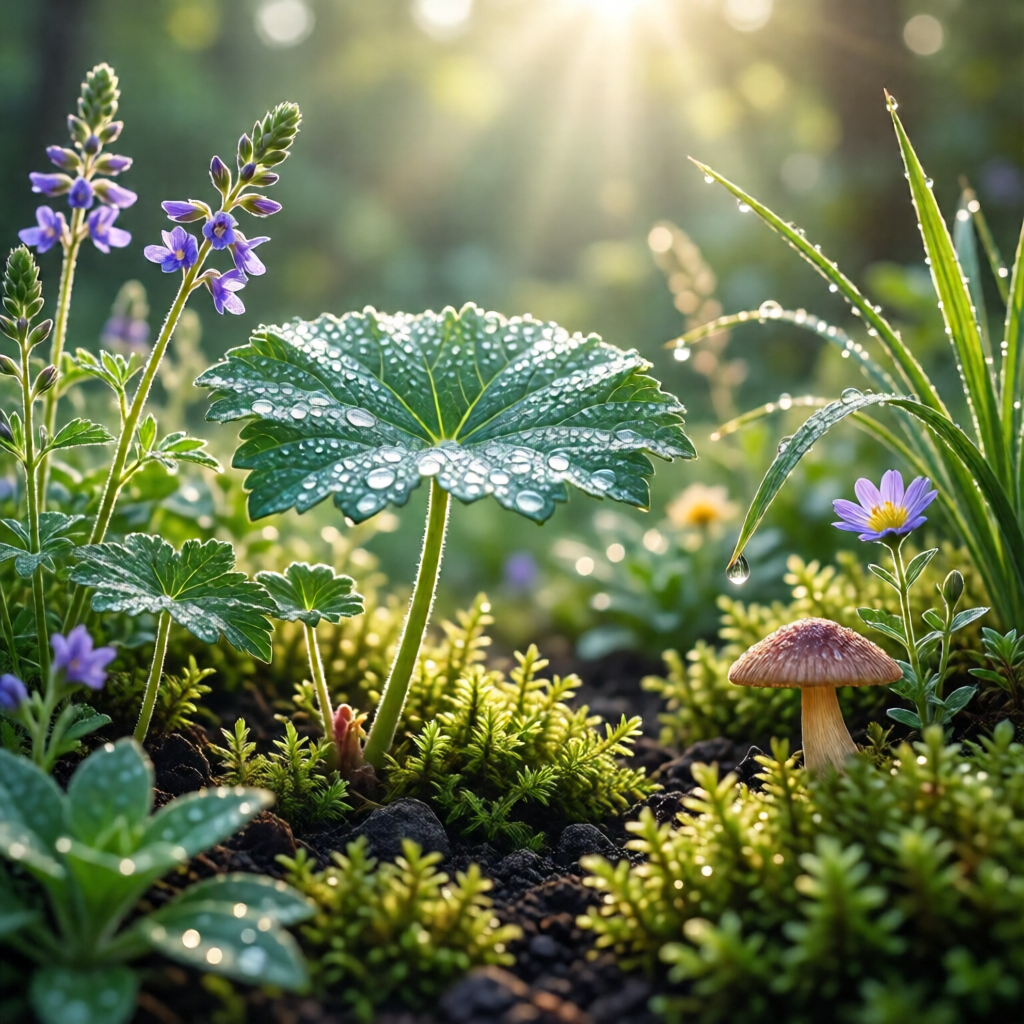
Now that you have the building blocks, let your imagination guide the final layout. Combine the wildflower garden ideas with fairy elements for a meadow‑like feel, or integrate a garden shed ideas and inspiration by repurposing a small wooden shed as a grand fairy castle. Use the principles of color harmony—soft pastels for spring, warm earth tones for autumn, and cool blues for winter—to create a cohesive look. Remember, the most enchanting fairy gardens evolve over time; let each season inspire new additions and subtle changes. With patience, creativity, and a love for nature, your outdoor fairy garden will become a cherished sanctuary for both the eyes and the soul.
What size containers work best for a fairy garden?
Small to medium containers ranging from 6 to 12 inches in diameter are ideal because they keep the scale intimate while providing enough soil for root development. Consider using shallow troughs, vintage teacups, or repurposed wooden boxes for added charm.
How can I protect my fairy garden from heavy rain?
Ensure excellent drainage by adding coarse sand or perlite to the soil mix and placing a layer of small stones at the bottom of containers. Use raised beds or stilts for ground‑level gardens to keep water from pooling around the roots.
Which plants stay small enough for a fairy garden?
Plants such as dwarf thyme, creeping phlox, wall bellflower, dwarf Japanese maple, and miniature peonies are excellent choices because they naturally remain compact and add color and texture without outgrowing the space.
Can I use real moss in my fairy garden?
Yes, sheet moss (Hypnum) and cushion moss (Leucobryum glaucum) thrive in shady, moist conditions. Keep them misted regularly, and they’ll provide a soft, velvety carpet that enhances the magical feel.
How do I add lighting without harming plants?
Use low‑voltage LED fairy lights or solar lanterns placed on the ground or tucked among foliage. Avoid heat‑producing bulbs and keep electrical components sealed from moisture to protect both plants and wildlife.