Fall is the perfect time to turn your garden into a thriving, productive haven that rewards you well into the winter months. While many gardeners think the growing season ends with the first frost, the cooler temperatures, longer evenings, and abundant moisture of autumn actually create ideal conditions for a wide variety of vegetables. In this comprehensive guide we’ll walk you through everything you need to know to plan, plant, and maintain a successful fall vegetable garden, from selecting the right crops to mastering soil preparation, watering, pest control, and harvest storage. Whether you’re a seasoned grower or just getting started, these expert tips and actionable steps will help you maximize your garden’s output and enjoy fresh, home‑grown produce well into the holiday season.
Why Plant a Fall Garden?
Planting in the fall offers several advantages that can’t be matched during the heat of summer. First, cooler soil temperatures stimulate root growth, allowing many vegetables to establish quickly and develop strong, resilient systems before winter sets in. Second, the reduced pest pressure in autumn means fewer insects and diseases to battle, which translates to healthier plants and lower reliance on chemical controls. Third, the natural rainfall that often arrives in the fall reduces the need for frequent irrigation, saving both water and time. Finally, a well‑planned fall garden can extend your harvest season, providing fresh salads, soups, and side dishes when store‑bought produce is at its most expensive.
Choosing the Right Fall Vegetables
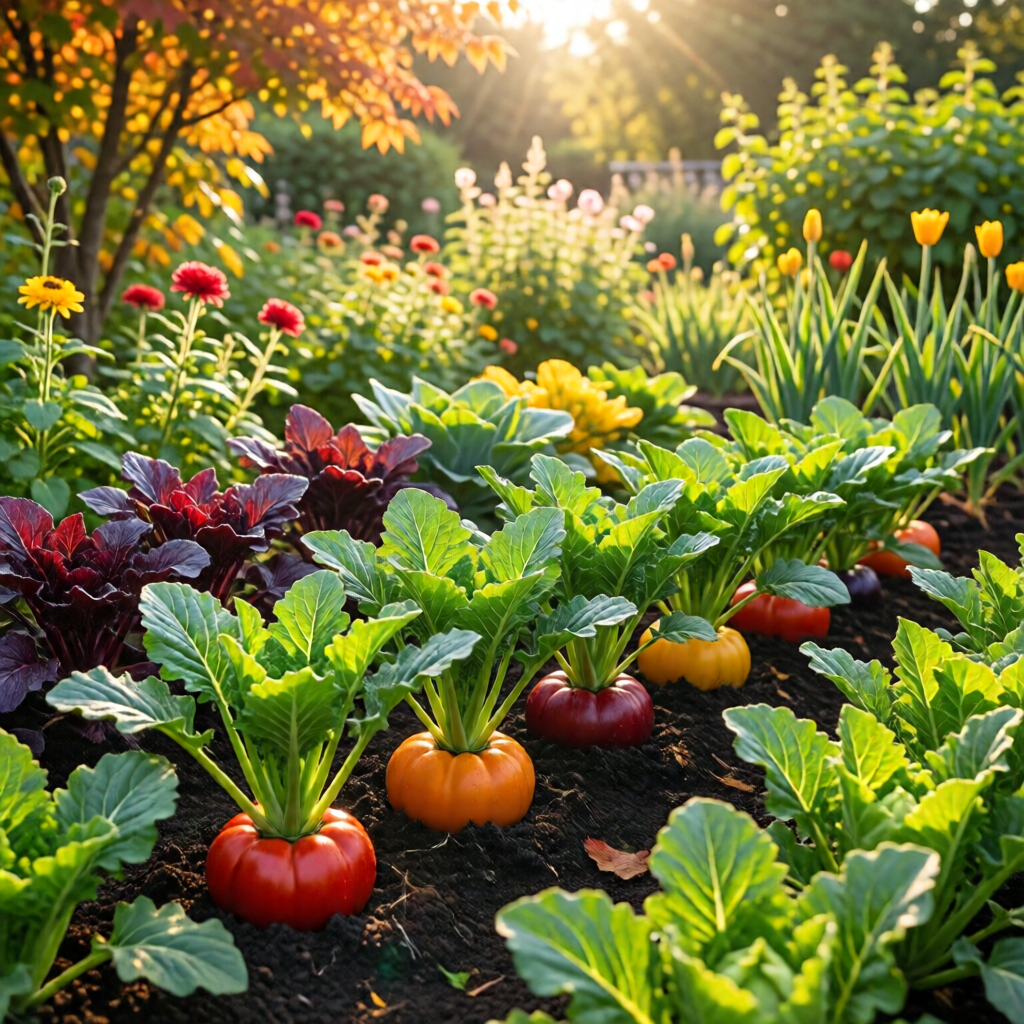
Not all vegetables thrive in cooler weather, so selecting the right crops is essential for a bountiful fall garden. Below is a breakdown of the top categories and specific varieties that perform exceptionally well in the United States.
Cool‑Season Leafy Greens
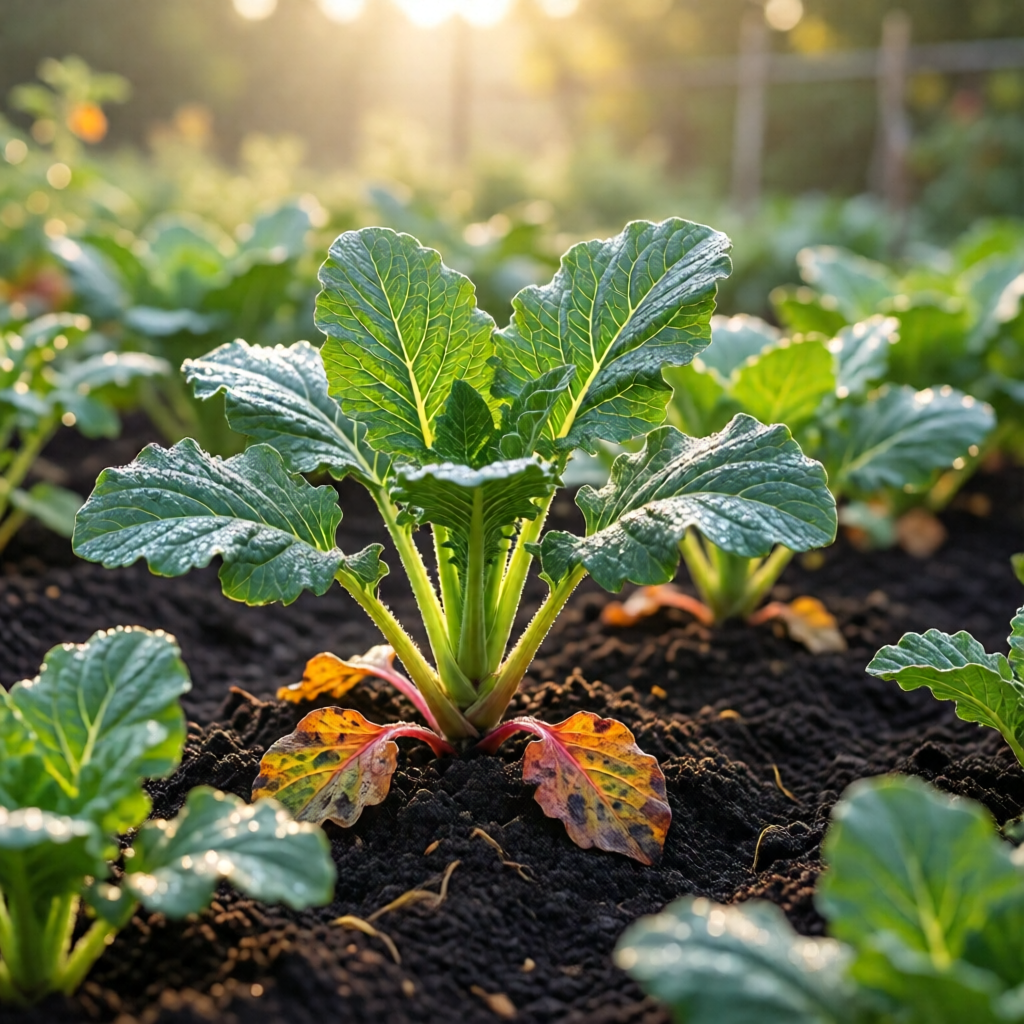
Leafy greens such as kale, Swiss chard, spinach, and arugula love the crisp air of autumn. They mature quickly, can tolerate light frosts, and actually become sweeter after exposure to cold. For a continuous harvest, sow seeds every two weeks until the first hard freeze.
Root Vegetables
Carrots, beets, radishes, turnips, and parsnips store energy in their roots, making them ideal for fall planting. These crops benefit from the loosening of soil that occurs after summer rains, which helps develop long, uniform roots. Consider planting a mix of colors and shapes for visual appeal as well as culinary variety.
Brassicas (Cabbage Family)
Broccoli, cauliflower, Brussels sprouts, and cabbage are classic fall crops. They thrive in the cooler temperatures and can even survive light snow. Start seeds indoors or purchase transplants in late summer, then set them out when soil temperatures reach 60–65°F (15–18°C).
Legumes
Snap peas and bush beans are excellent for a fall garden because they fix nitrogen in the soil, improving fertility for subsequent plantings. Choose frost‑tolerant varieties and plant them early enough to allow pods to mature before the first hard freeze.
Herbs
Many herbs, including cilantro, parsley, dill, and thyme, can be sown in the fall for a late‑season harvest. These herbs often develop more intense flavors after a light frost, adding depth to your winter cooking.
For gardeners who love the versatility of peppers, you can still grow certain cold‑tolerant varieties by starting seeds early and using row covers. Check out our guide on grow peppers from seed to harvest for detailed instructions.
Preparing Your Garden Bed for Fall Planting
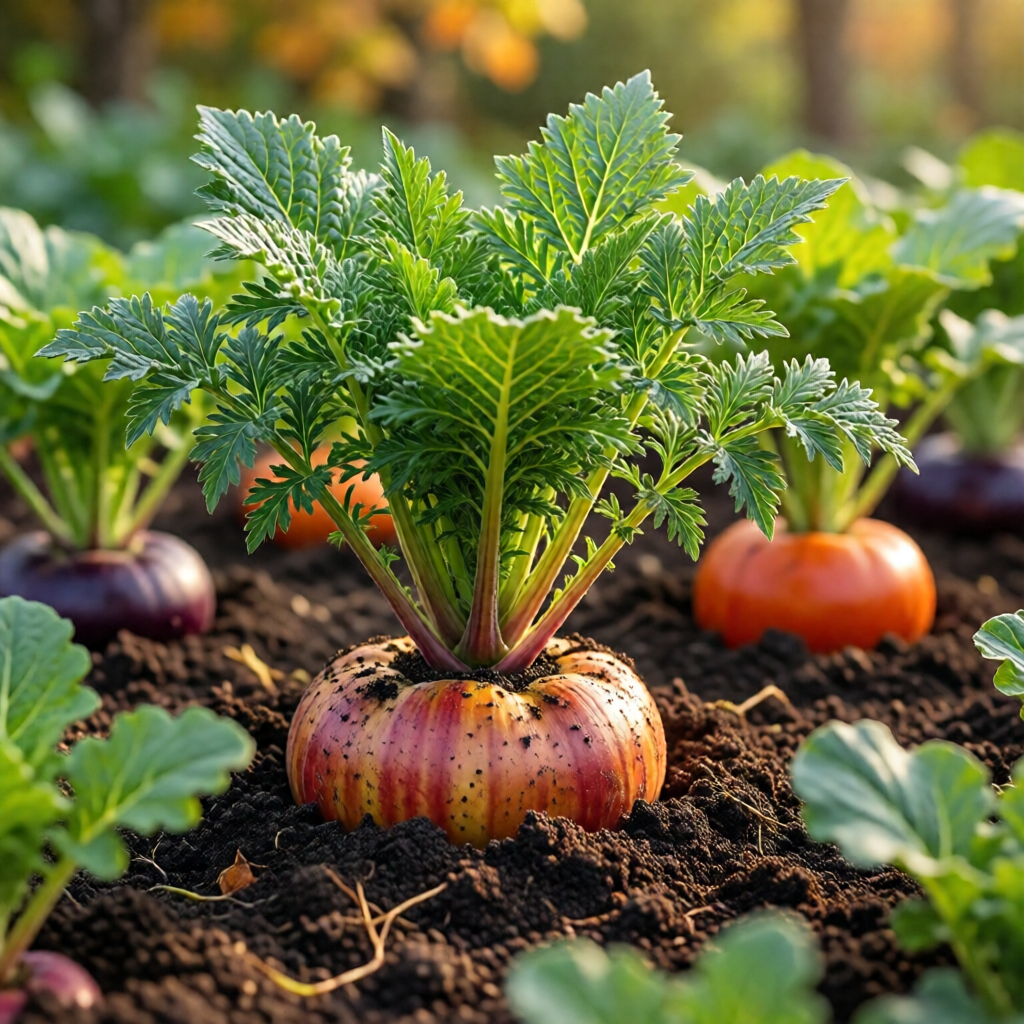
Successful fall planting begins with a well‑prepared garden bed. Whether you’re using raised beds, in‑ground rows, or a square‑foot layout, the following steps will set the stage for healthy plant development.
Soil Testing and Amendment
Start by testing your soil’s pH and nutrient levels. A pH between 6.0 and 6.8 is ideal for most vegetables. Based on the results, incorporate lime to raise pH or sulfur to lower it. Add organic matter such as compost or well‑rotted manure to improve structure, water retention, and nutrient availability.
Incorporating Compost
Fall is an excellent time to add a generous layer of compost (2–3 inches) to your beds. This not only enriches the soil but also provides a slow‑release source of nutrients that will feed your plants throughout the cooler months. If you’re using a square foot gardening layout plans approach, mix the compost directly into each 1‑square‑foot section for even distribution.
Mulching for Temperature Regulation
Apply a thick mulch layer (straw, shredded leaves, or wood chips) after planting. Mulch helps regulate soil temperature, conserves moisture, and suppresses weeds. In regions with early frosts, a mulch layer can also protect delicate seedlings from sudden temperature drops.
Installing Row Covers and Cold Frames
For extra protection, consider using floating row covers or building a simple cold frame. These structures trap heat, extending the growing window for tender crops like peas and lettuce. Row covers can be removed as temperatures rise, allowing the plants to harden off naturally.
If you have a patio or deck adjacent to your garden, integrating decorative elements can enhance the overall aesthetic. Browse our deck decorating ideas on a budget for inspiration on blending functional garden space with stylish outdoor living.
Planting Timelines and Frost Dates by Region
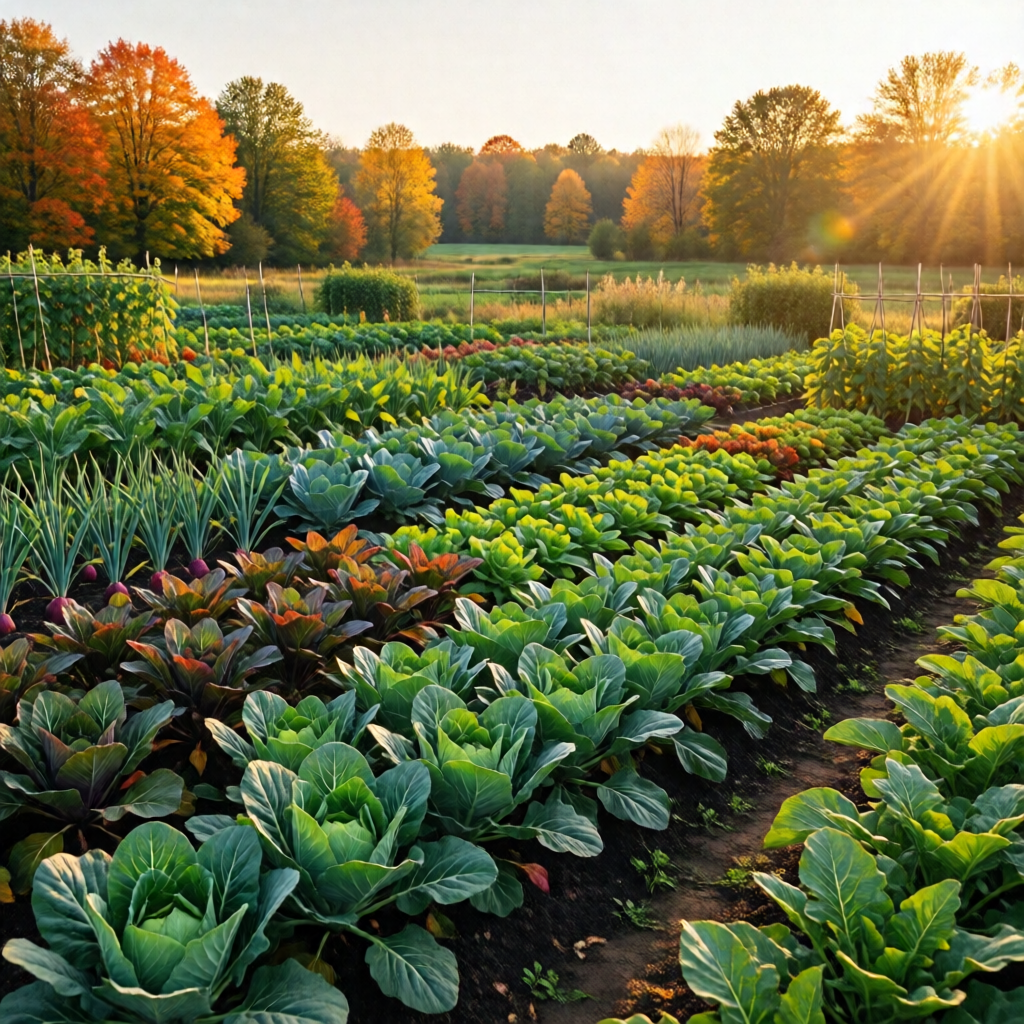
Understanding your local frost dates is critical for timing your fall planting. Below is a quick reference for the three major USDA hardiness zones, but always check a local extension service for precise dates.
Zones 3–5 (Northern States)
First frost typically occurs between September 15 and October 15. Plant fast‑growing greens (radishes, arugula) in late August, root crops (carrots, beets) in early September, and brassicas in mid‑September. Use row covers to protect seedlings as temperatures dip below 40°F (4°C).
Zones 6–8 (Mid‑Atlantic to Pacific Northwest)
First frost usually falls between October 1 and November 1. Start sowing cool‑season greens in early September, root vegetables in mid‑September, and brassicas in late September. This region often enjoys a longer fall growing season, allowing for a second planting of beans or peas in October.
Zones 9–10 (Southern States)
Frost is rare, but cooler winter temperatures arrive in December. Plant fall crops in November for a winter harvest. Many southern gardeners can grow a second round of warm‑season vegetables like peppers and zucchini well into the cooler months; see our zucchini growing guide for beginners for tips on succession planting.
Regardless of your zone, it’s wise to keep a planting calendar and track when each crop is sown, transplanted, and expected to mature. This helps you plan succession plantings and ensures a continuous harvest.
Essential Planting Techniques for Success
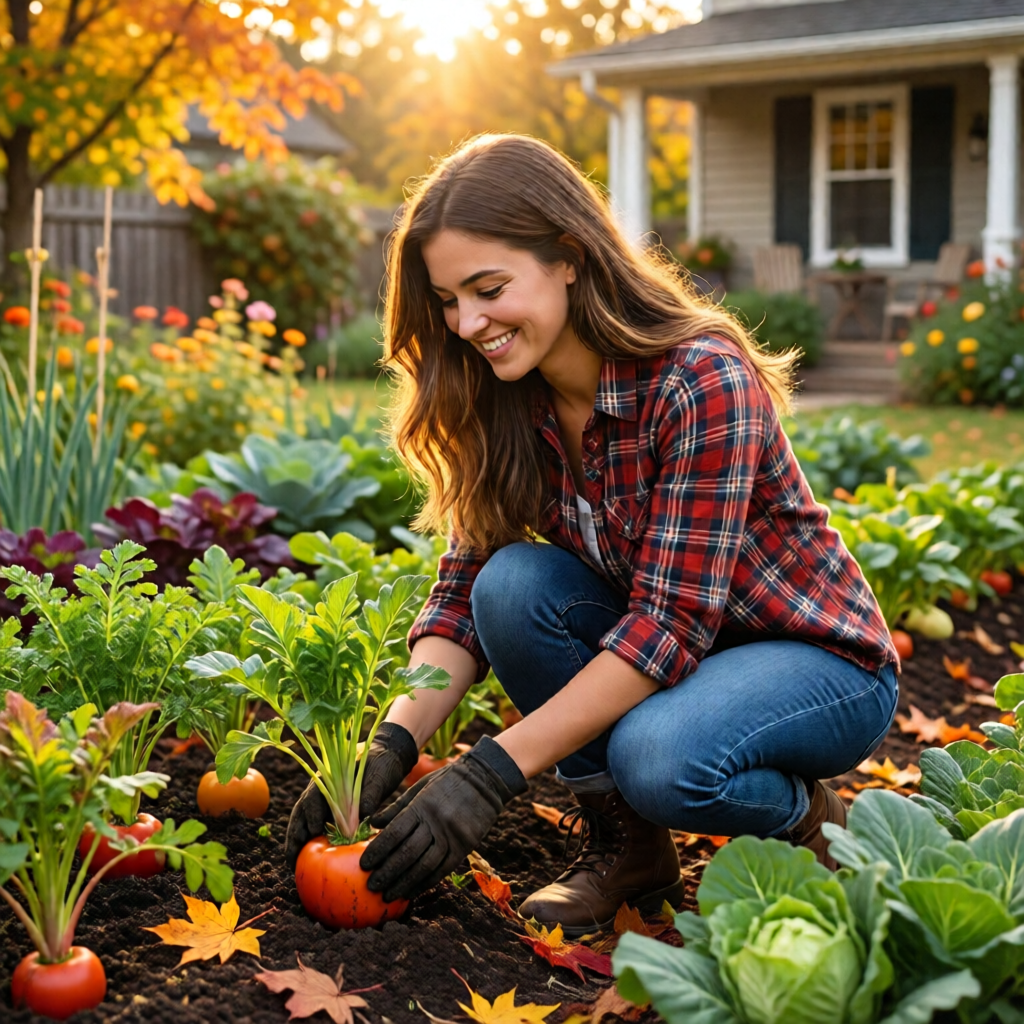
Even with the perfect crop selection and soil preparation, the way you plant your seeds and transplants can make or break your fall garden. Follow these proven techniques to give your vegetables the best start.
Direct Seeding vs. Transplanting
Cool‑season greens, radishes, and root vegetables are best direct‑sown because they tolerate transplant shock poorly. For slower‑growing brassicas, starting seeds indoors 6–8 weeks before the intended planting date and then transplanting yields stronger plants that are less likely to be delayed by a brief cold snap.
Proper Spacing and Depth
Plant seeds at a depth of ¼ to ½ inch, and thin seedlings to the recommended spacing (e.g., 12 inches for carrots, 18 inches for cabbage). Overcrowding reduces air circulation, increasing the risk of fungal diseases—particularly problematic in damp fall conditions.
Using Seed Starting Mixes
When starting seeds indoors, use a sterile seed‑starting mix rather than garden soil to avoid contaminating seedlings with pathogens. A light, fluffy mix encourages rapid root development and reduces damping‑off problems.
Applying Starter Fertilizer
Incorporate a balanced starter fertilizer (10‑10‑10) at planting time to give seedlings a nutrient boost. As the plants mature, switch to a nitrogen‑rich fertilizer for leafy greens and a phosphorus‑focused formula for root crops.
Utilizing Row Covers and Cloches
After planting, cover your rows with lightweight fabric or a cloche to retain heat and protect against early frosts. Remove the covers during sunny days to prevent overheating and allow pollinators access.
For those looking to maximize space on a deck or patio, consider vertical gardening solutions or container beds that can be integrated with your existing outdoor décor. An outdoor ceiling fan can improve air circulation around container plants, reducing humidity‑related diseases.
Watering, Fertilizing, and Pest Management in Autumn
Fall’s cooler temperatures and increased precipitation change the way you care for your garden. Below are targeted strategies to keep your plants healthy.
Watering Schedule
While rainfall often suffices, monitor soil moisture to ensure it stays consistently damp—not soggy. Water early in the morning to reduce evaporation and minimize leaf wetness, which can encourage fungal growth.
Nutrient Requirements
Cool‑season vegetables need less nitrogen than summer crops, but they still benefit from a light application of a balanced fertilizer every 4–6 weeks. For root vegetables, a phosphorus‑rich fertilizer supports robust root development.
Common Fall Pests
Watch for aphids, cabbage loopers, and flea beetles, which remain active in cooler weather. Use row covers as a physical barrier, and introduce beneficial insects like ladybugs and lacewings to keep populations in check.
Organic Pest Controls
Apply neem oil or insecticidal soap early in the morning or late evening to avoid leaf burn. For cabbage family pests, a homemade spray of garlic and hot pepper can deter feeding without harming the plants.
Disease Prevention
Fungal diseases such as downy mildew and powdery mildew thrive in damp, cool conditions. Ensure proper spacing, prune excess foliage for airflow, and apply a thin layer of compost tea to boost plant immunity.
Extending the Harvest and Storage Tips
One of the biggest rewards of a fall garden is the ability to store produce for months, providing fresh nutrition throughout winter. Here’s how to extend your harvest.
Cold Frames and Hoop Houses
Construct a simple cold frame using reclaimed windows or PVC pipe to protect crops from early frosts. This can add 4–6 weeks of growing time for leafy greens and allow you to harvest fresh salads well into December.
Root Cellar Storage
Store root vegetables like carrots, beets, and turnips in a cool, dark, and humid environment (32–40°F, 90% humidity). A basement or dedicated root cellar works well; keep the produce in perforated plastic bags or sand to maintain moisture.
Freezing and Canning
Blanch greens such as kale and spinach before freezing to preserve flavor and texture. For brassicas, consider pickling or making soups that can be frozen in individual portions. Follow safe canning guidelines to avoid botulism risk.
Preserving Herbs
Dry herbs like parsley and dill by hanging them upside down in a well‑ventilated area, then store in airtight jars. Alternatively, freeze herbs in ice‑cube trays with a little olive oil for ready‑to‑use flavor bursts.
Companion Planting and Crop Rotation for Fall Gardens
Strategic planting not only boosts yields but also reduces pest pressure and improves soil health.
Companion Pairings
Plant aromatic herbs such as rosemary or sage near cabbage family crops to deter cabbage moths. Interplant radishes with carrots to break up soil crusts and improve aeration. Marigolds can be placed around the perimeter to repel nematodes and beetles.
Crop Rotation Principles
Avoid planting the same family in the same spot year after year. Rotate legumes (peas) to a former root vegetable bed, then move root crops to the previous legume location. This practice reduces disease buildup and balances soil nutrients.
Garden Maintenance Checklist Through the Season
Staying organized ensures you don’t miss critical tasks that can affect your harvest. Use the following checklist as a weekly guide.
- Inspect plants for signs of pests or disease; act promptly.
- Water as needed, aiming for 1 inch of moisture per week.
- Apply mulch after watering to conserve moisture.
- Thin seedlings to recommended spacing to improve air flow.
- Harvest mature greens regularly to encourage continuous growth.
- Rotate row covers for temperature regulation and pollinator access.
- Prepare a storage area for root vegetables as they mature.
- Record planting dates, varieties, and yields for future reference.
By following this comprehensive guide, you’ll not only enjoy a bountiful fall harvest but also lay the groundwork for a thriving garden in the years to come. Happy planting!
When is the best time to start planting a fall vegetable garden?
The optimal planting window depends on your USDA zone. In general, start sowing fast‑growing greens in late summer (late August to early September) and plant root crops and brassicas 4–6 weeks before the first expected frost. Check your local extension service for precise dates.
Which vegetables can survive a light frost and become sweeter?
Kale, Brussels sprouts, carrots, and parsnips all develop enhanced sweetness after exposure to light frosts. The cold converts stored starches into sugars, improving flavor.
How can I protect my fall seedlings from unexpected early frosts?
Use floating row covers, garden fabric, or a simple cold frame to trap heat. Remove the cover during sunny days to prevent overheating and allow plants to harden off.
What are the best storage methods for harvested root vegetables?
Store root vegetables in a cool, dark, and humid environment (32‑40°F with about 90% humidity). Use a root cellar, basement, or insulated box filled with sand or peat moss, and keep them in perforated bags to maintain moisture.
Can I grow peppers in the fall, and how?
Yes, by selecting cold‑tolerant varieties and starting seeds early in the season. Use row covers or a greenhouse to extend warmth, and provide consistent moisture and a balanced fertilizer to keep plants productive.