When I first planted a row of zucchini in my modest suburban garden, I expected a modest harvest. Within two weeks, the vines exploded, covering half the plot, and I was left scrambling for space, support, and the right moment to pick the bright green spears. If you’ve ever felt that mix of excitement and overwhelm, you’re not alone. This zucchini growing guide for beginners walks you through every step—variety selection, soil prep, planting, care, and harvest—so you can turn that enthusiasm into a reliable, bountiful crop.
In This Article
- 1. Pick the Right Variety for Your Garden
- 2. Soil Preparation and Fertilization
- 3. Timing, Planting Depth, and Spacing
- 4. Watering, Mulching, and Climate Management
- 5. Pest and Disease Management
- 6. Harvesting, Storage, and Culinary Tips
- 7. Companion Planting and Garden Design
- Comparison Table: Top Zucchini Varieties for Beginners
- Final Verdict
1. Pick the Right Variety for Your Garden
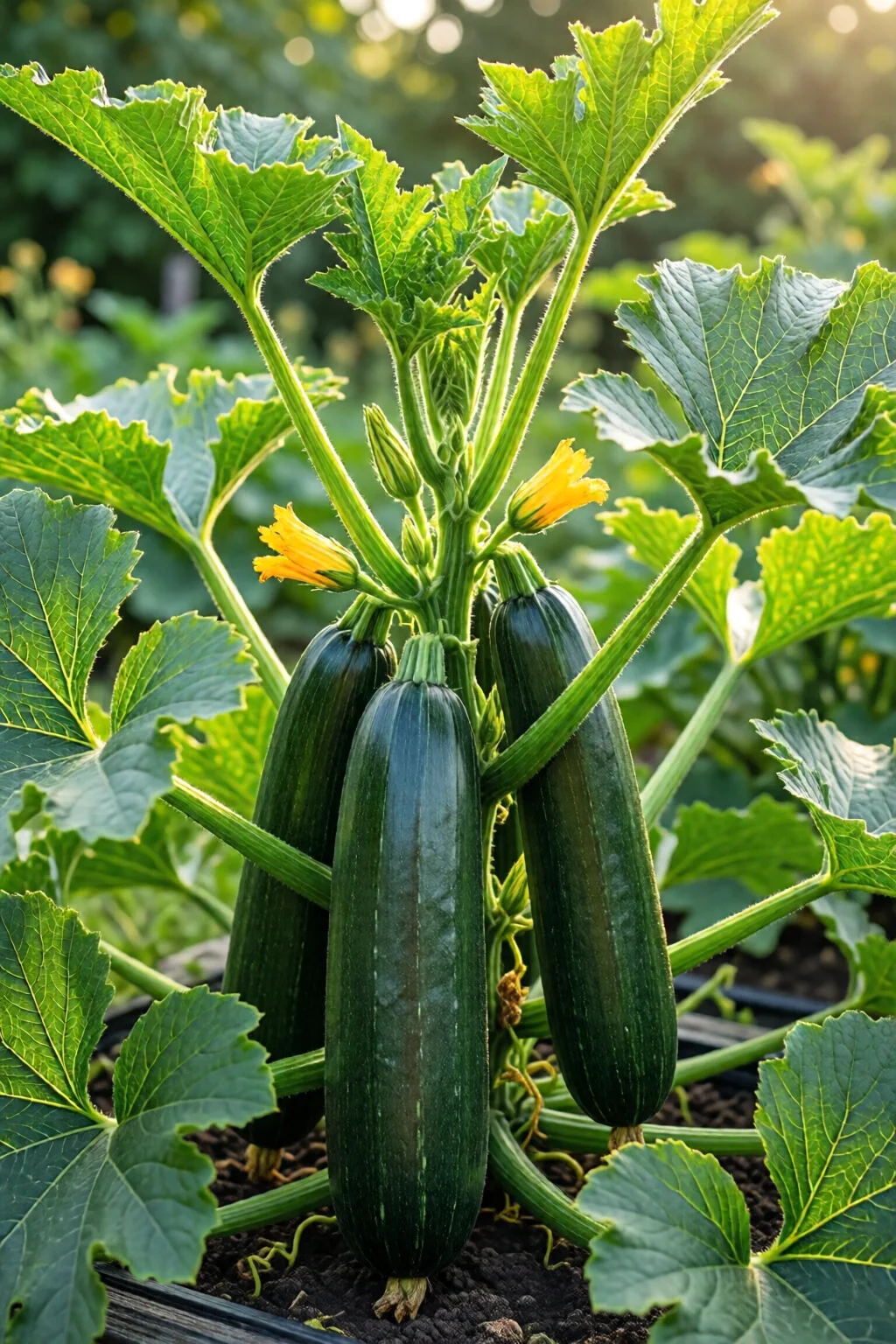
Choosing a variety that matches your climate, garden size, and culinary preferences is the foundation of success. Below are three beginner‑friendly cultivars I use year after year, complete with pros, cons, and a quick rating out of five.
| Variety | Days to Maturity | Yield per Plant | Flavor Rating | Approx. Price (seed packet) |
|---|---|---|---|---|
| Black Beauty (Heirloom) | 55‑60 | 8‑10 pcs (6‑8 in) per plant | 4.8/5 | $3.99 (100‑seed packet) |
| Gold Rush (Yellow) | 52‑58 | 7‑9 pcs per plant | 4.5/5 | $4.49 (50‑seed packet) |
| Cocozelle (Patio) | 50‑55 | 6‑8 pcs per plant | 4.6/5 | $5.25 (25‑seed packet) |
Pros: All three are disease‑resistant, produce uniform fruit, and thrive in both full sun and partial shade. Cons: Black Beauty can become sprawling; Gold Rush’s yellow color may attract birds; Cocozelle’s compact habit limits yield per plant but is perfect for containers.
One mistake I see often is buying a “giant” variety for a small balcony garden. Those vines can quickly outgrow a 4‑ft trellis and end up tangled on the balcony rail. Stick with a compact type like Cocozelle, or plan for vertical support.
2. Soil Preparation and Fertilization
Zucchini loves a loose, well‑draining medium that retains moisture without becoming soggy. Aim for a pH of 6.0‑6.8. Here’s my step‑by‑step soil prep routine:
- Test the soil. A simple kit from Rapitest (≈$9.99) tells you pH and nutrient levels within minutes.
- Amend with organic matter. Mix in 2–3 inches of well‑rotted compost or aged manure. This adds roughly 2 % organic matter, boosting water retention.
- Apply a balanced fertilizer. I favor Espoma Organic Plant Food 8‑2‑12 at 1 Tbsp per 10 sq ft, which costs about $7.99 for a 4‑lb bag and feeds the plants for a full season.
- Incorporate slow‑release granules. Miracle-Gro Performance Organics (5‑lb, $12.49) releases nutrients over 90 days, reducing the need for mid‑season top‑ups.
After mixing, lightly tamp the soil to a firm but crumbly texture. If you’re planting in raised beds, fill them with a 1‑part compost, 1‑part peat moss, and 1‑part vermiculite blend—this ensures excellent drainage and aeration.
3. Timing, Planting Depth, and Spacing
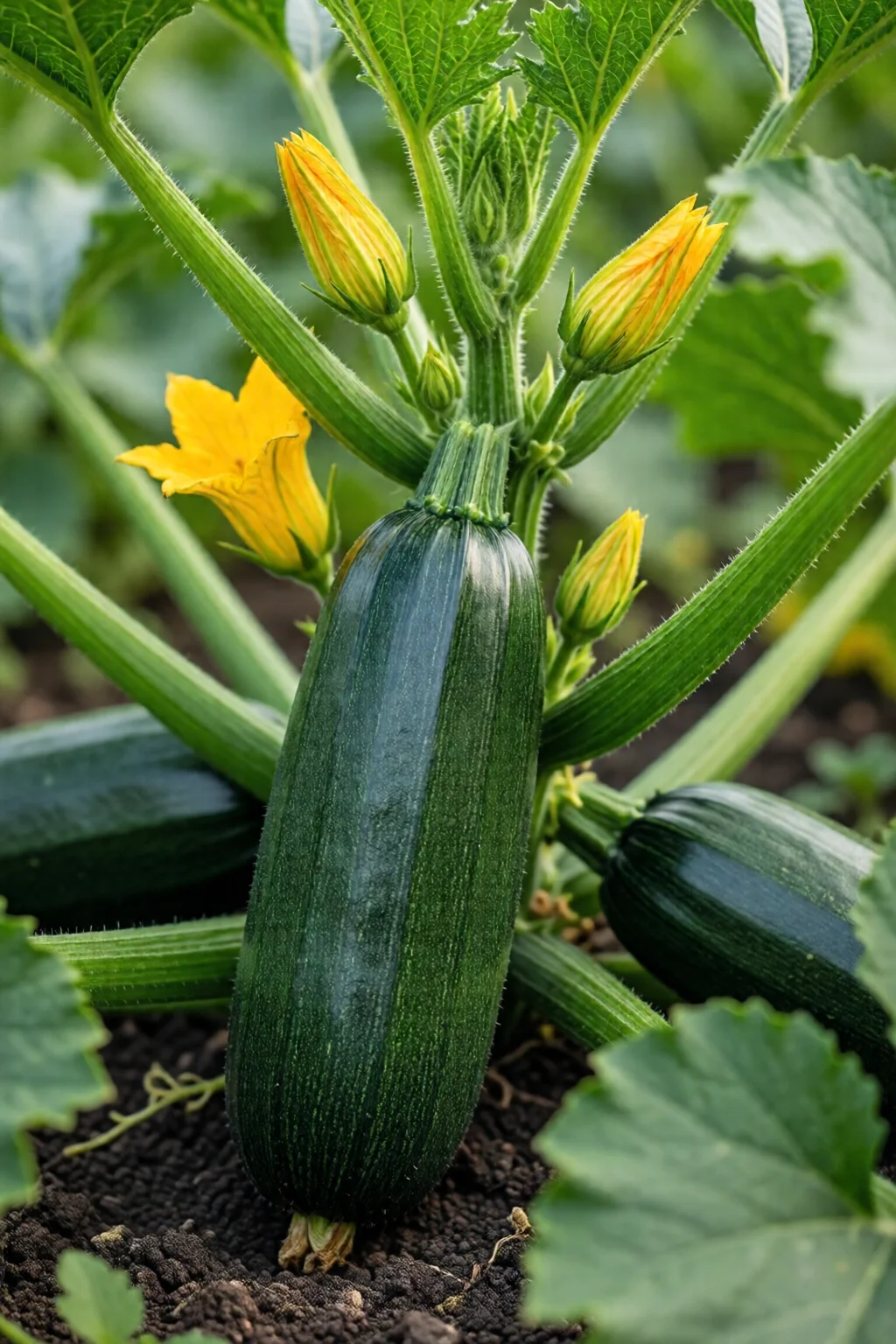
Planting at the right moment can make or break your zucchini crop. In most USDA zones (3‑9), sow seeds outdoors after the last frost when soil temperatures consistently hit 65 °F (≈18 °C). If you’re in a cooler zone, start seeds indoors 2‑3 weeks before the last frost in biodegradable Jiffy peat pellets (≈$3.49 for a pack of 12).
When transplanting, follow these guidelines:
- Depth: Sow seeds ½ inch deep; transplant seedlings at the same depth they were in the pot.
- Spacing: Space plants 24‑36 inches apart in rows 48‑60 inches apart. For compact varieties, 12‑inch spacing in containers works well.
- Support: Install a Gardener’s Supply Company 4‑ft trellis ($38.95) at planting time to keep vines off the ground, improve airflow, and reduce disease pressure.
In my experience, a simple “Z” pattern—planting a row, then a second row offset by half the spacing—maximizes sunlight exposure and makes harvesting easier.
4. Watering, Mulching, and Climate Management
Zucchini requires consistent moisture, especially during fruit set. Inadequate watering leads to bitter, stunted fruits; over‑watering invites root rot. Aim for 1‑1.5 inches of water per week, delivered in early morning or late afternoon to avoid leaf scorch.
My go‑to mulching combo is a 2‑inch layer of shredded straw topped with a thin sheet of black plastic. The straw holds moisture and suppresses weeds, while the plastic warms the soil by 2‑3 °F, extending the growing season by up to 10 days in cooler climates.
For container growers, a self‑watering “Bloom” pot (≈$24.99) reduces daily watering chores. Fill the reservoir with 2 gallons of water; the pot releases moisture as needed, maintaining a steady soil moisture level of about 70 % field capacity.
5. Pest and Disease Management
Even the most vigilant gardener will encounter pests. Here are the most common foes and how I keep them at bay:
- Squash vine borers: Lay a row of yellow sticky traps (e.g., Trapper Yellow Sticky Cards, $5.99 for 10) around the base of each plant. If you spot a boring adult, hand‑pick it—removing just one can prevent an entire plant’s loss.
- Leafminers: Use Neem oil spray (≈$8.49 per 16‑oz bottle) every 10 days. It disrupts the insect’s life cycle without harming beneficials.
- Powdery mildew: Ensure at least 12 inches of airflow between vines; prune lower leaves once the plant reaches 12 inches tall. A homemade spray of 1 Tbsp baking soda, 1 tsp liquid soap, and 1 quart water works as a preventative.
- Gophers and moles: Lay a 1‑inch layer of hardware cloth (½‑inch mesh, $12.99 per 10‑ft roll) under the planting bed to deter burrowing.
One mistake I see often is over‑applying nitrogen fertilizer after the first harvest. Excess nitrogen fuels foliage growth at the expense of fruit, making plants more attractive to cucumber beetles and aphids.
6. Harvesting, Storage, and Culinary Tips
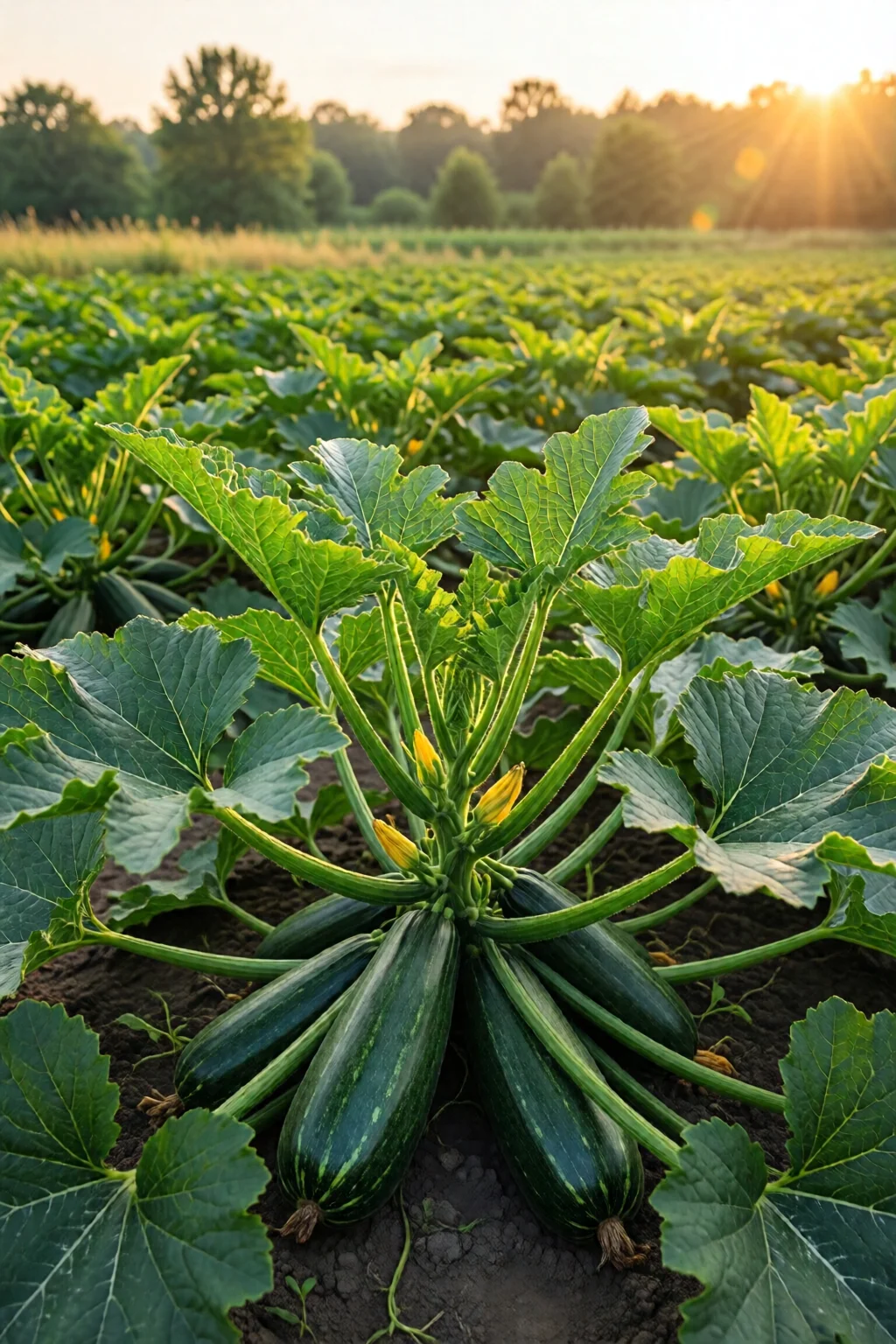
Harvest zucchini when they’re 6‑8 inches long and about 2‑3 inches in diameter. Larger fruits become woody and seed‑heavy. Use a sharp garden shears or a clean knife to cut the fruit, leaving a ¼‑inch stem attached to prolong plant life.
For continuous harvest, pick every 2‑3 days. This encourages the plant to produce more fruit rather than letting it “set” and stop producing.
Storage is simple: keep harvested zucchini in a perforated plastic bag in the fridge’s crisper drawer. They stay fresh for 5‑7 days. For longer storage, slice into ¼‑inch rounds, blanch for 2 minutes, shock in ice water, then freeze on a tray before transferring to a zip‑top bag—good for up to 8 months.
Cooking tip: Zucchini’s high water content (≈95 %) makes it perfect for quick sautés. Toss sliced spears with a drizzle of Olive Garden Extra Virgin Olive Oil ($9.99 for 25 oz) and a pinch of sea salt for a 5‑minute side dish that retains a crisp bite.
7. Companion Planting and Garden Design
Smart companion planting can reduce pests and improve yields. I pair zucchini with:
- Marigolds: Their strong scent deters nematodes and beetles.
- Basil: Enhances flavor and repels flies.
- Radishes: Grown as a “trap crop” for cucumber beetles, which prefer radishes over zucchini.
When planning a garden bed, consider integrating a privacy hedge of dwarf lilac or rosemary on the north side. This creates wind protection, which reduces fungal pressure on the lower foliage.
If you have limited space, a gravel patio can double as a raised planting platform—just line the edges with landscape fabric and fill with the same soil mix as your garden beds.
Comparison Table: Top Zucchini Varieties for Beginners
| Variety | Days to Harvest | Yield (pcs/plant) | Best Use | Rating |
|---|---|---|---|---|
| Black Beauty | 55 | 9‑12 | Grilling, sauté | 4.8/5 |
| Gold Rush | 53 | 8‑10 | Salads, pickles | 4.5/5 |
| Cocozelle | 51 | 7‑9 | Containers, balconies | 4.6/5 |
Final Verdict
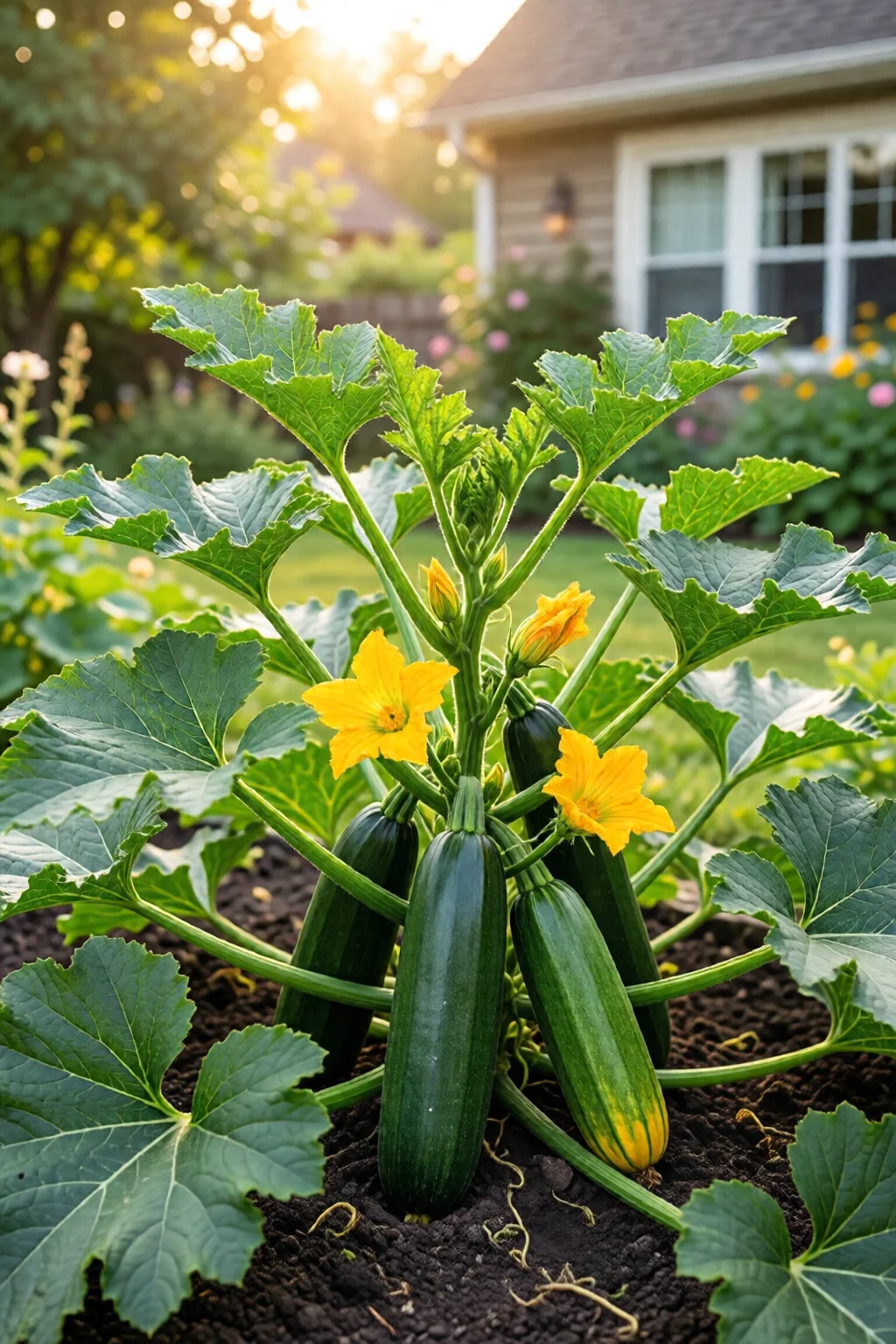
If you follow this zucchini growing guide for beginners, you’ll move from a tentative seed‑sower to a confident, high‑yield gardener within a single season. The key takeaways are: select a disease‑resistant variety suited to your space, prepare a nutrient‑rich, well‑draining soil, and maintain consistent moisture while watching for the usual pests. With the right support structures and companion plants, your zucchini will thrive, providing fresh, versatile vegetables all summer long.
When should I start zucchini seeds indoors?
Start seeds 2‑3 weeks before the last expected frost in your zone, using biodegradable peat pellets or small peat pots. Transplant once soil temperatures stay above 65 °F.
How much water does zucchini need?
Aim for 1‑1.5 inches of water per week, applied early in the day. Consistent moisture is crucial during fruit set; avoid letting the soil dry out completely.
What are the best companion plants for zucchini?
Marigolds, basil, and radishes are excellent companions. They deter common pests and can improve overall flavor.
How do I prevent powdery mildew on my zucchini?
Provide at least 12 inches of airflow, prune lower leaves, and consider a preventative spray of baking soda (1 Tbsp) mixed with liquid soap (1 tsp) in a quart of water.
Can I grow zucchini in containers?
Yes. Use a 5‑gal container with a high‑quality potting mix, a compact variety like Cocozelle, and a self‑watering pot if you want to reduce daily watering.