If you’ve dreamed of picking plump, sweet blueberries straight from your patio, balcony, or even a sunny windowsill, growing blueberries in containers is a rewarding way to enjoy this beloved fruit without a sprawling garden. With the right containers, soil, and care, you can harvest delicious berries season after season, all while adding a splash of color to your outdoor living space. Below is a comprehensive guide packed with practical tips, expert advice, and actionable steps to help you succeed.
Choosing the Right Container for Blueberries
Size and Shape
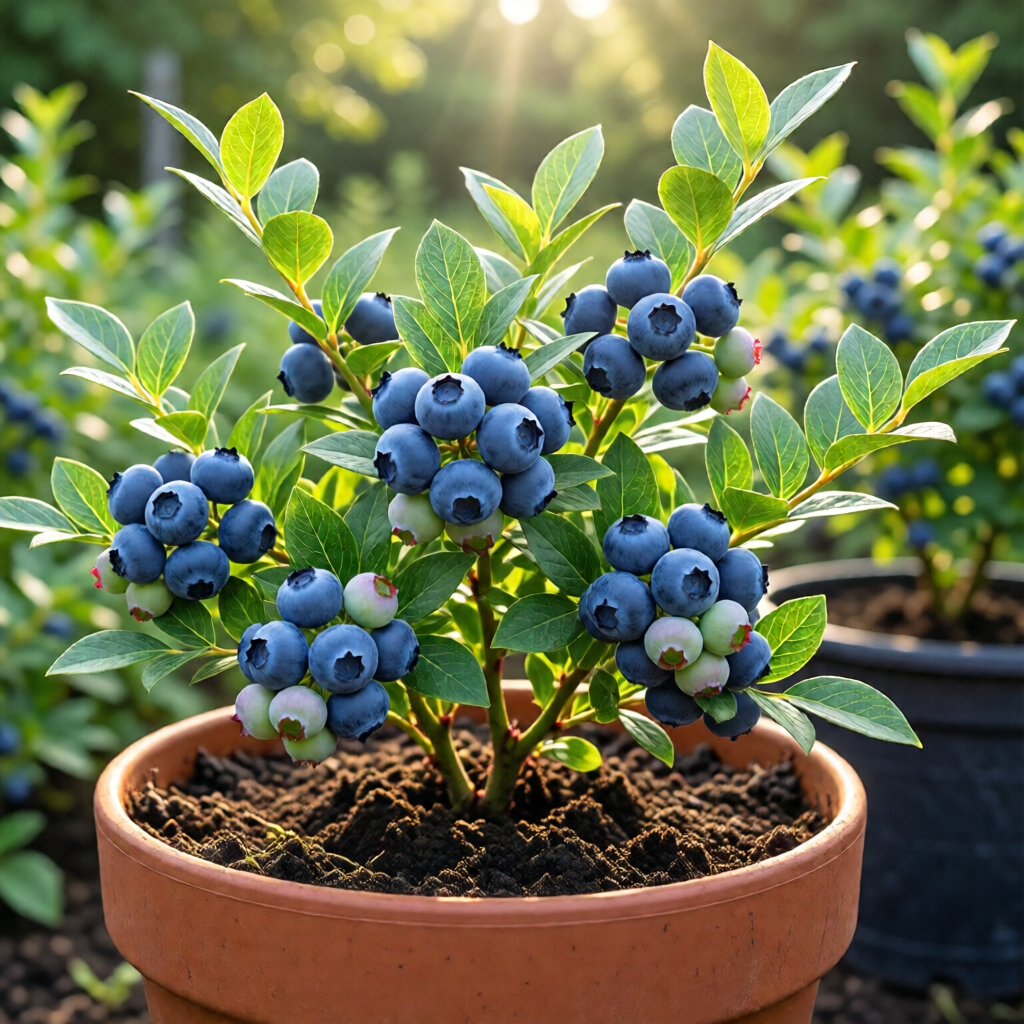
Blueberries have shallow, fibrous root systems that spread horizontally, so a wide container is more important than depth. Aim for a pot at least 18‑24 inches in diameter and a minimum depth of 12‑15 inches. Larger containers hold more soil, which helps maintain consistent moisture and temperature—two critical factors for blueberry health. If you plan to grow multiple plants, consider a trough or a large rectangular planter that can accommodate three to five bushes, allowing each plant at least 4‑5 feet of space.
Material Matters
Containers come in various materials, each with pros and cons. Terracotta is porous and helps prevent waterlogging, but it can dry out quickly in hot weather. Plastic and resin pots retain moisture better and are lighter to move, making them ideal for balcony growers who may need to relocate their plants during extreme temperatures. For a premium look, wooden barrels lined with a waterproof barrier combine aesthetics with excellent insulation. Whichever material you choose, ensure it has drainage holes; blueberries cannot tolerate soggy roots.
Selecting the Perfect Blueberry Varieties for Containers
Low‑Chill vs. High‑Chill Varieties
Blueberries are divided into three main groups based on chilling requirements: low‑chill (Southern Highbush), high‑chill (Northern Highbush), and rabbiteye. If you live in the southern United States (zones 7‑9), low‑chill varieties like ‘Sunshine Blue’ or ‘Misty’ will set fruit without needing a long winter. In cooler climates (zones 4‑6), high‑chill types such as ‘Bluecrop’ or ‘Jersey’ need 800‑1000 chilling hours to break dormancy and produce a bountiful harvest. Choose a variety that matches your local climate to ensure reliable fruiting.
Dwarf and Half‑High Types
Dwarf and half‑high blueberry cultivars are specifically bred for container growth. ‘Jelly Bean’ (a dwarf Southern Highbush) stays compact at 2‑3 feet tall, while half‑high varieties like ‘Northcountry’ combine the hardiness of rabbiteye with a manageable size. These cultivars produce a surprising amount of fruit relative to their size and are perfect for small spaces, patios, or indoor windowsills where height is limited.

Soil Mix and pH Management
Ideal Soil Composition
Blueberries thrive in acidic, well‑draining soil with a high organic matter content. A reliable container mix combines 50% peat moss or coconut coir, 30% pine bark fines, and 20% perlite or coarse sand. This blend mimics the loamy, airy conditions blueberries love while preventing compaction. Adding a handful of aged compost per gallon of mix boosts nutrient availability without raising the pH.
Adjusting pH
Blueberries require a soil pH of 4.5‑5.5. Test the pH using a simple garden kit before planting. If the mix is too alkaline, amend it with elemental sulfur—about 1 tablespoon per gallon of soil—to lower the pH gradually. For faster adjustment, use aluminum sulfate, but apply cautiously as it can cause leaf burn if overused. Re‑test monthly, especially after watering or fertilizing, to keep the acidity within the optimal range.
Planting and Spacing Tips
Preparing the Container
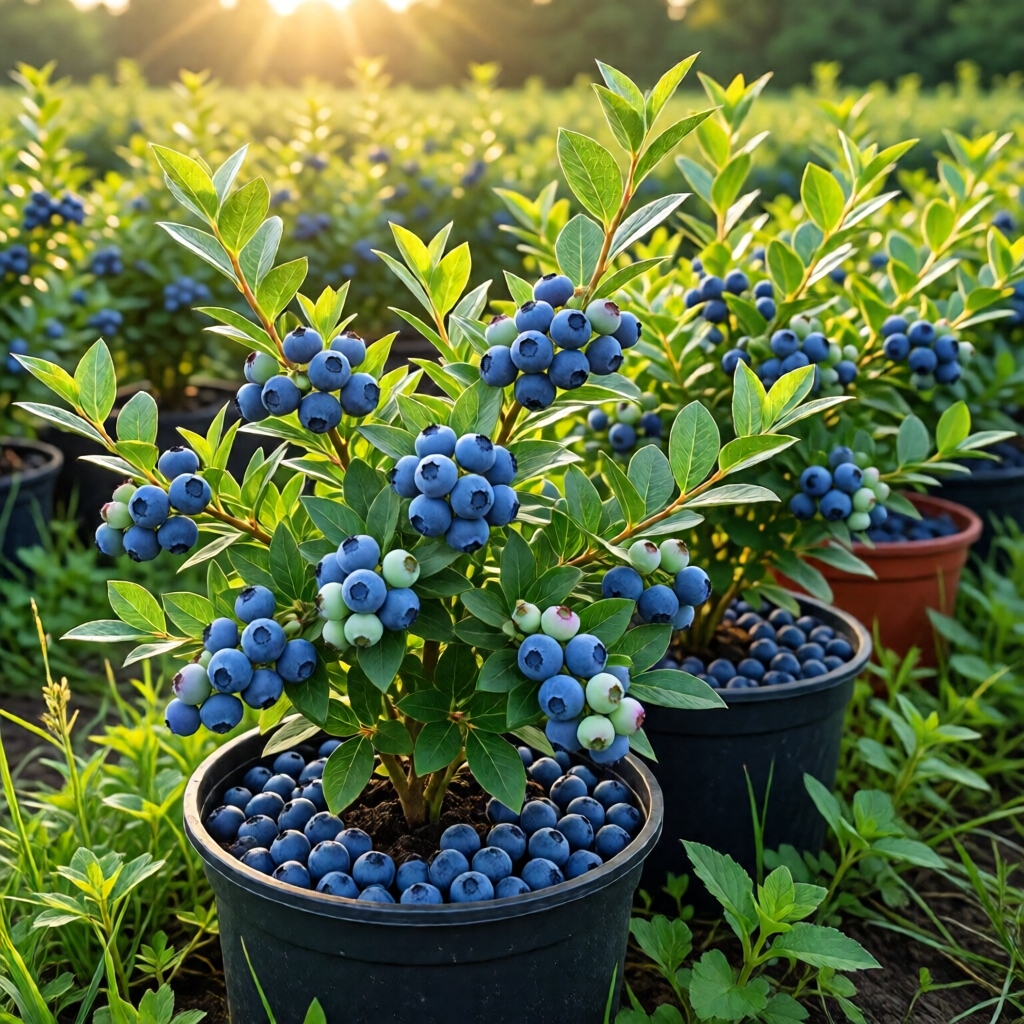
Begin by placing a layer of coarse gravel or broken pottery at the bottom of the pot to enhance drainage. Then fill with the prepared acidic soil mix, leaving about 2 inches of space from the rim. Gently mist the soil to settle it, but avoid over‑watering at this stage.
Planting Depth and Spacing
Remove the blueberry plant from its nursery pot, teasing out any circling roots. Position the plant so the root ball sits just below the soil surface; the crown (where stems meet roots) should be level with the soil. Backfill, firming gently around the roots. If planting multiple bushes in a trough, space them 4‑5 feet apart to allow air circulation and future growth.
Watering and Irrigation Strategies
Consistent Moisture
Blueberries have shallow roots that dry out quickly, so maintaining consistent moisture is essential. Water when the top inch of soil feels dry—typically every 2‑3 days in summer, less frequently in cooler months. Use a watering can with a fine rose or a drip system to deliver water evenly without splashing leaves, which can reduce disease risk.
Mulching Benefits
Apply a 2‑3 inch layer of pine bark mulch or shredded leaves on the soil surface. Mulch conserves moisture, suppresses weeds, and gradually acidifies the soil as it decomposes—perfect for keeping pH in the sweet spot. Replenish mulch annually in early spring to maintain its protective benefits.
Feeding and Fertilizing Blueberries in Containers
Nutrient Needs
Blueberries are light feeders but require specific nutrients to thrive. In early spring, apply a balanced, low‑nitrogen fertilizer formulated for acid‑loving plants (e.g., 10‑10‑10 with iron). Follow label directions—typically ½ cup per large container. Avoid high‑nitrogen fertilizers, which can produce lush foliage at the expense of fruit.
Organic Options
For organic gardeners, a blend of composted pine bark, blood meal, and elemental sulfur provides a slow‑release nutrient source while maintaining acidity. Alternatively, use a liquid fertilizer such as indoor plant fertilizer guide that’s labeled safe for acid‑loving plants, applying every 4‑6 weeks during the growing season.
Pruning and Training for Optimal Yield
First‑Year Pruning
In the first year, focus on establishing a strong framework. Remove any weak or damaged canes, and thin out crowded stems to leave 4‑6 healthy canes spaced evenly around the plant. This encourages vigorous growth and sets the stage for abundant fruiting.
Ongoing Maintenance
Each winter (after the plant is dormant), prune to remove old, woody canes (those older than 3‑4 years) and retain younger, productive growth. Aim to keep the canopy open, allowing sunlight to penetrate all parts of the plant. Training canes to a fan shape improves air flow, reducing disease risk and enhancing fruit quality.
Managing Pests and Diseases in Container Grown Blueberries
Common Pests
Blueberries in containers may attract aphids, spider mites, and fruit flies. Inspect plants weekly, especially the undersides of leaves. A gentle spray of soapy water (1‑2 teaspoons mild dish soap per quart of water) can control aphids and mites. For fruit flies, cover the fruit with fine mesh or harvest promptly to prevent egg laying.
Disease Prevention
Root rot and fungal leaf spots are the most common diseases. Prevent them by ensuring excellent drainage, avoiding overhead watering, and maintaining proper spacing. If you notice yellowing leaves or a mushy root ball, repot the plant with fresh, sterile soil and trim any affected roots.
Harvesting and Storing Your Container Blueberries
When to Harvest
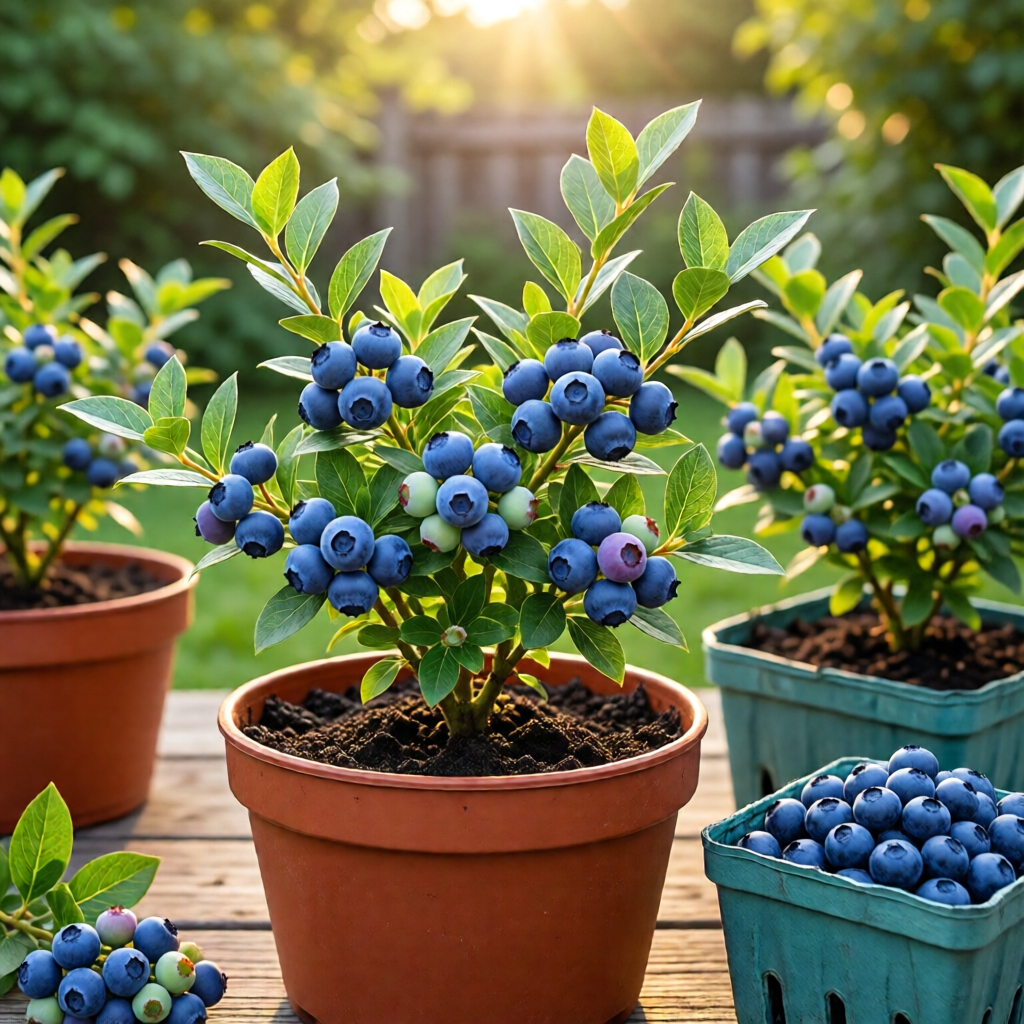
Blueberries are ready to pick when they turn a deep, uniform blue color and easily detach with a gentle tug. Harvest in the early morning when berries are cool and firm. Frequent picking encourages the plant to produce more fruit throughout the season.
Storage Tips
Place harvested berries in a single layer on a paper towel in the refrigerator. They stay fresh for up to 10 days. For longer storage, freeze berries on a baking sheet, then transfer to airtight bags; frozen blueberries retain flavor and nutrients for up to a year.
Seasonal Care Calendar
Spring
Apply a balanced acidic fertilizer, prune dormant canes, and repot if the plant has outgrown its container. Begin regular watering as temperatures rise, and add fresh mulch.
Summer
Maintain consistent moisture, monitor for pests, and harvest ripe berries. Provide shade during extreme heat to prevent leaf scorch, especially on south‑facing balconies.
Fall
Reduce watering as the plant prepares for dormancy. Remove any diseased leaves, and apply a light mulch layer to protect roots from winter cold.
Winter
In colder zones, move containers to a protected area such as a garage or unheated shed, ensuring they remain dormant but not frozen solid. Keep soil slightly moist—just enough to prevent it from drying out completely.

Conclusion
Growing blueberries in containers opens the door to fresh, home‑grown fruit for anyone with limited space. By selecting the right dwarf varieties, using an acidic, well‑draining soil mix, and providing consistent care throughout the year, you’ll enjoy a bountiful harvest that rivals traditional garden plants. Whether you’re a seasoned gardener or a balcony‑dwelling beginner, these practical tips and expert insights will help you nurture thriving blueberry bushes right at your doorstep.
What container size is best for growing blueberries?
A container at least 18‑24 inches in diameter and 12‑15 inches deep works well, providing enough space for root spread and soil volume to retain moisture.
Which blueberry varieties are suitable for containers?
Dwarf and half‑high varieties such as ‘Jelly Bean’, ‘Sunshine Blue’, and ‘Northcountry’ are ideal because they stay compact and produce plenty of fruit in pots.
How do I keep the soil acidic for container blueberries?
Use a peat‑based mix, add pine bark, and regularly test pH. Amend with elemental sulfur or aluminum sulfate to lower pH to 4.5‑5.5 as needed.
Can I grow blueberries indoors?
Yes, if you provide ample light (at least 6‑8 hours of direct sunlight or grow lights), maintain soil acidity, and keep humidity moderate. Pair with tips from the succulent care guide for indoors for best results.
How often should I fertilize my container blueberries?
Apply a low‑nitrogen, acid‑loving fertilizer in early spring and a light dose of organic fertilizer every 4‑6 weeks during the growing season, following the guidelines in the indoor plant fertilizer guide.