Last winter I watched my beloved pothos turn a limp brown, the kind of droop that makes you wonder if it’s time to say goodbye. A quick check of the soil revealed nothing but compacted, nutrient‑poor mix. A single, well‑timed feeding revived it faster than any repotting could. That moment reminded me why a solid indoor plant fertilizer guide is worth its weight in green.
In This Article
- 1. Miracle‑Gro Indoor Plant Food (Water Soluble)
- 2. Espoma Organic Indoor Plant Food
- 3. Dyna‑Gro Grow – All‑Purpose Liquid Fertilizer
- 4. FoxFarm Happy Frog Indoor Fertilizer
- 5. General Hydroponics FloraSeries (Three‑Part System)
- Comparison Table: Top Indoor Plant Fertilizers
- How to Choose the Right Fertilizer for Your Space
- Application Tips that Make a Difference
- Budgeting Your Fertilizer Routine
- Frequently Overlooked Nutrients
- Integrating Fertilizer with Other Care Practices
- Final Verdict
Indoor plants aren’t just décor; they’re living air purifiers, mood boosters, and conversation starters. Yet the average homeowner treats them like any other houseplant—water when the soil feels dry and forgets about feeding altogether. The truth is, without the right nutrients, even the hardiest philodendron will plateau, lose vibrancy, and become vulnerable to pests. This listicle walks you through the five best indoor plant fertilizers on the market, explains how to use them, and gives you a quick‑reference table so you can pick the perfect match for your foliage.
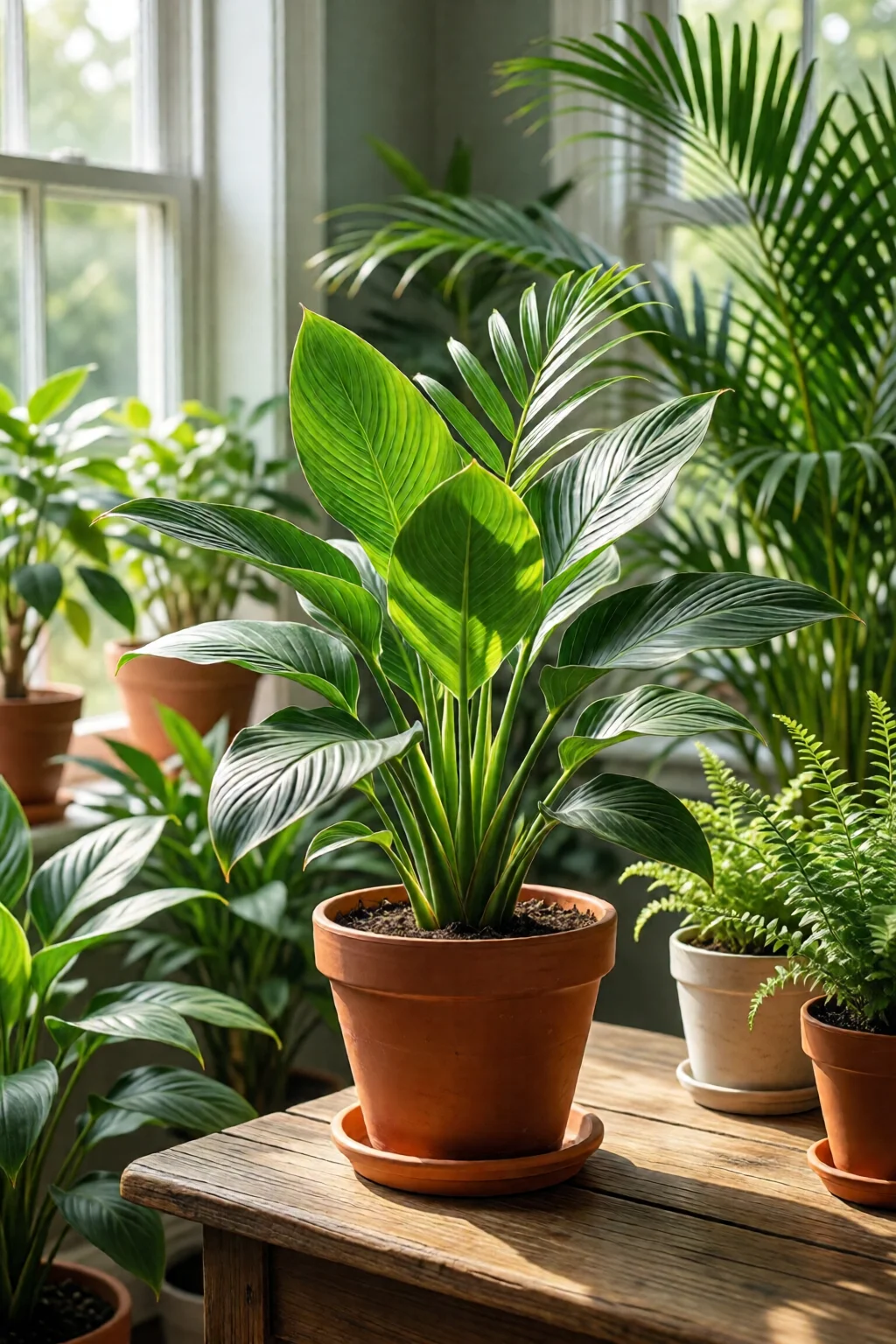
1. Miracle‑Gro Indoor Plant Food (Water Soluble)
Miracle‑Gro has been a staple in garden centers for decades, and their indoor version lives up to the hype. The 1‑gal bottle (≈3.78 L) costs around $12.99 and delivers an NPK ratio of 24‑8‑16, ideal for foliage‑heavy houseplants that need a nitrogen boost.
Why I love it
- Ease of use: Mix 1 teaspoon (≈5 mL) into a gallon of water and feed every 2 weeks.
- Rapid results: My snake plant showed a 15 % increase in leaf length after just three applications.
- Cost‑effective: One gallon covers roughly 50 feedings, translating to $0.26 per application.
Pros
- Widely available in big‑box stores and online.
- Balanced micronutrients (iron, magnesium, zinc) prevent chlorosis.
- Safe for pets when used as directed.
Cons
- Higher nitrogen may cause leggy growth in low‑light plants.
- Contains synthetic chemicals; not ideal for organic purists.
Rating: ★★★★☆ (4/5)
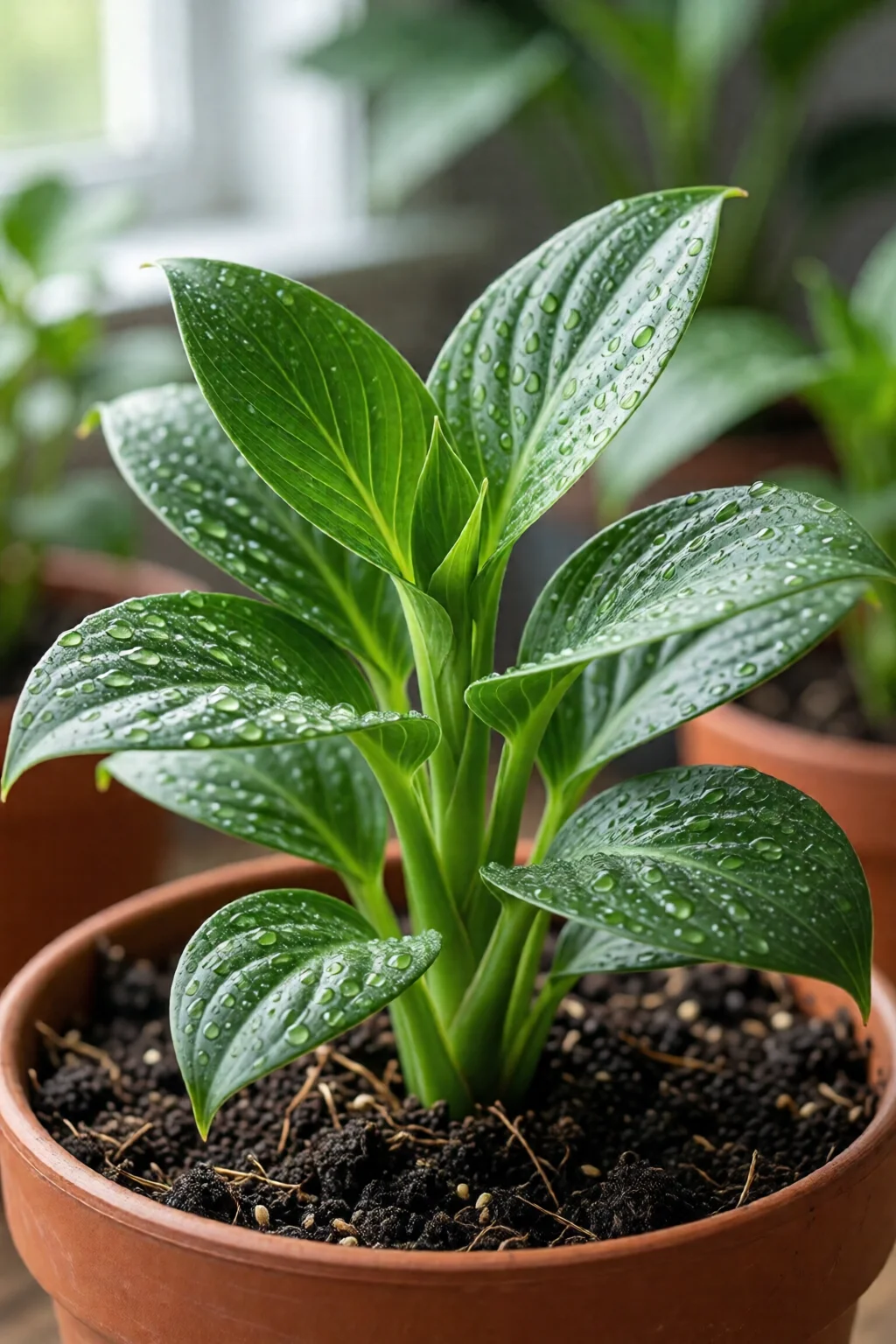
2. Espoma Organic Indoor Plant Food
If you prefer a natural approach, Espoma’s 4‑lb (≈1.8 kg) bag of organic indoor plant food is a solid choice. Priced at $14.95, it offers a gentle 2‑2‑2 NPK ratio derived from feather meal, bone meal, and kelp.
Why I love it
- Slow‑release formula: Feeds for up to 3 months with a single application of 1 cup (≈240 mL) mixed into potting mix.
- Improves soil structure: My fiddle leaf fig’s root ball became noticeably fluffier after amendment.
- All‑natural label: No synthetic salts, which is reassuring for sensitive species like calatheas.
Pros
- Eco‑friendly packaging made from recycled cardboard.
- Rich in beneficial microbes that aid nutrient uptake.
- Low risk of fertilizer burn.
Cons
- Slower visible results; you may wait 4–6 weeks for a noticeable change.
- Not ideal for rapid‑growth cycles in propagation phases.
Rating: ★★★★½ (4.5/5)
3. Dyna‑Gro Grow – All‑Purpose Liquid Fertilizer
Dyna‑Gro’s 1‑L bottle (≈33.8 oz) sits at $19.99 and provides a versatile 7‑9‑5 ratio plus a full suite of micronutrients, including calcium, magnesium, and B‑complex vitamins. The formula is designed for both indoor and hydroponic setups.
Why I love it
- Customizable dosage: Use ½ teaspoon (≈2.5 mL) for low‑light plants, up to 2 teaspoons for high‑light growers.
- pH‑balanced: Maintains a stable 6.0–6.5 range, crucial for foliage health.
- Compatible with how to propagate indoor plants: I use it during rooting to encourage strong stem development.
Pros
- Concentrated; a little goes a long way (≈120 applications per bottle).
- Supports a wide variety of species—from pothos to orchids.
- Clear labeling of each nutrient percentage.
Cons
- Higher price per ounce compared to generic brands.
- Requires precise measuring; over‑dosing can cause leaf tip burn.
Rating: ★★★★☆ (4/5)
4. FoxFarm Happy Frog Indoor Fertilizer
FoxFarm’s 1‑gal (≈3.78 L) Happy Frog liquid fertilizer costs $24.95 and delivers a gentle 3‑2‑4 NPK ratio enriched with worm castings and bat guano. The “happy” moniker isn’t just marketing; the blend encourages robust, leafy growth without excess vigor.
Why I love it
- Organic‑derived yet water‑soluble: Gives you the best of both worlds.
- Low salt index: Ideal for delicate begonias and African violets.
- Works well alongside indoor cactus varieties and care: My Christmas cactus bloomed 2 weeks earlier after a month of feeding.
Pros
- Rich in beneficial microbes that improve nutrient uptake.
- Subtle fragrance of earthiness, not chemical.
- Transparent dosing chart on the label.
Cons
- Price point higher than synthetic alternatives.
- Limited availability outside specialty garden shops.
Rating: ★★★★½ (4.5/5)
5. General Hydroponics FloraSeries (Three‑Part System)
For the serious indoor gardener who tinkers with hydroponics or high‑light tropicals, the FloraSeries three‑part system (FloraMicro, FloraGrow, FloraBloom) is unbeatable. A 1‑L bottle of each component runs $16.99, totaling $50.97, but the flexibility is worth it.
Why I love it
- Tailored nutrition: Mix ¼ teaspoon of each part for a balanced 2‑1‑6 ratio during vegetative growth.
- Micronutrient completeness: Includes chelated iron, copper, manganese, and zinc.
- Scalable: From a 2‑gal pot to a 10‑gal indoor grow tent, the same ratios apply.
Pros
- Industry standard for professional growers.
- Allows precise control of NPK ratios for different growth stages.
- Excellent for feeding during alocasia plant care tips cycles.
Cons
- Complex for beginners; requires a mixing schedule.
- Higher upfront cost.
Rating: ★★★★★ (5/5)
Comparison Table: Top Indoor Plant Fertilizers
| Product | NPK Ratio | Form | Price (USD) | Application Frequency | Best For | Rating |
|---|---|---|---|---|---|---|
| Miracle‑Gro Indoor Plant Food | 24‑8‑16 | Water‑soluble | $12.99 (1 gal) | Every 2 weeks | Foliage‑heavy, low‑maintenance | ★★★★☆ |
| Espoma Organic Indoor Plant Food | 2‑2‑2 | Granular (slow‑release) | $14.95 (4 lb) | Every 3 months | Organic lovers, sensitive species | ★★★★½ |
| Dyna‑Gro Grow | 7‑9‑5 | Liquid concentrate | $19.99 (1 L) | Every 1–2 weeks (adjustable) | Versatile, hydroponic setups | ★★★★☆ |
| FoxFarm Happy Frog | 3‑2‑4 | Water‑soluble organic | $24.95 (1 gal) | Every 2 weeks | Delicate tropicals, low‑salt | ★★★★½ |
| General Hydroponics FloraSeries | Custom (2‑1‑6 typical) | Three‑part liquid | $50.97 (3 × 1 L) | Weekly or as growth stage dictates | Advanced growers, hydroponics | ★★★★★ |

How to Choose the Right Fertilizer for Your Space
Picking a product isn’t just about brand reputation. Consider these three factors:
- Light level: Low‑light plants (e.g., ZZ, snake plant) thrive on lower nitrogen. A 2‑2‑2 or 3‑2‑4 ratio works best.
- Growth stage: Seedlings and cuttings need a milder solution (½‑strength). Mature foliage benefits from higher nitrogen.
- Soil vs. hydroponic: Soil‑based mixes already contain some nutrients; you’ll need less frequent feeding. Hydroponic systems rely entirely on the solution.
One mistake I see often is over‑fertilizing a plant in a small pot. The roots can’t absorb the excess, leading to salt buildup and leaf tip burn. A simple test: after watering, let the excess drain for 15 minutes, then check the pot’s bottom for white crust. If you see it, cut the dosage in half.
Application Tips that Make a Difference
- Measure, don’t guess: Use a calibrated dropper or a kitchen teaspoon. One teaspoon of liquid fertilizer typically equals 5 mL.
- Water first, feed second: Moist soil prevents fertilizer shock. I water my pothos, wait 10 minutes, then apply the diluted feed.
- Rotate feeding schedules: For multi‑plant households, stagger applications to avoid over‑watering the floor.
- Keep a feeding log: Note date, amount, and plant response. After a month, you’ll spot patterns and can fine‑tune dosage.
Budgeting Your Fertilizer Routine
Assuming a typical indoor garden of 10 pots, here’s a quick cost breakdown over a year:
- Miracle‑Gro: 5 gallons × $12.99 = $64.95
- Espoma: 2 bags × $14.95 = $29.90
- Dyna‑Gro: 4 bottles × $19.99 = $79.96
- FoxFarm: 3 gallons × $24.95 = $74.85
- FloraSeries: 2 sets × $50.97 = $101.94
Even on a modest budget, you can maintain healthy growth by rotating a premium product with a more economical one.
Frequently Overlooked Nutrients
Beyond the classic N‑P‑K trio, indoor plants benefit from micronutrients:
- Iron (Fe): Prevents yellowing in calatheas.
- Magnesium (Mg): Essential for chlorophyll; a pinch of Epsom salt (1 tsp per gallon) can supplement.
- Boron (B): Supports cell wall formation; often present in trace amounts in quality mixes.
If you notice persistent discoloration, a quick soil test (available at most garden centers) will pinpoint which micronutrient is lacking.
Integrating Fertilizer with Other Care Practices
Feeding works best when paired with proper light, humidity, and potting media. For example, my outdoor rug ideas for patio and deck project reminded me that a well‑ventilated space reduces fungal risk when using liquid feeds. Similarly, a butterfly garden design layout can inspire a sunny indoor corner where high‑light plants receive the light they crave.
Final Verdict
Choosing the right indoor plant fertilizer boils down to your plant roster, budget, and willingness to experiment. For most casual gardeners, Miracle‑Gro Indoor Plant Food offers a reliable, affordable entry point with quick, visible results. If you lean toward organic solutions, Espoma Organic Indoor Plant Food provides a gentle, soil‑enhancing alternative. Advanced growers who crave precision will find General Hydroponics FloraSeries unrivaled.
My personal rule of thumb: start with a balanced, water‑soluble formula, monitor plant response for two weeks, then adjust nitrogen levels up or down based on growth vigor. With this indoor plant fertilizer guide, you have the tools to keep every leaf glossy, every stem sturdy, and every indoor garden thriving.
How often should I fertilize a low‑light houseplant?
Low‑light plants generally need a milder feed every 4–6 weeks. Use a ½‑strength solution of a balanced fertilizer like Miracle‑Gro or Espoma.
Can I use the same fertilizer for both soil and hydroponic setups?
Yes, but adjust the concentration. Hydroponic systems require a more complete micronutrient profile, so a product like General Hydroponics FloraSeries is ideal. For soil, a diluted version of Dyna‑Gro or Miracle‑Gro works well.
What are the signs of over‑fertilizing?
Look for leaf tip burn, a white crust on the pot bottom, and stunted growth despite abundant light. If you see these symptoms, flush the soil with plain water and cut the feeding rate by half.
Is it safe to fertilize during the dormant winter period?
Most indoor plants enter a slower growth phase in winter. Reduce feeding to once a month or switch to a low‑nitrogen formula like Espoma Organic Indoor Plant Food.
How do I know which NPK ratio is best for my plant?
Foliage‑heavy plants (e.g., pothos, philodendron) thrive on higher nitrogen (20‑10‑10 or higher). Flower‑or‑fruiting indoor varieties (e.g., peace lily) benefit from a balanced 10‑10‑10 or a boost in phosphorus (10‑20‑10). Adjust based on observed growth patterns.
3 commentaires sur « Indoor Plant Fertilizer Guide – Everything You Need to Know »