Strawberries are one of the most rewarding fruits you can grow at home, offering sweet, juicy bites straight from the garden. When cultivated in raised beds, they benefit from improved drainage, easier soil management, and a tidy, accessible harvest space—perfect for backyard gardeners across the United States. This guide walks you through everything you need to know to grow thriving strawberry plants in raised beds, from selecting varieties to harvesting the final fruit, with practical tips, expert advice, and actionable steps to help you succeed season after season.
Why Choose Raised Beds for Strawberries?
Raised beds create a controlled growing environment that addresses many of the challenges strawberry plants face in traditional in‑ground gardens. Here are the top reasons to opt for a raised bed:
- Better Drainage: Strawberries are prone to root rot in soggy soils. A raised bed allows excess water to flow away, keeping roots aerated.
- Soil Warmth: The soil in a raised bed warms faster in spring, encouraging earlier fruiting—a crucial advantage in cooler climates.
- Weed Control: With a clean, defined space, you can keep weeds at bay, reducing competition for nutrients and water.
- Ergonomic Harvesting: Raised beds sit at a comfortable height, making it easier to tend to plants and pick berries without bending over.
- Customizable Soil Mix: You can tailor the soil composition to meet strawberries’ preference for slightly acidic, loamy conditions.
Selecting the Right Strawberry Varieties
Choosing varieties that match your climate, garden space, and harvest goals is the foundation of a successful strawberry bed. In the United States, strawberries fall into three main categories: June‑bearing, ever‑bearing (or “day‑neutral”), and alpine. Each has distinct characteristics:
June‑Bearing (Everbearing) Varieties
These produce a single, large harvest in late spring to early summer. They are ideal for gardeners who want a concentrated bounty for jam‑making or fresh eating. Popular June‑bearing cultivars include:
- ‘Earliglow’ – renowned for its sweet flavor and early ripening, perfect for cooler northern regions.
- ‘Jewel’ – a mid‑season variety with firm, glossy berries that store well.
- ‘Allstar’ – a high‑yielding, disease‑resistant option suitable for many USDA zones.
Day‑Neutral (Ever‑Bearing) Varieties
Day‑neutral strawberries produce fruit continuously from late spring through fall, provided temperatures stay between 55°F and 80°F. They are perfect for gardeners who want a steady supply of fresh berries. Top picks include:
- ‘Seascape’ – praised for its large, sweet berries and excellent disease resistance.
- ‘Albion’ – offers firm, flavorful fruit with a long harvest window.
- ‘Mara des Bois’ – an aromatic variety that mimics wild strawberry flavor, great for gourmet uses.
Alpine Varieties
Alpine strawberries produce small, intensely aromatic berries and are often grown in containers or as groundcovers. While they yield less fruit per plant, their flavor is unmatched. Consider ‘Alexandria’ for a unique addition to a mixed‑plant raised bed.
When selecting varieties, consult the USDA hardiness zone map and choose cultivars proven to thrive in your region. For example, ‘Earliglow’ excels in zones 3‑7, while ‘Seascape’ performs well in zones 5‑9.
Preparing Your Raised Bed
Before you plant, you must create a fertile, well‑draining environment that meets strawberries’ specific soil preferences. Follow these steps to set up an optimal raised bed:
1. Choose the Right Location
Strawberries need at least six hours of direct sunlight daily for the best fruit production. However, if you live in a hot, arid region, a spot with morning sun and afternoon shade can prevent heat stress. Avoid low‑lying areas where water may pool.
2. Build or Purchase a Bed
For a DIY approach, read our how to build raised garden bed DIY guide. A bed 12‑18 inches deep and at least 4 feet wide provides ample space for root growth and easy access. Use rot‑resistant lumber or composite materials to ensure longevity.
3. Create a Soil Mix
Strawberries thrive in a loamy, slightly acidic medium with a pH of 5.5‑6.5. A recommended blend is:
- 50% high‑quality garden topsoil
- 30% coconut coir or peat moss (for organic matter and moisture retention)
- 20% coarse sand or perlite (to improve drainage)
Mix in a balanced organic fertilizer (e.g., 10‑10‑10) at half the recommended rate. For a slow‑release nutrient source, add a handful of well‑rotted compost per cubic foot of soil.
4. Install a Weed Barrier
Laying a thin layer of landscape fabric on the bottom of the bed helps suppress weeds while still allowing water to drain. Cut slits for drainage holes if you use a solid bottom.
5. Mulch for Moisture Management
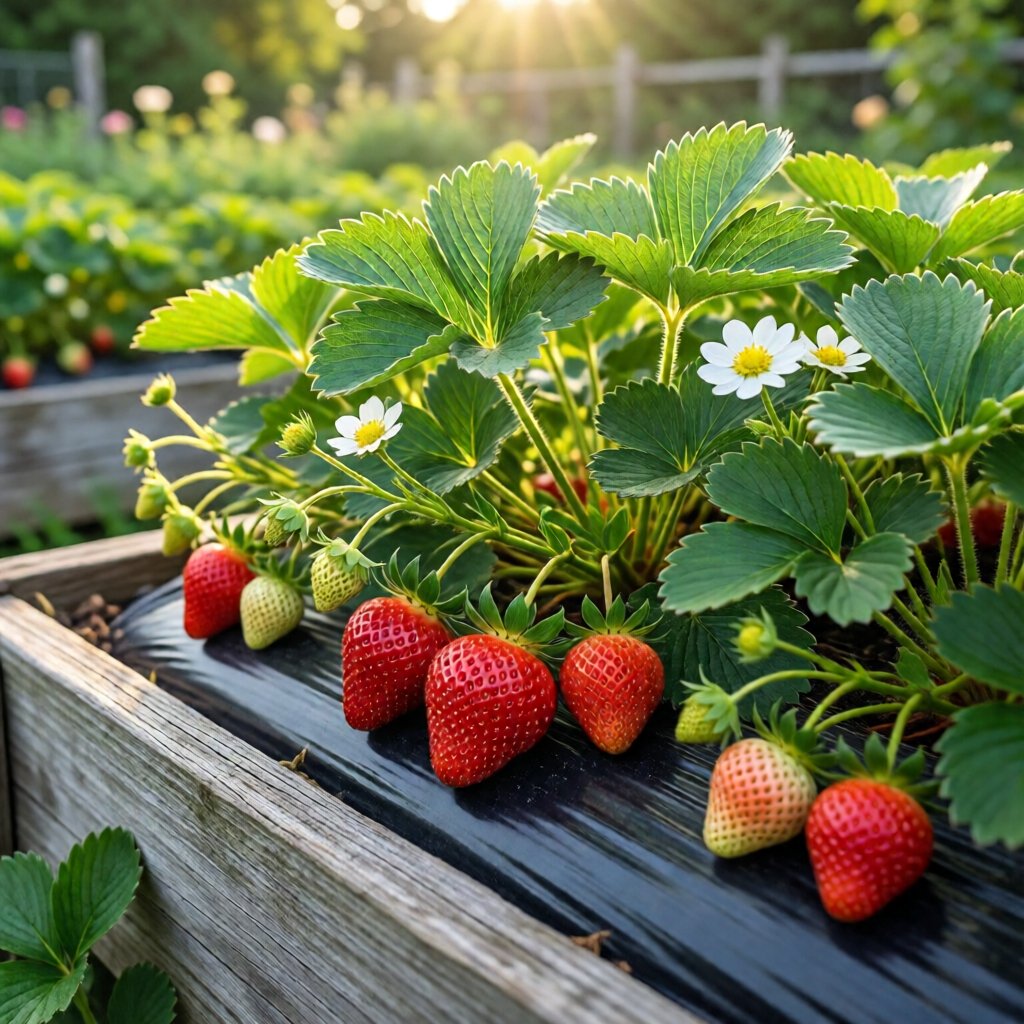
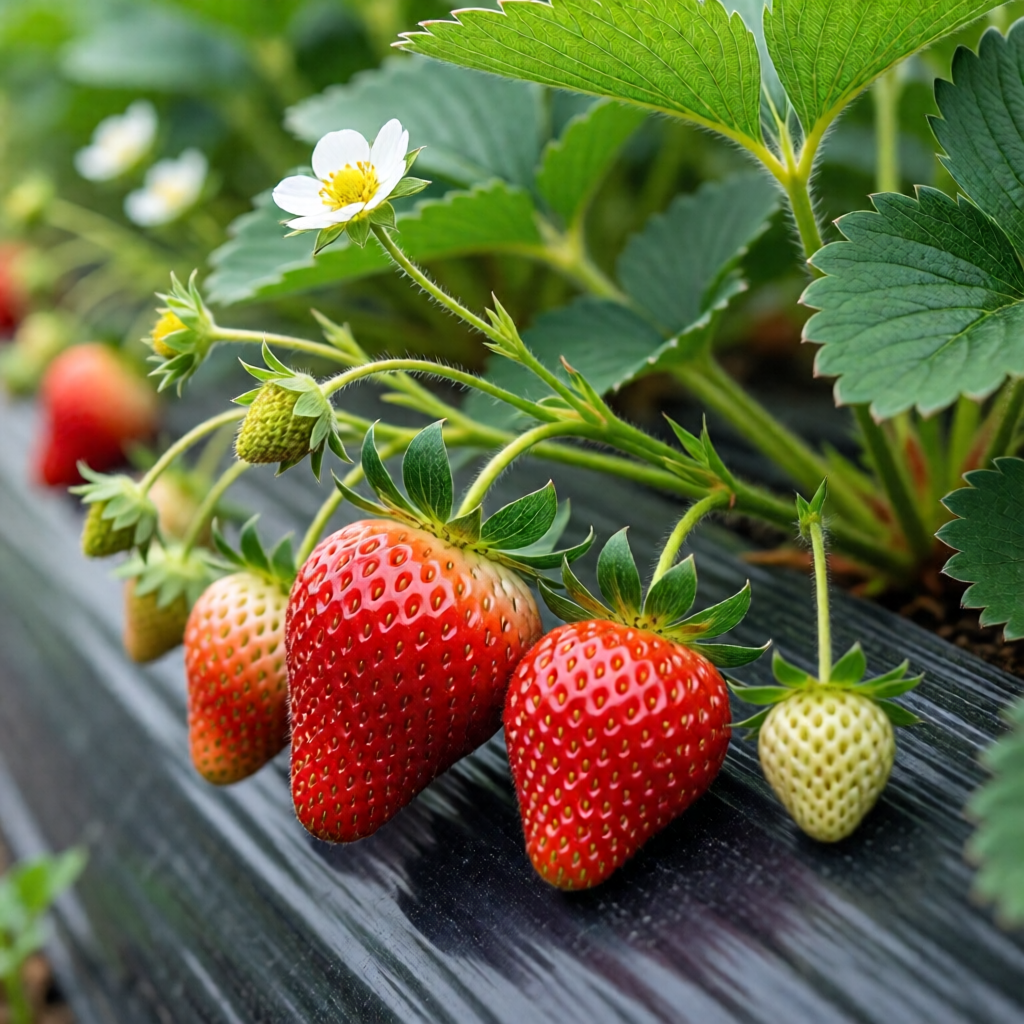
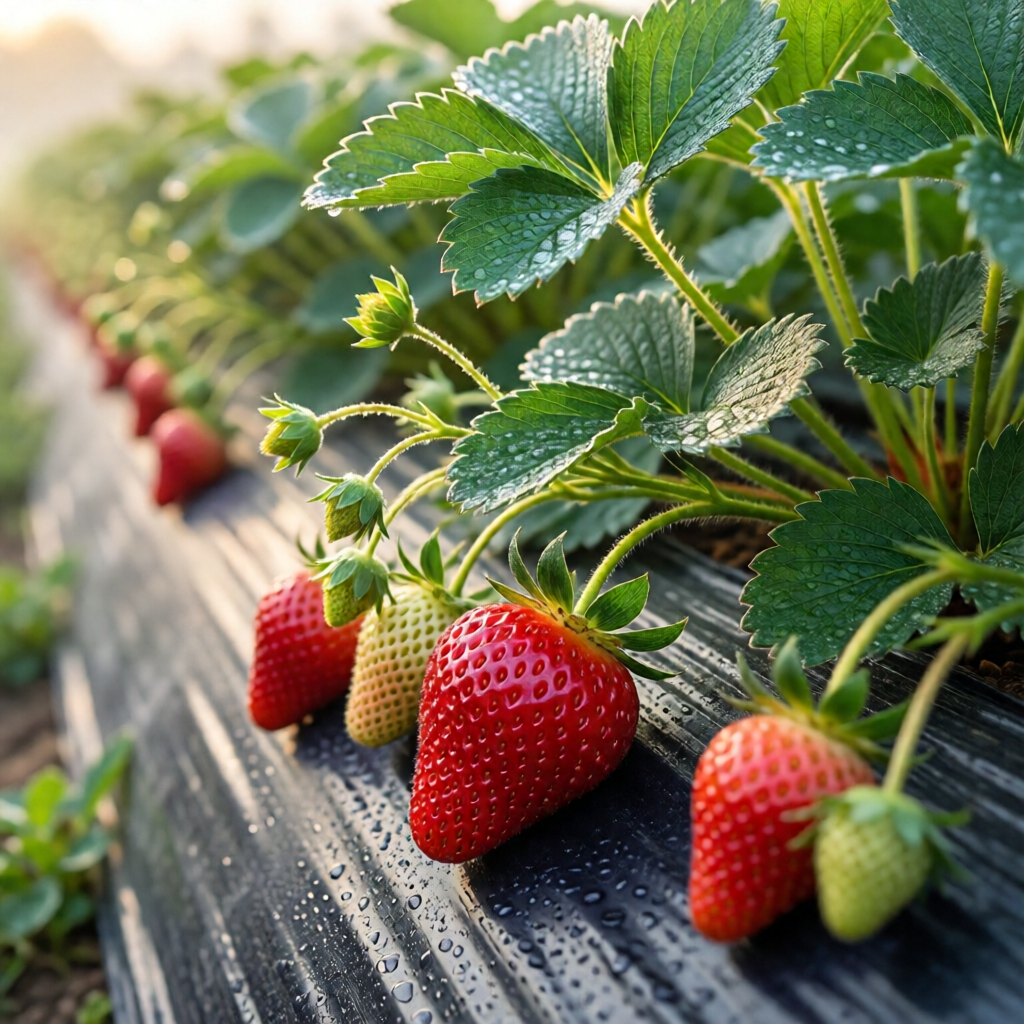
After planting, cover the soil surface with a 2‑inch layer of straw, pine needles, or black plastic mulch. Mulch conserves moisture, keeps fruit clean, and reduces weed pressure. For a decorative touch, consider using a straw mulch dyed green to blend with the garden backdrop.
Planting Strawberries: Step‑by‑Step Guide
With your bed ready, it’s time to plant. Follow this detailed process to ensure healthy roots and abundant fruit:
1. Timing
Plant bare‑root or potted strawberries in early spring (late March to early May) after the danger of hard frost has passed. In milder climates (zones 8‑9), you can also plant in late fall for a spring start.
2. Preparing Plants
If using bare‑root plants, soak the roots in water for 30 minutes before planting. For potted plants, gently remove them from containers, loosening tangled roots without damaging them.
3. Spacing and Layout
Space plants 12‑18 inches apart in rows 24‑30 inches apart. This spacing allows air circulation, reduces disease risk, and gives each plant room to spread its runners. Stagger the rows in a “brick” pattern for a tidy appearance.
4. Planting Depth
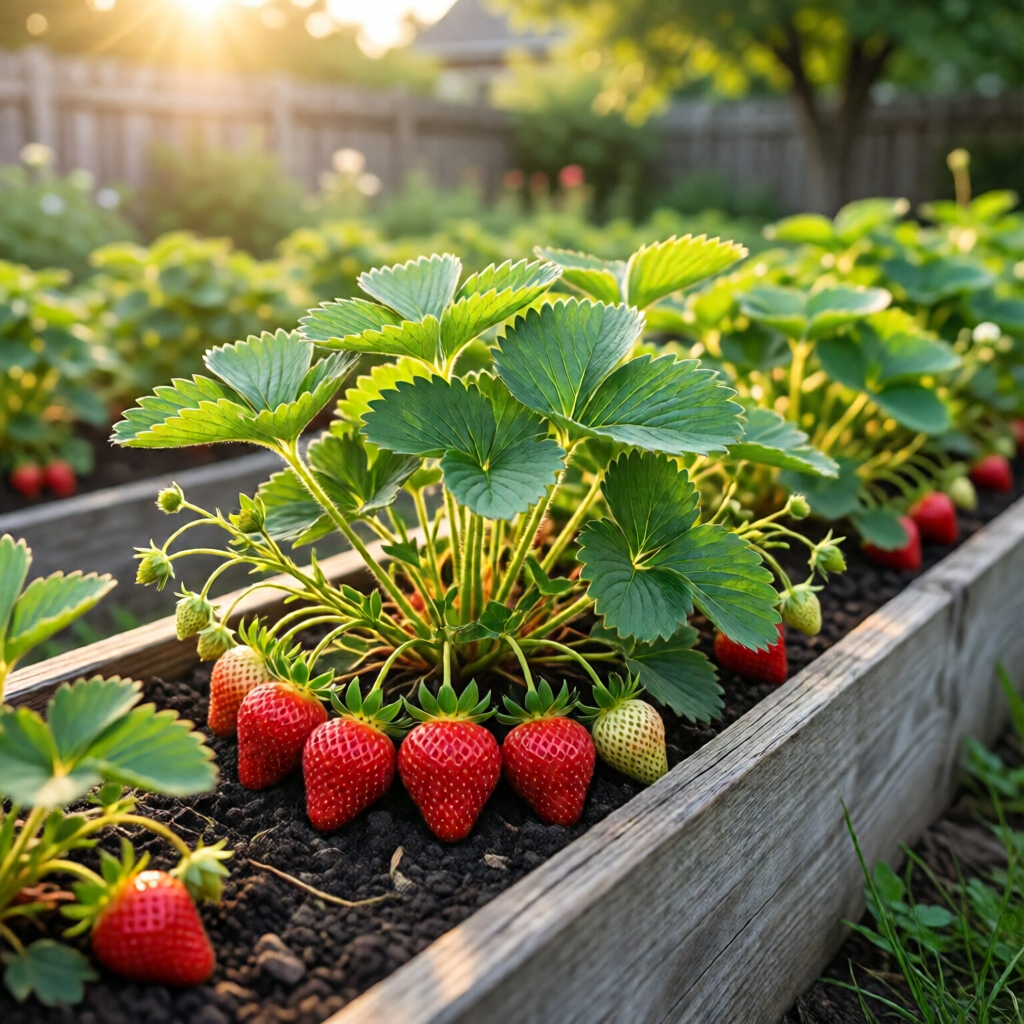
Position the crown (the point where roots meet stems) at soil level. For June‑bearing varieties, the crown should sit just above the soil surface to encourage fruiting; for day‑neutral types, the crown may be slightly buried (about a quarter inch). Avoid planting too deep, which can cause crown rot.
5. Watering In
After planting, water thoroughly to settle the soil around the roots. Keep the soil consistently moist (but not soggy) for the first two weeks as the plants establish.
6. Initial Mulching
Apply a thin mulch layer (about 1 inch) around the plants, keeping it clear of the crowns to prevent rot. As the plants grow, increase mulch depth to the recommended 2 inches.
7. Removing Flower Buds
For June‑bearing strawberries, pinch off the first set of flower buds that appear in early spring. This redirects the plant’s energy into establishing a robust root system, leading to a larger harvest later in the season.
Care and Maintenance
Consistent care throughout the growing season maximizes yield and fruit quality. Below are essential maintenance tasks:
Watering Schedule
Strawberries need about 1‑1.5 inches of water per week. In hot, dry climates, increase watering frequency to maintain even soil moisture. Drip irrigation or soaker hoses are ideal for raised beds, delivering water directly to the root zone while keeping foliage dry—reducing disease pressure.
Fertilization
Apply a balanced, slow‑release fertilizer (e.g., 5‑10‑10) in early spring after planting and again after the first harvest. For day‑neutral varieties, a mid‑season top‑dress with a high‑potassium fertilizer encourages fruit development.
Pruning and Runner Management
June‑bearing plants should be thinned to one strong cane per plant after the first harvest. Remove excess runners to focus the plant’s energy on fruit production. Day‑neutral varieties benefit from allowing a few runners to root, as they help fill the bed and replace older plants.
Weed Control
Regularly inspect the bed for weeds and remove them by hand or with a shallow hoe. Maintaining a thick mulch layer further suppresses weed germination.
Winter Protection
In colder regions (zones 3‑5), cover the bed with a frost blanket or straw mulch after the first hard freeze. This insulation protects crowns from extreme temperatures and encourages early spring growth.
Soil Testing
Test soil pH annually using a simple kit. If the pH drifts above 6.5, amend with elemental sulfur or an acidifying fertilizer to keep conditions optimal for strawberries.
Managing Pests and Diseases
Raised beds reduce many problems, but strawberries can still fall prey to pests and diseases. Early detection and integrated pest management (IPM) are key.
Common Pests
- Spider Mites: Tiny specks that cause stippled leaves. Spray a strong jet of water to dislodge them, and consider neem oil applications.
- Slugs and Snails: They chew holes in fruit. Use copper tape barriers, iron phosphate slug bait, or hand‑pick at night.
- Japanese Beetles: Feed on foliage and flowers. Hand‑pick or use row covers during peak activity.
Frequent Diseases
- Gray Mold (Botrytis cinerea): Causes rotting fruit in wet conditions. Ensure good air circulation, avoid overhead watering, and promptly remove diseased berries.
- Leaf Spot: Dark lesions on leaves. Apply a copper‑based fungicide early in the season if conditions are humid.
- Root Rot: Results from waterlogged soil. Proper drainage in your raised bed typically prevents this issue.
For a deeper dive into pest management, see our guide on how to revive a dying indoor plant, which covers similar principles of diagnosis and treatment.
Harvesting and Extending the Season
Harvesting at the right time ensures the best flavor and encourages continuous production.
When to Harvest
Pick strawberries when they are fully red, glossy, and fragrant. For day‑neutral varieties, harvest every few days as berries ripen. Avoid waiting for the fruit to turn deep crimson, as they may become over‑ripe and lose sweetness.
Harvest Technique
Gently pinch the stem just above the fruit, leaving a small portion of the stem attached. This prevents damage to the plant and reduces the chance of disease entry.
Extending the Harvest
To prolong the season, employ the following strategies:
- Use a row cover or cold frame after the first frost to protect plants and encourage a late‑season harvest.
- Apply a balanced fertilizer high in potassium after the main harvest to boost fruit set.
- Remove any diseased or damaged fruit promptly to prevent fungal spread.
Companion Planting and Crop Rotation
Strategic companion planting can enhance strawberry health, deter pests, and improve soil fertility.
Beneficial Companions
- Alliums (onions, garlic): Their strong scent deters aphids and spider mites.
- Marigolds: Release compounds that repel nematodes and certain beetles.
- Legumes (bush beans): Fix nitrogen, enriching soil for the next strawberry cycle. Check out our growing beans in raised beds guide for planting tips.
Plants to Avoid
Avoid planting brassicas (cabbage, broccoli) near strawberries, as they can attract pests that also affect berries.
Crop Rotation
Rotate strawberries out of the raised bed after 3‑4 years to prevent soil‑borne diseases. Replace them with a nitrogen‑fixing crop or a leafy green such as lettuce or spinach. For shade‑tolerant options, see our article on the best vegetables to grow in shade.
Saving Seeds and Propagating New Plants
While most gardeners purchase certified runners, saving seeds from your own plants can preserve heirloom traits and reduce costs.
Seed Collection
Allow a few berries to fully ripen and then over‑ripe on the plant. The seeds inside will be mature. Mash the fruit, spread the pulp on a screen, and let it dry for a week. Store the cleaned seeds in a cool, dry place.
Propagation Tips
Strawberry seeds require stratification—exposure to cold temperatures for 2‑4 weeks—to break dormancy. Place seeds in a sealed bag with moist peat and refrigerate before sowing in early spring. For a step‑by‑step process, read our guide on how to save seeds from garden plants.
Common Mistakes to Avoid
Even experienced gardeners can stumble. Keep these pitfalls in mind:
- Planting Too Deep: Burying the crown leads to rot and poor fruit set.
- Over‑Fertilizing: Excess nitrogen promotes foliage at the expense of fruit.
- Neglecting Mulch: Without mulch, soil moisture fluctuates, and weeds compete for nutrients.
- Ignoring Runner Management: Allowing unchecked runners can overcrowd the bed, reducing airflow.
- Harvesting Too Late: Over‑ripe berries lose flavor and attract pests.
Conclusion
Growing strawberries in raised beds combines the joy of home‑grown fruit with the practical benefits of improved soil control, drainage, and ease of maintenance. By selecting the right varieties, preparing a nutrient‑rich soil mix, and following diligent care practices, you can enjoy a bountiful harvest year after year. Whether you’re a seasoned gardener or a novice eager to taste the sweetness of fresh strawberries, this guide equips you with the knowledge to make your raised‑bed strawberry garden a thriving centerpiece of your outdoor space.
When is the best time to plant strawberries in a raised bed?
Plant strawberries in early spring after the last frost, typically between late March and early May, or in late fall in milder climates for a spring start.
How often should I water strawberries in a raised bed?
Strawberries need about 1‑1.5 inches of water per week. Use drip irrigation or soaker hoses to keep the soil evenly moist, especially during hot, dry periods.
What are the top strawberry varieties for a raised‑bed garden?
Popular choices include ‘Earliglow’, ‘Jewel’, and ‘Allstar’ for June‑bearing; ‘Seascape’, ‘Albion’, and ‘Mara des Bois’ for day‑neutral; and ‘Alexandria’ for alpine lovers.
How can I protect my strawberry bed over winter?
Apply a thick layer of straw or a frost blanket after the first hard freeze to insulate crowns and encourage early spring growth.
Can I grow strawberries alongside other vegetables in the same raised bed?
Yes—companion plants like onions, garlic, marigolds, and nitrogen‑fixing beans work well and can improve flavor, deter pests, and boost soil health.