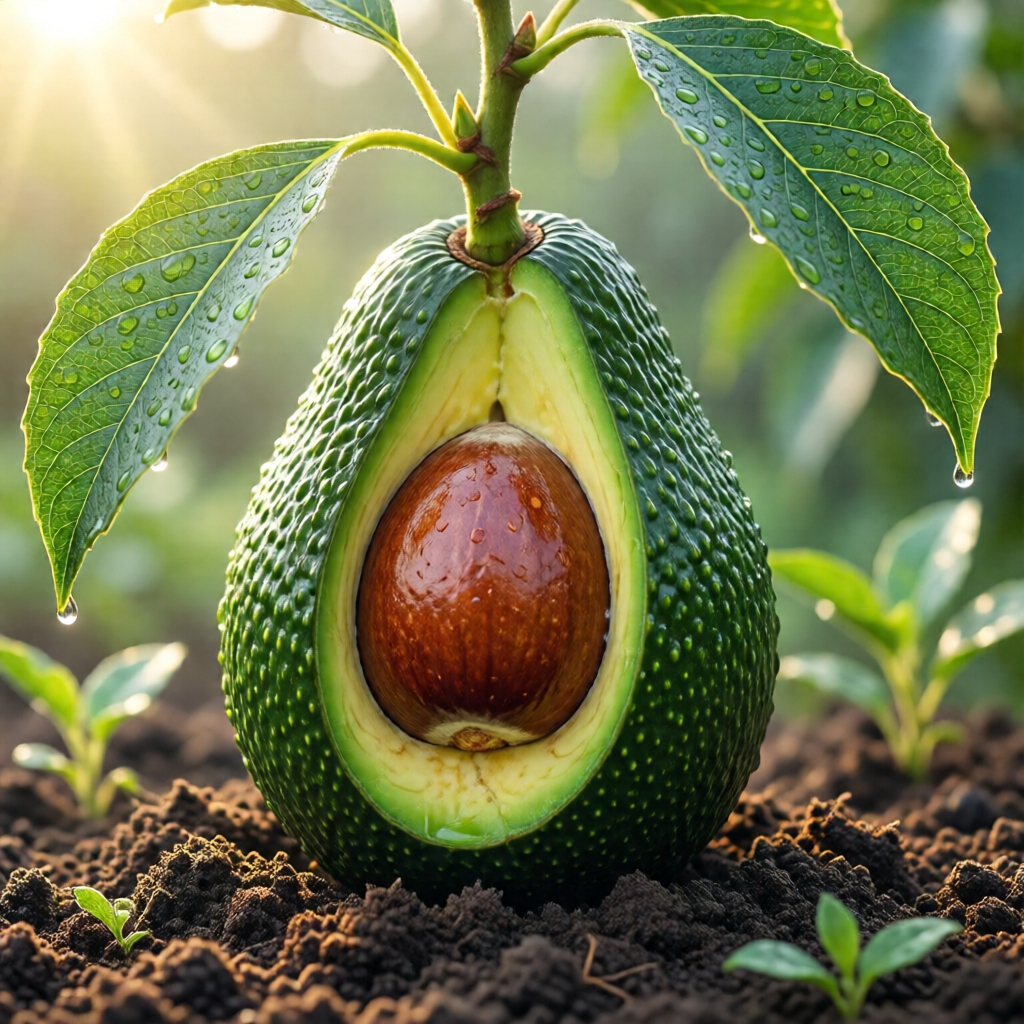
Growing an avocado tree from a seed is a rewarding project that lets you watch a humble pit transform into a lush, leafy plant right on your windowsill or balcony. While many people think avocado trees are only for tropical climates, the right techniques and a bit of patience can help you nurture a healthy seedling even in a U.S. home garden. In this guide we’ll walk you through every step—from extracting the seed and coaxing it to sprout, to transplanting, caring, and eventually moving your tree outdoors. You’ll find practical tips, expert advice, and actionable information that will turn a simple kitchen scrap into a thriving avocado plant.
Understanding Avocado Propagation
Avocados (Persea americana) are typically propagated either by grafting a desired cultivar onto a strong rootstock or by growing from seed. Grafting ensures fruit quality and faster production, but growing from seed offers a hands‑on learning experience and the joy of seeing a plant develop from scratch. Seed propagation is also a great way to experiment with different avocado varieties you might have purchased at the grocery store.
When you grow from seed, keep in mind that the resulting tree may not produce fruit that matches the original avocado’s flavor or size, and it can take anywhere from 5 to 13 years to bear fruit, if at all. Nonetheless, the process is an excellent educational activity for families, schools, and anyone interested in sustainable gardening.
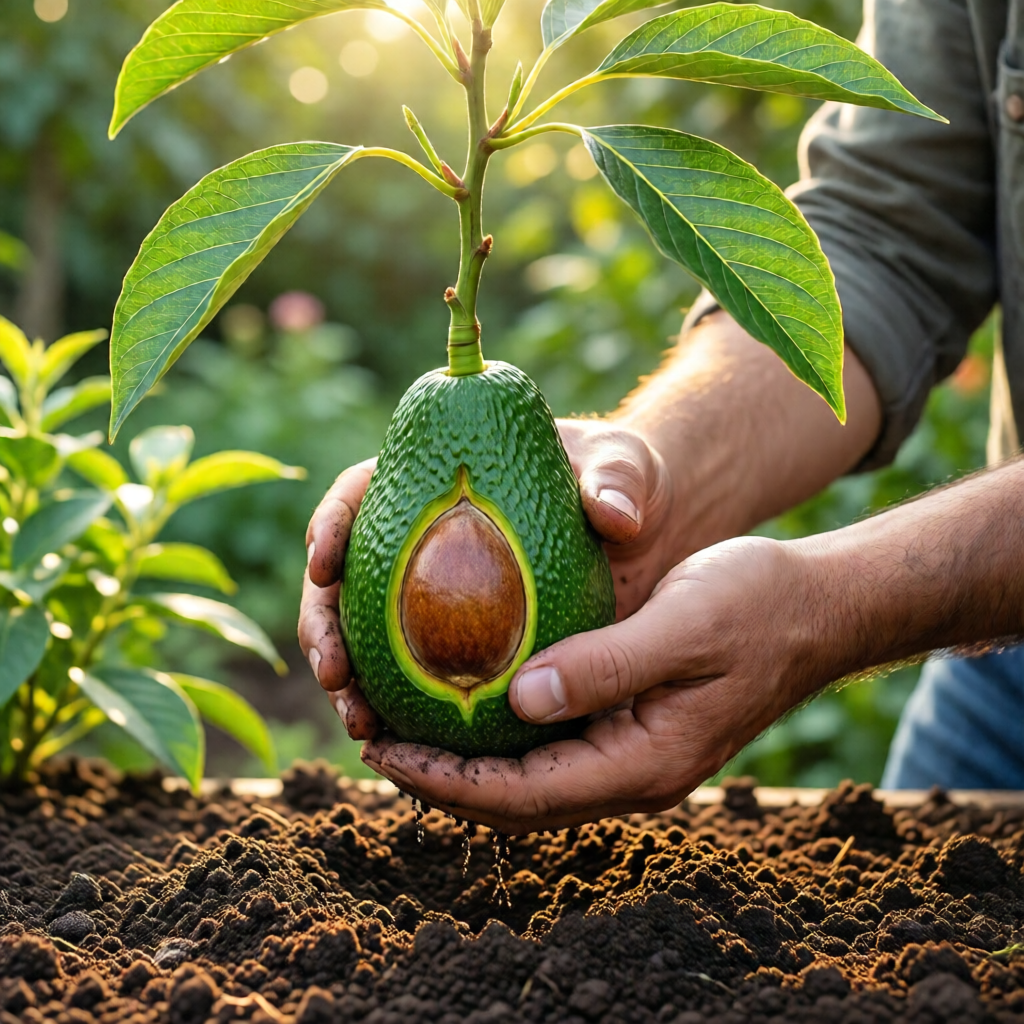
Preparing the Avocado Seed
Cleaning and Inspecting the Pit
Start by removing the avocado flesh completely. Rinse the seed under lukewarm water, gently scrubbing away any remaining pulp. Pat it dry with a paper towel. Examine the seed for cracks or damage; a healthy seed should be firm and intact. If the seed is cracked, it’s unlikely to sprout, so choose another one.
Removing the Outer Skin (Optional)
Some growers like to peel the thin, brown outer skin to speed up germination. To do this, gently rub the seed with a soft cloth until the skin loosens, then peel it away carefully. This step is optional—many seeds sprout just fine with the skin left on.
Identifying the Top and Bottom
Avocado seeds have a slightly pointier end (the top) and a flatter, broader end (the bottom). The bottom is where the roots will emerge, while the top will produce the shoot. Knowing the orientation helps you set up the germination method correctly.
Choosing a Germination Method
There are two popular ways to germinate an avocado seed: the water method and the soil method. Both are effective, but each offers a different visual appeal and level of control.
Water Method (The Classic “Toothpick” Technique)
1. Insert three to four toothpicks into the seed at a slight downward angle, about halfway up the seed. The toothpicks act as a support, allowing the bottom of the seed to rest in a glass of water.
2. Fill a clear glass or jar with room‑temperature water, ensuring the water level covers the bottom third of the seed.
3. Place the glass in a warm, bright spot—ideally a windowsill that receives indirect sunlight. Direct afternoon sun can overheat the water.
4. Change the water every two to three days to prevent mold and keep the environment oxygenated.
5. Within 2‑6 weeks you should see a crack forming at the bottom, followed by a white root emerging. A shoot will appear from the top a few weeks later.
Soil Method (Direct Planting)
1. Fill a small pot (4‑6 inches) with a well‑draining potting mix—coconut coir, perlite, and a touch of compost works well.
2. Plant the seed about half‑in‑the‑soil, with the top exposed. The broader end should be down, touching the soil.
3. Water lightly until the soil is evenly moist but not soggy.
4. Cover the pot with a clear plastic bag or a mini greenhouse to retain humidity. Open the cover daily for a few minutes to provide fresh air.
5> Expect germination within 4‑8 weeks. The soil method can be less visually striking than the water method, but it eliminates the need to transfer the seed later.
Both methods have their advocates. If you love watching roots develop in clear water, the toothpick method offers a satisfying visual cue. If you prefer a more “hands‑off” approach, planting directly in soil is simpler.
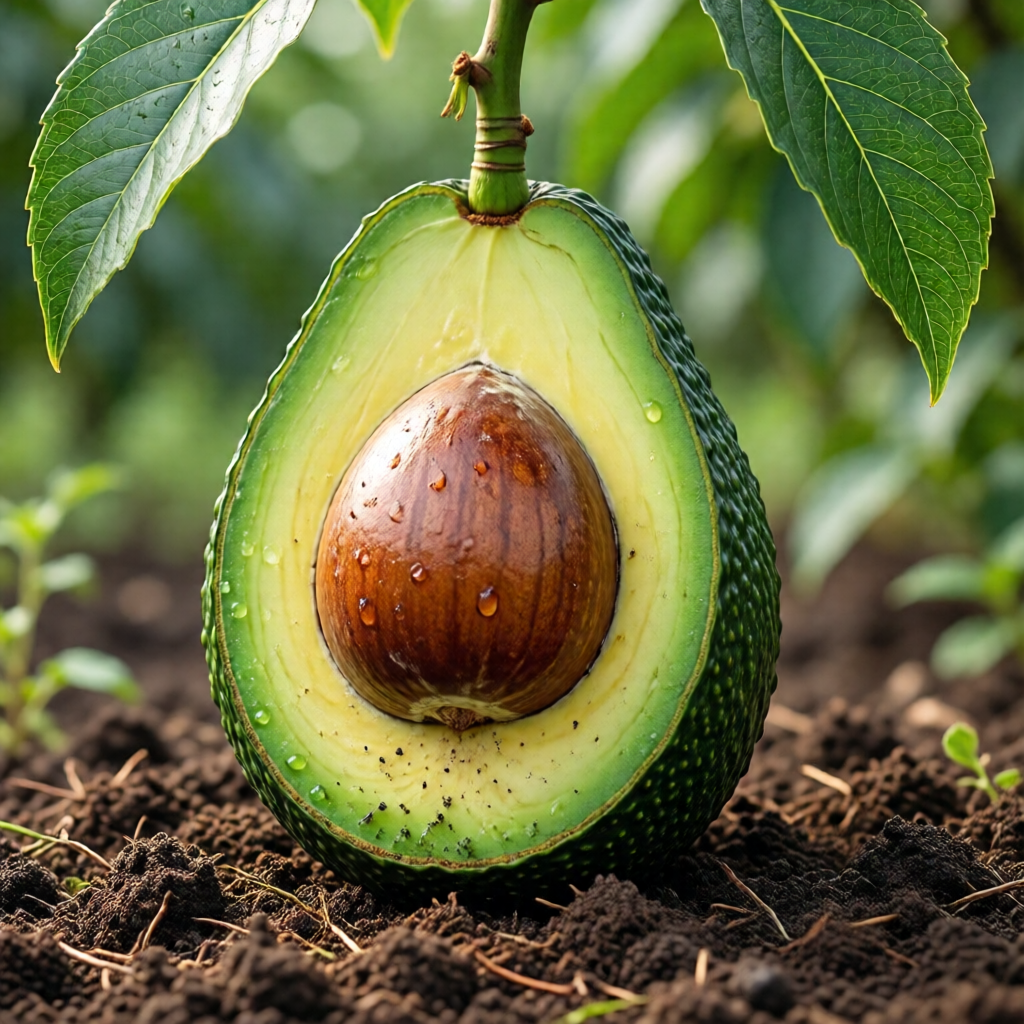
Transplanting the Seedling
When to Move to Soil
If you started with the water method, wait until the seedling has a robust root system (at least 2‑3 inches long) and a healthy shoot with several true leaves. This usually takes 8‑12 weeks. Gently remove the seed from the water, rinse the roots, and plant it in a pot.
Choosing the Right Pot
Select a pot that’s at least 12‑14 inches in diameter, with drainage holes. Avocado roots love space, and a larger pot reduces the risk of root‑bound conditions. Use a high‑quality, well‑draining potting mix—blend equal parts potting soil, perlite, and peat moss or coconut coir.
Planting Technique
1. Fill the pot halfway with soil, creating a small mound in the center.
2. Place the seedling on the mound, ensuring the top of the seed is just above soil level.
3. Gently backfill with soil, firming it lightly around the roots.
4. Water thoroughly until water drains from the bottom.
5. Place the pot in a bright location with indirect sunlight. A south‑facing window works well in most U.S. homes.
Acclimating the Seedling
Gradually increase the amount of direct sunlight over two weeks to avoid sunburn. Start with 1‑2 hours of morning sun, then add an additional hour each week until the seedling receives 4‑6 hours of bright, indirect light daily.
Ongoing Care and Maintenance
Light Requirements
Avocado seedlings thrive in bright, indirect light. If natural light is limited, consider supplemental grow lights. Position the lights 12‑18 inches above the plant and keep them on for 12‑14 hours a day during winter months.
Watering Guidelines
Water the plant when the top inch of soil feels dry to the touch. Avocados dislike soggy roots, so ensure proper drainage. In summer, you may need to water every 2‑3 days; in cooler months, reduce frequency to once a week or less.
Temperature and Humidity
Optimal indoor temperatures range from 65‑85°F (18‑29°C). Avocado seedlings are sensitive to cold drafts and sudden temperature drops. If you live in a cooler climate, keep the plant away from windows that experience nighttime chills.
Humidity can be boosted by misting the leaves daily or placing the pot on a tray filled with pebbles and water. This mimics the tropical environment avocados naturally love.
Fertilizing
Begin feeding your avocado seedling after it has developed 3‑4 true leaves, roughly 2‑3 months after transplanting. Use a balanced, water‑soluble fertilizer (10‑10‑10) at half the recommended strength. Apply every 4‑6 weeks during the growing season (spring through early fall). Reduce feeding in late fall and winter to avoid stimulating new growth that could be damaged by cold.
Pruning and Shaping
Pruning helps develop a strong branching structure. When the seedling reaches 12‑18 inches, pinch the top tip to encourage lateral branching. Later, you can selectively trim leggy stems to maintain a compact shape, especially if you plan to keep the tree indoors.
Potting Up and Repotting
Avocado trees grow rapidly; expect to repot every 12‑18 months. Choose a pot that’s 2‑4 inches larger in diameter each time. When repotting, be gentle with the roots—avoid tearing them. If the roots have become densely packed, gently loosen them before placing the tree in fresh soil.
Common Challenges and Troubleshooting
Root Rot
Overwatering or poor drainage leads to root rot, a common issue for avocado seedlings. Signs include yellowing leaves, a foul smell, and mushy roots. If you suspect root rot, remove the plant from its pot, trim away affected roots, and repot in fresh, well‑draining soil.
Leaf Yellowing
Yellow leaves can indicate nutrient deficiencies, overwatering, or insufficient light. Check the soil moisture, ensure the plant receives enough light, and consider feeding with a micronutrient‑rich fertilizer if the problem persists.
Pests
Indoor avocado plants can attract spider mites, aphids, and whiteflies. Inspect the undersides of leaves regularly. If you see pests, treat the plant with a gentle insecticidal soap or neem oil, applying every 7‑10 days until the infestation clears.
Stunted Growth
Stunting often results from a lack of light or cramped root space. Move the plant to a brighter location and consider repotting into a larger container.
Cold Damage
If temperatures dip below 50°F (10°C), avocado leaves may develop brown edges or drop. Move the plant to a warmer spot, avoid drafts, and consider using a grow light to compensate for reduced natural sunlight.
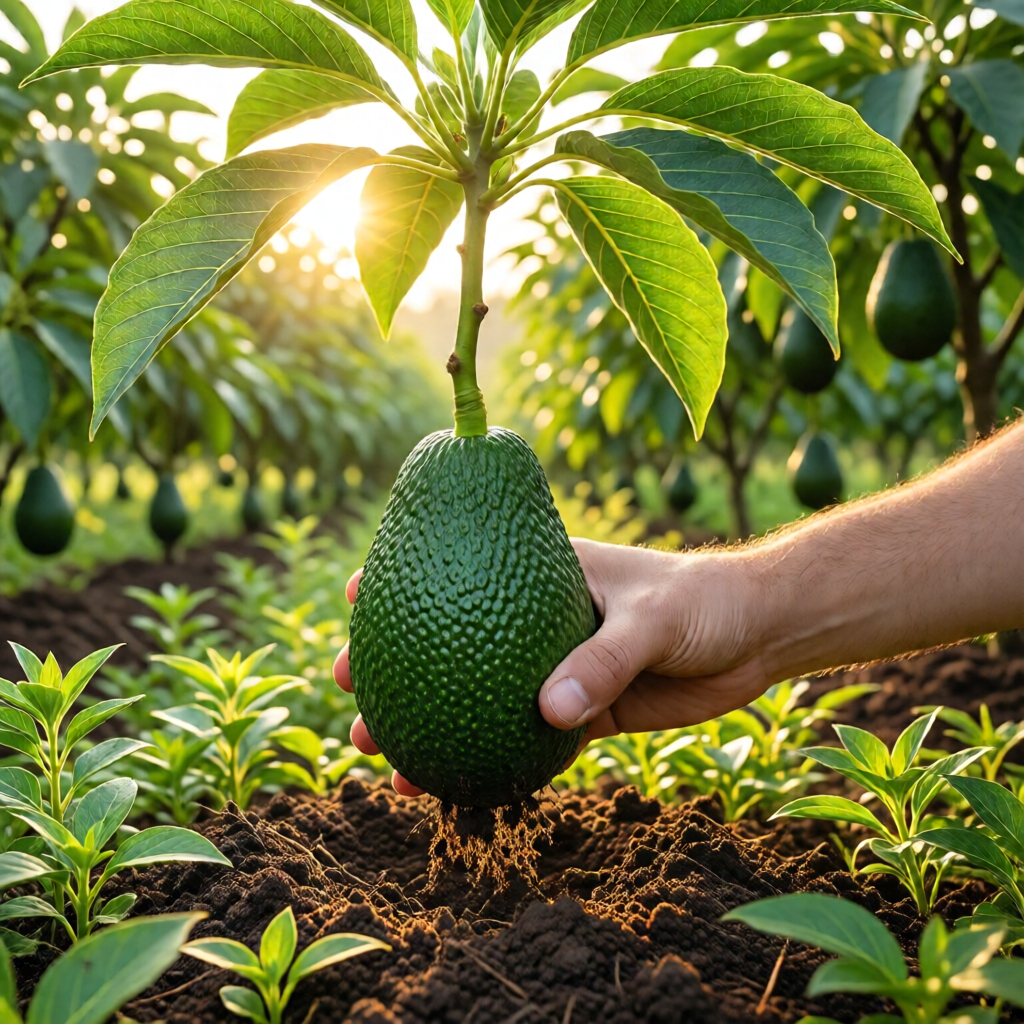
Transitioning Outdoors: When and How
If you live in USDA hardiness zones 9‑11 (Southern California, Florida, Texas Gulf Coast, parts of the Southwest), you can eventually move your avocado tree outdoors. Even in cooler zones, you can enjoy a potted outdoor avocado on a sunny patio during the warm months.
Timing the Move
Wait until your tree is at least 2‑3 feet tall and has a sturdy trunk. The ideal time is late spring after the last frost. Acclimate the tree by placing it outdoors for a few hours each day, gradually increasing exposure over two weeks.
Choosing the Site
Select a location with full sun (6‑8 hours) and well‑draining soil. Avocados dislike waterlogged roots; consider planting on a raised bed or mound. If your soil is heavy clay, amend it with sand and organic matter to improve drainage.
Planting in the Ground
Dig a hole twice as wide and the same depth as the root ball. Gently loosen the roots, place the tree, backfill with a mix of native soil and compost, and water thoroughly. Mulch with organic material to retain moisture and regulate soil temperature.
Winter Protection
Even in warm zones, occasional cold snaps can damage avocado trees. Use frost blankets or the how to winterize garden for cold weather guide to protect your tree during unexpected freezes.
Patience, Expectations, and the Fruiting Timeline
Growing an avocado from seed is a long‑term commitment. Most seed‑grown trees take 5‑13 years to produce fruit, and some never fruit at all. However, the journey offers many rewards: a beautiful indoor plant, fresh leaves for guacamole, and a sense of accomplishment.
If your primary goal is fruit, consider purchasing a grafted nursery tree after your seedling reaches a respectable size. Grafted trees usually bear fruit within 2‑4 years and produce higher‑quality avocados.
Regardless of fruit production, an avocado tree adds tropical elegance to any indoor or outdoor space, making the effort worthwhile.
Fun Ideas and Creative Uses
- Use the large, glossy leaves as decorative elements in floral arrangements.
- Incorporate the plant into a maximalist garden design trends showcase for a bold, tropical accent.
- Share the seed‑germination process with kids as a science project, linking it to topics like plant biology and sustainability.
- Combine avocado seed planting with other kitchen‑garden projects, such as how to grow sweet potatoes at home or growing tomatoes in pots on balcony, for a cohesive edible garden.
- Use fallen leaves as natural mulch for surrounding garden beds, enriching the soil with organic matter.
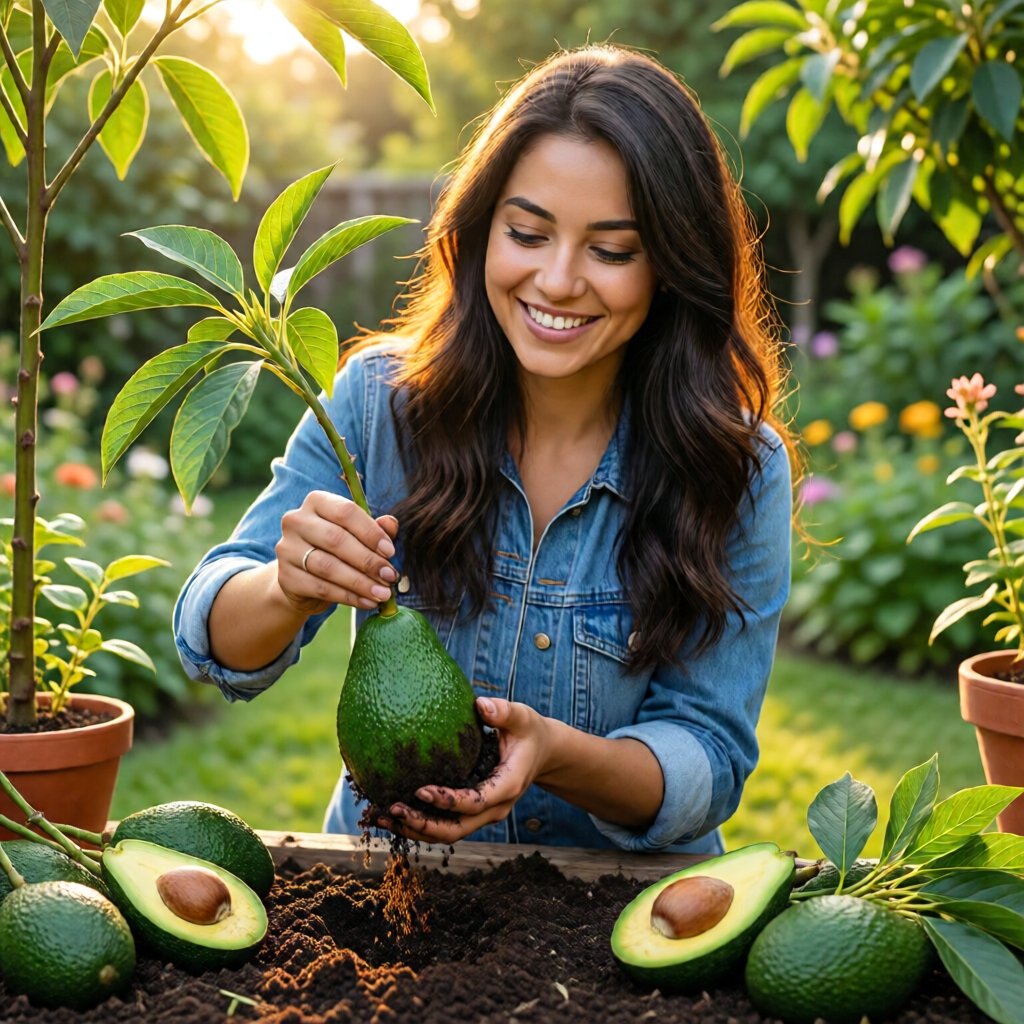
Recap: Your Step‑by‑Step Checklist
- Choose a healthy avocado seed; clean and identify top/bottom.
- Decide on water or soil germination method; set up accordingly.
- Maintain moisture, light, and temperature during sprouting.
- Transplant seedlings to a larger pot once roots are strong.
- Provide bright, indirect light, proper watering, and occasional feeding.
- Prune, repot, and monitor for pests and diseases.
- Acclimate and move outdoors if climate permits; protect from cold.
- Exercise patience—fruit may take years, but the plant offers many benefits along the way.
Conclusion
Growing an avocado from seed is more than a gardening task; it’s a journey that blends science, patience, and creativity. By following the detailed steps outlined above, you’ll give your avocado seed the best possible start, whether you keep it as a striking indoor plant or eventually transition it to an outdoor garden. Remember to enjoy each stage—watching the seed crack, the root tip emerge, and the first set of leaves unfurl is a reminder of nature’s resilience and your role in nurturing it. Happy planting!
How long does it take for an avocado seed to sprout?
Most avocado seeds sprout within 2 to 6 weeks when kept in warm water or moist soil, though some may take up to 8 weeks depending on temperature and seed viability.
Can I grow an avocado tree indoors year‑round?
Yes, with sufficient bright, indirect light, consistent watering, and occasional fertilizing, an avocado seedling can thrive indoors. However, fruiting indoors is rare without a large, well‑lit space.
What is the best soil mix for avocado seedlings?
A well‑draining mix of equal parts potting soil, perlite, and coconut coir or peat moss provides the aeration and moisture balance avocado roots need.
How do I prevent root rot in my avocado plant?
Ensure the pot has drainage holes, water only when the top inch of soil is dry, and use a light, airy soil mix. If rot occurs, trim affected roots and repot in fresh soil.
When can I move my avocado seedling outdoors?
In USDA zones 9‑11, move the seedling outdoors after the last frost, when it is 2‑3 feet tall and has a sturdy trunk. Acclimate gradually to avoid shock.