Did you know that 72% of homeowners who adopt a Mediterranean garden design report a 30% reduction in water bills within the first year? The sun‑baked aesthetic isn’t just gorgeous—it’s also a smart, drought‑savvy solution for many climates.
In This Article
Whether you’re starting from a bare slab in Southern California or sprucing up a historic villa in Texas, a true Mediterranean garden design blends stone, scent, and shade into a seamless outdoor living room. In my ten‑plus years of landscaping, I’ve watched trends come and go, but the core principles of this style remain steadfast: warm earth tones, hardy plants, and an effortless flow from hardscape to planting beds.
Below is a step‑by‑step guide that takes you from concept to completion, complete with product suggestions, cost estimates, and the little tricks I’ve learned from dozens of projects.
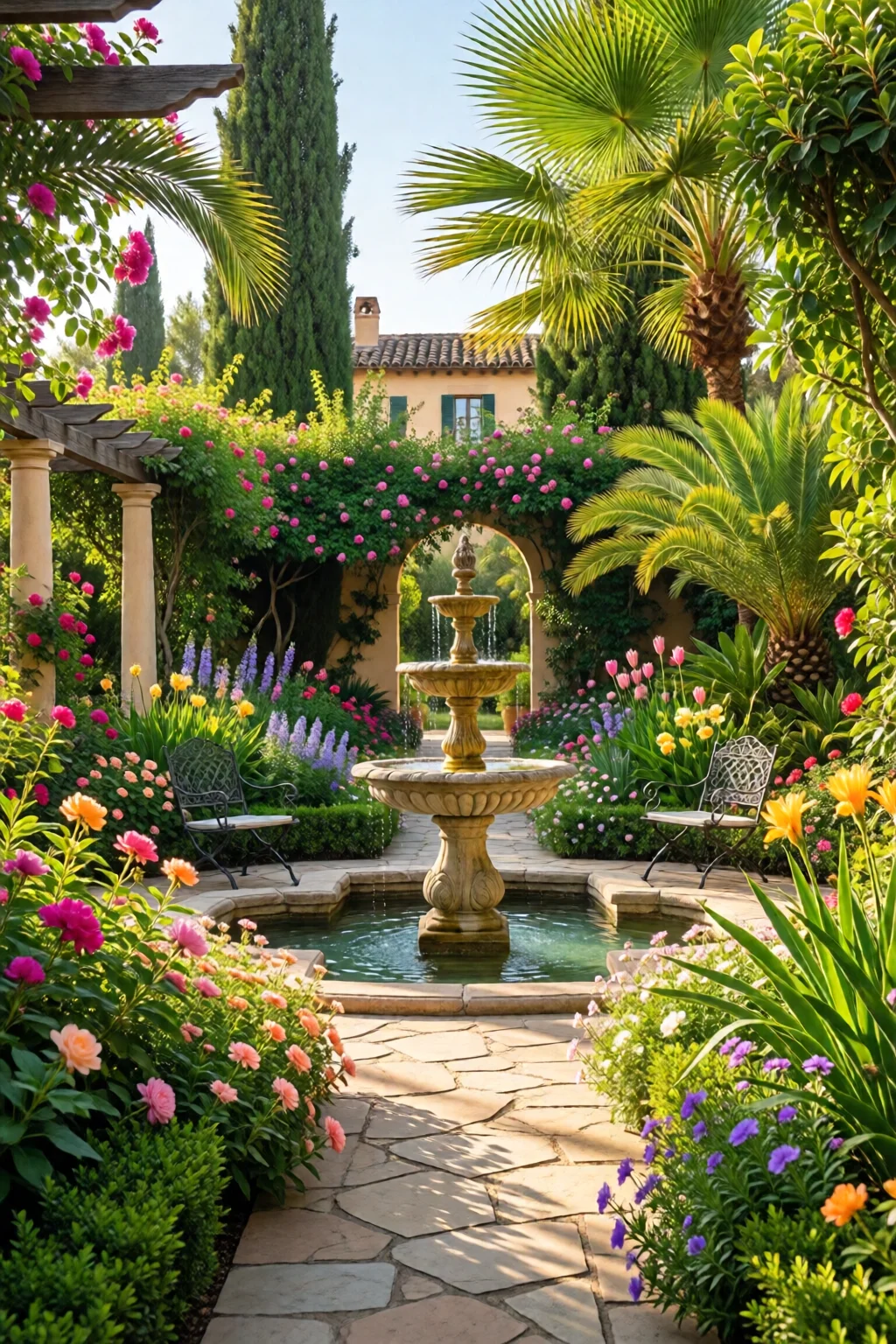
Core Elements of Mediterranean Garden Design
Climate & Soil Basics
First, assess whether your micro‑climate matches the Mediterranean profile—hot, dry summers and mild, wet winters. If you’re in USDA zones 8‑10, you’re already in the sweet spot. For cooler zones, consider micro‑climates created by south‑facing walls or heat‑absorbing pavers.
Soil should be well‑draining; a simple test is to dig a 12‑inch hole, fill it with water, and watch how long it takes to drain. If it’s more than 30 minutes, amend with coarse sand or Miracle‑Gro Moisture Control Mix (about $12 per 25‑lb bag).
Color Palette & Materials
Think terracotta, ochre, and sun‑bleached stone. Daltile’s Sunset Terracotta Tile (8 × 8 in, $3.49 / sq ft) pairs perfectly with a whitewashed stucco backdrop. For a more rustic look, reclaimed limestone from StoneSource runs $7.25 per sq ft and ages gracefully.
Accents in cobalt blue—think glazed ceramic pots or a mosaic fountain—add that signature Mediterranean pop without overwhelming the senses.
Plant Selection
The plant list is the heart of the design. Choose species that thrive on minimal irrigation and love full sun (6–8 hours). Below is a quick cheat sheet:
- Olive (Olea europaea) – 15–20 ft mature height; $45 for a 4‑ft container (costs vary by cultivar).
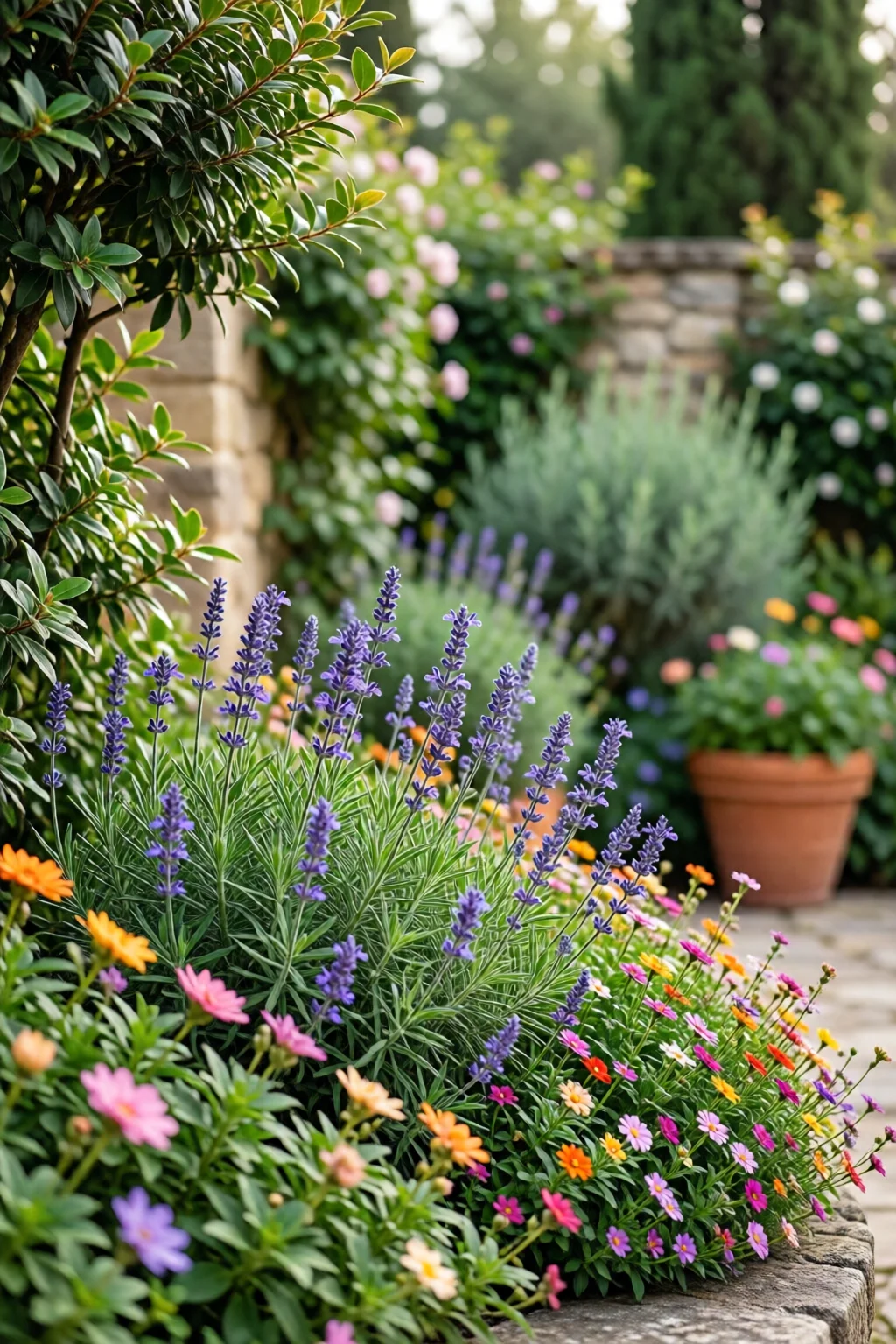
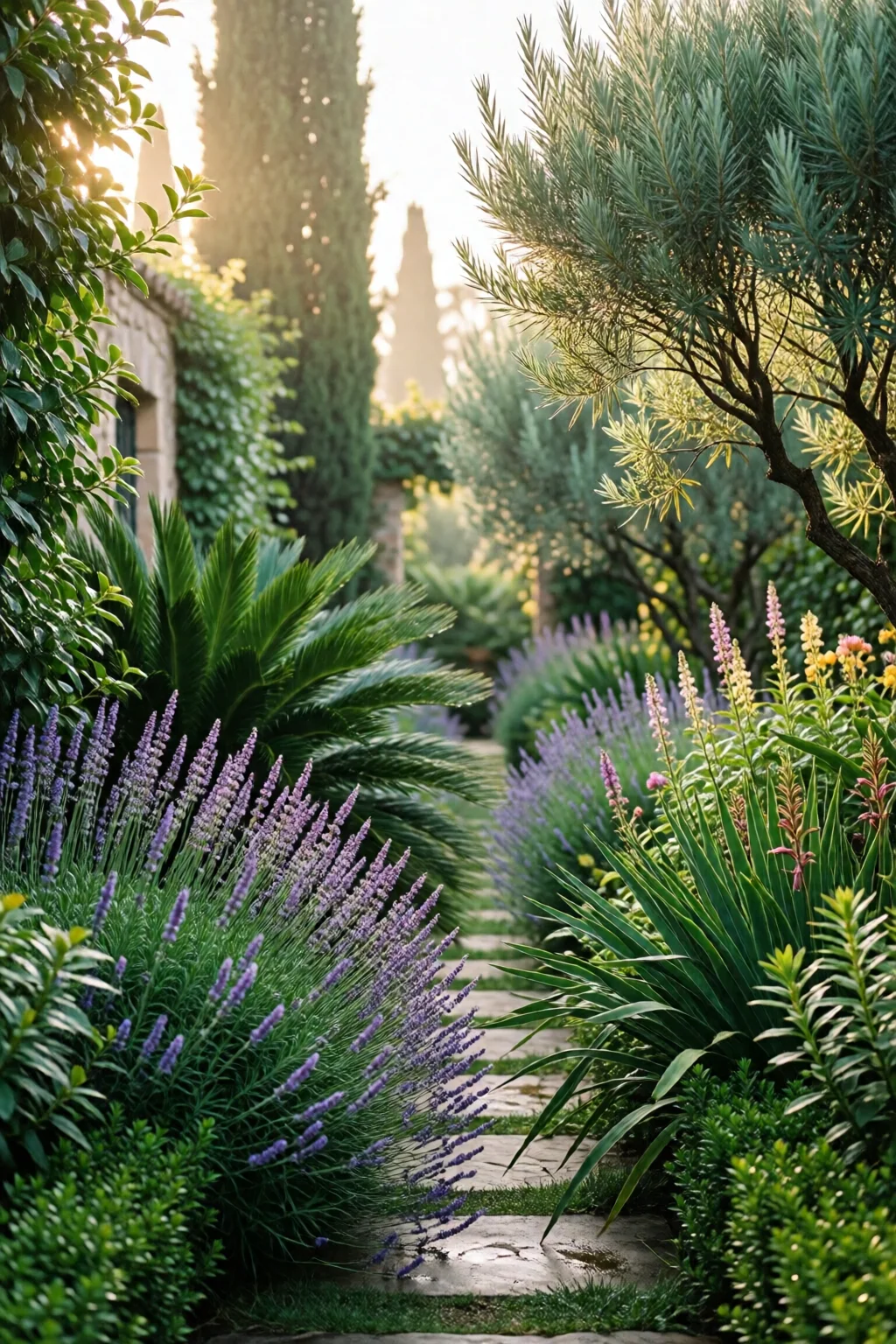
- Lavender (Lavandula angustifolia) – 2–3 ft spread; $12 per 1‑ft pot.
- Rosemary (Rosmarinus officinalis) – 3–5 ft height; $9 per 1‑ft pot.
- Italian Cypress (Cupressus sempervirens) – vertical accent, 30 ft tall; $35 for a 6‑ft container.
- Fig (Ficus carica) – 10–15 ft spread; $55 for a 5‑ft tree.
One mistake I see often is over‑planting groundcovers that demand water, like ivy. Stick to drought‑tolerant options and let the soil do the work.
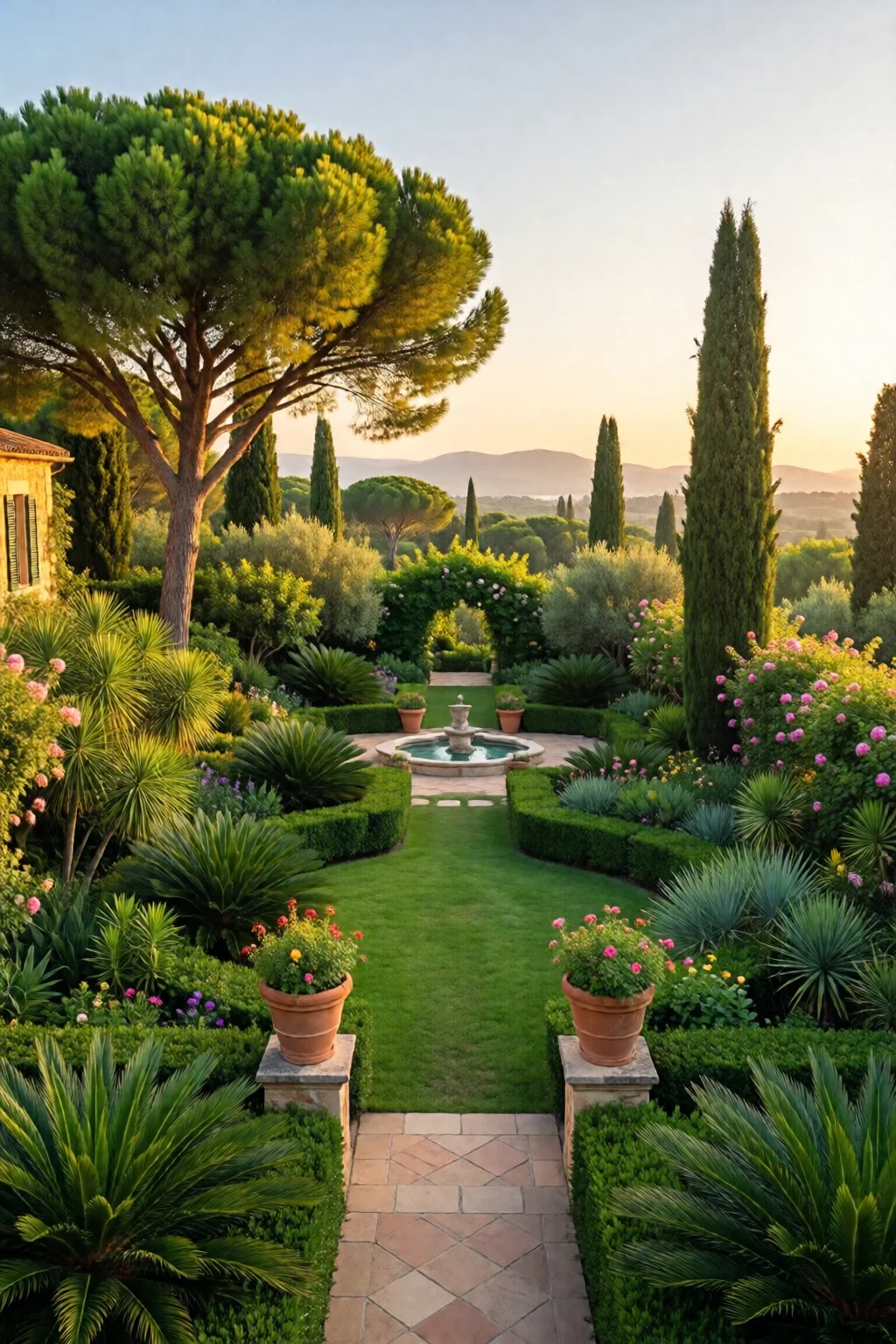
Layout & Hardscaping
Patios, Terracotta Tiles, and Pavers
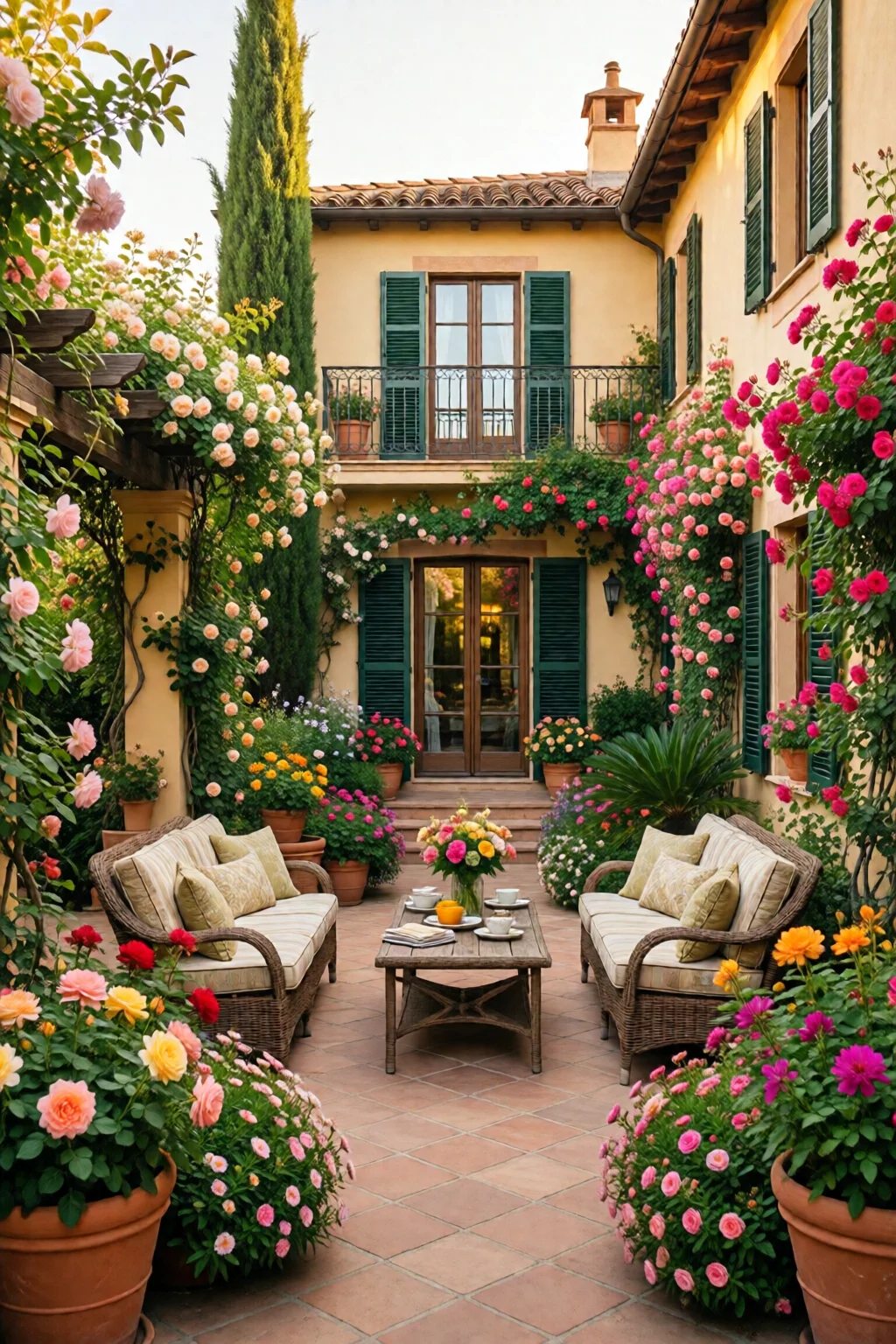
A central patio anchors the garden. A 12 × 20 ft area with Daltile’s Sunset Terracotta Tile (≈ $3.49 / sq ft) costs roughly $830 for material alone, plus $250 for installation. Add a low Sunbrella outdoor sofa ($399) and you’ve got a functional living room under the sky.
For a more textured feel, intersperse 6‑in pebble‑finished concrete pavers ($2.20 / sq ft) with larger stone slabs. The contrast mimics the uneven streets of a coastal Italian village.
Water Features & Fountains
Nothing says Mediterranean like a gentle fountain. The Alessi “Luna” ceramic fountain (12‑inch diameter) retails for $149 and runs on a solar pump—zero electricity cost.
If you have a larger space, a recirculating pool with a pebble base (≈ $4,200 for a 12 × 24 ft model from Pool & Spa World) can double as a reflective surface that cools the surrounding air by up to 5 °F.
Pathways & Borders
Use crushed gravel (often called “river rock”) for winding paths. A 3‑in depth layer over a geotextile fabric costs about $0.45 / sq ft. For defined borders, install low limestone curbing ($8 / ft) to keep planting beds tidy.
Signature Plants & Groupings
Evergreen Shrubs
Olive trees create the quintessential Mediterranean silhouette. Plant them 8–10 ft apart to allow a canopy that filters harsh sun while still letting light reach the understory.
Lavender hedges, spaced 18 in apart, form aromatic borders that release fragrance when brushed by a breeze. Pair with rosemary for a layered scent profile that intensifies over the summer.
Seasonal Flowers
Salvia ‘Mystic Spire’ bursts with violet spikes, attracting pollinators and adding vertical interest. A 4‑ft container costs $18 and blooms from June to October.
Bougainvillea vines (available at Home Depot for $22 per 3‑ft pot) can be trained over pergolas, delivering a flamboyant display of magenta or orange that thrives on neglect.
Fruit Trees
Fig trees are a low‑maintenance centerpiece. Plant a 5‑ft fig in a raised bed with 2 in of compost; it will start fruiting in 2–3 years. Pair with a dwarf lemon (e.g., Meyer Lemon, $30 per 2‑ft tree) for a citrus aroma that complements the Mediterranean vibe.
Maintenance & Sustainability
Water Conservation Techniques
Install a drip‑irrigation system—Rain Bird’s Drip Irrigation Kit (8‑zone, $79) can be set to deliver just 0.5 gal per hour per zone, cutting water use by up to 45% compared with sprinklers.
Mulch all planting beds with 2‑in of crushed walnut shells ($4 / cu ft). Mulch retains moisture, suppresses weeds, and adds a subtle nutty scent that blends with lavender.
Soil Amendments & Mulch
Every spring, incorporate 1 lb of Miracle‑Gro Water Soluble Fertilizer per 100 sq ft (about $15 per 5‑lb bag). This provides a balanced N‑P‑K ratio (24‑8‑16) that supports both evergreen foliage and flowering bursts.
One tip from my experience: a light dusting of crushed seashells (≈ $6 per bag) raises soil pH, ideal for olives and citrus that prefer slightly alkaline conditions.
Seasonal Care Calendar
| Month | Task | Notes |
|---|---|---|
| January–February | Prune olive and citrus trees | Use Fiskars Pruning Shears ($24.99) |
| March | Apply pre‑emergent weed barrier | 30 sq ft roll $12 |
| April–May | Plant summer annuals (salvia, bougainvillea) | Space 18 in apart |
| June–August | Check drip emitters, adjust flow | Aim for 0.5 gal/hr |
| September | Mulch beds, add compost | 2‑in layer |
| October–December | Reduce watering, protect tender vines | Use frost cloth if needed |
Budget Overview
| Item | Average Cost | Quantity | Total |
|---|---|---|---|
| Terracotta Tile (Daltile) | $3.49 / sq ft | 240 sq ft | $838 |
| Olive Tree (4‑ft container) | $45 | 3 | $135 |
| Lavender (1‑ft pot) | $12 | 12 | $144 |
| Rain Bird Drip Kit | $79 | 1 | $79 |
| Fiskars Pruning Shears | $24.99 | 1 | $24.99 |
| Mulch (crushed walnut shells) | $4 / cu ft | 8 cu ft | $32 |
| Labor (installation) | $45 / hr | 20 hrs | $900 |
| Total Approx. | $2,152.99 |
Pro Tips from Our Experience
- Start with the hardscape. In my projects, laying the patio and pathways first prevents re‑working plant beds later.
- Use native stone. It blends seamlessly with the environment and often costs less than imported materials.
- Layer scents. Plant lavender at the front, rosemary mid‑level, and sage at the back for a progressive fragrance journey.
- Plan for shade early. A pergola with a climbing bougainvillea provides summer relief and reduces patio temperatures by up to 12 °F.
- Recycle water. Connect your drip system to a rain barrel (e.g., Good Ideas 55‑gallon, $49) to cut municipal water use dramatically.
Looking for a tighter budget? Check out our guide on front yard garden design on a budget for clever shortcuts that still capture the Mediterranean spirit.
Frequently Asked Questions
Do I need a lot of water for an olive tree?
Olive trees are drought‑tolerant once established. Water deeply once a week during the first two years, then cut back to occasional summer watering.
Can I use a traditional sprinkler system?
It’s possible, but a drip‑irrigation system is far more efficient for Mediterranean gardens, saving up to 45% water.
What are the best low‑maintenance plants?
Lavender, rosemary, sage, and Italian cypress thrive with minimal care and require only occasional pruning.
Conclusion – Your Actionable Takeaway
Start by sketching a simple layout that prioritizes hardscape elements—patio, pathways, and a focal water feature. Next, source the core plants: one or two olive trees, a lavender hedge, and a few rosemary pots. Install a drip‑irrigation kit, add a mulch layer, and you’ll have a functional Mediterranean garden that looks curated yet effortless.
Within 12 months you’ll notice lower water bills, richer soil, and a space that invites friends to linger long after the sun sets. Ready to begin? Grab a tape measure, pick up a bag of Daltile’s Sunset Terracotta, and let the Mediterranean magic unfold in your own backyard.