When you step into a thriving garden, the scent of fresh earth, the splash of color from blossoms, and the hum of pollinators create a sense of harmony. Yet, beneath that serenity, tiny invaders—aphids, spider mites, cucumber beetles, and countless other pests—can quickly turn a garden’s promise into frustration. For gardeners who cherish the health of their soil, the safety of their families, and the wellbeing of beneficial wildlife, organic pest control offers a balanced, effective, and environmentally friendly solution. In this guide, we’ll explore proven organic methods, share expert tips, and give you actionable steps to protect your garden without reaching for synthetic chemicals.
Why Choose Organic Pest Control?
Organic pest control isn’t just a buzzword; it’s a philosophy that aligns with the broader goals of sustainable gardening. Here are the key reasons to go organic:
- Healthier Soil Microbiome: Synthetic pesticides can disrupt the delicate balance of beneficial microbes that support nutrient uptake. Organic methods preserve these allies.
- Safety for Humans and Pets: By avoiding harsh chemicals, you reduce exposure risks for children, pets, and anyone who enjoys fresh produce straight from the garden.
- Supports Biodiversity: Organic strategies protect pollinators, predatory insects, birds, and other wildlife that naturally regulate pest populations.
- Regulatory Compliance: If you sell produce at farmers’ markets, many jurisdictions require that you adhere to organic standards.
- Long‑Term Cost Savings: Investing in preventative, natural solutions often reduces the need for expensive, recurring pesticide purchases.
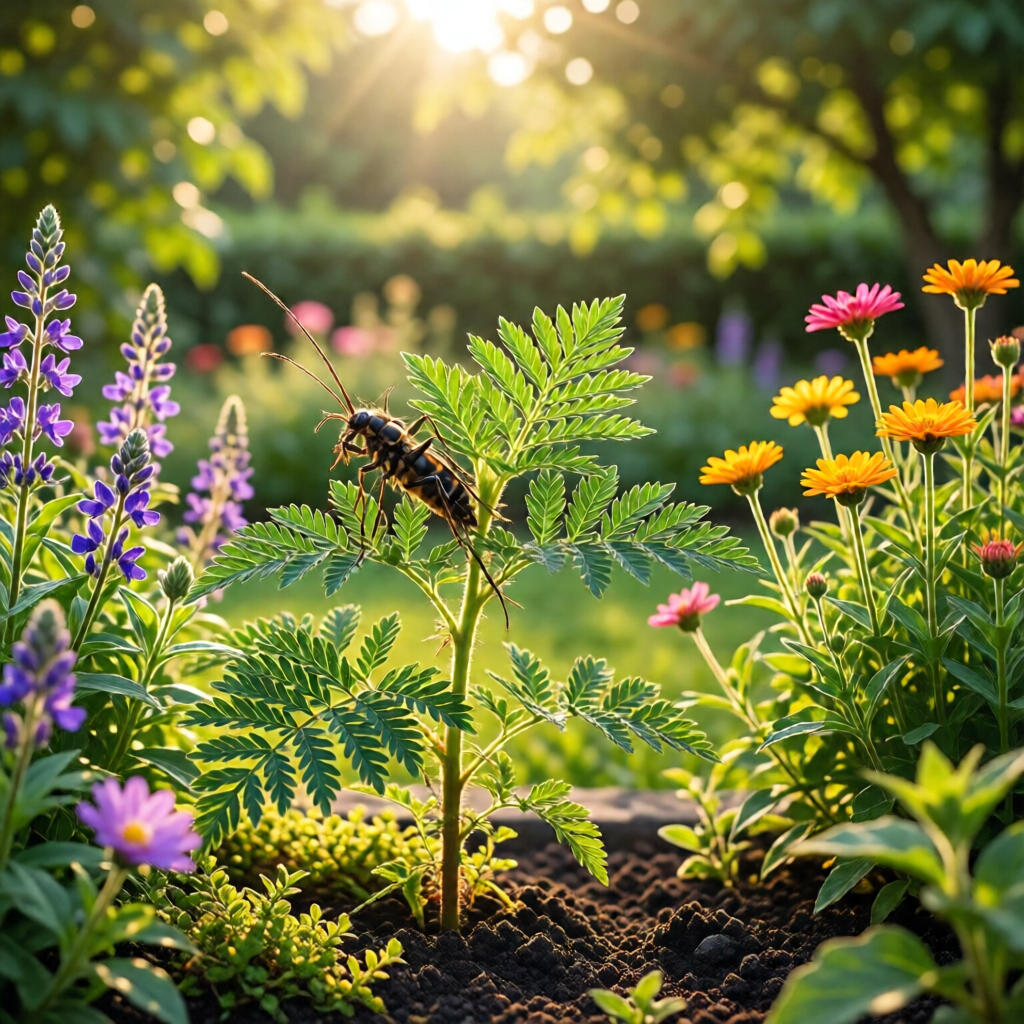
Understanding Common Garden Pests
Before you can manage pests organically, you need to recognize the culprits and understand their life cycles. Below is a quick reference for the most frequent garden pests in the United States:
Aphids
Soft-bodied insects that cluster on the undersides of leaves, sucking sap and excreting honeydew, which encourages sooty mold. They reproduce rapidly, especially in warm weather.
Spider Mites
Minute arachnids that thrive in hot, dry conditions. Look for fine webbing and stippled, yellowing foliage. They can decimate a plant’s photosynthetic capacity.
Cucumber Beetles
These striped beetles chew on leaves, flowers, and fruit, often transmitting bacterial wilt to cucurbits. They are most active in early summer.
Squash Bugs
Large, shield‑shaped insects that feed on the stems and leaves of squash, pumpkin, and related plants, causing wilting and eventual plant death.
Tomato Hornworms
Green caterpillars that can eat an entire tomato plant in a matter of days. They are the larvae of the hawk moth and are often mistaken for beneficial caterpillars.
Identifying which pest is present is the first step toward selecting the most effective organic remedy.
Core Organic Pest Control Techniques
Below are the foundational strategies that form the backbone of any organic pest management plan.
1. Companion Planting
Companion planting leverages the natural properties of certain plants to repel pests or attract beneficial insects. For example, planting marigolds alongside tomatoes can deter nematodes, while nasturtiums act as a trap crop for aphids, drawing them away from more valuable vegetables.
Consider these classic pairings:
- Tomatoes + basil – basil repels thrips and improves flavor.
- Beans + corn – beans fix nitrogen, enriching the soil for corn, while corn provides a natural trellis.
- Cabbage + dill – dill attracts predatory wasps that hunt cabbage loopers.
2. Beneficial Insects and Predators
Encouraging natural enemies is a powerful, self‑sustaining method. Lady beetles, lacewings, predatory mites, and parasitic wasps are voracious consumers of aphids, mites, and caterpillars. To attract them:
- Provide nectar‑rich flowering strips with plants such as yarrow, fennel, and sweet alyssum.
- Install insectary houses or “bug hotels” made from bamboo, straw, and pine cones.
- Avoid broad‑spectrum insecticides that can kill these allies.
3. Neem Oil and Botanical Extracts
Neem oil, derived from the seeds of the neem tree, acts as an insect growth regulator and a repellent. When sprayed correctly, it interferes with a pest’s feeding and reproduction without harming most beneficial insects.
Application tips:
- Mix 1–2 teaspoons of cold‑pressed neem oil with 1 quart of water and a few drops of mild liquid soap.
- Apply early morning or late afternoon to avoid leaf burn.
- Reapply every 7–10 days, especially after heavy rain.
4. Homemade Sprays
Many kitchen staples become effective organic sprays when combined correctly. Below are three reliable recipes.
Garlic‑Pepper Spray
Blend 2 bulbs of garlic, 1 teaspoon of cayenne pepper, and 1 cup of water. Let sit overnight, strain, and add 1 teaspoon of liquid soap. Dilute with 1 gallon of water and spray on foliage. This mixture deters aphids, spider mites, and beetles.
Insecticidal Soap
Mix 1 tablespoon of pure liquid Castile soap with 1 quart of water. Spray directly on soft‑bodied insects like aphids and whiteflies. The soap breaks down their protective waxy coating, causing dehydration.
Neem‑Garlic Combo
Combine 1 cup of neem oil, 2 cloves of minced garlic, and 1 quart of water. Add a few drops of mild soap, let steep for 24 hours, then strain and spray. This blend offers both repellent and growth‑disrupting properties.
5. Physical Barriers and Traps
Sometimes the simplest approach works best. Use row covers, netting, or sticky traps to physically prevent pests from reaching plants.
- Floating Row Covers: Lightweight fabric placed over beds to keep insects out while allowing light and moisture through. Secure edges with soil or garden staples.
- Copper Tape: Place around the base of tomato plants to deter slugs and snails, as they receive a mild electric shock upon contact.
- Yellow Sticky Traps: Hang near susceptible crops to capture flying pests like whiteflies and thrips.
Designing an Organic Pest Management Plan
A systematic plan ensures you stay proactive rather than reactive. Follow these steps to build a robust, organic pest control schedule for your garden.
Step 1: Conduct a Pre‑Planting Survey
Before sowing seeds or planting transplants, walk your garden and note existing pest pressure, soil condition, and surrounding vegetation. Use this information to select resistant varieties and plan companion plantings.
Step 2: Choose Resistant Varieties
Many seed catalogs now label varieties with disease and pest resistance ratings. For example, “‘Juliet’ tomato” offers resistance to early blight, while “‘Jade’ zucchini” repels squash bugs.
Step 3: Implement Crop Rotation
Rotate families of crops each season to disrupt pest life cycles. Avoid planting tomatoes, peppers, or eggplants (all Solanaceae) in the same spot two years in a row.
Step 4: Establish Beneficial Habitat
Dedicate a corner of your garden to a backyard retreat that doubles as an insect sanctuary. Include a mix of perennial herbs, flowering shrubs, and a shallow water source.
Step 5: Monitor Regularly
Inspect plants weekly, focusing on the undersides of leaves and the soil surface. Use a hand lens to spot early infestations. Keep a garden journal noting pest sightings, weather conditions, and interventions.
Step 6: Apply Targeted Controls
When you detect a problem, choose the most specific organic method. For a minor aphid outbreak, a quick spray of insecticidal soap may suffice. For larger infestations, combine companion planting, beneficial insects, and neem oil for layered protection.
Seasonal Organic Pest Strategies
Pest pressure shifts throughout the year, and your tactics should adapt accordingly.
Spring
Early in the season, focus on prevention:
- Install row covers before seedlings emerge.
- Introduce predatory insects as soon as blossoms appear.
- Apply a light neem oil spray to deter early aphid colonization.
Summer
Heat and humidity favor spider mites and cucumber beetles. Combat them by:
- Providing consistent watering to keep foliage humid.
- Using reflective mulches to deter beetles.
- Applying garlic‑pepper spray in the evenings.
Fall
As temperatures cool, many pests seek shelter in garden debris. Prepare by:
- Cleaning up fallen leaves and spent plants.
- Applying a final neem oil treatment to eradicate overwintering eggs.
- Planting cover crops like clover, which attract beneficial insects for the next season.
Winter
Even dormant gardens can host pests like spider mite eggs. Keep an eye on indoor herb pots and use a gentle soap spray if needed. Also, consider indoor “seedling trays” with companion herbs that repel pests when later transplanted.
DIY Organic Pesticide Recipes (Detailed)
Below are three extended, step‑by‑step recipes that you can prepare in bulk and store for the entire growing season.
1. Rosemary‑Infused Neem Oil Spray
- Gather 1 cup fresh rosemary leaves, 2 tablespoons neem oil, 1 gallon of water, and 1 teaspoon mild liquid soap.
- Steep rosemary in hot (but not boiling) water for 30 minutes.
- Strain the rosemary infusion and let it cool to room temperature.
- Combine the cooled infusion with neem oil and soap, stirring gently.
- Transfer to a spray bottle and apply to foliage every 7 days, focusing on the undersides of leaves.
2. Hot Pepper and Garlic Repellent
- Blend 4 hot chili peppers, 3 cloves garlic, 1 cup apple cider vinegar, and 1 cup water.
- Let the mixture sit for 24 hours, then strain through cheesecloth.
- Add 2 teaspoons liquid soap to act as an emulsifier.
- Dilute 1 part concentrate with 4 parts water in a garden sprayer.
- Apply at sunrise or sunset to avoid leaf scorch, reapplying after rain.
3. Beneficial Nematode Soil Drench
Beneficial nematodes (e.g., Steinernema feltiae) target soil‑dwelling pests like grubs and fungus gnats.
- Purchase nematodes from a reputable garden supplier.
- Mix the recommended amount (usually 1 billion nematodes per 100 sq ft) with 1 gallon of lukewarm water.
- Stir gently to avoid damaging the organisms.
- Apply the solution to the soil around the base of vulnerable plants in the early evening.
- Water lightly after application to help the nematodes infiltrate the soil.
Safety, Regulations, and Best Practices
While organic methods are generally safer, responsible use remains essential.
Proper Handling and Storage
- Wear gloves when mixing sprays, especially those containing neem oil or hot peppers.
- Label all homemade solutions with ingredients and date of preparation.
- Store in a cool, dark place; most mixtures remain effective for 2–3 weeks.
Understanding Organic Certification
If you plan to market your produce as “organic,” you must adhere to the USDA National Organic Program (NOP) standards. This includes keeping records of all inputs and ensuring that any commercial products (e.g., neem oil) are on the NOP approved list.
Avoiding Non‑Target Damage
Even organic sprays can harm pollinators if applied at the wrong time. Always spray when bees are less active—early morning or late evening—and avoid treating flowering buds unless absolutely necessary.
Integrating Organic Pest Control with Overall Garden Health
Organic pest management works best when it’s part of a holistic garden care routine.
Soil Health Foundations
Rich, living soil supports strong plants that are naturally more resistant to pests. Incorporate compost, mulch, and cover crops to boost microbial activity. For a deeper dive on soil vitality, read our guide on how to transplant plants without shock, which emphasizes gentle handling that preserves root health.
Water Management
Over‑watering creates humid environments favorable to fungal diseases and spider mites, while under‑watering stresses plants, making them more susceptible to insect attack. Use drip irrigation or soaker hoses to deliver consistent moisture directly to the root zone.
Pruning and Sanitation
Regular pruning improves air circulation, reduces leaf wetness, and removes pest habitats. After each pruning session, clean tools with a 10% bleach solution to prevent disease spread.
Integrating with Landscape Design
A aesthetically pleasing garden can also serve as a pest‑management tool. Plant evergreen shrubs like boxwood or lavender along pathways to act as windbreaks and attract predatory insects. For inspiration on blending beauty with function, explore our poolside landscaping ideas that incorporate natural pest deterrents.
Common Mistakes to Avoid
Even seasoned gardeners can slip into habits that undermine organic pest control. Keep an eye out for these pitfalls:
- Over‑application of sprays: Excessive use can cause phytotoxicity and deter beneficial insects.
- Relying on a single method: Diversity in tactics creates a resilient defense.
- Ignoring early warning signs: Small infestations can balloon quickly; early intervention is key.
- Choosing the wrong plant varieties: Some cultivars are inherently pest‑prone; always research resistance traits.
- Neglecting crop rotation: Planting the same family repeatedly builds pest populations in the soil.
Putting It All Together: A Sample Seasonal Calendar
Use this calendar as a practical checklist to stay on track throughout the year.
| Month | Actions |
|---|---|
| January | Plan garden layout, order resistant seed varieties, prepare compost. |
| February | Start indoor seedlings, set up insect hotels, apply dormant oil to fruit trees. |
| March | Plant early crops (lettuce, peas), install floating row covers, release lady beetles. |
| April | Apply neem oil spray, plant companion herbs, monitor for aphids. |
| May | Introduce predatory mites, use sticky traps for whiteflies, mulch beds. |
| June | Spot‑treat spider mites with insecticidal soap, water plants early to reduce stress. |
| July | Rotate crops, apply garlic‑pepper spray, harvest and compost diseased plant material. |
| August | Begin fall cleanup, plant cover crops, apply final neem oil treatment. |
| September | Plant cool‑season vegetables, set up overwintering habitats for beneficial insects. |
| October | Remove spent annuals, apply beneficial nematodes, mulch perennials. |
| November | Cover beds with straw, store garden tools, review pest journal and plan improvements. |
| December | Enjoy a well‑maintained garden, reflect on successes, and start reading about next year’s trends. |
By following this roadmap, you’ll create a garden that thrives with minimal pest damage while staying true to organic principles.

Conclusion: Embrace the Balance
Organic pest control is not a single technique but a harmonious blend of knowledge, observation, and stewardship. By understanding the pests you face, employing a toolbox of natural methods, and integrating these practices into a comprehensive garden plan, you’ll protect your plants, support biodiversity, and enjoy the satisfaction of a garden that flourishes without harmful chemicals. Remember, the most effective defense is a healthy, resilient garden—so nurture your soil, welcome beneficial wildlife, and let nature do the heavy lifting.

Frequently Asked Questions
What are the safest organic sprays for edible plants?
Insecticidal soap, neem oil, and homemade garlic‑pepper sprays are among the safest options for vegetables and herbs. Always test a small area first and apply during cooler parts of the day to avoid leaf burn.
How can I attract beneficial insects without buying them?
Plant a diverse mix of flowering herbs such as dill, fennel, yarrow, and sweet alyssum. Provide water sources, shelter like insect hotels, and avoid broad‑spectrum pesticides that would harm these allies.
Is neem oil safe for pollinators?
Neem oil is generally safe for bees and butterflies when applied in the early morning or late evening, after pollinators have finished foraging. Avoid spraying directly on open blooms.
Can I use compost tea as a pest deterrent?
Yes, a well‑balanced compost tea can boost beneficial microbial populations that outcompete soil‑borne pests. Apply it as a foliar spray or soil drench to enhance plant vigor and natural resistance.
How often should I rotate crops to prevent pest buildup?
Rotate crops every season, moving plant families to a different bed each year. For high‑risk families like Solanaceae (tomatoes, peppers) and Cucurbitaceae (cucumbers, squash), a two‑year gap is ideal.