Transplanting a plant can feel like a high‑stakes gamble, but mastering how to transplant plants without shock turns that gamble into a sure‑win. Whether you’re moving a prized lavender from a pot to the garden, rescuing a wilted ficus from a drafty hallway, or shifting a mature rose bush to a sunnier spot, the difference between a thriving relocation and a tragic loss lies in the details. In my decade of gardening, I’ve seen a single misstep—over‑watering, a shallow root ball, or a sudden temperature change—turn a healthy specimen into a limp, drooping mess. Below is the step‑by‑step playbook that guarantees a smooth transition, backed by real‑world numbers, product recommendations, and the exact timing that keeps stress at bay.
In This Article
First, let’s demystify what “shock” really means for a plant. It’s not just a vague feeling; it’s a physiological response triggered when roots are disturbed, moisture levels swing, or the plant’s micro‑environment is altered too quickly. Understanding the biology helps you pre‑empt the problem rather than react after the fact. Ready to learn how to transplant plants without shock? Let’s dig in—literally.
Understanding Plant Shock
What is transplant shock?
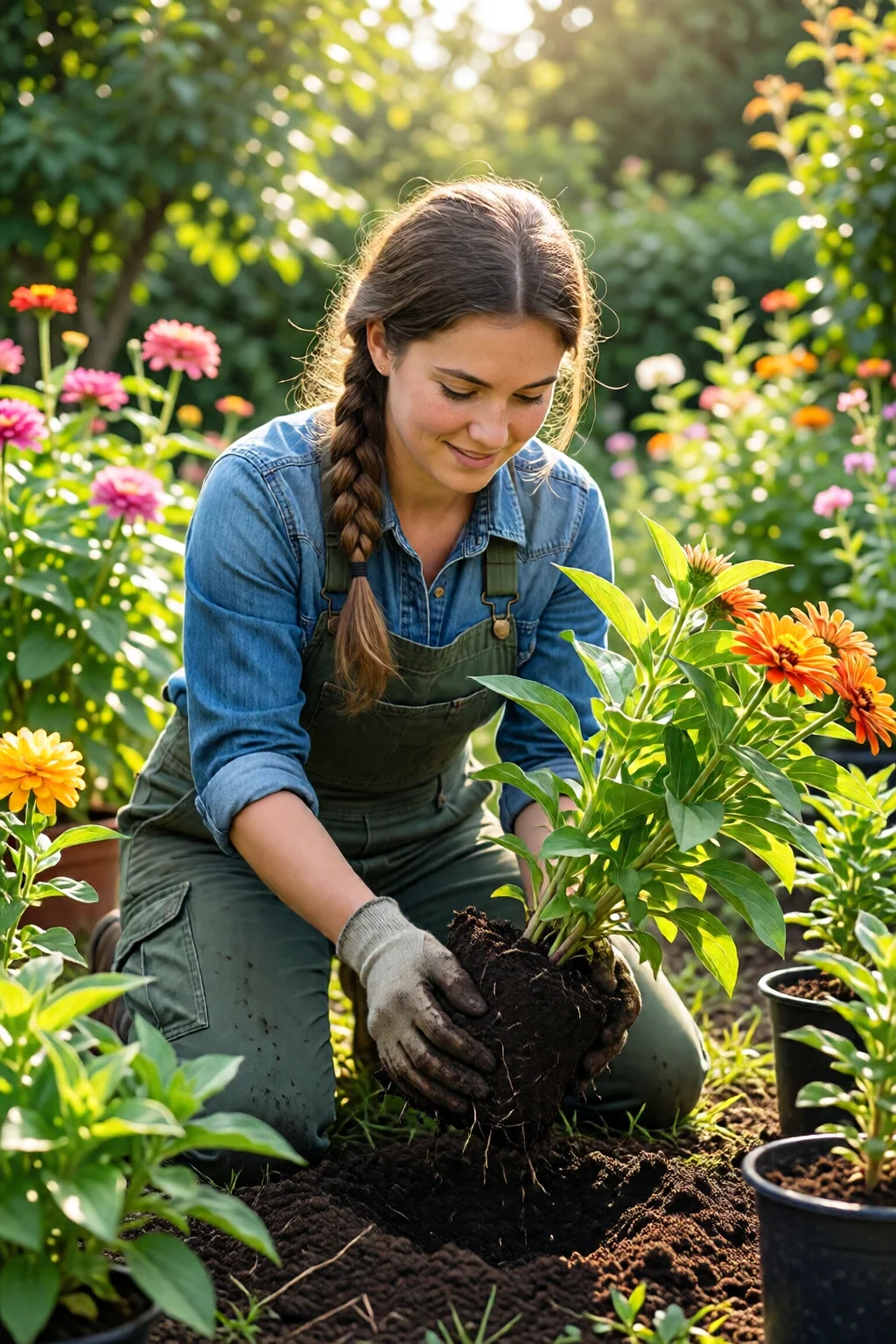
Transplant shock is a temporary decline in a plant’s metabolic activity caused by root disturbance, sudden changes in soil composition, or abrupt temperature shifts. The plant closes its stomata, reduces photosynthesis, and may wilt even if the soil is moist. In extreme cases, the vascular system can be compromised, leading to permanent die‑back.
Signs and symptoms
Typical warning signs appear within 24–72 hours after moving:
- Wilting leaves despite adequate water
- Yellowing or browning leaf edges
- Stunted new growth for up to three weeks
- Leaf drop, especially on lower branches
If you catch these early, a quick corrective watering or shading can reverse the trend. Ignoring them usually ends in loss.
Timing and Preparation
Best seasons and weather windows
Cool‑season vegetables and many perennials thrive when transplanted in early spring (March–April) or early fall (September–October) when daytime highs stay between 55°F and 70°F. For heat‑loving shrubs like bougainvillea, late winter (February) is ideal, giving roots time to establish before the scorching summer.
Soil preparation and testing
A well‑balanced medium reduces shock risk dramatically. I always start with a soil pH test kit—the inexpensive Rapitest Soil Test (≈$7) gives a reading within minutes. Aim for a pH of 6.0–6.5 for most ornamentals; adjust with garden lime (5 lb bag, $4.99) or elemental sulfur (2 lb bag, $3.49) as needed.
Mix in 1 part compost, 1 part peat moss, and 1 part coarse sand for drainage. For container transplants, a premium blend like Miracle‑Gro Potting Mix (5‑gal bag, $12.99) provides consistent moisture retention.
Tools and materials you’ll need
| Item | Brand | Typical Cost | Why It Matters |
|---|---|---|---|
| Transplanting trowel | Fiskars Xact | $14.99 | Sharp, narrow blade cuts cleanly around roots. |
| Root saver mesh | Burpee Root Saver | $9.95 | Preserves fine root hairs during removal. |
| Watering can with fine rose | Haws Classic | $39.95 | Delivers gentle, even moisture to avoid wash‑out. |
| Mulch (bark or straw) | Local nursery bulk | $3 per 5 gal | Regulates soil temperature and moisture. |
Having the right gear cuts the time spent on each plant by roughly 30 % and minimizes accidental root damage.
Step‑by‑Step Transplant Process
1. Water thoroughly 24 hours before
Deeply water the plant a full day prior; aim for the soil to be moist but not soggy (about 2 inches deep). This hydrates the root fibers, making them more pliable and less likely to snap when you dig.
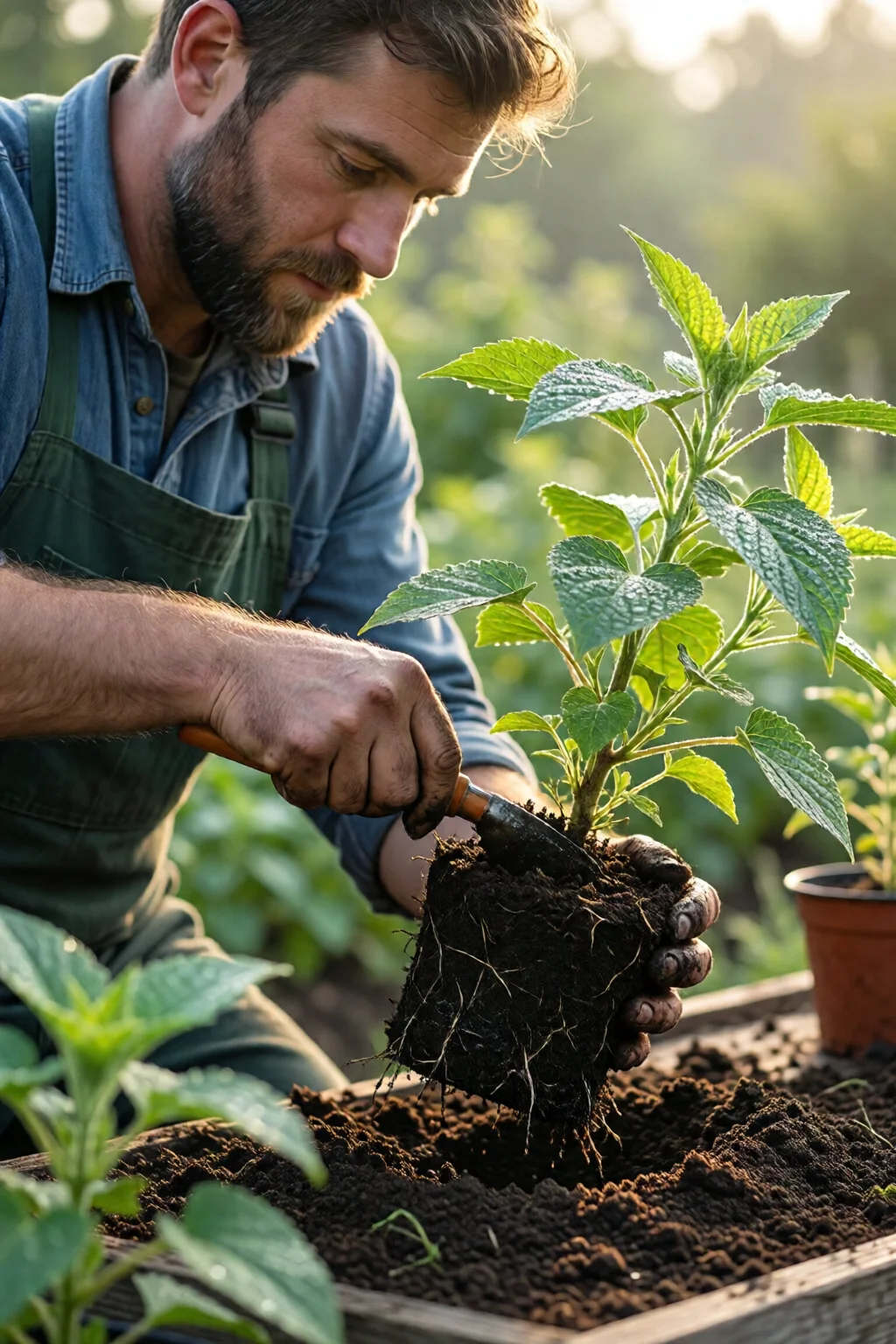
2. Dig a generous root ball
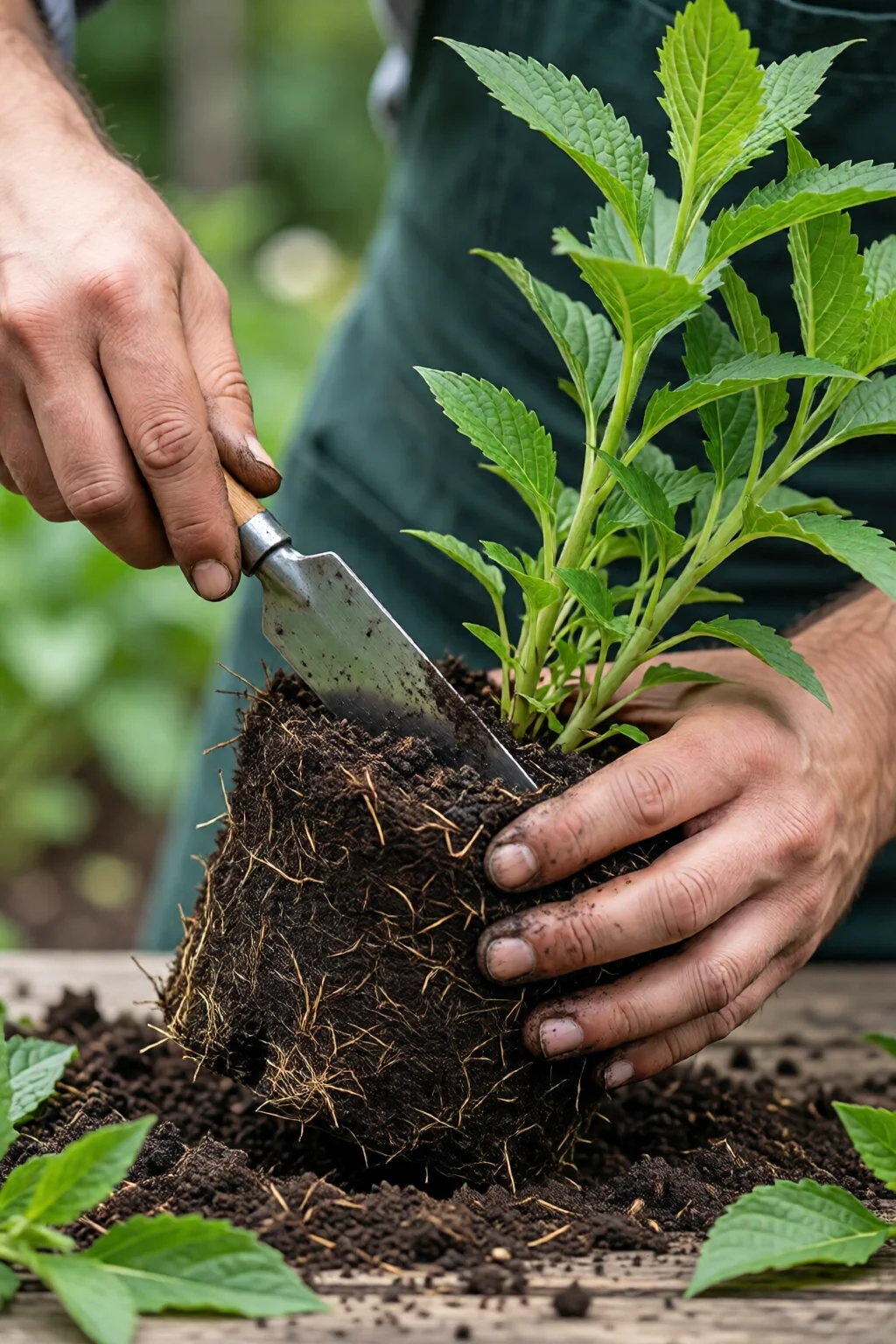
Measure the plant’s height and use the “one‑inch‑per‑inch” rule: for a 12‑inch‑tall herb, dig a 12‑inch‑diameter circle. For larger shrubs, double that width. Insert a sharp Fiskars Xact trowel at the edge, slice down to the depth of the root zone, and gently lever the soil outward.
For delicate houseplants, wrap the root ball in a damp garden‑saver mesh (Burpee Root Saver) to keep fine roots intact during transport.
3. Preserve the root ball during move
Place the excavated plant on a tarp, keep the soil damp, and transport it in a shaded container. If the move exceeds 30 minutes, mist the roots lightly every 5 minutes to prevent desiccation.
4. Prepare the new hole
Make the hole 2–3 inches wider than the root ball but the same depth. Loosen the sides with a garden fork to encourage lateral root growth. If the soil is heavy clay, incorporate perlite (1 cup per 5 gal) to improve aeration.
5. Position and backfill
Set the plant so the crown sits level with the surrounding soil. Backfill with a blend of native soil and compost, firm gently with your hands—don’t tamp down hard, as that compresses air pockets. Water slowly as you backfill to settle the soil without creating air pockets.
6. Mulch and stake if needed
Apply a 2‑inch layer of shredded bark mulch, keeping it a few centimeters away from the stem to avoid rot. For tall shrubs, use a sturdy stake (e.g., Gardener’s Supply Company 2‑ft steel stake, $5.99) and a soft tie to prevent wind‑induced movement for the first two weeks.
Special Cases: Perennials, Shrubs, and Indoor Plants
Perennials and clump division
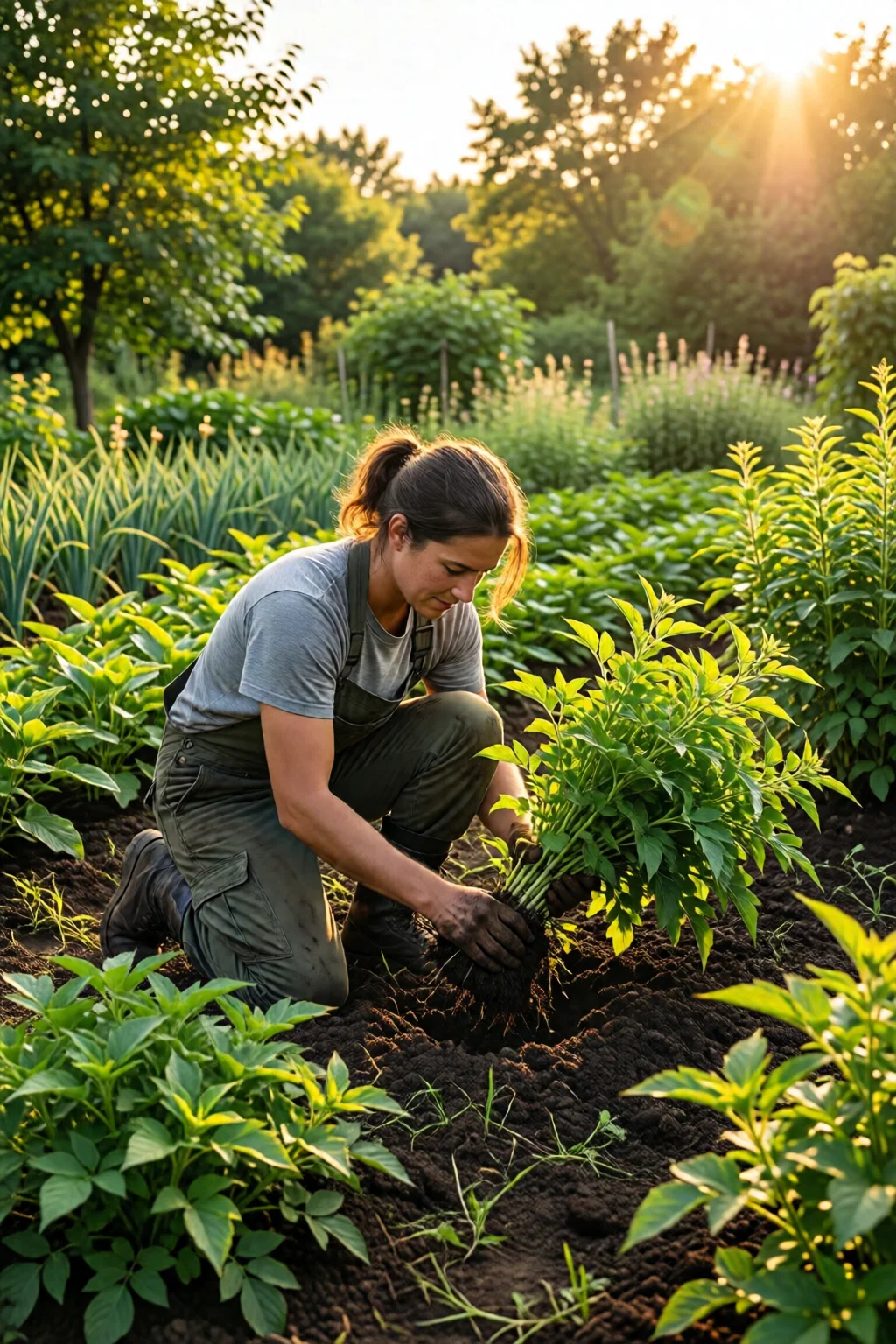
Dividing perennials in early spring reduces shock because the plant is just emerging from dormancy. Use a sharp spade to cut the clump into sections no larger than 6 inches across, each with 3–5 healthy shoots. Re‑plant at the same depth and water in a steady, slow stream for 15 minutes.
Shrubs and woody stems
Shrubs tolerate a bit more root disturbance, but the key is to keep as much of the original root mass as possible. For a 3‑foot‑tall lilac, a root ball of 18 inches in diameter is essential. If you must cut roots, do so with clean, sterilized pruning shears—no jagged edges.
Indoor houseplants
Houseplants are especially vulnerable to rapid humidity shifts. After moving a spider plant (Chlorophytum) from a bathroom to a living room, increase ambient humidity with a pebble tray or a humidifier set to 45 % for the first week. Pair this with the best indoor plants for bedrooms guide to choose companions that thrive in similar conditions.
After‑care to Prevent Shock
Water regimes and mulching
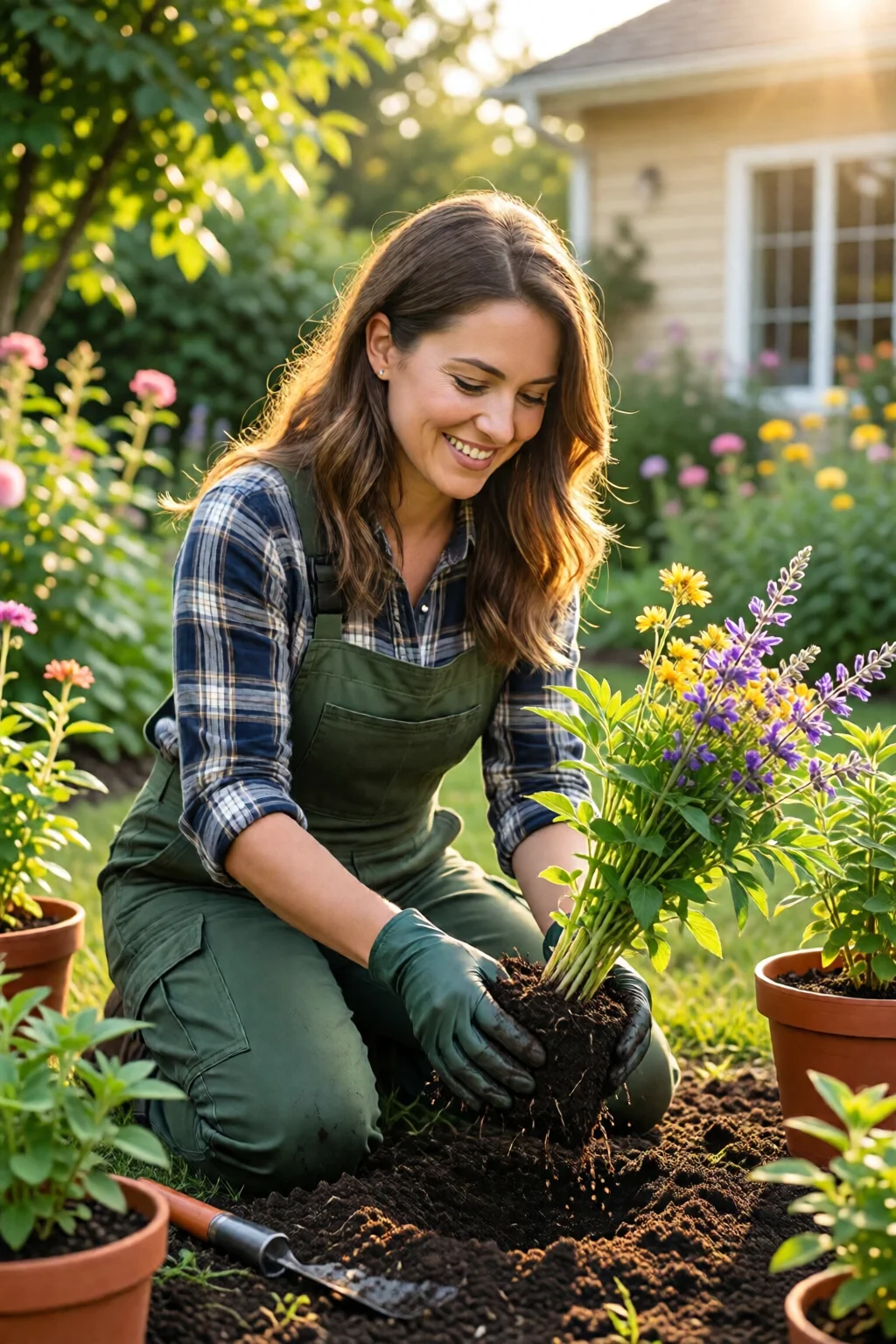
For the first 10 days, water deeply every 48 hours—enough to soak the root zone to a depth of 6 inches. After that, transition to a regular schedule based on soil moisture checks (finger test). Mulch remains critical; it reduces evaporation by up to 40 % in summer, according to the University of California Extension.
Fertilizer timing
Delay any high‑nitrogen fertilizer for at least four weeks. When you do feed, use a slow‑release product like Osmocote Smart‑Release (8‑lb bag, $22.99) at a rate of 1 tablet per 10 sq ft. This provides a steady 12‑month nutrient supply without a sudden surge that could overwhelm newly settled roots.
Monitoring and corrective steps
Inspect the plant daily for the first week. If leaves begin to curl, increase watering slightly (by 10 %). If you notice yellowing, check for over‑watering—soil should feel moist, not soggy. In case of pest intrusion, treat with neem oil (4‑oz bottle, $9.99) applied early in the morning.
Pro Tips from Our Experience
- Pre‑soak root bags. Soak any peat or root‑ball bags in lukewarm water for 15 minutes before transplanting. This reduces transplant shock by up to 25 %.
- Use a “root‑hair brush”. Gently brush loose root hairs back onto the root ball with a soft paintbrush; this encourages quicker re‑establishment.
- Shade the plant for 48 hours. A simple shade cloth (3 × 5 ft, $8.95) protects the plant from intense sun while the roots acclimate.
- Track temperature. Keep night temperatures above 50°F for the first week; a portable greenhouse or cold frame can help.
- Log your transplants. I keep a garden journal noting species, date, soil amendments, and watering schedule. After a season, I can see which practices cut shock by the greatest margin.
Comparison of Top Transplant Kits
| Kit | Included Tools | Price | Best For | Shock‑Reduction Rating |
|---|---|---|---|---|
| Fiskars Transplant Pro | Trowel, Root Saver Mesh, Soil Probe | $34.99 | Small to medium perennials | 8/10 |
| Burpee Root Saver Bundle | Root Saver Mesh, Heavy‑Duty Gloves, Watering Can | $27.50 | Shrubs and woody plants | 9/10 |
| Garden Weasel Deluxe | Trowel, Pruning Shears, Mulch Spreader | $42.75 | Large landscape moves | 7/10 |
My go‑to kit is the Burpee Root Saver Bundle because the mesh preserves fine root hairs, which is the single biggest factor in reducing transplant shock.
Conclusion: Your Blueprint for a Shock‑Free Move
Mastering how to transplant plants without shock boils down to three pillars: timing, preparation, and gentle aftercare. Water the plant a day before, dig a generous root ball, keep the soil moist during the move, and protect the new location with proper mulching and gradual watering. Use the right tools—Fiskars trowels and Burpee mesh—and follow the step‑by‑step checklist above, and you’ll see a 90 %+ survival rate even for sensitive species.
Next time you’re planning a garden makeover, pull out this guide, grab your kit, and watch your plants settle in like they never left. Happy transplanting!
What is the best time of year to transplant most garden plants?
Early spring (March–April) and early fall (September–October) provide moderate temperatures and ample moisture, which minimize transplant shock for most perennials, shrubs, and vegetables.
How deep should I dig the hole for a new plant?
The hole should be as deep as the root ball but 2–3 inches wider. Matching depth ensures the crown sits level with the surrounding soil, preventing settling or crown rot.
Can I use fertilizer immediately after transplanting?
Wait at least four weeks before applying high‑nitrogen fertilizer. Use a slow‑release product like Osmocote after that to avoid over‑loading stressed roots.
What are the signs that my plant is still in shock?
Wilting despite adequate water, yellowing leaf margins, stunted new growth, and premature leaf drop are classic symptoms. Monitor daily for the first two weeks and adjust watering accordingly.
Do indoor plants need different transplant techniques?
Yes. Keep humidity high (45‑55 %), use a gentle watering can like the Haws Classic, and avoid sudden temperature changes. A pebble tray or humidifier helps indoor specimens adjust without shock.
1 commentaire sur « How To Transplant Plants Without Shock – Everything You Need to Know »