Ornamental grasses are the unsung heroes of many American gardens, offering year‑round texture, movement, and subtle color that can transform a simple planting bed into a dynamic landscape. Whether you’re a seasoned horticulturist or a weekend gardener, understanding the diverse varieties and mastering their care can elevate your outdoor space while keeping maintenance low and visual impact high.
Why Choose Ornamental Grasses?
Unlike many flowering perennials, ornamental grasses thrive on minimal inputs and provide structural interest that changes with the seasons. In spring they unfurl fresh shoots, in summer they sway gracefully in the breeze, in fall their foliage turns gold, copper, or bronze, and in winter their feathery seed heads add a soft, architectural element to the garden. Their deep root systems improve soil structure, reduce erosion, and increase drought tolerance—qualities that are especially valuable in many U.S. climates.
Popular Ornamental Grass Varieties for Different U.S. Regions
Choosing the right grass for your specific climate zone ensures that the plant will flourish with the least amount of stress. Below are some top performers, grouped by USDA hardiness zones.
Zones 3‑5 (Northern Plains, New England, Mountain Regions)
Feather Reed Grass (Calamagrostis × acutiflora ‘Karl Foerster’) – A vertical accent with upright, feathery plumes that turn golden in late summer. It tolerates cold winters and thrives in full sun.
Blue Oat Grass (Helictotrichon sempervirens) – Known for its striking blue‑gray foliage, this grass adds a cool‑tone contrast in mixed borders. It’s hardy, drought‑tolerant, and thrives in well‑drained soil.
Zones 6‑8 (Mid‑Atlantic, Midwest, Pacific Northwest)
Japanese Forest Grass (Hakonechloa macra ‘Aureola’) – A low‑growing, shade‑loving grass with bright chartreuse stripes that brighten woodland gardens.
Switchgrass (Panicum virgatum ‘Heavy Metal’) – Tall, upright, and with deep burgundy foliage that deepens in winter, this native grass is perfect for prairie‑style plantings and wildlife habitats.
Zones 9‑11 (Southern States, Coastal Areas)
Mexican Feather Grass (Nassella tenuissima) – A soft, flowing grass with fine, airy foliage that thrives in heat and tolerates occasional flooding.
Pink Muhly (Muhlenbergia capillaris) – Famous for its spectacular pink plumes in late summer, this grass loves full sun and well‑drained soils, making it a show‑stopper in southern gardens.
Preparing the Planting Site
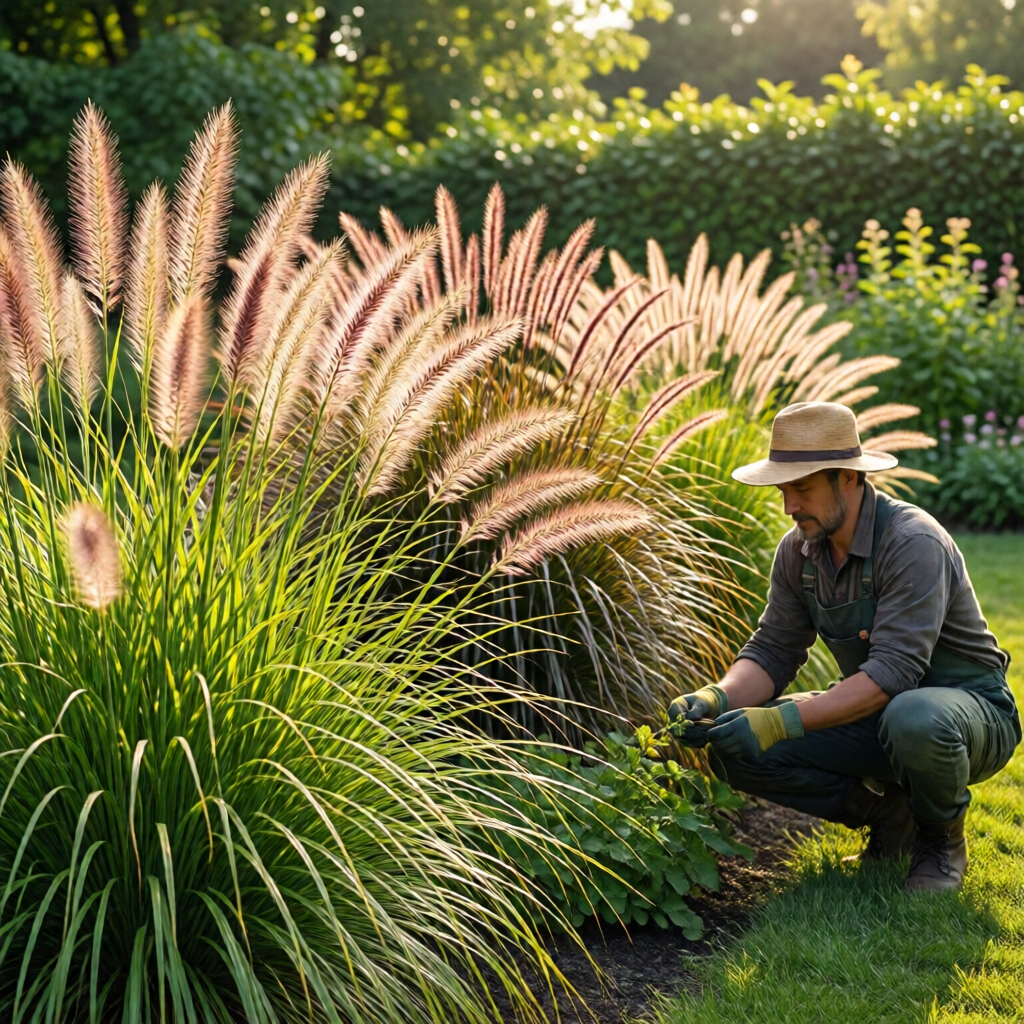
Before you break ground, take a few minutes to assess soil conditions, sunlight exposure, and drainage. Ornamental grasses are forgiving, but optimal conditions will reduce future maintenance.
Soil Testing and Amendment
Conduct a simple soil test using a home kit or send a sample to your local extension office. Aim for a pH between 6.0 and 7.5 for most varieties. If the soil is heavy clay, incorporate coarse sand or compost to improve aeration. For sandy soils, add organic matter to increase water‑holding capacity.
Sunlight Requirements
Most ornamental grasses prefer full sun (6+ hours daily) for the best color and seed head production. Shade‑tolerant varieties like Japanese Forest Grass can handle filtered light, but expect slower growth and less dramatic plumes.
Spacing and Layout
Give each plant enough room to spread. Short grasses (e.g., Hakonechloa) need 12‑18 inches, while taller species (e.g., Switchgrass) require 2‑3 feet. Proper spacing encourages good air circulation, reducing the risk of fungal diseases.
Planting Your Ornamental Grasses
Follow these step‑by‑step instructions for a successful start.
- Dig a hole twice as wide and just as deep as the root ball.
- Mix in a handful of well‑rotted compost or peat moss to the excavated soil.
- Place the grass at the same depth it was growing in its container; the crown (where stems meet roots) should be just above soil level.
- Backfill, firm gently, and water thoroughly to settle the soil around the roots.
- Apply a 2‑inch layer of mulch (use mulching tips for flower beds for best practices) to retain moisture and suppress weeds.
Watering and Fertilizing Guidelines
While ornamental grasses are drought‑tolerant once established, consistent watering during the first growing season encourages deep root development.
Watering Schedule
Water newly planted grasses 2‑3 times per week, providing about 1 inch of water per session. Reduce frequency in the second year; a deep soak once a week is usually sufficient, especially in regions with summer rain.
Fertilization
Most grasses thrive on modest nutrition. Apply a balanced, slow‑release fertilizer (10‑10‑10) in early spring as new shoots emerge. Avoid high‑nitrogen formulas that can promote weak, floppy growth. For organic enthusiasts, a light application of compost tea or well‑aged manure works well.
Pruning, Cutting Back, and Division
Strategic pruning keeps grasses looking tidy and promotes healthy regrowth.
Annual Cutting Back
In late winter (February–March) before new growth starts, cut back the foliage to about 2‑3 inches above ground level. This timing also aligns with how to winterize garden for cold weather practices, as removing dead material reduces disease risk.
Summer Trimming
For species that produce seed heads you wish to keep, trim the stems to the desired height in midsummer. This encourages a neater appearance and can prevent seed drop in high‑traffic areas.
Dividing Mature Clumps
Every 3‑5 years, divide larger clumps in early spring or early fall. Dig around the perimeter, lift the plant, and use a sharp knife to separate the root mass into sections with healthy shoots. Replant each division at the same depth and water well.
Seasonal Care Calendar
Understanding the seasonal needs of ornamental grasses helps you anticipate tasks and keep your garden looking its best year after year.
Spring (March‑May)
- Apply a balanced fertilizer as shoots emerge.
- Inspect for early pests such as aphids; refer to how to get rid of aphids naturally for organic control methods.
- Begin the annual cut‑back if you missed winter pruning.
Summer (June‑August)
- Maintain steady moisture, especially during heat waves.
- Deadhead spent seed heads if you prefer a cleaner look.
- Watch for fungal spots; increase airflow by thinning crowded plants.
Fall (September‑November)
- Allow seed heads to mature for winter interest and wildlife food.
- Apply a light mulch layer to protect roots from early frosts.
- Consider a low‑nitrogen fertilizer to strengthen cold tolerance.
Winter (December‑February)
- Most grasses are dormant; avoid heavy foot traffic on frosted foliage.
- For extreme cold zones, add an extra mulch blanket (2‑3 inches) to insulate the crowns.
- Plan next season’s design—think about adding large indoor plants for living room inspiration that complement outdoor grasses.
Common Pests and Diseases
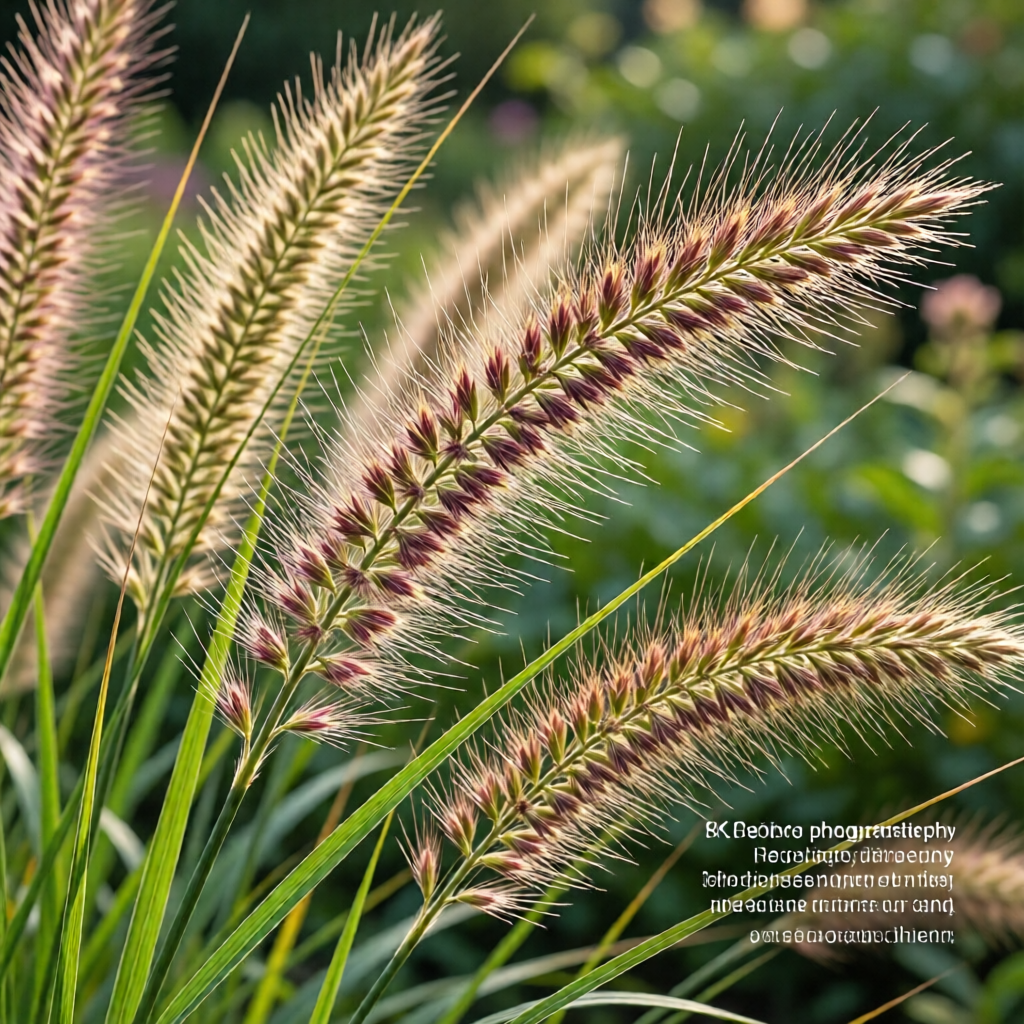
While generally resilient, ornamental grasses can be affected by a few common issues. Early detection and integrated pest management (IPM) keep problems manageable.
Aphids
Soft-bodied aphids may cluster on new shoots, especially in spring. Use a strong spray of water or neem oil, and encourage beneficial insects like ladybugs.
Sporadic Rust
Yellow-orange pustules on foliage indicate rust fungi. Improve airflow, avoid overhead watering, and apply a sulfur‑based fungicide if the problem persists.
Root Rot
Over‑watering or poorly drained soils lead to black, mushy roots. Ensure proper drainage and avoid excessive mulch that traps moisture against the crown.
Design Ideas: Using Ornamental Grasses in the Landscape
Ornamental grasses are incredibly versatile. Below are several design concepts to inspire you.
Mixed Borders
Combine tall, vertical grasses like Feather Reed with low, spreading varieties such as Blue Oat for a layered effect. Add perennials like coneflowers or black-eyed Susans for contrasting colors.
Container Gardens
Plant dwarf grasses like ‘Aureola’ Japanese Forest Grass in large ceramic pots for patio accents. Pair with succulents for a drought‑tolerant container garden.
Xeriscape and Rain Gardens
Because many grasses tolerate dry conditions, they’re perfect for water‑wise landscapes. Use native Switchgrass in a rain garden to filter runoff while providing habitat for pollinators.
Seasonal Focal Points
Place Pink Muhly near a walkway to create a burst of pink in late summer, or use golden Feather Reed as a summer focal point that transitions to a striking silhouette in winter.
Indoor Integration
Some hardy grasses, like Blue Oat, can be grown in bright indoor spaces as decorative accents. Pair them with large indoor plants for a cohesive indoor‑outdoor aesthetic.

Maintenance Tools and Sustainable Practices
Investing in a few quality tools makes grass care easier and more enjoyable.
- Pruning shears or loppers – for precise cutting back and deadheading.
- Garden fork – to loosen soil when dividing clumps.
- Watering wand with a gentle spray – to avoid damaging tender shoots.
- Compost bin – to produce organic mulch and soil amendments, supporting sustainable gardening.
By composting garden waste and reusing it as mulch, you close the nutrient loop, reduce landfill waste, and improve soil health—an approach that aligns perfectly with the low‑maintenance ethos of ornamental grasses.
Choosing the Right Grass for Specific Garden Functions
Beyond aesthetics, ornamental grasses can serve practical roles.
Erosion Control
Deep‑rooted species like Switchgrass stabilize slopes and riverbanks, making them ideal for areas prone to soil loss.
Privacy Screens
Tall grasses such as Maiden Grass (Miscanthus sinensis) create a soft, natural screen that blocks wind and provides visual privacy without the rigidity of a hedge.
Wildlife Habitat
Many birds and small mammals use grasses for nesting and shelter. Plant native varieties to attract local fauna and support biodiversity.
Seasonal Interest in Formal Gardens
In formal settings, trim grasses into neat, geometric shapes to complement structured plantings, or let them go wild for a more relaxed, cottage‑garden vibe.
Companion Planting: Enhancing the Grass Garden
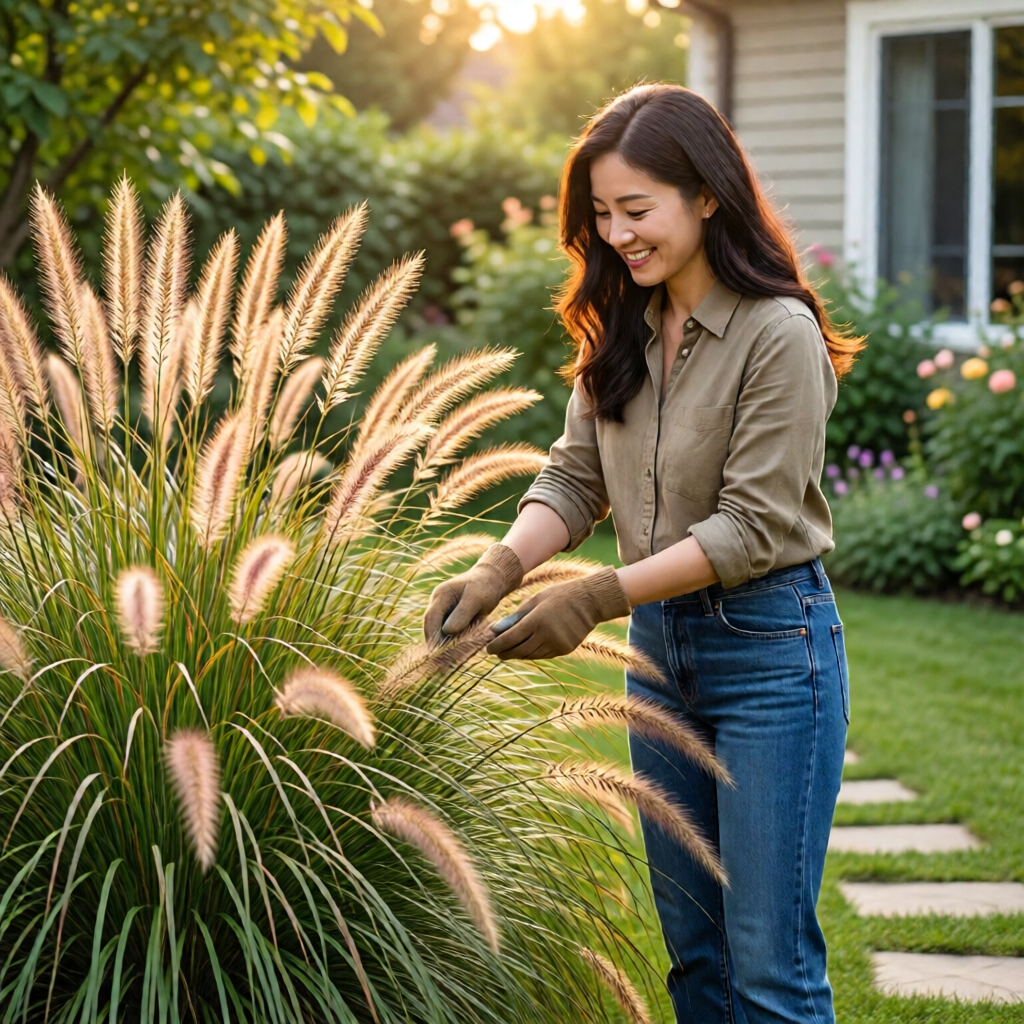
Pairing ornamental grasses with compatible perennials, shrubs, and groundcovers can magnify visual interest and ecological benefits.
- Lavender – thrives in similar sunny, well‑drained conditions and adds fragrant purple blooms that contrast with the fine texture of grasses.
- Coreopsis – offers bright yellow flowers that brighten the backdrop of blue‑gray grasses.
- Hostas – in shady spots, hostas provide bold foliage that balances the delicate fronds of Japanese Forest Grass.
- Daylilies – their tall, arching stems echo the graceful movement of grasses, creating a cohesive flow.
When planning companion plantings, consider the mature height and spread of each species to avoid overcrowding and ensure adequate airflow.
Harvesting and Using Grass Materials
Beyond their ornamental value, many grasses offer practical uses.
Cut‑Flower Arrangements
Harvest seed heads early in the morning when they’re most turgid. Use them in bouquets for a natural, rustic look. Secure stems in water and change the water daily to extend vase life.
Crafts and Décor
Dry the plumes of Feather Reed or Pink Muhly for wreaths, table centerpieces, or seasonal garlands. Keep them in a cool, dark place to preserve color.
Mulch and Soil Amendment
After cutting back, shred the foliage and use it as a light mulch. It adds organic matter and slowly releases nutrients back into the soil.
Budgeting and Cost Considerations
Ornamental grasses are generally affordable, but costs can vary based on size, maturity, and rarity.
- Seedlings – $5‑$15 per plant for common varieties; best for beginners.
- Established Clumps – $20‑$40 each; offers instant impact in larger gardens.
- Bulk Purchases – Many nurseries offer discounts for orders of 10+ plants, ideal for extensive landscape projects.
- DIY Propagation – Dividing mature clumps each spring can double your stock at no extra cost.
Expert Tips for Long‑Term Success
Even seasoned gardeners can benefit from a few insider tricks.
- Rotate Cutting Times – Vary the height of your winter cut‑backs each year to encourage thicker crowns and prevent overly spindly growth.
- Seasonal Soil Testing – Test soil every two years; adjust pH and nutrient levels as grasses mature.
- Integrated Pest Management – Encourage beneficial insects by planting nectar‑rich flowers nearby, reducing reliance on chemicals.
- Microclimate Awareness – Position heat‑loving grasses on south‑facing slopes and shade‑tolerant varieties under trees for optimal performance.
- Document Your Garden – Keep a simple journal or photo log of planting dates, varieties, and care actions; this helps refine your approach over time.
Conclusion: Embrace the Elegance of Ornamental Grasses
Ornamental grasses bring a timeless, low‑maintenance elegance to any American garden. By selecting varieties suited to your climate, preparing the soil thoughtfully, and following a seasonal care routine, you’ll enjoy dynamic, year‑round interest with minimal effort. Whether you’re designing a prairie‑style meadow, a formal border, or a cozy balcony container, these grasses are versatile allies that enhance beauty, biodiversity, and sustainability.
Which ornamental grasses are best for a small backyard?
For compact spaces, choose dwarf varieties like Japanese Forest Grass (Hakonechloa macra ‘Aureola’) or Blue Oat Grass (Nassella tenuissima). Both stay under 2 feet tall, thrive in partial shade, and add texture without overwhelming the area.
How often should I divide my ornamental grasses?
Most grasses benefit from division every 3‑5 years. Early spring or early fall are ideal times, allowing roots to establish before extreme temperatures.
Can ornamental grasses survive harsh winters in the northern U.S.?
Yes, many varieties such as Feather Reed Grass (Calamagrostis ‘Karl Foerster’) and Switchgrass (Panicum virgatum ‘Heavy Metal’) are hardy to zones 3‑5. Adding a 2‑inch mulch layer over the crowns provides extra insulation for extreme cold.
What is the best way to control aphids on ornamental grasses?
Start with a strong spray of water to dislodge aphids, then apply neem oil or insecticidal soap. Encouraging ladybugs and lacewings by planting nectar‑rich flowers also helps keep aphid populations low. See how to get rid of aphids naturally for detailed steps.
How can I use ornamental grasses in a container garden?
Choose compact grasses like ‘Aureola’ Japanese Forest Grass or dwarf Blue Oat Grass. Use a well‑draining potting mix, ensure the container has drainage holes, and water consistently until the plant establishes. Place the pot in a sunny spot for optimal foliage color.