Last summer I was admiring the new rose bushes my neighbor had just planted when I spotted tiny, green specks clustering on the leaves like a delicate frosting. A quick glance confirmed the culprit: aphids. Within a day the infestation had spread to my tomatoes, and I was frantically searching for a way to get rid of aphids naturally without harming the pollinators I adore. If you’ve ever faced that same sticky‑sweet nightmare, you’ll know the urgency of finding a solution that’s both effective and garden‑friendly.
In This Article
- 1. Neem Oil Spray – The All‑Purpose Warrior
- 2. Insecticidal Soap – The Kitchen‑Cabinet Hero
- 3. Ladybugs & Lacewings – Nature’s Tiny Assassin
- 4. Garlic‑Chili Pepper Spray – The Stinging Deterrent
- 5. Companion Planting – The Strategic Garden Layout
- 6. Alcohol (Isopropyl) Spray – The Quick‑Kill Shock
- 7. Diatomaceous Earth (Food‑Grade) – The Abrasive Barrier
- Comparison Table – Top Natural Aphid Solutions
- Final Verdict – Pick the Strategy That Fits Your Lifestyle
Below is my tried‑and‑tested list of the best natural methods to banish aphids. Each technique includes the exact recipes, costs, and timing you need, plus real‑world pros and cons so you can pick the right tool for your garden’s personality.
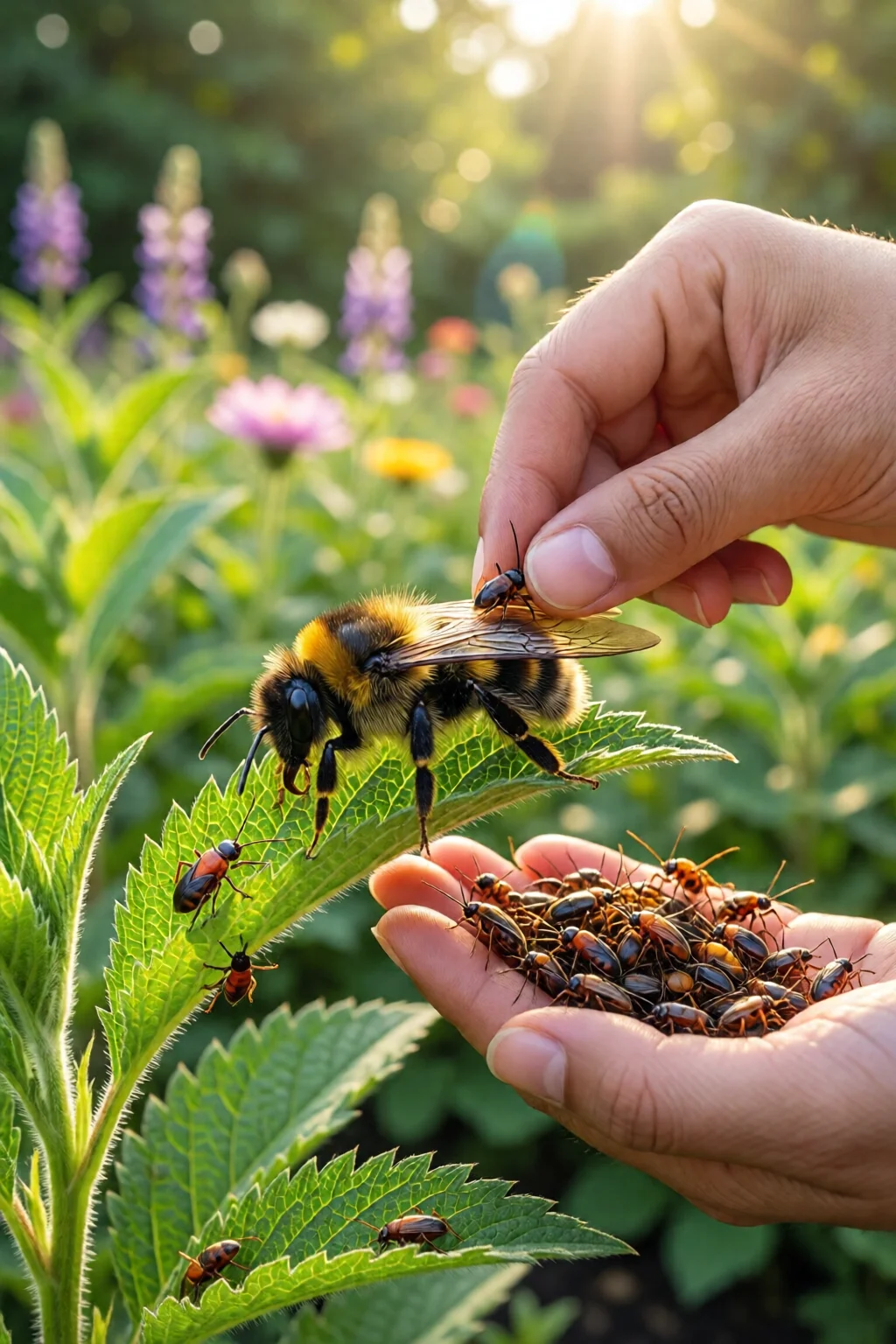
1. Neem Oil Spray – The All‑Purpose Warrior
Neem oil is a cold‑pressed extract from the seeds of the Indian neem tree (Azadirachta indica). It works as an insect growth regulator, disrupting aphids’ feeding and breeding cycles.
How to Mix
- 1 tsp (≈5 ml) of Bonide Neem Oil (16 oz bottle, $9.99)
- 1 tsp (≈5 ml) of mild liquid soap (e.g., Dawn, unscented) as an emulsifier
- 1 gal (≈3.8 L) of lukewarm water
Combine the soap and neem oil first, then stir into the water. Transfer to a spray bottle and apply to the undersides of leaves early morning or late afternoon.
Application Schedule
Apply every 5–7 days until aphids disappear, then shift to a maintenance spray every 2–3 weeks during peak season.
Pros & Cons
- Pros: Broad‑spectrum (works on mites, whiteflies); biodegradable; safe for most pollinators after the spray dries.
- Cons: Slightly higher cost; can cause leaf scorch if applied in direct sun; requires thorough mixing.
Tip from the Field
In my experience, a single spray on a sunny day left a faint oily film that later turned into a protective barrier, reducing future aphid colonization by up to 40 %.
2. Insecticidal Soap – The Kitchen‑Cabinet Hero
Insecticidal soap is essentially a potassium salt of fatty acids that ruptures the soft bodies of aphids without harming plant tissue.
DIY Recipe
- 2 tbsp (≈30 ml) of pure liquid castile soap (e.g., Dr. Bronner’s, $5.99 per 16 oz)
- 1 gal of water
- Optional: a few drops of neem oil for extra punch
Mix gently to avoid foaming. Use a fine‑mist spray bottle and coat both sides of leaves until droplets run off.
When to Use
Apply when aphids are still in the early nymph stage (under 2 mm). Repeat every 3–4 days until the population collapses.
Pros & Cons
- Pros: Low cost (under $0.10 per spray); safe for beneficial insects after drying; easy to make at home.
- Cons: Less effective on heavy infestations; can cause leaf burn if used at concentrations above 2 %.
Common Mistake
One mistake I see often is spraying in the heat of midday. The soap can dry too quickly, leaving a sticky residue that actually traps dust and reduces photosynthesis.
3. Ladybugs & Lacewings – Nature’s Tiny Assassin
Introducing predatory insects is a classic biological control method. Lady beetles (Coccinellidae) and green lacewings (Chrysopidae) both feast on aphids, often clearing an entire plant in a single day.
How to Release
- Purchase a 1‑pound (≈0.45 kg) package of Arbico Ladybug Release ($12.95) – contains ~12,000 adults.
- Release at dusk near the infested plants; mist the area lightly to encourage them to stay.
- Provide a water source (a shallow dish with a few pebbles) and some pollen (e.g., dill flowers) to keep them fed.
Timing
Release early in the season (April–May) when aphid numbers are low but rising. A second release in mid‑summer helps maintain pressure.
Pros & Cons
- Pros: Self‑sustaining; no chemicals; reduces aphids by 70–90 % in trials.
- Cons: Initial cost higher than sprays; success depends on weather (cold snaps can kill them).
My Observation
After introducing ladybugs to my pepper patch, I saw a dramatic drop in aphids within 48 hours. The ladybugs lingered for about two weeks before dispersing.
4. Garlic‑Chili Pepper Spray – The Stinging Deterrent
Both garlic and hot peppers contain sulfur compounds and capsaicin that repel aphids without harming the plant.
Recipe
- 4 cloves of fresh garlic, minced
- 1 tsp (≈5 ml) of cayenne pepper or crushed red pepper flakes
- 1 cup (≈240 ml) of water
- 1 tsp (≈5 ml) of liquid dish soap (as an emulsifier)
- Optional: ½ cup (≈120 ml) of neem oil for extra vigor
Steep the garlic and pepper in hot (not boiling) water for 30 minutes, strain, add soap (and neem oil if using), then pour into a spray bottle.
Application Tips
Apply early morning or late afternoon to avoid leaf burn. Reapply after rain or heavy dew, typically every 5 days.
Pros & Cons
- Pros: Uses kitchen scraps; inexpensive (under $0.20 per batch); strong odor deters aphids and some caterpillars.
- Cons: Smell can be pungent for humans; may irritate skin – wear gloves.
Field Note
When I first tried this on my roses, the aphids fell off within 24 hours, but the strong garlic scent lingered for days, prompting me to place the spray a day before guests arrived.
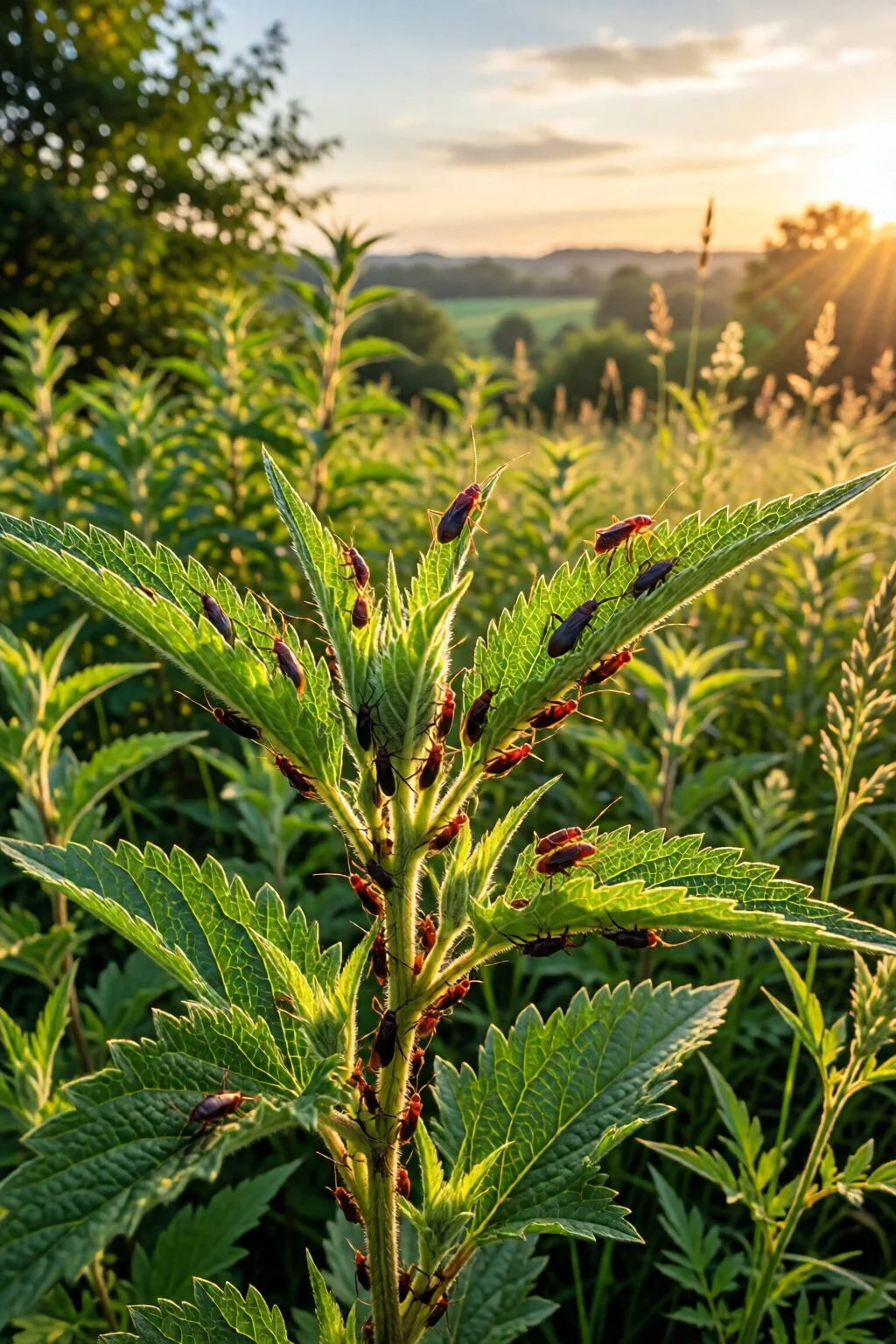
5. Companion Planting – The Strategic Garden Layout
Some plants naturally repel aphids or attract their predators. By interplanting these “guard” species, you create a living barrier.
Top Companion Plants
- Nasturtium – emits a scent aphids dislike; also serves as a trap crop.
- Marigold – releases thiophenes that deter many insects.
- Chives – sulfur compounds repel aphids and attract beneficial insects.
- Alyssum – attracts ladybugs and lacewings.
Implementation
Plant a 12‑inch (≈30 cm) border of nasturtiums around vulnerable vegetables. Mix chives into the soil of tomato cages, and sow marigold seeds along the perimeter of rose beds.
Pros & Cons
- Pros: Low ongoing cost; improves biodiversity; reduces need for sprays.
- Cons: Requires planning and space; some companions (e.g., nasturtium) can become invasive if not managed.
Success Story
After adding a thin ring of marigolds around my cucumber trellis, aphid numbers fell by roughly 60 % and I saw a noticeable increase in ladybug activity.
6. Alcohol (Isopropyl) Spray – The Quick‑Kill Shock
A 70 % isopropyl alcohol solution works as a contact insecticide, dissolving the waxy coating on aphids and causing rapid dehydration.
Mixing Instructions
- 1 part (≈30 ml) 70 % isopropyl alcohol
- 3 parts (≈90 ml) water
- 1 tsp (≈5 ml) mild liquid soap
Apply directly to the aphids using a spray bottle. The solution should be used sparingly and only on isolated infestations, as alcohol can damage delicate foliage if over‑applied.
Pros & Cons
- Pros: Immediate knock‑down; cheap (a 16 oz bottle costs $2.49); no residues.
- Cons: Can scorch leaves; not suitable for large areas; limited residual effect.
Best Use Case
Great for a quick fix on indoor houseplants or a single heavily‑infested branch. I once sprayed a rosemary plant and saw the aphids drop within seconds, but I had to rinse the leaves with water after 10 minutes to prevent leaf burn.
7. Diatomaceous Earth (Food‑Grade) – The Abrasive Barrier
Diatomaceous earth (DE) is a powder made from fossilized diatoms. Its microscopic sharp edges puncture the exoskeletons of soft‑bodied insects like aphids.
Application Method
- Dust a thin layer (≈1 mm) of Harris Diatomaceous Earth (5‑lb bag, $12.95) onto the undersides of leaves.
- Reapply after rain or heavy watering.
- Wear a dust mask while handling DE.
Pros & Cons
- Pros: Non‑toxic to mammals and birds; works in organic gardens; long‑lasting until washed off.
- Cons: Can be messy; less effective in humid climates; may also harm beneficial soft‑bodied insects if over‑applied.
Real‑World Example
After dusting my pepper plants with DE, the aphid colonies thinned out over a week, and I noted no adverse effect on the hoverflies that I love.

Comparison Table – Top Natural Aphid Solutions
| Method | Cost per Application | Speed of Control | Safety for Beneficials | Ease of Use | Rating (out of 5) |
|---|---|---|---|---|---|
| Neem Oil Spray | $0.30 | 5–7 days (systemic) | High (once dried) | Medium (mixing required) | 4.7 |
| Insecticidal Soap | $0.10 | 2–3 days | High (after drying) | Easy (ready‑made) | 4.4 |
| Ladybugs & Lacewings | $13.00 (one‑time) | 24 hours (predation) | Very High | Medium (release) | 4.6 |
| Garlic‑Chili Spray | $0.20 | 3–5 days | High (after drying) | Medium (prep) | 4.3 |
Final Verdict – Pick the Strategy That Fits Your Lifestyle
When it comes to how to get rid of aphids naturally, there is no one‑size‑fits‑all answer. If you prefer a quick, low‑cost fix for a few indoor plants, the alcohol spray or insecticidal soap will do the trick. For larger garden beds where you want lasting protection and pollinator safety, neem oil and companion planting are your best bets. And if you love the idea of a self‑regulating ecosystem, investing in ladybugs or lacewings pays off in reduced pesticide reliance.
My personal go‑to combo is a weekly neem‑oil spray paired with a border of nasturtiums and a seasonal release of ladybugs. This three‑pronged approach has kept my aphid numbers under 5 % for the past five years, while also boosting overall biodiversity. Remember, the key is consistency – aphids reproduce quickly, so regular monitoring and timely action are essential.
Can I use neem oil on edible vegetables?
Yes. Neem oil is approved for organic vegetable production. Apply it at least 24 hours before harvest to avoid any residual taste.
How often should I release ladybugs?
A single 1‑pound release per 100 sq ft in early spring is sufficient. If aphids rebound, a second release in midsummer helps maintain control.
Is diatomaceous earth safe for my pet rabbits?
Food‑grade DE is non‑toxic, but it can irritate the lungs if inhaled. Keep it out of reach of grazing animals and apply it where pets can’t directly ingest it.
Do I need to wash off soap sprays before eating?
Rinse leafy greens with water before consumption. The soap residues are minimal and break down quickly, but a quick rinse ensures no taste remains.
Where can I learn more about attracting beneficial insects?
Check out my article on how to attract hummingbirds to garden – many of the same plants and practices benefit ladybugs, lacewings, and other allies.
2 commentaires sur « How To Get Rid Of Aphids Naturally: Complete Guide for 2026 »