Welcome to your ultimate succulent care guide for indoors! Whether you’re a seasoned green thumb or just starting to explore the world of low‑maintenance plants, this comprehensive article will walk you through everything you need to know to keep your indoor succulents thriving year‑round. From selecting the perfect varieties to mastering watering techniques, lighting, soil mixes, and troubleshooting common problems, we’ve packed expert advice, practical tips, and actionable steps that will transform your indoor garden into a vibrant, resilient oasis.
Why Choose Succulents for Indoor Spaces?
Succulents have surged in popularity across the United States thanks to their striking architectural forms, diverse color palettes, and ability to thrive on minimal care. Their water‑storing leaves and stems make them ideal for busy households, office desks, and apartments where space and time are limited. Beyond aesthetics, many succulents are natural air purifiers, helping to improve indoor air quality—a perfect complement to other indoor plant recommendations like best air purifying indoor plants. Their resilience also means they can tolerate occasional neglect, making them forgiving companions for beginners and seasoned gardeners alike.
Choosing the Right Succulents for Your Home
Popular Varieties and Their Unique Traits
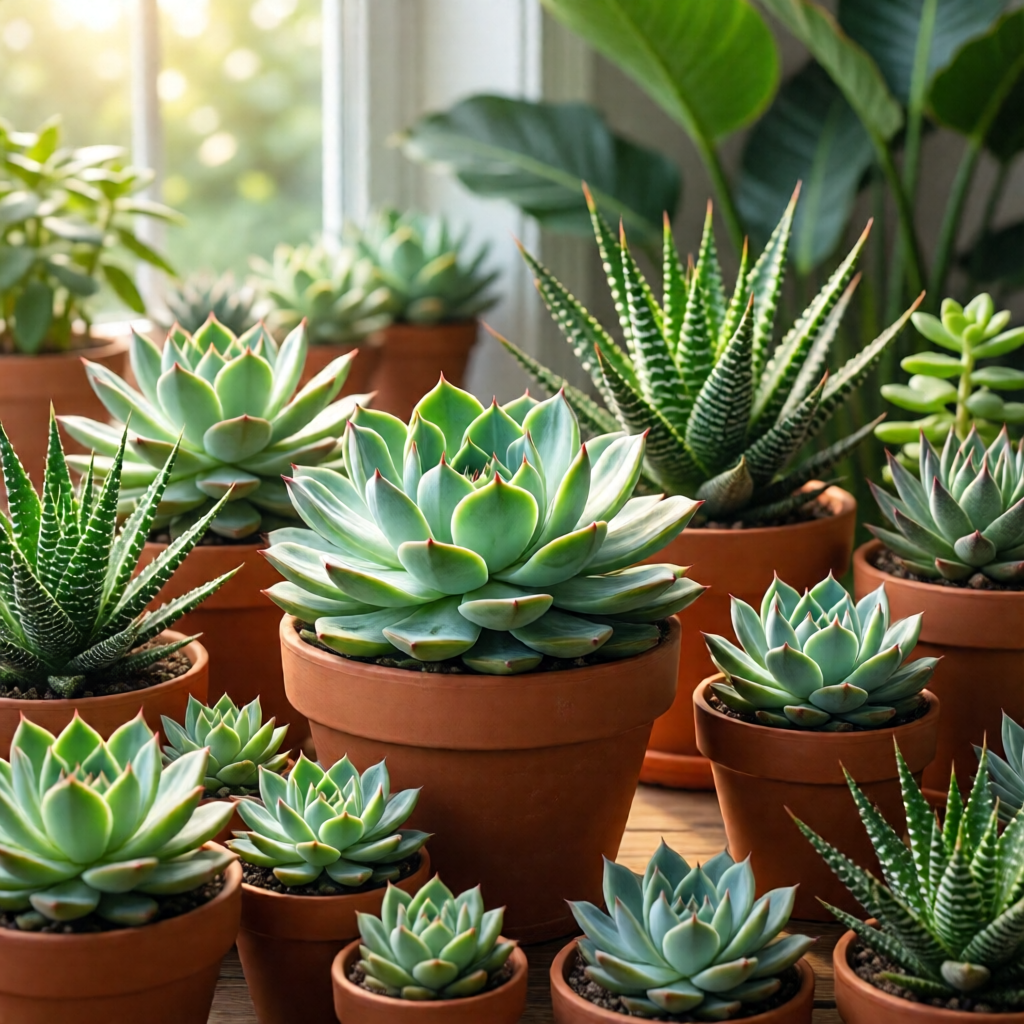
When selecting succulents, consider both aesthetic appeal and environmental needs. Here are a few crowd‑pleasers:
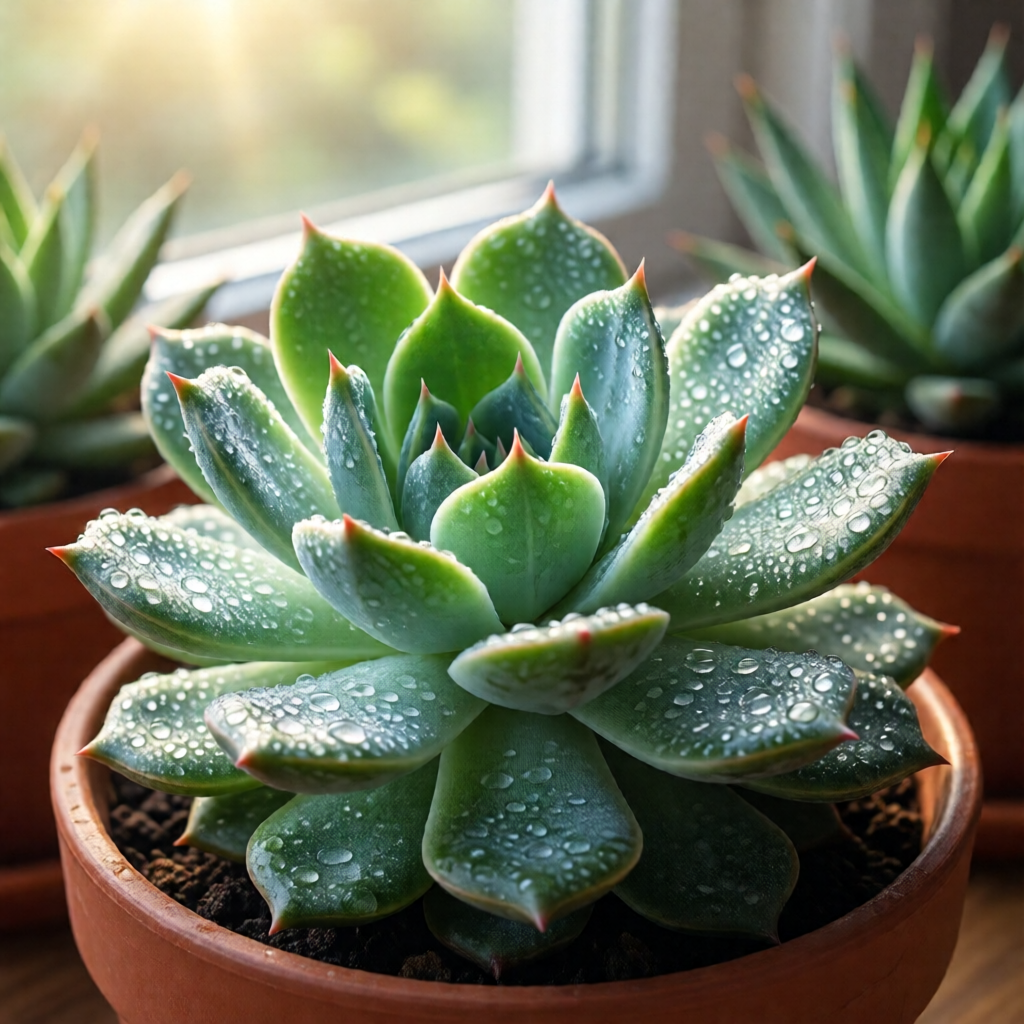
- Echeveria – Rosette‑shaped, available in pastel pinks, blues, and greens. Perfect for shallow dishes.
- Sempervivum (Hens and Chicks) – Hardy, cold‑tolerant rosettes that produce “chicks” for easy propagation.
- Jade Plant (Crassula ovata) – Tree‑like succulent with thick, glossy leaves; ideal for larger pots.
- Aloe vera – Medicinal benefits and striking, fleshy leaves; loves bright light.
- String of Pearls (Senecio rowleyanus) – Cascading stems with bead‑like leaves; thrives in hanging baskets.
Match the plant’s natural habitat to the conditions you can provide. For example, desert‑derived species such as Agave and Yucca demand intense light, while forest‑origin succulents like Gasteria can tolerate lower light levels.
Assessing Your Space and Light Availability
Before buying, evaluate the amount of natural light your indoor area receives. Succulents generally need 4–6 hours of direct sunlight daily. If your home has south‑ or west‑facing windows, you have a prime location. East‑facing windows provide gentler morning light, still sufficient for many varieties. For spaces with limited natural light, consider supplemental grow lights designed for succulents, which emit the full spectrum needed for healthy growth.
Light Requirements: The Key to Robust Growth
Light is the most critical factor in succulent health. Insufficient light leads to etiolation—a stretched, pale appearance where the plant “reaches” for more light. Overexposure, especially in scorching summer afternoons, can cause leaf burn, evident as brown, crispy edges.
Optimizing Light Placement
Place succulents within 12–18 inches of a bright window. Rotate pots every week to ensure even exposure on all sides, preventing a lopsided growth habit. For offices with limited windows, a 12‑hour timer on a full‑spectrum LED grow light placed 12–18 inches above the plant can replicate natural sunlight.
Seasonal Light Adjustments
As the days shorten in fall and winter, move succulents closer to the window or increase artificial light duration. Conversely, during peak summer, provide afternoon shade with sheer curtains to avoid scorching, especially for light‑sensitive varieties like Echeveria.
Watering Techniques: Getting the Balance Right
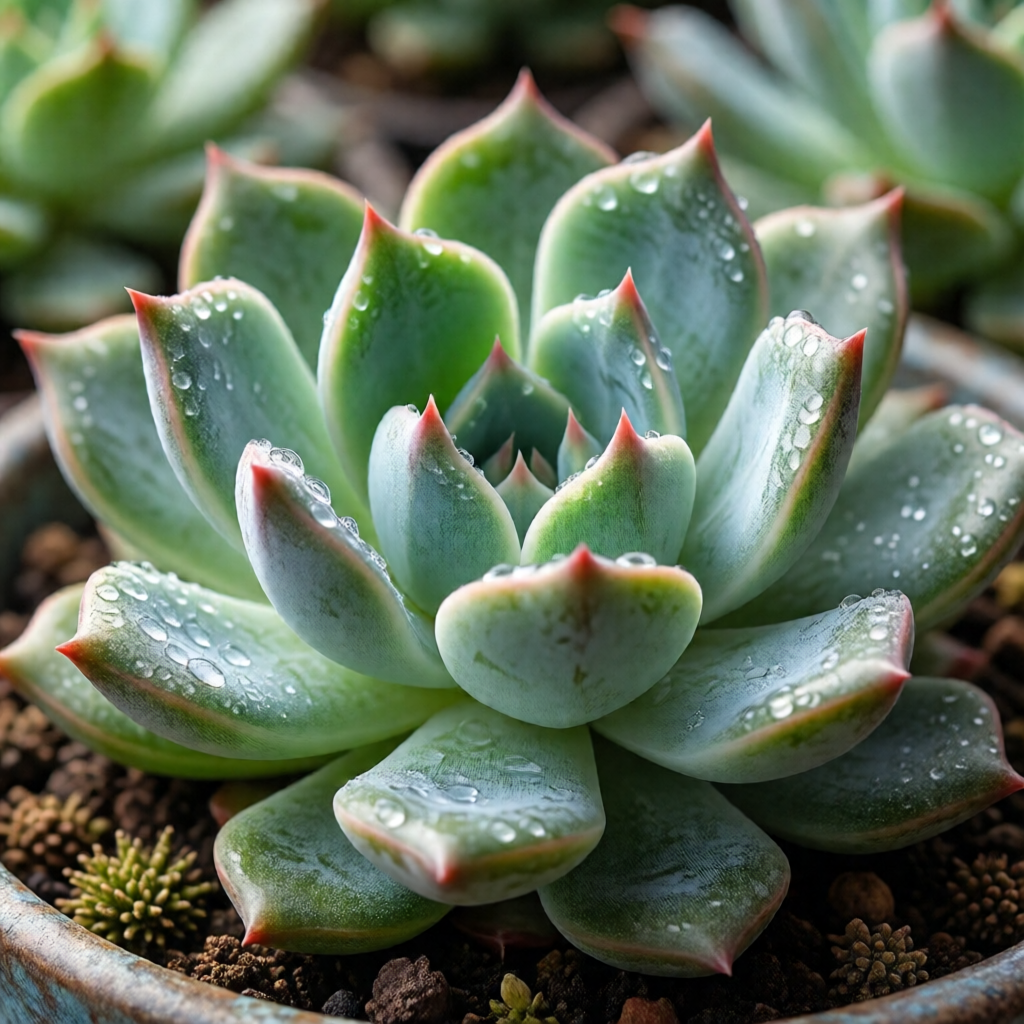
Over‑watering is the most common mistake made by indoor succulent growers. Because succulents store water in their leaves, they can go weeks without a drink. The rule of thumb is “when the soil is dry, water deeply.”
Understanding the Soil Moisture Test
Insert a wooden skewer or your finger 1–2 inches into the soil. If it feels dry, it’s time to water. If it’s still moist, wait another day or two. For larger pots, lift the pot; a lighter weight indicates dry soil.
Watering Methods
- Bottom‑watering – Place the pot in a shallow tray of water for 5–10 minutes. This allows the soil to absorb moisture evenly, reducing the risk of water sitting on the leaves.
- Top‑watering – Water slowly until excess water drains from the bottom hole. Ensure the pot has drainage holes to prevent root rot.
- Soak and dry – During the growing season (spring and summer), give a thorough soak followed by a dry period of 7–10 days, depending on humidity and temperature.
Seasonal Watering Adjustments
Reduce watering frequency in fall and winter when growth slows. Many succulents enter a semi‑dormant state and can survive months with minimal water. However, keep an eye on indoor heating; dry indoor air can cause the soil to dry faster than expected.
Common Watering Mistakes
Avoid watering the leaves directly, as this can promote fungal infections. Also, never let the pot sit in standing water; always empty the saucer after watering.
Soil and Potting: Foundations for Healthy Succulents
The right soil mix provides drainage, aeration, and the right nutrient balance. Regular potting soil retains too much moisture, leading to root rot.
Ideal Soil Composition
Create a well‑draining mix using the following ratio:
- 50% coarse sand or perlite
- 25% potting soil (preferably peat‑free)
- 25% organic matter such as coconut coir or composted bark
For a ready‑made solution, look for commercial succulent or cactus mixes that already contain these components.
Selecting the Right Pot
Choose containers with drainage holes. Terracotta pots are excellent because they are porous, allowing excess moisture to evaporate. If you prefer decorative ceramic pots, drill drainage holes or place a plastic liner with holes at the bottom.
Repotting Frequency
Most succulents benefit from repotting every 2–3 years. This refreshes the soil, prevents compacting, and gives you a chance to divide clumps for propagation. Repot during spring when growth resumes, using fresh soil mix and a pot slightly larger than the root ball.
Temperature, Humidity, and Air Circulation
Succulents thrive in temperatures between 60°F and 80°F (15°C–27°C). They tolerate brief temperature drops, but prolonged exposure to below‑freezing temperatures can damage foliage.
Managing Indoor Climate
During winter, keep succulents away from drafty windows and heating vents. If indoor humidity is high (above 60%), increase air circulation with a small fan set on low. Good airflow helps prevent fungal diseases and encourages the plant’s natural transpiration.
Seasonal Temperature Adjustments
In summer, protect succulents from extreme heat by providing afternoon shade or moving them a few feet away from direct sun if temperatures exceed 90°F (32°C). In winter, if you notice leaves turning translucent or soft, it may indicate cold damage—move the plant to a warmer spot.
Fertilizing: Feeding Your Indoor Succulents
Succulents are adapted to nutrient‑poor soils, so they require only occasional feeding. Over‑fertilizing can cause leggy growth and make plants more susceptible to pests.
When and How to Fertilize
Apply a balanced, water‑soluble fertilizer (e.g., 10‑10‑10) diluted to half strength during the active growing season (spring through early fall). Feed once every 4–6 weeks. Skip fertilizing in fall and winter when growth slows.
Organic Alternatives
For a natural approach, use a diluted liquid seaweed extract or a compost tea. These provide micronutrients without the risk of chemical burn.
Common Pests and Problems
Even hardy succulents can fall prey to pests and diseases, especially when care practices are off‑balance.
Scale Insects
Scale appear as tiny, brown, shell‑like bumps on stems and leaves. Treat infestations by gently scraping them off with a soft brush, then applying neem oil or a horticultural oil spray.
Mealybugs
These fluffy white insects congregate in leaf rosettes. Isolate the plant, wipe the insects with a cotton swab dipped in rubbing alcohol, and repeat weekly until gone.
Root Rot
Over‑watering is the primary cause. Look for mushy, blackened roots. If caught early, repot the plant in fresh, well‑draining soil and reduce watering frequency.
Sunburn
Leaf edges turning brown and crispy indicate too much direct sun. Move the plant to a spot with filtered light or provide a sheer curtain.
Etiolation
Leggy, stretched growth signals insufficient light. Rotate the plant regularly and increase light exposure as described earlier.
Propagation: Expanding Your Succulent Collection
One of the most rewarding aspects of succulent care is propagation. Most varieties multiply easily through leaf, stem, or offset division.
Leaf Propagation
- Choose a healthy, plump leaf and gently twist it off the stem.
- Allow the leaf to callous for 1–3 days in a dry, shaded area.
- Place the calloused end on top of a well‑draining soil mix.
- Keep the soil lightly moist (mist occasionally) and provide bright, indirect light.
- Roots and a new rosette will emerge in 2–4 weeks.
Stem Cutting Propagation
Cut a healthy stem segment (2–4 inches), let the cut end callous, then plant in soil as you would a leaf. This method works well for trailing varieties like String of Pearls and Sedum.
Offset Division
Many rosette succulents produce offsets (baby plants) around the base. Gently separate them with a clean knife, let the cuts callous, and pot each offset individually.
Propagation Tips
- Never water a newly propagated leaf until roots develop.
- Maintain high light but avoid direct midday sun to prevent scorching.
- Use a shallow tray to catch any falling leaves, which can also root.
Creative Display Ideas for Indoor Succulents
Succulents lend themselves to artistic arrangements that complement any décor. Consider these ideas:
- Terrarium Gardens – Create a glass terrarium with sand, pebbles, and a mix of small succulents for a miniature desert scene.
- Vertical Wall Planters – Use pocket planters or a living wall system to showcase a cascading display of trailing varieties.
- Geometric Concrete Planters – Pair modern concrete pots with sharp‑lined succulents like Aeonium for a contemporary vibe.
- Mixed‑Media Centerpieces – Combine succulents with decorative stones, driftwood, and candles for a stylish tabletop arrangement.
- Outdoor‑Indoor Transition – Place succulents on a gravel patio ideas on a budget that doubles as a patio garden in summer and an indoor display during colder months.
Seasonal Care Checklist
Spring (Growth Phase)
- Repot any succulents that have outgrown their containers.
- Increase watering frequency as temperatures rise.
- Begin fertilizing with a diluted balanced fertilizer.
- Start propagation projects.
Summer (Peak Light)
- Provide afternoon shade if sunlight is intense.
- Check soil moisture more frequently due to higher evaporation.
- Monitor for sunburn and pests.
Fall (Transition)
- Gradually reduce watering.
- Stop fertilizing after the first frost.
- Move plants away from drafty windows.
Winter (Dormancy)
- Water sparingly—only when soil is completely dry.
- Use supplemental grow lights if natural light is limited.
- Maintain temperature above 50°F (10°C) to avoid cold damage.
Integrating Succulents with Other Indoor Plants
Succulents pair beautifully with other houseplants that have complementary care needs. For instance, combine them with peace lily care tips and problems for a mixed‑plant display that offers both visual contrast and varied humidity preferences. While succulents thrive in dry air, peace lilies enjoy higher humidity—placing them in the same room but on opposite sides of a window can create a balanced micro‑environment.
Conclusion: Your Path to Succulent Success
Indoor succulents are more than just decorative accents; they are resilient, low‑maintenance companions that can enhance your living space, improve air quality, and provide endless opportunities for creativity. By mastering light, watering, soil, temperature, and pest management, you’ll enjoy thriving succulents for years to come. Remember to observe your plants regularly, adjust care with the seasons, and don’t be afraid to experiment with new varieties and display ideas. Happy growing!
How often should I water indoor succulents?
Water only when the soil is completely dry, typically every 1–2 weeks in summer and every 3–4 weeks in winter. Use the “soak and dry” method and always ensure proper drainage.
What type of soil is best for indoor succulents?
A well‑draining mix consisting of 50% coarse sand or perlite, 25% potting soil, and 25% organic material like coconut coir works best. Commercial cactus/succulent mixes are also suitable.
Can succulents survive in low‑light conditions?
Most succulents need bright, indirect light. In low‑light areas, use a full‑spectrum LED grow light for 12–14 hours daily, or choose low‑light tolerant varieties like Gasteria.
How do I propagate succulents from leaf cuttings?
Remove a healthy leaf, let it callous for 1–3 days, then place the calloused end on top of a dry, well‑draining soil mix. Keep the soil lightly moist and provide bright, indirect light. Roots and a new rosette will appear in a few weeks.
What are common pests that affect indoor succulents and how can I treat them?
Scale insects, mealybugs, and spider mites are common. Treat by gently removing insects with a brush, wiping with alcohol‑dipped cotton, and applying neem or horticultural oil sprays. Ensure good air circulation to prevent future infestations.
3 réflexions au sujet de “Succulent Care Guide For Indoors – Expert Guide and Ideas”