Did you know that a sunny garden can increase a shrub’s bloom production by up to 40% compared with a partially shaded spot? That’s why picking the best flowering shrubs for full sun can transform a barren patch into a fireworks display of color, scent, and texture.
In This Article
- 1. Crape Myrtle (Lagerstroemia indica) – “Natchez”
- 2. Rose (Rosa) – “Iceberg” (David Austin)
- 3. Butterfly Bush (Buddleia davidii) – “Black Knight”
- 4. Spirea (Spiraea japonica) – “Goldmound”
- 5. Lavender (Lavandula angustifolia) – “Hidcote”
- 6. Summer Sweet (Clethra alnifolia) – “Ruby Spice”
- 7. Japanese Pieris (Pieris japonica) – “Forest Flame”
- 8. Texas Sage (Leucophyllum frutescens) – “Compacta”
- 9. Mock Orange (Philadelphus coronarius) – “Aureus”
- 10. Red Hot Poker (Kniphofia uvaria) – “Flamenco”
- Comparison Table: Top Picks for Full‑Sun Gardens
- How to Plant and Care for Sun‑Loving Shrubs
- Design Ideas: Pairing Shrubs with Other Sun‑Loving Plants
- Final Verdict
Full‑sun shrubs thrive when they receive at least six hours of direct light daily. They need hardy varieties that can handle intense heat, occasional drought, and the occasional summer thunderstorm. In my 12‑year career landscaping suburban backyards and commercial courtyards, I’ve learned that the right choices not only deliver spectacular blooms but also stay low‑maintenance for busy homeowners.
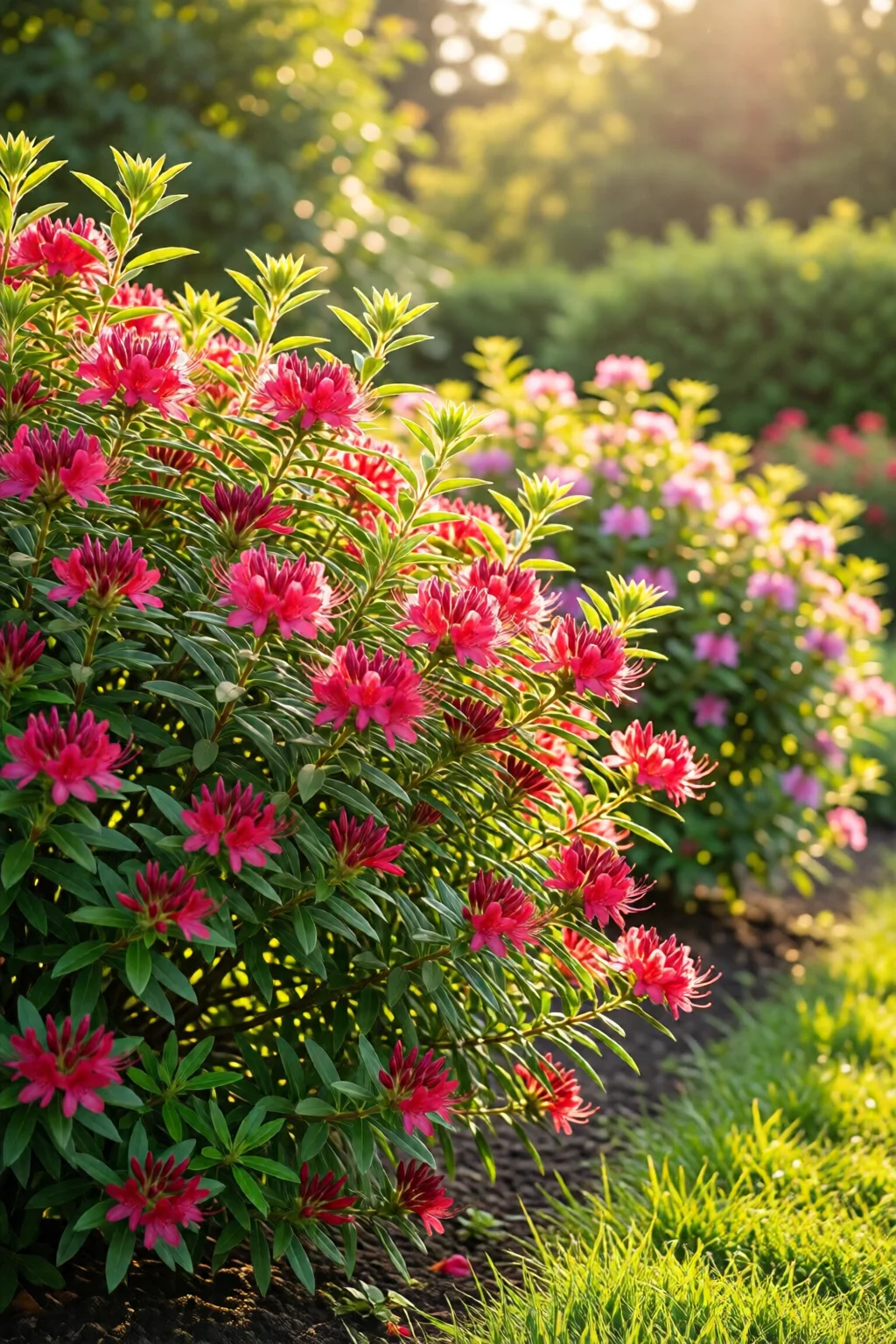
1. Crape Myrtle (Lagerstroemia indica) – “Natchez”
The “Natchez” crape myrtle is a show‑stopper with creamy‑white blooms that appear from late June through early September. It reaches 12‑15 ft tall and spreads 8‑10 ft wide, making it perfect for a focal point behind a patio.
- Pros: Heat‑tolerant, drought‑resistant once established, exfoliating bark adds winter interest.
- Cons: Pruning is essential to avoid a “bushy” look; can be susceptible to powdery mildew in humid zones.
- Rating: 4.7/5
Typical price: $25–$30 per 5‑gal container (e.g., Monrovia “Natchez”). Plant in well‑drained soil, water weekly for the first month, then reduce to bi‑weekly.
2. Rose (Rosa) – “Iceberg” (David Austin)
“Iceberg” is a classic hybrid tea rose known for its profuse, ivory‑white flowers that bloom continuously from spring to frost. A single plant reaches 3‑4 ft high and 3‑ft wide.
- Pros: Repeats bloom, disease‑resistant (especially to black spot), strong fragrance.
- Cons: Requires annual deadheading and a winter mulch in zones 5‑7.
- Rating: 4.5/5
Typical price: $22 per 2‑gal pot. Plant in loamy soil amended with 2 lb of compost per 10 sq ft. Expect a water need of 1 in per week during peak summer.
3. Butterfly Bush (Buddleia davidii) – “Black Knight”
“Black Knight” produces deep‑purple, fragrant spikes that attract butterflies and hummingbirds. It grows 8‑10 ft tall and 6‑8 ft wide.
- Pros: Extremely drought‑tolerant, attracts pollinators, long bloom period (July‑October).
- Cons: Considered invasive in some states; prune hard in early spring to control size.
- Rating: 4.3/5
Typical price: $18 for a 4‑gal container (Hardy brand). Plant in sandy loam; water deeply once a month after establishment.
4. Spirea (Spiraea japonica) – “Goldmound”
“Goldmound” is a compact, deciduous shrub with pink‑white flower clusters that appear in early summer. Height 2‑3 ft, spread 3‑4 ft, making it ideal for borders or container planting.
- Pros: Low‑maintenance, tolerates poor soil, excellent for small gardens.
- Cons: Blooms for a relatively short window (2‑3 weeks).
- Rating: 4.6/5
Typical price: $12 per 1‑gal pot (Spring Hill Nurseries). No fertilization needed beyond a spring balanced fertilizer (10‑10‑10).
5. Lavender (Lavandula angustifolia) – “Hidcote”
“Hidcote” lavender offers silvery foliage and deep violet spikes that bloom from late spring to early summer. Mature size: 2‑3 ft tall, 2‑3 ft wide.
- Pros: Drought‑tolerant, aromatic, great for herb gardens and cut‑flower arrangements.
- Cons: Needs well‑drained, alkaline soil (pH 7‑8); overwatering leads to root rot.
- Rating: 4.8/5
Typical price: $15 per 2‑gal pot (Burpee). Plant in gritty soil mixed with sand at a 2:1 ratio. Water only until established, then rely on rainfall.
6. Summer Sweet (Clethra alnifolia) – “Ruby Spice”
“Ruby Spice” produces fragrant, pinkish‑white flower spikes in midsummer, attracting bees and butterflies. Height 5‑7 ft, spread 4‑6 ft.
- Pros: Tolerates wet soils, excellent for rain gardens, long bloom period (June‑August).
- Cons: Requires space; can become leggy if not pruned.
- Rating: 4.4/5
Typical price: $28 for a 5‑gal container (Nature’s Way). Plant in moist, acidic soil; mulch annually with 2 in of pine bark.
7. Japanese Pieris (Pieris japonica) – “Forest Flame”
“Forest Flame” offers bright red new growth in spring, followed by creamy-white urn‑shaped flowers in late spring. Mature size: 6‑8 ft tall, 6‑8 ft wide.
- Pros: Evergreen foliage provides year‑round interest, tolerates shade but thrives in full sun.
- Cons: Sensitive to alkaline soils; prefers pH 5.5‑6.5.
- Rating: 4.5/5
Typical price: $35 per 4‑gal pot (Evergreen Nursery). Amend soil with peat moss and pine needles before planting.
8. Texas Sage (Leucophyllum frutescens) – “Compacta”
“Compacta” is a low‑maintenance shrub with silvery foliage and purple‑lavender blooms that appear after rain events. Height 3‑4 ft, spread 4‑5 ft.
- Pros: Extreme drought tolerance, thrives in hot climates (zones 8‑11), low‑maintenance.
- Cons: Limited to warmer zones; may suffer winter dieback in colder areas.
- Rating: 4.7/5
Typical price: $22 per 3‑gal pot (Sunset). Plant in gritty, well‑drained soil; water only during the first two weeks after planting.
9. Mock Orange (Philadelphus coronarius) – “Aureus”
“Aureus” showcases fragrant white flowers in late spring, and glossy green leaves that turn golden in autumn. Mature height 6‑8 ft, spread 5‑7 ft.
- Pros: Strong fragrance, tolerates a wide range of soils, excellent hedge material.
- Cons: Can be prone to leaf spot in humid regions; requires annual pruning for shape.
- Rating: 4.6/5
Typical price: $30 for a 5‑gal container (Prairie Nursery). Plant in loamy soil with a 1‑in layer of mulch to retain moisture.
10. Red Hot Poker (Kniphofia uvaria) – “Flamenco”
“Flamenco” produces striking, torch‑like spikes of orange‑red flowers from early summer to early fall. Height 3‑4 ft, spread 2‑3 ft.
- Pros: Drought‑tolerant, excellent for modern xeriscape designs, attracts hummingbirds.
- Cons: Needs full sun; can become leggy if not divided every 4‑5 years.
- Rating: 4.5/5
Typical price: $19 per 2‑gal pot (Gardener’s Supply Company). Plant in sandy or loamy soil, water deeply once a month after establishment.
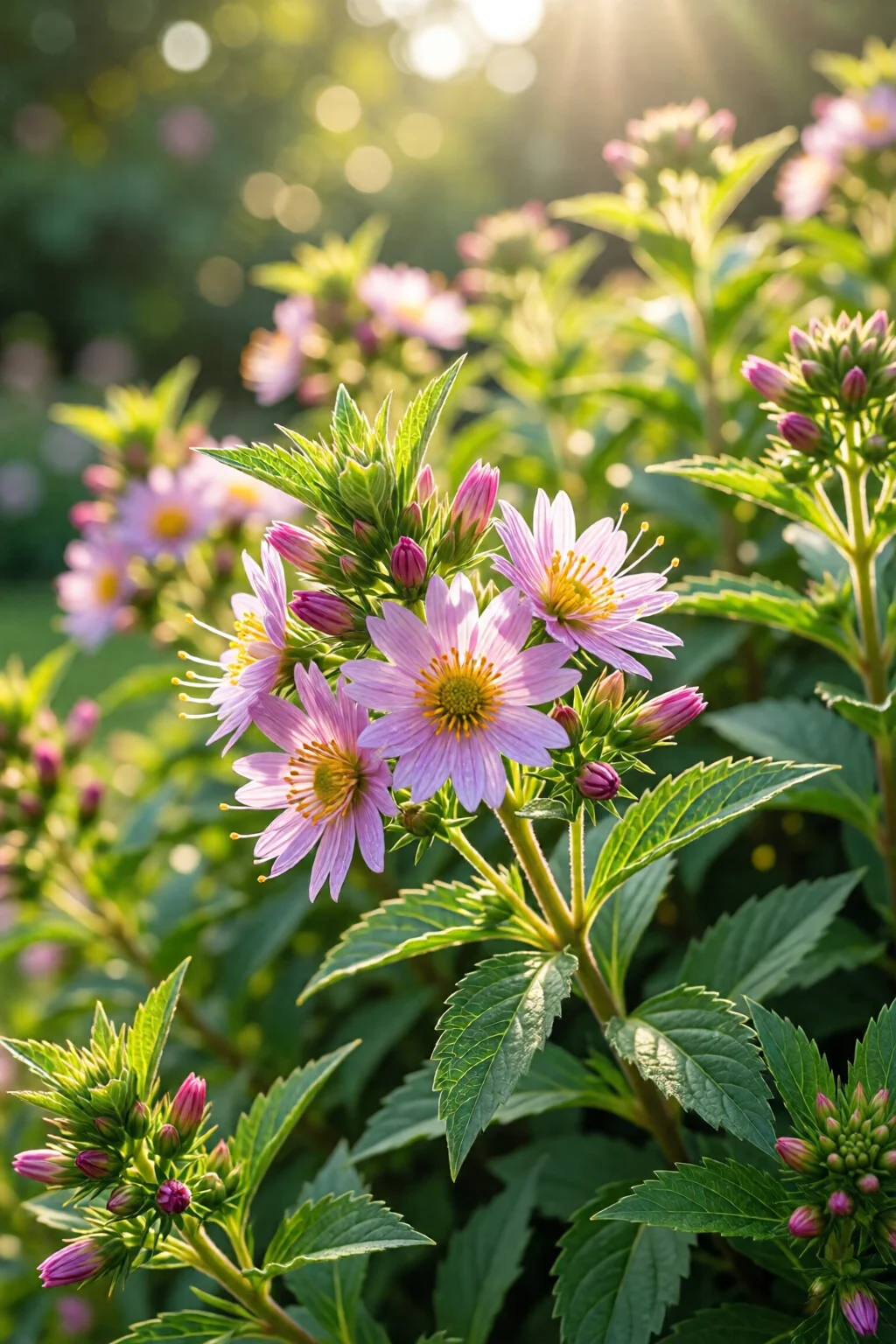
Comparison Table: Top Picks for Full‑Sun Gardens
| Shrub | Height (ft) | Bloom Time | Sun Requirement | Average Price (USD) |
|---|---|---|---|---|
| Crape Myrtle “Natchez” | 12‑15 | Jun‑Sep | Full Sun | 30 (5‑gal) |
| Rose “Iceberg” | 3‑4 | May‑Oct | Full Sun | 22 (2‑gal) |
| Butterfly Bush “Black Knight” | 8‑10 | Jul‑Oct | Full Sun | 18 (4‑gal) |
| Lavender “Hidcote” | 2‑3 | May‑Jun | Full Sun | 15 (2‑gal) |
| Texas Sage “Compacta” | 3‑4 | After Rain | Full Sun | 22 (3‑gal) |
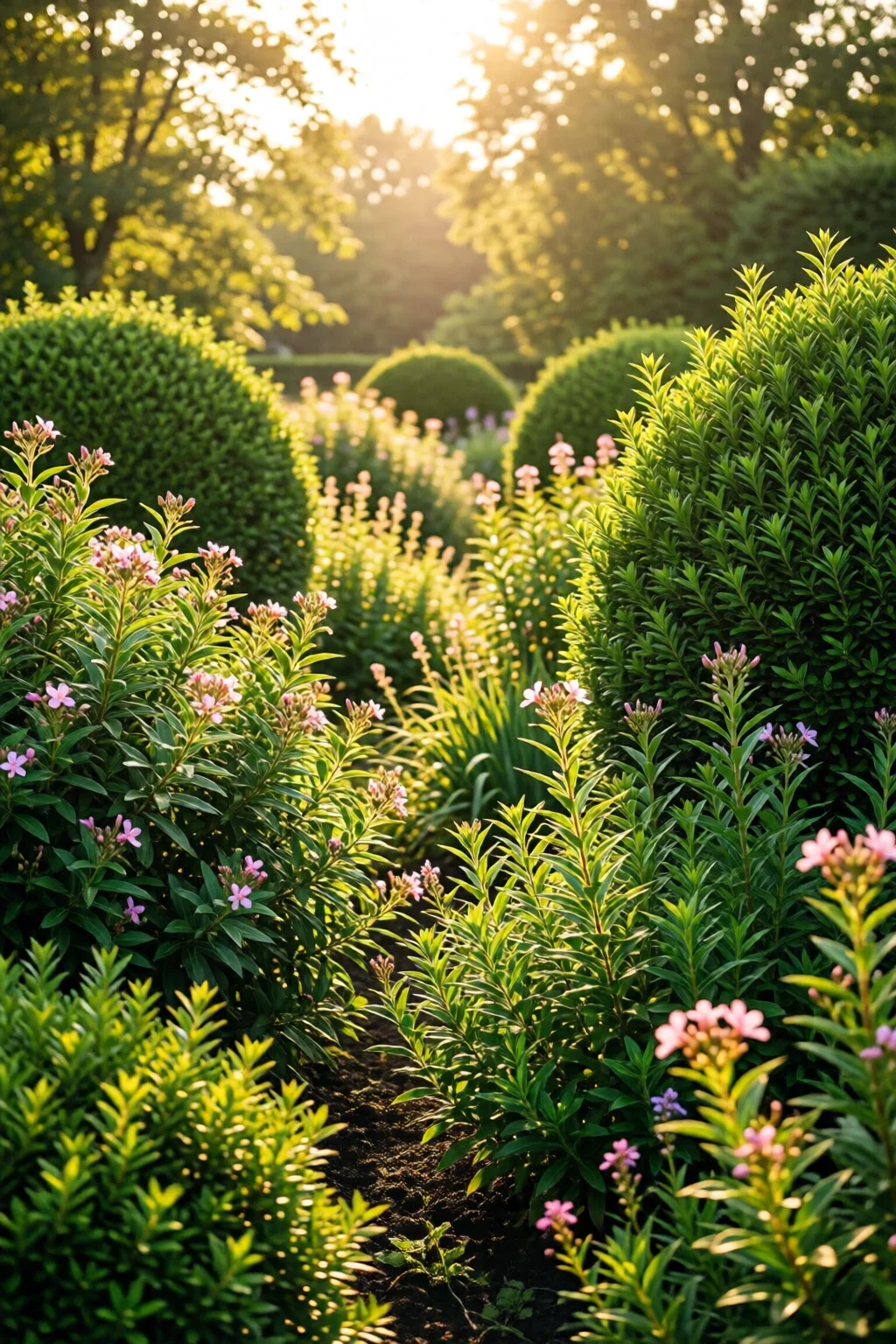
How to Plant and Care for Sun‑Loving Shrubs
When you’re ready to install any of the shrubs above, follow these steps for optimal success:
- Site Selection: Choose a location with at least 6 hours of direct sunlight. Use a sunlight meter or simply track the sun’s path over a day.
- Soil Preparation: Amend heavy clay with coarse sand (1 part sand to 2 parts soil). For alkaline‑loving shrubs like lavender, incorporate garden lime to raise pH.
- Planting Depth: Dig a hole twice as wide as the root ball but no deeper than the container’s rim. Backfill with native soil mixed with compost (2 lb per 10 sq ft).
- Watering Schedule: Water deeply (1‑in) after planting, then weekly for the first 30 days. After establishment, reduce to bi‑weekly, adjusting for rainfall.
- Mulching: Apply a 2‑in layer of shredded bark or pine needles to retain moisture and suppress weeds.
- Fertilizing: Use a slow‑release 10‑10‑10 granule in early spring; avoid high‑nitrogen fertilizers that encourage foliage over blooms.
- Pruning: Most full‑sun shrubs benefit from a hard prune in late winter (Jan‑Feb) to promote vigorous new growth.
For a deeper dive into soil amendments, see my guide on when and how to fertilize lawn. If you’re pairing shrubs with a shady corner, my hostas care guide for shade gardens offers complementary options.
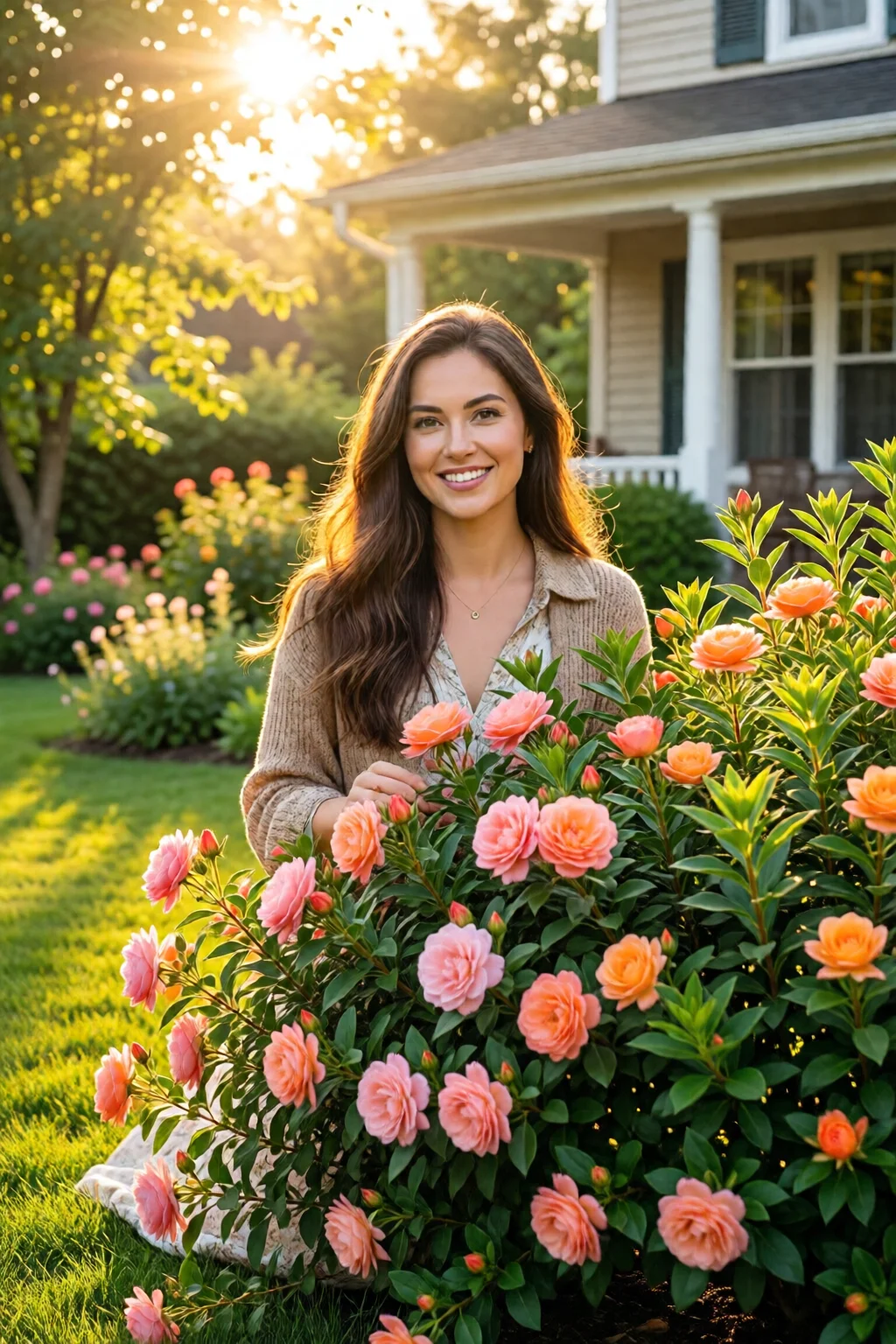
Design Ideas: Pairing Shrubs with Other Sun‑Loving Plants
Mixing shrubs with perennials, grasses, and ornamental trees creates texture and continuous color. Here are three quick concepts:
- Pollinator Parade: Plant “Black Knight” butterfly bush alongside how to grow sunflowers from seed and coneflowers. The varied heights (2‑ft to 10‑ft) form a layered feeding zone.
- Modern Xeriscape: Combine “Compacta” Texas sage with ornamental grasses like Blue Fescue and stone mulch. This low‑water design thrives in hot, dry zones.
- Romantic Border: Pair “Iceberg” roses with “Goldmound” spirea and lavender. The scent profile shifts from sweet rose to herbaceous lavender as you walk the path.
For smaller backyards, a pergola ideas for small backyard can frame a shrub like “Natchez” crape myrtle, turning the plant into a living backdrop.
Final Verdict
Choosing the best flowering shrubs for full sun hinges on your climate zone, garden size, and maintenance preferences. If you crave a dramatic, long‑blooming display, go with crape myrtle or butterfly bush. For fragrance and year‑round structure, roses and mock orange top the list. Drought‑prone regions will thank you for planting Texas sage or lavender.
My personal favorite is the “Natchez” crape myrtle—its peeling bark adds winter drama, and the summer white clouds of flowers are pure sunshine in a pot. Pair it with a low‑maintenance lavender border, and you have a garden that looks polished without constant pruning.
Whichever you choose, give the shrubs a solid start with proper soil, mulch, and a sensible watering plan, and they’ll reward you with years of brilliant color.
Which full‑sun shrub is best for a small patio?
For limited space, “Goldmound” spirea or “Hidcote” lavender are ideal. Both stay under 3 ft tall, bloom profusely, and need minimal watering once established.
How often should I prune a crape myrtle?
Prune in late winter (January‑February) before new growth begins. Remove 1/3 of the oldest stems to promote fresh, vigorous shoots and improve air circulation.
Can I plant full‑sun shrubs in alkaline soil?
Yes, but choose tolerant varieties like crape myrtle, lavender, and Texas sage. For less tolerant shrubs, amend the soil with elemental sulfur to lower pH to 6‑7.
Do any of these shrubs attract pollinators?
Butterfly bush, lavender, and mock orange are excellent pollinator magnets. Their long bloom periods provide food for bees, butterflies, and hummingbirds throughout summer.
What is the recommended spacing for planting multiple shrubs?
Space shrubs at least half their mature width apart. For example, give crape myrtle (10‑ft spread) about 5 ft between plants, while lavender (3‑ft spread) needs only 1.5 ft.