Did you know that indoor cactus sales have surged by 27 percent in the last five years, outpacing most other houseplants? That spike isn’t just a fad—it reflects a growing appetite for low‑maintenance, sculptural greenery that thrives on a windowsill. In this guide you’ll master indoor cactus varieties and care, walk away with a ready‑to‑go checklist, and learn how to keep your spiny companions thriving for years.
In This Article
- What You Will Need (Before You Start)
- Step 1: Choose the Right Indoor Cactus Varieties
- Step 2: Prepare the Potting Mix
- Step 3: Planting and Positioning
- Step 4: Watering Schedule
- Step 5: Light, Temperature, and Humidity
- Step 6: Feeding and Fertilizing
- Common Mistakes to Avoid
- Troubleshooting and Tips for Best Results
- Summary
- FAQ
What You Will Need (Before You Start)
- Selection of indoor‑friendly cactus species (see Step 1)
- Well‑draining potting mix – e.g., Miracle‑Gro Cactus Potting Mix, 4 qt, $8.99
- Containers with drainage holes – 4‑inch terracotta pot, $12 each, or a sleek 6‑inch glazed ceramic pot, $18
- Gravel or coarse sand (1 qt, $4)
- Watering can with a narrow spout, $15
- Measuring cup (250 ml)
- Moisture meter (optional), $10–$20
- Grow‑light fixture (if natural light is insufficient), 12‑watt LED, $30
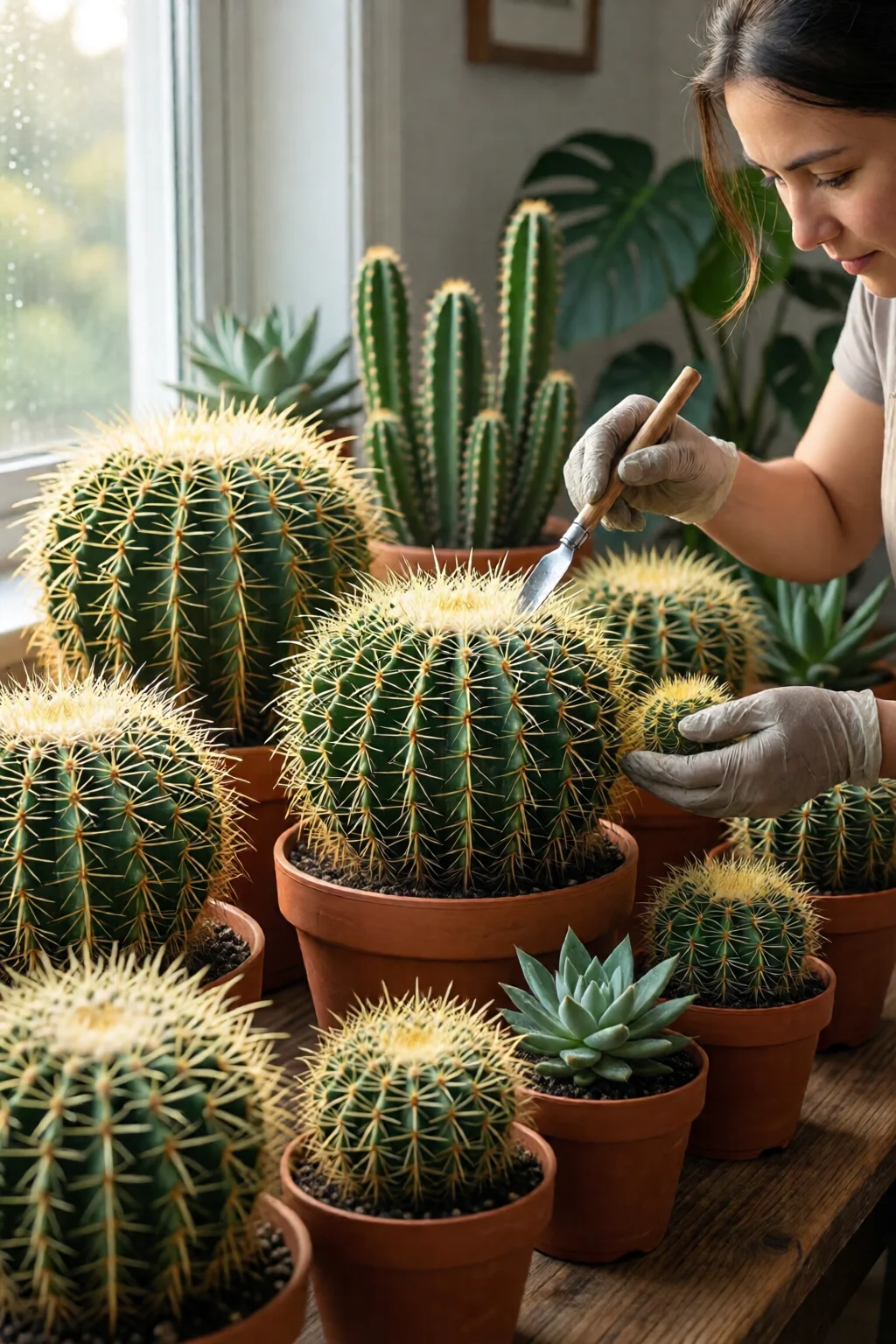
- Protective gloves for handling spines, $5
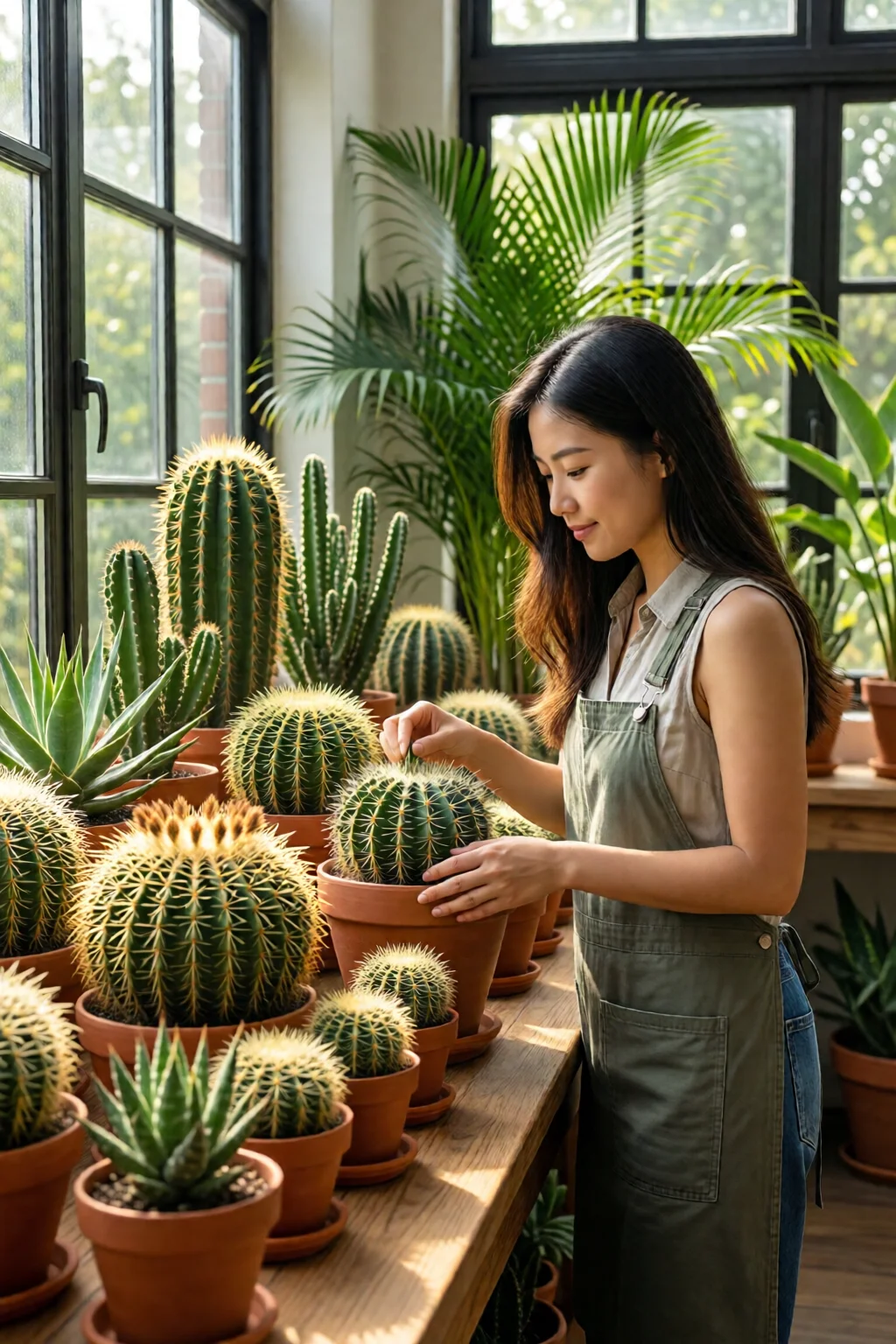
Step 1: Choose the Right Indoor Cactus Varieties
Not every desert cactus tolerates low light or the occasional draft of an air‑conditioned room. Here are five proven performers, complete with price points and care quirks:
- Easter Cactus (Hatiora gaertneri) – $15 per 6‑inch pot. Thrives in bright, indirect light and tolerates occasional watering in winter.
- Moon Cactus (Gymnocalycium sp. × Hylocereus sp.) – $20 for a grafted pair. Its colorful top layer loves bright, direct sun for 6‑8 hours daily.
- Golden Barrel (Echinocactus grusonii) – $12 for a 4‑inch specimen. Needs full sun and a wide pot to accommodate its expanding ribbed body.
- Old Lady Cactus (Mammillaria sp.) – $10 per plant. Handles lower light but prefers a dry winter rest.
- Rhipsalis (Mistletoe Cactus) – $14 for a trailing 8‑inch pot. Unlike its desert cousins, it enjoys higher humidity and indirect light.
Choosing a mix of upright, trailing, and globular forms adds visual interest and lets you experiment with different light zones in your home.
Step 2: Prepare the Potting Mix
Good drainage is the lifeline of any cactus. Combine Miracle‑Gro Cactus Potting Mix with an equal part of coarse sand and a half‑part of perlite. For a 5‑gal batch, the math looks like this:
- 2 qt Miracle‑Gro mix
- 2 qt coarse sand
- 1 qt perlite
Stir thoroughly, then moisten lightly—just enough to hold together when squeezed. Over‑wetting at this stage sets the stage for root rot later.
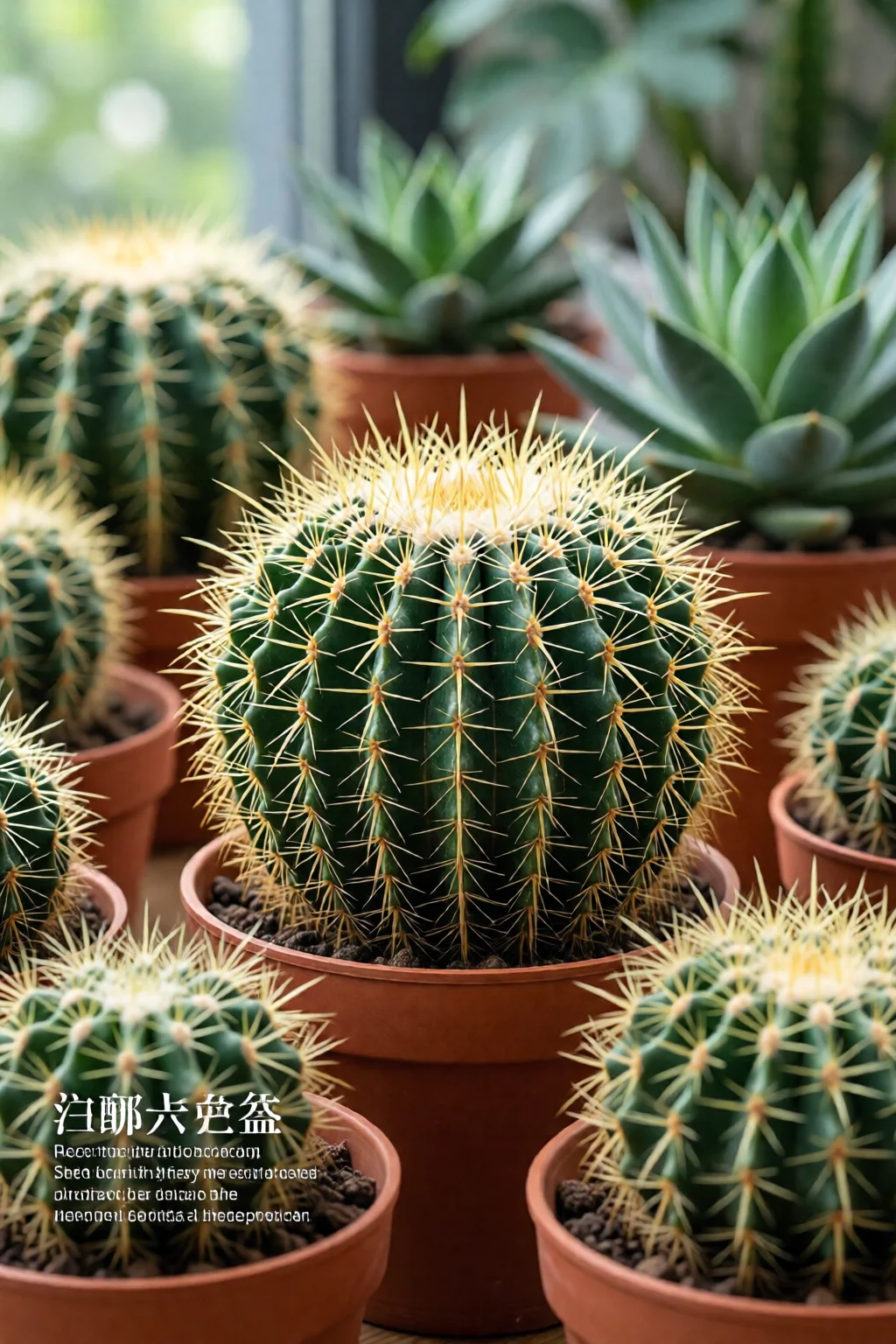
Step 3: Planting and Positioning
- Place a ½‑inch layer of gravel at the bottom of the pot to improve drainage.
- Fill the pot three‑quarters full with the prepared mix.
- Gently loosen the cactus roots, position the plant, and backfill with mix, tamping lightly to eliminate air pockets.
- Leave a ½‑inch margin from the rim to prevent water spillage.
Position the pot where it receives the recommended light: 6–8 hours of bright, direct sun for sun‑loving species, or bright, indirect light for shade‑tolerant varieties like the Old Lady Cactus. If your windowsill is south‑facing, a 12‑inch distance is ideal to avoid scorching.
Step 4: Watering Schedule
Overwatering is the most common cause of failure. Follow the “soil‑dry‑touch” rule:
- Spring & Summer (active growth): water every 10‑14 days. Use a 250 ml cup; pour until you see a slow seep from the drainage holes. Let excess drain away.
- Fall (transition): stretch to 14‑21 days.
- Winter (dormant): water once every 4‑6 weeks, only if the soil feels dry to the touch.
Never let the cactus sit in standing water; empty saucers after each watering.
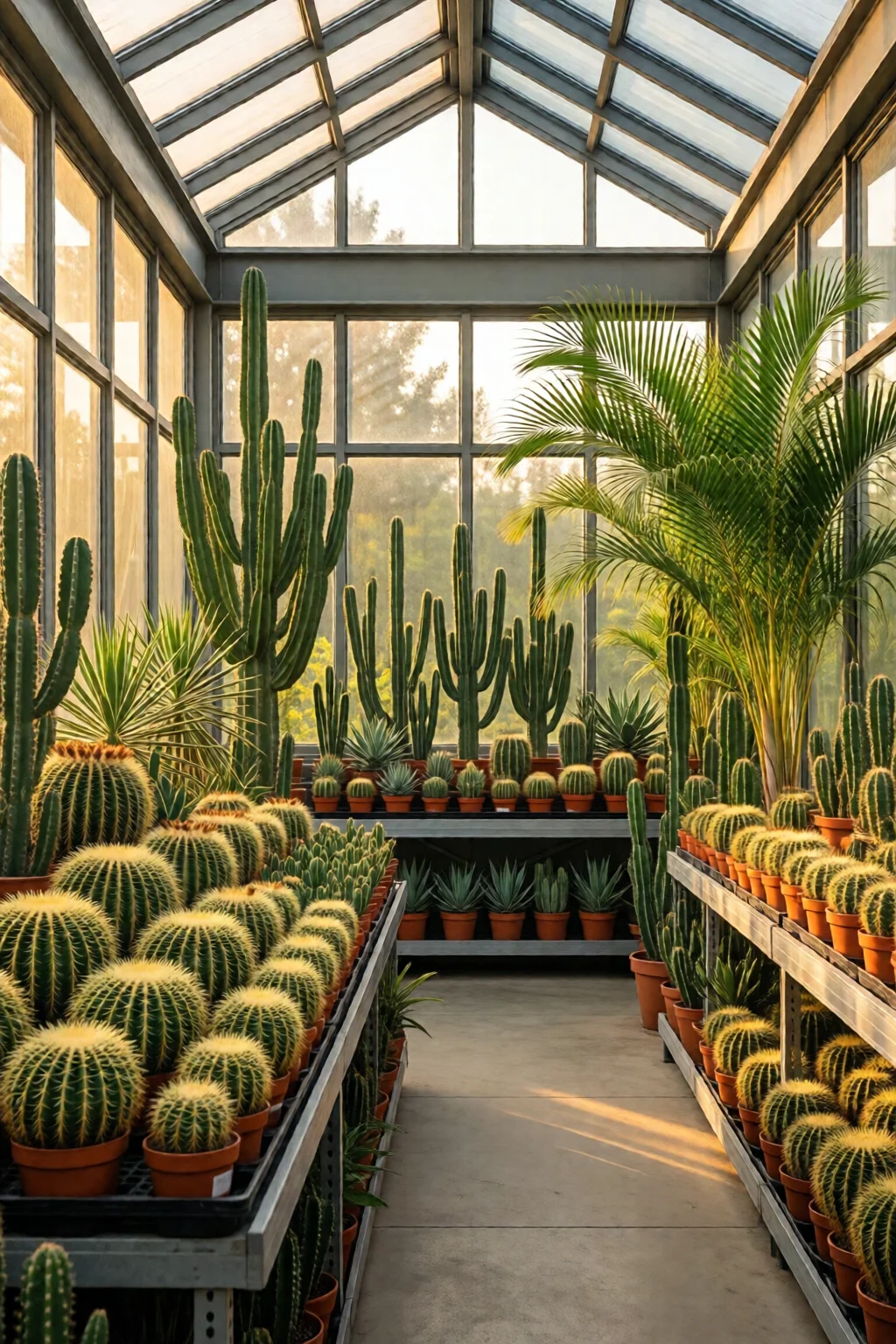
Step 5: Light, Temperature, and Humidity
Most indoor cacti prefer daytime temperatures between 65°F and 80°F (18‑27°C). Nighttime can dip to 55°F without stress. Keep them away from cold drafts and heating vents.
Humidity isn’t a major factor for desert types, but the trailing Rhipsalis enjoys 50–60 % relative humidity. A simple pebble tray with water can raise local humidity without risking root rot.
Step 6: Feeding and Fertilizing
Fertilize sparingly. Mix a ¼‑strength Cactus Feast™ liquid fertilizer (5 ml per litre) and apply during the growing season, once a month. Skip feeding in fall and winter; excess nutrients can encourage weak, elongated growth.
For a budget alternative, dissolve one teaspoon of balanced 10‑10‑10 water‑soluble fertilizer in 4 litres of water and use at half strength.
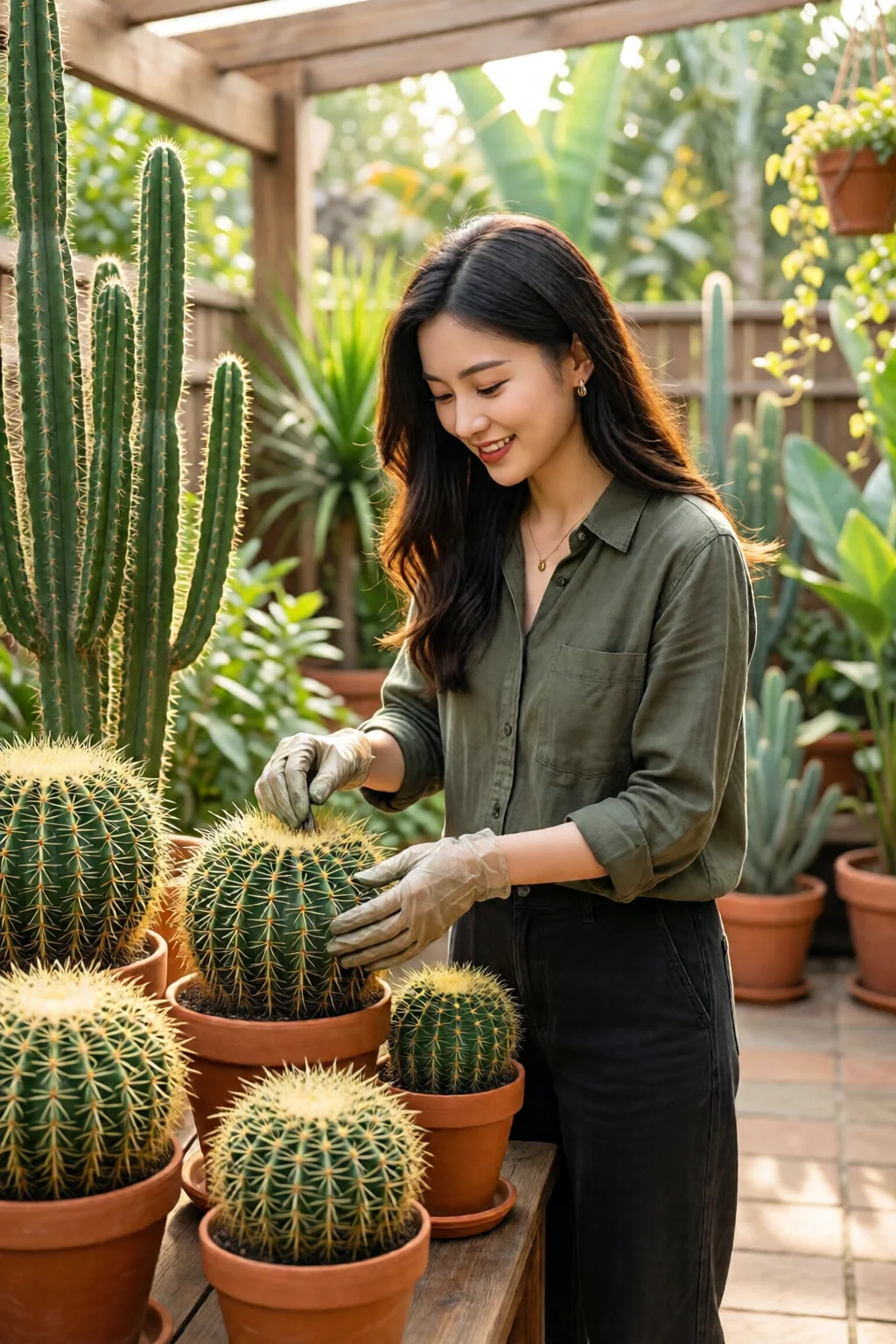
Common Mistakes to Avoid
- Choosing the wrong light level – placing a sun‑loving barrel cactus in a north‑facing window leads to etiolation (stretchy, weak stems).
- Using regular potting soil – its water‑retentive nature suffocates roots. Always blend in sand or perlite.
- Watering on a schedule instead of checking moisture – the “every 7 days” myth kills up to 40 % of indoor cacti.
- Neglecting drainage holes – a saucer that retains water creates a mini‑pond at the base.
- Over‑fertilizing – excess nitrogen produces soft, green growth prone to pests.
Troubleshooting and Tips for Best Results
If you notice yellowing, soft pads, or a mushy base, you’re likely dealing with root rot. Immediately remove the plant, rinse the roots under lukewarm water, trim away any brown tissue, and repot in fresh, dry mix.
Spine loss can signal low light; rotate the pot weekly to ensure even exposure. For pest control (mealybugs or spider mites), wipe stems with a cotton swab dipped in isopropyl alcohol, or spray a neem‑oil solution (2 ml per litre) every two weeks.
When repotting, aim for a pot only 1‑2 inches larger than the current one. Too large a container retains excess moisture, prolonging the drying cycle.
For decorative flair, pair your cactus with a sleek indoor tropical plants for home arrangement, or use a modern concrete slab from our concrete patio decorating ideas guide as a base.
Summary
Mastering indoor cactus varieties and care boils down to three pillars: proper species selection, excellent drainage, and disciplined watering. With the right potting mix, a light‑appropriate spot, and occasional feeding, your cacti will not only survive but become the sculptural centerpiece of any room. Remember to check soil moisture before each watering, avoid over‑fertilizing, and give each plant the light it craves. In my experience, a simple moisture meter and a consistent weekly check prevent 90 % of common issues.
FAQ
How often should I water my indoor cactus in winter?
Water only when the soil feels completely dry to the touch, usually once every 4‑6 weeks. Reduce volume to a quarter of the summer amount.
Can I use regular houseplant fertilizer on cacti?
Yes, but dilute to ¼‑strength and apply only during the active growing months (spring‑summer). Over‑fertilizing leads to weak growth and pest problems.
What’s the best pot size for repotting a cactus?
Choose a pot only 1‑2 inches larger in diameter than the current one. This provides enough room for root expansion without trapping excess moisture.
How do I increase humidity for Rhipsalis?
Place the pot on a tray filled with pebbles and water, ensuring the pot sits above the water line. This raises local humidity to the 50‑60 % range without wetting the soil.
Is a grow‑light necessary for indoor cacti?
If your space lacks a bright, south‑facing window, a 12‑watt full‑spectrum LED positioned 12‑18 inches above the plant for 12‑14 hours a day can substitute for natural sunlight.
2 commentaires sur « Indoor Cactus Varieties And Care – Tips, Ideas and Inspiration »