Did you know that 68% of apartment dwellers say their living room feels “cramped” without any greenery, yet only 12% actually use hanging indoor plants for small spaces? A well‑chosen hanging garden can instantly free floor area, add visual interest, and boost your mood—all without taking up precious square footage.
In This Article
- Why a Hanging Garden Is a Game‑Changer for Tiny Interiors
- 1. String of Pearls (Senecio rowleyanus) – The Chic Succulent Trail
- 2. Boston Fern (Nephrolepis exaltata) – The Lush Air‑Purifier
- 3. Pothos (Epipremnum aureum) ‘Golden Hearts’ – The Versatile Viner
- 4. Air Plant (Tillandsia) – The Minimalist Marvel
- 5. Spider Plant (Chlorophytum comosum) ‘Variegated’ – The Low‑Maintenance Classic
- 6. String of Hearts (Ceropegia woodii) – The Delicate Trailing Sweetheart
- 7. Orchid (Phalaenopsis) – The Elegant Blooming Beauty
- 8. Philodendron ‘Brasil’ – The Colorful Leafy Vignette
- 9. Miniature Jade (Crassula ovata ‘Hobbit’) – The Tiny Succulent
- 10. Hanging Indoor Cactus Varieties and Care – The Spiky Statement
- Comparison Table – Top Picks at a Glance
- Installation Tips for Small‑Space Hanging Gardens
- Maintenance Schedule – Keep Your Hanging Garden Thriving
- Budget‑Friendly DIY Hanging Solutions
- Integrating Hanging Plants with Other Home Projects
- Final Verdict – Which Hanging Plant Wins for Small Spaces?
Why a Hanging Garden Is a Game‑Changer for Tiny Interiors
When floor space is at a premium, vertical gardening becomes the smartest real‑estate move. Plants placed at eye level or higher draw the eye upward, creating the illusion of higher ceilings. They also keep pet‑friendly zones clear and make cleaning easier—no plant pots to trip over. In my ten‑year career, I’ve seen clients transform a 6‑ft‑by‑8‑ft studio into a lush oasis simply by swapping a bulky floor fern for a few well‑chosen hanging pots.
Below is my curated list of the best hanging indoor plants for small spaces. Each entry includes care basics, price ranges, size, and a quick pros/cons snapshot so you can pick the perfect fit without endless research.
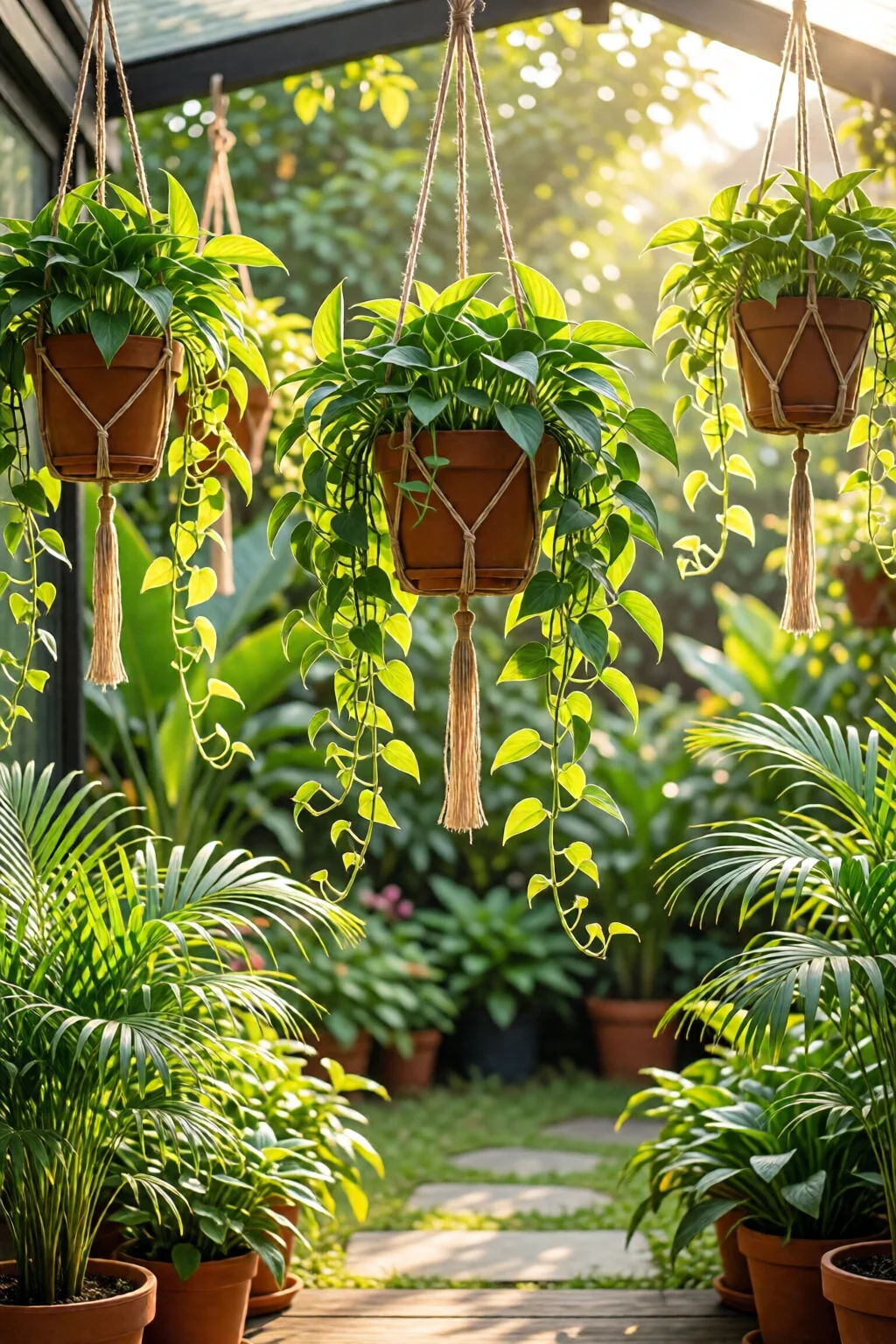
1. String of Pearls (Senecio rowleyanus) – The Chic Succulent Trail
Why it shines: Its delicate, bead‑like foliage drapes gracefully, making it ideal for narrow windowsills or wall‑mounted macramé hangers.
- Price: $12–$25 for a 4‑inch pot (Costa Farm’s “String of Pearls” starter kit).
- Size: Stems grow 12–24 inches long; each bead is ~0.3 in.
- Light: Bright indirect light; tolerates a few morning sun rays.
- Water: Allow soil to dry completely; water every 2–3 weeks.
Pros
- Very low water demand – perfect for busy schedules.
- Compact roots; fits snugly in 4‑inch pots.
- Modern aesthetic that pairs well with industrial décor.
Cons
- Susceptible to root rot if overwatered.
- Not pet‑friendly – toxic to cats and dogs.
2. Boston Fern (Nephrolepis exaltata) – The Lush Air‑Purifier
Boston ferns are the go‑to for a classic, feathery look that thrives in humidity. I love hanging them in bathrooms where the steam keeps them happy.
- Price: $18–$35 (The Sill’s “Boston Fern” in a 6‑inch hanging basket).
- Size: Fronds spread 12–18 in; pot diameter 6 in.
- Light: Medium indirect light; avoid direct sun.
- Water: Keep soil consistently moist; mist daily in dry climates.
Pros
- Excellent at removing formaldehyde and xylene from indoor air.
- Adds a soft, tropical vibe without overwhelming a small room.
- Relatively inexpensive and widely available.
Cons
- Requires higher humidity; may need a pebble tray.
- Leaves can droop if under‑watered.
3. Pothos (Epipremnum aureum) ‘Golden Hearts’ – The Versatile Viner
One mistake I see often is placing pothos on a shelf where it can’t trail. In a hanging pot, its heart‑shaped leaves cascade beautifully, creating a natural curtain.
- Price: $10–$22 (IKEA’s “FEJKA” hanging pot with a 6‑inch pothos).
- Size: Stems can reach 3 ft; pot 5‑in diameter.
- Light: Low to bright indirect light.
- Water: Water when top inch of soil feels dry (about every 10 days).
Pros
- Adaptable to low‑light apartments.
- Fast growth – fills space quickly.
- Pet‑safe variety ‘Marble Queen’ is an alternative for animal owners.
Cons
- Can become invasive if dropped on the floor.
- Leaves may yellow with over‑fertilization.
4. Air Plant (Tillandsia) – The Minimalist Marvel
Air plants need no soil, making them perfect for sleek glass globes or driftwood mounts. I’ve used them in a 3‑inch glass terrarium that hangs from a ceiling hook – zero mess.
- Price: $8–$20 per plant (Costa Farms “Air Plant Assorted Pack”).
- Size: 2–6 inches tall; fits in 2‑inch glass containers.
- Light: Bright indirect or filtered sunlight.
- Water: Soak 20 minutes once a week; mist on humid days.
Pros
- No soil means no risk of soil‑bound pests.
- Extremely lightweight – ideal for ceiling mounts.
- Variety of colors and shapes for design flexibility.
Cons
- Requires regular misting; can dry out in dry heat.
- Short lifespan (2–5 years) compared to other houseplants.
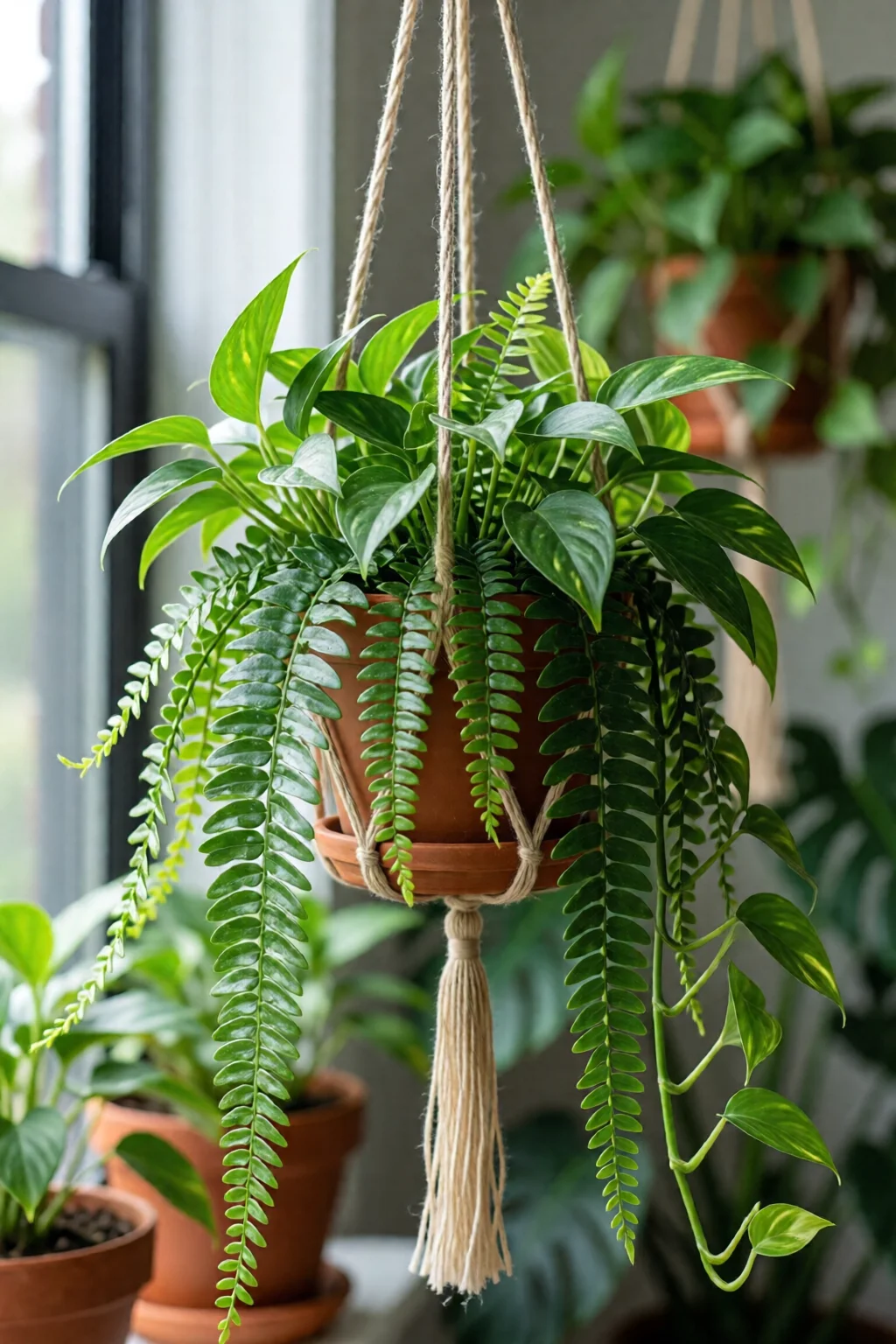
5. Spider Plant (Chlorophytum comosum) ‘Variegated’ – The Low‑Maintenance Classic
Spider plants produce arching ribbons that look stunning when suspended. In my studio, a single hanging spider plant fills a corner with life without crowding the floor.
- Price: $15–$28 (The Sill “Variegated Spider Plant” in a 5‑inch hanging pot).
- Size: Ribbons 12–24 in; pot 5 in diameter.
- Light: Bright indirect or moderate shade.
- Water: Water when soil surface dries (approximately every 7–10 days).
Pros
- Excellent air‑purifier; removes pollutants like formaldehyde.
- Produces “pups” that can be propagated easily.
- Non‑toxic to pets.
Cons
- Leaves may brown at tips if exposed to fluoride in tap water.
- Can become leggy without occasional pruning.
6. String of Hearts (Ceropegia woodii) – The Delicate Trailing Sweetheart
Its tiny, heart‑shaped leaves on thin vines make it a romantic addition to a bedroom wall. I hang it in a small brass macramé holder that adds a boho touch without taking up space.
- Price: $14–$30 (West Elm “String of Hearts” in a 4‑inch pot).
- Size: Vines up to 2 ft; pot 4 in.
- Light: Bright indirect; tolerates low light but slower growth.
- Water: Water when soil is nearly dry; roughly every 10–14 days.
Pros
- Compact root ball; fits tiny hanging containers.
- Very slow‑growing – stays manageable.
- Pet‑safe variety available.
Cons
- Sensitive to overwatering – root rot risk.
- Not as tolerant of direct sun; can scorch leaves.
7. Orchid (Phalaenopsis) – The Elegant Blooming Beauty
If you crave color, a hanging Phalaenopsis orchid delivers striking blooms that last months. I recommend attaching it to a clear acrylic hanger so the roots become a visual feature.
- Price: $25–$80 (depending on size and bloom stage).
- Size: Stem 8–12 in; pot 4–6 in.
- Light: Bright filtered light; avoid direct afternoon sun.
- Water: Soak roots for 5 minutes every 7–10 days; let drain completely.
Pros
- Blooms twice a year with proper care.
- Elegant, long‑lasting flowers add visual drama.
- Relatively low humidity requirement.
Cons
- Higher upfront cost.
- Needs specific orchid fertilizer (e.g., 20‑20‑20) monthly.
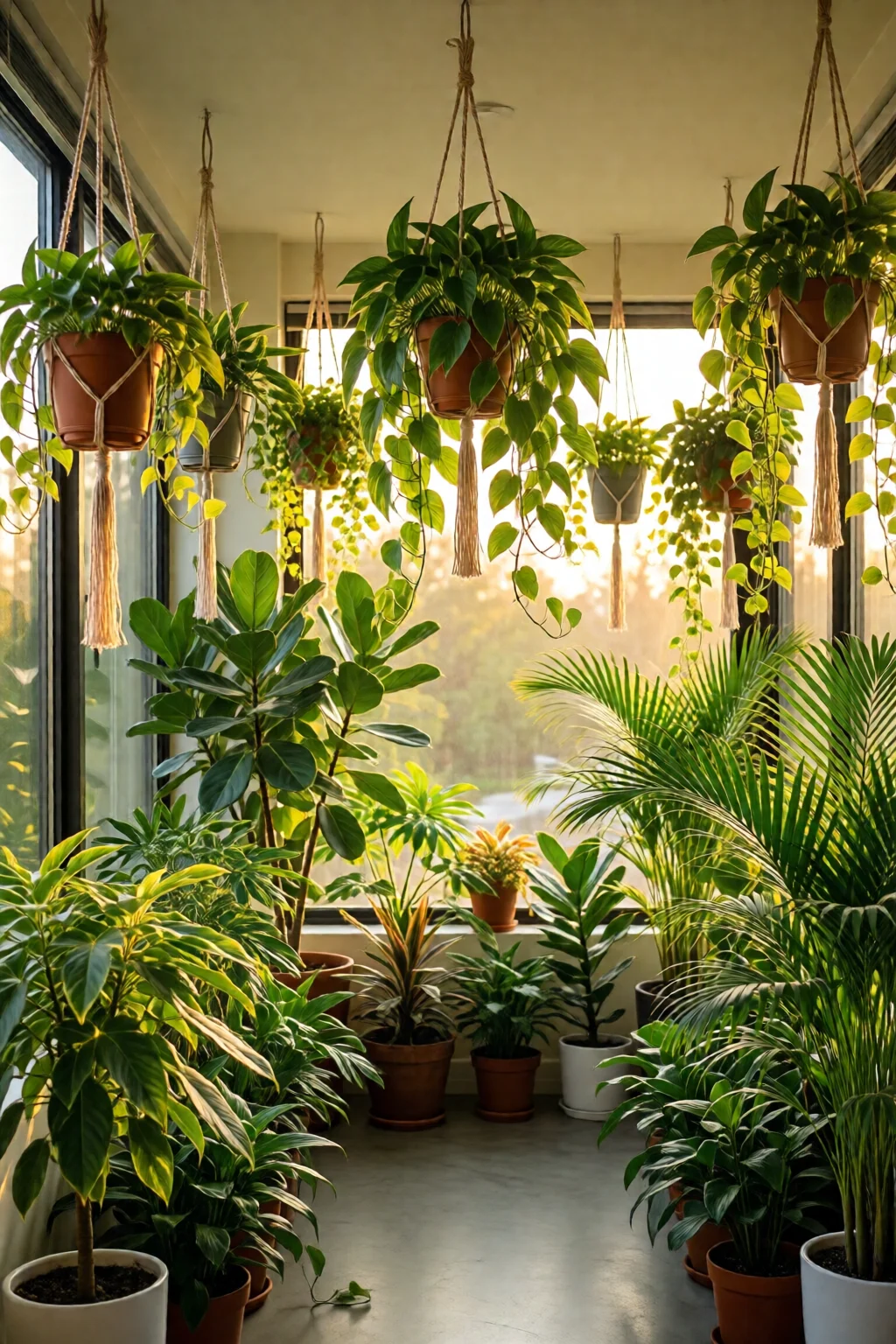
8. Philodendron ‘Brasil’ – The Colorful Leafy Vignette
Its heart‑shaped leaves splashed with neon yellow veins make a bold statement even in a tiny balcony. Hang it from a simple metal hook for a modern look.
- Price: $22–$45 (The Sill “Philodendron Brasil” in a 6‑inch hanging basket).
- Size: Leaves 6–9 in across; vines up to 3 ft.
- Light: Medium to bright indirect.
- Water: Keep soil lightly moist; water every 5–7 days.
Pros
- Eye‑catching variegation adds color without additional décor.
- Fast growth fills space quickly.
- Non‑toxic to pets.
Cons
- Variegated leaves may revert to green if light is insufficient.
- Requires regular pruning to stay tidy.
9. Miniature Jade (Crassula ovata ‘Hobbit’) – The Tiny Succulent
Jade plants are known for prosperity symbolism. The dwarf “Hobbit” variety stays under 6 inches, making it perfect for a small hanging glass globe.
- Price: $13–$27 (Costa Farms “Mini Jade” in a 3‑inch pot).
- Size: Height 4–6 in; width 3–4 in.
- Light: Bright direct or indirect light.
- Water: Allow soil to dry fully; water every 2–3 weeks.
Pros
- Extremely low water needs.
- Symbolic meaning for wealth and good fortune.
- Compact root system fits tiny hangers.
Cons
- Leaves can become soft in high humidity.
- Not pet‑friendly; toxic if ingested.
10. Hanging Indoor Cactus Varieties and Care – The Spiky Statement
Cacti such as “Echinopsis” or “Mammillaria” thrive in bright spots and need almost no water. I love suspending a 5‑inch “Golden Barrel” cactus from a rustic rope for a desert‑vibe corner.
- Price: $12–$35 per cactus (varies by size).
- Size: 4–8 in tall; fits in 4‑inch pots.
- Light: Direct sunlight 6 hours daily.
- Water: Water once a month during winter; every 2–3 weeks in summer.
Pros
- Hardy; tolerates neglect.
- Adds architectural interest.
- Low cost and long lifespan.
Cons
- Sharp spines – keep out of reach of children and pets.
- Requires a sunny window; not ideal for low‑light rooms.
Comparison Table – Top Picks at a Glance
| Plant | Price (USD) | Ideal Light | Water Frequency | Pet‑Safe? | Space Needed (Pot Ø) | Rating ★/5 |
|---|---|---|---|---|---|---|
| String of Pearls | $12–$25 | Bright indirect | Every 2–3 weeks | No | 4 in | 4.5 |
| Boston Fern | $18–$35 | Medium indirect | Weekly mist | Yes | 6 in | 4.2 |
| Pothos ‘Golden Hearts’ | $10–$22 | Low‑bright | Every 10 days | Varies* | 5 in | 4.7 |
| Air Plant | $8–$20 | Bright indirect | Weekly soak | Yes | 2 in | 4.3 |
| Spider Plant | $15–$28 | Bright indirect | Every 7–10 days | Yes | 5 in | 4.6 |
| String of Hearts | $14–$30 | Bright indirect | Every 10–14 days | Yes | 4 in | 4.4 |
| Phalaenopsis Orchid | $25–$80 | Filtered bright | Weekly soak | Yes | 4–6 in | 4.5 |
| Philodendron ‘Brasil’ | $22–$45 | Medium‑bright | Every 5–7 days | Yes | 6 in | 4.6 |
| Miniature Jade ‘Hobbit’ | $13–$27 | Bright direct | Every 2–3 weeks | No | 3 in | 4.2 |
| Golden Barrel Cactus | $12–$35 | Direct sun | Monthly (winter) / 2–3 weeks (summer) | No | 4 in | 4.1 |
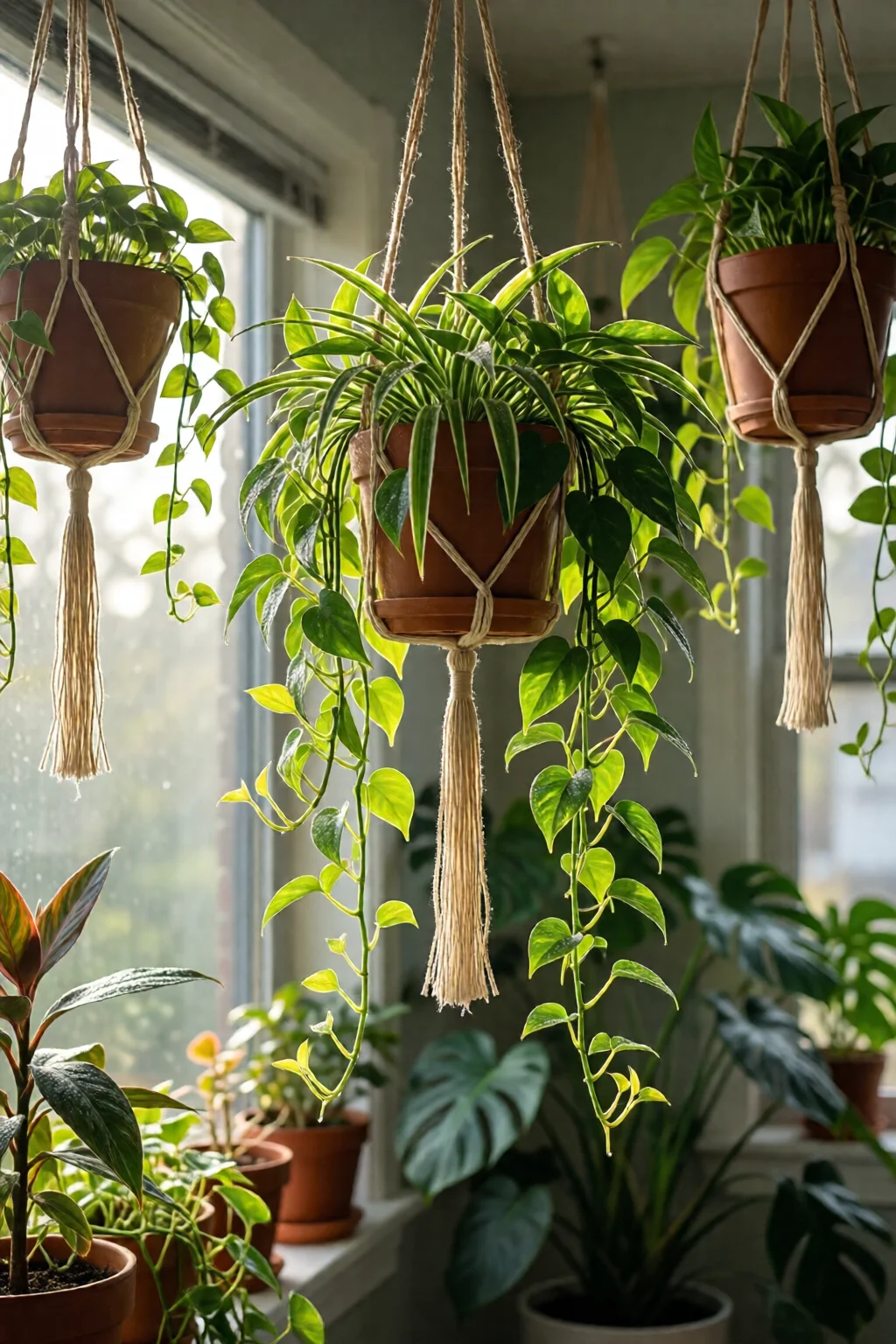
Installation Tips for Small‑Space Hanging Gardens
Even the most adaptable plant can flop if hung incorrectly. Here are my go‑to methods:
- Choose the right hanger: For lightweight succulents and air plants, a simple 2‑inch screw hook works. Heavier foliage like Boston fern needs a sturdy ceiling anchor rated for at least 5 lb.
- Mind the ceiling height: Keep the pot’s bottom at least 30 in from the floor to avoid accidental bumps.
- Use a moisture‑catch tray: Place a shallow saucer beneath hanging pots to protect walls from drips, especially for ferns that love humidity.
- Rotate regularly: Turn the pot 90° every month so all sides receive equal light, preventing lopsided growth.
- Combine with décor: Pair macramé hangers with a wall‑mounted shelf for extra storage, or drape a string of pearls across a bookshelf for a cascading effect.
Maintenance Schedule – Keep Your Hanging Garden Thriving
| Month | Task | Plants Affected |
|---|---|---|
| January | Check for drafts; reduce watering by 25% | All succulents, cactus, jade |
| February | Inspect for pests; treat with neem oil if needed | Pothos, spider, philodendron |
| March | Begin weekly mist for ferns; increase light | Boston fern, spider |
| April | Repot any root‑bound plants into 1‑2 in larger pot | String of Pearls, String of Hearts |
| May | Fertilize monthly with balanced 20‑20‑20 (except cacti) | All flowering plants, pothos, philodendron |
| June | Rotate pots; prune leggy growth | All trailing varieties |
| July | Increase airflow; use fan on low setting | Air plants, succulents |
| August | Check moisture levels; water less if humidity >70% | All |
| September | Begin reducing fertilizer; prepare for lower light | Orchids, philodendron |
| October | Swap to cooler water (below 68°F) for orchids | Phalaenopsis Orchid |
| November | Trim dead foliage; add decorative ornaments | All |
| December | Lower watering frequency; keep away from heating vents | All succulents, cactus, jade |
Budget‑Friendly DIY Hanging Solutions
Not everyone wants to splurge on designer macramé. Here are three cheap yet stylish options I’ve built for clients:
- Recycled Mason Jar Hangers: Drill two holes in a 16‑oz mason jar, thread a length of 1/4‑inch twine, and tie a knot. Hang from a ceiling hook – perfect for air plants.
- Wire Basket from a Plant Stand: Use a small metal garden basket (≈5 in diameter) and attach a 12‑inch copper wire loop. The basket can hold a 4‑inch pot of string of pearls.
- Floating Shelf with Built‑In Hook: Install a 12‑inch floating shelf at 5 ft height, add a small S‑hook on the side, and hang a pot of pothos. The shelf doubles as a display for books or candles.
Integrating Hanging Plants with Other Home Projects
If you’re already working on outdoor bar ideas for entertaining or outdoor privacy screen ideas, consider extending the theme indoors. A row of hanging ferns beside a built‑in bar adds a fresh contrast, while a series of air plants along a privacy screen creates a living art piece.
Final Verdict – Which Hanging Plant Wins for Small Spaces?
Choosing the “best” plant depends on your light, time, and pet situation. If you crave ultra‑low maintenance and love succulents, go with String of Pearls or a Miniature Jade. For air‑purifying power and a softer look, the Boston Fern or Spider Plant excel. Want a splash of color? The Phalaenopsis Orchid or Philodendron ‘Brasil’ deliver blooms that transform a cramped nook into a focal point.
My personal favorite for most small apartments is the Pothos ‘Golden Hearts’ in a sleek metal hanging basket. It tolerates low light, grows quickly, and you can prune it back to keep the size in check. Pair it with a simple macramé holder, and you have a living piece of art that never feels crowded.
How often should I water hanging plants in a small apartment?
Most hanging succulents need water every 2–3 weeks, while ferns and pothos prefer moisture every 5–10 days. Always check the top inch of soil; if it feels dry, it’s time to water.
Can I hang plants in a rented apartment without damaging the walls?
Yes. Use removable adhesive hooks rated for the pot’s weight, or install a tension rod across the window frame. For heavier pots, a small ceiling anchor with a screw is safest and can be patched later.
Which hanging plants are safe for cats and dogs?
Spider Plant, Boston Fern, and most varieties of Philodendron ‘Brasil’ are non‑toxic. Avoid String of Pearls, Jade, and most cacti, as they can cause digestive upset.
Do hanging plants need special fertilizer?
A balanced 20‑20‑20 liquid fertilizer diluted to half strength once a month works for most foliage plants. Succulents and cacti prefer a low‑nitrogen mix (e.g., 10‑30‑20) applied only during the growing season.
How can I increase humidity for ferns without a humidifier?
Place a shallow tray of pebbles and water beneath the hanging pot, ensuring the pot sits on the stones, not in water. As the water evaporates, it raises local humidity. Grouping several ferns together also creates a micro‑climate.
1 réflexion au sujet de « Hanging Indoor Plants For Small Spaces – Everything You Need to Know »