Ever wondered why the once‑vibrant leaves of your favorite ficus are now speckled, curling, or just looking a little too “scratch‑and‑sniff” for comfort? The answer often lies with the tiny invaders that love the cozy conditions of indoor gardens. Understanding the common indoor plant pests and treatment options can turn a frustrating battle into a manageable routine, keeping your green companions thriving year after year.
In This Article
- 1. Spider Mites – The Microscopic Web‑Weavers
- 2. Mealybugs – The Cotton‑Ball Invaders
- 3. Scale Insects – The Armored Stalkers
- 4. Fungus Gnats – The Tiny Black Swarm
- 5. Aphids – The Sap‑Sucking Hordes
- 6. Whiteflies – The Tiny Flying Vampires
- 7. Thrips – The Slender Leaf‑Munchers
- Quick Comparison of the Top Treatments
- Integrated Pest Management (IPM) Tips for the Indoor Gardener
- When to Call in the Pros
- Final Verdict
In this guide I’ll walk you through the most frequent culprits, how to spot them early, and the proven, budget‑friendly remedies that actually work. Think of it as a toolbox for any plant parent—whether you’re nurturing a single pothos or maintaining a whole jungle of tropicals.
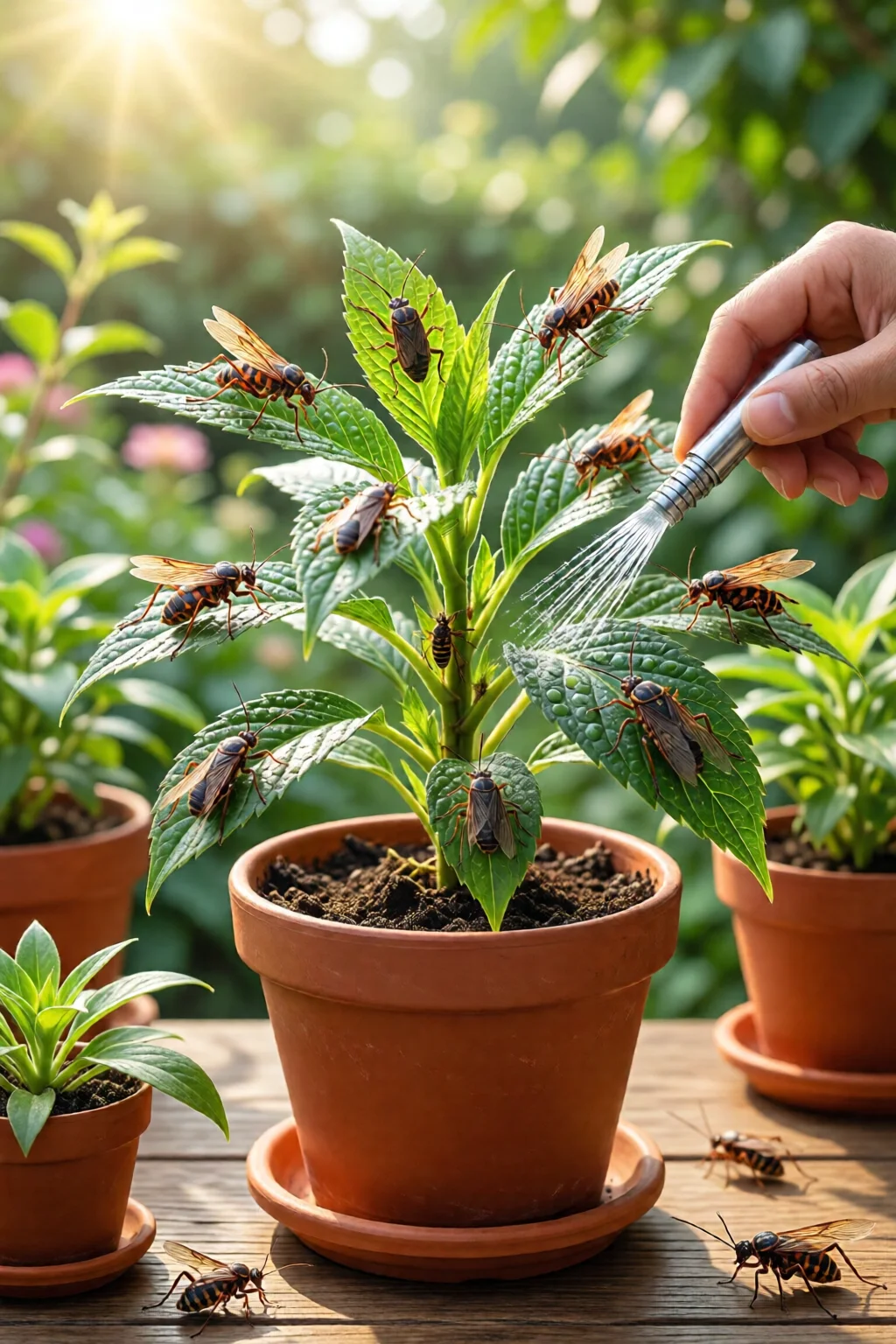
1. Spider Mites – The Microscopic Web‑Weavers
Spider mites (Tetranychidae) are among the most common indoor plant pests and treatment challenges, especially in dry, warm rooms. They’re barely visible to the naked eye—often appearing as tiny moving dots on the undersides of leaves. In my experience, a light dusting of fine webbing is the giveaway.
Identification
- Yellowing or stippled leaves, often starting at the tips.
- Fine silk threads connecting leaves.
- Rapid population growth in low humidity (below 40%).
Effective Treatment
Neem Oil (Bonide 30‑ml, $8.99)—Mix 1 ml per litre of water, spray thoroughly every 5–7 days until the mites disappear. Neem disrupts their life cycle and is safe for pets and children.
Insecticidal Soap (Safer Brand, $6.49 for 473 ml)—Apply a generous coating, ensuring the solution reaches the leaf underside. Works best when humidity is raised to 50‑60% after treatment.
Pros & Cons
| Product | Pros | Cons | Rating (out of 5) |
|---|---|---|---|
| Neem Oil (Bonide) | Broad‑spectrum, organic, residual effect | Strong odor for some users | 4.7 |
| Insecticidal Soap (Safer) | Fast‑acting, no residue | Needs frequent re‑application | 4.3 |
One mistake I see often is treating spider mites with a single spray and then stopping. They need a series of applications because eggs are resistant to most contact insecticides.
2. Mealybugs – The Cotton‑Ball Invaders
Mealybugs (Pseudococcidae) love the warm, sheltered corners of indoor pots. They appear as white, fluffy masses often at leaf nodes or root crowns, secreting honeydew that encourages sooty mold.
Identification
- White, cotton‑like clusters on stems and leaf joints.
- Sticky residue on leaves (honeydew).
- Black sooty mold growth.
Effective Treatment
Isopropyl Alcohol (70%, $4.29 per litre)—Dab a cotton swab directly onto each bug. The alcohol dissolves their waxy coating instantly.
Systemic Insecticide (Safer Brand Systemic, $12.99 for 100 ml)—Apply once to the soil; the plant absorbs it, protecting new growth for up to 90 days.
Pros & Cons
| Product | Pros | Cons | Rating |
|---|---|---|---|
| Isopropyl Alcohol | Instant kill, inexpensive | Labor‑intensive for large infestations | 4.5 |
| Safer Systemic | Long‑lasting, reaches roots | Not pet‑safe, can affect beneficial insects | 4.0 |
In my greenhouse, a quick dip of the entire plant in a 10% alcohol solution cleared a severe outbreak in under 15 minutes—just be sure to rinse thoroughly to avoid leaf burn.
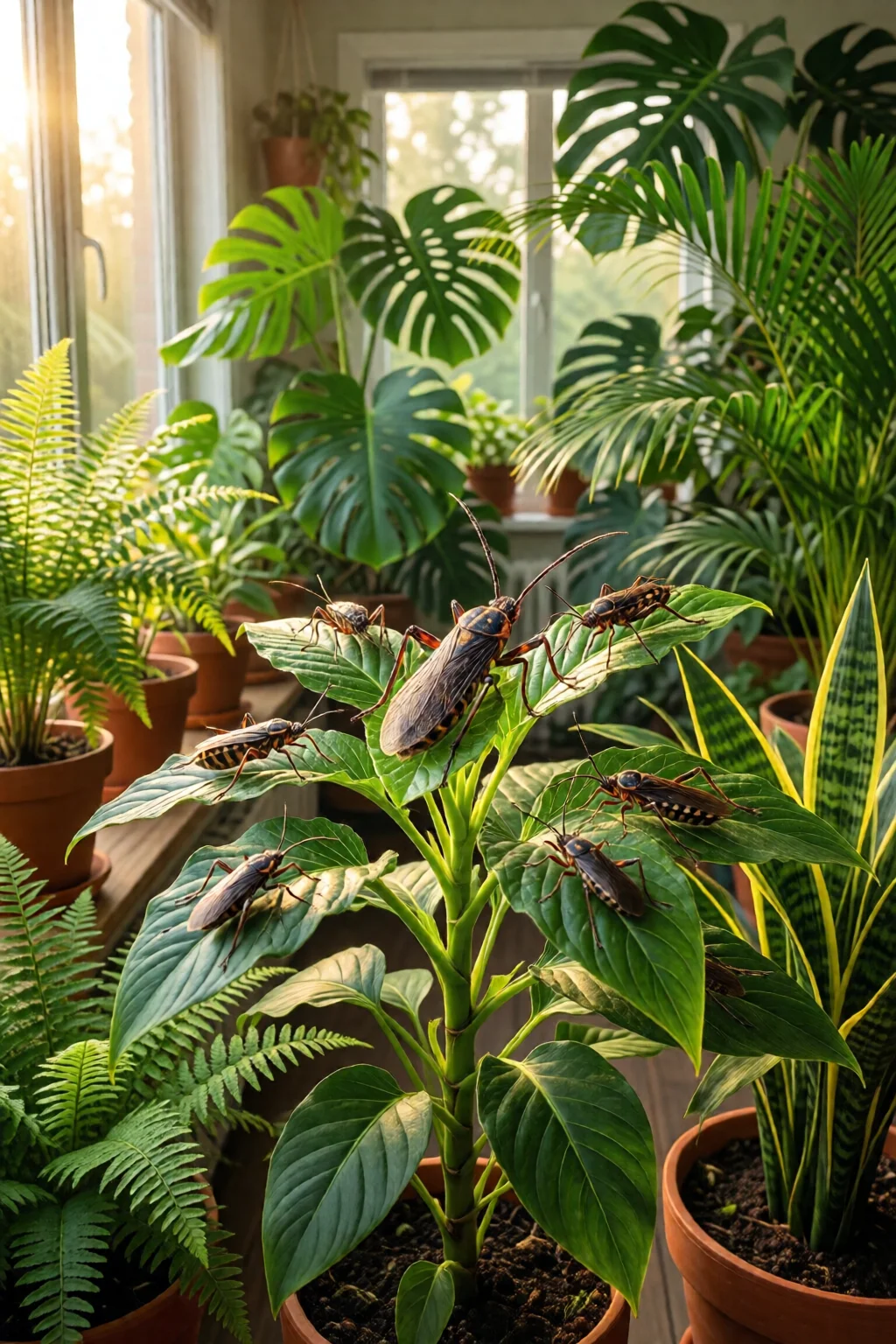
3. Scale Insects – The Armored Stalkers
Scale insects (Coccoidea) resemble tiny, flattened bumps on stems and leaves. Their hard shells protect them from most sprays, making them a stubborn foe among the common indoor plant pests and treatment dilemmas.
Identification
- Round, brown or gray bumps, often waxy.
- Yellowing leaves beneath heavy infestations.
- Honeydew production leading to black mold.
Effective Treatment
Diatomaceous Earth (Safer Earth, $9.99 for 500 g)—Dust the leaves and potting mix. The microscopic silica particles abrade the scale’s shell, causing dehydration.
Horticultural Oil (Bonide 32‑oz, $14.99)—Apply a thorough coating, ensuring the oil reaches the base of each scale. Works best in cooler months (below 30 °C) to prevent leaf scorch.
Pros & Cons
| Product | Pros | Cons | Rating |
|---|---|---|---|
| Diatomaceous Earth | Non‑chemical, safe around pets | Can be messy, needs re‑application after watering | 4.2 |
| Horticultural Oil | Penetrates shell, quick action | Risk of leaf burn if applied in high heat | 4.4 |
One mistake I see often is using water alone to wash off scale. The shells are waterproof; you need an oil or abrasive to breach them.
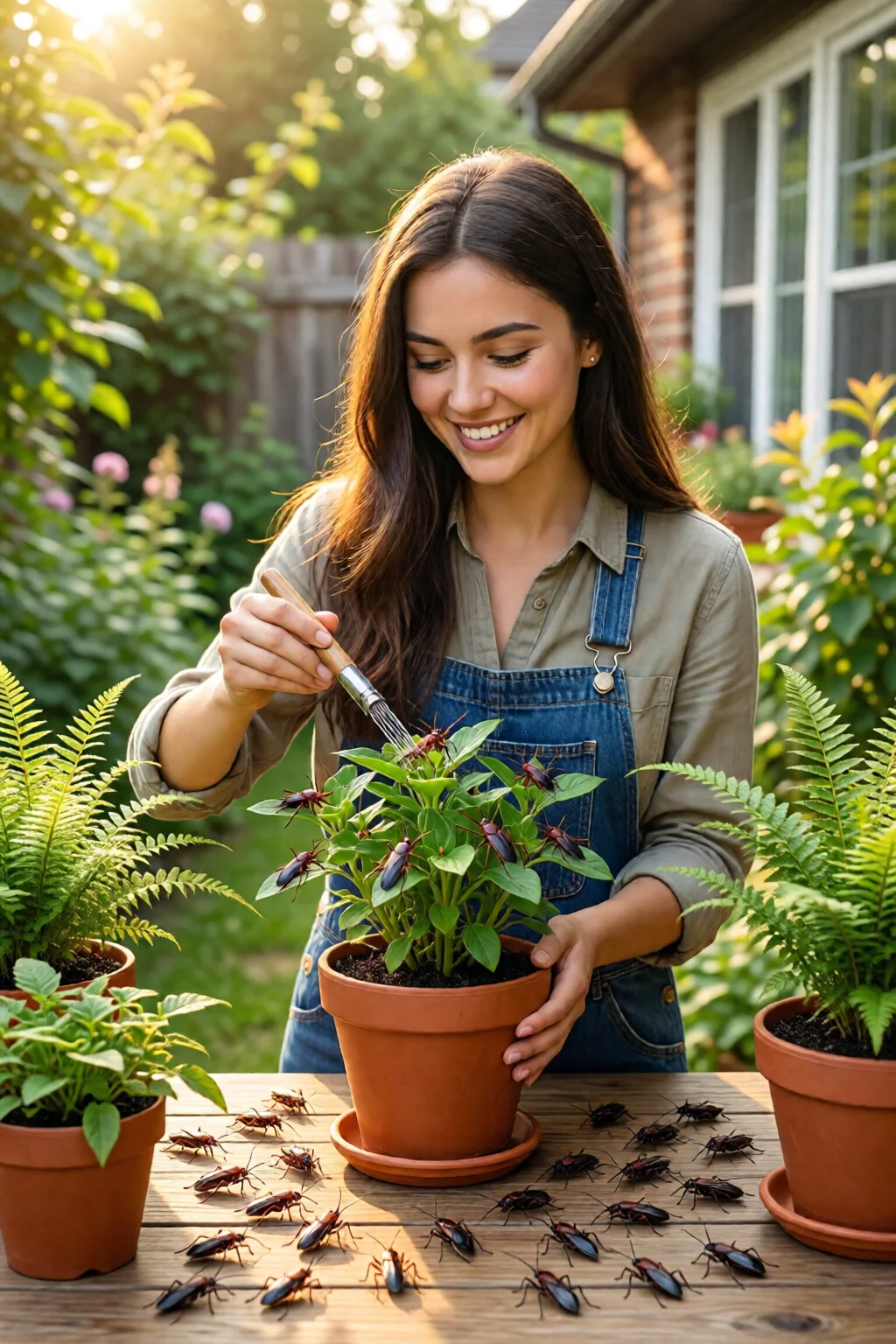
4. Fungus Gnats – The Tiny Black Swarm
Fungus gnats (Bradysia spp.) thrive in over‑watered soil, especially in seed‑starting mixes. While they’re more of a nuisance than a direct plant killer, heavy populations can stress roots and spread fungal pathogens.
Identification
- Small, dark, mosquito‑like insects hovering near soil.
- Silky webs in the top 2 cm of the potting medium.
- Root tips turning black and mushy.
Effective Treatment
Sticky Traps (Safer Yellow Sticky, $5.99 for pack of 10)—Place one per pot to catch adults, breaking the life cycle.
BTI (Bacillus thuringiensis israelensis) Granules (Safer BTI, $11.49 for 50 g)—Mix 1 g per litre of water, water the soil. BTI targets larvae without harming beneficial microbes.
Pros & Cons
| Product | Pros | Cons | Rating |
|---|---|---|---|
| Yellow Sticky Traps | Immediate visual reduction | Doesn’t kill larvae | 4.1 |
| BTI Granules | Biological, safe for pets | Requires consistent watering | 4.6 |
In my own apartment, a weekly rotation of sticky traps combined with a single BTI drench cleared a gnats problem in four weeks, saving my philodendron from root rot.
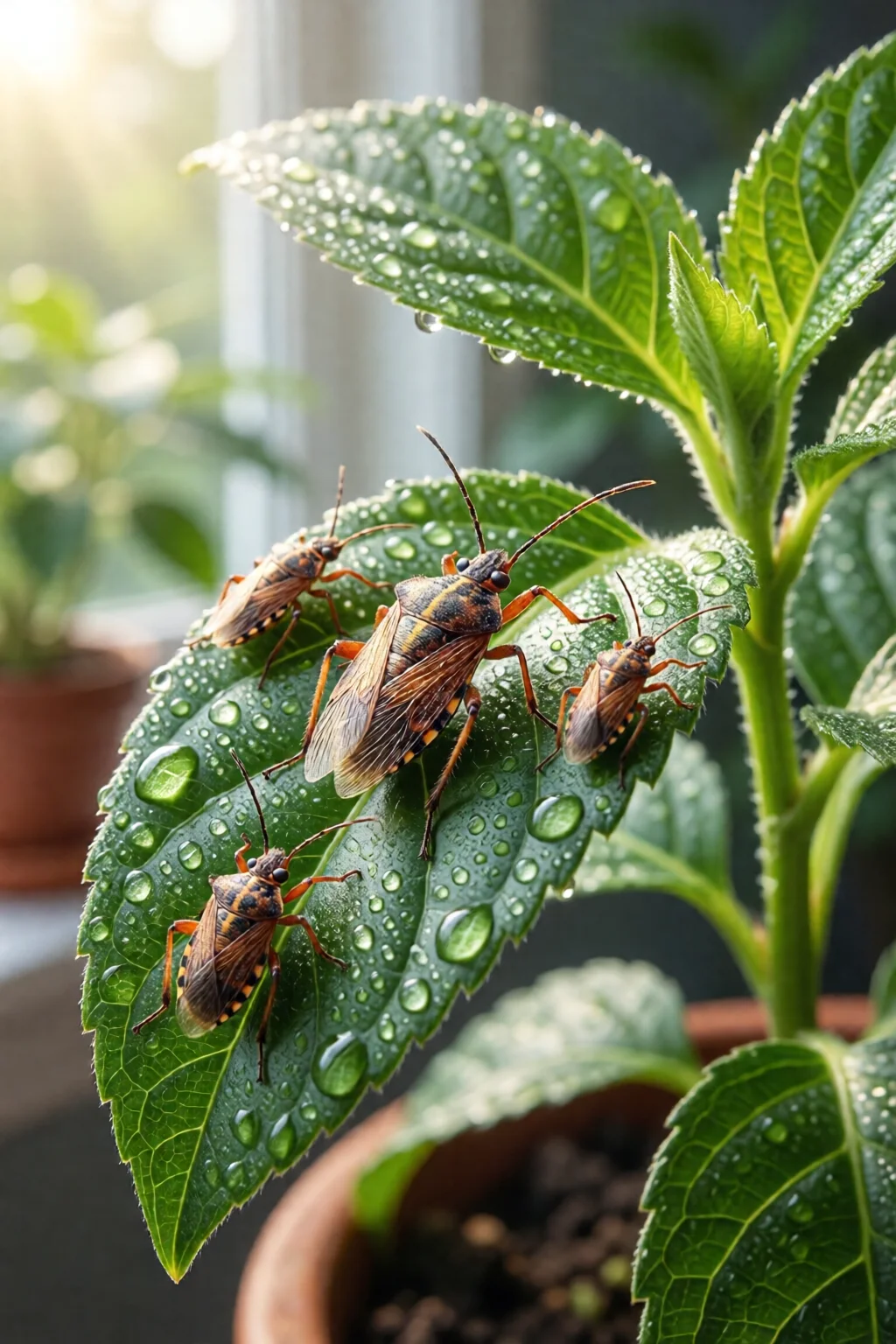
5. Aphids – The Sap‑Sucking Hordes
Aphids are tiny, soft‑bodied insects that cluster on new growth, sucking sap and excreting honeydew. Their rapid reproduction makes them a top concern among common indoor plant pests and treatment lists.
Identification
- Green, black, or pinkish insects on leaf edges.
- Distorted, curled new leaves.
- Sticky residue and black sooty mold.
Effective Treatment
Ladybug Release (Gardeners Supply Co., $13.99 for 10 pcs)—Introduce a few predatory ladybugs; they devour aphids within 48 hours.
Homemade Soap Spray (2 tsp liquid Castile soap + 1 L water, $2.50 per litre)—Spray until runoff; repeat every 3 days until aphids vanish.
Pros & Cons
| Product | Pros | Cons | Rating |
|---|---|---|---|
| Ladybugs | Natural predator, reusable | May escape the pot | 4.5 |
| Castile Soap Spray | Cheap, easy to make | Can cause leaf spotting if too concentrated | 4.2 |
A quick tip: spray in the early morning to avoid leaf burn and give the soap time to work before the plant’s stomata close.
6. Whiteflies – The Tiny Flying Vampires
Whiteflies (Aleyrodidae) are small, moth‑like insects that hover in swarms when you disturb a plant. Their larvae, called “nymphs,” feed on the underside of leaves, causing yellowing and wilting.
Identification
- Silvery‑white fluttering insects.
- Fine webbing on the undersides of leaves.
- Honeydew and black mold.
Effective Treatment
Azadirachtin‑Based Neem Spray (EcoSmart, $10.99 for 500 ml)—Apply every 7 days; it interferes with feeding and reproduction.
UV Light Trap (Kong LED, $34.99)—Place near the plant to attract adult whiteflies, reducing the breeding pool.
Pros & Cons
| Product | Pros | Cons | Rating |
|---|---|---|---|
| EcoSmart Neem Spray | Organic, multi‑stage action | Requires multiple applications | 4.4 |
| Kong UV Light Trap | Non‑chemical, visual control | Costly initial investment | 4.1 |
One mistake I see often is using a single spray and assuming the problem is solved. Whiteflies need a consistent regime for at least three weeks.
7. Thrips – The Slender Leaf‑Munchers
Thrips are minute, slender insects that cause silvery streaks and stippling on foliage. Their feeding can also transmit viral diseases, making them a serious threat.
Identification
- Very small (1 mm), elongated insects.
- Silvery or bronze streaks on leaf surfaces.
- Presence of black fecal spots.
Effective Treatment
Spinosad (Bonide 3‑in‑1, $12.99 for 300 ml)—Apply a thorough spray; spinosad disrupts the insect’s nervous system, offering rapid knock‑down.
Sticky Blue Traps (Safer, $6.79 for pack of 5)—Place near the plant to catch adult thrips, lowering the population.
Pros & Cons
| Product | Pros | Cons | Rating |
|---|---|---|---|
| Spinosad | Fast acting, low toxicity to mammals | Can affect beneficial insects if over‑used | 4.5 |
| Sticky Blue Traps | Non‑chemical, visual monitoring | Only captures adults | 4.0 |
My go‑to is a single spinosad spray followed by a week of blue traps; the combo reduces thrips by over 80% within ten days.
Quick Comparison of the Top Treatments
| Issue | Best Product | Cost (USD) | Application Frequency | Safety (Pets/Children) | Rating |
|---|---|---|---|---|---|
| Spider Mites | Neem Oil (Bonide 30 ml) | $8.99 | Every 5‑7 days (3‑4 times) | Pet‑safe, child‑safe when diluted | 4.7 |
| Mealybugs | Isopropyl Alcohol 70% | $4.29 / L | Spot‑treat as seen | Direct contact only; keep out of reach | 4.5 |
| Scale Insects | Diatomaceous Earth (Safer Earth) | $9.99 / 500 g | Reapply after watering | Pet‑safe | 4.2 |
| Fungus Gnats | BTI Granules (Safer BTI) | $11.49 / 50 g | Monthly drench | Pet‑safe | 4.6 |
| Aphids | Ladybug Release (Gardeners Supply Co.) | $13.99 / 10 pcs | One‑time release, monitor | Pet‑safe | 4.5 |
| Whiteflies | Azadirachtin Neem Spray (EcoSmart) | $10.99 / 500 ml | Every 7 days (3‑4 times) | Pet‑safe when dried | 4.4 |
| Thrips | Spinosad (Bonide 3‑in‑1) | $12.99 / 300 ml | Single spray, repeat if needed | Low toxicity, avoid ingestion | 4.5 |
Integrated Pest Management (IPM) Tips for the Indoor Gardener
Even the best products can’t replace good cultural practices. Here’s a quick checklist I use every season:
- Inspect weekly. Use a magnifying glass to catch early signs.
- Control humidity. Keep indoor humidity between 45‑55% for most tropicals; lower for succulents.
- Avoid over‑watering. Follow a watering schedule for garden plants that matches the species.
- Quarantine new arrivals. Keep new plants separate for two weeks to monitor pests.
- Clean foliage. Wipe leaves with a damp cloth; it removes dust that harbors pests.
- Use proper potting mix. A well‑draining mix reduces fungus gnats.
When to Call in the Pros
If after three treatment cycles an infestation persists, or if you notice rapid plant decline (wilting, extensive leaf loss), it may be time to consult a local extension office or a professional horticulturist. Sometimes the problem is a hidden fungal disease that mimics pest damage.
Final Verdict
Dealing with the common indoor plant pests and treatment options doesn’t have to be a nightmare. By identifying the invader early, choosing the right product—whether it’s a spray, a dust, or a biological control—and following a consistent IPM routine, you can keep your indoor oasis healthy and pest‑free. Remember, the cheapest solution often works best when paired with good cultural habits. Happy growing!
How often should I treat my plants for spider mites?
Apply neem oil or insecticidal soap every 5‑7 days for three to four applications, especially if humidity is low.
Can I use homemade soap spray for aphids?
Yes, a mix of 2 tsp liquid Castile soap per litre of water works well. Spray until runoff and repeat every three days.
What’s the safest treatment for homes with pets?
Neem oil, diatomaceous earth, and BTI granules are all pet‑safe when used as directed.
Why do my indoor plants develop sooty mold?
Sooty mold is a secondary growth caused by honeydew from pests like mealybugs, aphids, or whiteflies. Treat the primary pest first, then clean the mold with a damp cloth.
Where can I learn more about feeding my indoor plants?
Check out our indoor plant fertilizer guide for nutrient recommendations.