Mastering the watering schedule for garden plants is the single most reliable way to boost growth, cut water waste, and keep your garden thriving year after year.
In This Article
What You Will Need (or Before You Start)
- Watering tools: A 2‑gallon stainless‑steel watering can ($12.99), a 25‑ft garden hose with a 5‑mm brass nozzle ($18.50), or a Rain Bird DRIP irrigation kit (8‑zone, $34.99).
- Soil moisture meter: XLUX Bluetooth Soil Moisture Sensor, 0‑5% error range, $19.95.
- Mulch: Hardwood bark mulch, 2‑inch depth, $3.25 per bag (covers ~12 sq ft).
- Timer: 24‑hour digital irrigation timer (e.g., Orbit 62061, $29.99) or a smart Wi‑Fi controller (Rachio 3, $149).
- Measuring tools: A rain gauge (Haws 16‑inch, $22) or a simple 1‑inch ruler to gauge water depth.
- Reference material: soil amendment guide for healthy plants and a notebook for tracking.
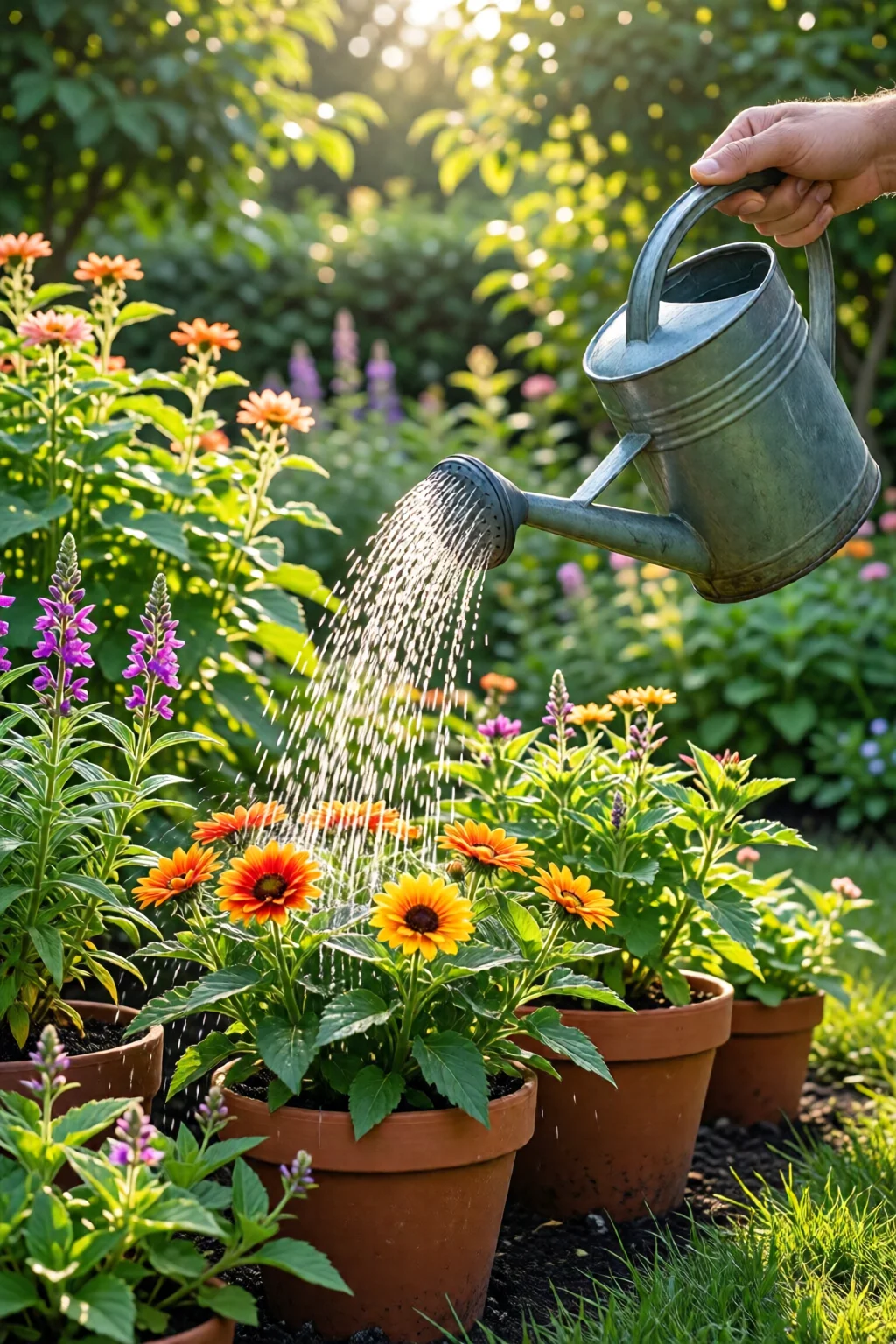
Step 1: Assess Your Garden’s Water Needs
Every plant species has a baseline water requirement, usually expressed as inches of water per week. For example, tomatoes need about 1‑1.5 inches, while lavender thrives on 0.5 inch. Climate is the next variable: a hot, dry summer in the Southwest can demand 1.5 times the baseline, whereas a temperate Pacific Northwest might need only 0.75 times.
Take a quick soil test. Sandy loam drains quickly, so water infiltrates at roughly 2 inches per hour; clay holds water longer, with a 0.5‑inch per hour absorption rate. Use your XLUX sensor: readings of 30‑40% volumetric water content in loam indicate “good to go” for most vegetables.
Write down each plant group (vegetables, perennials, shrubs) and note the recommended weekly inches. This spreadsheet becomes the backbone of your watering schedule.
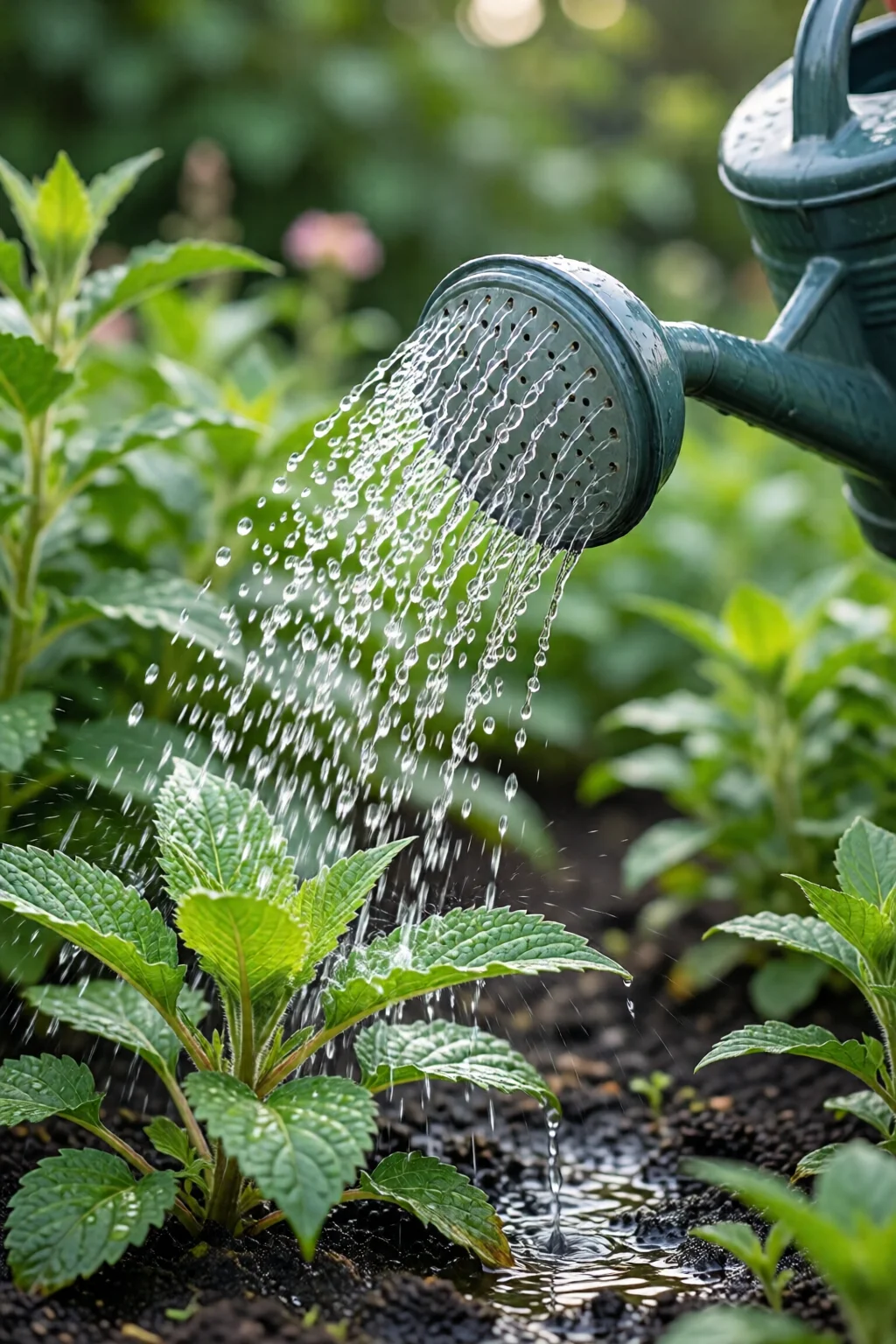
Step 2: Choose the Right Irrigation Method
Once you know how much water each zone needs, match the delivery method to the plant type.
- Drip emitters (0.5‑2 gph): Ideal for tomatoes, peppers, and herb beds. A 0.5 gph emitter placed 12 inches apart delivers about 0.5 inch of water in 60 minutes.
- Soaker hoses: Perfect for rose beds and ground‑cover perennials. Lay a 50‑ft hose at 6‑inch intervals; run for 30 minutes to achieve roughly 0.75 inch.
- Micro‑sprinklers: Best for larger shrubs that need foliage wetting (e.g., hydrangeas). A 2‑gallon per hour sprinkler covers a 6‑ft radius in 20 minutes, delivering 0.4 inch.
- Hand watering: Handy for seedlings and potted plants; a 2‑gallon can fills a 12‑inch pot to field capacity.
Investing in a Rain Bird DRIP kit can save $200‑$300 annually by reducing runoff. Pair the system with the Orbit timer for precise start‑stop cycles.
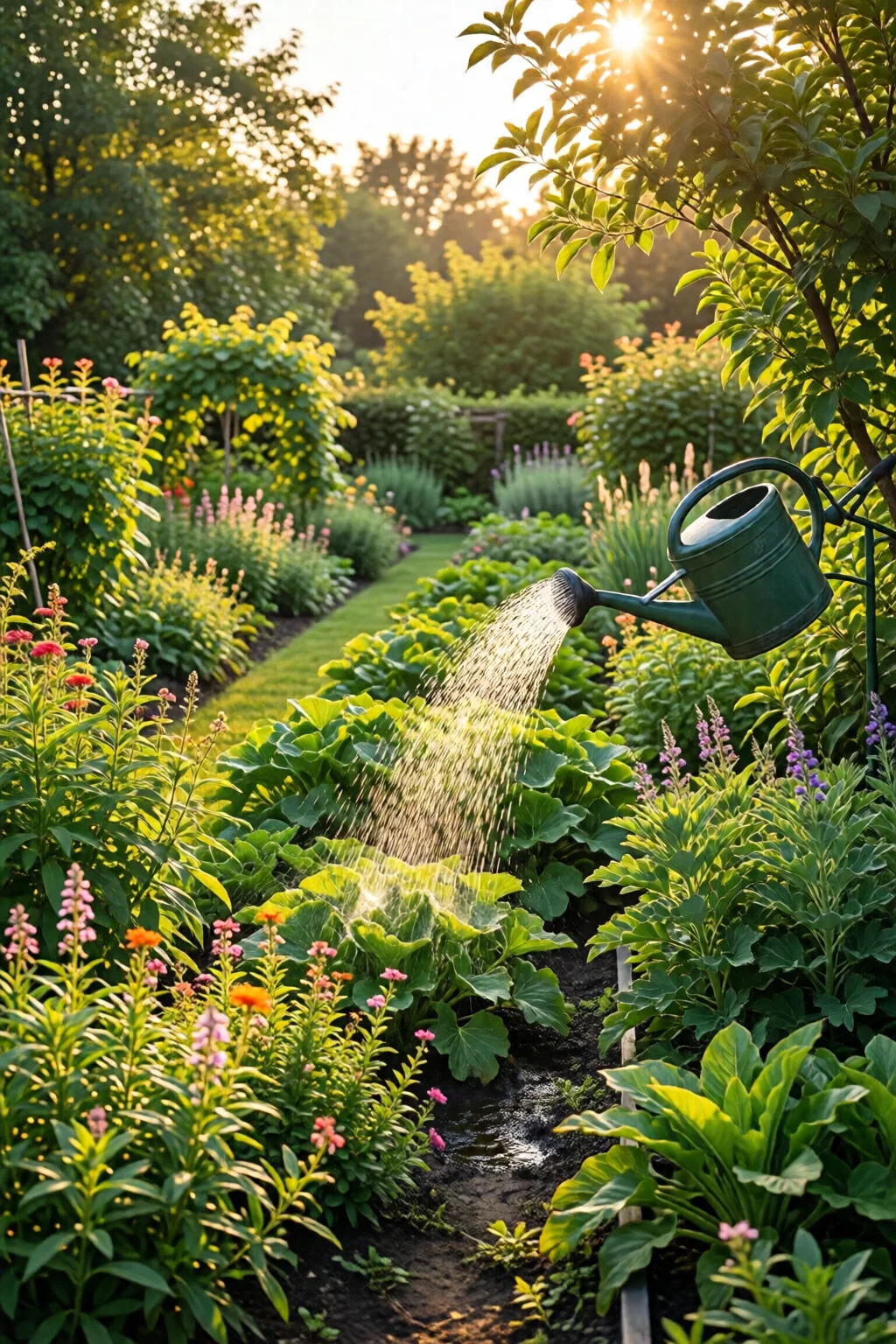
Step 3: Build a Weekly Watering Schedule
The goal is to supply the total weekly inches in 2‑3 evenly spaced sessions. Watering twice a week (e.g., Tuesday & Saturday) at 6 am or 7 pm reduces evaporation and encourages deep root growth.
| Plant Group | Weekly Inches | Sessions/Week | Duration per Session |
|---|---|---|---|
| Tomatoes | 1.2 | 2 | ≈30 min @ 0.5 gph emitters |
| Lavender | 0.5 | 2 | ≈10 min @ 0.5 gph emitters |
| Roses | 0.8 | 3 | ≈15 min @ soaker hose |
| Vegetable Mix (leafy greens) | 1.0 | 2 | ≈25 min @ micro‑sprinklers |
Mark the start times on your timer. For a smart controller, set “weather‑adjust” so a rainy day automatically cuts the cycle by 30‑50%.
Don’t forget mulch. A 2‑inch layer holds moisture for up to 3 days, effectively extending each watering session.
Step 4: Set Up Automation and Monitoring
Connect the timer to a Wi‑Fi hub (Rachio 3 works with Alexa, Google Home, and Apple HomeKit). Enable the “soil moisture sensor integration” – the XLUX sensor will send real‑time data to the app. When readings dip below 25% in loam, the system triggers a supplemental 5‑minute burst.
Every month, calibrate the rain gauge. If the gauge shows more than 0.1 inch of rain during a scheduled day, skip that cycle. This prevents over‑watering and saves roughly 12 gallons per week in a 500‑sq‑ft garden.
Record the data in a simple Google Sheet: date, rain, sensor reading, cycle run time. Over a season you’ll see patterns and can fine‑tune the schedule.
Common Mistakes to Avoid
- Watering at midday: Evaporation can exceed 30% in hot sun. Aim for early morning or evening.
- Relying on visual cues alone: Wilting can be a sign of heat stress, not necessarily lack of water.
- Ignoring soil type: Clay retains water; a drip system set for loam will over‑water clay beds.
- Skipping mulch: Without mulch, water drains 40% faster, forcing more frequent cycles.
- Setting a fixed timer year‑round: Seasonal adjustments (reduce by 20% in fall) keep roots from rotting.
Troubleshooting & Tips for Best Results
1. Water Stagnates in Low Spots
Use a garden rake to level the bed or install a shallow French drain. A 2‑in‑wide perforated pipe at 6‑inch depth can redirect excess water.
2. Sensors Give Erratic Readings
Calibrate the XLUX sensor every 6 weeks. Clean the probe with a soft brush and re‑insert at a consistent depth (6 inches for most beds).
3. Leaves Are Yellowing Despite Adequate Water
Check nutrient levels. A 5‑lb bag of Espoma Garden Food (organic, $8) applied at a rate of 1 cup per 10 sq ft can restore vigor.
4. Irrigation Leaks
Inspect drip lines for pinholes. Replace sections with new Rain Bird ¼‑in. drip tubing ($0.75 per foot) – a small investment prevents waste of up to 500 gallons per season.
5. Drought‑Resistant Plants Still Need Water
Even succulents require a deep soak once every 10‑14 days in a hot climate. Schedule a 5‑minute “deep‑soak” cycle on the timer for those zones.
For further inspiration on plant placement, see our how to save seeds from garden plants guide, or if you’re planning a backyard screen, explore privacy hedge ideas for backyard.
Summary
Creating a reliable watering schedule for garden plants is less about guesswork and more about data, timing, and the right tools. By assessing plant needs, selecting an appropriate irrigation method, breaking weekly water totals into 2‑3 early‑morning sessions, and using a timer paired with a soil moisture sensor, you’ll reduce water waste by up to 40% and see healthier, more productive plants. Avoid common pitfalls—midday watering, ignoring soil type, and skipping mulch—and you’ll enjoy a garden that looks vibrant all season long.
How often should I water vegetable beds in summer?
Most summer vegetables need 1‑1.5 inches of water per week, split into two early‑morning sessions. Adjust based on rainfall and soil type; sandy soils may need three short cycles.
Can I rely solely on a rain gauge for my watering schedule?
A rain gauge is a great reference, but combine it with a soil moisture sensor for precise control. The gauge tells you how much natural water you received; the sensor tells you what the soil still needs.
What is the best time of day to water?
Early morning (5‑8 am) or late evening (after sunset) minimizes evaporation and allows foliage to dry before night, reducing fungal risk.
Do all plants need the same amount of water?
No. Succulents, lavender, and many Mediterranean herbs need less than 0.5 inch per week, while fruiting vegetables like tomatoes and peppers need 1‑1.5 inches.
How can I reduce water waste in my garden?
Use drip irrigation, add 2‑inch mulch, set a smart timer with weather‑adjust, and monitor with a soil moisture sensor. These steps can cut water use by 30‑40%.
5 commentaires sur « How to Watering Schedule For Garden Plants (Expert Tips) »