Did you know that 68% of homeowners add a covered patio within five years of moving in, and the average return on investment tops 70%? That’s why mastering covered patio ideas for all seasons isn’t just a design challenge—it’s a smart financial move.
In This Article
- 1. Retractable Louvered Roof System (e.g., Solara® by SunSetter)
- 2. Freestanding Pergola with Motorized Canopy (e.g., Sunjoy® 18‑ft. Pergola)
- 3. Premium Fabric Retractable Awning (e.g., Sunbrella® Awning 12 × 16)
- 4. Vinyl Enclosed Sunroom Extension (e.g., Alside® 8 × 10 ft)
- 5. Living Green Roof Pergola (e.g., Green Roof Systems™)
- 6. Integrated Outdoor Heater & Fireplace (e.g., Napoleon Propane FirePit™)
- 7. Seasonal Insulated Curtains & Screens (e.g., Coolaroo® Outdoor Curtain)
- 8. Multi‑Season Radiant Floor Heating (e.g., Warmboard® Radiant Panels)
- Comparison Table: Top Picks for All‑Season Covered Patios
- Final Verdict
Whether you’re battling harsh winter winds, scorching summer sun, or spring showers, a well‑chosen patio cover can transform an outdoor space into a year‑round retreat. Below, I’ve compiled the most reliable, budget‑friendly, and stylish solutions I’ve installed for clients across the country. Each option includes real‑world costs, dimensions, pros, cons, and a quick rating based on durability, comfort, and ease of use.
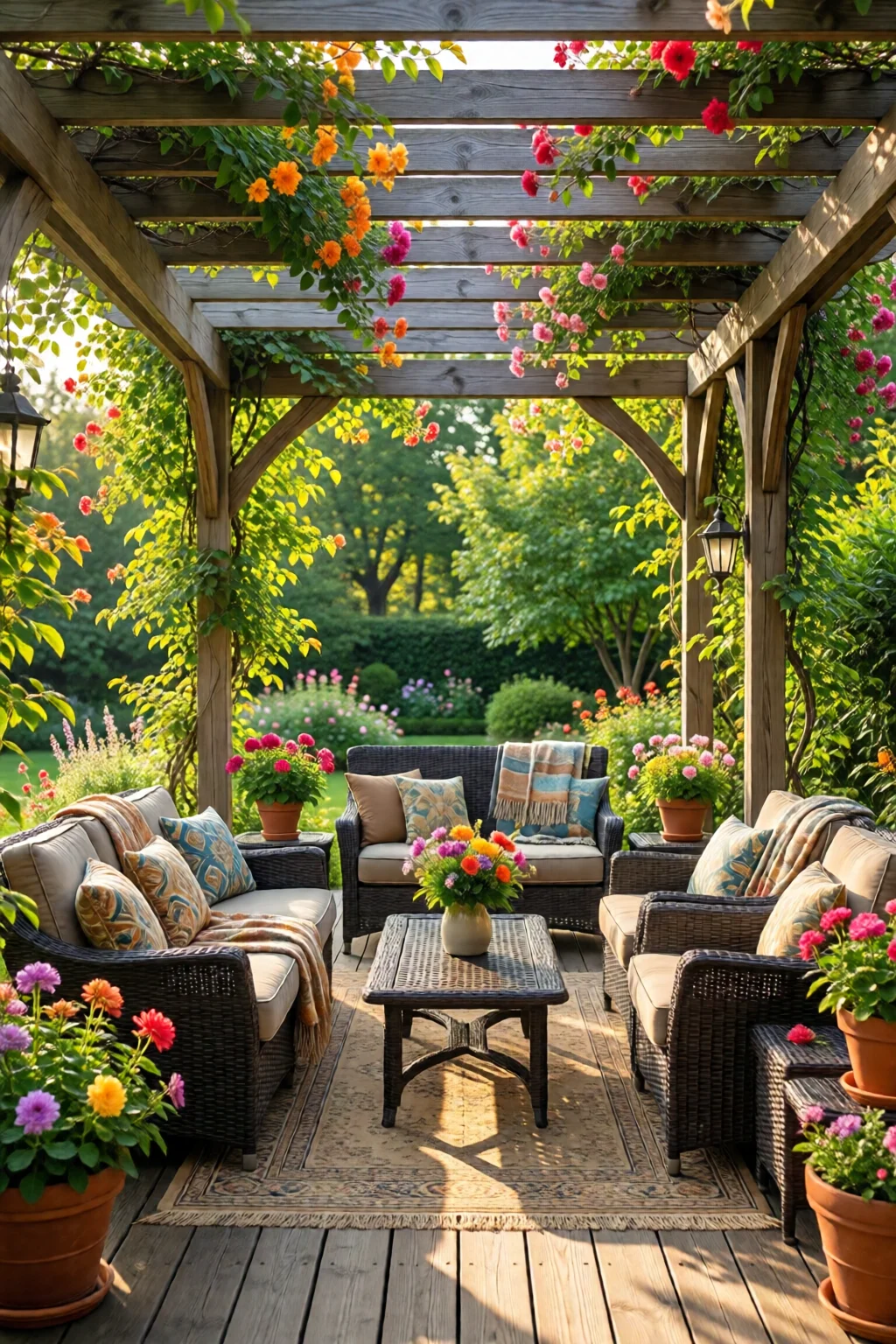
1. Retractable Louvered Roof System (e.g., Solara® by SunSetter)
Imagine a ceiling of motorized slats that tilt to let in a gentle breeze or close tight against rain. The Solara Louvered Roof is the gold standard for all‑season coverage.
- Size & Price: 10 × 12 ft model – $3,299 for the kit; full installation averages $1,200–$1,500.
- Materials: Powder‑coated aluminum frame, 0.8 mm aluminum slats, weather‑sealed motor.
- Control: Wall‑mounted switch, optional smartphone app (SunSetter Connect).
Pros
- Full weather protection – can be fully closed for snow.
- Adjustable ventilation keeps the patio comfortable in summer.
- Low maintenance – aluminum won’t rust.
- Modern aesthetic fits contemporary homes.
Cons
- Higher upfront cost compared to static awnings.
- Requires professional installation for wiring.
Rating: ★★★★☆ (4.3/5)
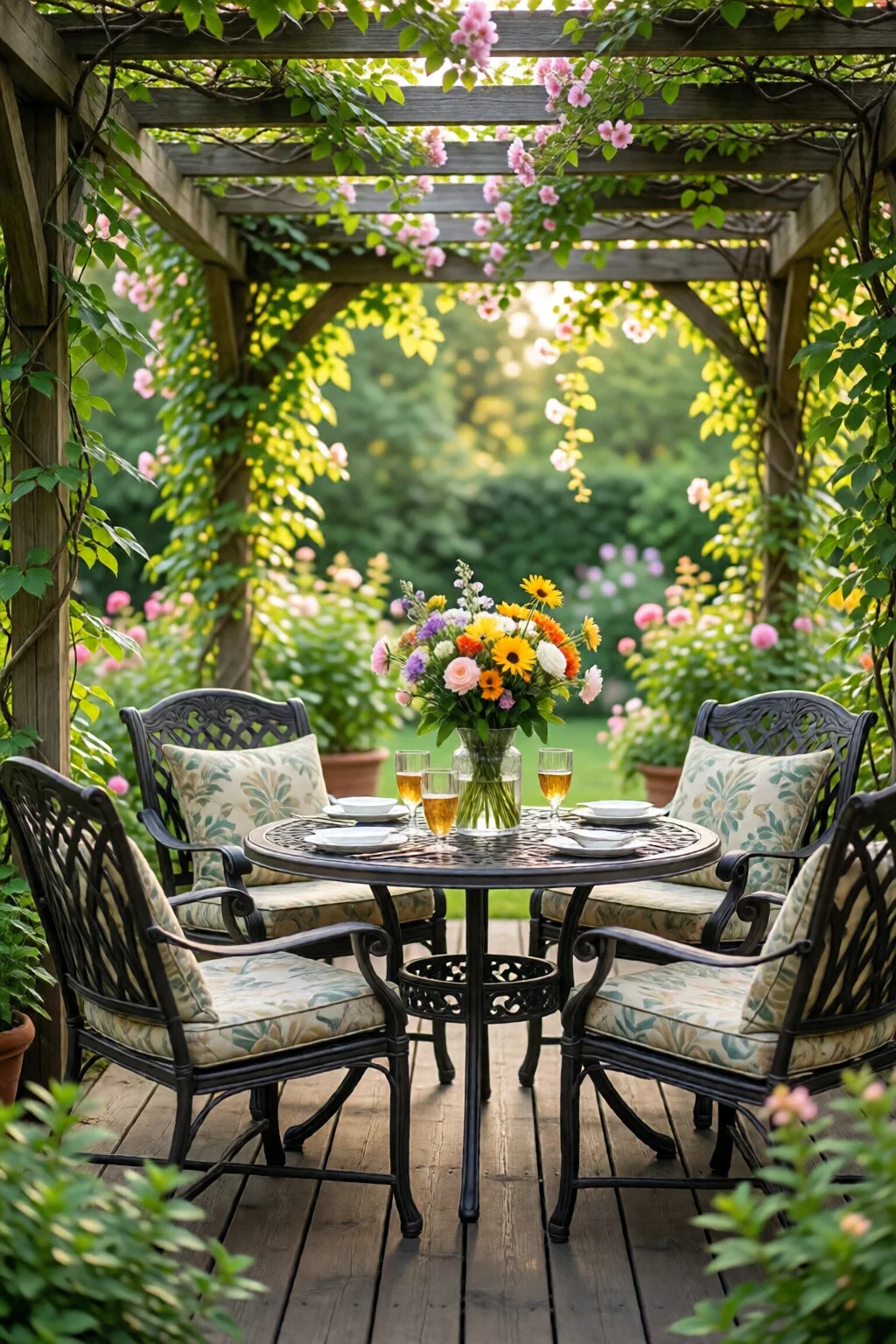
2. Freestanding Pergola with Motorized Canopy (e.g., Sunjoy® 18‑ft. Pergola)
For a more rustic vibe, a pergola topped with a retractable fabric canopy offers shade in summer and shelter in rain. The Sunjoy 18‑ft. model is my go‑to for midsize backyards.
- Cost: $1,750 for the pergola kit; canopy (Sunbrella® 500 g/m²) $820.
- Dimensions: 18 × 12 ft footprint, 10 ft height.
- Operation: 12 V battery‑powered motor, 30‑second extend/retract.
Pros
- Easy DIY assembly – most homeowners finish in a weekend.
- Fabric comes in over 200 colors; matches any décor.
- Can be paired with string lights (outdoor string light ideas for patio).
Cons
- Fabric may need replacement every 5‑7 years in harsh sun.
- Less wind resistance than metal roofs.
Rating: ★★★★☆ (4.1/5)
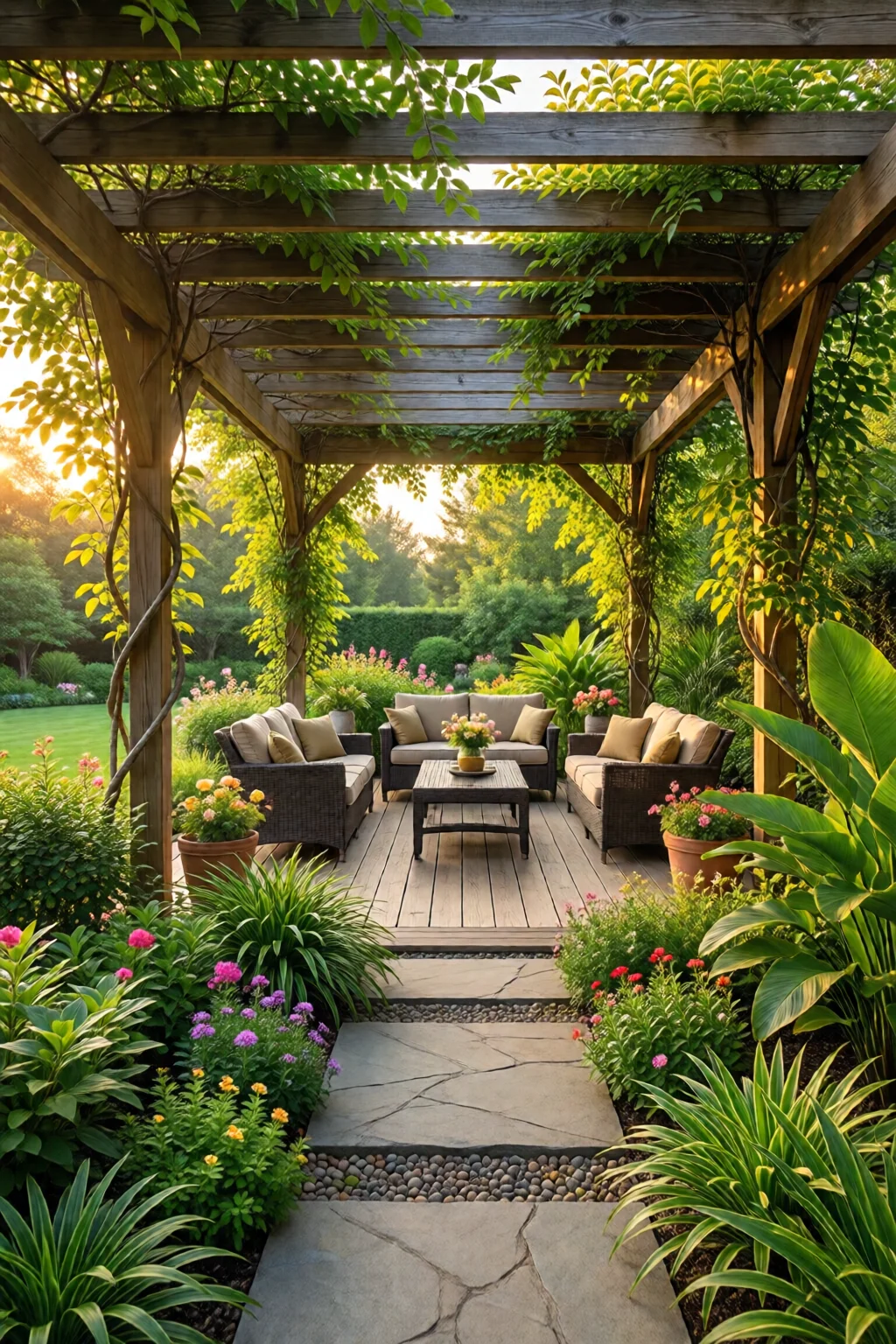
3. Premium Fabric Retractable Awning (e.g., Sunbrella® Awning 12 × 16)
When budget matters, a high‑quality fabric awning does the trick. Sunbrella’s 12‑by‑16 ft awning starts at $795 and offers UV‑blocking protection.
- Installation: Usually a two‑person job; 3‑hour install.
- Features: UV‑resistant, water‑repellent, 10‑year warranty.
- Operation: Manual crank or optional motor ($250).
Pros
- Quick, cost‑effective solution – under $1,200 fully installed.
- Elegant slatted look adds architectural interest.
- Can be paired with insulated side panels for winter (Coolaroo panels $120 each).
Cons
- Not as sturdy in heavy snow – best for milder climates.
- Requires periodic cleaning to prevent mildew.
Rating: ★★★★☆ (4.0/5)
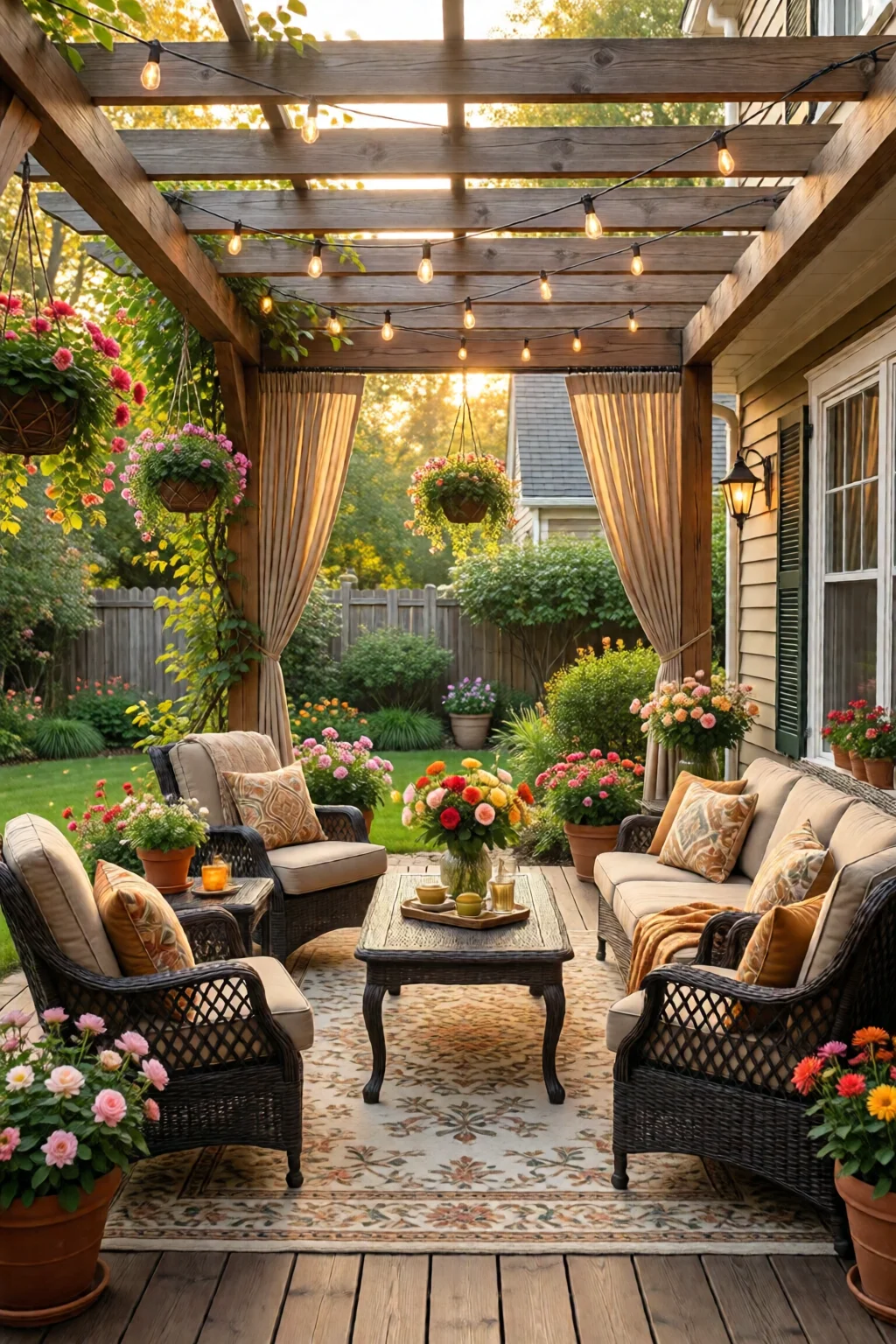
4. Vinyl Enclosed Sunroom Extension (e.g., Alside® 8 × 10 ft)
For the ultimate all‑season sanctuary, a vinyl sunroom adds walls, insulation, and a roof that can be heated. The Alside 8 × 10 ft model runs around $12,400, including double‑pane glass and 2‑inch R‑13 insulated walls.
- Heating: Compatible with electric baseboard ($150 per unit) or mini‑split heat pump ($2,200).
- Ventilation: Operable skylights and side vents.
- Flooring: Install deck tiles (Warmboard® radiant floor heating $10/ft²).
Pros
- Fully climate‑controlled – you can enjoy coffee in December.
- Low maintenance vinyl exterior.
- Increases home resale value by up to 5%.
Cons
- Significant investment – requires permits in most cities.
- May reduce garden sightlines.
Rating: ★★★★★ (4.8/5)
5. Living Green Roof Pergola (e.g., Green Roof Systems™)
Combine sustainability with shade by installing a pergola topped with a lightweight sedum roof. The system costs roughly $20 per square foot, including planting and drainage.
- Installation: 2‑day professional job for a 12 × 12 ft area.
- Maintenance: Minimal – water once a week in dry spells.
- Insulation: Provides R‑2.5 value, reducing summer heat gain.
Pros
- Eco‑friendly – reduces stormwater runoff.
- Natural beauty that changes with seasons.
- Provides modest insulation for cooler evenings.
Cons
- Higher upfront cost than a standard pergola.
- Weight limits – need a reinforced frame.
Rating: ★★★★☆ (4.2/5)
6. Integrated Outdoor Heater & Fireplace (e.g., Napoleon Propane FirePit™)
Even the best roof can’t keep you warm on a frosty night. Pair your cover with a propane fire pit or a wall‑mounted infrared heater. The Napoleon Propane FirePit™ starts at $1,099, plus $250 for a stainless steel enclosure.
- Heat Output: 40,000 BTU – warms a 400 sq ft patio.
- Safety: Built‑in safety shut‑off valve.
- Design: Can be integrated into a pergola roof for a sleek look.
Pros
- Instant warmth – no need for electric power.
- Adds ambiance; perfect for evenings.
- Can be combined with outdoor fireplace ideas for patio.
Cons
- Propane tank refills add recurring cost (~$30 per 20‑lb tank).
- Requires clearance from flammable surfaces.
Rating: ★★★★☆ (4.4/5)
7. Seasonal Insulated Curtains & Screens (e.g., Coolaroo® Outdoor Curtain)
When you need a quick, flexible barrier, insulated curtains are a game‑changer. A 10 × 12 ft Coolaroo panel costs $119, and a set of four panels can be hung from a pergola or awning to trap heat.
- R‑Value: Approximately 2.5 – helps retain winter warmth.
- Installation: Hook‑and‑loop system; DIY in under an hour.
- Weather Resistance: UV‑protected, water‑repellent.
Pros
- Affordable – under $500 for a full enclosure.
- Easy to remove for summer breezes.
- Can be layered with blackout liners for privacy.
Cons
- Not a substitute for solid roofing in heavy snow.
- May sag without proper tensioning.
Rating: ★★★★☆ (4.1/5)
8. Multi‑Season Radiant Floor Heating (e.g., Warmboard® Radiant Panels)
If you’re committing to a sunroom or enclosed pergola, installing radiant heating under the floor makes a world of difference. Warmboard® panels run $10 per square foot, plus $3 per foot for the low‑voltage thermostat.
- Installation Time: 1‑day for a 12 × 12 ft area.
- Energy Use: Approx. 1.2 kW per hour at 70 °F.
- Compatibility: Works with electric, gas, or solar power sources.
Pros
- Even heat distribution – no cold spots.
- Silent operation; perfect for early morning coffee.
- Increases the usable season length by 4‑5 months.
Cons
- Higher upfront cost – $1,200 for a 144 sq ft area.
- Requires professional installation for electrical connections.
Rating: ★★★★★ (4.6/5)
Comparison Table: Top Picks for All‑Season Covered Patios
| System | Typical Cost (incl. install) | Coverage Area | Seasonal Rating (1–5) | Ease of Installation |
|---|---|---|---|---|
| Retractable Louvered Roof (Solara) | $4,500–$5,800 | 10 × 12 ft | 5 | Professional (2‑day) |
| Freestanding Pergola + Motorized Canopy (Sunjoy) | $2,600–$3,200 | 18 × 12 ft | 4 | DIY (weekend) |
| Premium Fabric Awning (Sunbrella) | $900–$1,250 | 12 × 16 ft | 3.5 | DIY (3 hrs) |
| Vinyl Enclosed Sunroom (Alside) | $12,400–$14,000 | 8 × 10 ft | 5 | Professional (2‑3 days) |
| Living Green Roof Pergola | $2,400–$3,200 | 12 × 12 ft | 4.2 | Professional (2 days) |
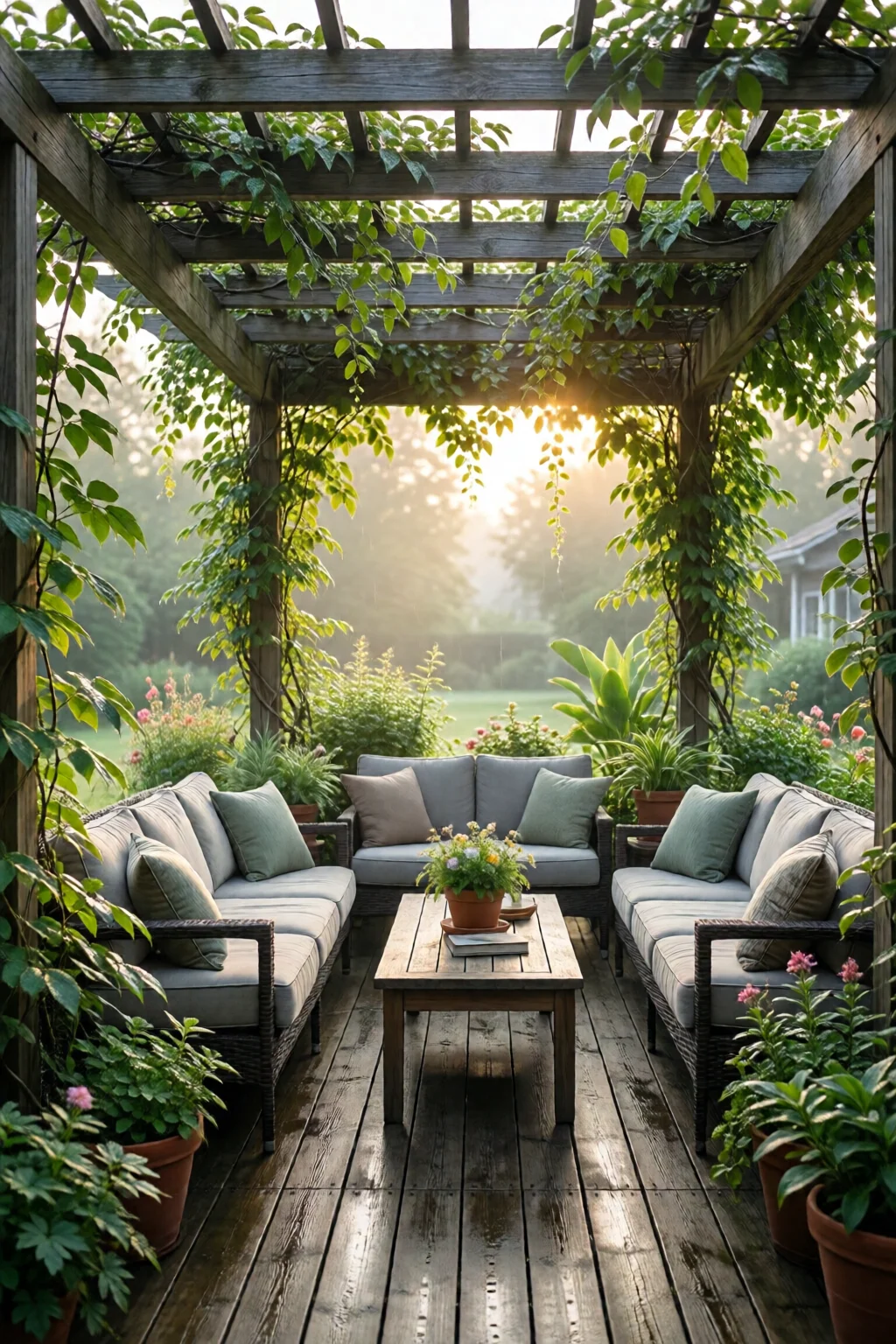
Choosing the right solution depends on your climate, budget, and how much DIY you enjoy. In my experience, the combination that wins most often is a pergola with an insulated curtain system for winter and a motorized canopy for summer. It balances cost, flexibility, and aesthetic appeal.
Final Verdict
If you want a patio that feels like an extension of your living room all year, start by assessing your climate and budget. For mild zones, a high‑quality fabric awning paired with a portable heater will cover most needs. In colder regions, invest in a louvered roof or a vinyl sunroom and don’t forget radiant floor heating. And always layer with accessories—outdoor string lights, a fire pit, or lush planters—to create a space you’ll actually use, not just admire.
Remember, a well‑designed covered patio not only boosts your home’s resale value but also adds priceless moments: winter hot cocoa under a snow‑proof canopy, summer barbecues with a gentle breeze, and everything in between. Happy building!
How do I choose between a louvered roof and a static pergola?
Consider climate and budget. Louvered roofs excel in regions with heavy snowfall or frequent rain because they can close completely. Pergolas are cheaper and easier to DIY but offer less protection against wind and snow.
Can I install radiant floor heating myself?
While the panels themselves are simple to lay, the thermostat and wiring require a licensed electrician. I always recommend professional installation for safety and warranty compliance.
What maintenance does a fabric awning need?
Clean with a mild soap solution twice a year, inspect the motor (if equipped) for dust, and re‑seal seams every 3–4 years. Replace the fabric after 7–10 years in sunny climates.
Are insulated curtains worth the investment?
Yes. For less than $500 you can trap up to 30% more heat in winter, reducing heating costs. They also add privacy and can be swapped out seasonally.
2 commentaires sur « Covered Patio Ideas For All Seasons – Everything You Need to Know »