Dreaming of a tranquil water feature but limited by a modest yard? A backyard pond can be the perfect focal point, adding serenity, wildlife, and visual interest without overwhelming a small space. In this guide we’ll explore inventive pond ideas for small yards, practical design tips, and expert advice that lets you create a gorgeous oasis even on a tight footprint. From pocket‑sized water gardens to clever integration with patios and decks, you’ll discover how to turn every square foot into a splash of natural beauty.
Designing a Small Backyard Pond
Choosing the Right Spot
Location is everything when space is at a premium. Look for a level area that receives a balanced mix of sun and shade—ideally six hours of indirect sunlight daily. Too much direct sun can overheat the water, while excessive shade encourages algae growth. Consider proximity to power outlets for pumps and lighting, and ensure the spot is visible from your main living areas so you can enjoy the pond’s calming effect from inside the house.
Size and Shape Considerations
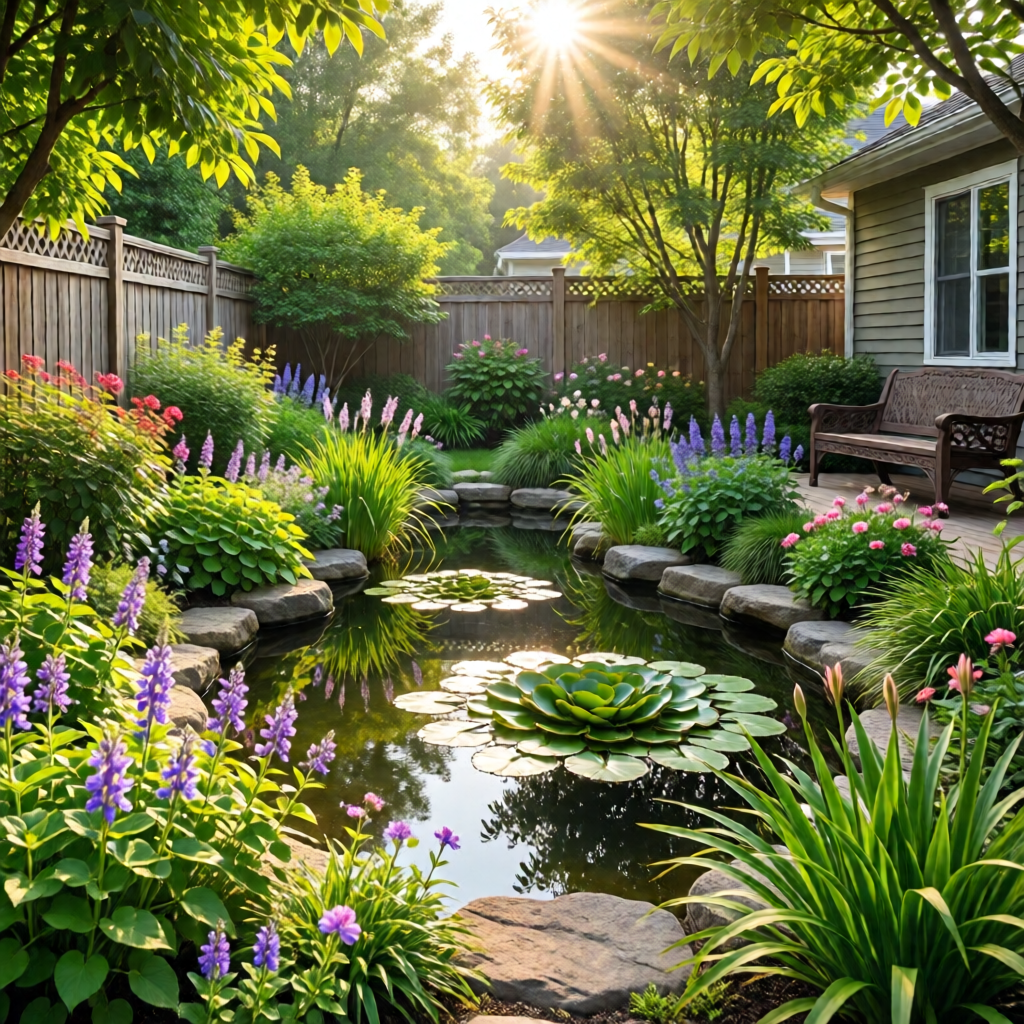
In a small yard, the pond’s footprint should complement the existing layout rather than dominate it. A circular or oval pond of 4‑6 feet in diameter fits well in corners, while a narrow rectangular design can line a pathway or sit beneath a pergola. Keep depth between 18‑24 inches for goldfish or native minnows, and add a shallow “shelf” zone of 4‑6 inches for marginal plants. This tiered approach maximizes visual depth while staying compact.
Creative Pond Styles for Limited Space
Pocket Ponds
Pocket ponds are the ultimate solution for tiny yards. Constructed in pre‑formed liners or repurposed bathtubs, they sit low to the ground and blend seamlessly with garden beds. Add a few dwarf water lilies, a couple of floating irises, and a modest pump for gentle circulation. The result is a miniature water world that feels larger than its actual size.
Tiered Water Gardens
Stacked or tiered ponds use vertical space to create a multi‑level water feature. A shallow upper basin can hold bright annuals, while a deeper lower basin houses fish and aquatic plants. Use natural stone or reclaimed wood to build the tiers, and incorporate a small waterfall to connect the levels. This design adds a dynamic visual element and can double as a decorative wall.
Integrated Planter Ponds
Combine a pond with a planter box for a space‑saving hybrid. The pond sits in the center of a raised planter, allowing you to grow herbs, succulents, or annuals around the water’s edge. This not only maximizes usable area but also creates a micro‑habitat where plants benefit from the pond’s humidity. Choose a liner that fits the planter’s dimensions and line the interior with gravel for drainage.
Essential Features and Accessories
Filtration and Aeration
Even a modest pond requires proper filtration to keep water clear and healthy. A compact submersible pump paired with a bio‑filter provides mechanical and biological cleaning. For added oxygen, install a small aerator or a decorative fountain nozzle. These devices prevent stagnant water, reduce algae, and create a soothing soundscape.
Lighting and Nighttime Appeal
Illuminate your pond to extend its enjoyment after dark. Solar-powered LED lights can be placed along the pond’s edge or submerged for a magical glow. Spotlights positioned behind surrounding plants cast shimmering reflections, while underwater uplights highlight fish and plant silhouettes. Energy‑efficient lighting also adds safety for evening walks.
Water Plants for Balance
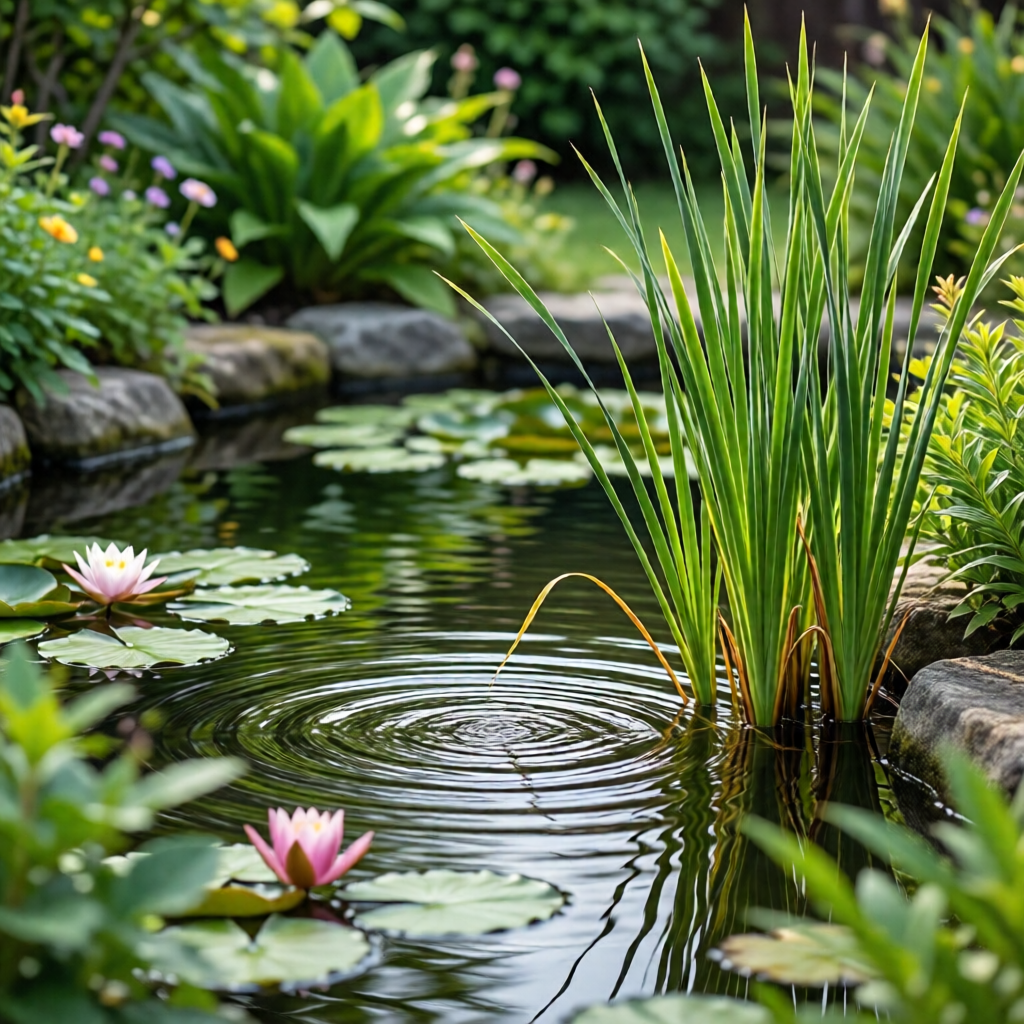
Choosing the right aquatic flora is key to a low‑maintenance pond. Dwarf water lilies (Nymphaea spp.) provide shade and beautiful blooms, while water hyacinths and floating heartleaf create surface coverage that blocks excess sunlight. Marginal plants such as pickerel rush, dwarf iris, and Japanese watercress thrive in the shallow shelf, offering texture and attracting beneficial insects.

DIY Build vs. Professional Installation
Budget‑Friendly DIY Steps
If you’re handy and enjoy a project, building a pond yourself can save money and provide a rewarding experience. Follow these steps:
- Plan and measure: Sketch the pond’s shape, depth, and location.
- Excavate: Dig a hole slightly larger than the liner, creating a level base.
- Install liner: Lay a flexible EPDM or PVC liner, smoothing out wrinkles.
- Add underlay and rock: Place a protective underlay, then arrange stones for aesthetics and stability.
- Set up pump and filter: Position the pump at the deepest point and connect to the filter.
- Fill and test: Fill with water, check for leaks, and adjust the pump flow.
Finish with edging material—river rocks, pavers, or reclaimed bricks—to blend the pond with the surrounding landscape.
When to Call a Pro
Professional pond installers are worth considering if you have limited time, lack excavation equipment, or want a complex design such as a cascading waterfall or integrated lighting system. A pro can also handle permits, ensure proper waterproofing, and provide a warranty on the liner and equipment. Weigh the cost against your DIY confidence; sometimes a modest investment in expertise prevents costly repairs later.

Maintenance Tips to Keep Your Pond Pristine
Seasonal Care Checklist
Regular upkeep keeps your pond healthy year‑round. In spring, remove debris, test water pH, and add beneficial bacteria. Summer requires monitoring water levels, cleaning the filter, and trimming overgrown plants. In fall, reduce feeding, harvest annuals, and prepare the pump for cooler temperatures. Winterizing may involve installing a pond heater or de‑icing blanket to protect fish. For a detailed guide, see our seasonal garden maintenance checklist.
Controlling Algae Naturally
Algae thrives in warm, nutrient‑rich water. To curb growth, increase shade with floating plants, add barley straw to release natural algaecides, and maintain proper circulation. Regularly skim the surface and avoid over‑feeding fish, which adds excess nutrients. A balanced ecosystem with plenty of oxygen‑producing plants often eliminates the need for chemical treatments.
Feeding Fish and Fertilizing Plants
If you keep fish, feed them small portions once or twice daily, removing any uneaten food after a few minutes. Overfeeding leads to water cloudiness and health issues. For aquatic plant nutrition, use a slow‑release fertilizer designed for water gardens; it supplies essential micronutrients without polluting the water. Learn more about plant nutrition in our indoor plant fertilizer guide, which also applies to pond flora.

Enhancing the Surroundings: Patio, Deck, and Fire Features
Integrating your pond with existing outdoor living spaces creates a cohesive retreat. Place a decorative outdoor rug on the patio near the pond’s edge for comfort and to define a seating area. If you have a deck, consider a short flight of steps leading down to a low‑profile pond, turning the water feature into a natural extension of the deck.
For evenings, combine the pond with an outdoor fireplace or fire pit. The gentle crackle of fire paired with the soothing sound of water creates an inviting ambiance for gatherings. Additionally, a modest outdoor kitchen can be positioned nearby, allowing you to prep meals while enjoying the pond’s view. Choose materials—stone, reclaimed wood, or concrete—that complement the pond’s natural aesthetics.
What size pond is best for a yard under 500 square feet?
A pond with a diameter of 4‑6 feet or a rectangular basin measuring 3 × 6 feet works well, providing enough water depth for fish while staying proportionate to a small yard.
Can I keep fish in a pocket pond?
Yes, hardy species such as goldfish, koi (in larger pockets), or native minnows thrive in shallow ponds as long as you maintain proper filtration and oxygen levels.
How do I prevent my small pond from freezing in winter?
Install a pond heater, use a de‑icing floating disc, or keep a small waterfall running to maintain water movement and prevent ice formation.
What are the best low‑maintenance water plants for tiny ponds?
Dwarf water lilies, floating heartleaf, and marginal pickerel rush are excellent choices because they require minimal care and help control algae.
Do I need a permit to install a small backyard pond?
Permit requirements vary by municipality. Typically, ponds under 100 gallons don’t need a permit, but it’s best to check with your local building department before digging.