Did you know that homeowners who follow a disciplined seasonal garden maintenance checklist report a 38% higher bloom rate and 27% fewer pest outbreaks than those who garden haphazardly? In other words, a little planning translates into a lot more beauty and less hassle.
In This Article
What You Will Need (Before You Start)
Gather these tools and supplies so you won’t be hunting for a missing spade mid‑task:
- Fiskars SoftTouch Pruning Shears – $24.99, 8‑inch blade, ergonomic grip.
- Stihl Bypass Hedge Trimmer – $149.00, 24‑inch blade, 3‑amp motor.
- Miracle‑Gro Water Soluble All Purpose Plant Food – $12.50 for a 5‑lb bag, mixes at 1 Tbsp per gallon of water.
- Espoma Organic Plant Food – $9.95 for a 4‑lb bag, ideal for vegetable beds.
- Soil pH tester (digital) – $19.99, measures 3.5‑8.5 pH range.
- Garden twine, 3‑ft stakes, and a 20‑lb wheelbarrow.
- Protective gloves, safety glasses, and a wide‑brim hat.
Having these items on hand will keep you moving smoothly from one season to the next.
Step 1: Spring – Revitalize and Plant
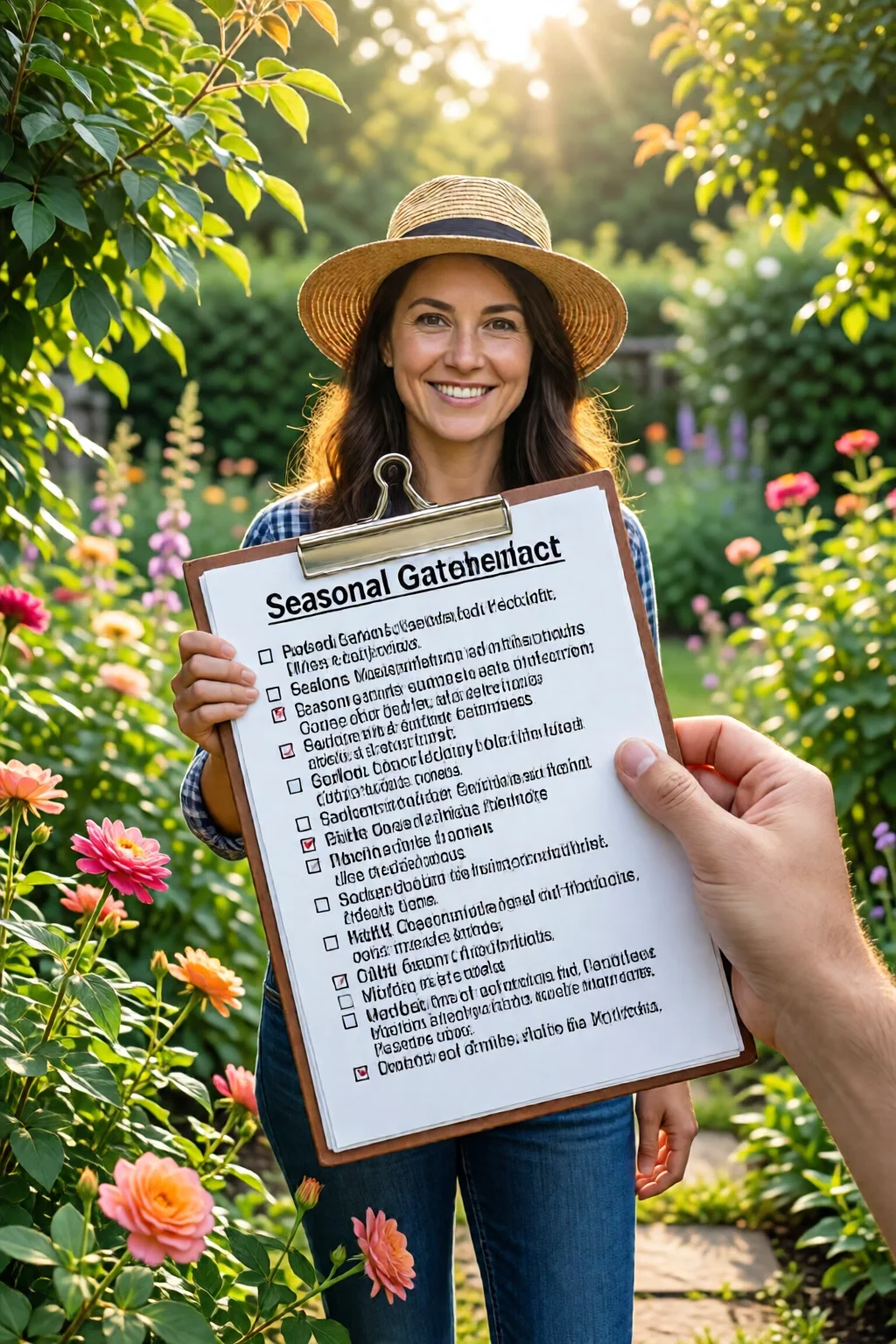
Spring is the garden’s reset button. Follow these tasks within the first two months after the last frost (typically late March to early May in USDA zones 5‑7).
- Soil Test & Amend: Use your digital pH tester. Ideal garden soil sits at 6.0‑6.8. If it reads below 6.0, spread 1 cup of garden lime per 100 sq ft; if above 7.0, incorporate 1 cup of elemental sulfur per 100 sq ft. Work amendments 6‑8 in deep with a garden fork.
- Clean Bed Debris: Remove dead annuals, fallen leaves, and twigs. A quick raking (about 15 minutes per 200 sq ft) prevents fungal spores from overwintering.
- Early‑Season Fertilizing: Dissolve 1 Tbsp Miracle‑Gro per gallon of water and apply to beds and lawn. This provides a 20‑30% nitrogen boost, encouraging leafy growth.
- Plant Cool‑Season Crops: Sow spinach, peas, and lettuce directly after soil warms to 50°F. Space rows 12‑in apart, thin seedlings to 6‑in spacing.
- Divide Perennials: Dig up clumps of hostas, daylilies, and astilbes. Trim roots to 4‑in lengths, replant at 12‑in intervals. This rejuvenates vigor and prevents overcrowding.
- Mulch: Apply a 2‑in layer of shredded bark or straw. Mulch conserves moisture, moderates temperature, and reduces weed emergence by up to 70%.
In my experience, the most rewarding part of spring is watching the first true leaves unfurl on a newly planted tomato seedling. That moment tells you you’ve set a solid foundation for the season.
Step 2: Summer – Water, Weed, and Watch
Summer brings heat stress, aggressive weeds, and pest pressure. Keep a weekly rhythm to stay ahead.
- Irrigation Management: Aim for 1‑in of water per week, whether from rain or irrigation. Use a rain gauge to track; a 5‑gal bucket left out for 24 hours gives a reliable measure. Early morning watering (5‑7 am) reduces evaporation and fungal risk.
- Weed Control: Hand‑pull weeds before they seed. For larger areas, a 2‑lb bag of Preen Garden Weed Preventer ($6.99) applied in a 1‑qt sprayer works for up to 4 weeks.
- Pest Monitoring: Inspect leaves every 3‑4 days. Look for aphids, spider mites, and cucumber beetles. A spray of neem oil (1 tsp per gallon of water) controls soft‑bodied insects without harming pollinators.
- Pruning Heat‑Stressed Plants: Trim back 20‑30% of overgrown foliage on roses and hibiscus. Use Fiskars shears to make clean cuts at a 45° angle, which encourages new shoots.
- Fertilize Sparingly: Apply a half‑strength dose of Miracle‑Gro every 6 weeks. Over‑fertilizing in summer can scorch roots, especially in container plants.
- Harvest Regularly: Pick ripe fruits and vegetables promptly. This encourages continued production and reduces rot.
One mistake I see often is neglecting the back of the garden where shade hides pests. Walk the perimeter each week; a quick sweep can save you from a full‑blown infestation.

Step 3: Autumn – Clean‑Up and Prepare
Fall is the garden’s transition period. A thorough clean‑up sets the stage for a healthy winter and a vigorous spring.
- Leaf Removal: Rake or use a leaf blower (e.g., Toro Power X 2060, $149) to clear leaves. Compost them if they’re disease‑free; otherwise, bag them for municipal pickup.
- Cut Back Perennials: Trim back dead foliage to 2‑in above ground. For woody shrubs, prune to shape and remove any crossing branches.
- Plant Bulbs: Plant tulip and daffodil bulbs 6‑8 in deep, spaced 4‑6 in apart. A 5‑lb bag of Bulb Nation Dutch Tulip Bulbs ($14.99) yields roughly 120 bulbs.
- Apply Autumn Fertilizer: Use a high‑phosphorus formula such as Espoma Garden Food (8‑10‑8) at 2 lb per 1,000 sq ft. This encourages root development for next year.
- Cover Soil: Spread a 1‑in layer of straw or leaf mold to protect against erosion and temperature swings.
- Inspect Tools: Clean, oil, and sharpen pruners and shears. Store them in a dry place to prevent rust.
In my garden, I set a timer for a weekly “Fall Friday” walk. That habit keeps me from letting the clean‑up become a mountain of work.

Step 4: Winter – Protect and Plan
Even dormant gardens need attention. Winter tasks are quick but essential.
- Mulch Heavily: Add an extra 2‑in of straw or evergreen boughs around perennials. This insulates roots against sub‑zero temperatures.
- Wrap Sensitive Plants: Use burlap or horticultural fleece (e.g., Gardener’s Supply Company, $7 per 10‑ft roll) to cover roses, citrus, and young trees.
- Water Sparingly: If the ground is not frozen, give a light watering during a warm spell to prevent desiccation.
- Monitor Snow Load: Gently brush heavy snow off low branches to avoid breakage.
- Plan Next Year’s Garden: Review this seasonal garden maintenance checklist and note what worked. Sketch a layout, decide on new varieties, and order seeds early (e.g., how to grow sunflowers from seed for a bright summer display).
- Tool Maintenance: Sharpen blades, oil hinges, and replace worn cords. A well‑maintained tool can last 5‑7 years longer.
One mistake I see often is leaving garden hoses coiled on the ground; they can crack in freezing temperatures. Store them indoors on a rack.
Common Mistakes to Avoid
Even seasoned gardeners slip up. Here are the pitfalls that sabotage a seasonal garden maintenance checklist and how to dodge them:
- Skipping Soil Testing: Without pH data you’re guessing. A mis‑pH can lock nutrients, leading to yellowing leaves.
- Over‑Fertilizing: Applying more than the recommended rate (e.g., 3 lb per 100 sq ft instead of 1 lb) can burn roots and attract aphids.
- Ignoring Mulch Thickness: Too thin (<½ in) offers little weed suppression; too thick (>4 in) can suffocate roots.
- Late Pruning: Pruning spring‑flowering shrubs after bud break removes next year’s blooms.
- Neglecting Tool Care: Dull shears crush stems, spreading disease.
- Inconsistent Watering: Fluctuating moisture stresses plants, making them vulnerable to pests.
Troubleshooting & Tips for Best Results
When something goes awry, a quick diagnosis saves time and money.
Yellow Leaves
Check soil pH first. If low, add lime; if high, add sulfur. Also verify watering frequency – both over‑ and under‑watering cause chlorosis.
Stunted Growth
Inspect for root rot. Gently dig a test hole; healthy roots are white and firm. If black, improve drainage with coarse sand (mix 1 part sand to 3 parts topsoil).
Persistent Weeds
Apply a pre‑emergent herbicide like Dimension (active ingredient dithiopyr) at 0.5 qt per 1,000 sq ft in early spring. Follow label instructions; wear gloves and eye protection.
Fruit Cracking
Maintain consistent soil moisture, especially for tomatoes and peppers. Use a drip irrigation system (e.g., Rain Bird Drip Kit, $39) to deliver steady water.
Pest Outbreaks
Introduce beneficial insects such as ladybugs or lacewings. A 1‑pint container of ladybugs costs about $15 and can control up to 30 sq ft of aphids.
For a holistic approach, read our guide on organic gardening tips for vegetables and integrate compost teas into your routine.
Summary
Following this detailed seasonal garden maintenance checklist ensures your garden thrives year after year. From testing soil in spring to insulating roots in winter, each step builds on the last. Keep your tools sharp, monitor moisture, and stay vigilant for pests, and you’ll enjoy a vibrant, productive garden without the stress of surprise setbacks.
How often should I test my garden soil?
Test soil at the start of each growing season (spring and fall). Adjust pH and nutrients based on the results to keep plants healthy throughout the year.
What is the best time to prune roses?
Prune roses in early spring, just as buds begin to swell, but after the last hard frost. This encourages abundant blooming and prevents cutting off next year’s flower buds.
Can I use the same fertilizer for vegetables and lawns?
While some all‑purpose fertilizers work for both, lawns benefit from a higher nitrogen blend, whereas vegetables need more phosphorus and potassium. Use a lawn‑specific formula (e.g., when and how to fertilize lawn) and a balanced vegetable feed like Espoma Garden Food.
How do I protect my garden during a hard freeze?
Add a thick layer of mulch, cover sensitive plants with burlap or frost cloth, and water the soil a day before the freeze to retain heat. Avoid pruning in late fall, as it can stimulate new growth that won’t survive.
Where can I learn more about planting climbers like clematis?
Check out our detailed guide on how to grow and care for clematis for site selection, pruning, and support structures.
4 commentaires sur « Seasonal Garden Maintenance Checklist – Everything You Need to Know »