Living in an apartment doesn’t mean you have to give up the joy of gardening. With a little creativity, a balcony can become a thriving oasis of herbs, vegetables, flowers, and even fruit, offering fresh produce, soothing scents, and a splash of color that brightens any cityscape. In this guide we’ll walk you through practical tips, expert advice, and actionable ideas to transform a modest balcony into a vibrant garden that fits your lifestyle, budget, and the unique challenges of apartment living.
Assessing Your Space and Climate
Before you buy pots or pick out plants, take a close look at your balcony’s dimensions, orientation, and exposure to wind and sun. Measure the square footage, note any railings or weight limits, and determine which direction the balcony faces. South‑facing balconies receive the most direct sunlight, ideal for sun‑loving vegetables like tomatoes and peppers. East‑facing spaces get gentle morning light, perfect for delicate herbs such as basil and cilantro. West‑facing balconies enjoy strong afternoon sun, which can be moderated with shade cloth. North‑facing balconies are cooler and better suited for shade‑tolerant greens like lettuce, spinach, and certain ferns.
Understanding the micro‑climate helps you select plants that will thrive, reduces trial‑and‑error, and ensures you’re not over‑watering or under‑feeding your new garden.
Designing a Functional Layout
Think of your balcony garden as a small, layered landscape. Use the vertical space first—wall‑mounted planters, trellises, and railing pockets free up valuable floor area. Next, arrange medium‑size containers in a way that allows easy access for watering and harvesting. Finally, add a few decorative pieces—like a small DIY garden bench or a compact folding table—to create a welcoming spot for relaxation.
When planning, keep traffic flow in mind. Leave at least 12‑18 inches of walking space between containers, and position heavier pots near the railing for added stability. A well‑thought‑out layout not only looks attractive but also makes daily care effortless.
Choosing the Right Containers
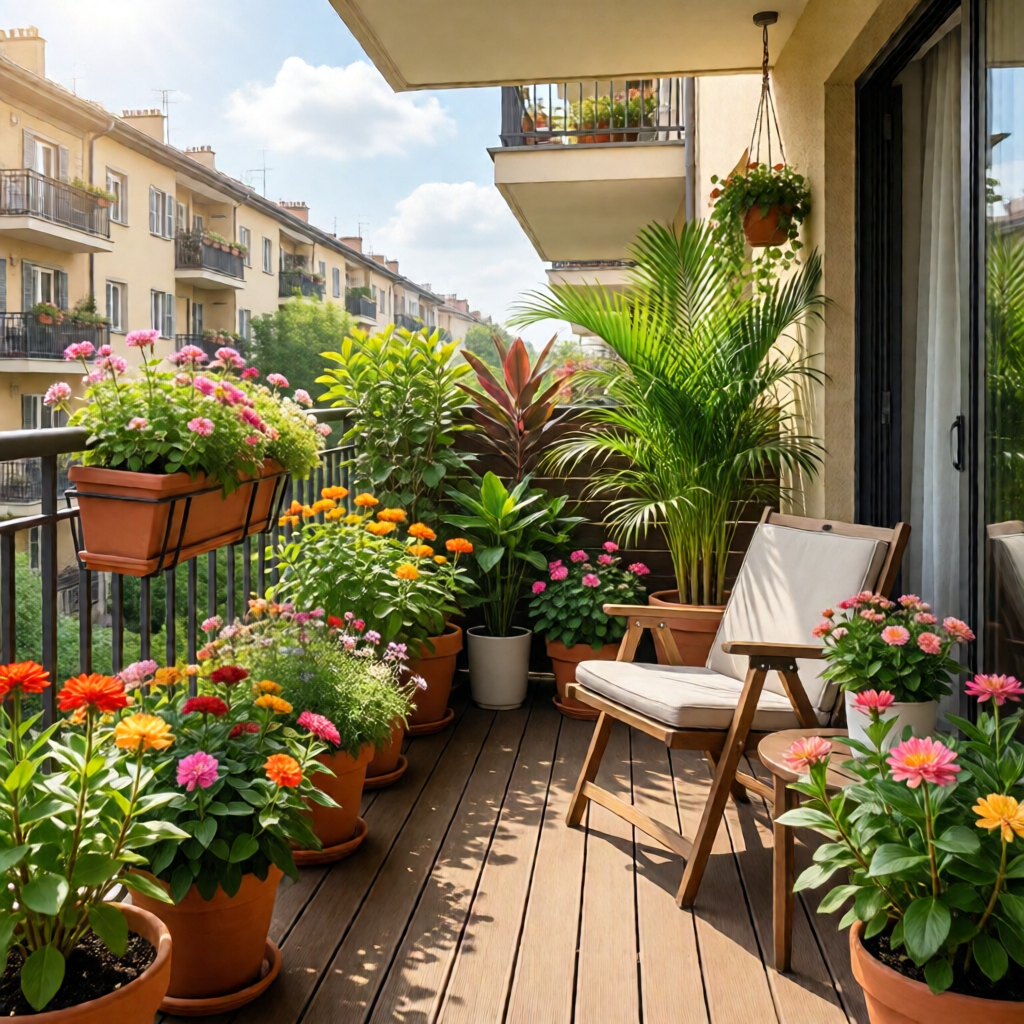
Container selection influences plant health, aesthetics, and safety. Opt for lightweight, durable materials such as resin, fabric grow bags, or high‑density polyethylene. These options are easier to move when cleaning or rearranging and reduce the load on balcony railings. Ensure each container has drainage holes; if not, drill them yourself and add a layer of gravel or broken pottery at the bottom to improve drainage.
Consider using self‑watering containers for herbs and leafy greens. These pots have a water reservoir that releases moisture gradually, minimizing the risk of over‑watering—a common challenge on balconies where wind can dry soil quickly.
Size Matters
Root depth varies by plant type. For deep‑rooted vegetables like carrots or dwarf tomatoes, choose containers at least 12‑18 inches deep. Shallow‑rooted herbs and succulents can thrive in pots as small as 6‑8 inches. A good rule of thumb is to give each plant enough room to expand its root system; crowded roots can lead to stunted growth and disease.
Style and Color Coordination
Matching your containers to your balcony’s décor creates a cohesive look. Neutral tones—gray, white, or terracotta—blend well with most city apartments, while vibrant blues or greens add a pop of color. Mix materials for visual interest: a sleek metal planter paired with a rustic wooden box can evoke a modern‑farmhouse vibe.
Soil, Fertilizer, and Nutrition
Don’t use garden soil in containers; it’s too heavy and can compact, restricting root growth. Instead, purchase a high‑quality potting mix formulated for containers. Look for blends that contain peat moss or coconut coir for moisture retention, perlite or vermiculite for aeration, and a modest amount of compost for nutrients.
Because nutrients leach out more quickly in containers, feed your plants regularly. A balanced, water‑soluble fertilizer applied every two weeks works well for most herbs and leafy greens. For fruiting plants like dwarf tomatoes or strawberries, switch to a fertilizer higher in phosphorus and potassium once they start to set fruit.
Selecting the Best Plants for Apartment Balconies
Choosing plants that match your balcony’s light conditions and your culinary preferences will keep you motivated. Below are categories of popular balcony-friendly plants, along with specific varieties that perform well in containers.
Herbs: Fresh Flavors at Your Fingertips
Herbs are the backbone of any balcony garden. They are compact, fast‑growing, and often tolerant of partial shade. Top picks include:
- Basil (Sweet or Thai) – Thrives in full sun; perfect for summer sauces.
- Cilantro – Prefers cooler, partially shaded spots; ideal for salsa.
- Parsley – Can handle a bit of shade; great for garnish.
- Mint – Grows aggressively; keep in a separate pot to prevent spreading.
- Thyme and Oregano – Drought‑tolerant and love sunny, dry conditions.
Vegetables: Small‑Space Edibles
Many vegetables have dwarf or compact varieties designed for containers. Consider these space‑saving options:
- Dwarf Tomatoes (e.g., ‘Patio’ or ‘Tiny Tim’) – Require cages or small trellises.
- Peppers (Bell or Hot) – Compact plants that love warm, sunny spots.
- Leafy Greens (Lettuce, Spinach, Arugula) – Quick to harvest; can be grown in shallow trays.
- Radishes – Ready in 3‑4 weeks; see our guide on how to grow radishes fast.
- Miniature Carrots – Use deep containers; choose ‘Paris Market’ or ‘Little Finger’.
Fruit: Sweet Treats in Small Pots
While full‑size fruit trees are out of the question, dwarf varieties and berry bushes do well on balconies. Try:
- Strawberry ‘Alpine’ or ‘Mara des Bois’ – Plant in hanging baskets for a cascading effect.
- Blueberry Bushes (Dwarf) – Need acidic soil; add peat moss to the potting mix.
- Dwarf Fig Trees – Can be trained on a small trellis.
Flowers: Color, Pollinators, and Fragrance
Adding flowering plants boosts visual appeal and attracts beneficial insects. Choose compact blooms such as:
- Petunias – Long‑lasting colors; love sun.
- Marigolds – Deter pests and add bright orange hues.
- Geraniums – Tolerant of heat and occasional neglect.
- Impatiens – Perfect for shaded corners.
- Succulents and Cacti – Low‑maintenance, great for sunny, dry spots.
Vertical Gardening Techniques
When floor space is limited, go vertical. Here are proven methods to maximize your balcony’s growing area:
Trellises and Cages
Install lightweight trellises against the railing for climbing beans, peas, or dwarf tomatoes. Choose collapsible or modular systems that can be removed for winter storage.
Wall‑Mounted Pocket Planters
Fabric or felt pocket planters can hold a series of herbs or small flowers. They attach with hooks or suction cups, keeping the balcony floor clear.
Hanging Baskets
Suspended baskets are ideal for trailing strawberries, petunias, or even small salad greens. Use sturdy hooks anchored into the balcony ceiling or railing, ensuring they can support the pot’s weight when filled with soil and water.
Rail‑Side Planters
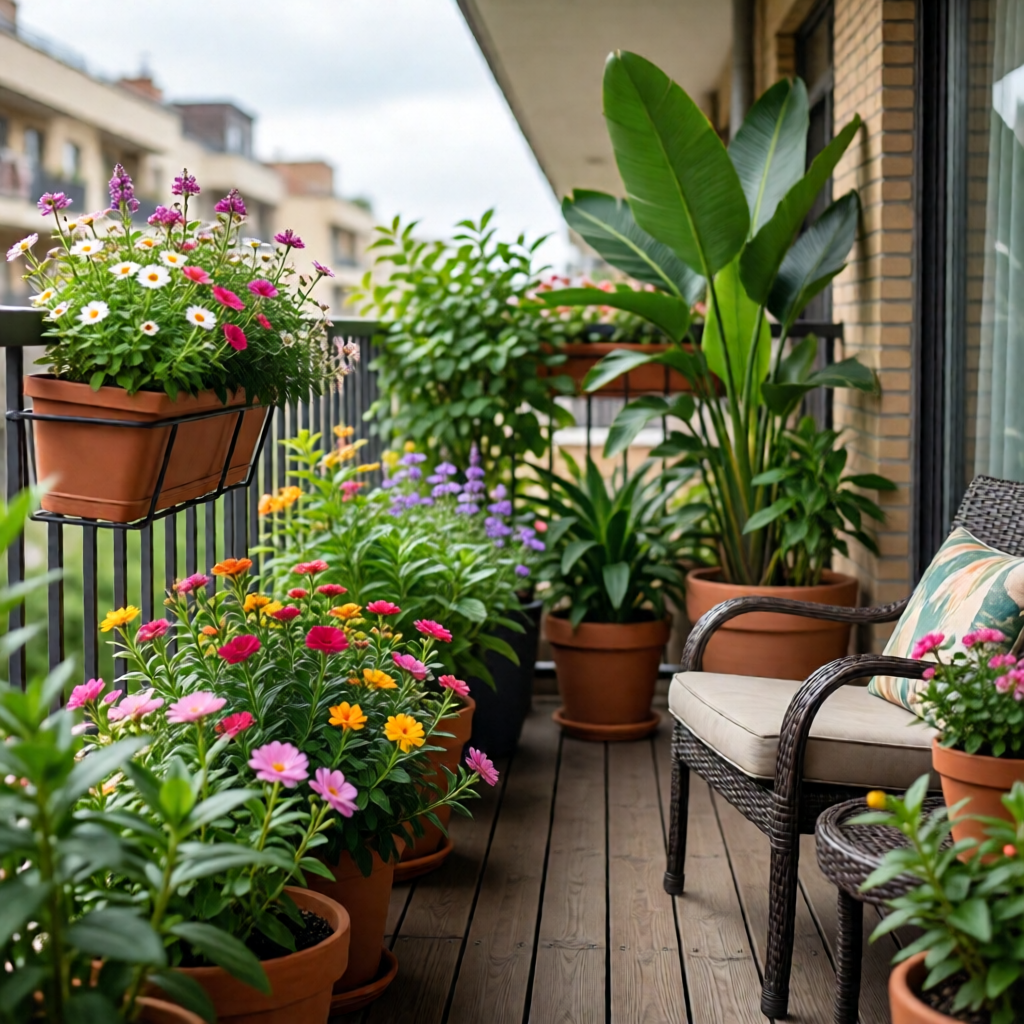
Specially designed rail planters slip over the balcony railing, turning it into a linear garden. They’re perfect for herbs that need frequent harvesting, such as basil and mint.
Creative Design Ideas
Beyond basic planting, you can infuse personality and comfort into your balcony garden. Below are some inspiring concepts that blend function with style.
Mini Pergola or Shade Sail
A small pergola adds vertical interest and a sense of enclosure. For apartment balconies, a lightweight, modular pergola (similar to pergola ideas for small backyard) can be assembled without permanent fixtures. Pair it with a shade sail to protect delicate plants from scorching afternoon sun.
Cozy Seating Nook
Build a simple bench using reclaimed pallets or purchase a compact DIY garden bench. Add cushions in weather‑resistant fabric for comfort. A bench doubles as storage for gardening tools, seed packets, and extra pots.
All‑Season Covered Patio Feel
Even on a balcony, you can create a sheltered space that works year‑round. A retractable awning or a clear acrylic cover (see covered patio ideas for all seasons) protects plants from wind and rain while letting light through. In winter, add a portable heater or a few insulated floor mats to keep the area usable.
Decorative Elements
Incorporate garden art, lanterns, or solar‑powered string lights to set a relaxing ambiance. Use reclaimed wood or bamboo fencing as a backdrop for climbing vines, making the balcony feel larger and more structured.
Seasonal Care and Maintenance
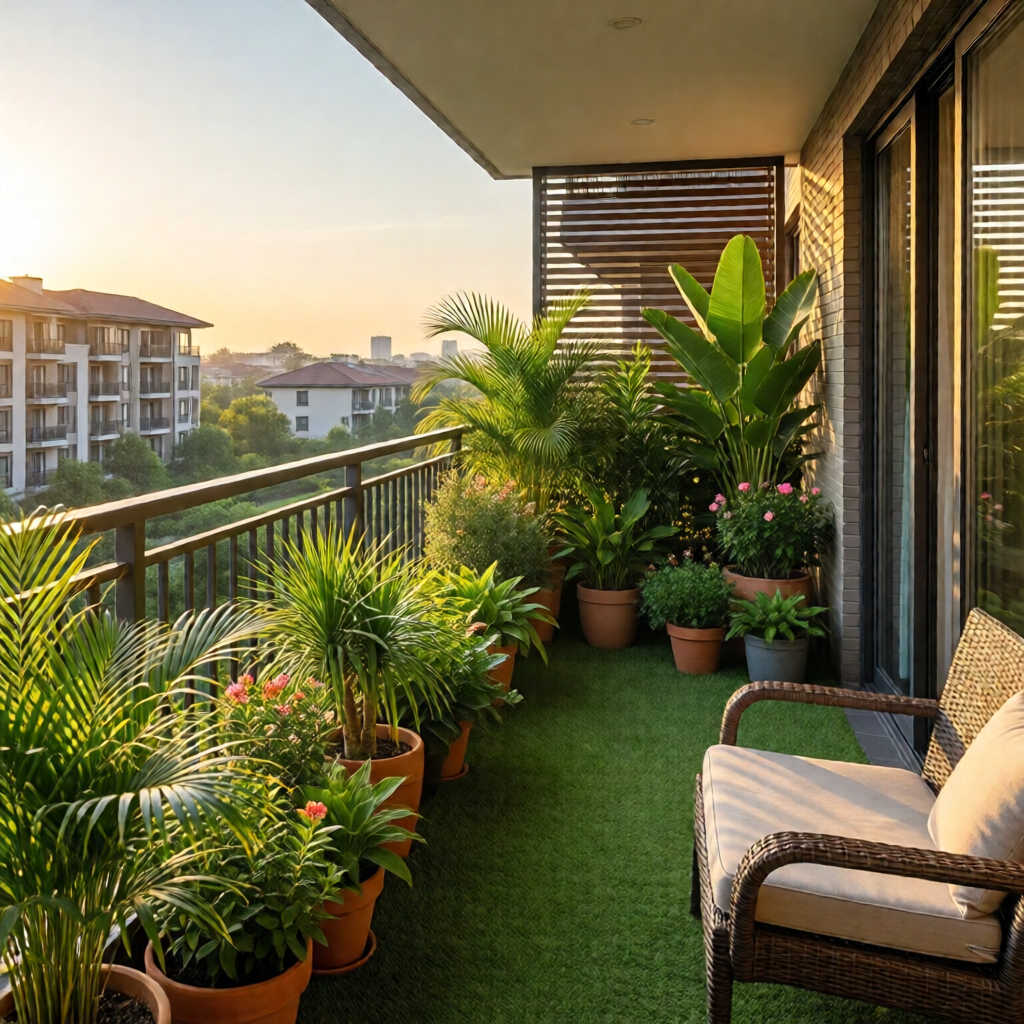
Balcony gardens require ongoing attention, especially as weather changes. Here’s a seasonal checklist to keep your plants healthy year‑round.
Spring
- Clean containers and replace any cracked pots.
- Start seeds indoors or purchase seedlings for early‑season planting.
- Apply a balanced fertilizer to promote vigorous growth.
- Gradually acclimate tender plants to outdoor conditions (hardening off).
Summer
- Water early in the morning or late evening to reduce evaporation.
- Mulch the top of soil with straw or shredded bark to retain moisture.
- Provide shade for heat‑sensitive herbs during peak afternoon sun.
- Watch for pests such as aphids and spider mites; treat with neem oil or insecticidal soap.
Fall
- Harvest remaining produce before the first frost.
- Plant cool‑season crops like kale, Brussels sprouts, and the aforementioned how to grow pumpkins in backyard varieties that tolerate cooler temperatures.
- Start a compost bin for kitchen scraps; use the finished compost to enrich soil for next spring.
Winter
- Move delicate pots to a protected indoor space if possible, or wrap containers with burlap for insulation.
- Reduce watering frequency; most plants go dormant and need less moisture.
- Check for water buildup in self‑watering containers to avoid root rot.
Watering Strategies for Balcony Gardens
Balcony plants often dry out faster due to wind exposure and limited soil volume. Implement these watering practices to keep plants hydrated without waste.
Drip Irrigation
A small, battery‑powered drip system can deliver consistent moisture to each container. It’s especially useful for larger setups with many pots.
Soaker Hoses
Lay a coiled soaker hose in a row of containers, then turn it on for a few minutes a day. This method reduces water splashing onto balcony railings and minimizes runoff.
Watering Cans with Long Spouts
For a low‑tech approach, use a watering can with a narrow spout to target the soil directly, avoiding foliage that can develop fungal diseases.
Rainwater Harvesting
Place a shallow tray beneath hanging baskets to collect rainwater. Transfer the collected water to your pots using a small scoop—this conserves water and reduces reliance on municipal supply.
Maximizing Light and Managing Shade
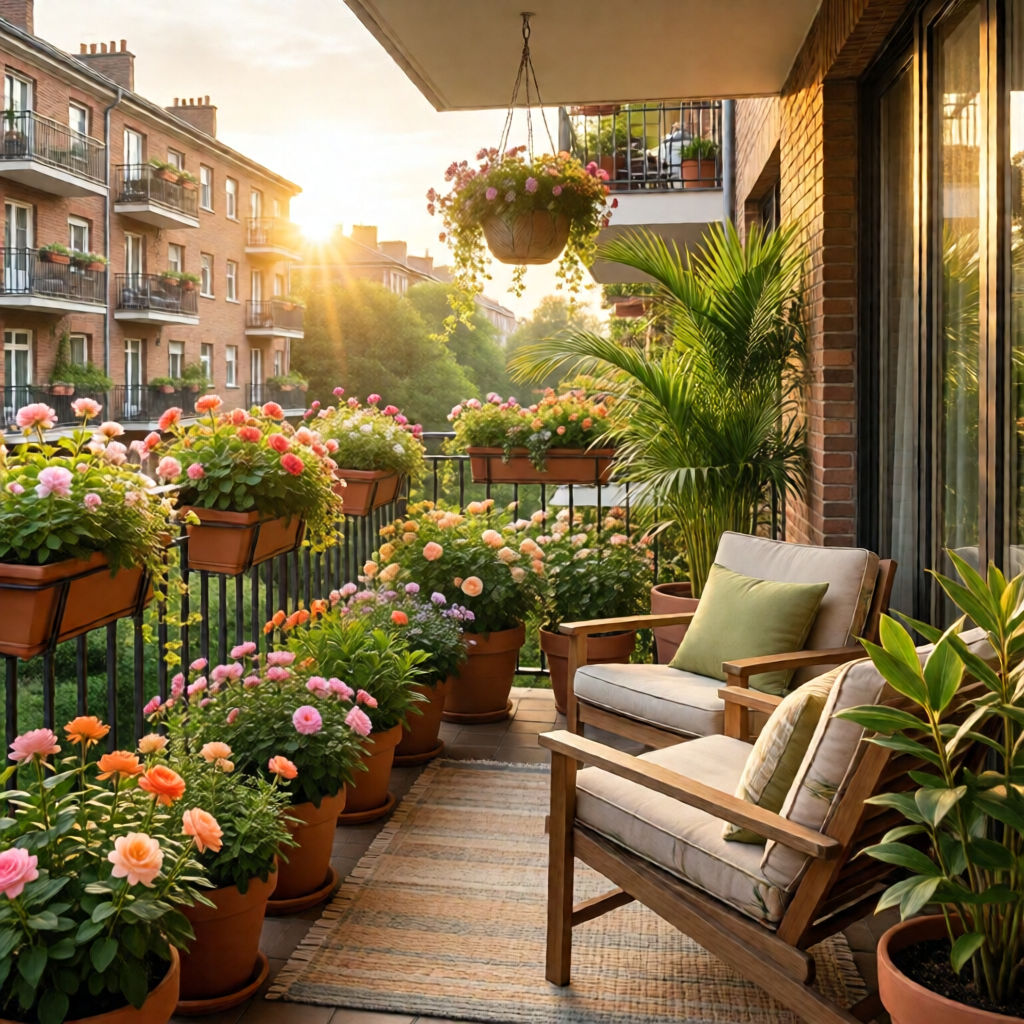
Light is the most critical factor for balcony gardening success. Use these tactics to ensure each plant receives the appropriate amount of sunlight.
Reflective Surfaces
Position light‑colored or reflective materials (such as a white board or mirrored panels) behind plants to bounce additional light onto shaded areas.
Adjustable Planters
Use rolling carts or plant stands on wheels to move containers throughout the day. This allows you to position sun‑loving vegetables in the brightest spot during midday and shift shade‑tolerant herbs to cooler corners.
Shade Cloths
When the sun is too intense, especially on west‑facing balconies, drape a lightweight shade cloth (30‑50% density) over the garden during peak afternoon hours. This protects both plants and your balcony furniture.
Strategic Plant Placement
Taller plants like dwarf tomatoes or climbing beans should be placed at the back or center, while low‑growth herbs and lettuce can fill the front. This arrangement ensures taller plants don’t cast excessive shade on shorter, shade‑sensitive species.
Eco‑Friendly and Sustainable Practices
Balcony gardening can be a green oasis that reduces your carbon footprint. Here are sustainable habits to adopt:
- Reuse and Upcycle – Turn old wooden crates, pallets, or even tin cans into stylish planters.
- Compost – Use a small countertop compost bin for kitchen scraps; the finished compost can be mixed into potting soil.
- Native and Drought‑Tolerant Plants – Incorporate species like sedum, lavender, or ornamental grasses that require less water.
- Organic Pest Control – Encourage beneficial insects with flowering herbs; use homemade sprays (e.g., garlic or chili pepper solutions) instead of synthetic chemicals.
- Rainwater Collection – Set up a compact rain barrel or a simple collection system to capture runoff from the balcony roof.
Budget‑Friendly Tips
Creating a beautiful balcony garden doesn’t have to break the bank. Follow these cost‑saving ideas:
- Start plants from seed rather than buying seedlings. Seeds are inexpensive and offer a wider variety.
- Swap cuttings with neighbors—many herbs root easily from stem cuttings.
- Use fabric grow bags instead of expensive ceramic pots; they’re lightweight and often cheaper.
- Visit local farmers’ markets at the end of the day for discounted “seconds” or “imperfect” produce that can be replanted.
- Utilize free resources online for DIY plans and tutorials, such as our DIY garden bench ideas.
Common Mistakes and How to Avoid Them
Even seasoned gardeners can slip up on balconies. Recognize these pitfalls and apply corrective measures before they become problems.
Over‑watering
Because containers dry quickly, it’s tempting to water multiple times a day. However, soggy soil leads to root rot. Test soil moisture by sticking a finger about an inch deep; water only when the soil feels dry at that depth.
Neglecting Wind Protection
Balconies are exposed to strong gusts that can damage delicate stems. Install windbreaks—such as lattice panels, bamboo screens, or sturdy fabric curtains—to shield plants.
Using Inappropriate Soil
Garden soil is too heavy and compact for pots. Always use a light, well‑draining potting mix designed for containers.
Planting Too Densely
Crowded pots restrict airflow and increase disease risk. Follow recommended spacing guidelines on seed packets or plant tags.
Ignoring Weight Limits
Balcony railings and flooring have load capacities. Distribute weight evenly, keep heavy pots near the railing, and avoid over‑filling containers with soil.
Putting It All Together: A Sample Balcony Garden Blueprint
To illustrate how the concepts above combine, here’s a step‑by‑step example for a 6‑by‑8‑foot balcony with east exposure.
- Layout: Place a rolling cart on the left side for herbs; install a vertical trellis against the right railing for climbing beans.
- Containers: Use three 12‑inch fabric grow bags for basil, cilantro, and parsley; a 20‑inch self‑watering pot for a dwarf tomato; and a hanging basket for strawberries.
- Soil: Fill each container with a premium potting mix plus a handful of compost.
- Watering: Set up a small drip line connected to a timer, delivering 15 minutes of water each morning.
- Lighting: Add a reflective white board behind the herbs to bounce extra morning light.
- Decoration: Hang solar string lights across the balcony rail and place a compact bench made from reclaimed pallets.
Following this blueprint, you’ll have a functional, attractive garden that yields fresh herbs, a few tomatoes, and sweet strawberries—all within a few weeks of planting.
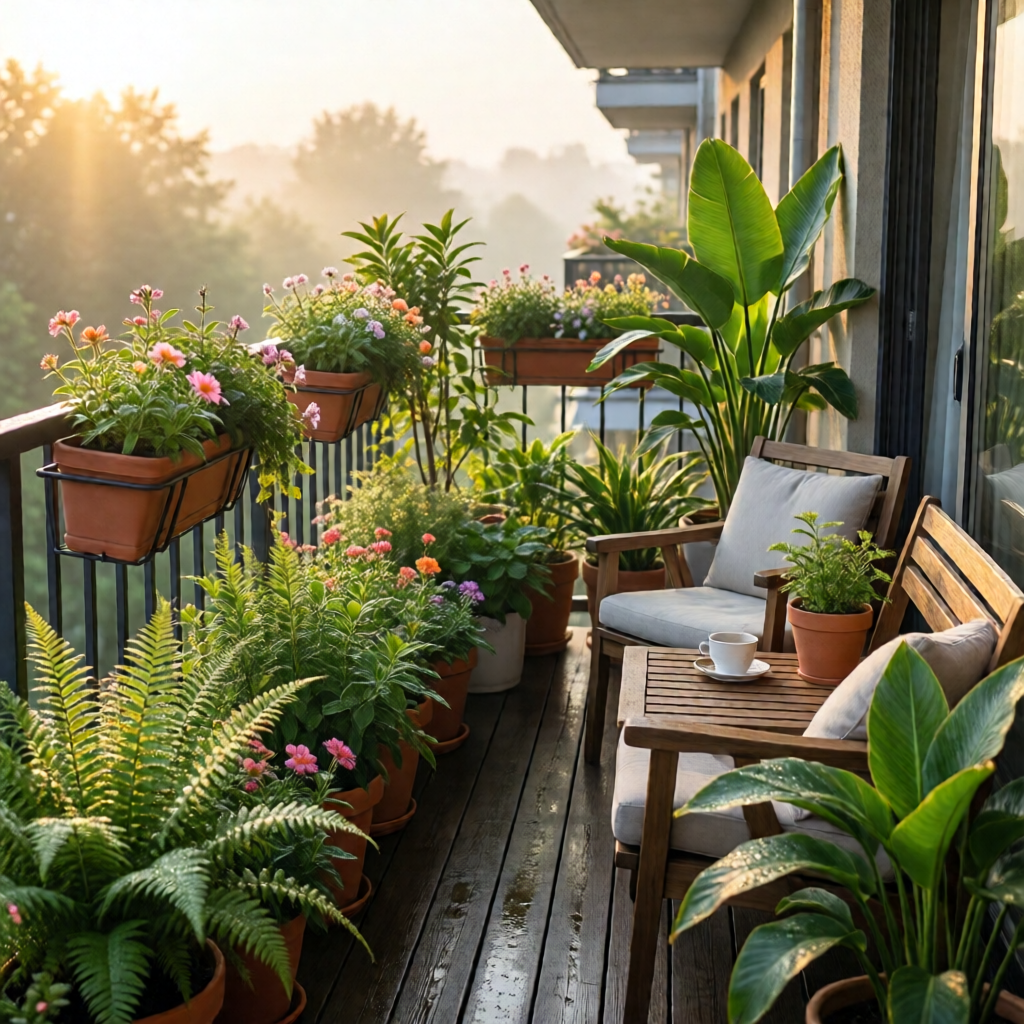
Balcony gardening is a rewarding blend of creativity, practicality, and a love for nature. By assessing your space, choosing the right containers, selecting suitable plants, and implementing smart watering and design strategies, you can cultivate a thriving garden that enhances your apartment’s aesthetic, provides fresh produce, and offers a peaceful retreat from city life.
What are the best vegetables for a sunny balcony?
Sun‑loving vegetables such as dwarf tomatoes, peppers, bush beans, and leafy greens like lettuce and spinach perform well on sunny balconies. Choose compact varieties and provide support structures like cages or trellises.
How can I protect my balcony plants from strong winds?
Install windbreaks using lattice panels, bamboo screens, or sturdy fabric curtains. Position taller plants on the leeward side and use heavier pots or anchor containers to the railing.
Can I grow fruit on a small balcony?
Yes, dwarf fruit varieties like compact tomato plants, strawberries, blueberries (dwarf), and even mini figs can thrive in containers on balconies. Ensure they receive adequate sunlight and use well‑draining soil.
What is the easiest way to water many balcony containers?
A drip irrigation system or soaker hose set on a timer provides consistent moisture to multiple pots while minimizing waste. For smaller setups, self‑watering containers or a watering can with a long spout work well.
How do I make my balcony garden more sustainable?
Use upcycled containers, compost kitchen scraps, collect rainwater, choose native or drought‑tolerant plants, and employ organic pest control methods. These practices reduce waste and lower the garden’s environmental impact.
1 réflexion au sujet de « Balcony Garden Ideas For Apartments – Expert Guide and Ideas »