Ever wondered which leafy companions can thrive on your windowsill without turning your beloved dog into a curious test subject?
In This Article
- What You Will Need (or Before You Start)
- Step 1: Assess Your Space and Light Conditions
- Step 2: Choose the Right Pet‑Safe Species
- Step 3: Prepare the Potting Mix and Containers
- Step 4: Plant and Position Your New Green Friends
- Step 5: Ongoing Care and Monitoring
- Common Mistakes to Avoid
- Troubleshooting and Tips for Best Results
- Summary Conclusion
What You Will Need (or Before You Start)
- A list of pet‑safe indoor plants for dogs – we’ll cover the top 12 options.
- Containers with drainage holes (6‑8 inches diameter for small herbs, 10‑12 inches for larger foliage).
- Potting mix: a blend of 40 % peat moss, 30 % perlite, and 30 % composted bark (The Sill’s “All‑Purpose Potting Soil” – $12.99 per 5‑lb bag).
- Watering can with a narrow spout (Haws Classic – $29.95).
- Grow lights or a sunny spot (south‑facing window, 6‑8 hours of direct light).
- Optional: decorative moss or pebble top‑dress (Costa Farms “Pebble‑Mat” – $6.99 per 2‑lb bag).
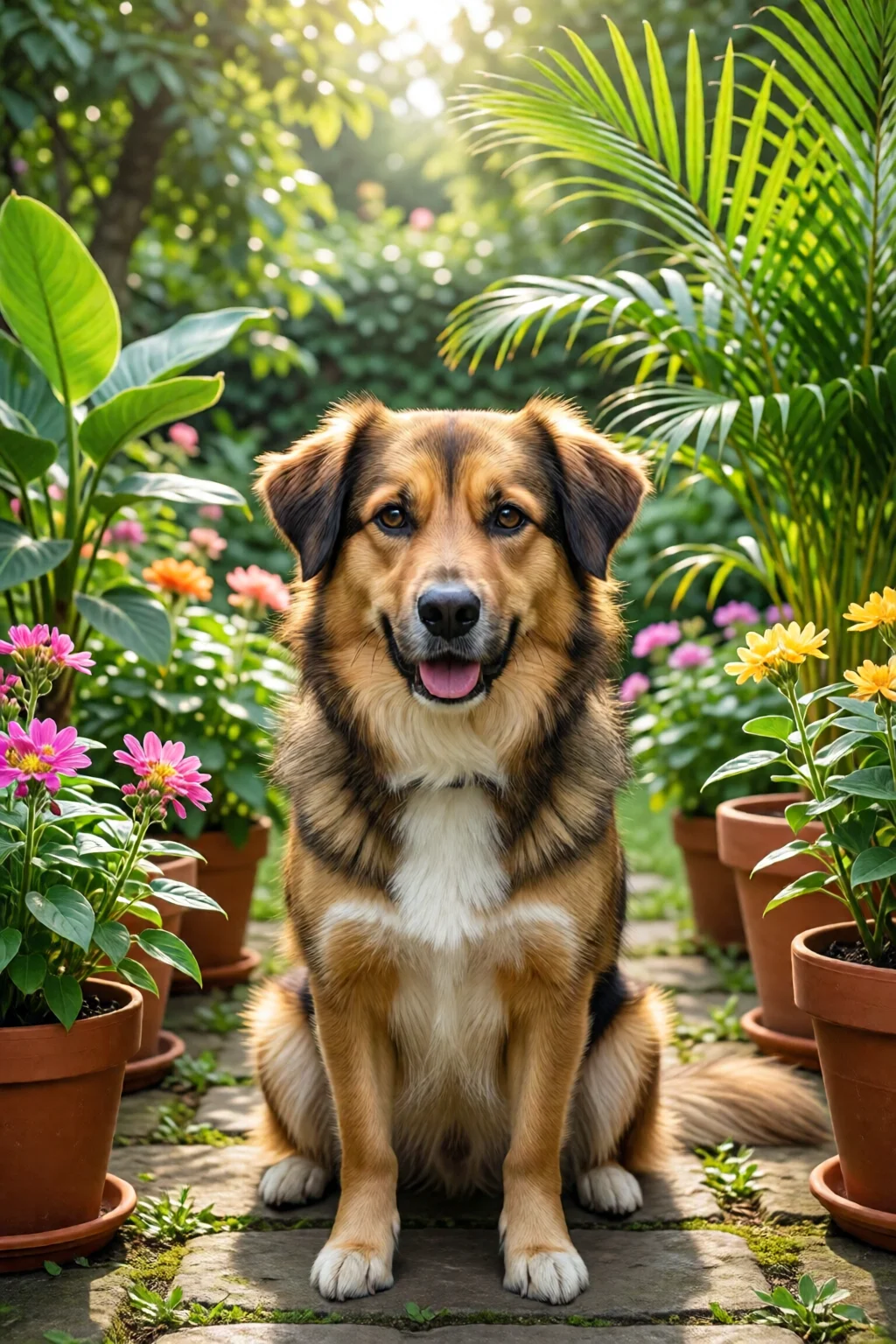
Step 1: Assess Your Space and Light Conditions
Before you buy anything, walk around the room where you intend to place the plants. Measure the window width (e.g., 48 inches) and note the direction it faces. South‑facing windows usually provide 6‑8 hours of bright, direct light, ideal for most non‑toxic houseplants. North‑facing spots may need a supplemental LED grow light – the best indoor trees for apartments guide recommends a 30‑watt full‑spectrum panel, which costs around $45.
Check the floor space: a 12‑inch pot occupies roughly 0.8 sq ft. For a medium‑size living room (200 sq ft), you could comfortably fit 8‑10 medium plants without crowding.
Step 2: Choose the Right Pet‑Safe Species
Now comes the fun part – picking the greenery that won’t harm your dog if it decides to nibble. Below is a curated list, complete with price points and care notes.
- Spider Plant (Chlorophytum comosum) – $9.99 for a 6‑inch pot from Amazon Basics. Thrives in indirect light, tolerates occasional over‑watering.
- Boston Fern (Nephrolepis exaltata) – $14.95, 8‑inch pot from The Sill. Likes high humidity; mist daily or use a pebble tray.
- Areca Palm (Dypsis lutescens) – $34.99, 12‑inch pot from Bloomscape. Needs bright, filtered light; water when top 2 inches of soil dry.
- Parlor Palm (Chamaedorea elegans) – $22.00, 10‑inch pot from Home Depot. Low‑light tolerant, perfect for office corners.
- Calathea (Calathea lancifolia) – $27.50, 8‑inch pot from Costco. Showy foliage; keep soil consistently moist, avoid drafts.
- Prayer Plant (Maranta leuconeura) – $18.99, 6‑inch pot from Lowe’s. Similar care to Calathea, loves humidity.
- Ponytail Palm (Beaucarnea recurvata) – $25.00, 10‑inch pot from Wayfair. Stores water in the trunk; water sparingly (once a month).
- Bamboo Palm (Chamaedorea seifrizii) – $31.00, 12‑inch pot from Target. Excellent air purifier, tolerates low light.
- Peperomia (Peperomia obtusifolia) – $12.95, 4‑inch pot from Amazon. Compact, loves medium light.
- Cast Iron Plant (Aspidistra elatior) – $19.00, 8‑inch pot from The Sill. Near‑indestructible, perfect for beginners.
- Haworthia (Haworthia fasciata) – $9.50, 3‑inch pot from Bloomscape. Low‑light succulent; see our succulent care guide for indoors.
- Spiderwort (Tradescantia zebrina) – $13.99, 6‑inch pot from Home Depot. Trailing habit; keep soil slightly moist.
All the plants above are listed by the ASPCA as non‑toxic to dogs. One mistake I see often is assuming “low‑maintenance” means “dog‑proof.” Even pet‑safe plants can cause mild stomach upset if eaten in large amounts, so keep an eye on curious pups.
Step 3: Prepare the Potting Mix and Containers
Start with a clean container – rinse any old soil residue to prevent fungal spores. Place a 1‑inch layer of broken pottery shards at the bottom for drainage; this helps avoid root rot, a common issue with indoor palms.
Fill the pot about three‑quarters full with the all‑purpose potting mix. For succulents like Haworthia, swap 20 % of the peat with extra perlite to improve aeration. The resulting mix should feel gritty, not soggy.
Moisten the soil lightly before planting – aim for a moisture level of about 60 % (you can test with a finger; the soil should feel like a damp sponge).
Step 4: Plant and Position Your New Green Friends
Gently remove the plant from its nursery pot, teasing out the roots if they’re circling. Place the plant in the center of the container, ensuring the crown sits just below the rim. Fill in around the roots with additional mix, firming gently with your hands.
Water each plant according to its species: Ferns get a thorough soak until water drains from the bottom; succulents receive a light mist. Position the pots based on the light assessment from Step 1. For example, place the Areca Palm near a south‑facing window, while the Cast Iron Plant can sit in a dim hallway.
Label each pot with a small tag (e.g., “Spider Plant – Water weekly”). This habit reduces over‑watering, a leading cause of indoor plant failure.
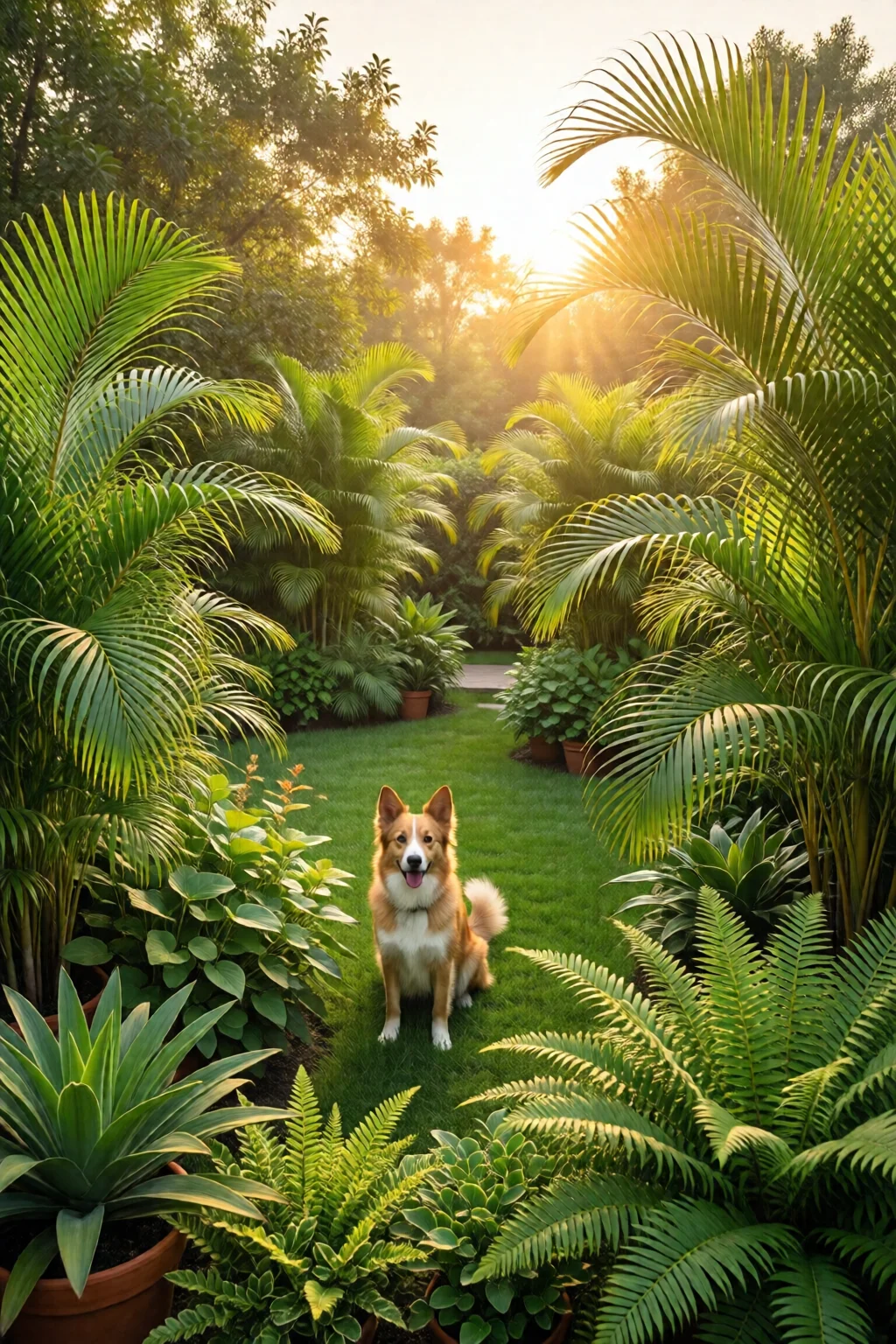
Step 5: Ongoing Care and Monitoring
Set a weekly schedule: check soil moisture, wipe leaf dust with a damp cloth, and rotate pots 90° to encourage even growth. Use a moisture meter (e.g., the XLUX Soil Moisture Sensor – $15) for precision.
Fertilize every 6‑8 weeks during the growing season (April‑September) with a balanced 20‑20‑20 liquid feed diluted to half strength. For succulents, skip fertilization altogether; they thrive on minimal nutrients.
Watch your dog’s behavior: if you notice repeated chewing, move the plant out of reach or use a decorative barrier. In my experience, a simple bamboo fencing (Costco “Bamboo Garden Fence” – $22) does the trick without compromising aesthetics.
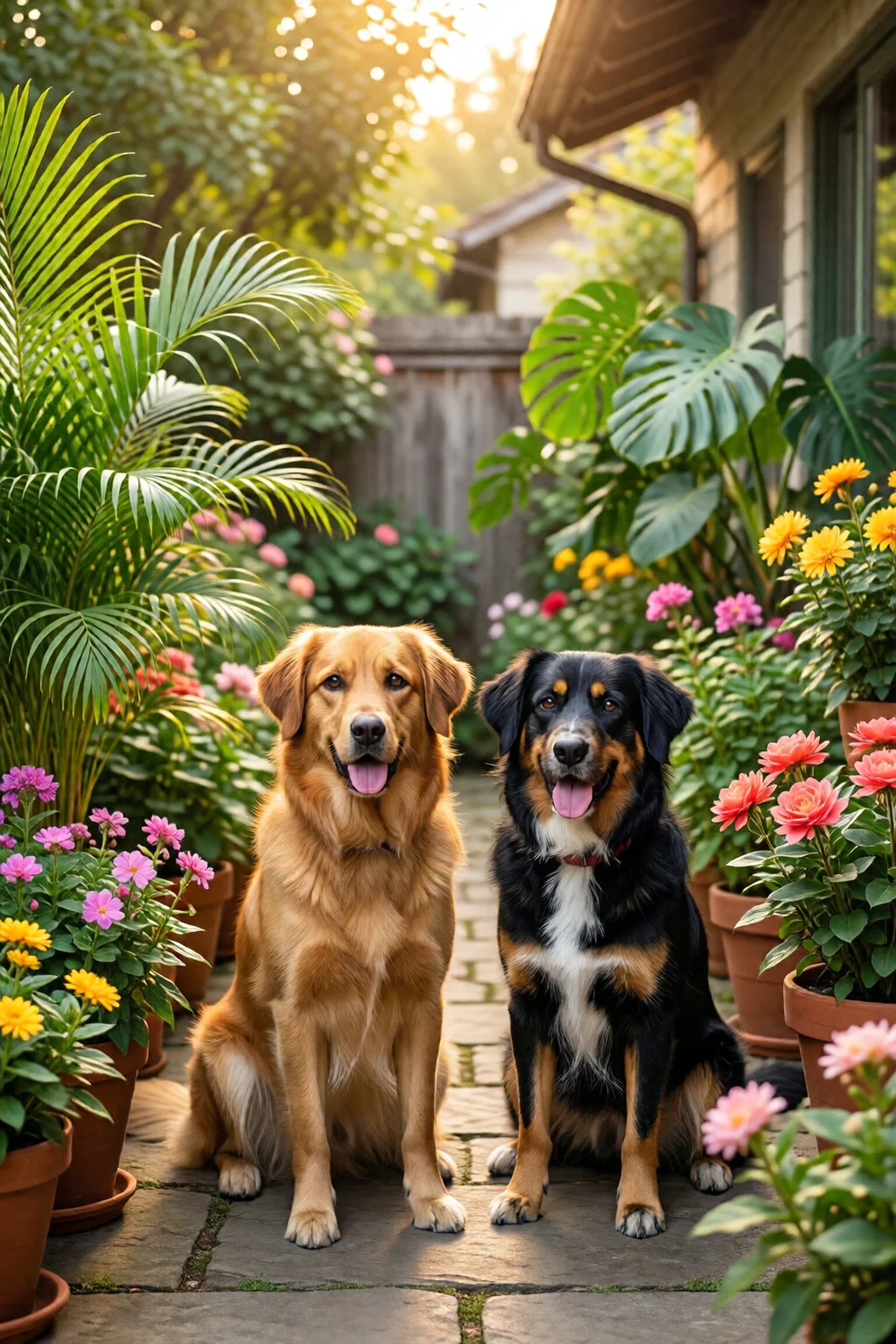
Common Mistakes to Avoid
- Assuming “pet‑safe” equals “dog‑proof.” Even non‑toxic plants can cause gastrointestinal upset if ingested in large quantities.
- Over‑watering. Many indoor dogs live in humid homes; excess water leads to root rot, especially in palms.
- Placing shade‑loving plants in direct sun. Spiderwort and Peperomia will scorch, turning leaves brown.
- Neglecting humidity. Ferns and Calatheas need 50‑60 % humidity; a room humidifier (Honeywell HCM350W – $69) can make a huge difference.
- Using heavy, non‑draining pots. Clay pots retain moisture; opt for lightweight plastic or fabric grow bags for better airflow.
Troubleshooting and Tips for Best Results
Yellowing leaves? Check for two things: waterlogged soil or nitrogen deficiency. If the soil feels soggy, repot with fresh mix and reduce watering frequency. If the yellow is uniform, add a diluted liquid fertilizer.
Brown leaf tips? Common with low humidity or over‑fertilization. Increase ambient humidity (place a tray of water near heat sources) and flush the soil with plain water to leach excess salts.
Leggy growth? Your plant is reaching for light. Move it closer to the window or add a 15‑watt LED grow light. For tall palms, a stake (DIY bamboo stake – $2) can keep them upright.
Pet chewing persists? Try a bitter-tasting deterrent spray (e.g., “PetSafe Bitter Apple” – $8). Reapply every two weeks, especially after watering.
For larger decorative statements, consider grouping several safe plants together. A trio of Spider Plant, Boston Fern, and Cast Iron Plant fills a 2‑ft‑wide corner beautifully – see our large indoor plants for living room guide for layout ideas.
Summary Conclusion
Choosing pet‑safe indoor plants for dogs doesn’t have to be a gamble. By assessing light, selecting proven non‑toxic species, using the right soil, and keeping a regular care routine, you’ll create a thriving green oasis that both you and your canine companion can enjoy. Remember: a little vigilance—like monitoring chewing habits and adjusting watering—goes a long way toward a happy, healthy home garden.
Which indoor plants are completely non‑toxic to dogs?
Plants such as Spider Plant, Boston Fern, Areca Palm, Parlor Palm, Calathea, Prayer Plant, Ponytail Palm, Bamboo Palm, Peperomia, Cast Iron Plant, Haworthia, and Spiderwort are listed by the ASPCA as non‑toxic to dogs.
How often should I water my pet‑safe indoor plants?
Water frequency varies: Ferns and palms like a thorough soak once the top 2 inches of soil dry, succulents need light misting only when the soil is completely dry, and most foliage plants thrive with weekly watering.
Can my dog still get sick if it eats a non‑toxic plant?
Non‑toxic plants are unlikely to cause severe poisoning, but large amounts can lead to mild stomach upset. Always monitor your pet and discourage chewing.
Do I need special soil for these plants?
A general indoor potting mix (40 % peat, 30 % perlite, 30 % bark) works for most. For succulents, increase perlite to improve drainage.
How can I keep my dog from chewing my plants?
Place plants out of reach, use deterrent sprays, provide chew toys, and consider a decorative barrier like a bamboo fence. Consistent training also helps.
2 commentaires sur « Pet Safe Indoor Plants For Dogs – Tips, Ideas and Inspiration »