Ever wondered why some bathrooms feel like a tropical oasis while others stay stubbornly dry, and how a few well‑chosen greens can tip the balance?
In This Article
- 1. Boston Fern (Nephrolepis exaltata ‘Boston’)
- 2. Orchid (Phalaenopsis spp.)
- 3. Peace Lily (Spathiphyllum wallisii)
- 4. Spider Plant (Chlorophytum comosum)
- 5. Snake Plant (Sansevieria trifasciata ‘Laurentii’)
- 6. Pothos (Epipremnum aureum)
- 7. Bamboo Palm (Chamaedorea seifrizii)
- Comparison Table: Top Picks for Bathroom Humidity
- Putting It All Together: Practical Steps for a Lush Bathroom
- FAQs About Bathroom Plant Care
- Final Verdict: Which Plant Wins?
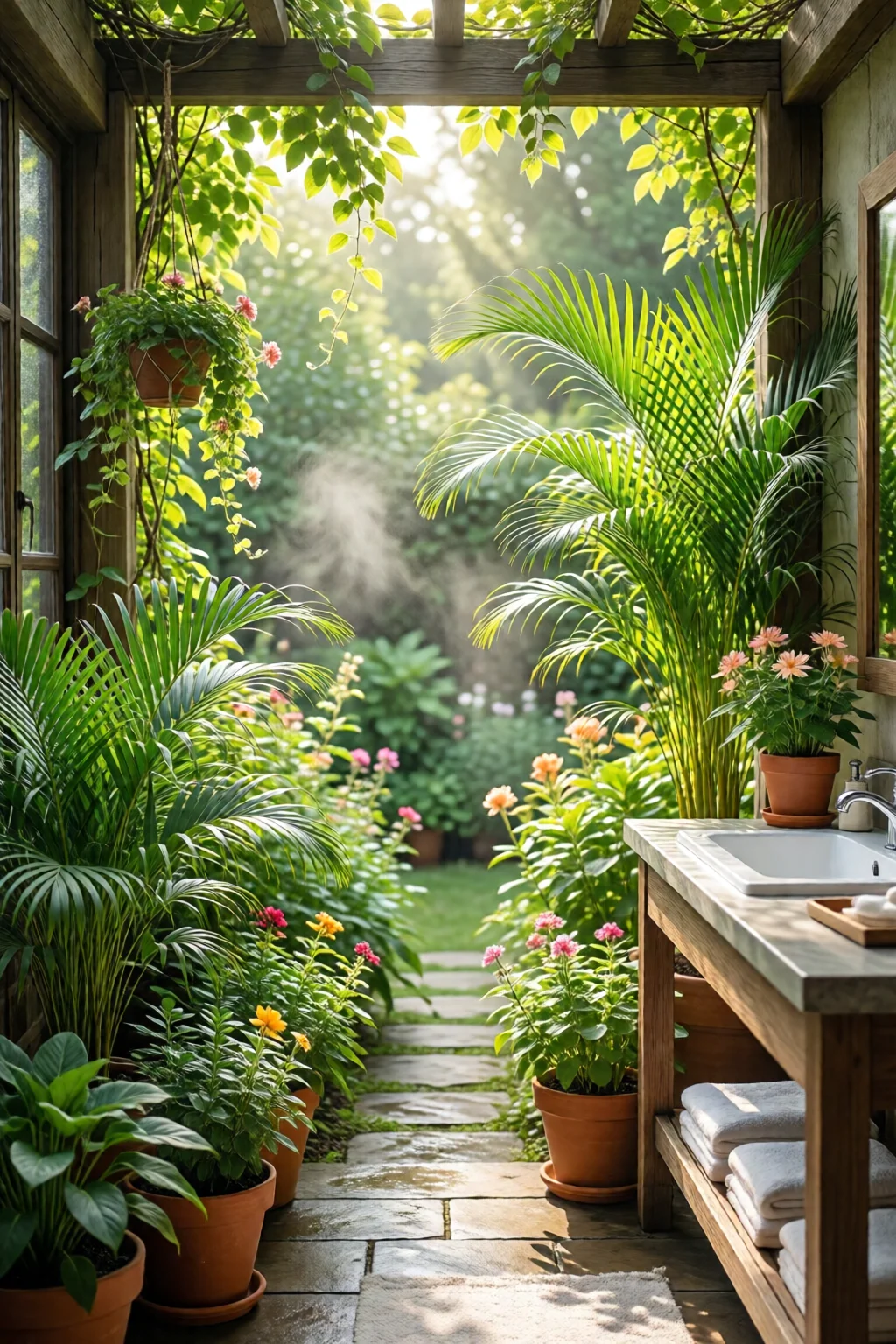
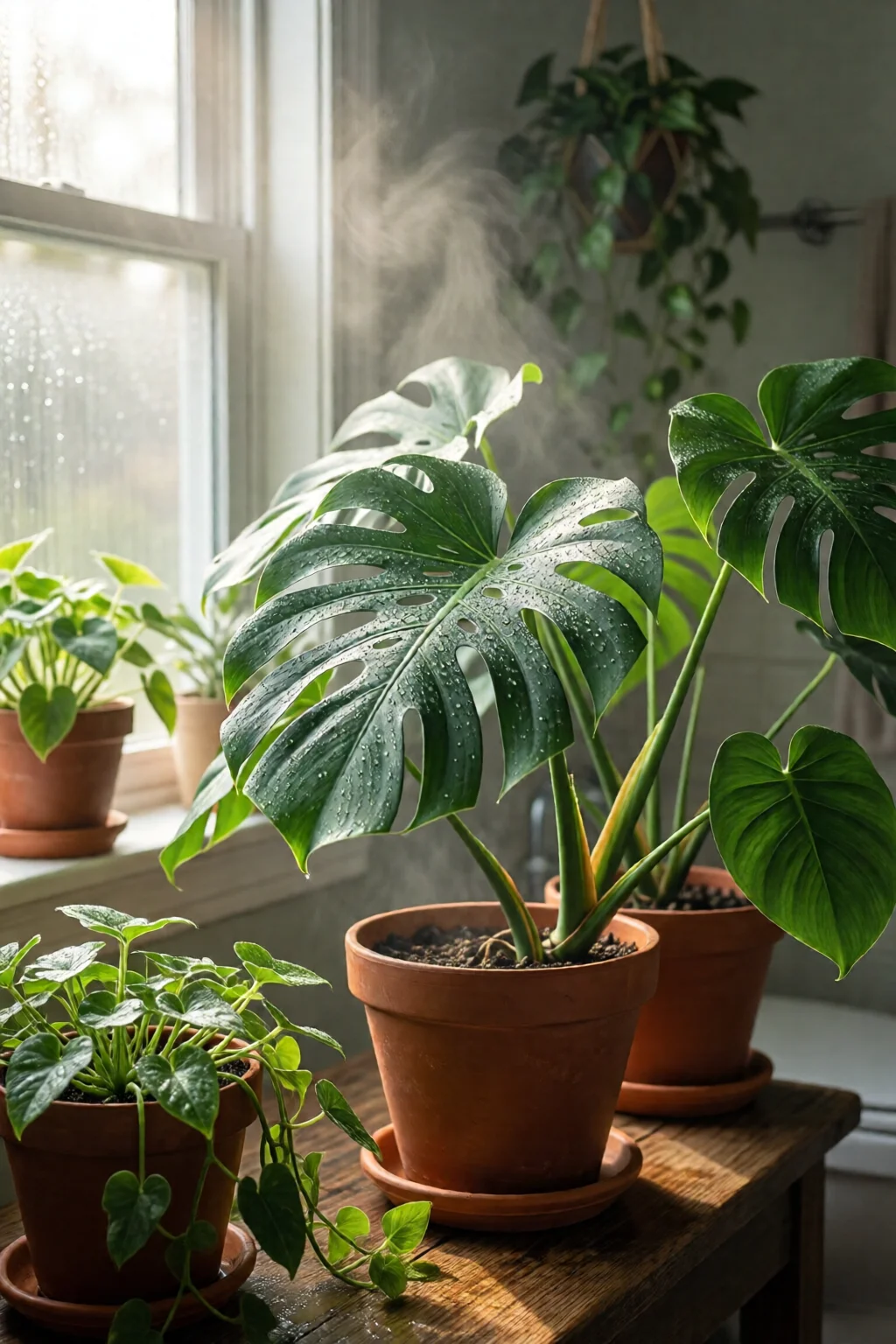
Humidity isn’t just a comfort factor; it directly influences the health of indoor plants, especially in the confined space of a bathroom. The steam from showers creates a micro‑climate that many houseplants love, but only if you pick the right species. Below is my curated list of the best plants for bathroom humidity, complete with care tips, price points, and real‑world pros and cons so you can turn that tiled retreat into a thriving green sanctuary.
1. Boston Fern (Nephrolepis exaltata ‘Boston’)
In my experience, the Boston Fern is the undisputed champion of damp bathrooms. It thrives in 70‑90% relative humidity and loves indirect light, making it perfect for a window‑less powder room that gets regular steam.
Care Snapshot
- Light: Bright, indirect (or filtered) light; 4–6 ft² of diffused daylight works well.
- Water: Keep the soil consistently moist—about 1 in (2.5 cm) of water weekly. A bottom‑watering tray with pebbles helps maintain humidity.
- Temperature: 65–75 °F (18–24 °C).
- Fertilizer: Diluted liquid fertilizer (¼ strength) every 4–6 weeks during growing season.
Pros
- Absorbs up to 1.5 g of moisture per hour, actively lowering airborne dryness.
- Elegant, feathery fronds add texture.
- Affordable: Costa Farms Boston Fern, 12‑inch pot, $15.
Cons
- Sensitive to over‑drying; brown tips appear quickly if the bathroom is used infrequently.
- Requires occasional pruning to prevent frond crowding.
2. Orchid (Phalaenopsis spp.)
Many people think orchids are finicky, but the Phalaenopsis, or moth orchid, actually loves the warm, humid environment of a bathroom. I keep my Royal Horticultural Society‑approved Phalaenopsis on a bathroom vanity where it receives filtered morning light.
Care Snapshot
- Light: Bright, indirect; a north‑facing window with a sheer curtain works.
- Water: Water once a week with room‑temperature water; let the pot drain completely.
- Humidity: 60–80%; mist lightly after showers.
- Fertilizer: Orchid fertilizer (20‑20‑20) at half strength every 2 weeks.
Pros
- Long‑lasting blooms (up to 3 months).
- Compact size—most varieties stay under 18 in (45 cm) tall.
- Elegant aesthetic that elevates bathroom décor.
- Cost: Phalaenopsis ‘Golden Sunset’, 8‑inch pot, $30.
Cons
- Roots are sensitive to standing water; use a well‑draining orchid mix.
- Leaves can develop brown spots if air circulation is poor.
3. Peace Lily (Spathiphyllum wallisii)
The peace lily is a staple for anyone hunting the best plants for bathroom humidity. Its glossy leaves and occasional white spathes thrive in low to medium light, and it tolerates occasional neglect—perfect for busy households.
Care Snapshot
- Light: Low to medium; a bathroom with frosted glass is ideal.
- Water: Keep soil moist but not soggy; water when the top inch feels dry.
- Humidity: 50–80%; mist leaves after hot showers.
- Fertilizer: Balanced houseplant fertilizer (10‑10‑10) monthly.
Pros
- Excellent air‑purifying qualities—removes formaldehyde and benzene.
- Produces blooms throughout the year.
- Price: Costa Farms Peace Lily, 10‑inch pot, $12.
Cons
- Contains calcium oxalate crystals; keep out of reach of pets.
- Leaves may yellow if over‑fertilized.
4. Spider Plant (Chlorophytum comosum)
Spider plants are the workhorses of the bathroom world. I’ve placed a 6‑inch ‘Variegated’ cultivar on a shelf above my sink, and it sends out baby plantlets that I can re‑pot into tiny glass jars.
Care Snapshot
- Light: Bright, indirect; can tolerate fluorescent bathroom lighting.
- Water: Allow top ½ in (1.3 cm) of soil to dry between watering.
- Humidity: 55–70%; thrives in steamy conditions.
- Fertilizer: Monthly balanced fertilizer (5‑10‑5).
Pros
- Hardy—survives occasional neglect.
- Produces “spiderettes” for easy propagation.
- Cost-effective: 4‑inch pot, $8.
Cons
- Leaves may develop brown tips if air is too dry.
- Can become leggy without occasional pruning.
5. Snake Plant (Sansevieria trifasciata ‘Laurentii’)
Don’t let its reputation as a desert plant fool you; the snake plant tolerates the high humidity of a bathroom and, thanks to its CAM photosynthesis, actually **releases oxygen at night**, making it a perfect bedroom‑adjacent bathroom companion.
Care Snapshot
- Light: Low to bright indirect; tolerates fluorescent lighting.
- Water: Water sparingly—once every 3 weeks; let soil dry completely.
- Humidity: 40–70%; no issues with bathroom steam.
- Fertilizer: Light feeding (¼ strength) in spring.
Pros
- Extremely low maintenance.
- Adds vertical architectural interest.
- Price: 8‑inch pot, $12.
Cons
- Leaves can be sharp—keep away from high‑traffic walkways.
- Slow growth; may take years to fill a large space.
6. Pothos (Epipremnum aureum)
If you want a trailing vine that loves humidity, pothos is the answer. I drape a 10‑inch golden pothos over a towel rack, and it enjoys the mist after every shower.
Care Snapshot
- Light: Low to medium; tolerates dim bathroom corners.
- Water: Water when the top 2 in (5 cm) of soil feels dry.
- Humidity: 60–80% ideal; thrives on bathroom steam.
- Fertilizer: Monthly half‑strength liquid feed.
Pros
- Fast‑growing; covers walls quickly.
- Excellent air purifier.
- Cost: 5‑inch pot, $9.
Cons
- Contains toxic saponins; keep out of reach of children and pets.
- Can become invasive if dropped into soil elsewhere.
7. Bamboo Palm (Chamaedorea seifrizii)
The bamboo palm brings a tropical vibe that matches bathroom humidity perfectly. I keep a 3‑ft mature palm in a corner, and its feathery fronds love the constant moisture.
Care Snapshot
- Light: Low to medium; indirect light works.
- Water: Keep soil evenly moist; water weekly in a 5‑gal pot.
- Humidity: 70–90%—the plant practically drinks the steam.
- Fertilizer: Balanced fertilizer every 6 weeks.
Pros
- Grows up to 4 ft indoor, providing a lush backdrop.
- Excellent at removing indoor pollutants.
- Price: 3‑ft pot, $45.
Cons
- Requires a larger pot and occasional repotting.
- Leaves may brown at edges if air circulation is stagnant.
Comparison Table: Top Picks for Bathroom Humidity
| Plant | Light Requirement | Water Needs | Optimal Humidity | Average Price (US) | Rating (5 ★) |
|---|---|---|---|---|---|
| Boston Fern | Bright indirect | Consistently moist | 70‑90 % | $15 | 4.6 |
| Phalaenopsis Orchid | Bright filtered | Weekly soak | 60‑80 % | $30 | 4.4 |
| Peace Lily | Low‑medium | Moist, not soggy | 50‑80 % | $12 | 4.5 |
| Spider Plant | Bright indirect | Allow surface dry | 55‑70 % | $8 | 4.7 |
| Snake Plant | Low‑bright | Every 3 weeks | 40‑70 % | $12 | 4.8 |
When you look at the table, notice how the Boston Fern and Peace Lily dominate the humidity range, while the Snake Plant offers the most forgiving watering schedule. Your choice will hinge on how much light your bathroom receives and how much time you want to invest in maintenance.
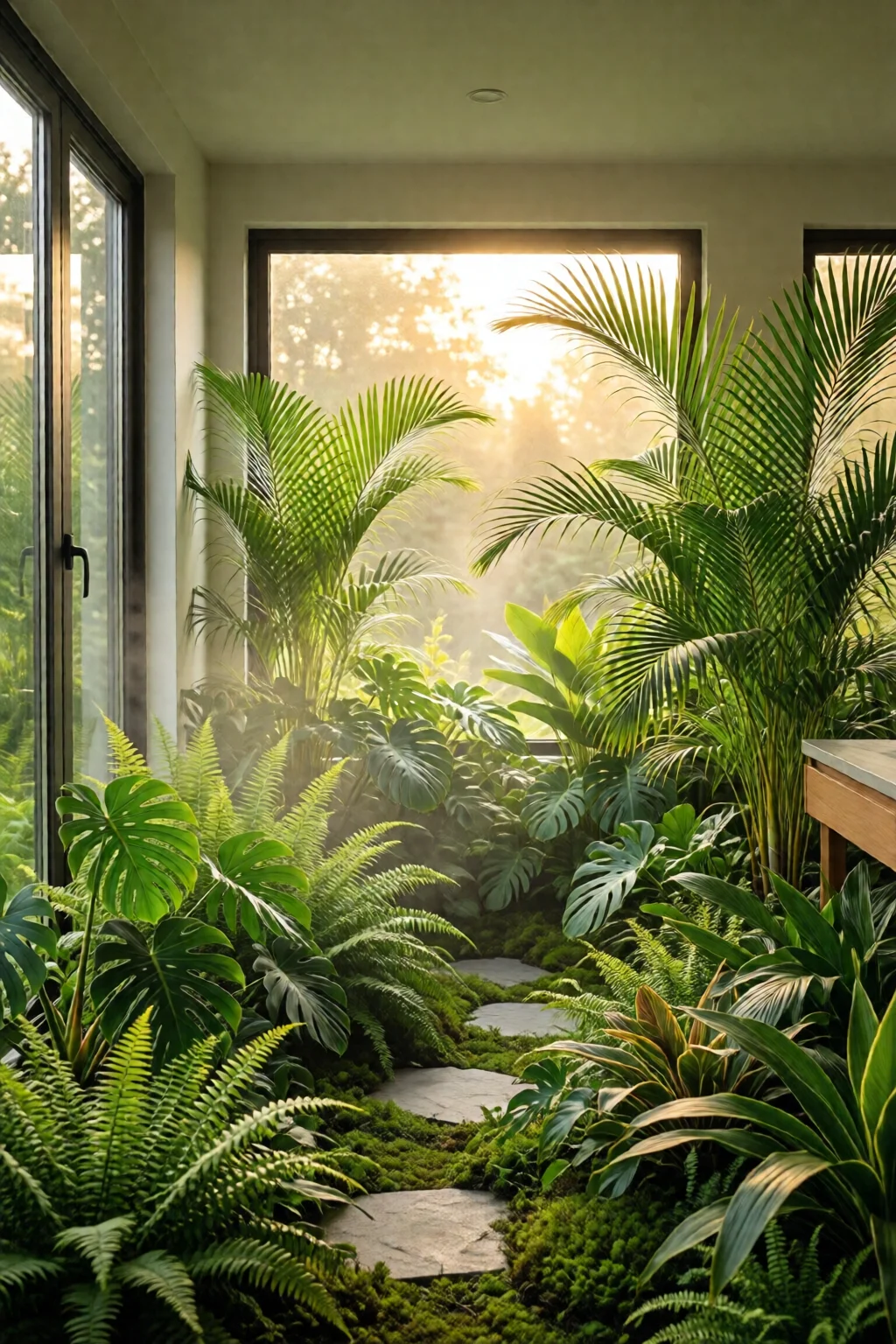
Putting It All Together: Practical Steps for a Lush Bathroom
1. Assess Light. Use a light meter or the smartphone app “Lux Light Meter” to gauge lux levels. Most bathrooms sit between 200–600 lux; choose a plant that matches that range.
2. Choose the Right Pot. Terracotta pots help wick excess moisture, while plastic retains it. For high‑humidity plants like the bamboo palm, a 5‑gal plastic pot with drainage holes works best. Add a saucer to catch runoff and avoid water damage.
3. Mind the Water. Install a small “self‑watering” reservoir (e.g., Lechuza Classico, $45) for Ferns and palms to maintain consistent moisture without daily attention.
4. Boost Humidity Further. If your bathroom isn’t used daily, place a shallow tray of pebbles filled with water near the plant. As the water evaporates, it creates a micro‑climate that mimics a shower.
5. Feed Wisely. Over‑fertilizing is a common mistake. Stick to half‑strength feeds during the growing months (April‑September) and pause in winter. For detailed feeding schedules, see our guide on the best soil mix for indoor plants.
6. Watch for Pests. High humidity can invite fungus gnats. A simple sticky trap (e.g., Safer Brand Yellow Sticky Traps, $6 for a pack of 12) placed near the soil surface keeps them at bay.
7. Rotate Regularly. Turn pots 90° every month so all sides receive equal light, preventing lopsided growth.
FAQs About Bathroom Plant Care
Can I keep a plant in a bathroom without a window?
Yes, low‑light tolerant species like the peace lily, snake plant, and pothos thrive under fluorescent or LED bathroom lighting. Just avoid permanent darkness; a brief exposure to indirect daylight once a week helps reset their circadian rhythm.
How often should I fertilize bathroom plants?
During the active growth period (spring through early fall), feed every 4–6 weeks with a balanced 20‑20‑20 formula diluted to half strength. In winter, reduce or stop feeding entirely.
Will bathroom humidity cause mold on my plant pots?
Mold can appear on the surface of the soil if it stays constantly wet. Use a well‑draining potting mix (e.g., best soil mix for indoor plants) and ensure excess water drains away. Adding perlite or orchid bark improves airflow.
Can I grow herbs in my bathroom?
Absolutely. Herbs like basil, mint, and thyme love the humidity and warm temperatures. Pair them with a bright window or a grow‑light, and you’ll have fresh herbs for cooking. Check out our indoor herb garden ideas kitchen for layout tips.
What is the best way to repot a bathroom plant?
Choose a pot 1‑2 in larger than the current one. Gently loosen the root ball, trim any dead roots, and place the plant in fresh, moisture‑retentive mix. Water thoroughly, then let excess drain. Repotting every 12–18 months keeps growth vigorous.
Final Verdict: Which Plant Wins?
If you have a bathroom with moderate to bright indirect light and you want a plant that actively improves air quality while soaking up steam, the Boston Fern takes the top spot. It balances aesthetic appeal, humidity absorption, and cost.
For a low‑maintenance, architectural statement that also works in low‑light conditions, the Snake Plant is unbeatable. And if you crave occasional blooms and a touch of elegance, the Phalaenopsis Orchid delivers spectacular flowers without demanding daily watering.
Remember, the “best plants for bathroom humidity” are those that match your light conditions, maintenance willingness, and design aesthetic. Pick one (or a mix) from the list, follow the practical steps above, and watch your bathroom transform from a functional space into a thriving green retreat.
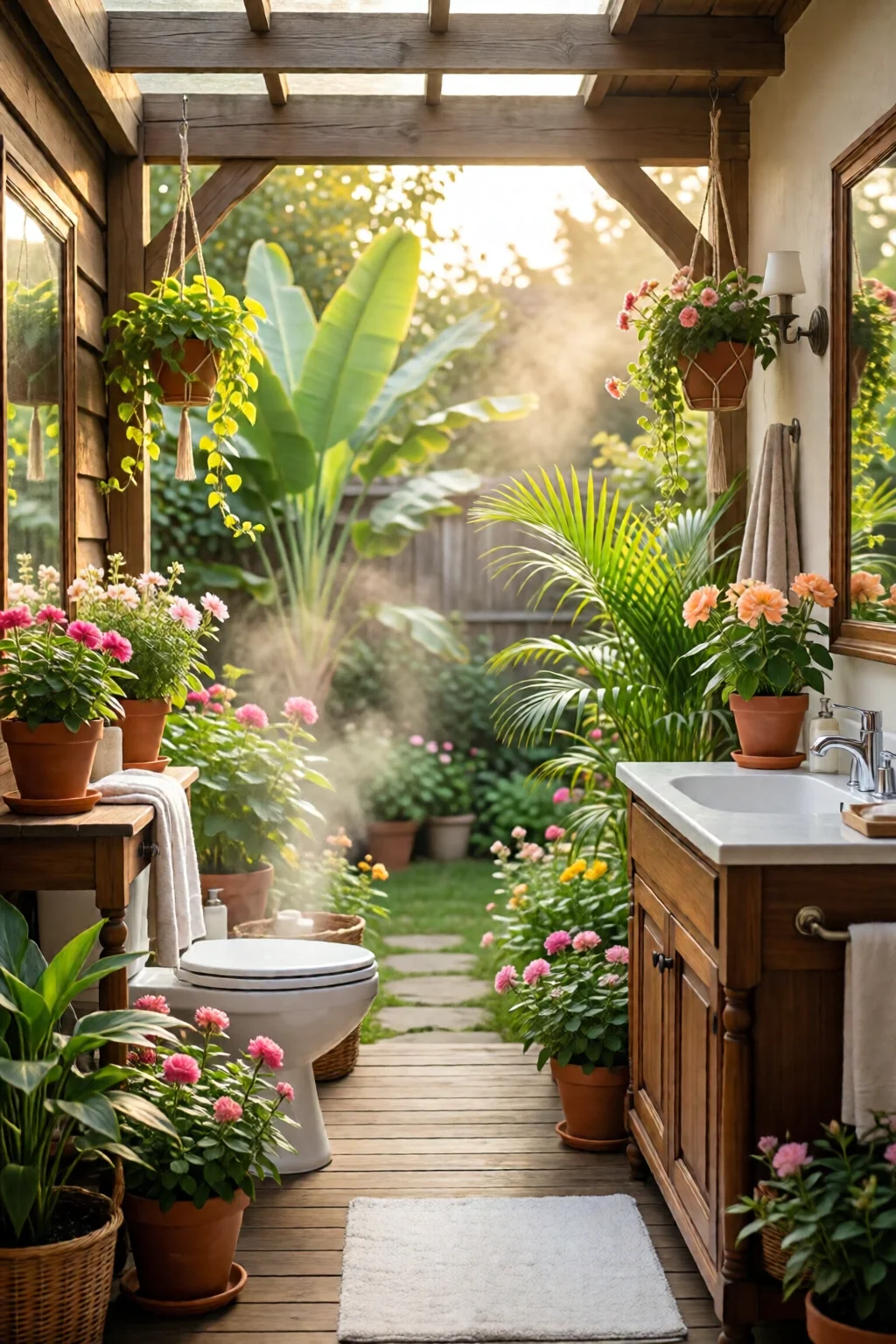
Ready to start? Grab a pot, pick your favorite from the table, and let the humidity work its magic. Happy planting!
3 commentaires sur « Best Plants For Bathroom Humidity – Tips, Ideas and Inspiration »